Who arrives at the site?
Employees, residents, subscribers, visitors, deliveries and occasional customers do not need the same credential, validity period or assistance path.
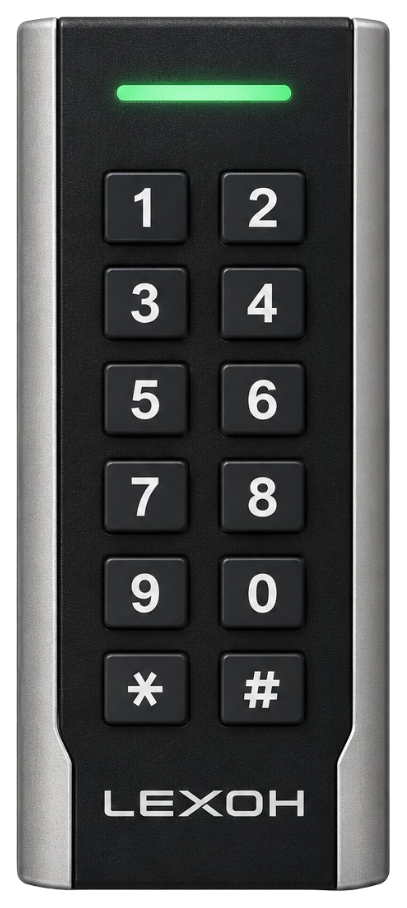
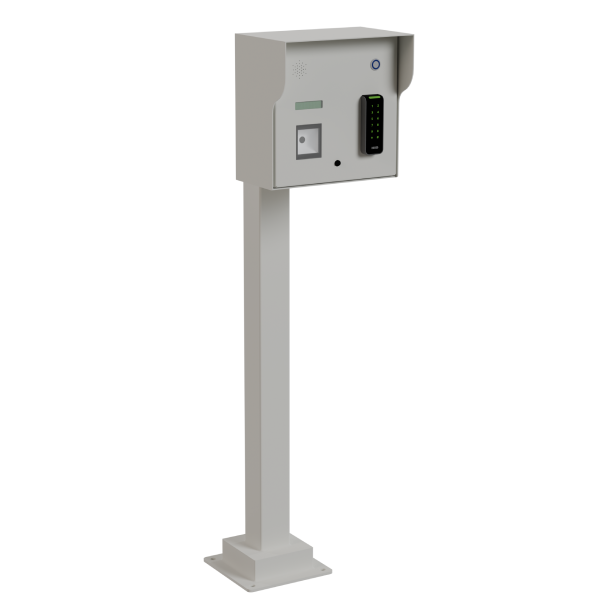
Card-based credential reader
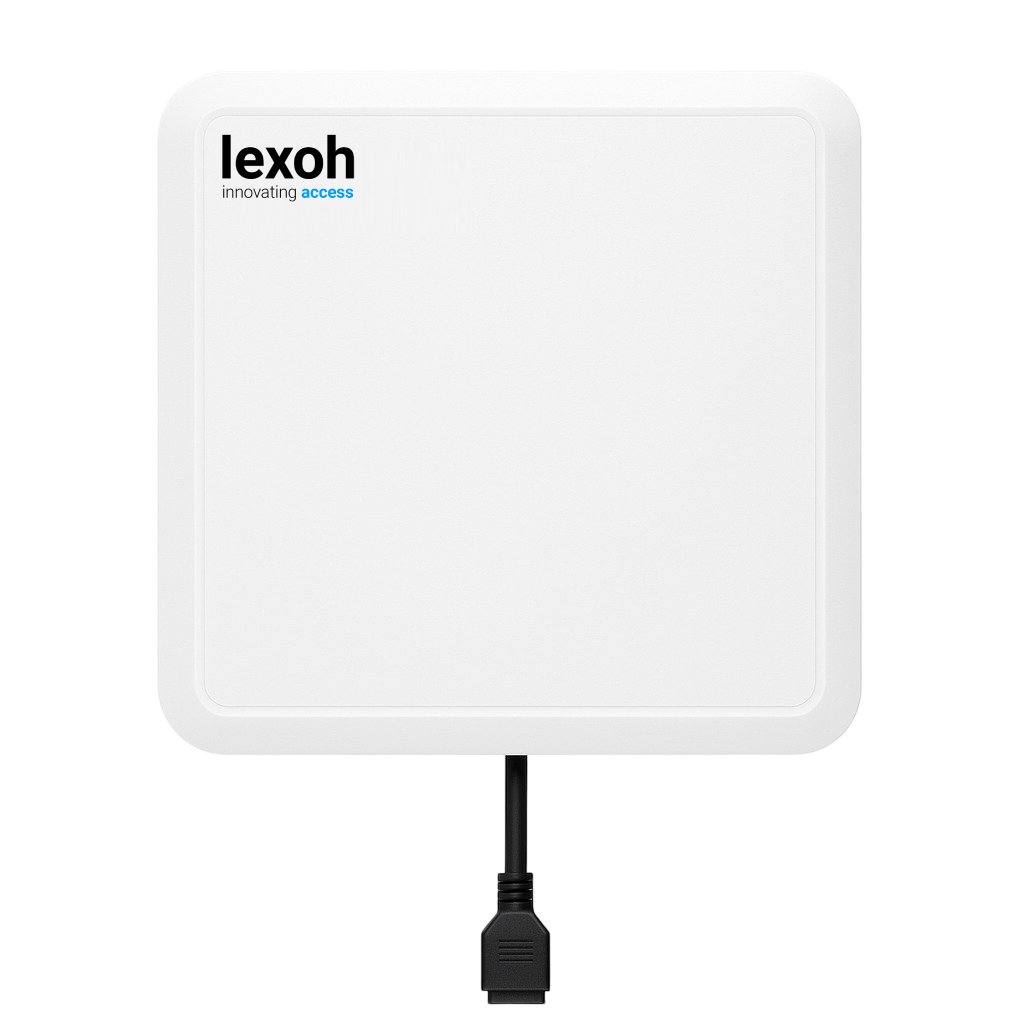
UHF credential reader
QR and barcode credential reader
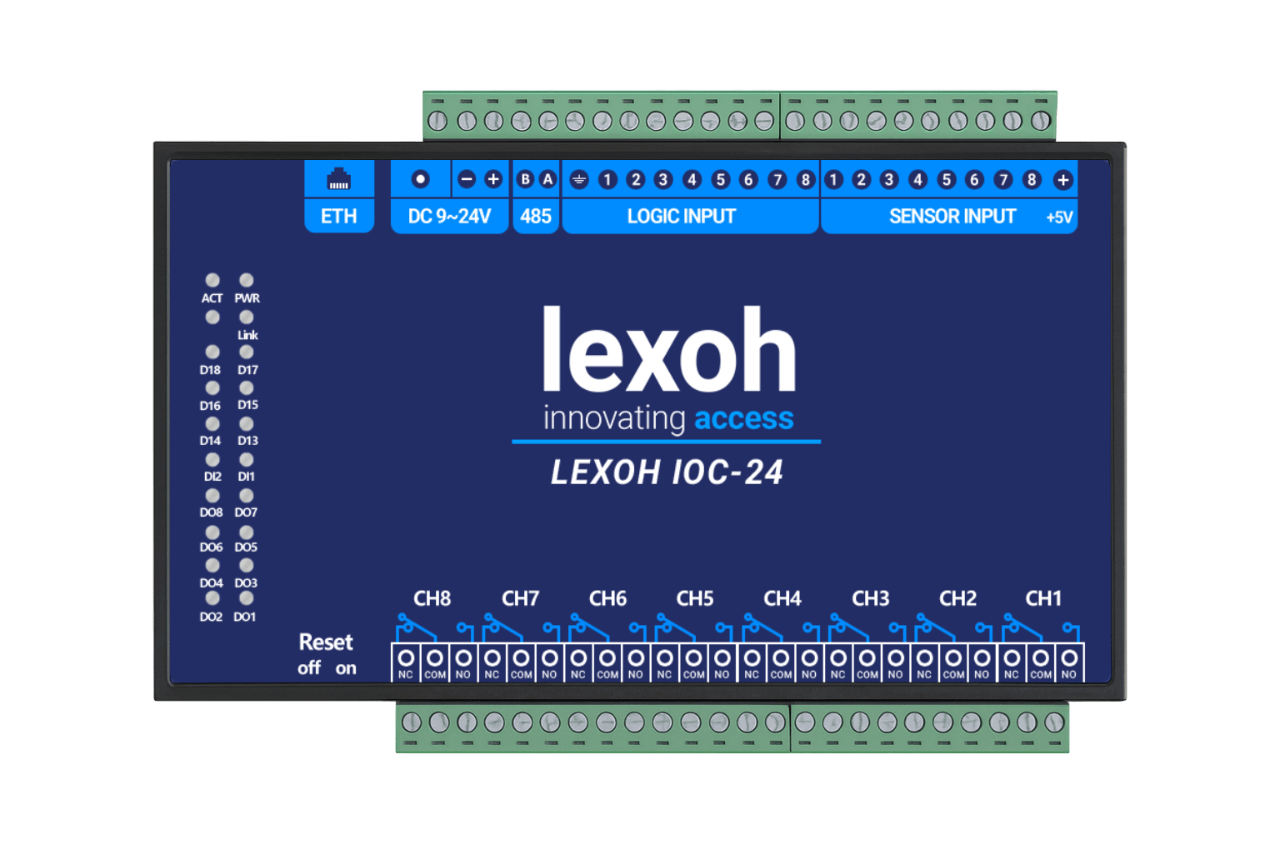
Device input and output controller
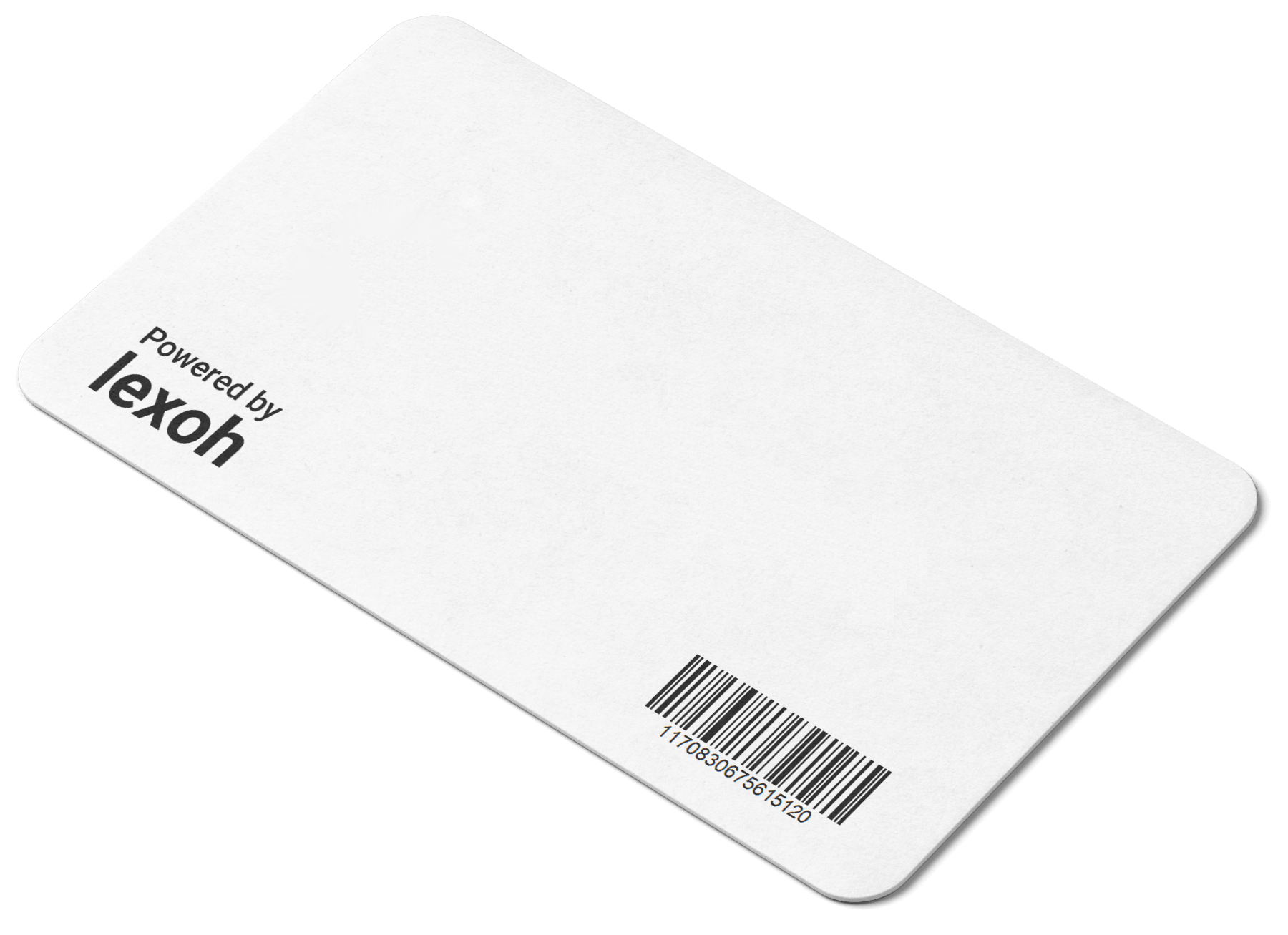
RFID access credential
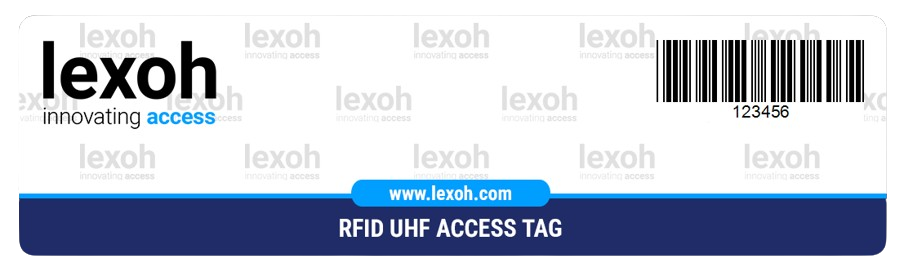
UHF access credential

Lane and access display signage

Thermal printer paper
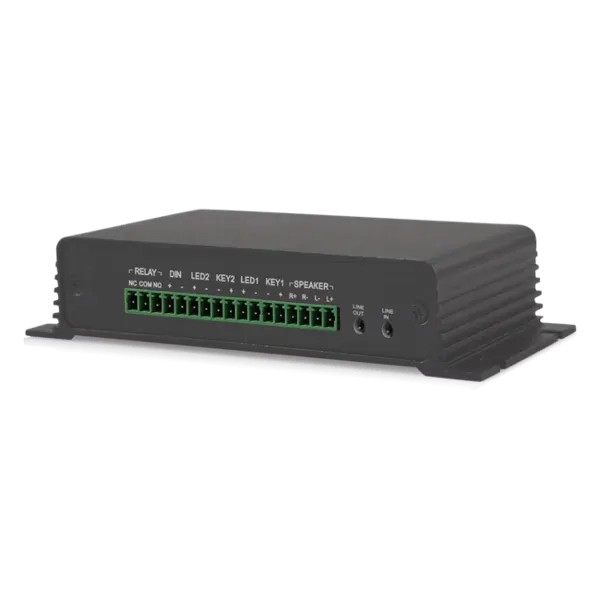
IP intercom communication
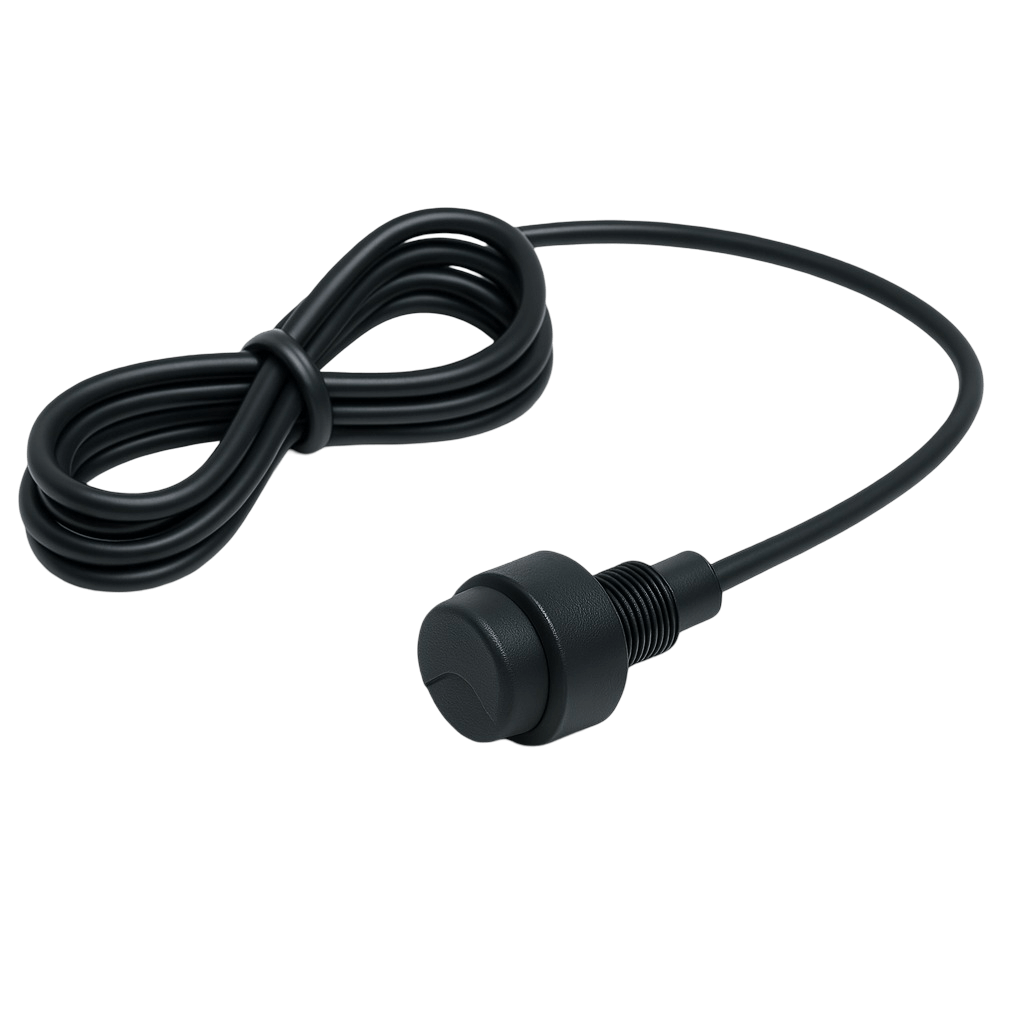
Analog omnidirectional microphone
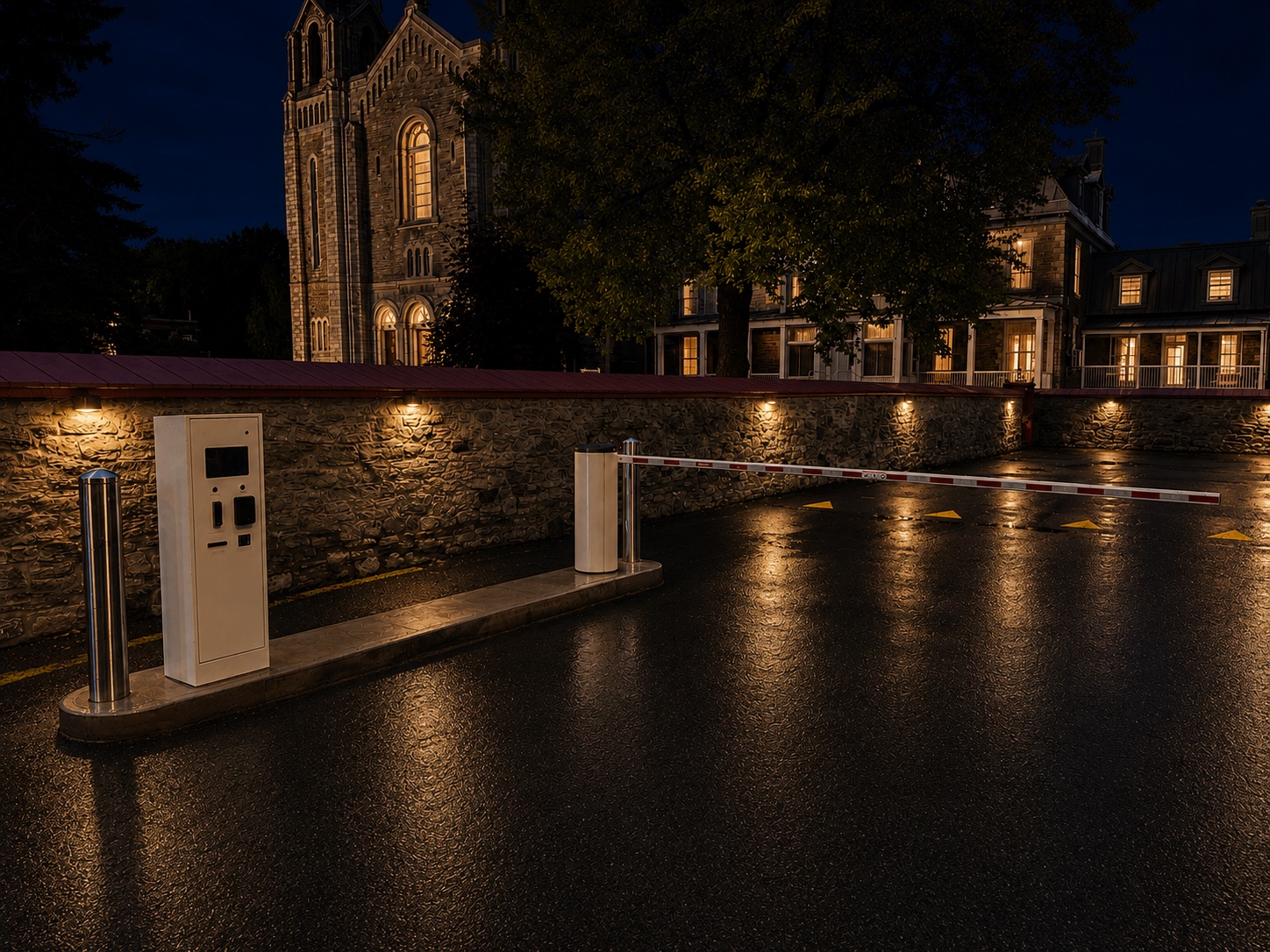
Lexoh brings access, payment, permits, vehicle identification and operations together in one parking system. We connect field equipment to the management platform and support the project from site planning through commissioning.
A parking system combines vehicle identification, access rules, lane equipment and management software. Paid sites also need a payment and validation workflow. Lexoh connects these components through a hybrid architecture: cloud management and an offline mesh network for local communication between site devices.
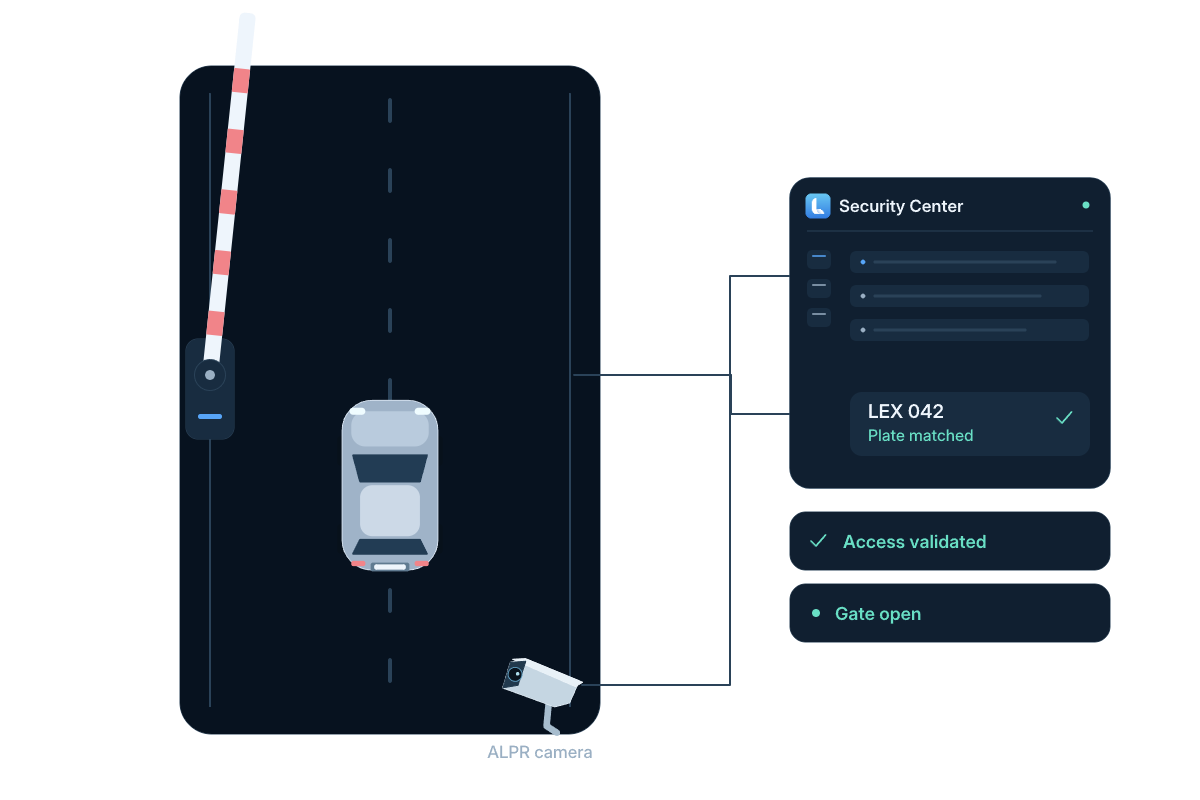
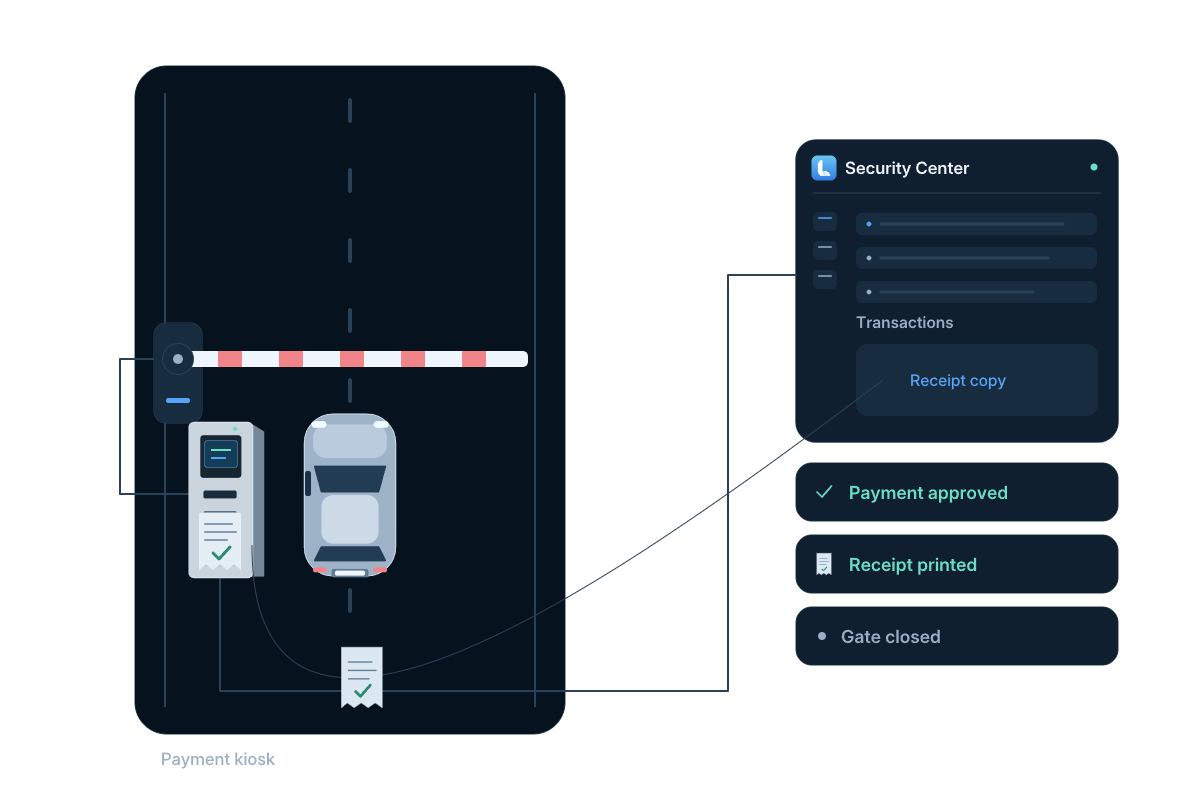
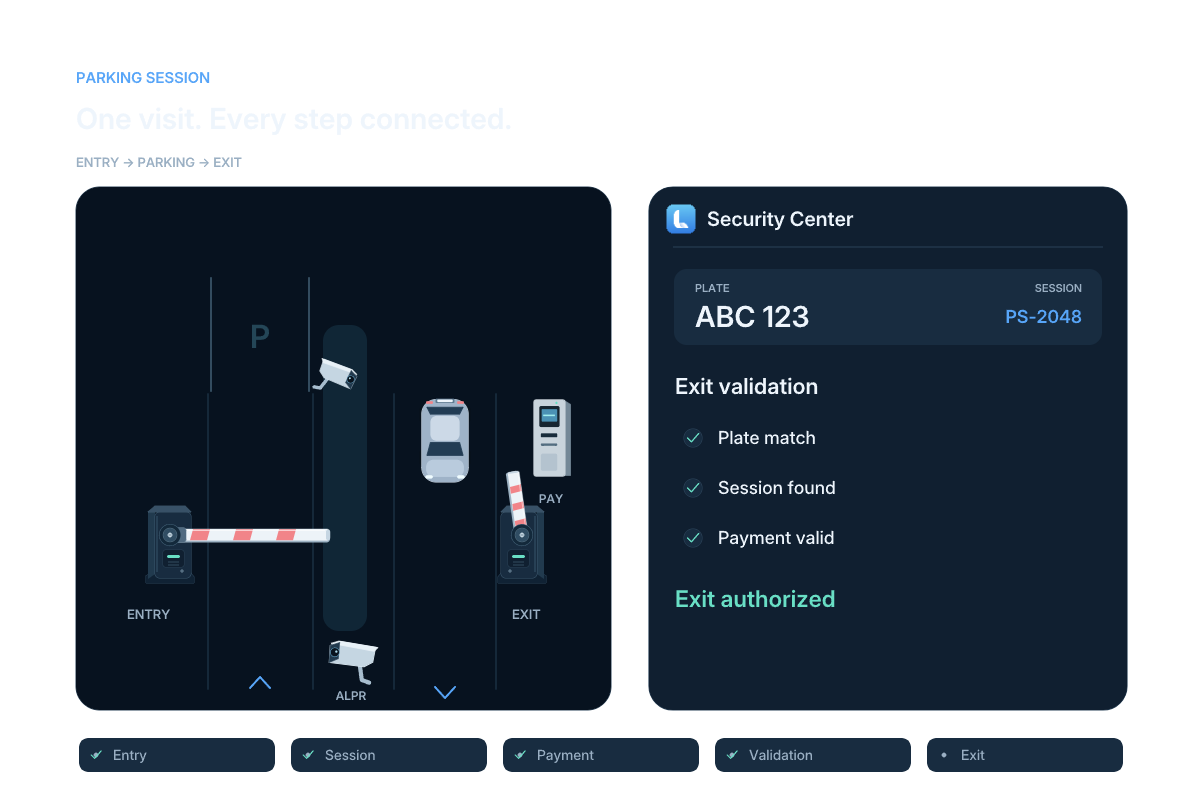
Illustrated workflows show how identification, payment and access can connect. The equipment, rules and interruption procedures are confirmed for each site.
The vehicle reaches a lane designed around its stopping point and the equipment it must use.
A plate, RFID credential or QR code connects the arrival with the access permission configured for the site.
Permits, payment status, schedules and zones provide the context for the access decision.
The connected barrier carries out the decision while the lane remains visible to operations.
The event remains available with its result, equipment context and related operational record.
The software manages sites, users, permits, payments and access events. Readers, cameras, controllers and barriers carry out the approved decisions in the lane. Their interfaces and operating rules are confirmed together during system design.
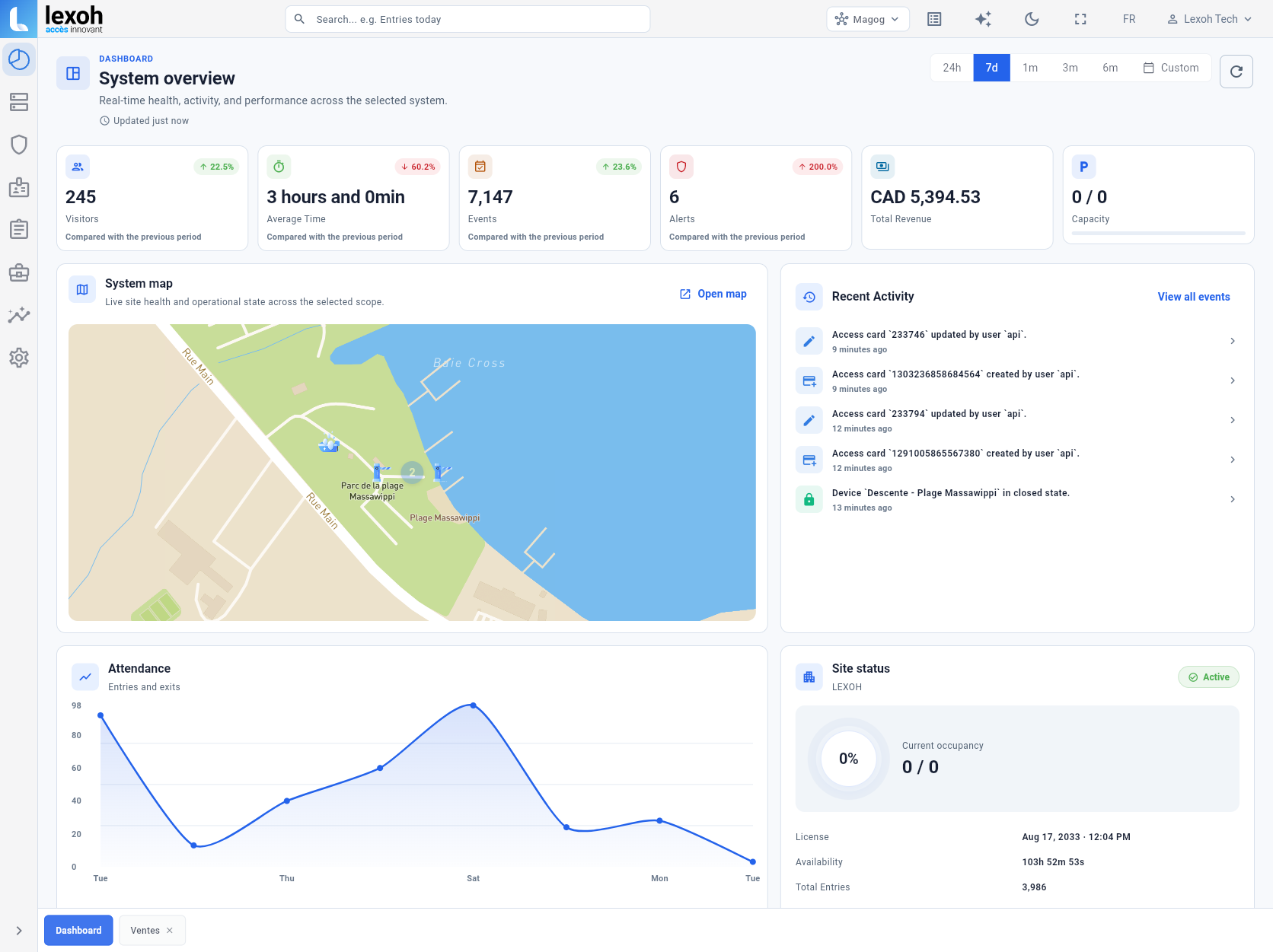
Create temporary rights before arrival and set their expiry for the approved visit period. Define who approves visitors, how a changed vehicle is handled and who assists at the entrance. Confirm the supported invitation and credential workflow before deployment.
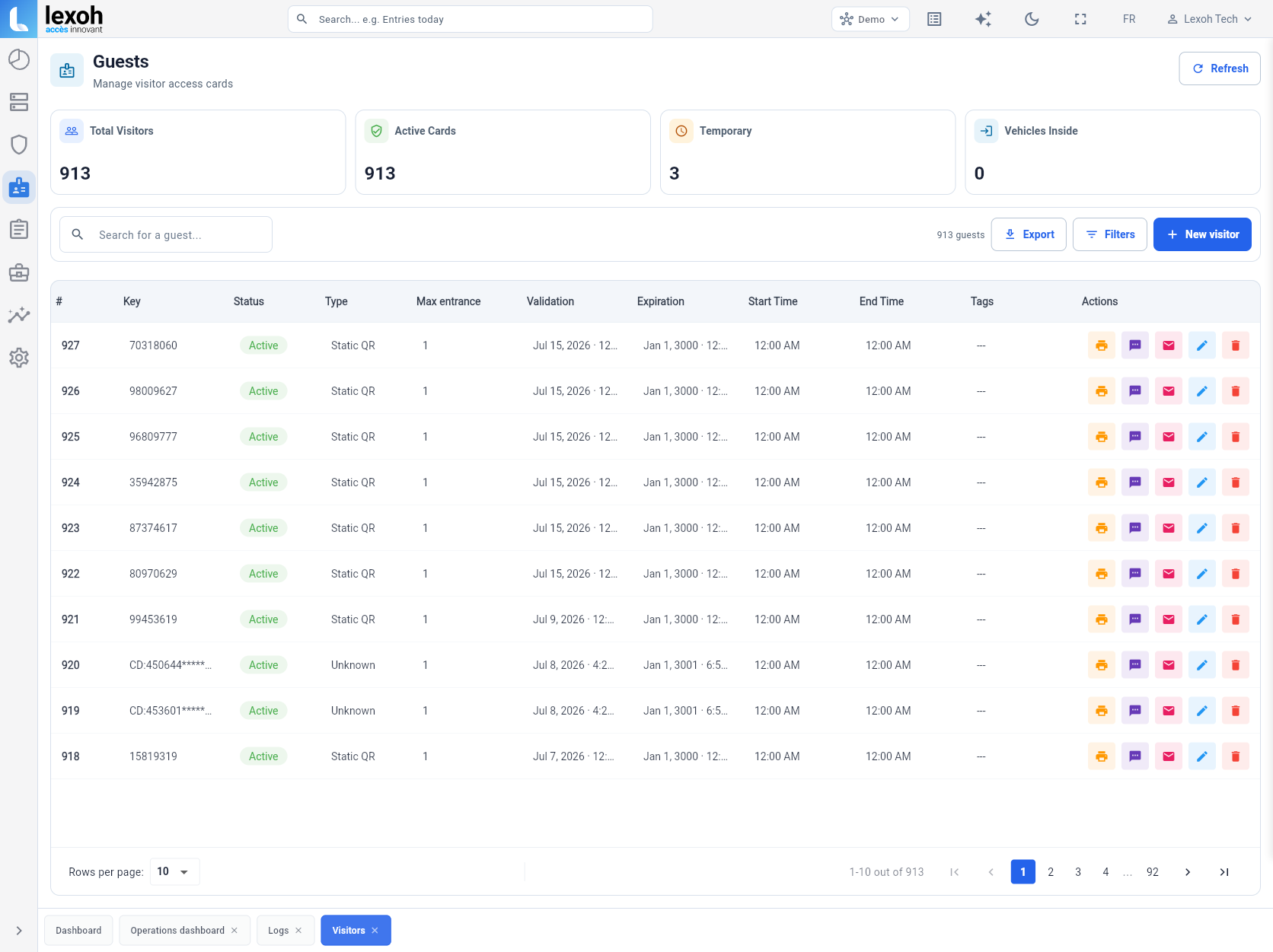
Start with how the site will operate. The users, arrival patterns and staff responsibilities shape the lanes, credentials, payment workflow and software rules before you choose the equipment.
Employees, residents, subscribers, visitors, deliveries and occasional customers do not need the same credential, validity period or assistance path.
A permit may be issued in advance, a visitor may be preregistered, or a public customer may pay during the stay. The access decision must follow that journey.
An unread plate, lost code, declined transaction, unknown visitor or unavailable device needs a documented fallback before opening day.
Local reception, security, finance, municipal staff and a centralized team may need different views and permissions across one or several sites.
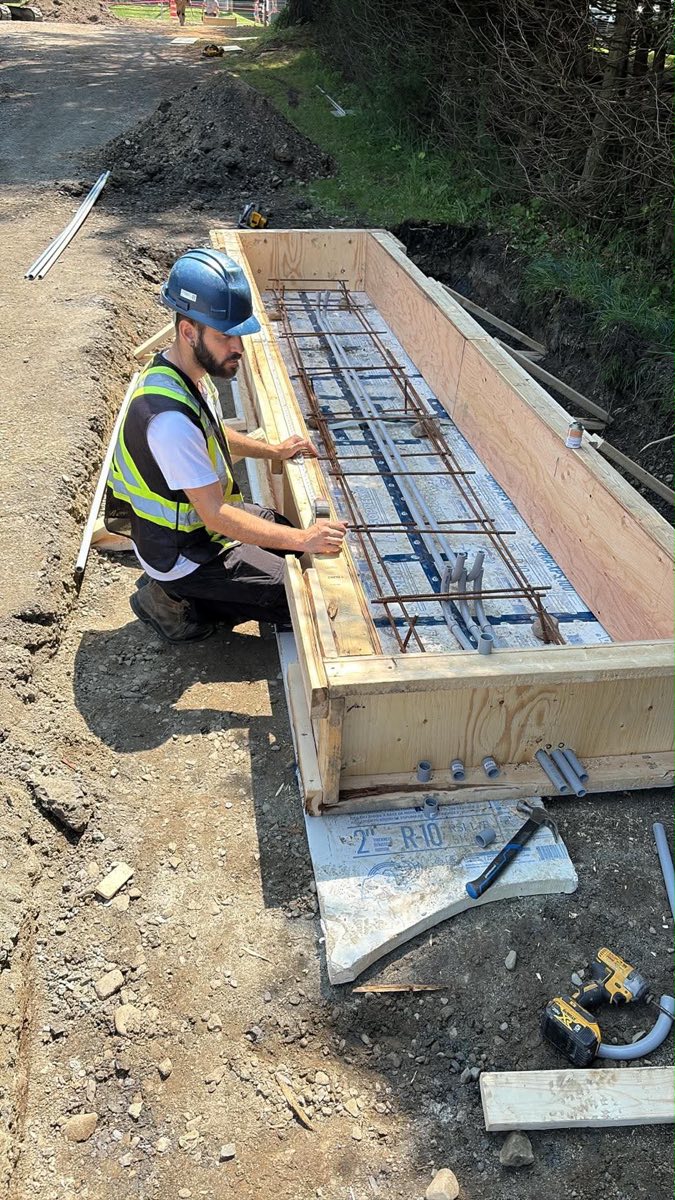
A reliable parking operation depends on more than the equipment visible at the entrance. Lane geometry, vehicle detection, communications, power, credential rules, payment flow and emergency behaviour all need to work as one system.
The design defines each device’s role in the arrival journey and its connection to the operating platform.
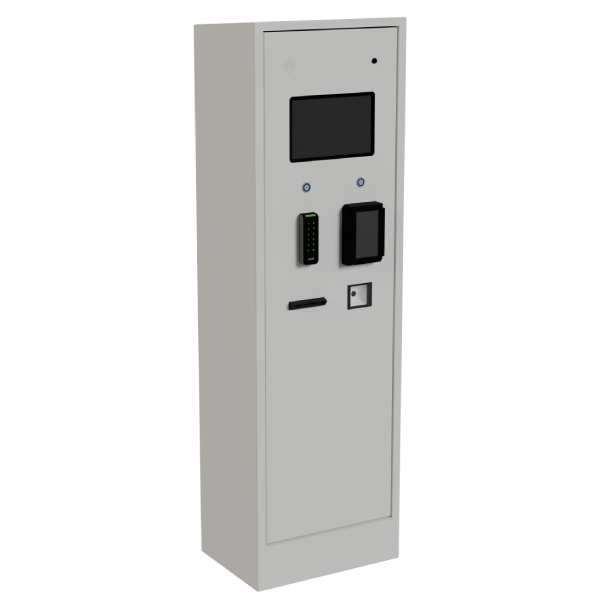
Driver interaction, credentials, payment, receipts and assistance.
View kiosks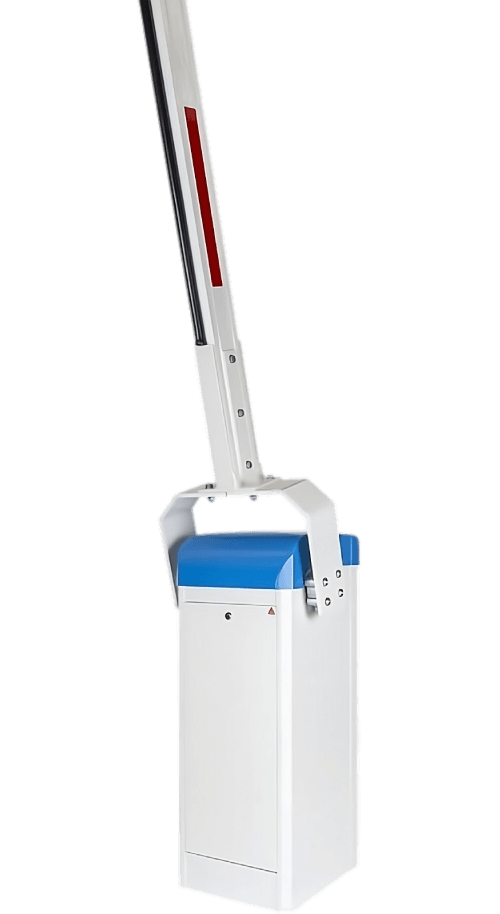
Controlled opening, detection and safety equipment designed as one lane.
View barriers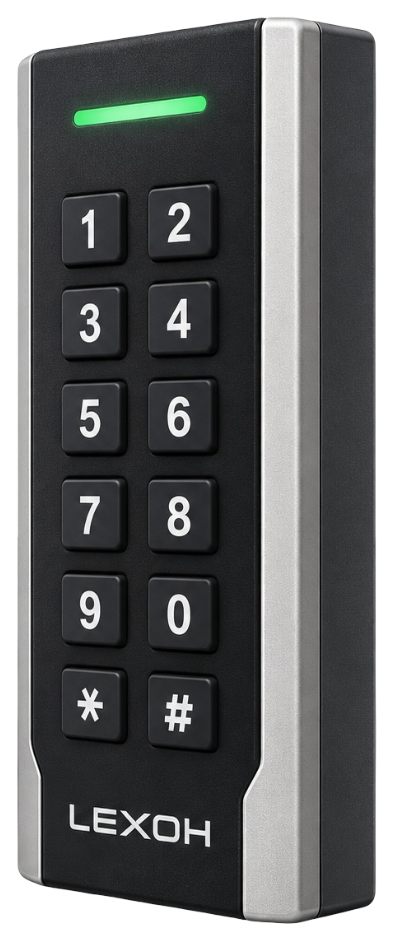
RFID and other supported credentials selected for each user group.
View readers
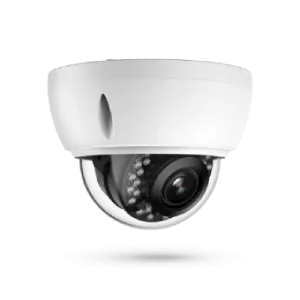
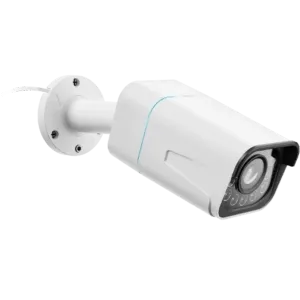
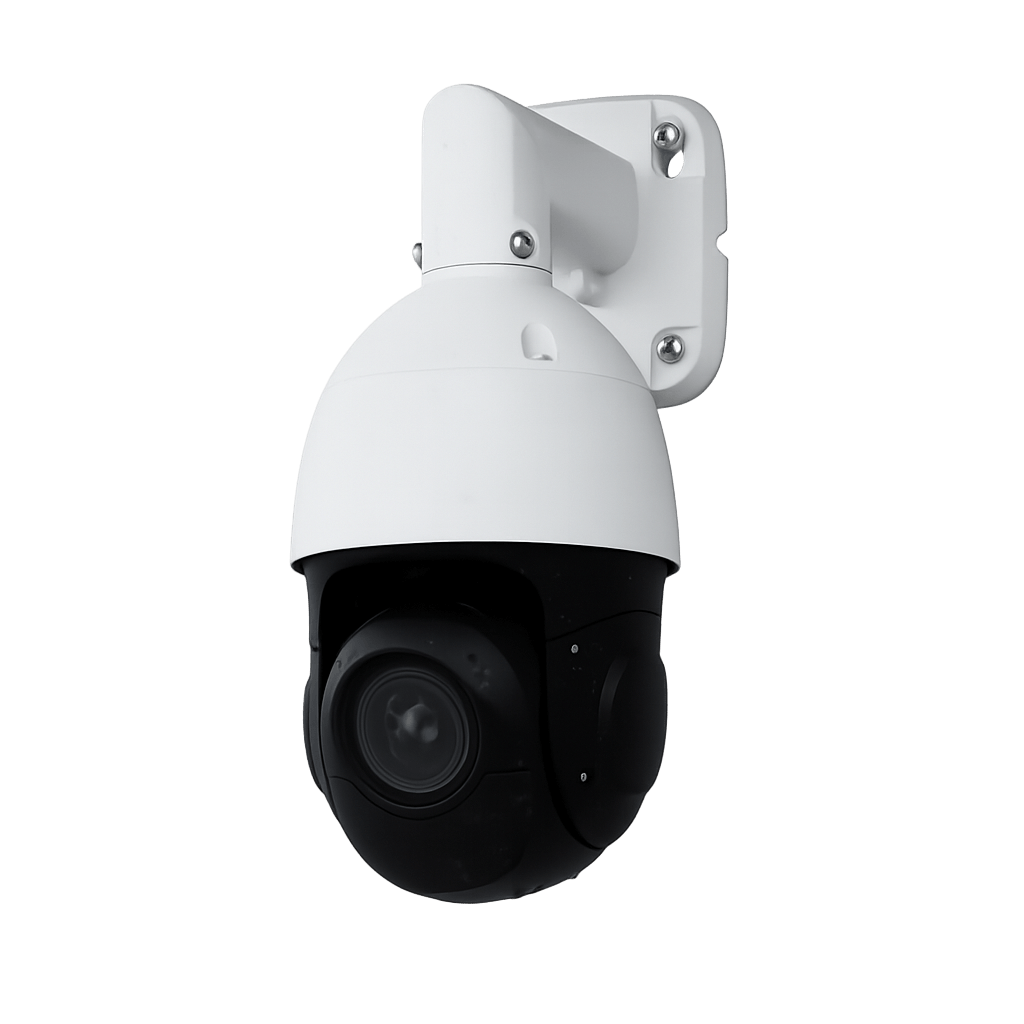
Camera coverage connected to events, live monitoring and playback.
View camerasLive monitoring, event-linked playback and search keep video in the same operational context as access and lane equipment.

Resident permits, public payment and several facilities in one operating model.
Explore this context →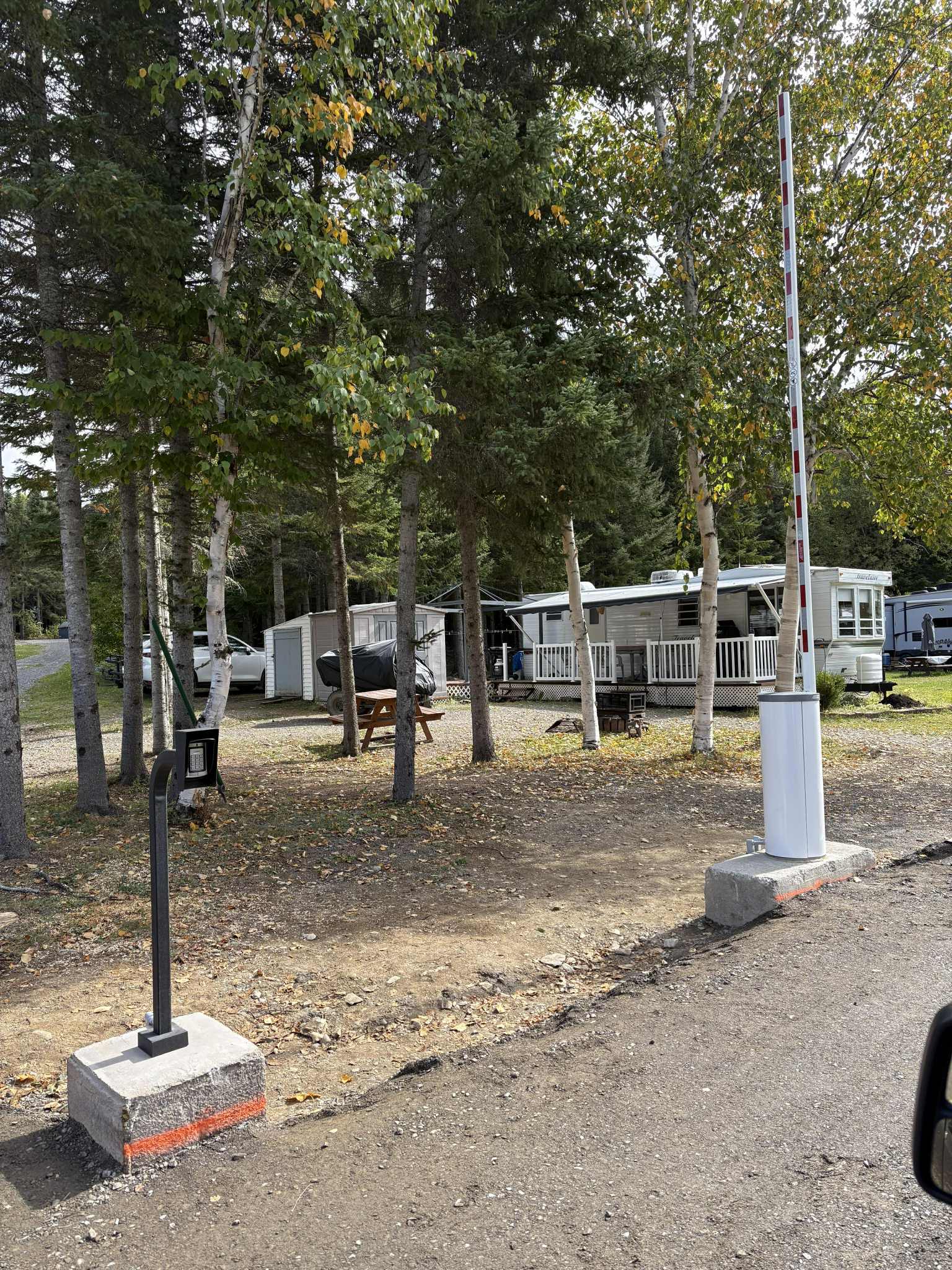
Seasonal guests, short stays, visitors and outdoor access lanes.
Explore this context →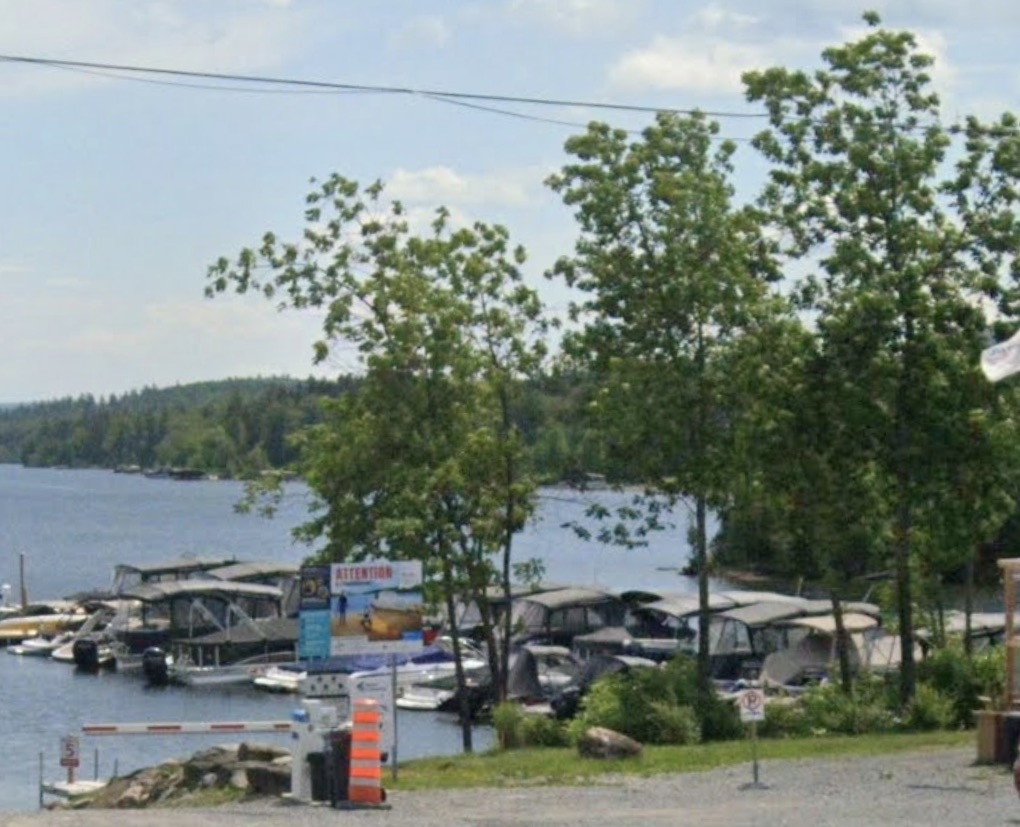
Member parking, dock access, temporary visitors and seasonal rights.
Explore this context →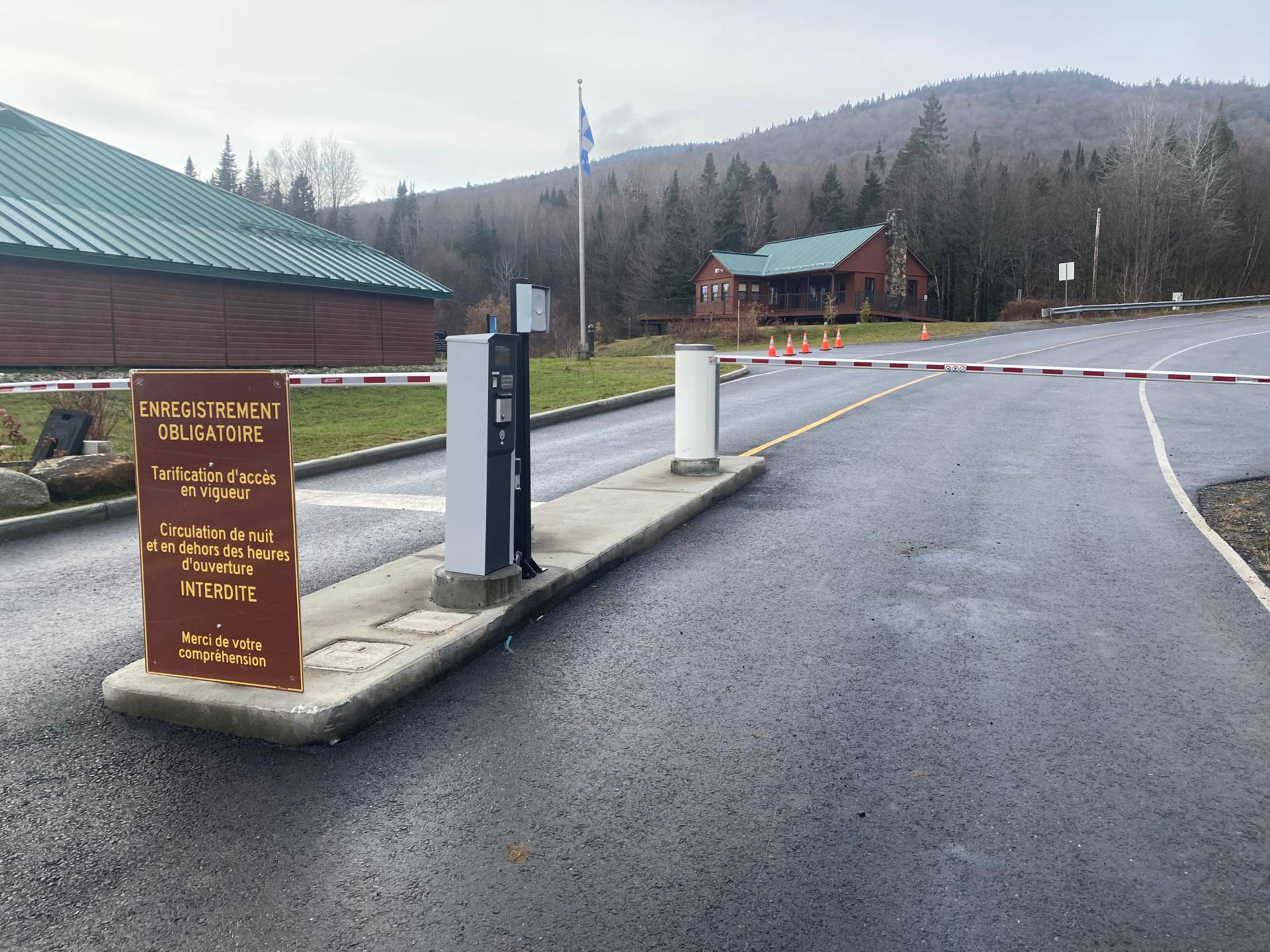
Public arrivals, controlled roads, passes and outdoor operating constraints.
Explore this context →A turnkey project coordinates civil preparation, field equipment, communications, platform rules and staff procedures. The exact scope is confirmed for the site rather than assumed from a standard package.
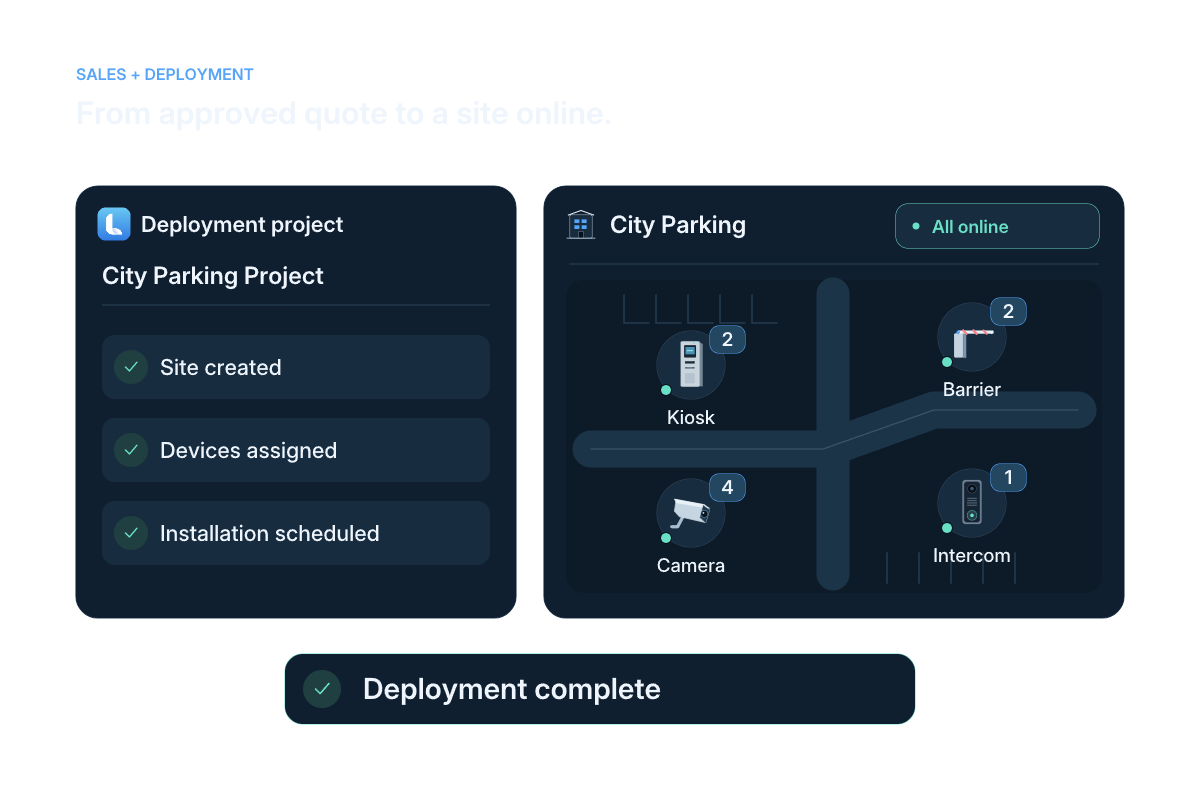
Users, traffic, existing systems and constraints
Lanes, devices, power, network and operating rules
Bases, conduits, protection and field coordination
Barriers, readers, kiosks, cameras and platform
Real journeys, exceptions and staff training
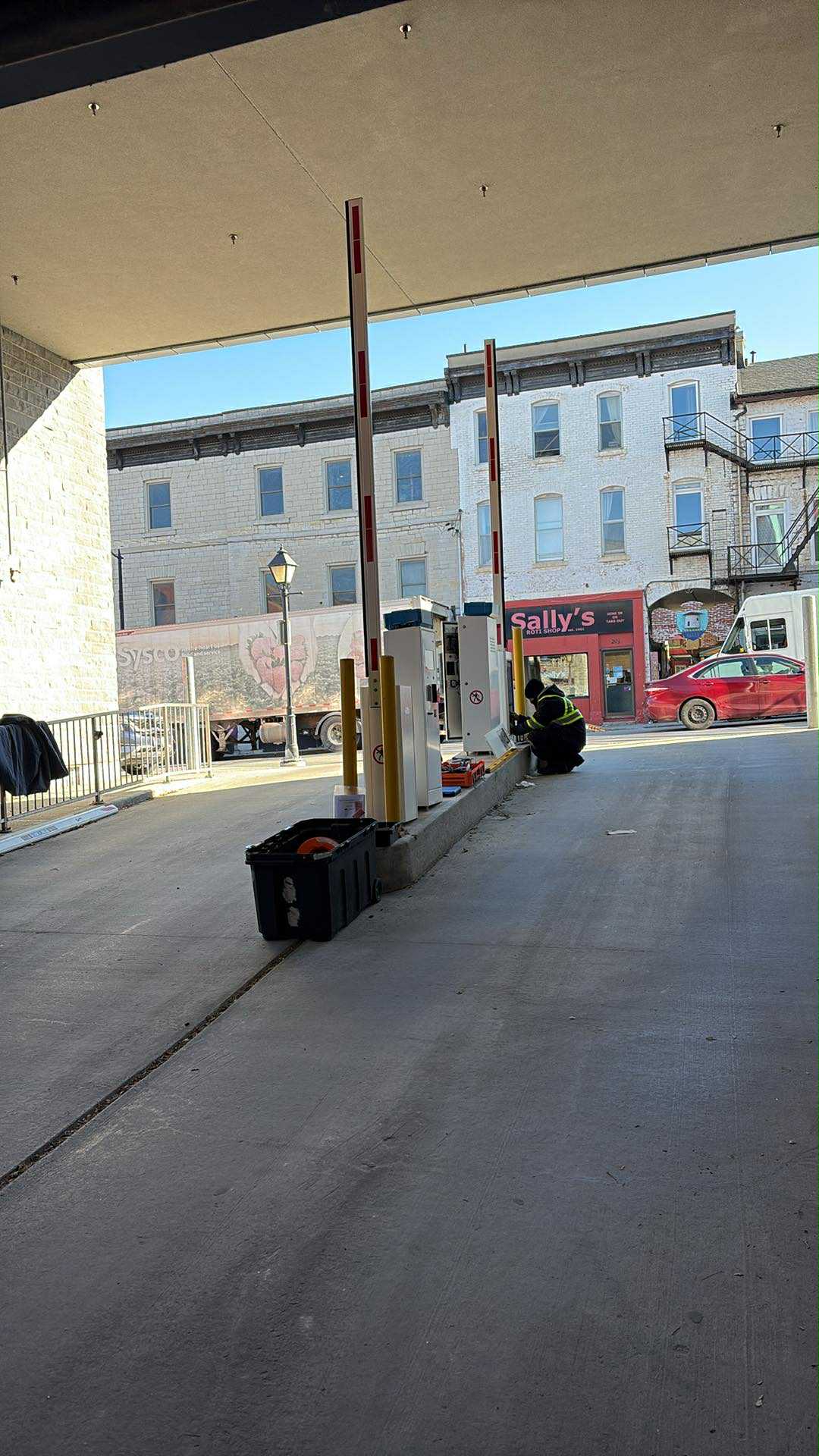
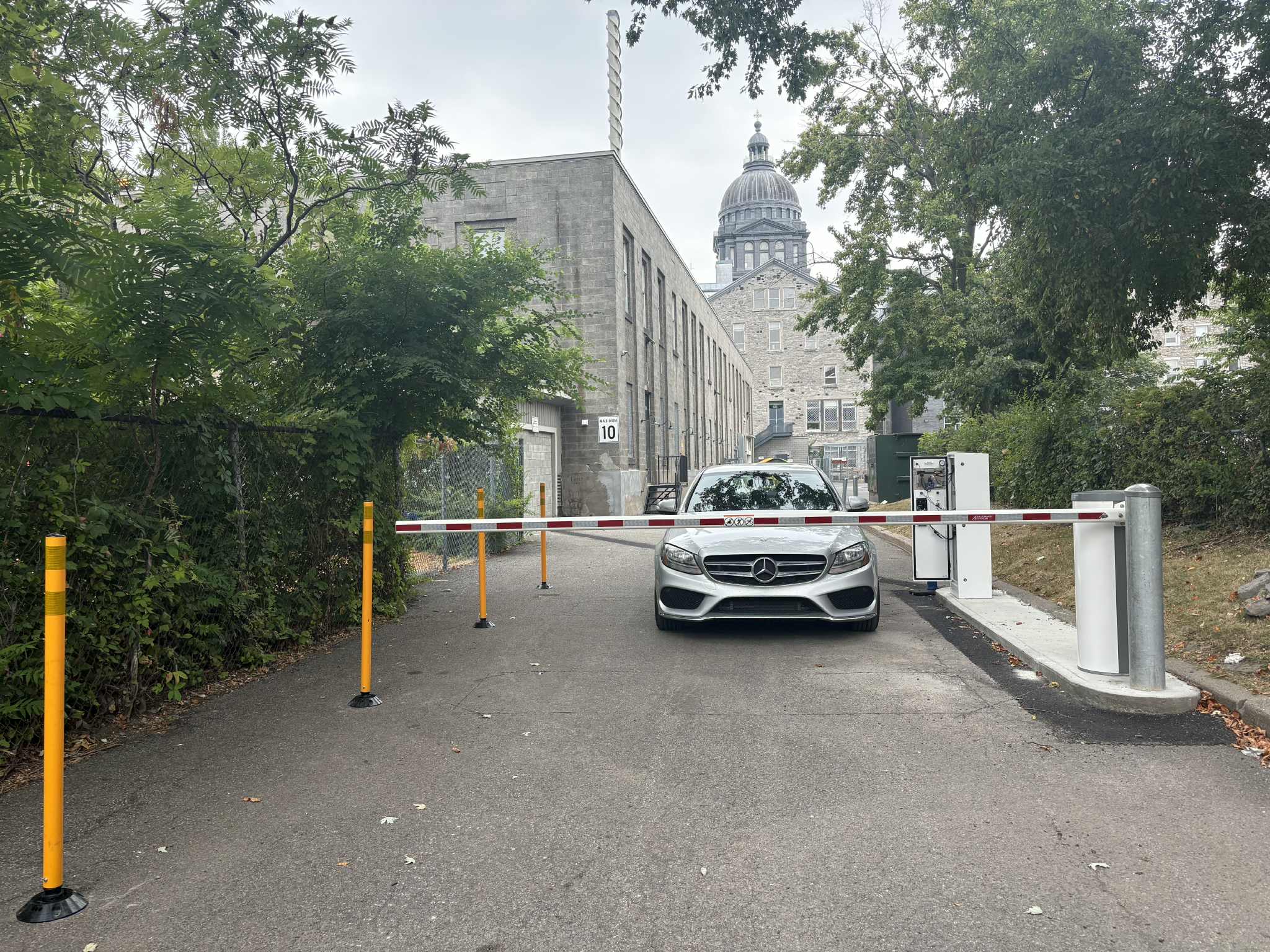
See installed equipment and the documented project scope at Scotiabank Kingston, Collège Sainte-Anne and Sépaq Mont-Mégantic. These examples connect the planning questions to real commercial, campus and outdoor sites.
Administer sites, permits, transactions and connected equipment in Lexoh Security Center.
See the management system →Connect parking access, payment, permits and operating records in one project-designed workflow.
Explore PARCS →Design a complete lane with vehicle detection, access credentials, safety devices and commissioning.
See the turnkey barrier solution →Connect outdoor payment, rates, validation, assistance and transaction reporting.
Plan the payment journey →Design the camera position, plate rules, lane decision and exception procedure together.
Explore plate recognition →Issue, renew and validate resident, employee, contractor and seasonal parking rights.
See permit management →Apply zone and schedule rules through plate, RFID, UHF, QR and intercom.
Design parking access →Create temporary rights before arrival and set their expiry for the approved visit period.
Plan visitor arrivals →Route assistance calls with the lane context and procedures operators need.
Explore lane assistance →Coordinate resident permits, public payment and multiple municipal sites.
See municipal solutions →Manage seasonal users, short stays, visitors and vehicle access at outdoor sites.
See campground solutions →Unify member parking, dock access, seasonal credentials and temporary visitors.
See marina solutions →Coordinate public parking, annual passes, restricted roads and lake-access decontamination at outdoor sites.
See national park operations →Use plate reads, permit status and time rules to identify parking exceptions without a gated exit.
See violation detection →Plan charging sessions, parking rights, rates and station availability with the supported charger integration.
See EV charging management →Questions to ask about equipment, site work, recurring charges and exclusions.
Compare project costs →Compare access, payment, assistance and review responsibilities.
Gated or gateless parking →Give loops, radar, plate recognition and protective functions their own roles.
Detection and identification →Ask what the installer must demonstrate and deliver before handoff.
Entrance acceptance →Understand local device communication, remote management and interruption testing.
Cloud and offline operation →Practical answers about existing equipment, deployment and operating choices.
Compare the users, access rules and handoff requirements that shape each installation.
Plan condo and apartment parking with resident permits, visitor access, vehicle changes and garage entry rules connected to Lexoh equipment and software.
Hotel parking access and payment equipment from Lexoh. Plan guest re-entry, event parking and staff access; confirm hotel-software interfaces for your project.
Hospital parking software, kiosks and access equipment from Lexoh. Scope visitor payments, staff permits, assistance and phased replacement for each entrance.
Campus parking software and equipment from Lexoh. Plan term permits, staff access and visitor payments; assess university-card reuse and zone requirements.
Retail parking access and payment equipment from Lexoh. Define free periods, longer stays, employee access and any merchant-validation workflow to confirm.
Office parking access control with Lexoh. Coordinate tenant allocations, employee credentials and visitor access; assess existing equipment and interfaces.
Industrial parking access control with Lexoh. Scope readers, barriers and access management for employees, contractors and deliveries around your traffic plan.
Employee parking software and access equipment from Lexoh. Plan staff permits, shift access, vehicle changes and credential reuse around your site.
Plan monthly parking subscriptions with defined validity, renewal, vehicle changes and payment status, connected to the selected permit and access workflow.
Shared parking access management with Lexoh. Define tenant allocations, zones and time windows; assess any booking requirement separately from access control.
Plan a parking system replacement with Lexoh. Assess equipment reuse, permit and payment migration, phased installation and acceptance tests.
Prepare specifications for parking access and payment equipment, software, interfaces and acceptance tests. Review your project requirements with Lexoh.
Compare Lexoh with Parknet, Scheidt & Bachmann, Meypar, SKIDATA, HUB and Flash.
Review regional references, site requirements and installation responsibilities.
Scope hardware, software interfaces, commissioning and customer handover.
Describe the site, its users, traffic flow and operating constraints. Lexoh can help define the equipment, software and installation requirements for your project.