Paid customer stays
Compare rate rules, exit validation and transaction follow-up.
Explore parking revenue control
Card-based credential reader
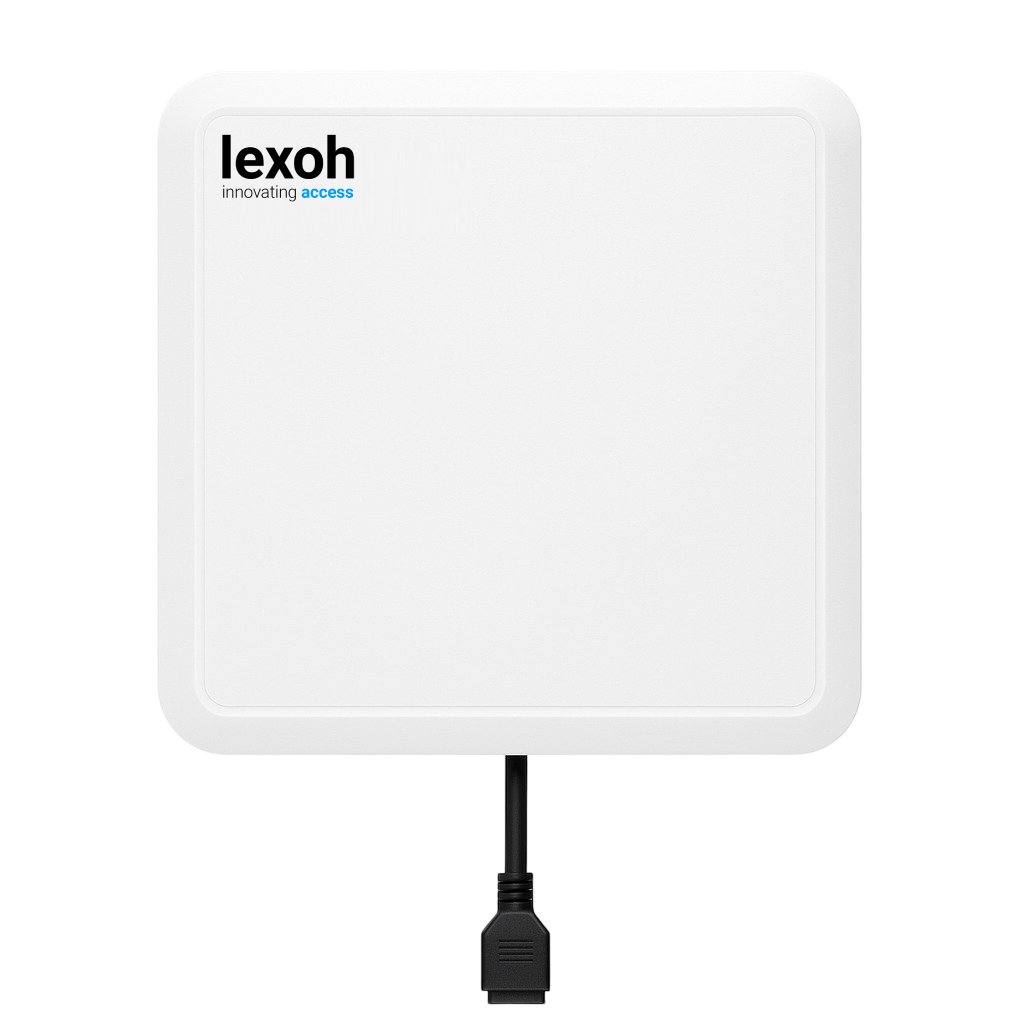
UHF credential reader
QR and barcode credential reader
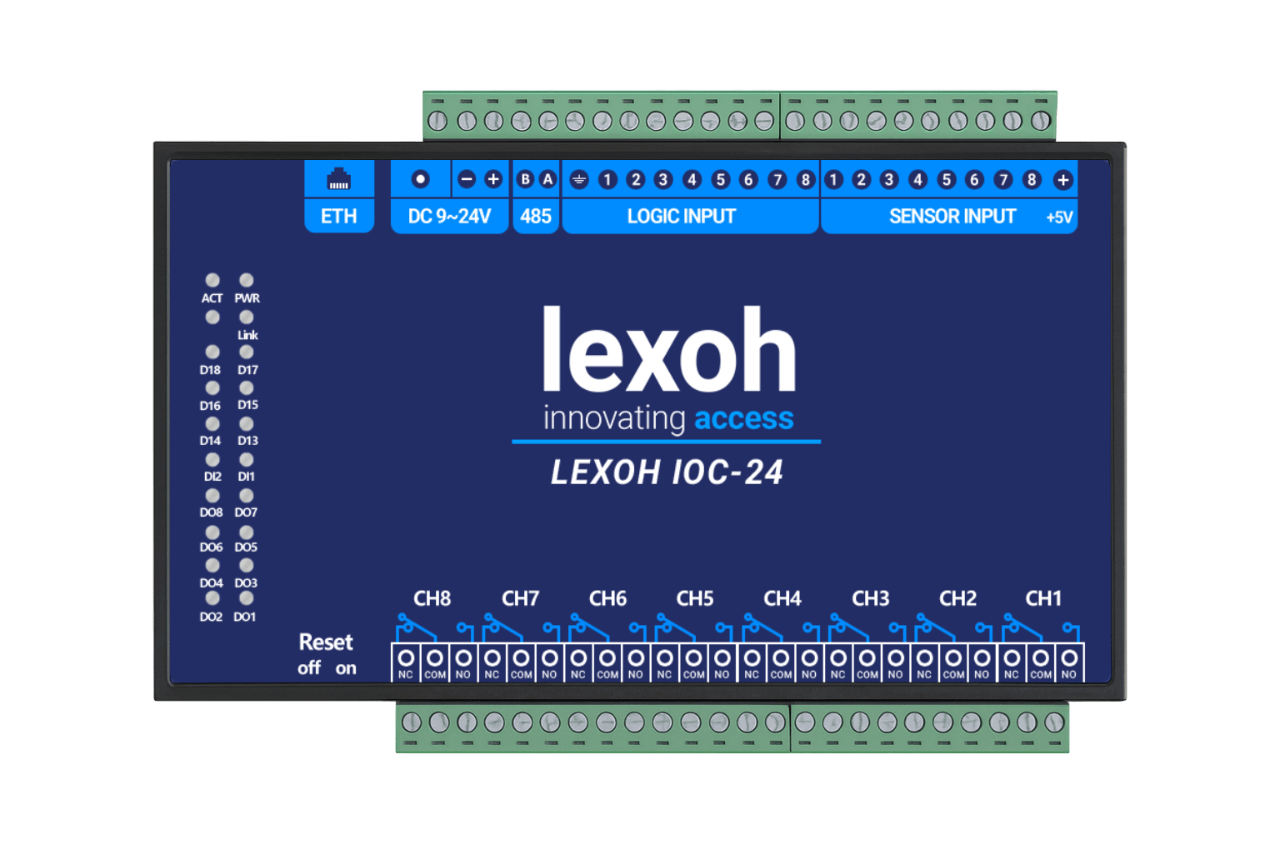
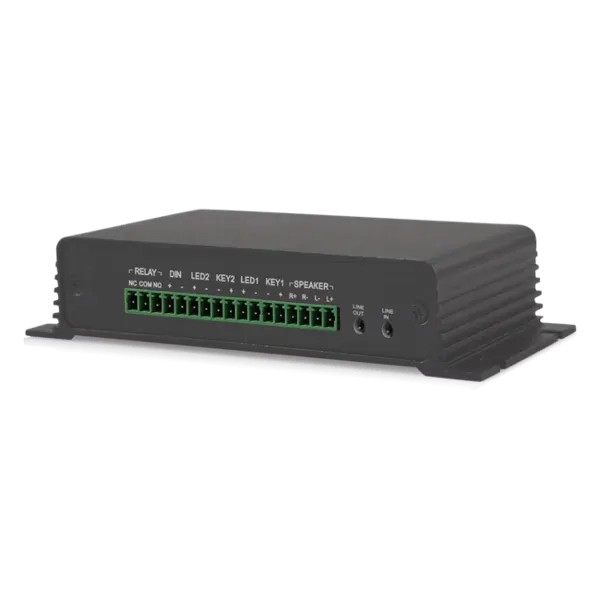
Device input and output controller

RFID access credential
UHF access credential

Lane and access display signage

Thermal printer paper
IP intercom communication

Analog omnidirectional microphone
Shopping centre parking
A retail parking system must distinguish a shopping visit from employee parking, a delivery or unrelated long-stay use. Define those journeys and the customer payment policy first. Lexoh can connect the selected access and payment equipment to the rules approved for the property.
A free period, a merchant validation and a paid stay are different policies. Specify the trigger, maximum duration and exceptions for each. A camera or barrier alone cannot determine whether someone shopped at a tenant’s business; the project needs an explicit validation process where that distinction matters.
| Arrival or user | Policy to define | Design consequence |
|---|---|---|
| Customers | Is parking free, time-limited or paid? | Define entry records, grace periods and departure instructions. |
| Merchant validation | Who can grant it and what does it change? | Confirm the selected payment workflow and accountability. |
| Employees | Which area should long stays use? | Separate recurring staff rights from customer benefits. |
| Deliveries | Are service lanes physically separate? | Coordinate vehicle size, loading hours and authorized access. |
Compare a gated entrance with an open site and a defined verification process. Consider queues, pedestrian crossings and delivery paths. The right operating model depends on the layout and the policy, not simply on adding a barrier.
Define which merchants can validate, the permitted benefit and how exceptions are recorded. Confirm the exact feature and payment configuration during scoping. Train tenant staff on the same rule that the exit equipment will apply.
Include an unread credential, a disputed duration and an unsuccessful payment in acceptance testing. State who can assist and when. A customer should not discover the help procedure only after blocking the exit.
Choose where customers pay: before returning to the vehicle or at an exit equipped for payment. Specify how the selected kiosk or payment interface identifies the parking session and applies any approved free period or merchant discount. Ask for a demonstration using a valid discount, an expired validation and a failed payment before selecting the configuration.
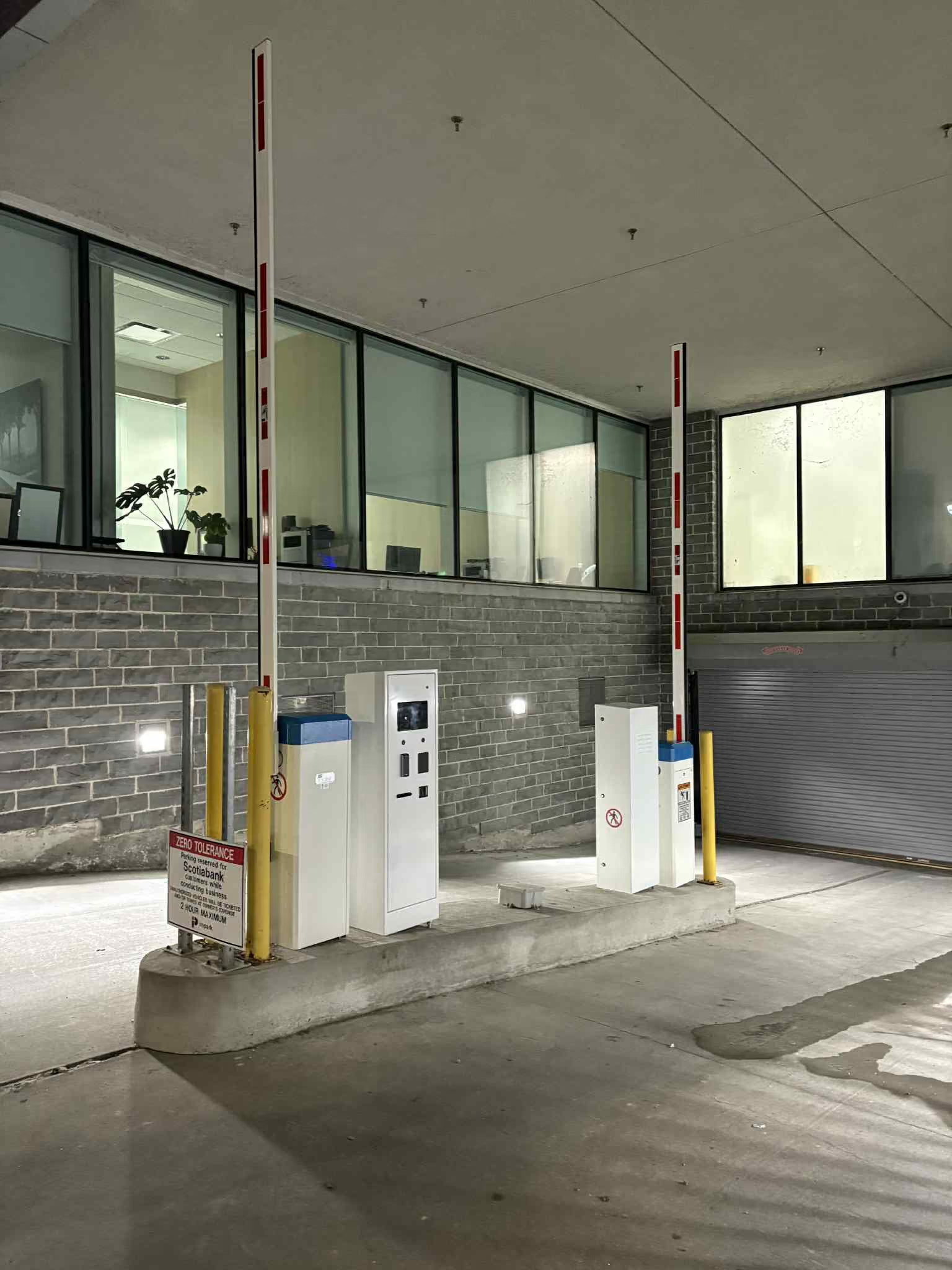
For controlled entrances, match the credential reader and barrier to the lane layout, vehicle detection and pedestrian crossings. Give employees a defined credential and permitted area. An open car park needs a separate method for checking parking use; adding a camera does not by itself establish purchase validation or enforcement.
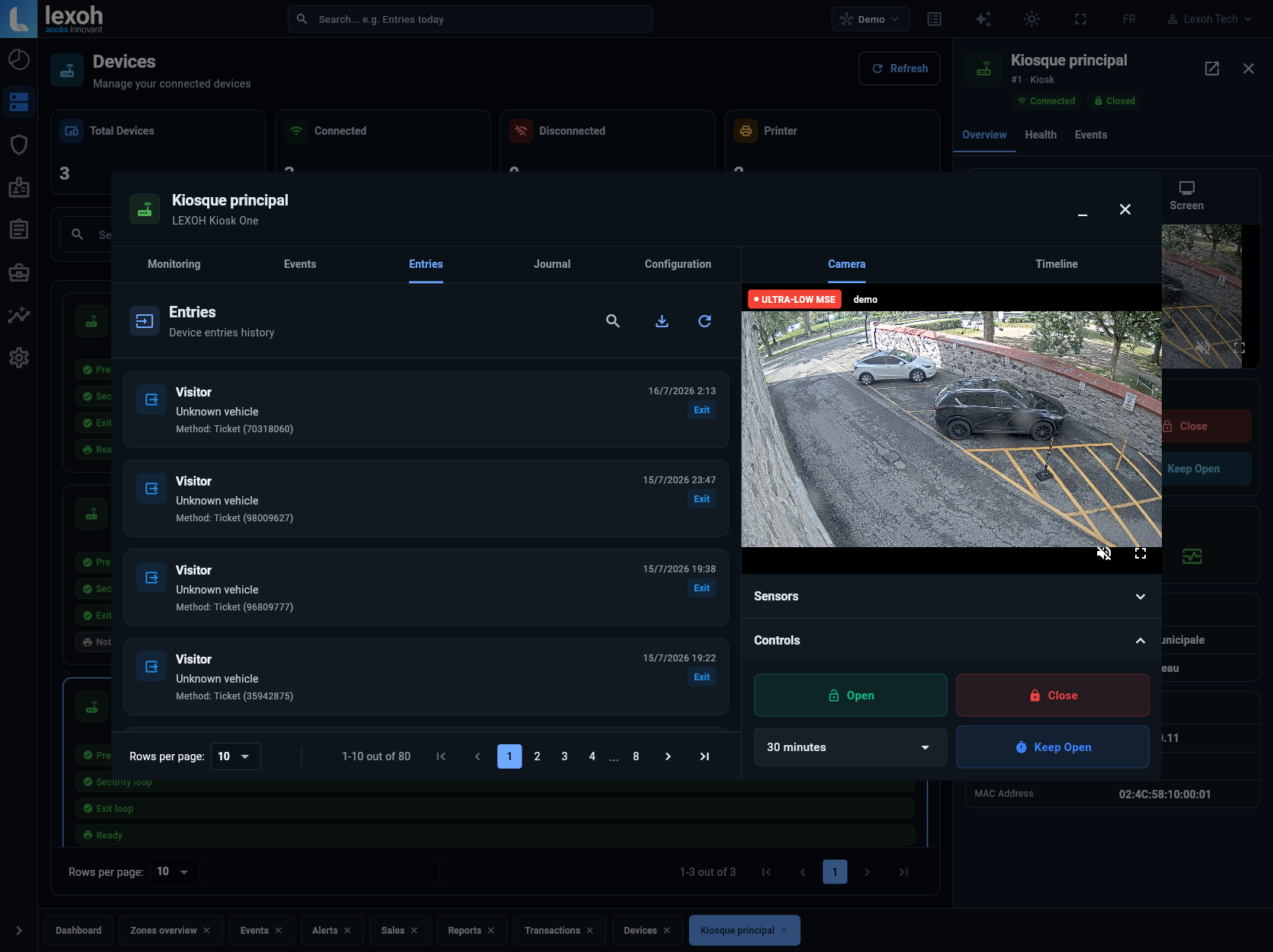
The illustrated Lexoh Security Center device view shows entry events, camera context and barrier commands. Specify the separate payment and validation records needed to investigate a disputed stay, including who granted the benefit and which transaction it affected. Confirm operator permissions, available exports and assistance hours for the proposed configuration.
Consider a retail property whose shops close before an on-site evening venue. A daytime free period may be unsuitable for the later event. Define the event entitlement, the transition time and employee areas separately. Test a vehicle arriving before the policy change and leaving afterward. If the site uses merchant validation, agree which business bears the parking charge and how the operator reviews the record.
The site plan, pedestrian crossings, loading routes and observed peak arrival and departure periods.
Customer duration rules, merchant validation authority, employee allocation and event exceptions.
The payment journey, help coverage and records required to investigate disputed parking sessions.
Questions to settle before selecting the equipment and configuration.
Bring the customer policy, tenant needs and lane plan so we can review access, payment and operational follow-up.