Resident permits
Structure rights around the criteria and zones approved by the municipality.
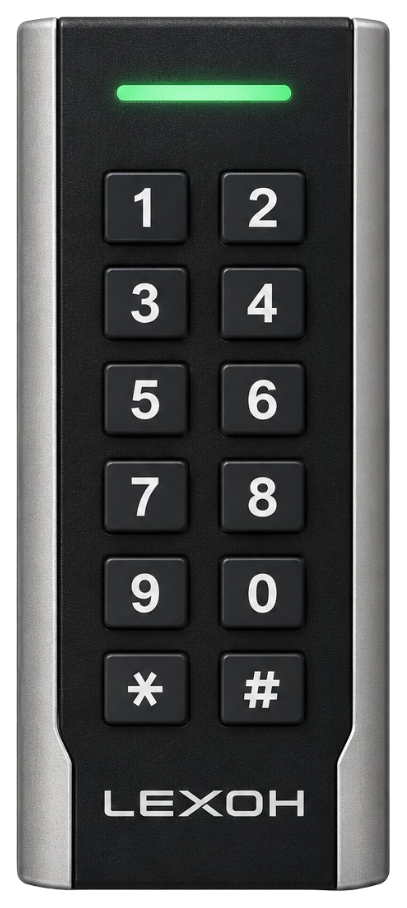
Card-based credential reader
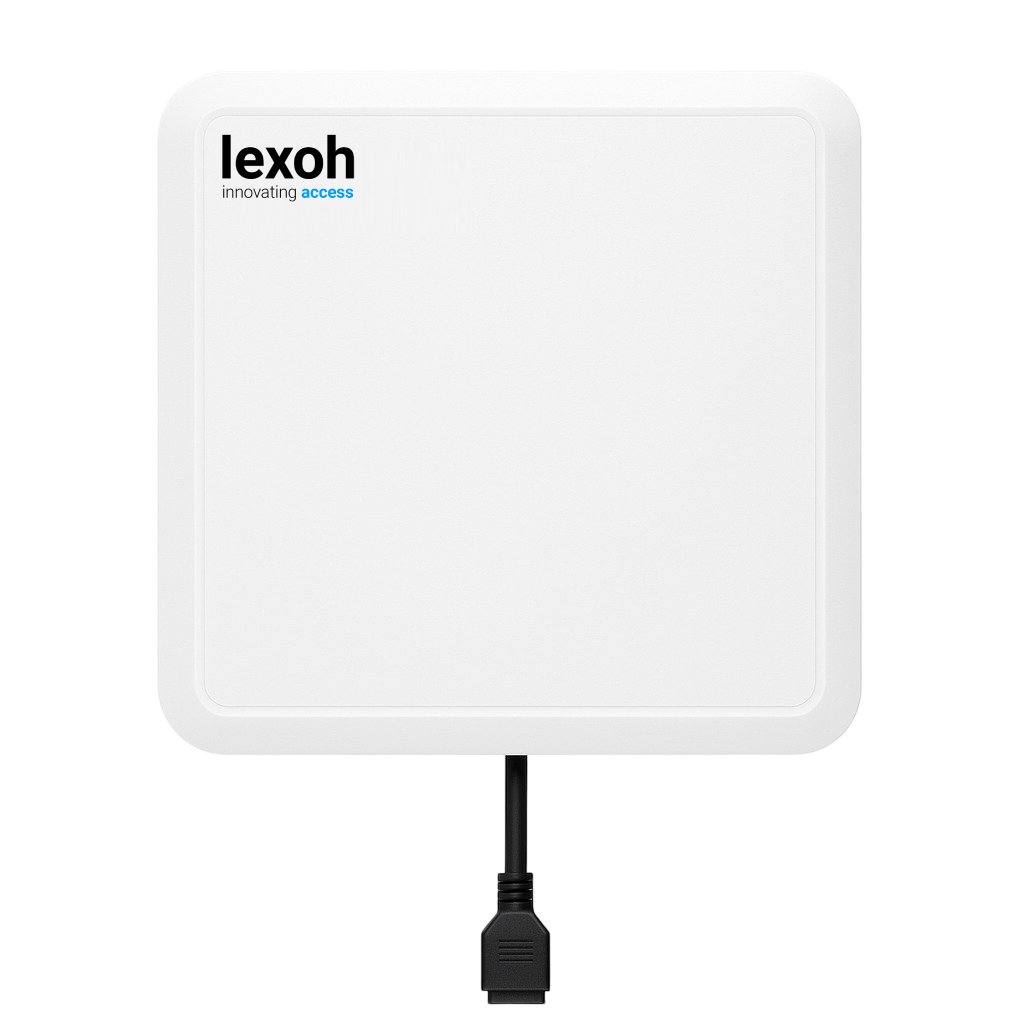
UHF credential reader
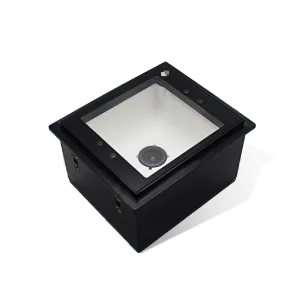
QR and barcode credential reader
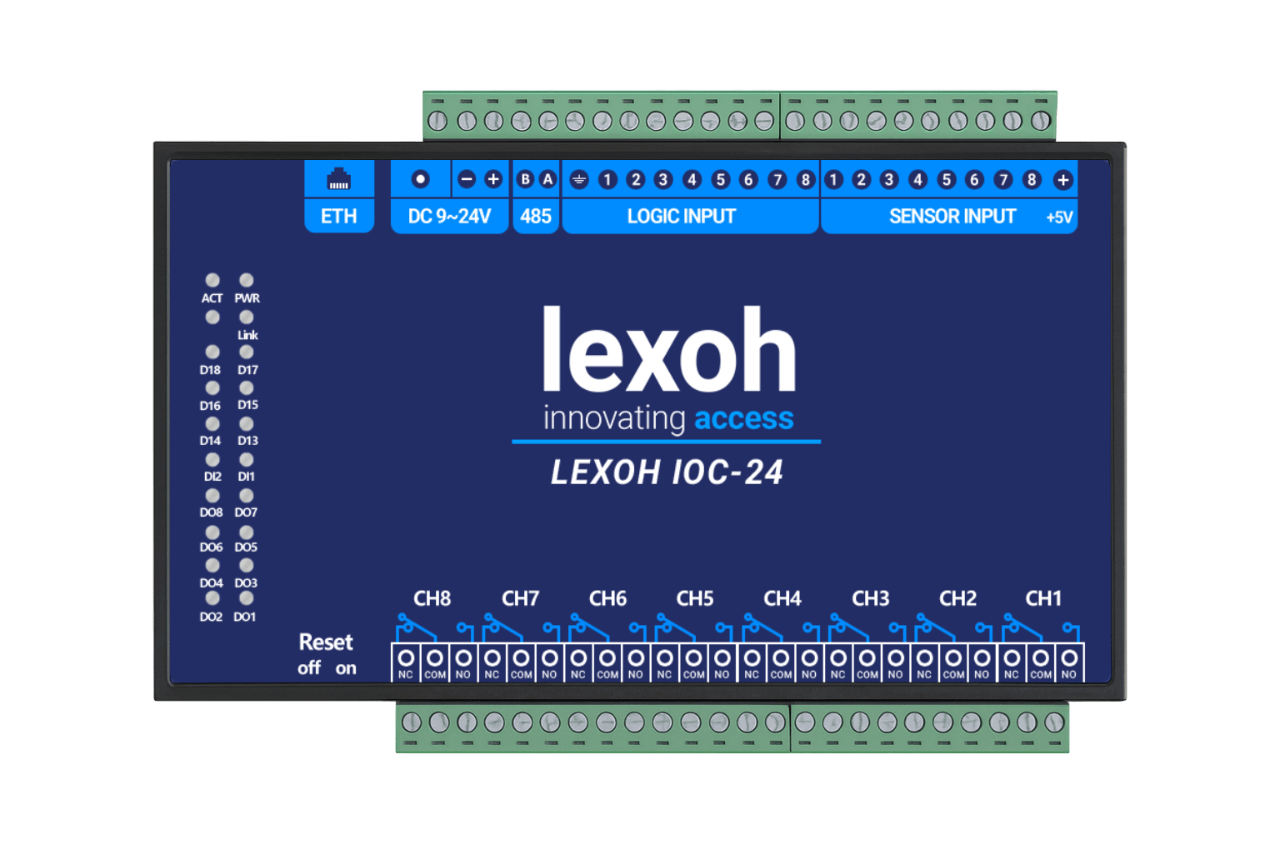
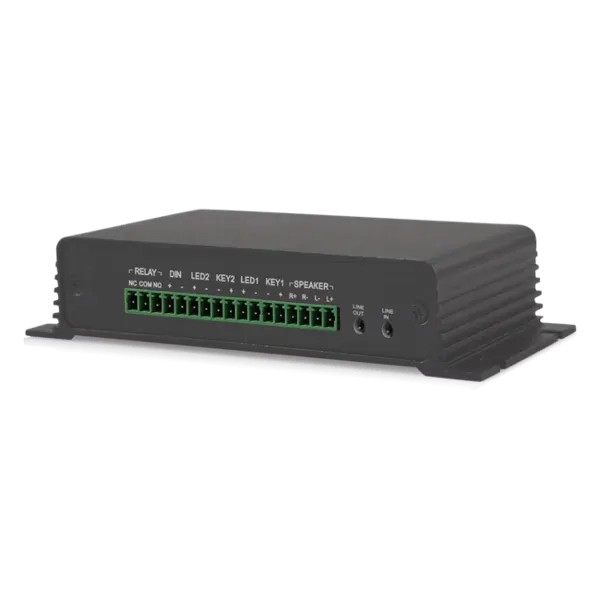
Device input and output controller
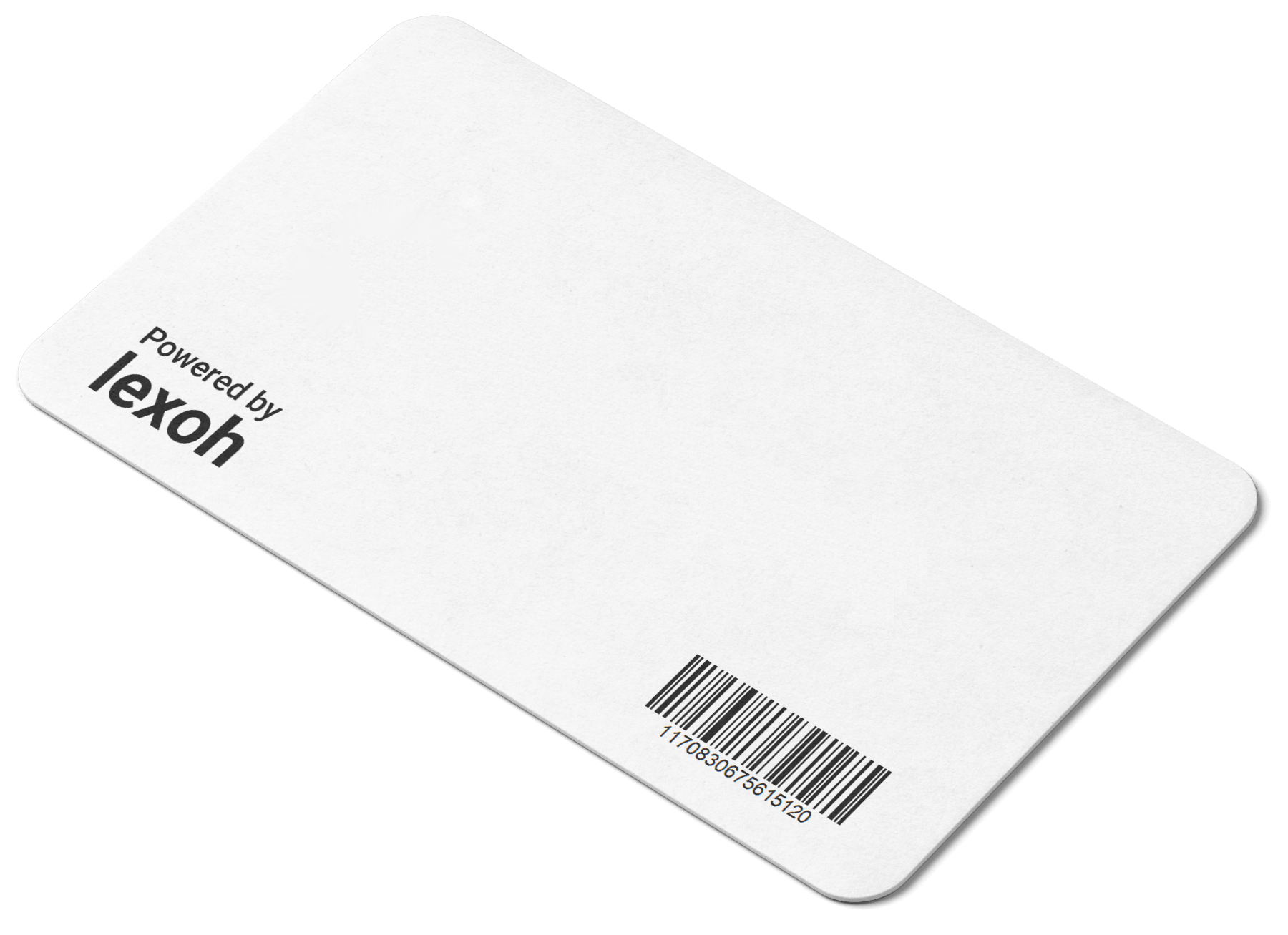
RFID access credential
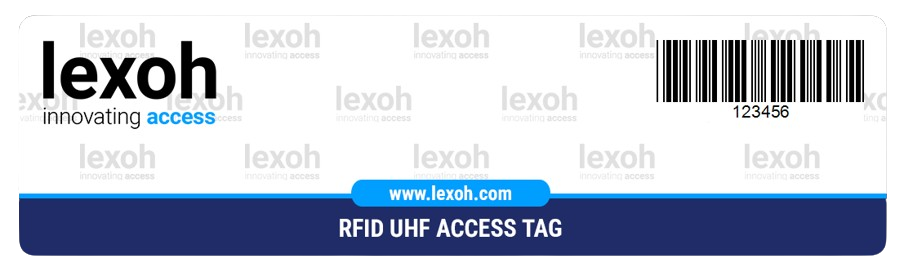
UHF access credential
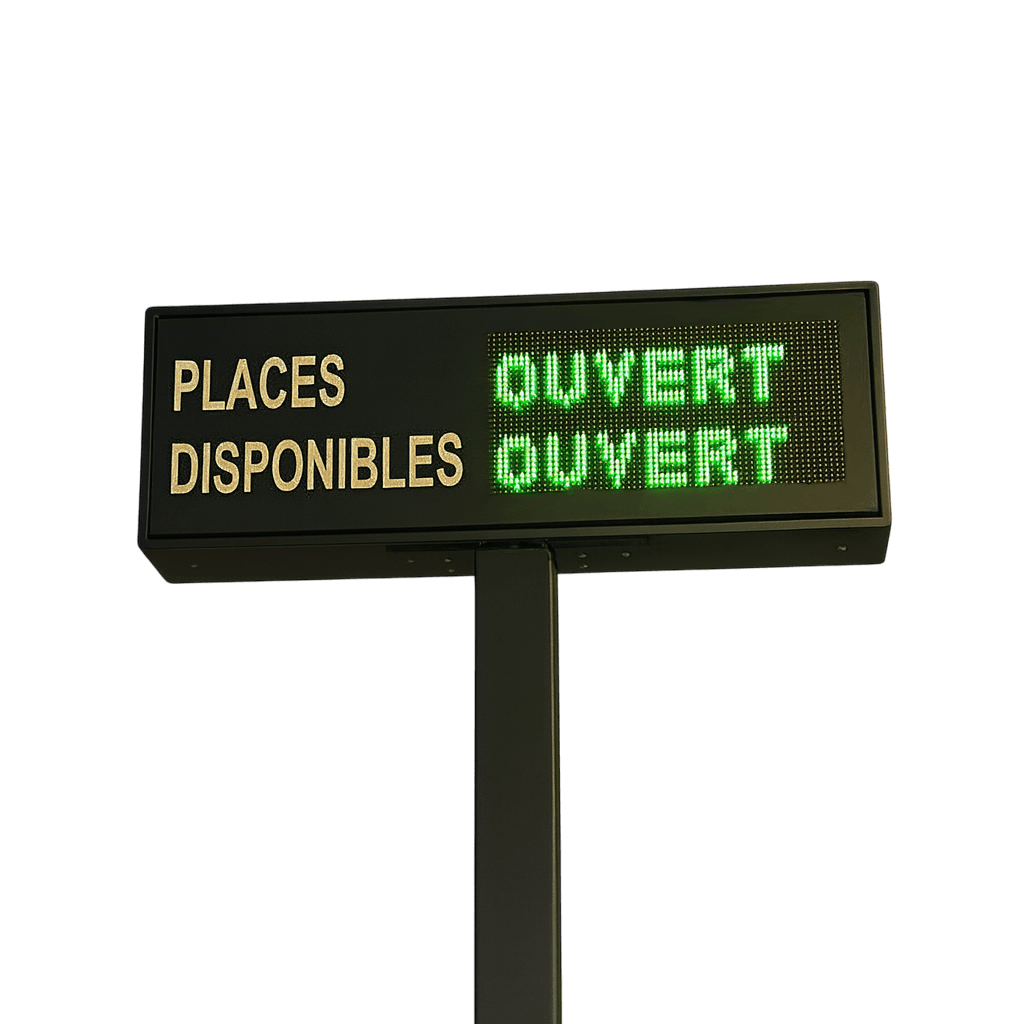
Lane and access display signage

Thermal printer paper
IP intercom communication
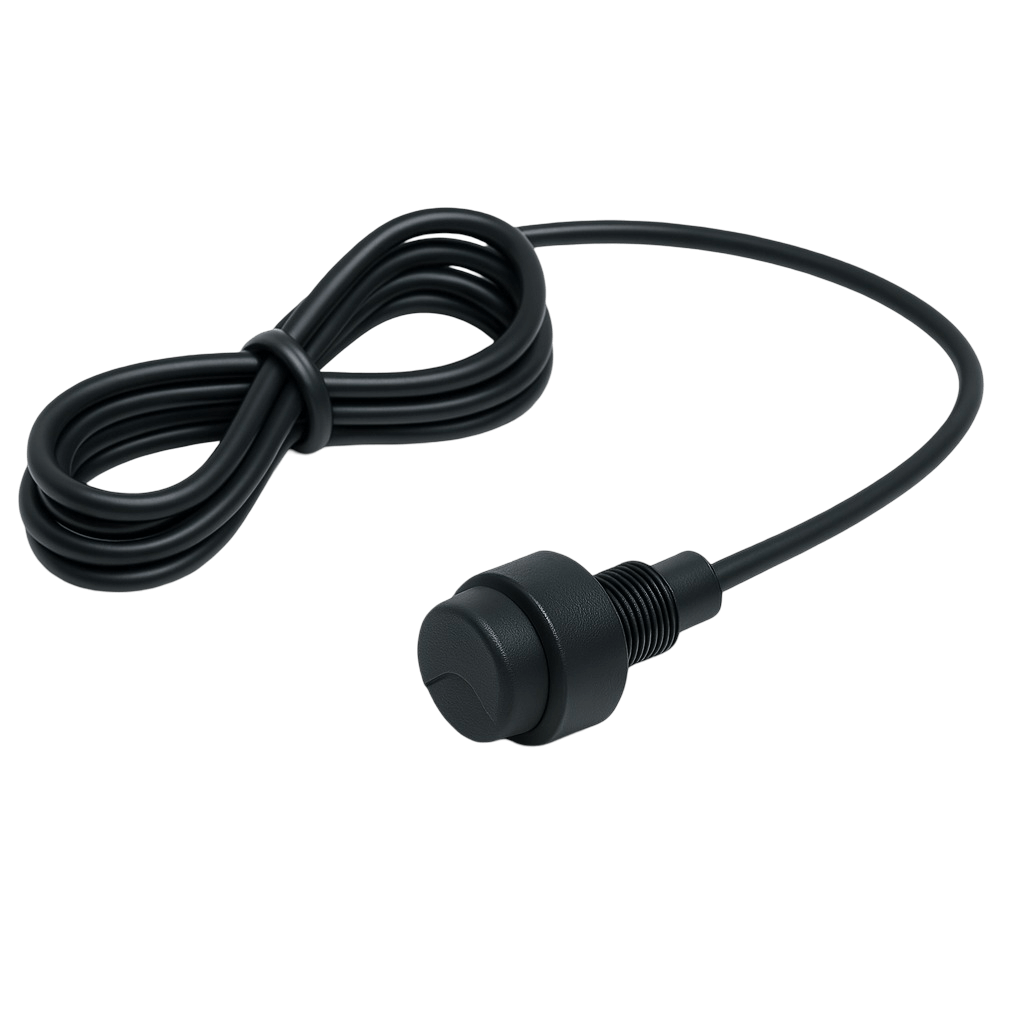
Analog omnidirectional microphone

Municipal parking management applies a municipality’s approved permit, payment and access rules across its parking sites. Lexoh connects the selected administrative workflows and field equipment, while the municipality defines user eligibility, rates, staff responsibilities and the service offered to residents and visitors.
A public lot, city hall, recreation centre and seasonal park may need different hours, permit categories and payment journeys. Start with a site inventory and approved policies, then decide what is shared and what remains local. Define resident and employee permit rules alongside public payment, including how staff answer questions, reconcile activity and introduce changes without confusing users.
Structure rights around the criteria and zones approved by the municipality.
Configure products and periods for the facilities that charge for use.
Separate staff, elected officials, suppliers and public rights.
Create temporary rights that expire after the activity.
Centralize devices and events while retaining local rules.
Prepare the records needed by the responsible service.
Translate the approved policy into a site configuration, validate representative resident and visitor journeys, and train the responsible staff. A phased rollout should carry forward confirmed settings and documented lessons rather than assuming every municipal site operates alike.
Sites, users and ownership
Permits, rates and exceptions
Platform and field equipment
Staff and public communication
Operating data and feedback
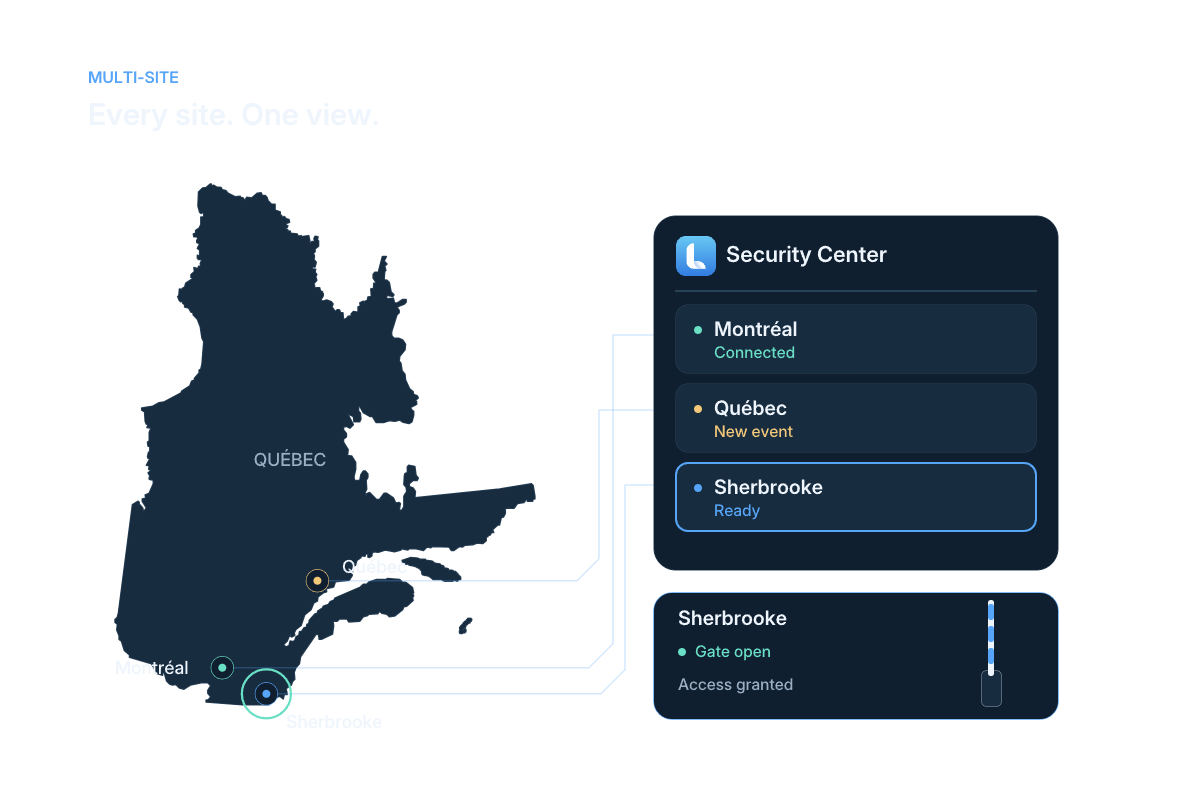
Illustrated site-navigation workflow. The linked Security Center capture shows the site map and device status; permit approval and finance reports use separate screens and permissions.
View actual Lexoh interface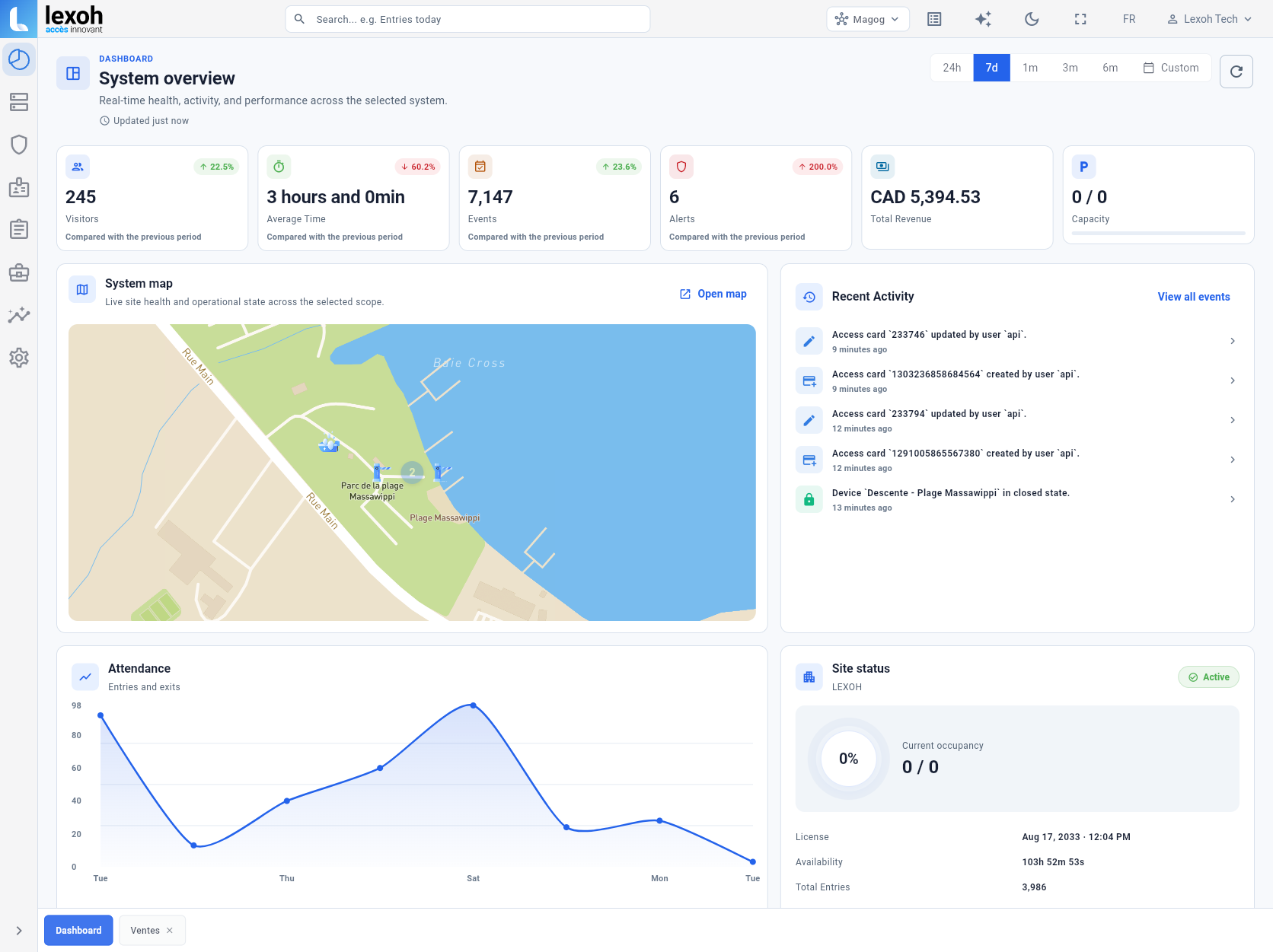
Mapping and device management give staff a shared starting point while each right and device keeps its local context.
Review your sites, municipal policies and rollout priorities →
Lexoh documents equipment, interfaces, configuration and acceptance with the responsible services. Confirm who approves policy, answers users and accepts each phase before deployment.
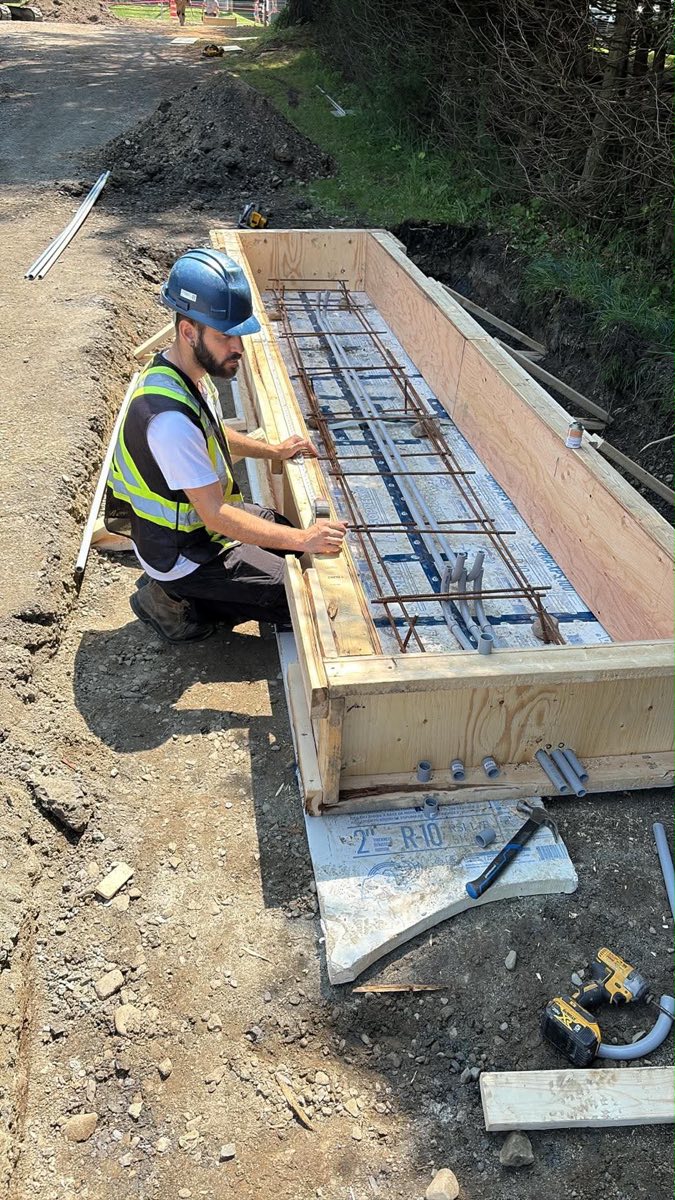
Local rights tied to approved criteria and zones.
Employees, citizens and temporary activities sharing one site.
Seasonal, daily or event access according to location.
Payment, assistance and use rules presented clearly.
Configuration should express municipal decisions, not replace them.
Identify interfaces and owners before deployment.
Explain the journey, timelines and help channels plainly.
A site-by-site phase allows testing, training and adjustment.
Use these four handoff checks for the first site, then adapt them to each additional location. The table is a project-planning example; responsibilities follow the municipality’s organization.
| Decision | Responsible service | Acceptance check |
|---|---|---|
| Resident permit approval | The service designated to verify eligibility and approve changes | Test an approved, incomplete and expired request; verify that staff can explain the next step without exposing another resident’s information. |
| Payment and reconciliation | Finance, site operations and the selected payment provider | Compare a supported sale, correction and refund with the agreed report and settlement records. Identify who investigates a mismatch. |
| Citizen assistance | The team responsible for each site and service period | Test instructions, help channels and escalation for an unread credential or failed payment, including outside staffed hours. |
| Phased deployment | The municipal project lead and designated technical owners | Accept equipment, configured rules, staff training and interruption procedures at the pilot site before approving the next phase. |
Start with one entrance and representative resident, visitor and employee journeys. Record the selected equipment and configuration, outstanding issues and approval for the next site. Keep each location’s hours and exceptions explicit.
Clear answers about scope, operation and integration.
We can help document sites, journeys, interfaces and technical responsibilities.