





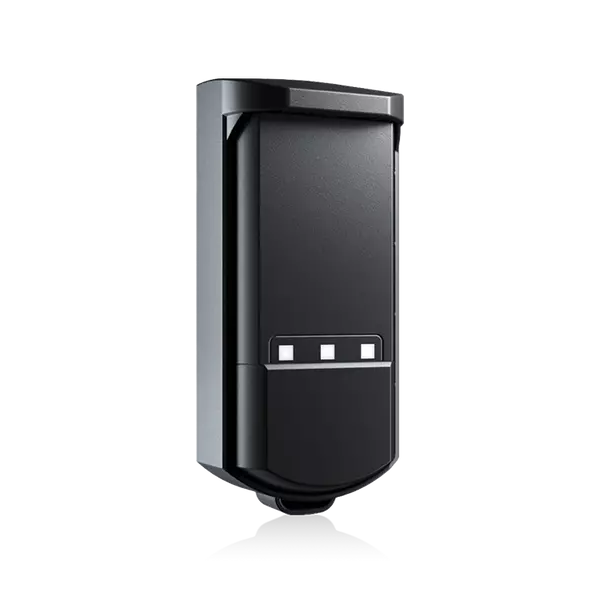
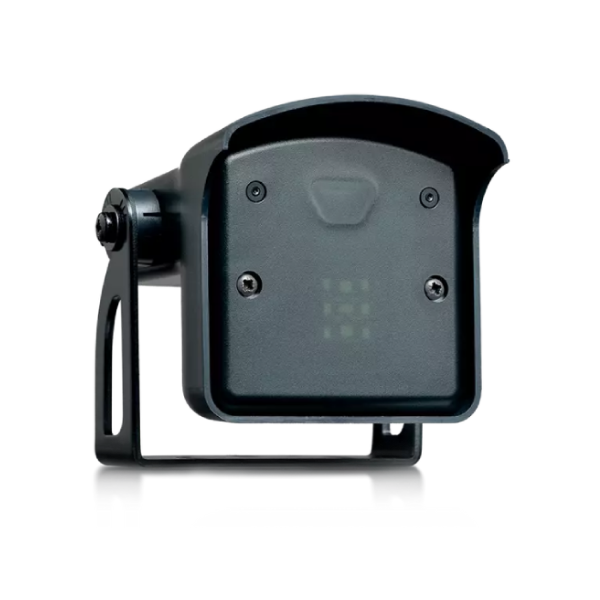
Provide the recorded loop location, lead-in route and affected lane function, and coordinate the work with the team responsible for detection. Define how access will operate during the work and which checks are needed afterward. Do not treat a resurfaced lane as ready for normal operation until the loop, detector and resulting controller behavior have been checked.
Vehicle detection
Vehicle induction loop
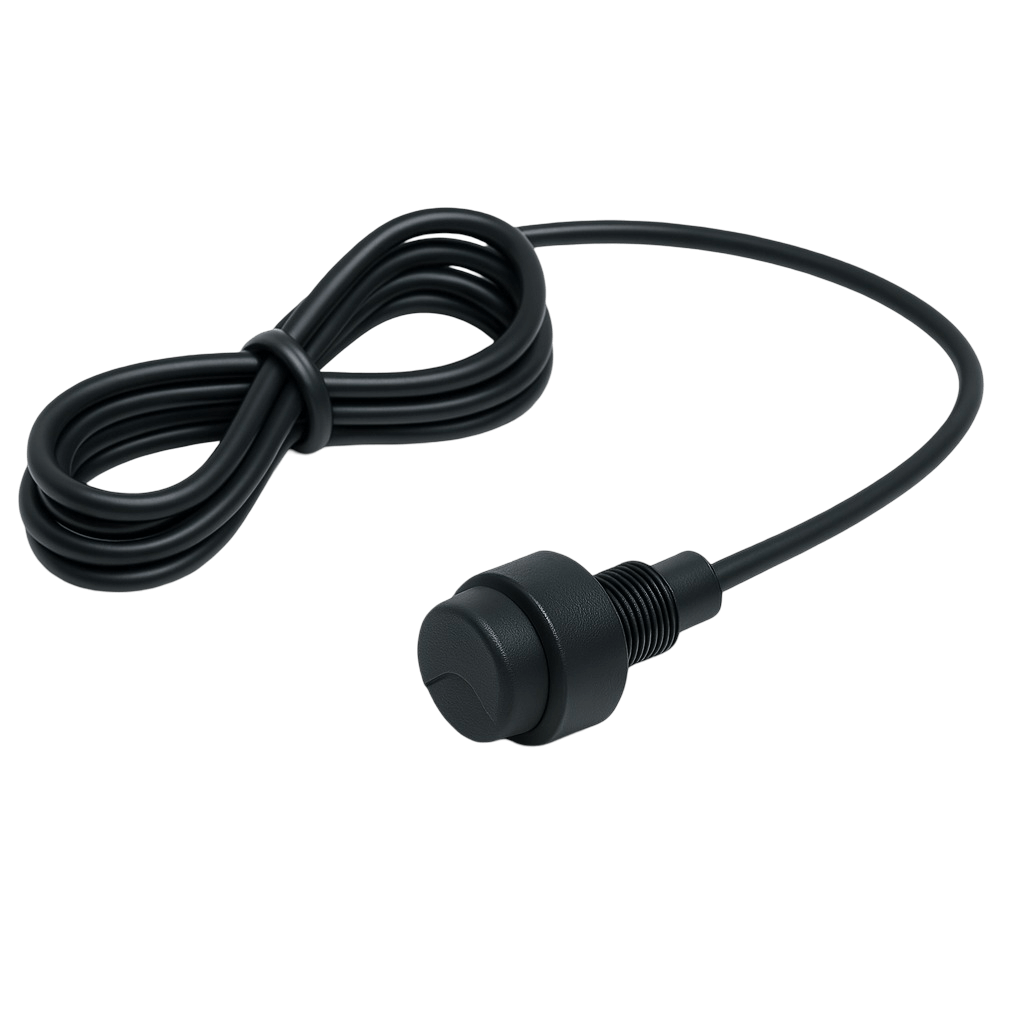
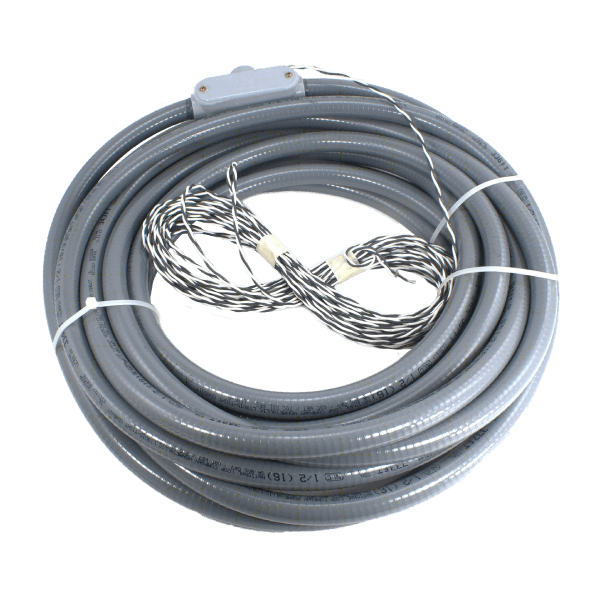
The induction loop is the sensing element installed in the pavement. A separate loop detector interprets its signal for the lane controls. Lexoh helps plan the loop, detector and connection to your parking entrance controls.
- Role
- In-ground sensing element
- Sequence
- Lane specific
- Performance
- Model-specific specifications
Choose the detection circuit
The buried loop and its detector have separate jobs.
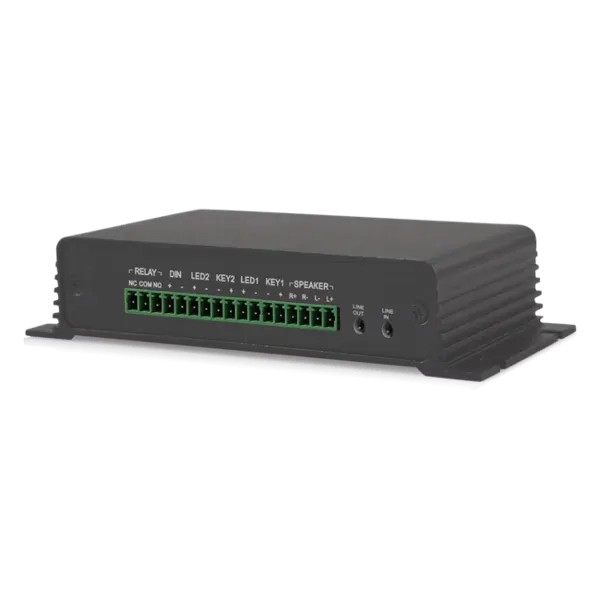
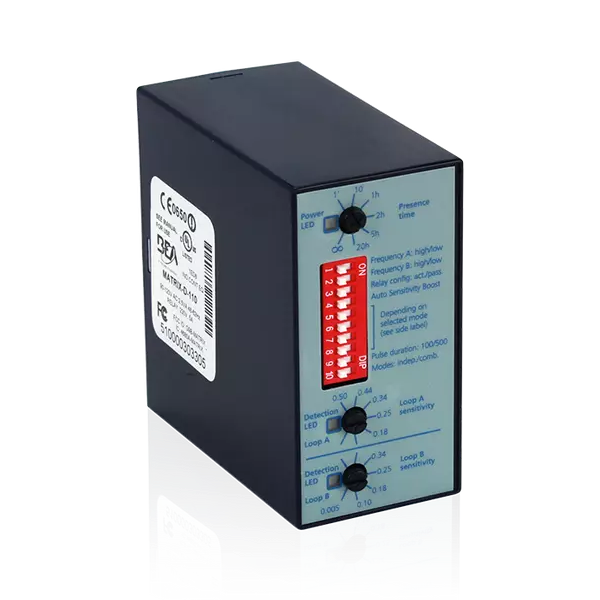
The induction loop is the sensing element in the pavement. Its detector electronics interpret the signal and make a vehicle state available to the lane controls.
What must be installed in the pavement?
Plan the loop location around the vehicle path and the state the entrance needs to detect. The installation also needs a lead-in route to the detector enclosure. Confirm the pavement condition and the selected loop’s installation instructions before civil work.
Can a loop identify an authorized vehicle?
Vehicle detection and access identification have different roles. A loop reports a vehicle-related state through its detector; a reader, plate-recognition system or operator supplies the separate identification or authorization needed by the access workflow.
When should you compare an above-ground detector?
Compare the installation options when pavement access, resurfacing or cable routing affects the project. Check that any alternative supports the same required approach, passage or presence event; a different mounting method does not make it an equivalent replacement automatically.
From pavement to controls
The loop is the sensing part of the circuit.
The buried loop and detector module have distinct roles in reporting vehicle presence.
-
Vehicle over the loop
The vehicle enters the area formed by the loop in the pavement.
-
Detector module
The connected electronics interpret the change in the loop.
-
Lane control
The resulting state supports the configured presence, passage or access sequence.
Induction loop selection criteria
| Selection item | What to confirm |
|---|---|
| Sensing element | Specify the loop wire or preformed loop separately from the electronic detector. The buried loop does not provide a relay output on its own. |
| Loop layout | Choose the loop geometry and position for the vehicle path and required detection area. Use the selected detector and loop installation instructions. |
| Pavement and materials | Assess pavement condition and nearby metal before selecting the wire, insulation, installation depth and sealing method. A single catalog layout is not suitable for every site. |
| Lead-in route | Document the connection from the loop to the detector enclosure, including cable protection and terminations. Follow the selected equipment instructions. |
| Detector pairing | Confirm the loop arrangement is supported by the detector. Supply voltage, relay behavior and sensitivity settings belong to the detector specification. |
| Acceptance | Check the required vehicle types and lane states with the installed loop, detector and controller. Record accepted behavior and any operating limits. |
Request the current datasheet and installation instructions for the equipment proposed in your quotation.
Before pavement work
Prepare the loop installation brief
Give Lexoh and the installer the lane plan, pavement constraints and detection purpose before the loop layout is finalized.
| Planning item | Information to provide |
|---|---|
| Lane drawing | Mark the vehicle path, stopping point, proposed loop and lead-in route. Identify the lane function that must continue during the work. |
| Pavement condition | Provide photographs of cracks, joints and planned resurfacing. Include available drawings of reinforcement, utilities and neighboring loops. |
| Civil-work handoff | Agree who prepares the pavement, installs the loop and restores the surface. Keep the approved layout and photographs before the work is covered. |
| Return to operation | Arrange representative vehicle checks with the installer. Record the loop reference, detector settings and controller response in the handover file. |
Configuration: Keep equipment references, drawings and accepted test results together for future service.
Equipment questions
Practical details for planning, operating and maintaining this equipment.
List the vehicle types the entrance is expected to handle and include representative examples in the agreed acceptance plan. Verify the required vehicle states with the installed loop and detector rather than extrapolating from a successful passenger-car test. Any limits or alternative process should be documented for operators; suitability depends on the selected equipment and installation.
Project review
Plan your vehicle loop installation.
Send the lane layout, vehicle types and pavement constraints. Lexoh can review the loop, its detector and the installation requirements with your contractor.