



Parking planning guide
Parking detection: induction loop, radar or LPR?
Separate vehicle detection, identification and protective functions. Ask the installer how each proposed device supports the required lane sequence and how its behavior will be verified.
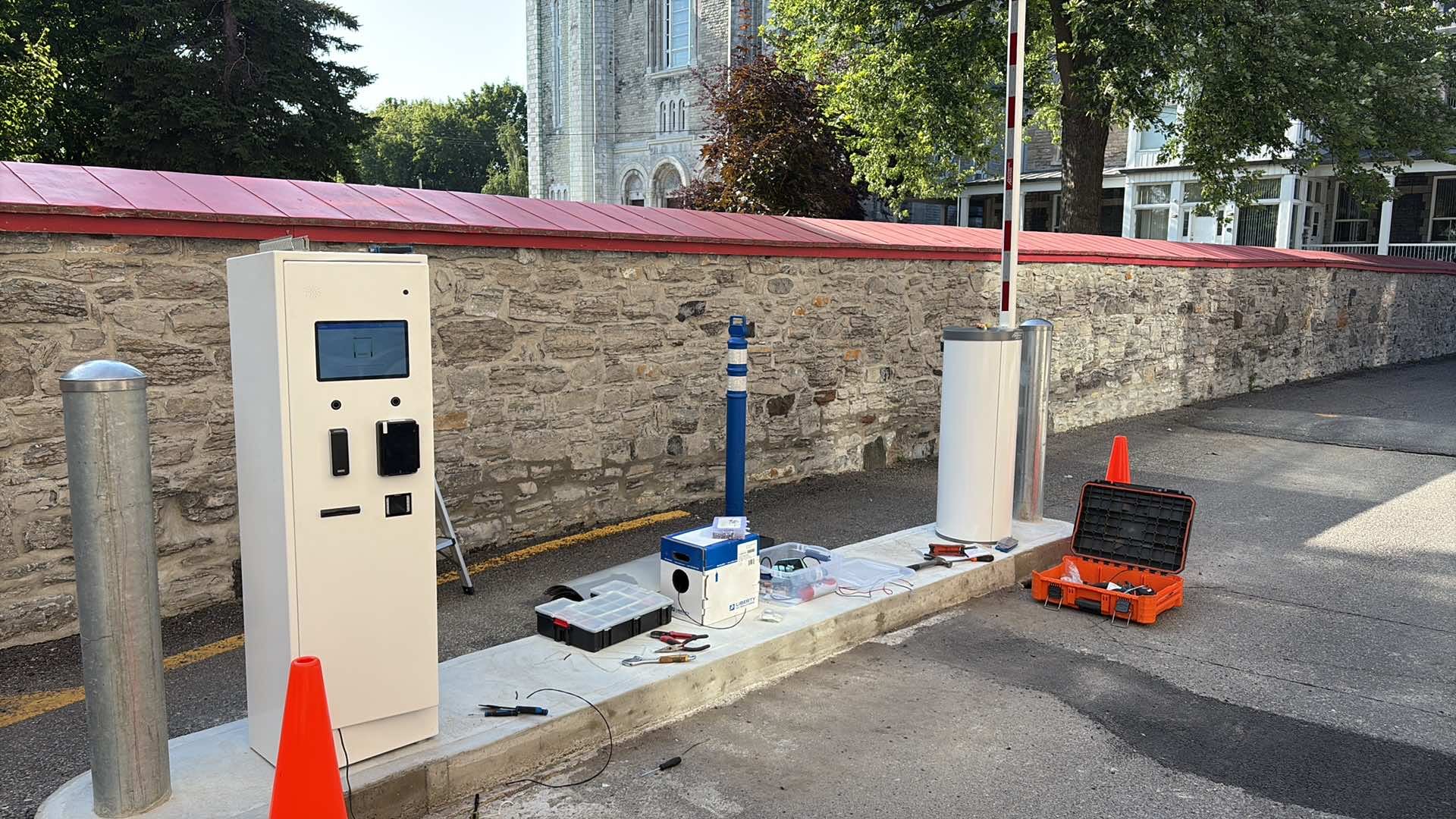
Start with the operation
Choose the required event before choosing the sensor.
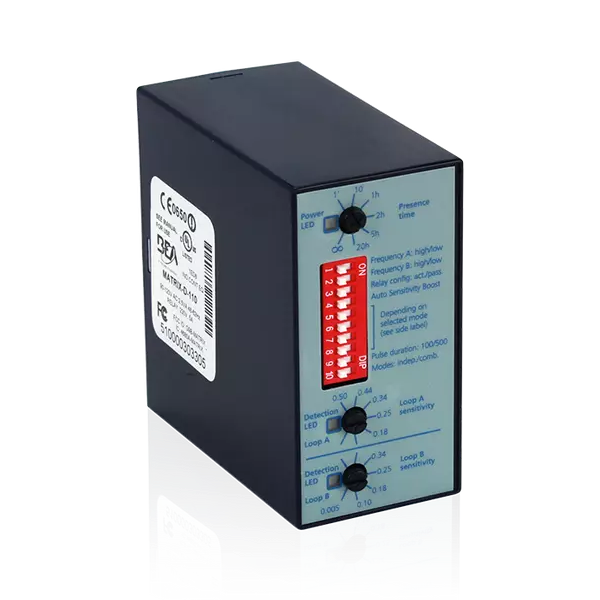
An induction loop and its detector report a vehicle-related state. Radar detects motion or presence according to the selected model. License plate recognition (LPR) identifies a plate. These functions can work together at a Lexoh parking entrance, where software applies access rules and connected equipment controls passage; each device still needs its own defined role.
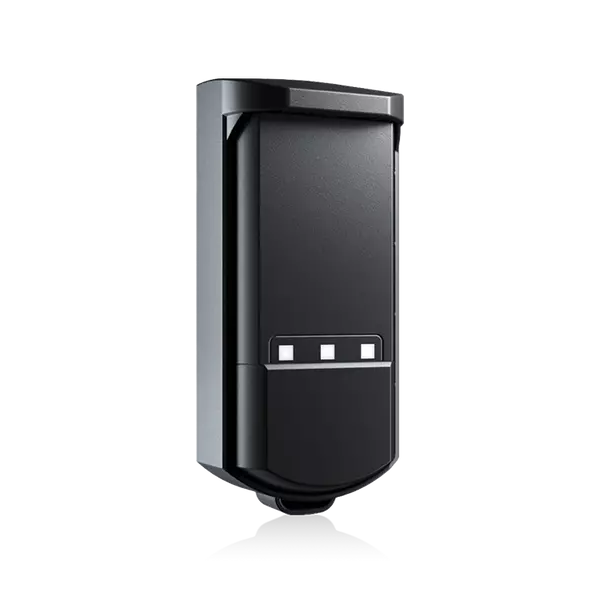
A virtual loop describes an above-ground detection arrangement; that name alone does not identify the sensing technology, interface or stationary-presence capability. Record the installed manufacturer and model before deciding how to replace it.
Decision sequence
Trace the signal from the lane to the decision.
-
Observe
Define approach, stopped presence or completed passage.
-
Identify
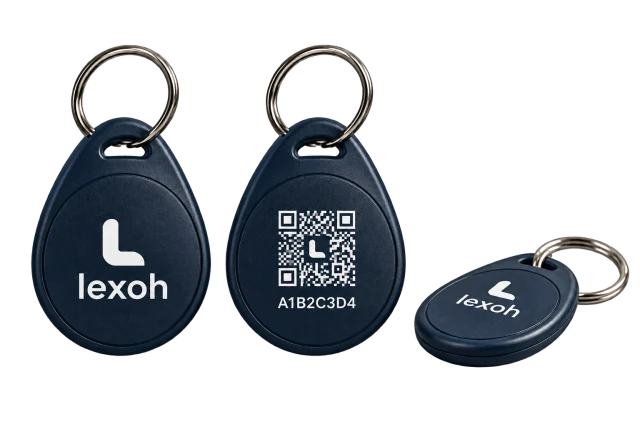
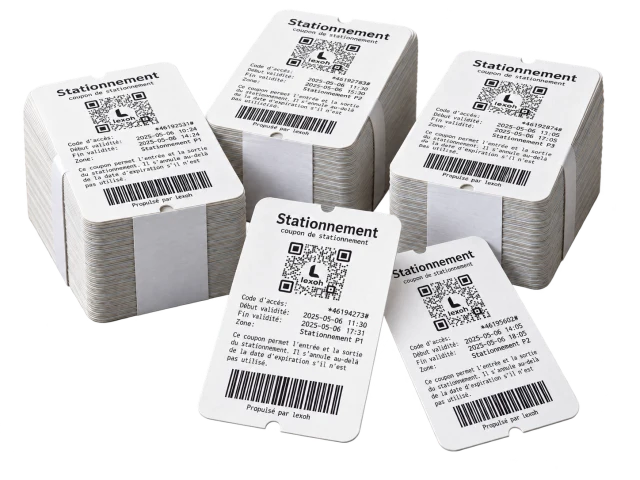
Read a plate, radio-frequency identification (RFID) credential or QR code where required.
-
Evaluate
Apply the valid access permission and approved lane sequence.
-
Act
Send the permitted command to the connected equipment.
-
Verify
Confirm the physical result and relevant recorded event.
Compare roles and installation constraints.
Scroll horizontally to read every column.
| Equipment or function | Role | What to verify |
|---|---|---|
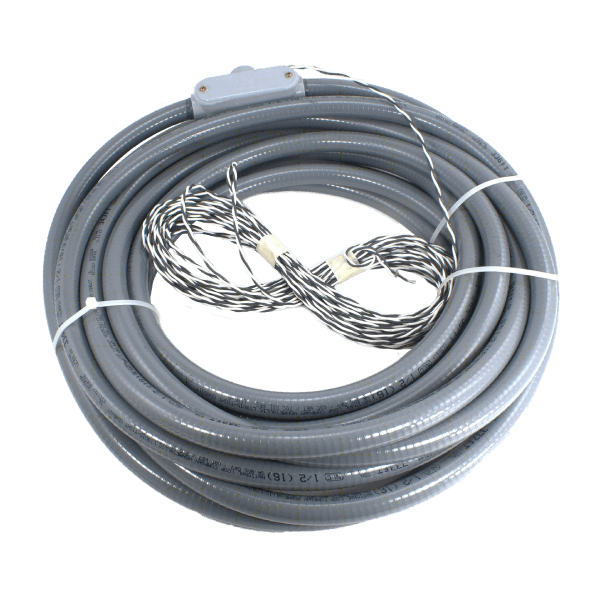
| Induction loop + detector | Buried sensing element with separate electronics supplying a vehicle state | Pavement work, loop and lead-in, module interface, required vehicle types |
| Above-ground detector / virtual loop | Detection zone outside the pavement | Actual technology, mounting, stationary presence, adjacent traffic and output |
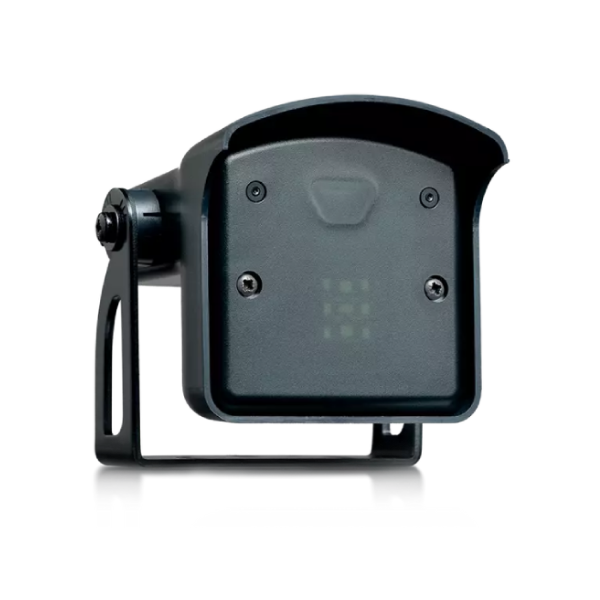
| Microwave motion detector | Detects movement within a configured zone | Exact model, direction, output and stopping behavior; do not assume stationary presence |
| LPR | Plate identification linked to an access record | Capture conditions, right-to-lane association, unread plates and privacy requirements |
| Protective devices | Functions specified for the barrier's protective sequence | Approved device, installation and tests required by the barrier documentation |
Three situations to review with the installer.
These are review scenarios, not approved installation designs. The selected equipment and site conditions determine the final solution.
-
Resurfacing a lane with a buried loop
Document the existing loop and lead-in before work. If considering above-ground detection, identify the exact vehicle state used by the controller and demonstrate that the alternative supplies that state in the revised lane.
-
A vehicle stops after being identified
A successful plate read does not establish continued presence under the arm. Treat identification and the required presence/protective functions separately, and use the installer-approved method to verify the complete sequence.
-
Two adjacent lanes use vehicle tags
Confirm the read zone and which lane receives the access decision. Test nearby traffic and the intended stopping positions. A vehicle detection event alone does not prove which credential belongs to that lane.
Build the comparison from exact references.
Collect device labels, model manuals, supply and signal requirements, mounting drawings and the controller's input/output schedule. Include actual vehicle types and the expected state before, during and after passage.
For example, BEA documents its FALCON family as motion detectors: a stopped object is not detected. This illustrates why a radar label is insufficient when the design needs stationary presence. Confirm the exact unit proposed for your Lexoh project before applying any manufacturer specification.
Do not infer that a general detector is a certified protective device, or that an output with the same connector has the same electrical behavior. Tests involving moving barriers or fault conditions belong to the qualified installation team and the approved instructions.
Explain the whole passage
Turn the equipment list into an operating sequence.
Start the review with the lane empty, then describe the approach, the intended stopping point, identification where required, the access decision and departure. For each stage, have the installer explain what is observed, which device or person supplies the information and what the controller is expected to do. This gives the owner a way to review the design without guessing from product names.
Keep the physical and administrative events separate in that explanation. A vehicle can be present while its credential is refused; a valid credential can be read before the vehicle reaches its stopping point. The proposed sequence must explain how those events relate to the correct lane and which conditions govern the barrier’s movement.
Illustrative scenario: a visitor approaches, stops to seek assistance and then leaves after an authorized decision. Review that complete journey with the installer, including the vehicle while it is stationary and its departure. Ask the installer to identify the equipment documentation and approved checks for each stage, rather than treating the initial detection as proof that the whole passage has been covered.
Describe a problem clearly
Separate the symptom from the suspected cause.
When a driver reports that the gate did not work, first describe what was actually observed: where the vehicle stopped, what the reader displayed, whether staff saw a permitted or refused right, whether the arm moved and how the vehicle eventually left. Use available event records to support that account; where an event is not recorded, identify the information as an operator observation.
A useful report follows the sequence up to the last confirmed step. For example, a readable credential and an approved access decision give the installer a different starting point from a vehicle that never appeared in the intended detection area. Leave the technical diagnosis to the qualified team, and include any recent change to paving, equipment position, vehicle type or operating rules.
For an intermittent issue, preserve the lane, approximate time, vehicle category and observed response before normal operation makes the event difficult to reconstruct. Ask the service team what evidence it needs and use the agreed reporting route. Staff can document the incident and assist users through their authorized procedure while the installer determines whether a targeted check is required.
Project checklist
Questions to ask about parking vehicle detection
Review each required event with the installer. Ask for model documentation, a lane plan and an approved way to demonstrate the proposed behavior.
-
Which device detects approach, stopped presence and completed passage?
Request the exact device references and the event each one supplies to the controller. Ask which model documentation supports those functions and how the signals connect to the lane sequence.
-
What happens if a vehicle stops inside the detection area?
Ask the installer to distinguish movement detection from stationary-presence detection for the selected model. Request the expected controller state and the approved check for the actual stopping position.
-
How does the system determine that the complete vehicle has passed?
Include the site’s trailers and longer vehicles in the proposed sequence. Ask what confirms that the relevant area is clear and which conditions permit the next barrier movement.
-
How will nearby lanes and different approach directions affect detection?
Request the planned detection and identification zones on the lane drawing. Ask how the installer checks adjacent traffic, reversing vehicles and the intended association between a vehicle and its lane.
-
Which vehicles and site conditions will be included in verification?
Identify motorcycles, passenger vehicles, service vehicles and trailers that actually use the site. Discuss mounting, pavement work, lighting or weather exposure where relevant to the selected technology.
-
How are detection, identification and permission kept distinct in the proposed sequence?
Ask which device reports a vehicle, which reads its plate or credential, and which rule grants passage. Have the installer explain the response to a detected vehicle with an unreadable or invalid identifier.
-
Which devices provide the protective functions required by the selected barrier?
Request the barrier manufacturer’s requirements and the proposed device references, wiring and approved tests. Confirm these roles separately from general vehicle detection or access identification.
-
What will the controller and staff do if a detector is unavailable or remains active?
Ask for the documented response, how the condition is recognized and the authorized assistance procedure. Request the qualified team’s verification method and the conditions for returning the lane to service.
Practical questions
Before you finalize the project
Can radar replace a buried induction loop without further checks?
Not on the basis of mounting alone. Confirm the exact event required, the replacement model's supported functions, its electrical interface and its behavior with the site's vehicles. Test the revised control sequence before accepting the change.
Does a detected vehicle have permission to enter?
Detection establishes a configured vehicle-related state. Permission depends on the identifier, current access right and lane rules, or an authorized operating procedure. A detector and an access credential therefore serve different purposes.
Can a product demonstration settle which detector is right for our entrance?
Use the demonstration to understand the proposed function, then ask the installer to apply it to your lane plan and operating sequence. Identify the vehicle types, stopping positions and neighboring traffic that need review. Agree which conditions can be demonstrated before purchase and which must be verified during site commissioning.
What information helps investigate a detection issue that cannot be reproduced immediately?
Provide the affected lane, approximate time, vehicle category and the sequence observed by the driver or operator. Include available event references and any recent site or configuration changes. Distinguish what was directly observed from the suspected cause so the service team can choose the next check without relying on an unconfirmed diagnosis.
References and further reading
- Lexoh induction-loop role
Planning distinction between sensing loop and detector electronics.
- Lexoh virtual-loop selection
Exact technology and stationary presence require model confirmation.
- LEXOH loop-detector selection and commissioning
Existing guidance on detector, controller and lane-state verification.
- BEA FALCON — motion detection FAQ
Manufacturer example distinguishing motion from stationary presence; not confirmation of the model supplied for a Lexoh project.
Project review
Plan detection for your entrance.
Share the lane drawing, existing equipment references and vehicle types with Lexoh. We can review the detection and access scope with your installer before preparing a project proposal.
Discuss your site