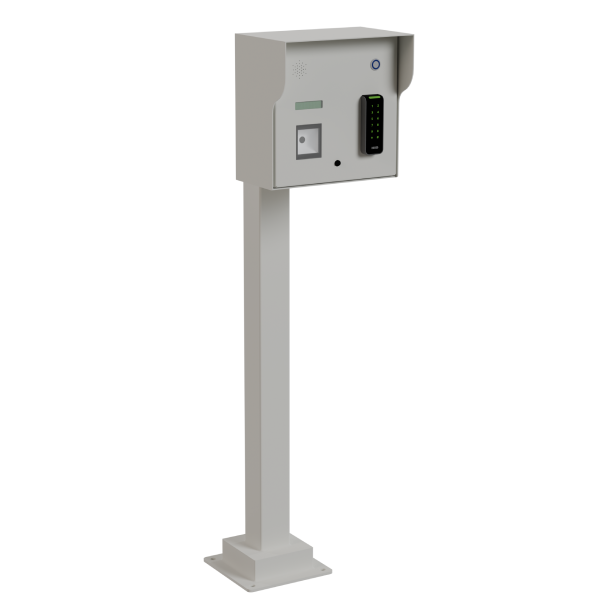
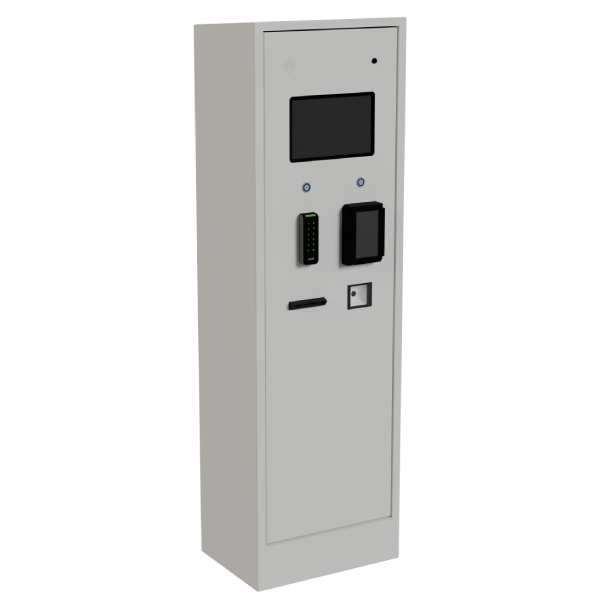
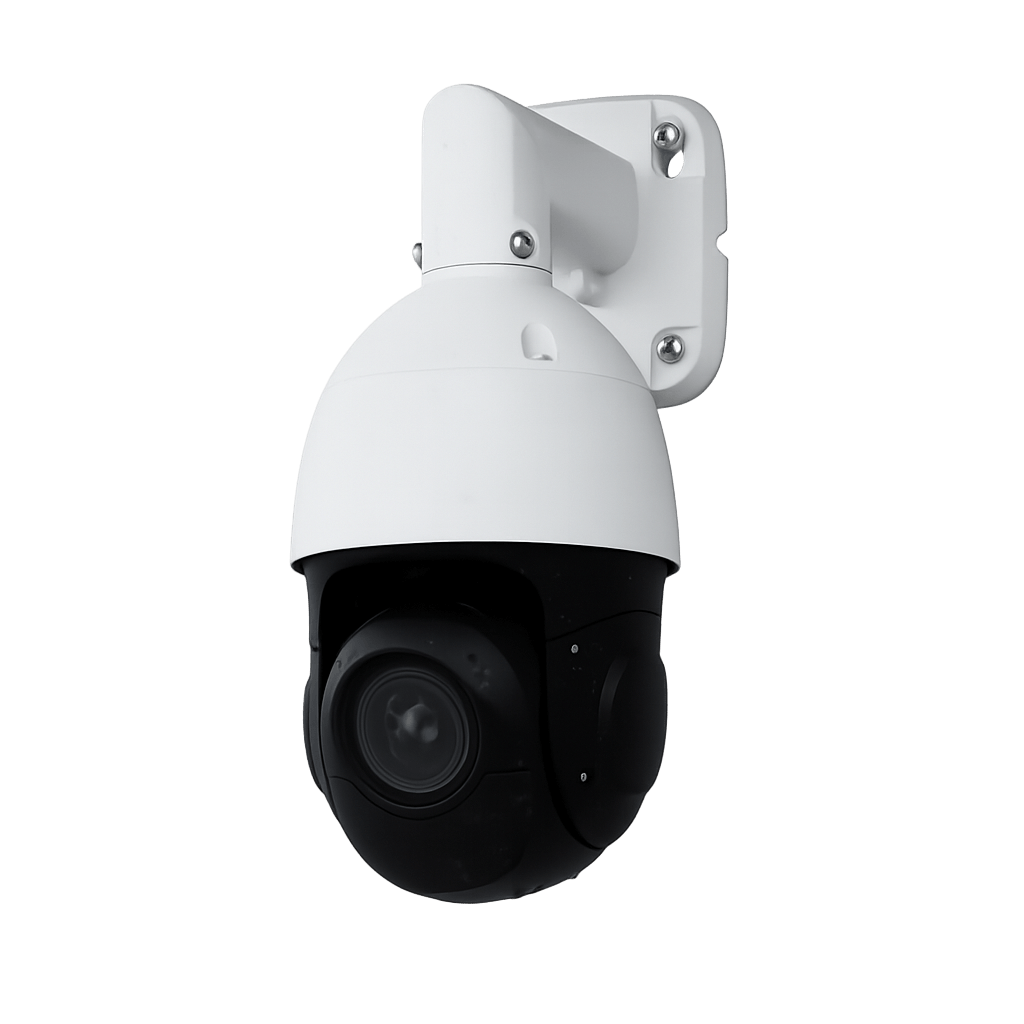
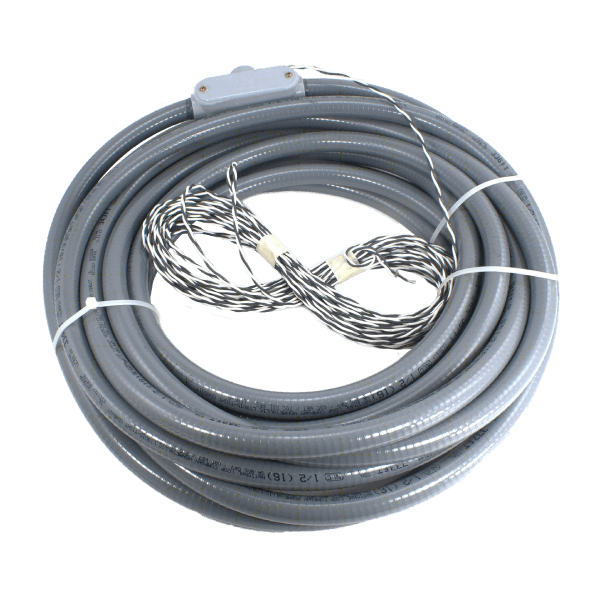
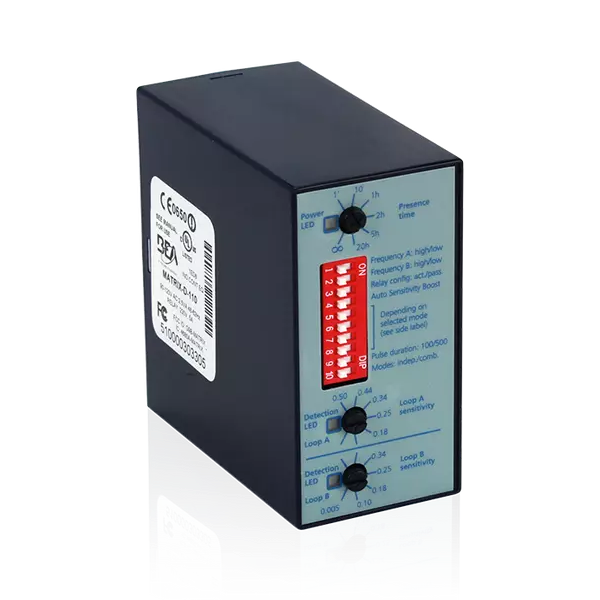
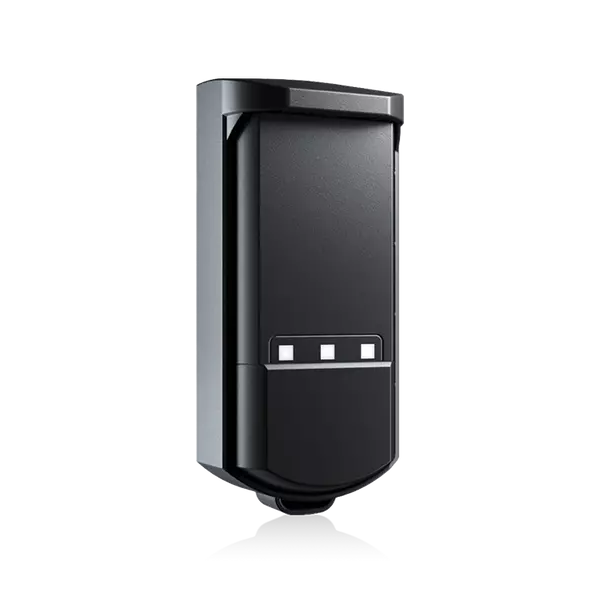
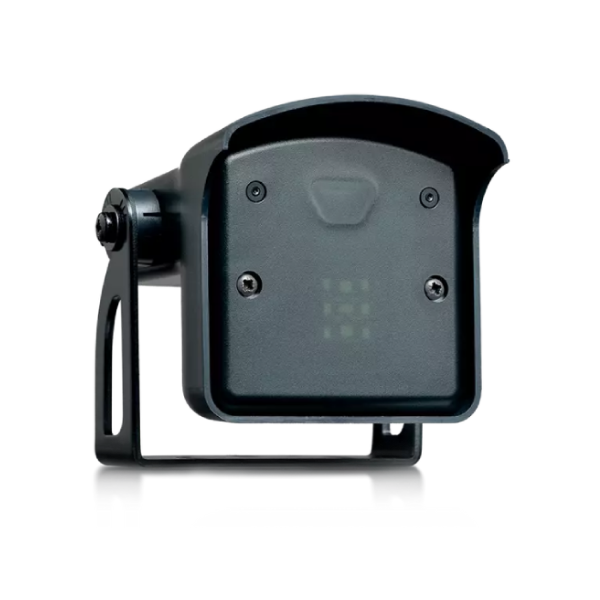
Outdoor kiosk
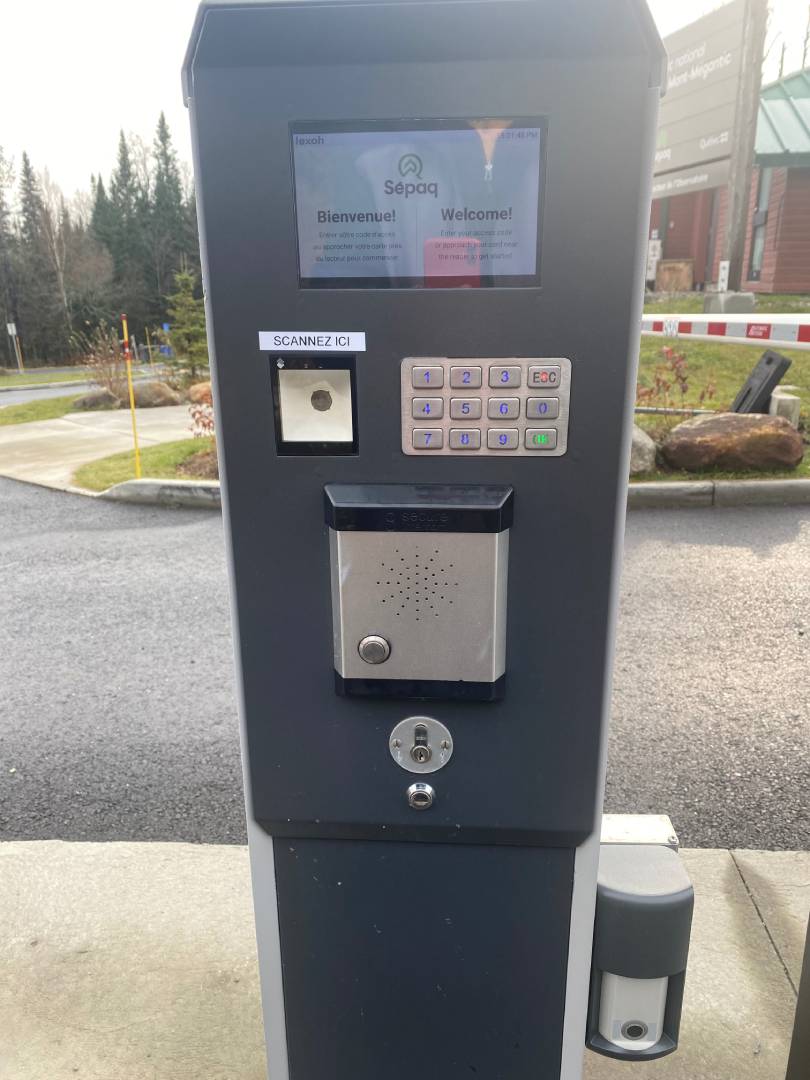
The kiosk brings the visitor interaction together at the entrance.
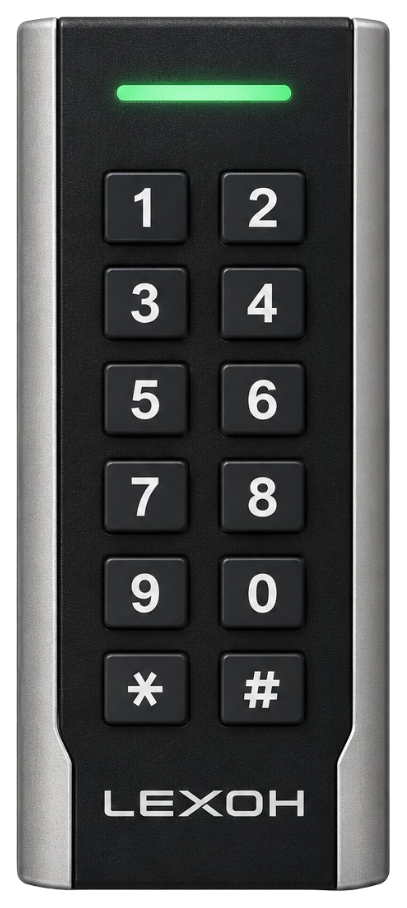
Card-based credential reader
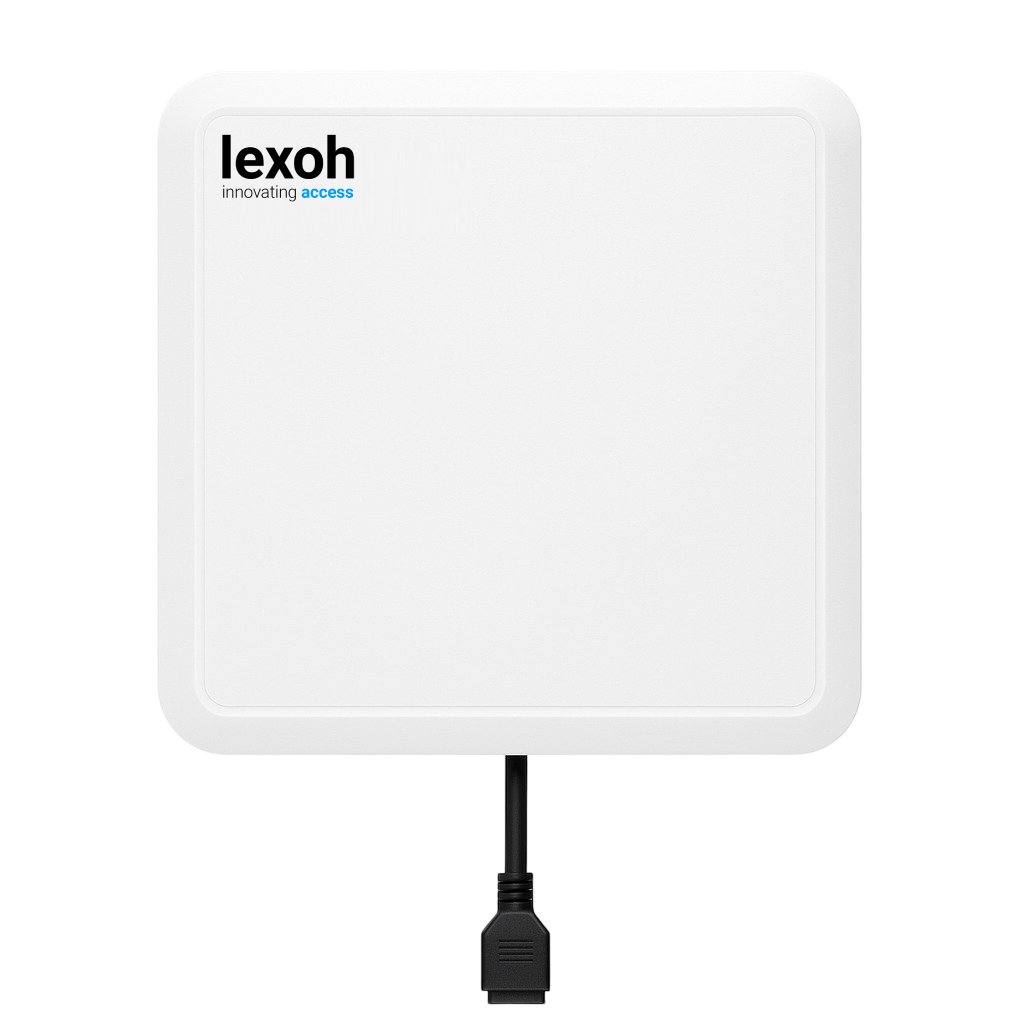
UHF credential reader
QR and barcode credential reader

Device input and output controller

RFID access credential

UHF access credential
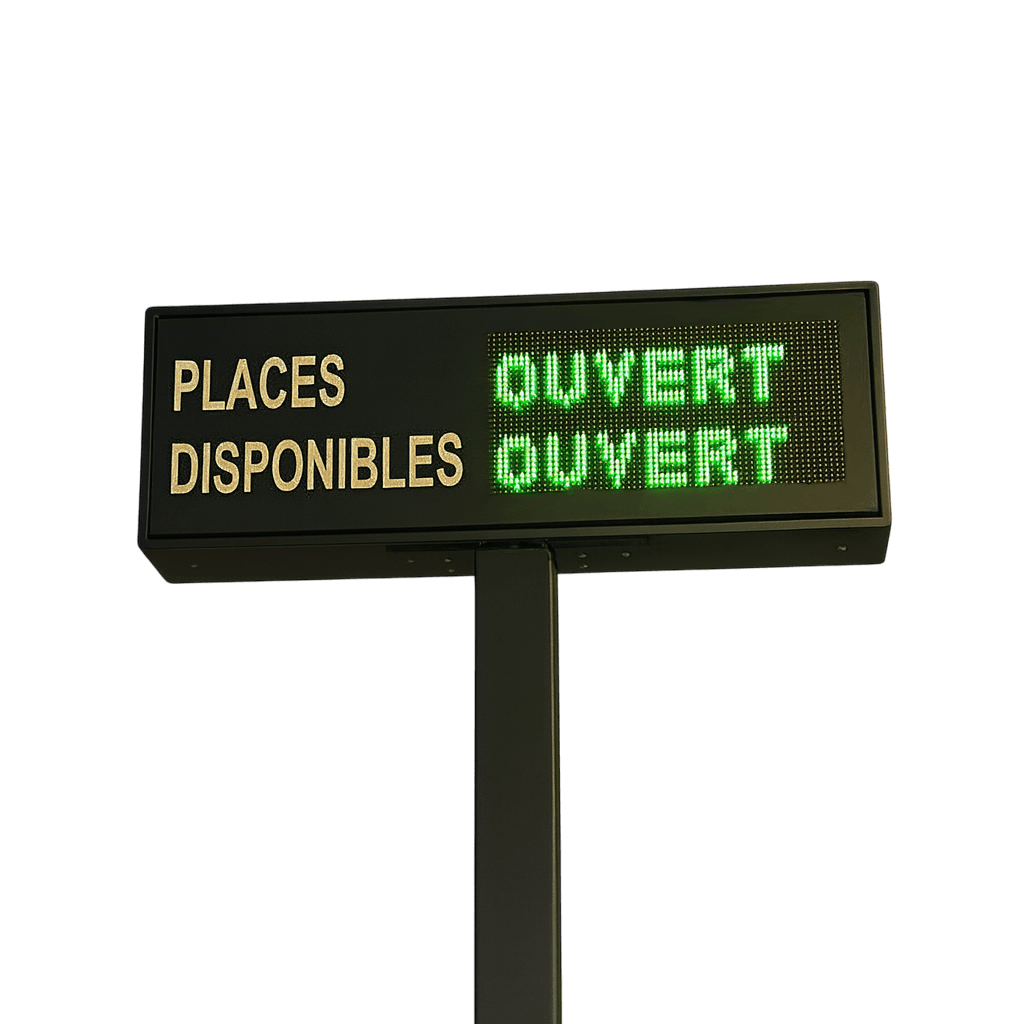
Lane and access display signage

Thermal printer paper
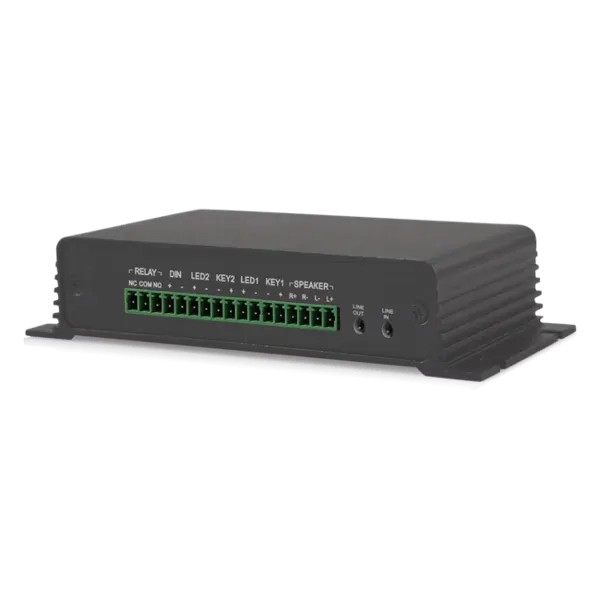
IP intercom communication

Analog omnidirectional microphone

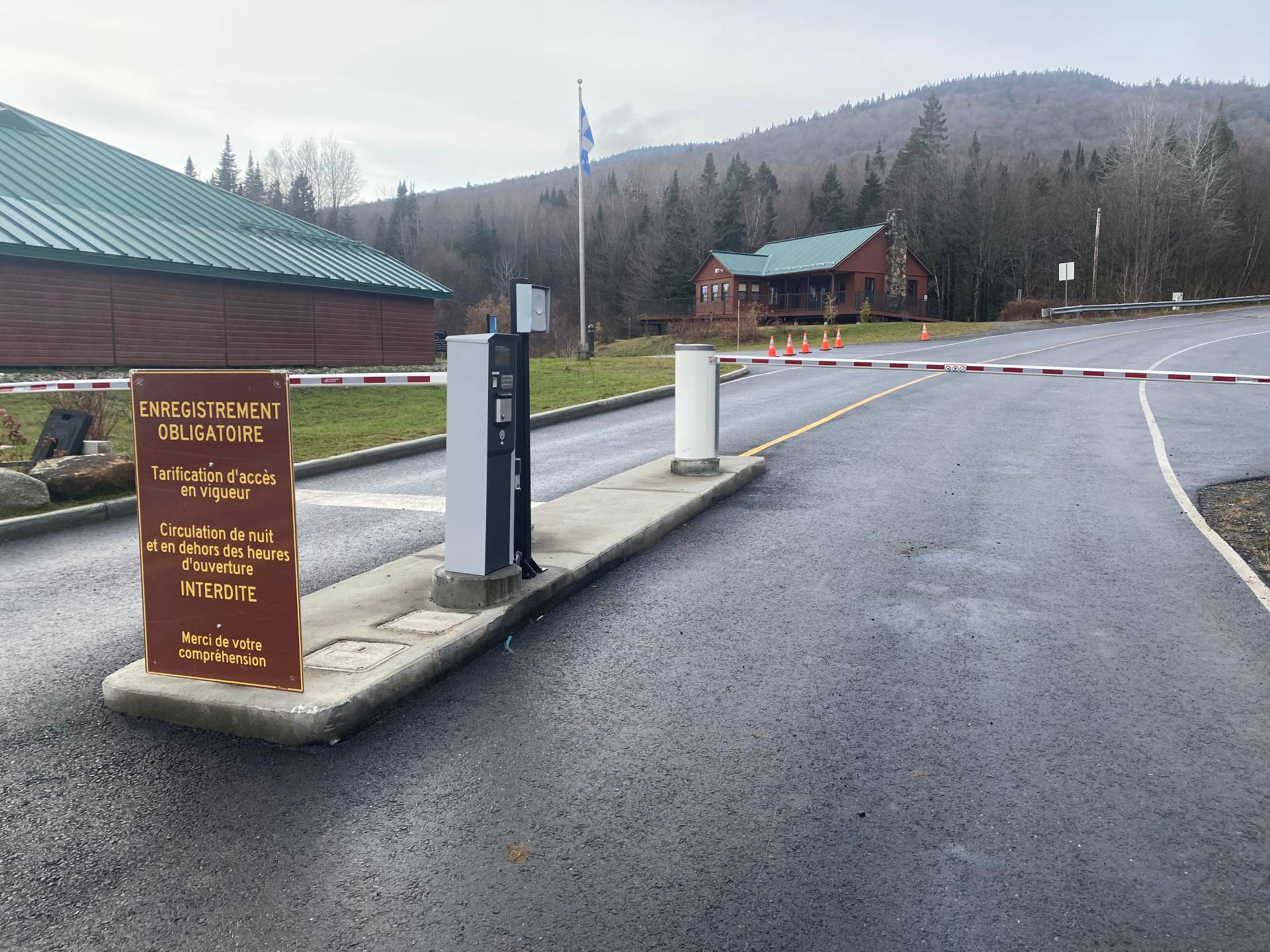
At Sépaq Mont-Mégantic, the Lexoh installation connects an outdoor kiosk and automatic barrier with payment and visitor management. Original photographs show the entrance layout, equipment island and instructions drivers see when approaching the kiosk.
At an outdoor destination, the driver may be a first-time visitor. The lane therefore has to make stopping, interacting and passing easy to understand.
The project archive describes payment and visitor management. Photographs show the outdoor kiosk, signage, island and barrier that carry out the access decision.
The environment adds concrete design questions: approach visibility, outdoor protection, drainage, snow clearing, communications and assistance when a visitor cannot complete the expected journey.
The kiosk brings the visitor interaction together at the entrance.
Payment is integrated into the visitor journey.
The journey accounts for visitors and their access rights.
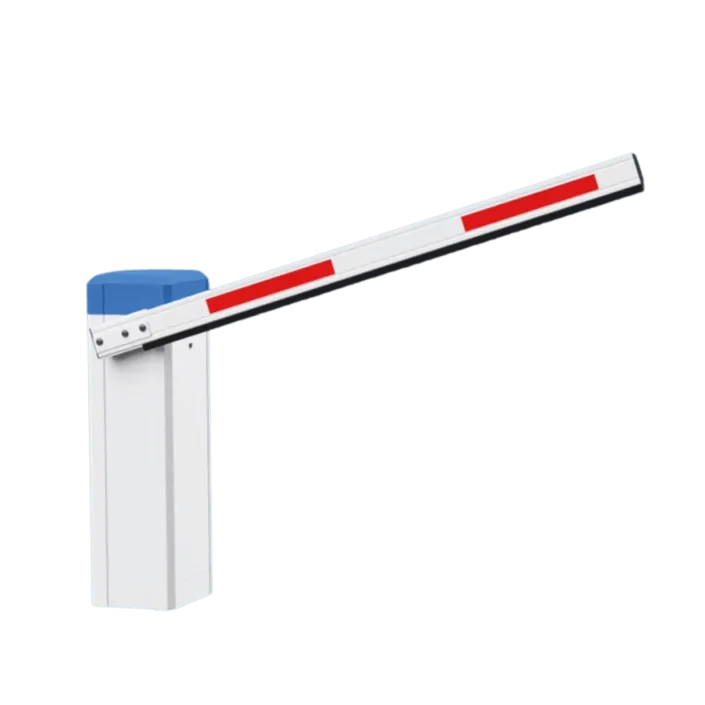
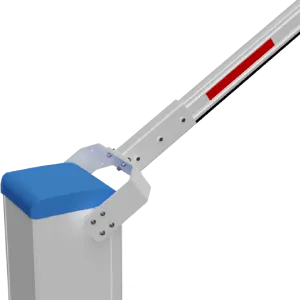
The barrier carries out the lane decision.
Instructions are placed near the kiosk to guide the driver.
The equipment is grouped and protected on a dedicated base.
Inspect the equipment and lane layout in original Lexoh project photographs. Open each image to see the complete frame.
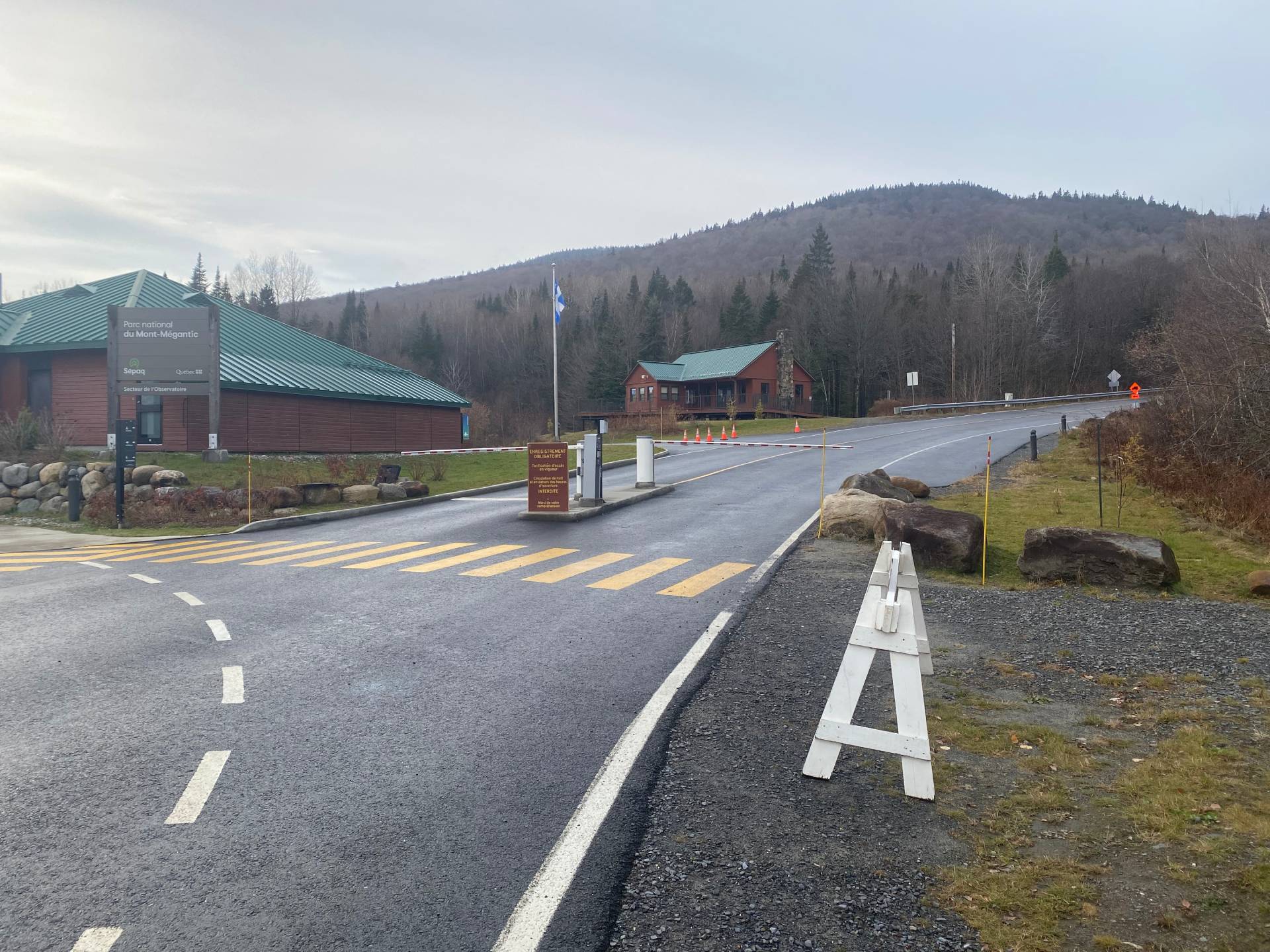

This page is limited to visible equipment and functions previously described publicly by Lexoh. It does not present attendance figures, financial results or Sépaq-specific operating rules.
For a similar outdoor entrance, plan for first-time visitors, changing weather and arrivals requiring staff assistance.
Make the lane legible before the vehicle reaches the kiosk.
Limit instructions to choices that are truly required at this entrance.
Position the screen for sunlight, headlights and precipitation.
Plan drainage and snow clearing around the island and barrier.
Define journeys for expected, unplanned and payment-blocked visitors.
Test communications and assistance procedures from the real site.
Send us the site context. We will start with the traffic path, users and operating constraints before selecting equipment.