Site-specific rate structure
Set periods and user products around the way the facility actually operates.
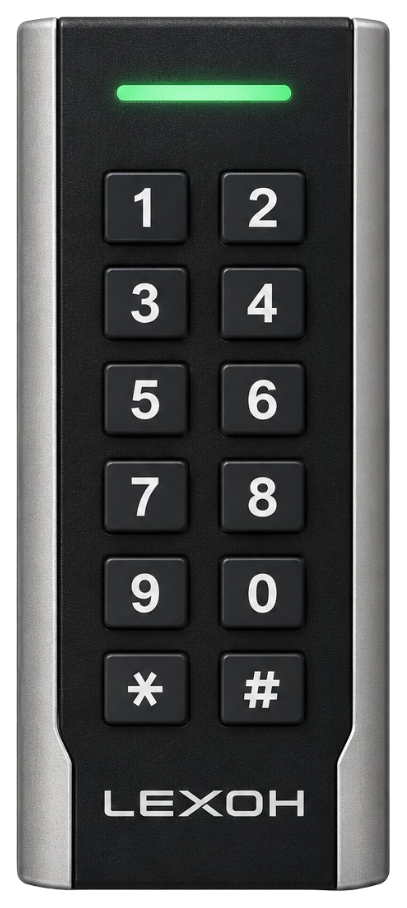
Card-based credential reader
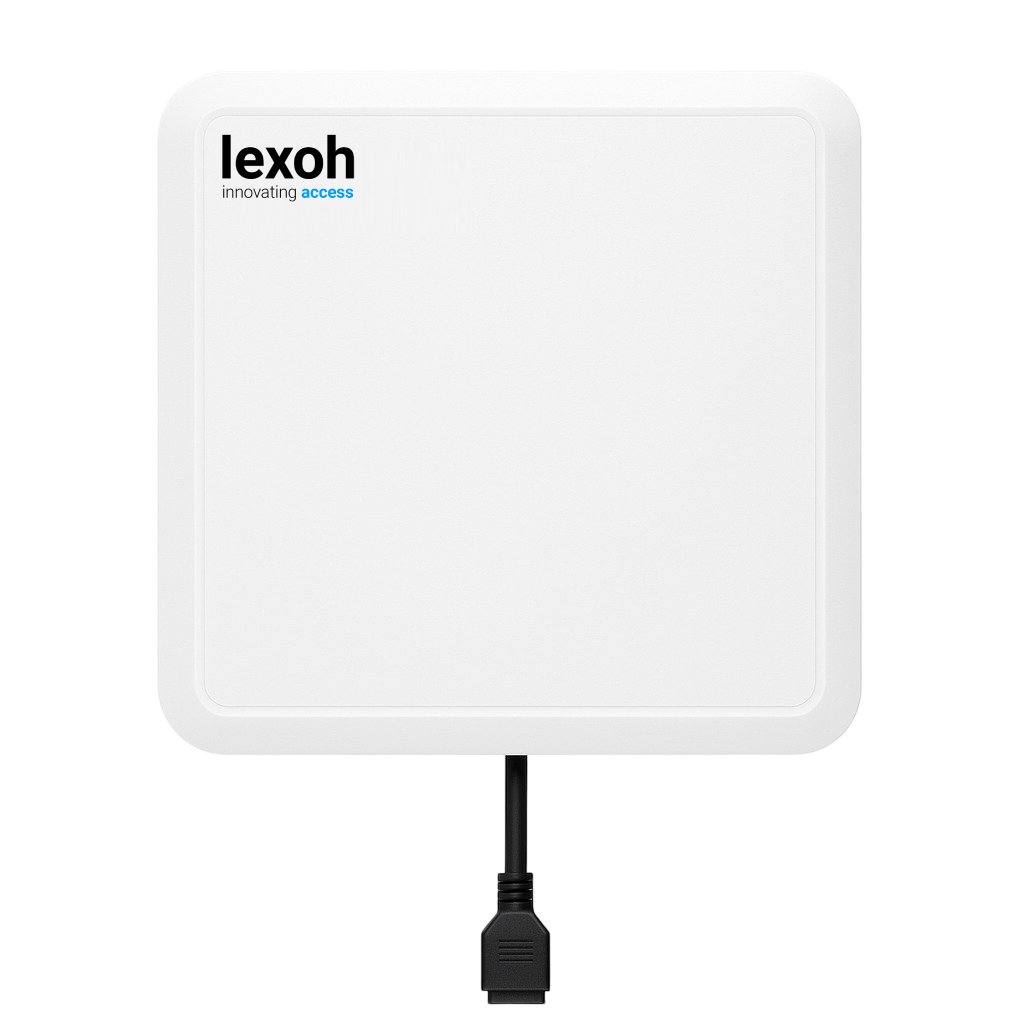
UHF credential reader
QR and barcode credential reader
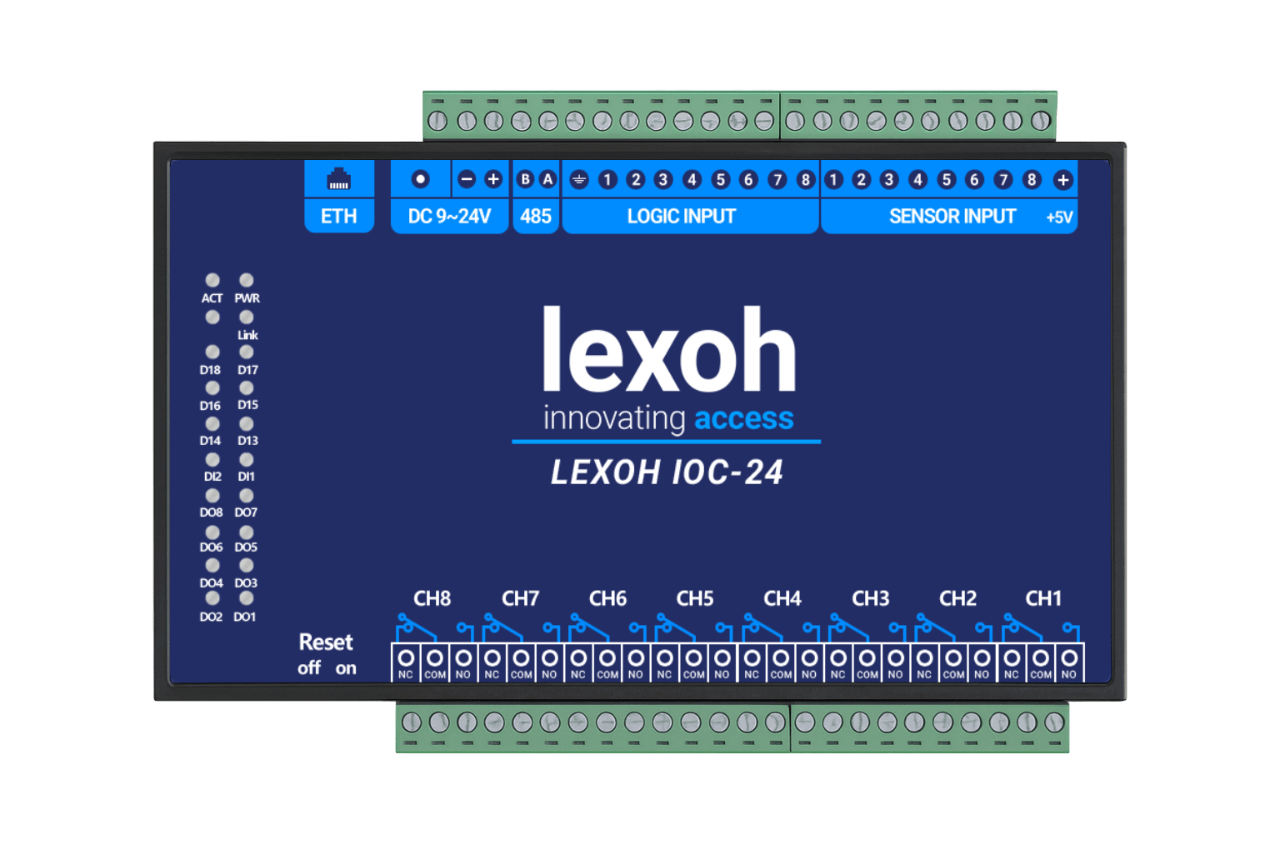
Device input and output controller
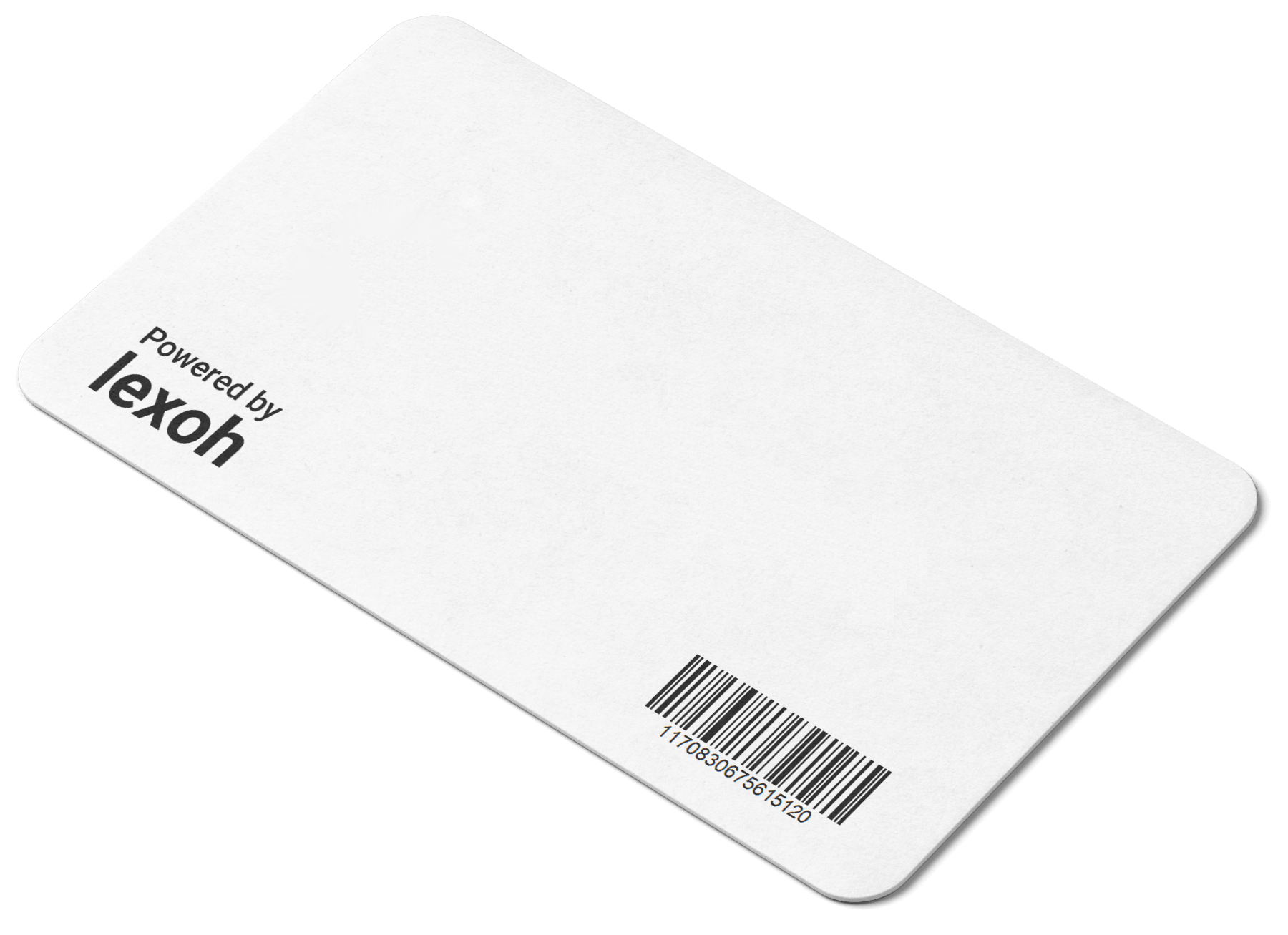
RFID access credential
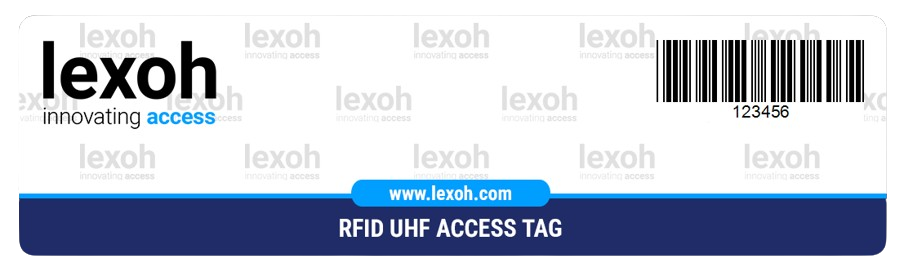
UHF access credential

Lane and access display signage

Thermal printer paper
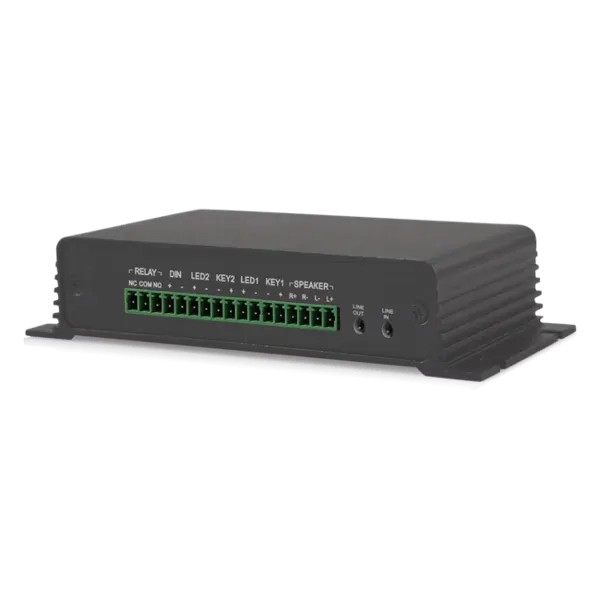
IP intercom communication
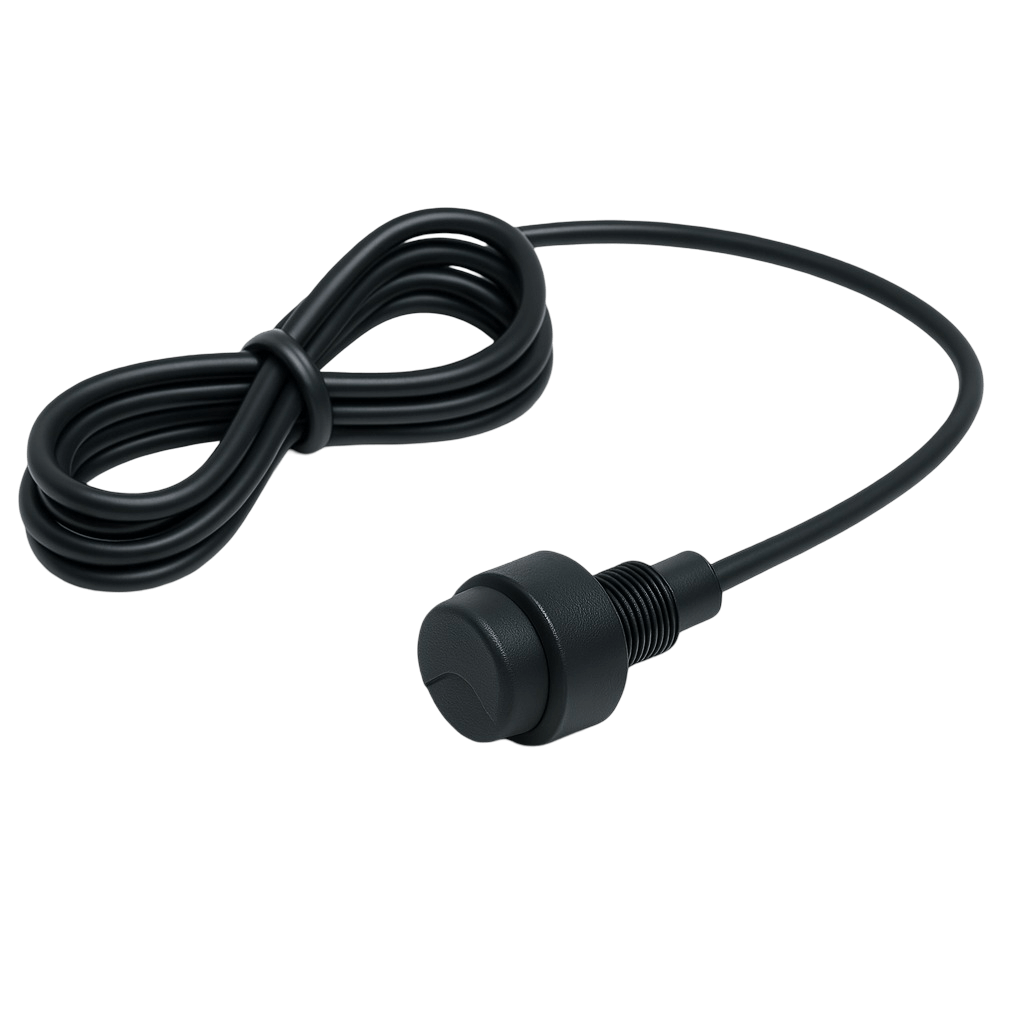
Analog omnidirectional microphone

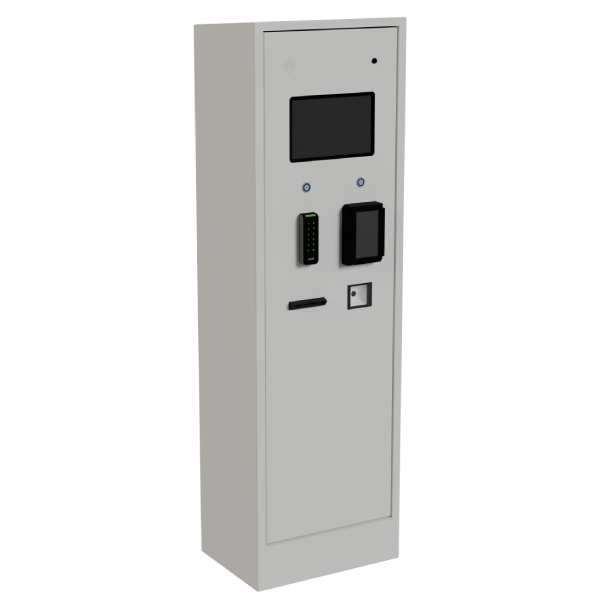
A parking payment kiosk lets a driver pay for a parking product or stay and receive the confirmation used by the site. Lexoh connects that transaction with configured rates, access validation and operating records, and plans the equipment, installation and assistance around the payment journey.
Choose the payment model before selecting the cabinet. Pay-on-entry can suit a known product or period; paying before exit can require identifying the stay and calculating the applicable charge. The project must also define receipts, payment exceptions and what happens between payment and departure. Compare the kiosk systems with the parking management platform so hardware selection follows the approved operating process.
Set periods and user products around the way the facility actually operates.
Associate the transaction with the ticket, plate, code or account used at the lane.
Show the driver only the instructions needed to complete the transaction.
Give staff the events needed to answer a customer question or reconcile activity.
Define lost-ticket, validation, cancellation and assistance cases before launch.
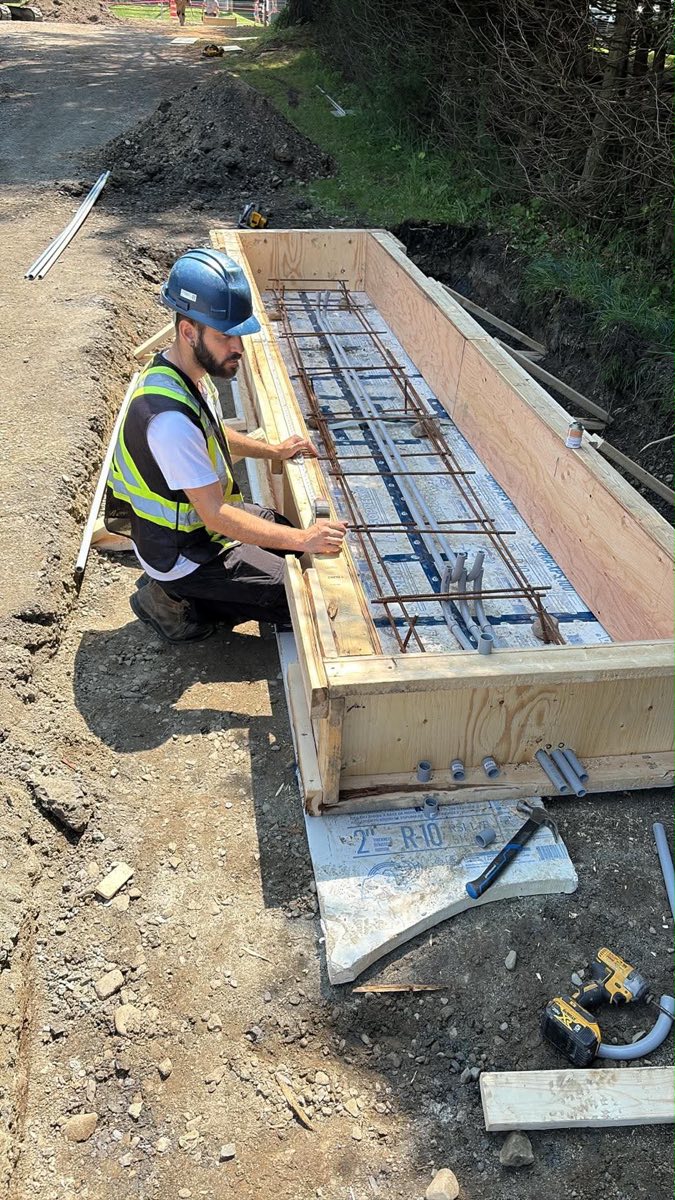
Plan foundations, protection, power and communications for the kiosk location.
The driver identifies the stay or parking product, checks the amount, completes the configured payment and receives the result. The lane must use the confirmed payment state, including any exit period agreed for the site.
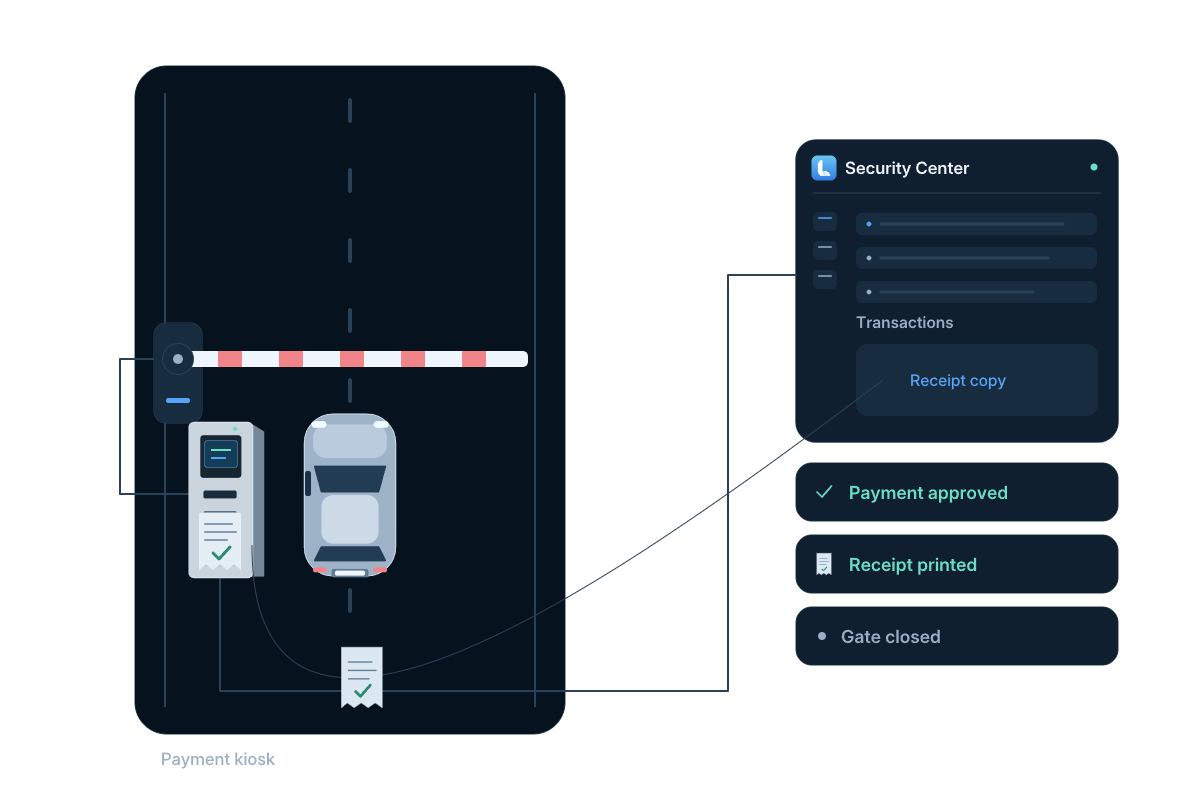
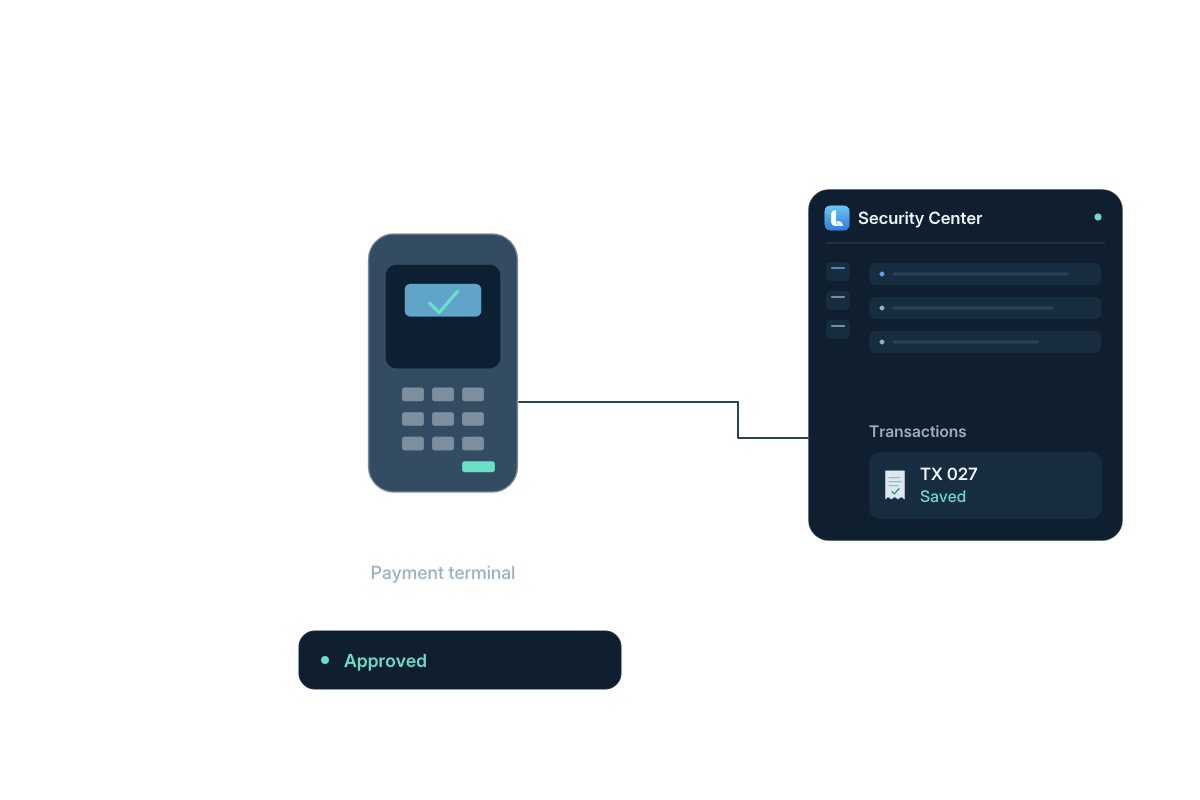
Ticket, plate, code or account
Applicable rate rule
Guided kiosk transaction
Access right updated
Decision sent to the lane
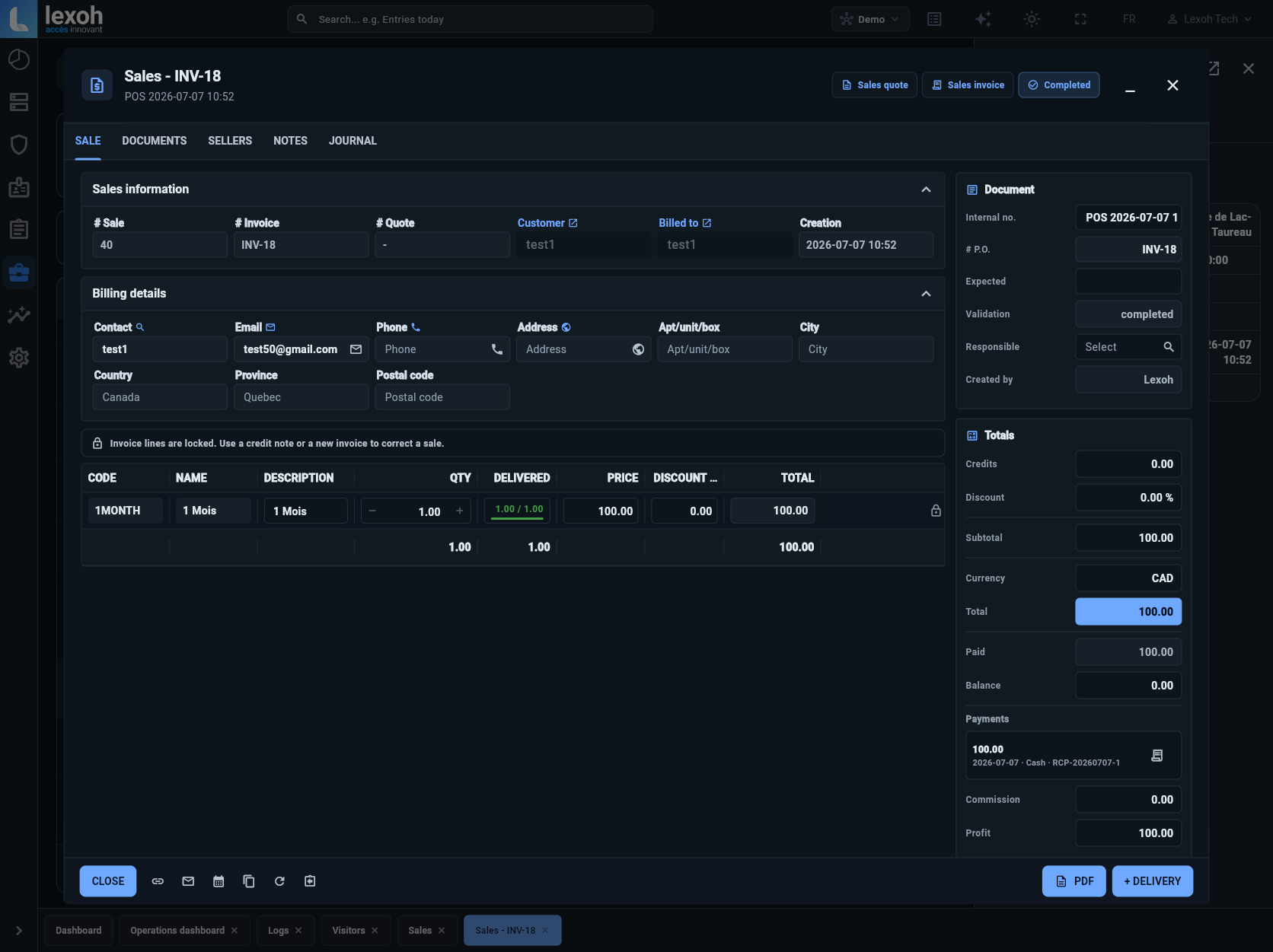
The linked Sales capture shows invoice lines, totals, amount paid, balance and payment history in the Demo account of Lexoh Security Center.
View actual Lexoh interface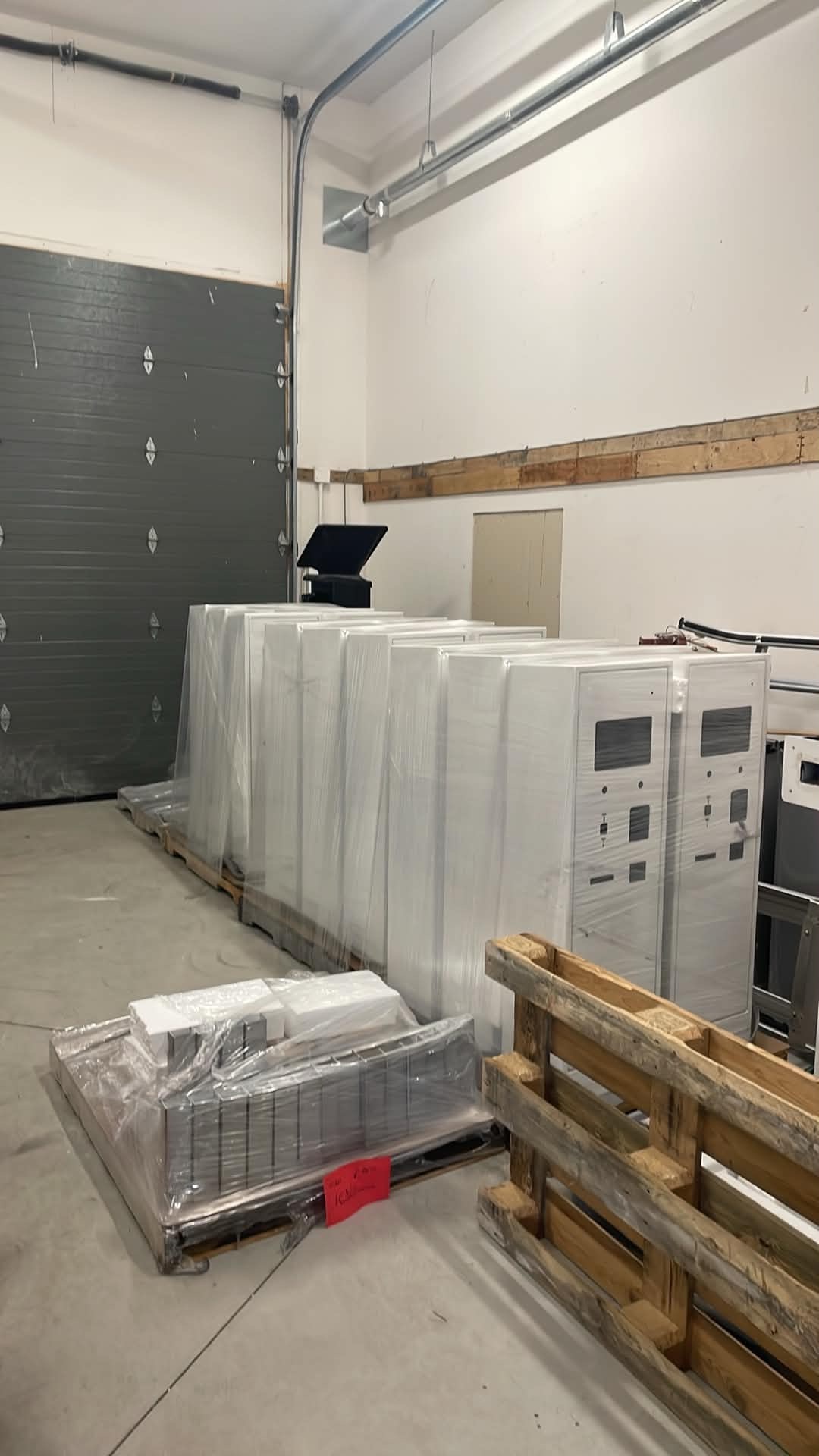
This workshop photo shows a batch of enclosures before final component integration. Screens, readers, payment hardware, communications and configuration are then adapted to the journey designed for each project.
We frame the project with the staff who will run it, then coordinate the field and software work that makes payment part of the wider parking system.
Self-service payment with visible instructions and rules staff can explain.
Daily products, visitors and operating periods that change through the year.
A mix of subscribers, visitors and occasional validations.
Long-duration rights combined with occasional paid visits.
This changes identification, exit control and lost-ticket handling.
Intercom routing, visible instructions and after-hours procedures belong in the journey.
Traffic, accessibility, snow, drainage, bollards and connectivity all matter.
Agree on the required reports and ownership before configuration.
Payment timing and the way a stay is identified are separate decisions. Confirm the supported configuration and merchant responsibilities before treating a journey as part of the offer.
| Journey | Decision to define | Exception to demonstrate |
|---|---|---|
| Pay on entry | Which product or period is purchased, and what confirms entry | A transaction appears incomplete: staff establish status before asking for another payment |
| Pay before exit | How the stay and applicable amount are found, and how exit receives the result | The payment is confirmed but the exit cannot associate it with the current stay |
| Ticketless identification, if included | Which supported plate/code/account identifies the stay without a paper ticket | A changed or unread identifier requires an authorized correction or assistance |
For a supported paid journey, use approved test records to associate the transaction with its stay identifier and the lane decision. Compare actual statuses before retrying payment or authorizing an adjustment.
The LPK-128V2 and LCB-30 documents describe their respective hardware. Confirm screens, readers, payment interfaces and options for the quoted revision; an equipment sheet does not by itself establish every payment workflow.
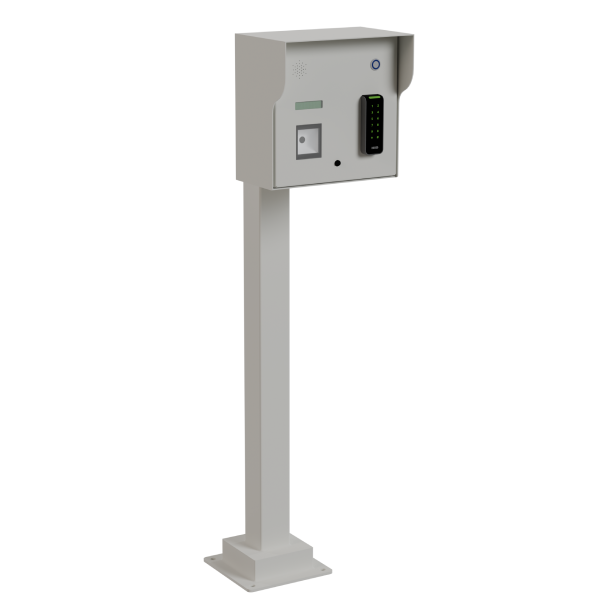
The Lexoh LCB-30 is a compact access kiosk for a controlled vehicle entrance. These dimensions and operating requirements help plan its position in the lane. The payment terminal and accepted payment methods belong to the selected payment configuration.
| Characteristic | LCB-30 specification | Installation planning |
|---|---|---|
| Dimensions | Height 1330 mm × width 310 mm × depth 490 mm | Allow space for the enclosure, user approach and service access; use the approved mounting plan for construction. |
| Power supply | 110–120 V AC | Coordinate the power connection, protection and cable route with the installation team. |
| Operating temperature | −40 to +70 °C | Review the location, snow clearance and access for maintenance with site operations. |
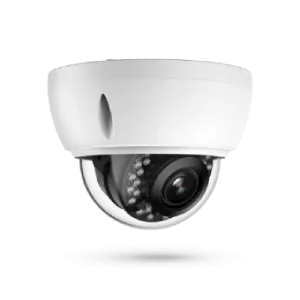
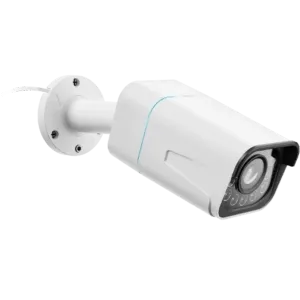
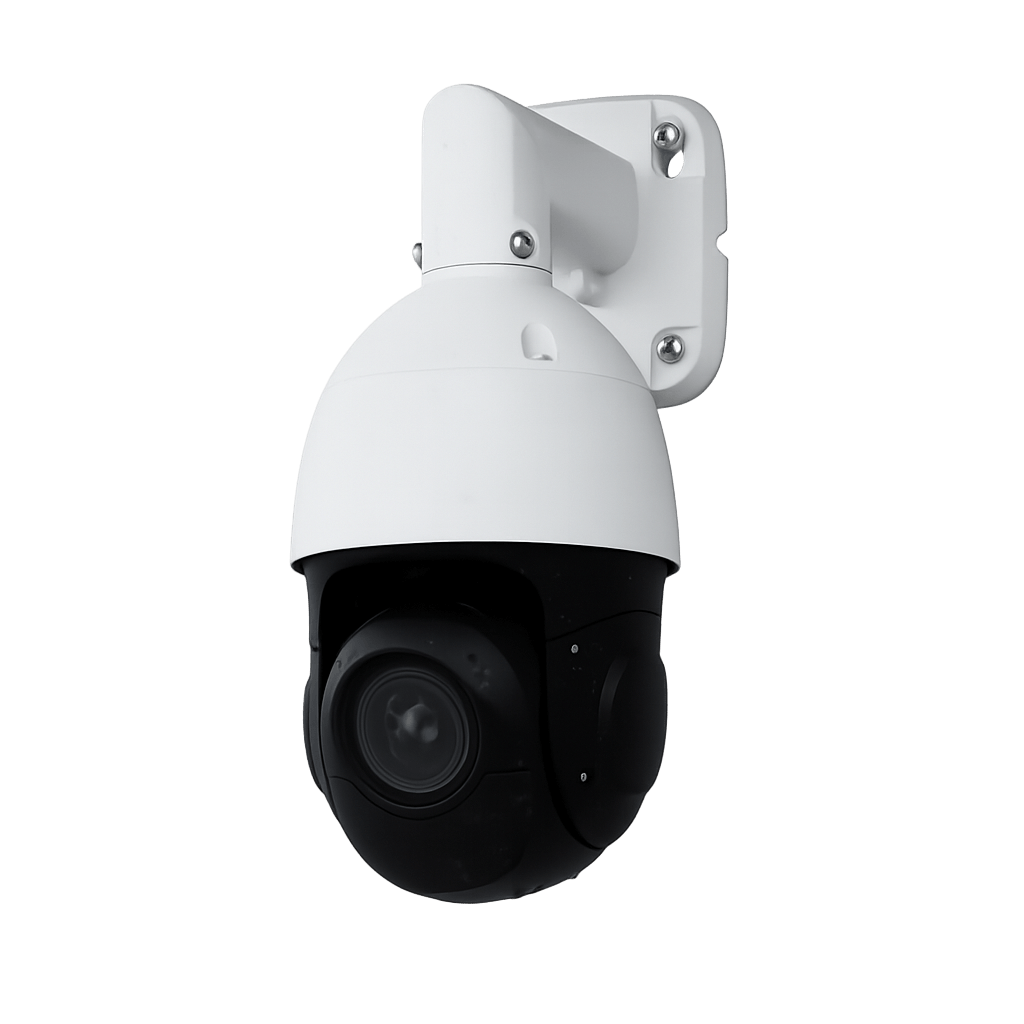
| Camera option | Optional pinhole camera | Include the camera and its intended use in the selected equipment configuration. |
Clear answers about scope, operation and integration.
Tell us about the facility, rates, users and operating constraints so we can map the complete architecture.