Controlled lanes
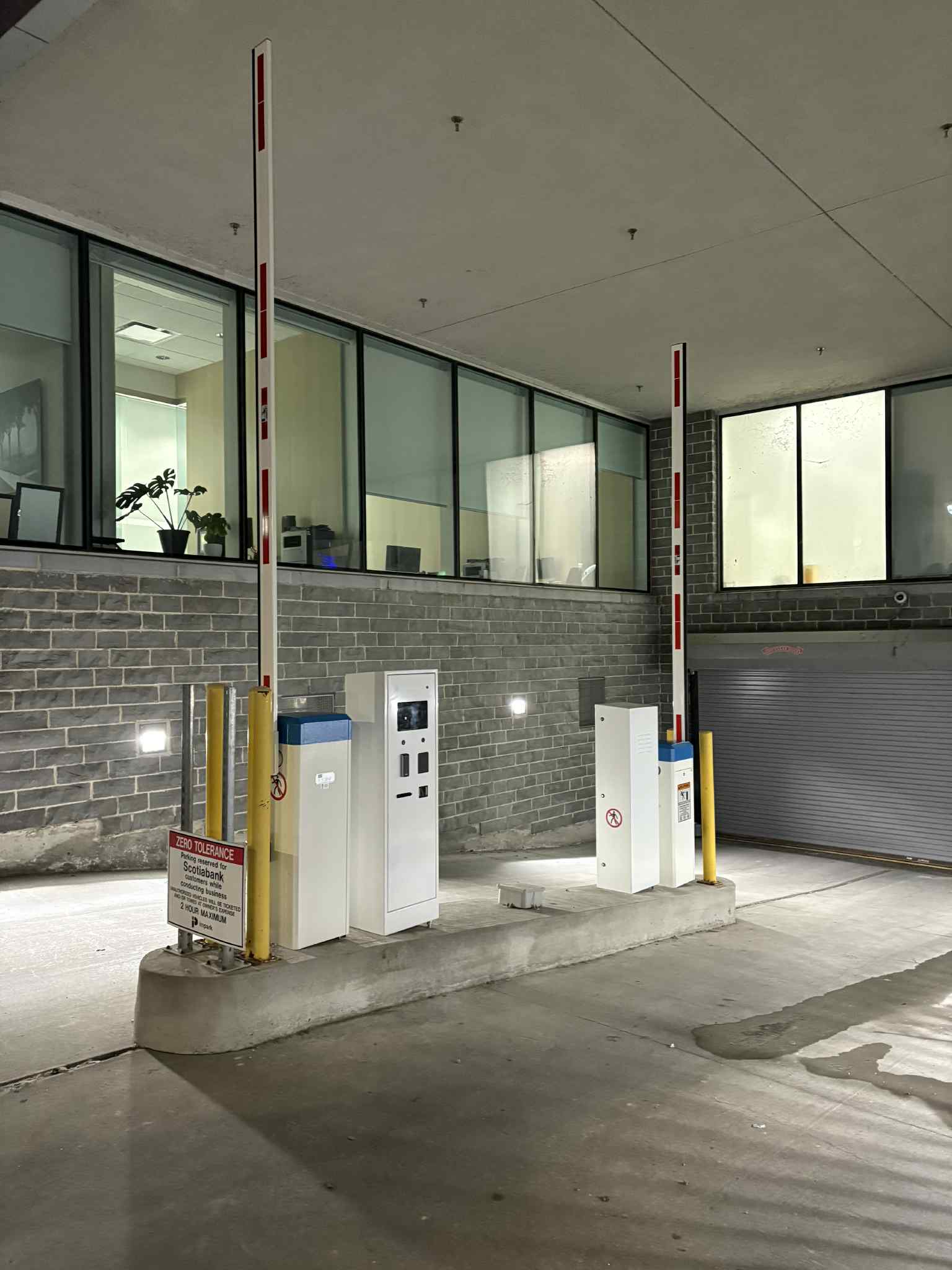
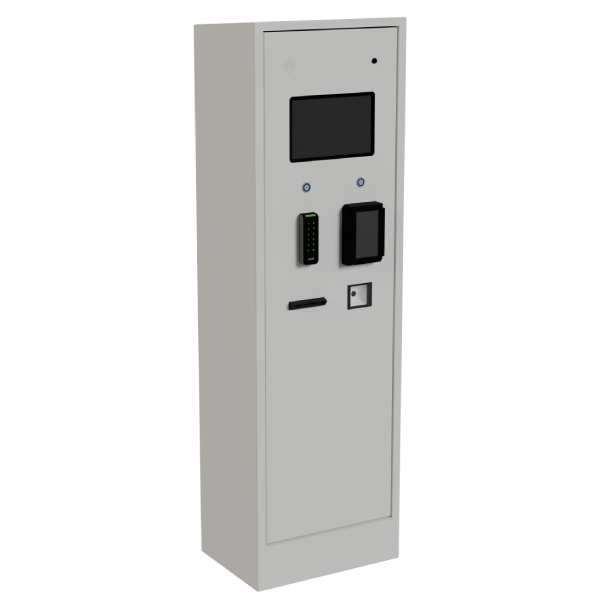
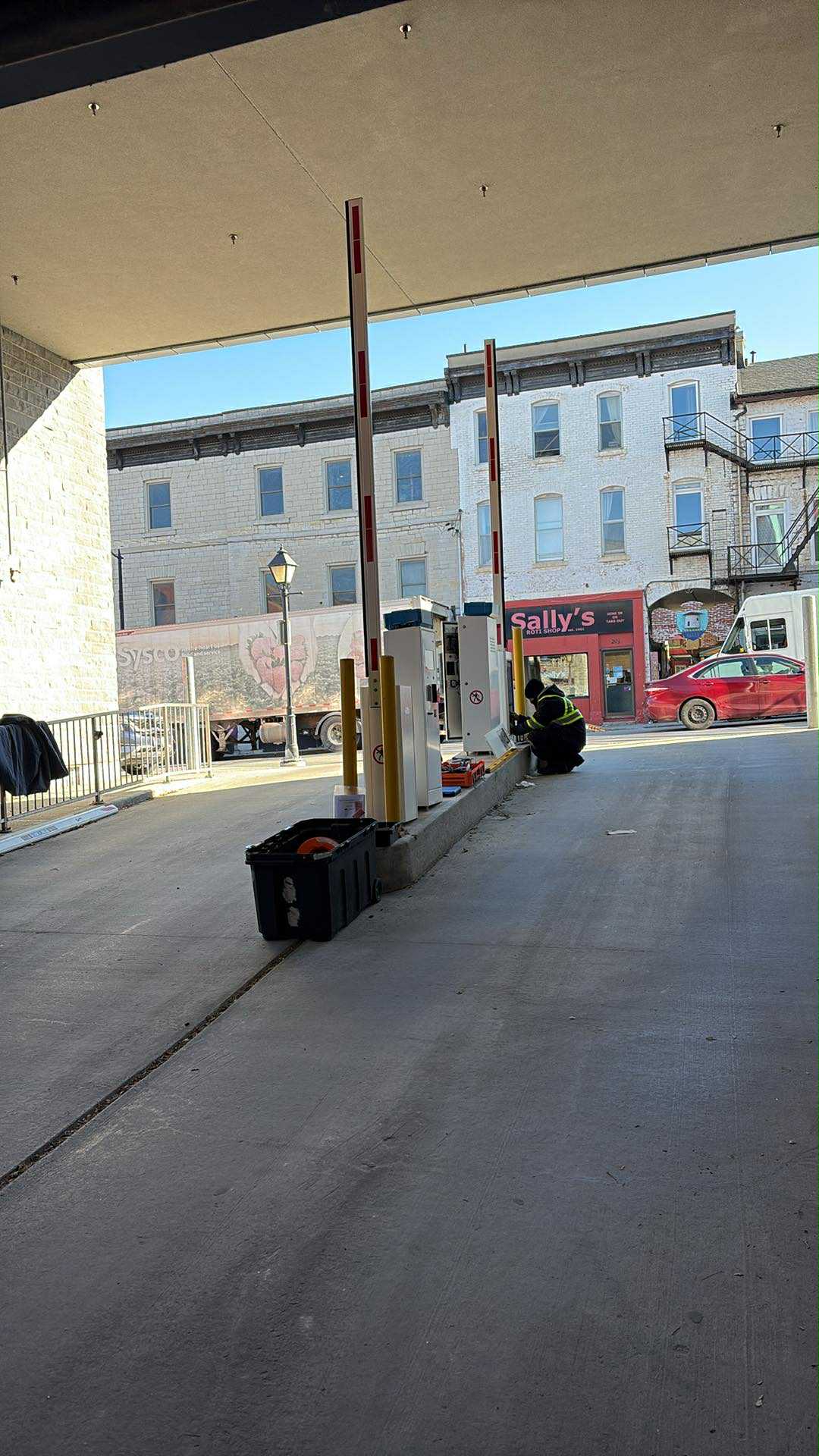
The kiosks and two barriers share a central island between the entry and exit lanes.
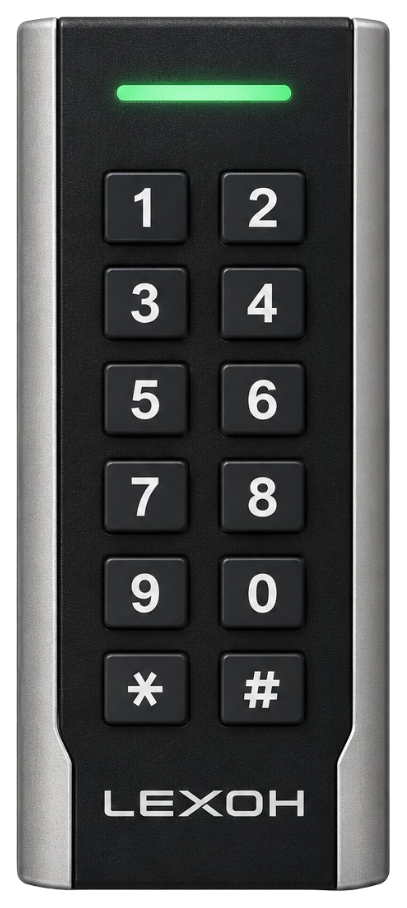
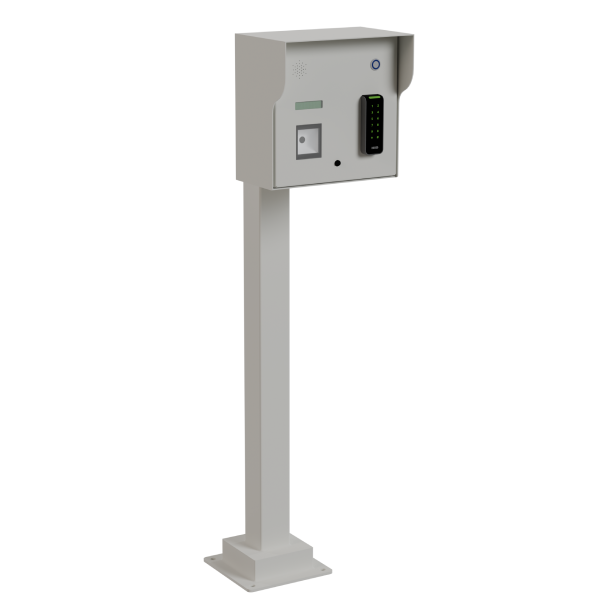
Card-based credential reader
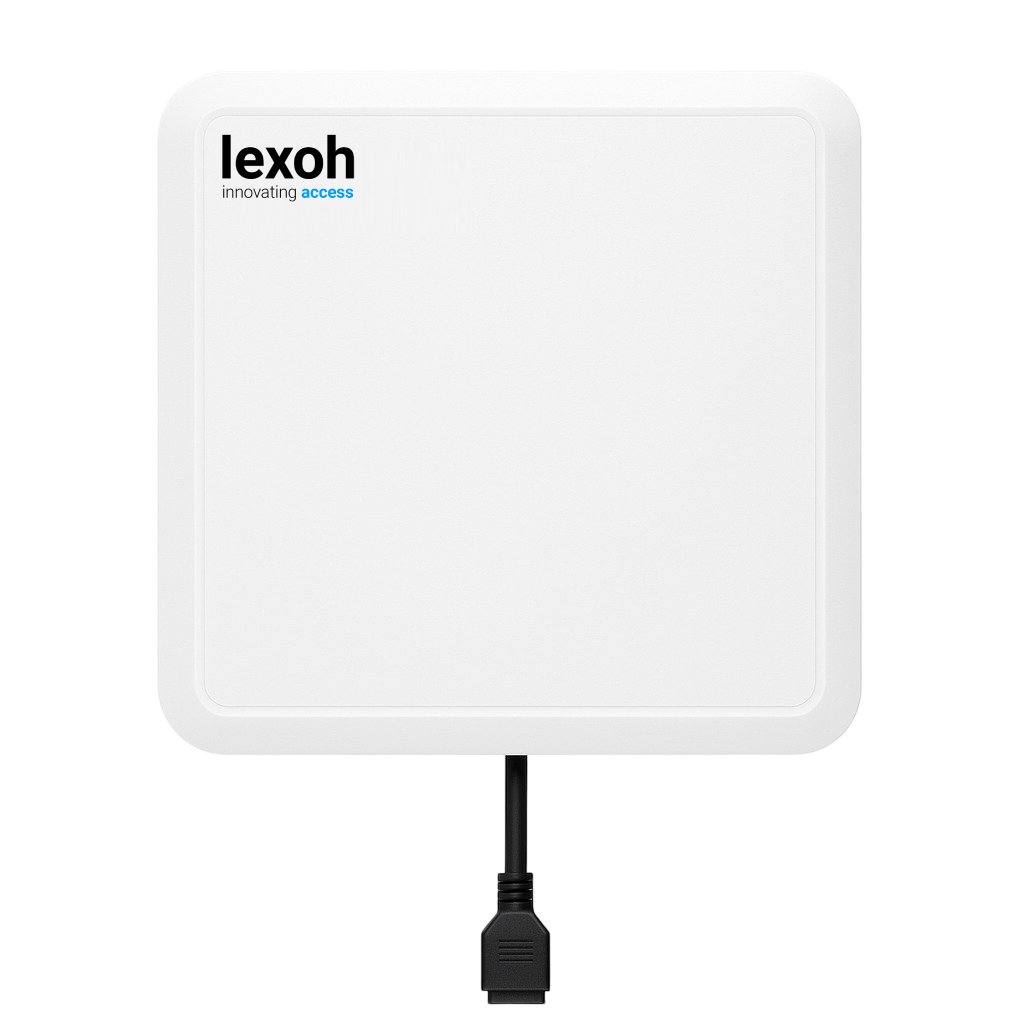
UHF credential reader
QR and barcode credential reader

Device input and output controller

RFID access credential

UHF access credential

Lane and access display signage

Thermal printer paper
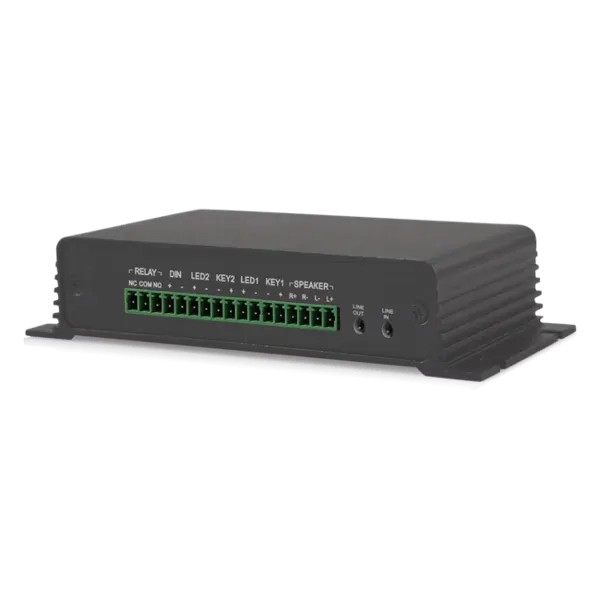
IP intercom communication

Analog omnidirectional microphone

At Scotiabank Kingston, the Lexoh parking installation brings together automatic barriers, lane kiosks, RFID readers, garage-door control and payment processing. Explore the separate entry and exit lanes through original installation photographs, including technical work and a night view.
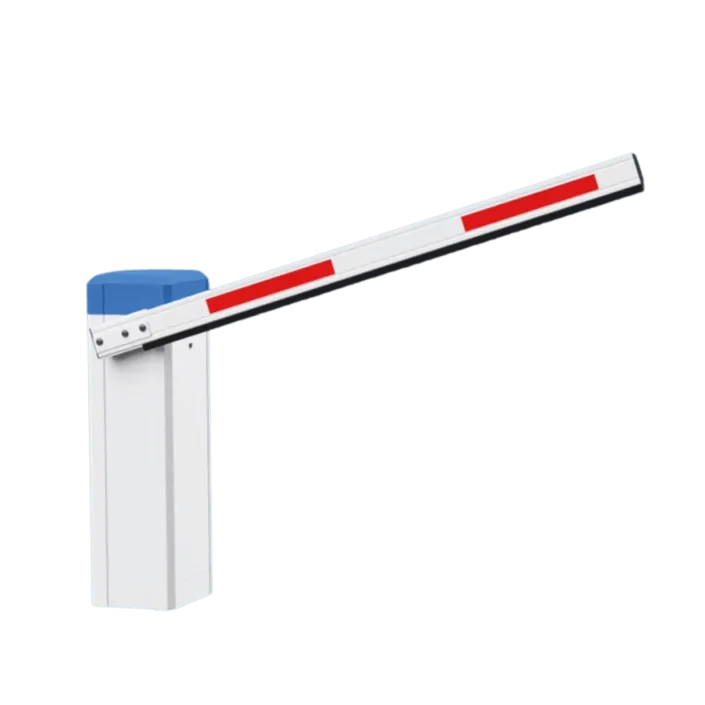
Entry and exit are handled as two separate lanes. A shared central island brings the kiosks and the two barriers controlling passage together.
Lexoh’s project archive describes automated barriers, radio-frequency identification (RFID) readers, garage-door control and payment processing as parts of this parking installation.
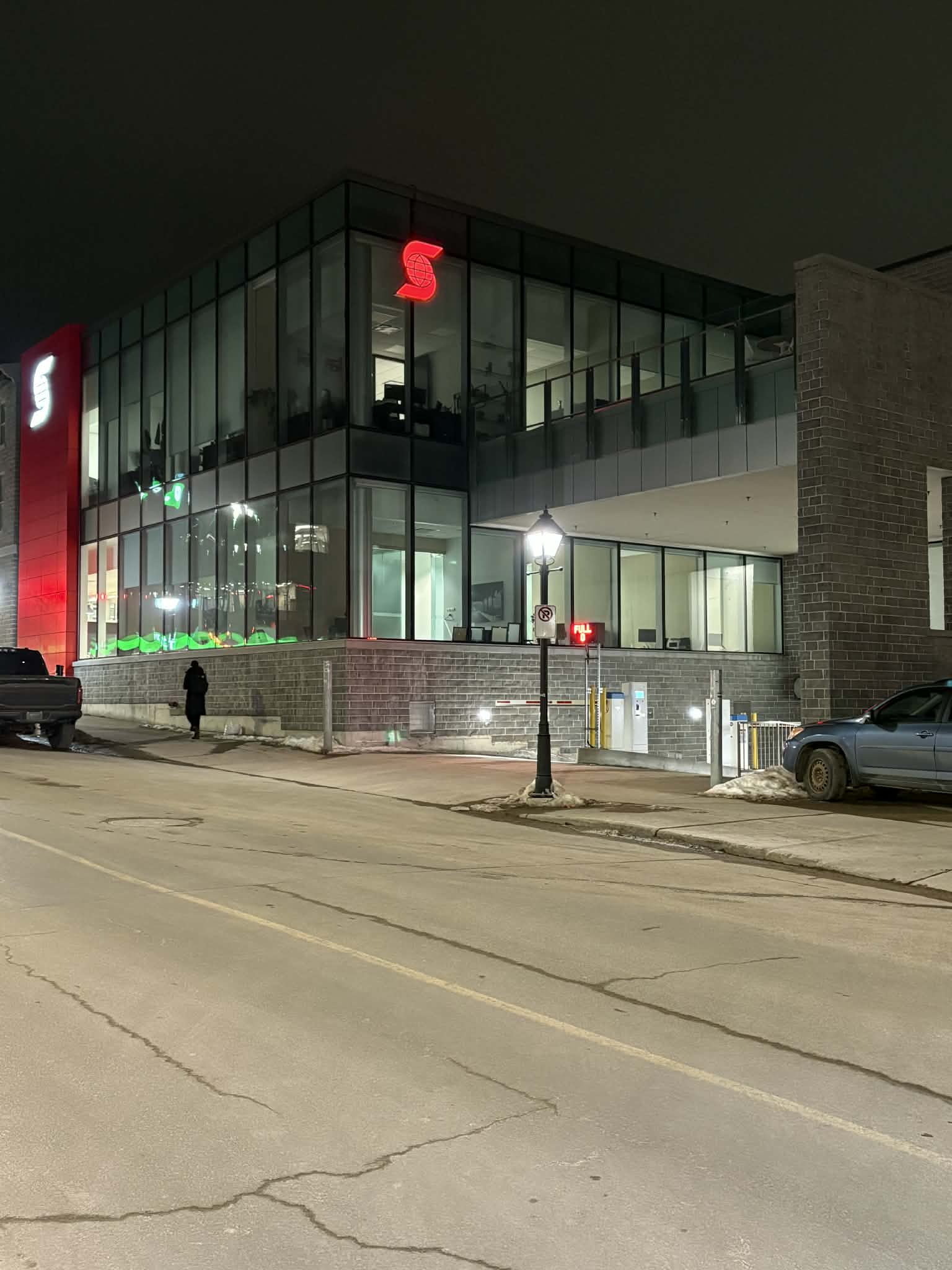
The photographs show the space between kiosk and barrier, service access to components and the entrance lighting at night. These details help with layout and maintenance planning for a similar entrance.
The kiosks and two barriers share a central island between the entry and exit lanes.
The system combines RFID readers and payment processing.
Garage-door control is integrated into the parking system.
One photograph shows technical work directly on installed lane equipment.
A photograph shows the entrance and lane equipment illuminated at night.
Field devices and events connect to the Lexoh parking management system.
Inspect the equipment and lane layout in original Lexoh project photographs. Open each image to see the complete frame.
This page presents only what is visible in project photographs and components already described in Lexoh’s public site archive. Commercial data, traffic volumes and the client’s internal rules are not published.
A reliable automated lane depends as much on its layout as on the barrier model. For a similar installation, address these points before ordering equipment.
Keep the entry and exit experiences clearly separated.
Place readers and interfaces where drivers can reach them without leaving the vehicle path.
Provide service access without unnecessarily blocking both lanes.
Coordinate barrier decisions with the garage door and access rights.
Preserve snow-clearing areas around islands, detectors and barrier arms.
Test normal journeys and exceptions on the installed equipment.
Send us the site context. We will start with the traffic path, users and operating constraints before selecting equipment.