Users and credentials
Manage authorized users and the RFID, UHF, plate, QR or mobile credentials associated with them.
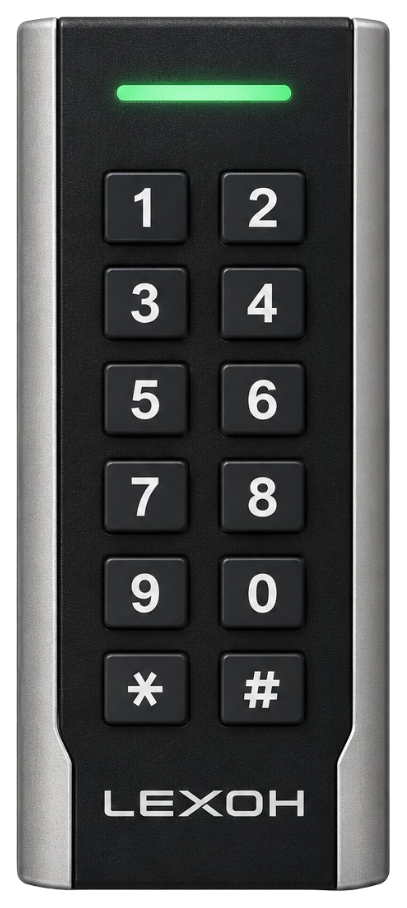
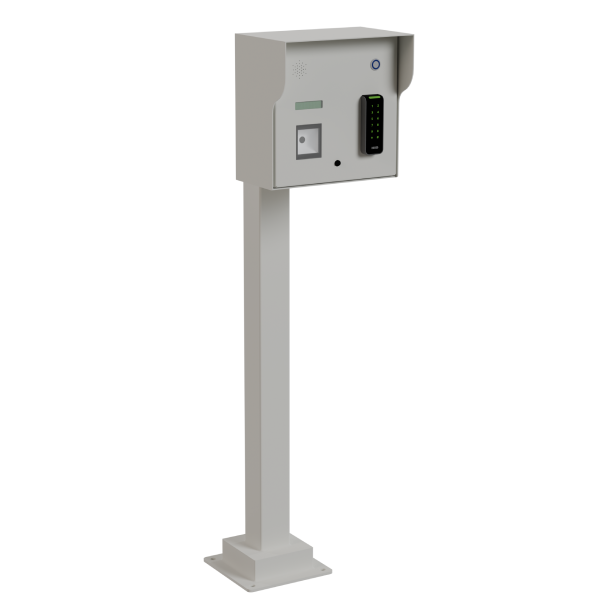
Card-based credential reader
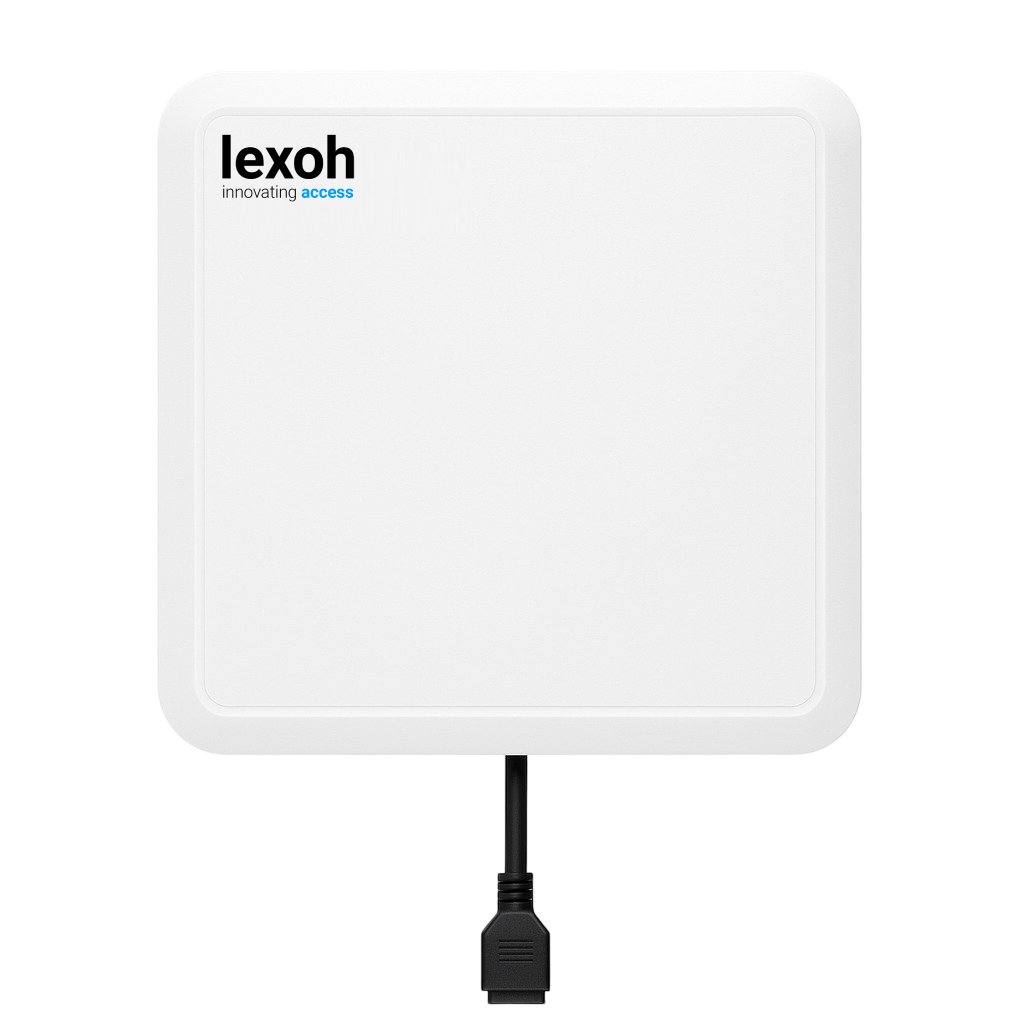
UHF credential reader
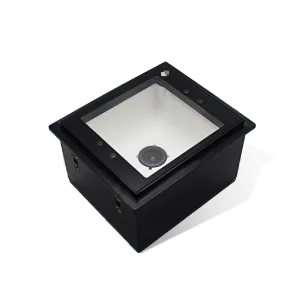
QR and barcode credential reader
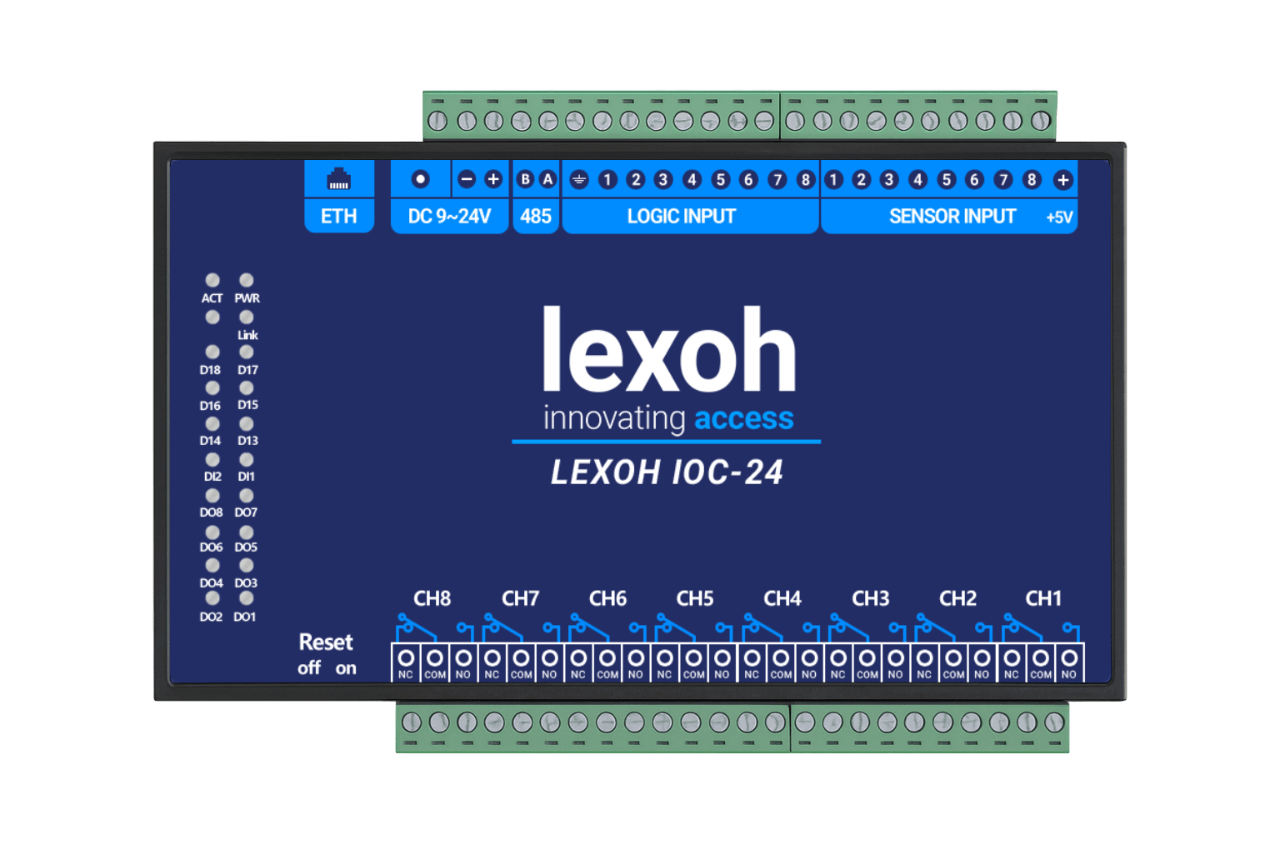
Device input and output controller
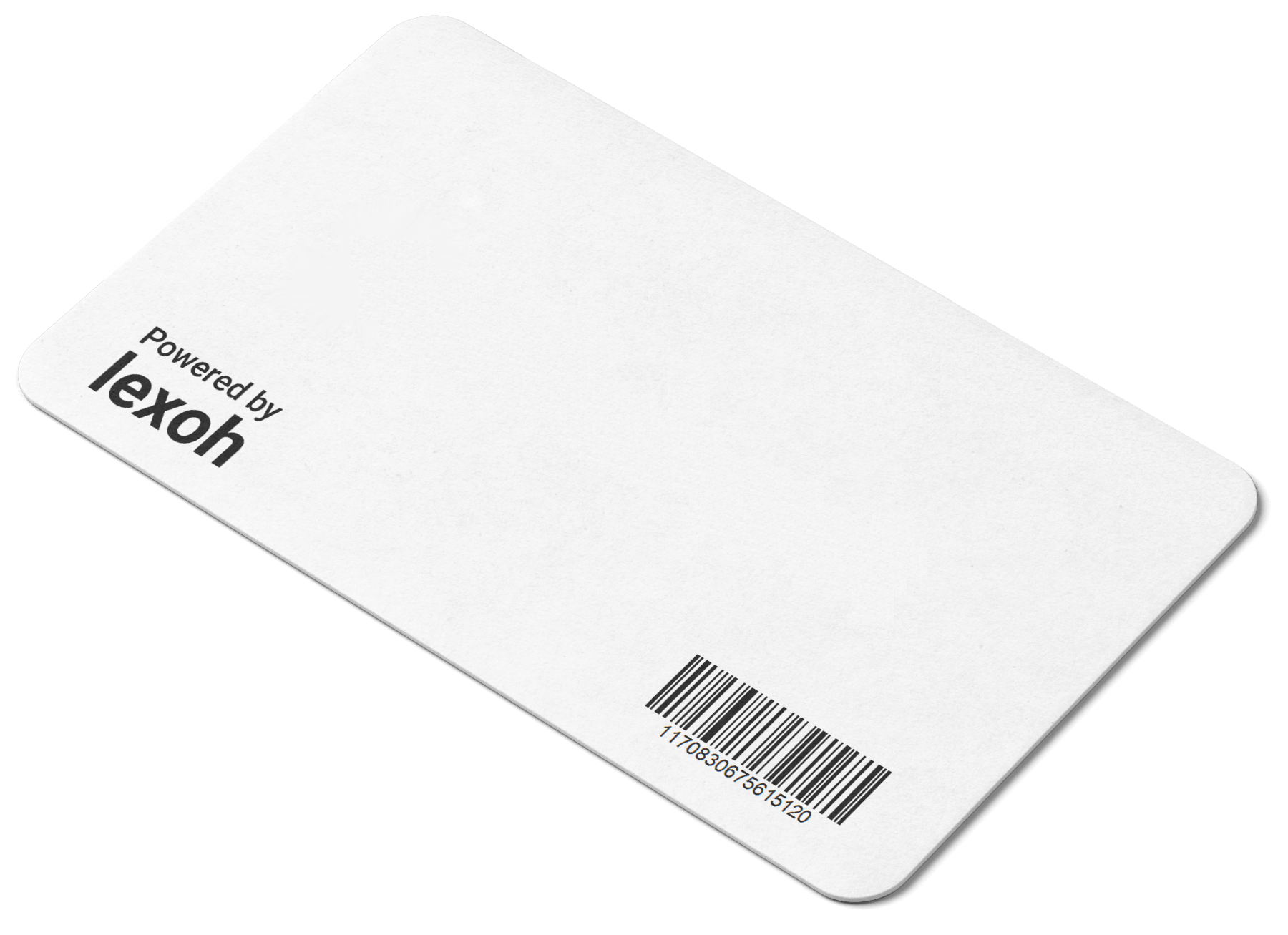
RFID access credential
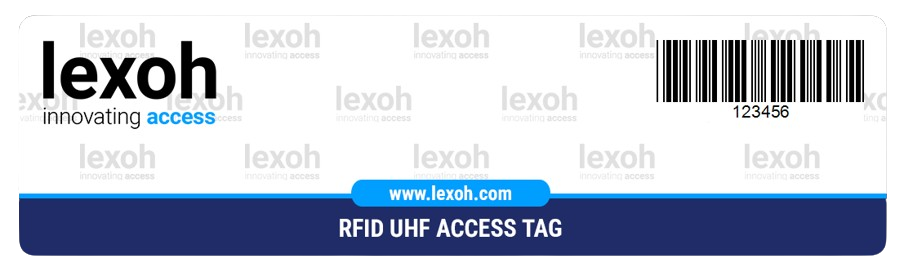
UHF access credential
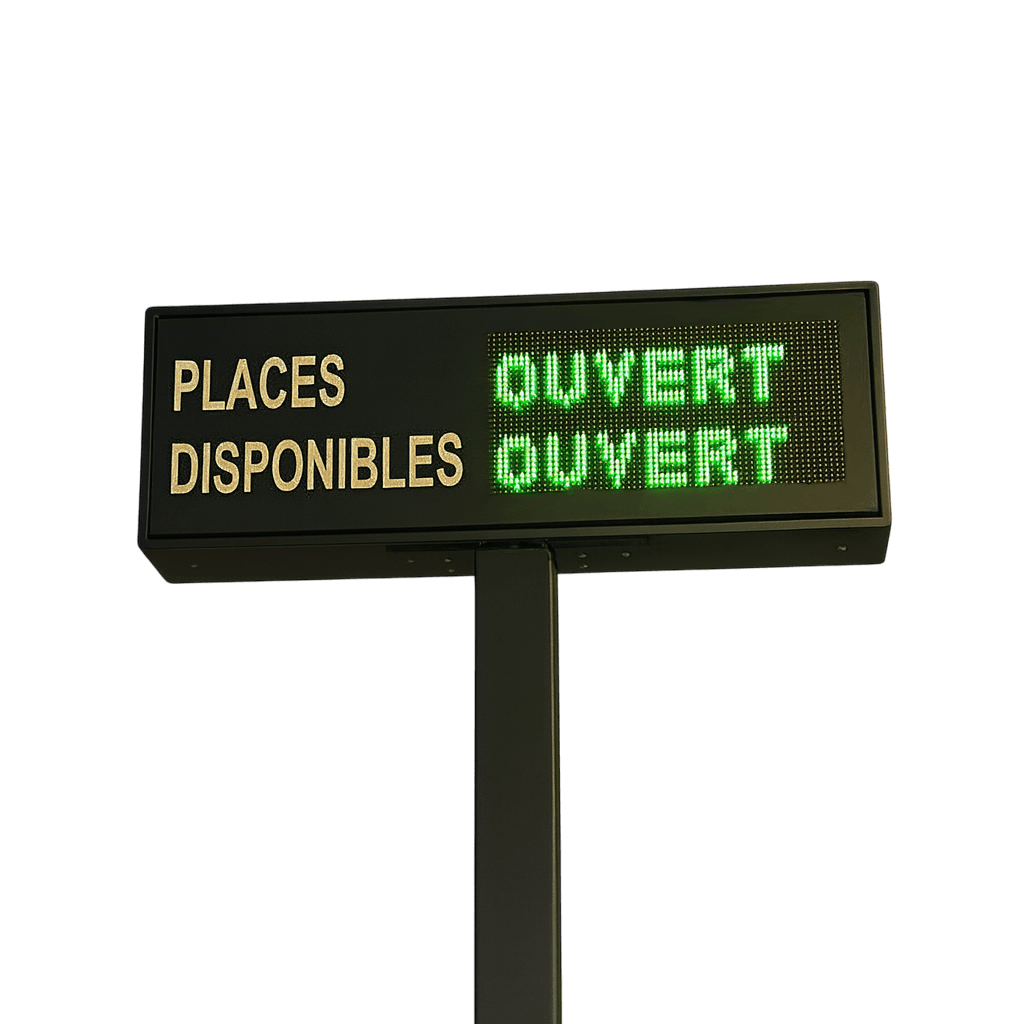
Lane and access display signage

Thermal printer paper
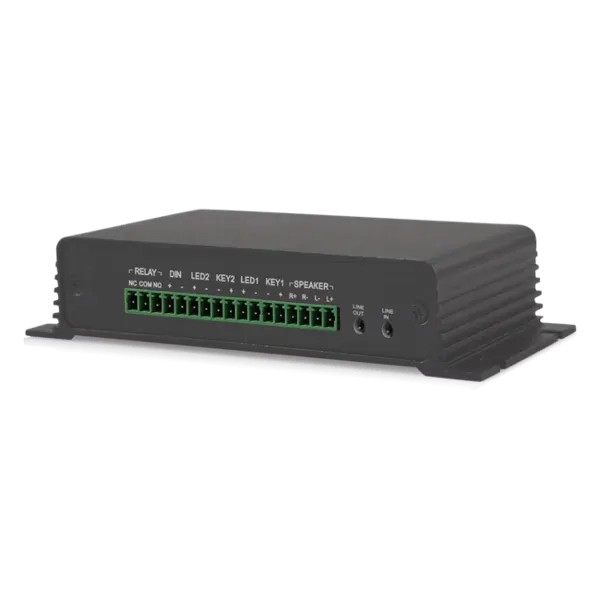
IP intercom communication
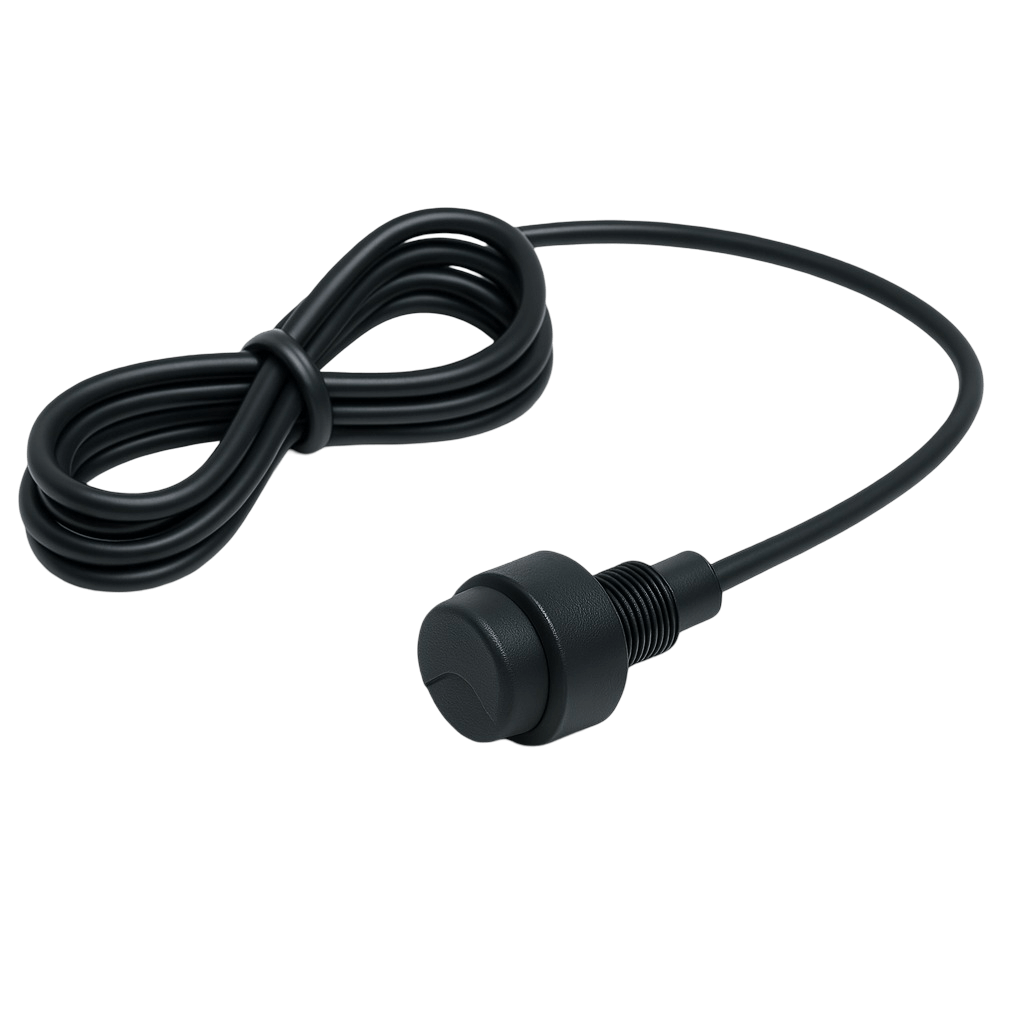
Analog omnidirectional microphone

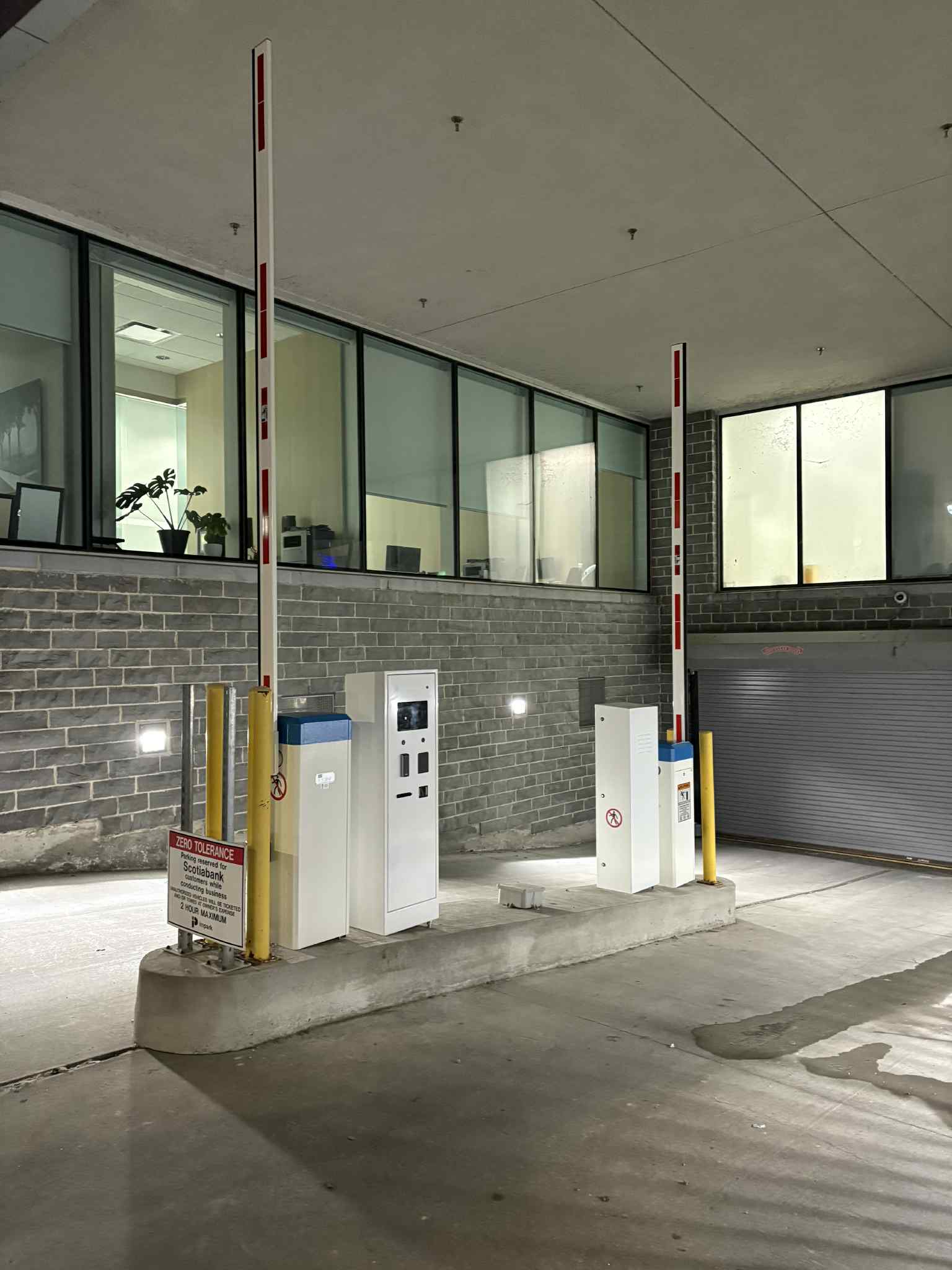
Lexoh connects parking management software, payment kiosks, barriers and permit workflows through Security Center. Manage users, transactions and equipment across sites, with entrance behavior defined by the selected hardware and configured rules.
The management system supports daily administration across users, permits, payments and devices. For credential selection, vehicle detection and the action at an entrance, review parking access control. Plan both around the same operating rules while specifying each lane’s equipment and behaviour.
For a paid-parking project, review the PARCS access and revenue workflow that connects payment, validation and the lane response. To plan field equipment, installation and software together, start with the complete parking system.
Manage authorized users and the RFID, UHF, plate, QR or mobile credentials associated with them.
Define validity periods, access windows and seasonal or temporary parking rights.
Organize barriers, readers, kiosks, cameras and detectors by site and controlled zone.
Review access decisions, device activity and operational events from a common history.
Connect paid-parking workflows to the access decision and transaction record.
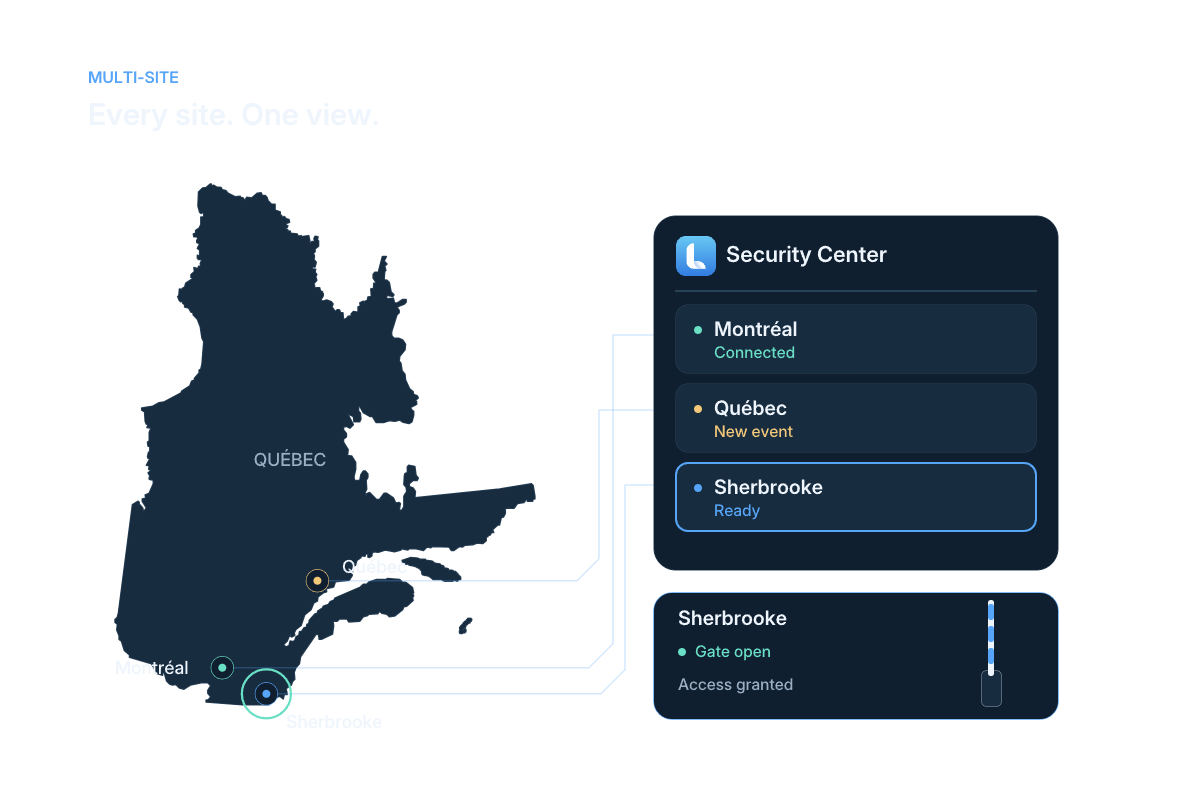
Give authorized teams a central view of distributed parking sites and field equipment.
A vehicle presents a credential. Lexoh validates the applicable user, permit, payment and schedule rules, sends the authorized action to the lane equipment, and records the event for operations and reporting.
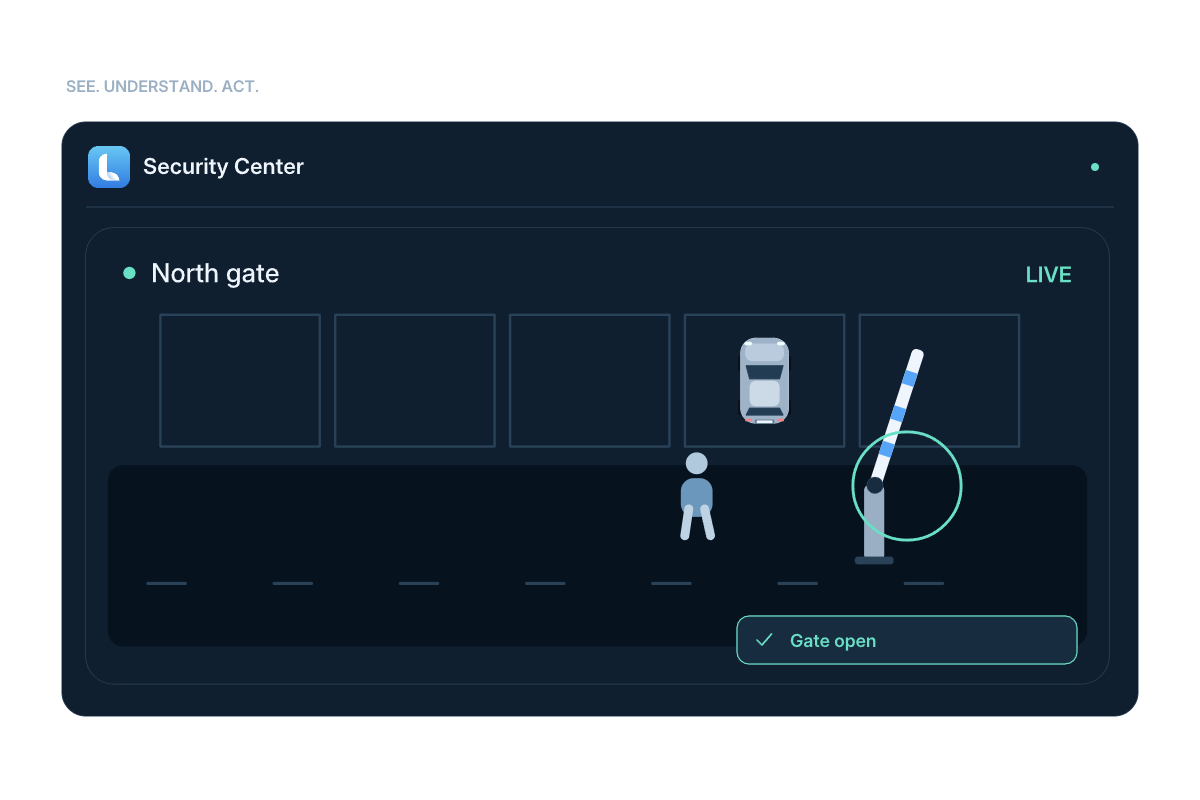
Plate, RFID, QR or mobile
User, permit, payment and schedule
Apply the site access rules
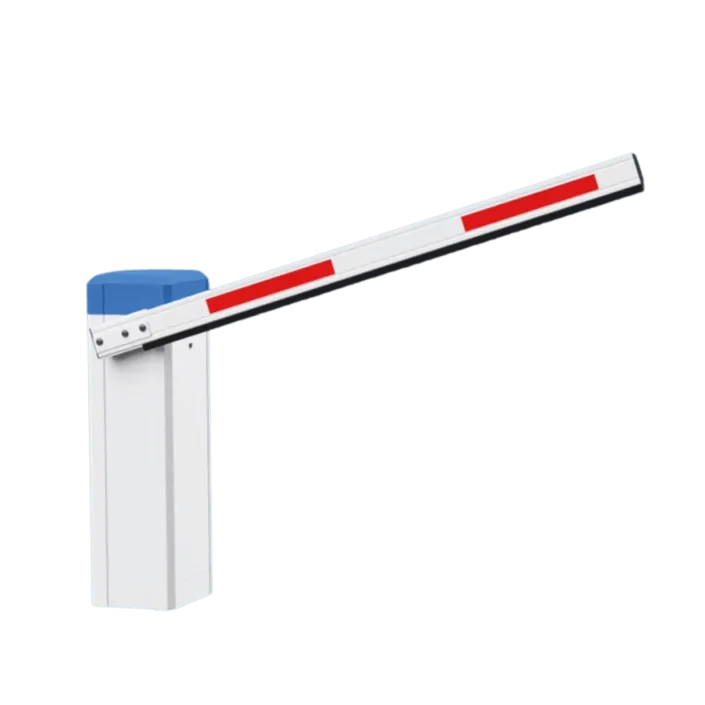
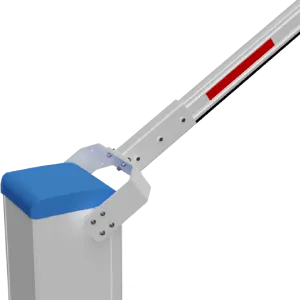
Open or hold the controlled lane
Event history and operations
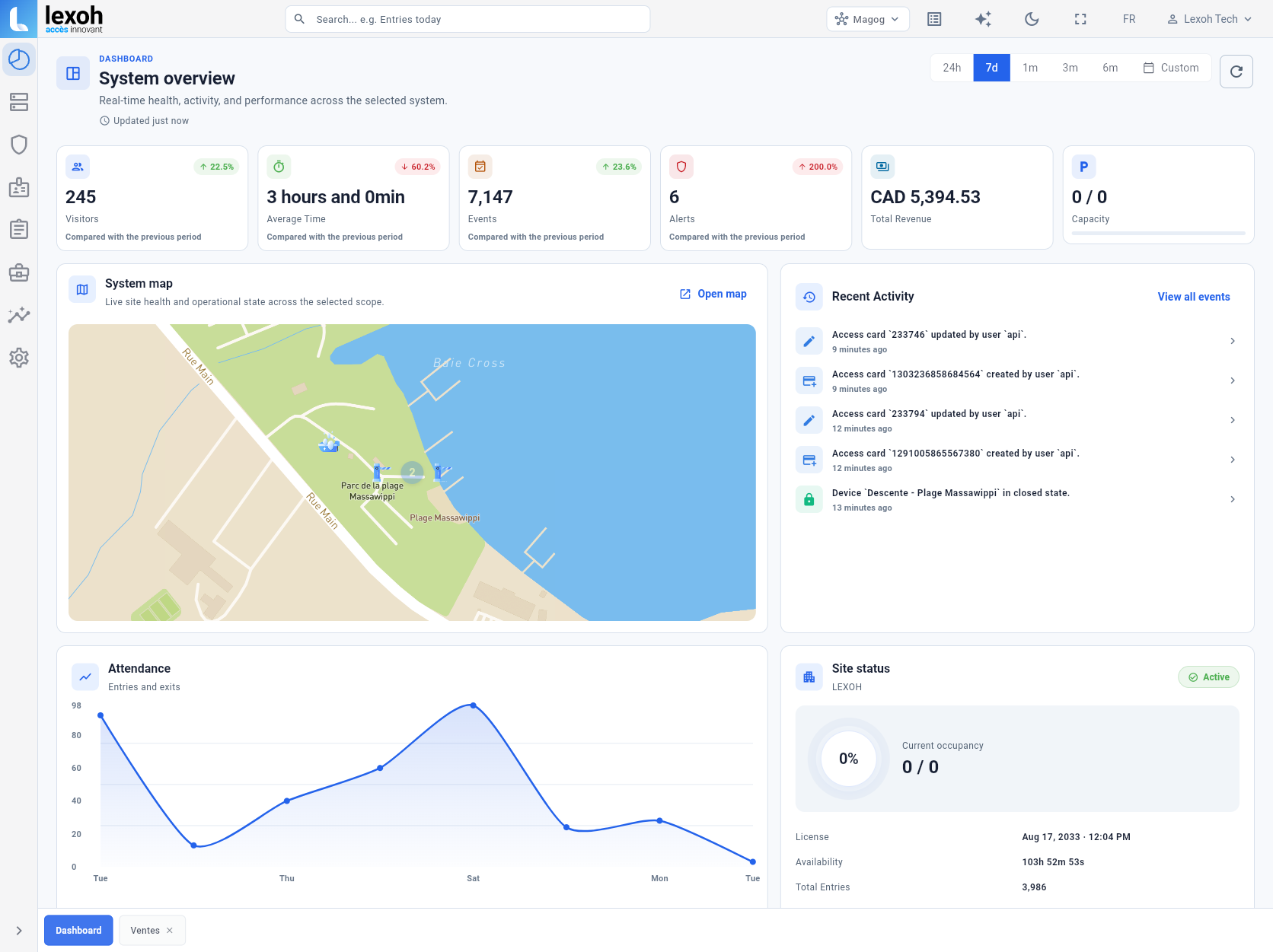
Sites, devices and events in one operational view.
View actual Lexoh interfaceLexoh combines cloud management with offline operation. A mesh network lets site devices communicate locally during an internet outage. Lane operation relies on the installed controllers, configured access rights and available power. Commissioning includes the planned offline access scenarios and the return of communications; backup power and payment-provider authorization are separate parts of the project.
Use the platform to grant access, investigate a refused entry, correct a record and identify the equipment involved before sending someone to the site.
Start with the lane event, then verify the credential, permit, schedule and zone rule that produced the decision.
Assign the correct site, zone, validity period and plate or credential without adding the visitor to a permanent access list.
Remove the lost identifier, attach the replacement and keep the user record and prior events understandable.
Identify the site, lane and connected device involved so the technician receives useful context before travelling.
Define which team creates records, which source is authoritative and how changes or imports are reviewed.
Separate routine administration, transaction review, device configuration and exceptional remote actions by role.
Agree on the events, transaction references and reports staff must consult, along with the approved retention rules.
Document the expected lane behaviour, local authorization data, staff procedure and later synchronization for each site.
Answers grounded in the way sites, rules and field equipment are actually configured.
Compare the users, access rules and handoff requirements that shape each installation.
Plan condo and apartment parking with resident permits, visitor access, vehicle changes and garage entry rules connected to Lexoh equipment and software.
Hotel parking access and payment equipment from Lexoh. Plan guest re-entry, event parking and staff access; confirm hotel-software interfaces for your project.
Hospital parking software, kiosks and access equipment from Lexoh. Scope visitor payments, staff permits, assistance and phased replacement for each entrance.
Campus parking software and equipment from Lexoh. Plan term permits, staff access and visitor payments; assess university-card reuse and zone requirements.
Retail parking access and payment equipment from Lexoh. Define free periods, longer stays, employee access and any merchant-validation workflow to confirm.
Office parking access control with Lexoh. Coordinate tenant allocations, employee credentials and visitor access; assess existing equipment and interfaces.
Industrial parking access control with Lexoh. Scope readers, barriers and access management for employees, contractors and deliveries around your traffic plan.
Employee parking software and access equipment from Lexoh. Plan staff permits, shift access, vehicle changes and credential reuse around your site.
Plan monthly parking subscriptions with defined validity, renewal, vehicle changes and payment status, connected to the selected permit and access workflow.
Shared parking access management with Lexoh. Define tenant allocations, zones and time windows; assess any booking requirement separately from access control.
Plan a parking system replacement with Lexoh. Assess equipment reuse, permit and payment migration, phased installation and acceptance tests.
Prepare specifications for parking access and payment equipment, software, interfaces and acceptance tests. Review your project requirements with Lexoh.
Compare Lexoh with Parknet, Scheidt & Bachmann, Meypar, SKIDATA, HUB and Flash.
Review regional references, site requirements and installation responsibilities.
Scope hardware, software interfaces, commissioning and customer handover.
Bring your users, permits, lanes and operating rules so the demonstration can follow a real arrival, exception and departure.