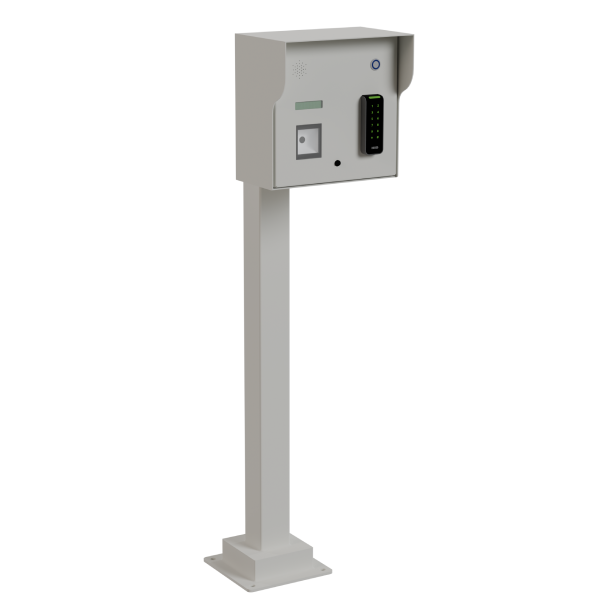
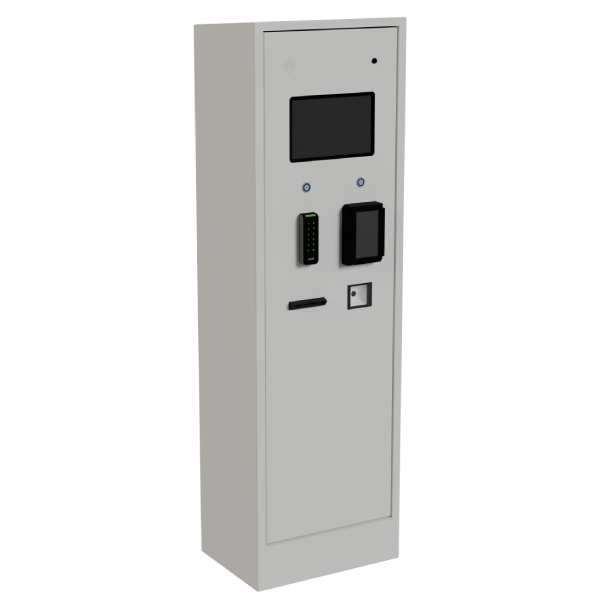
Lane equipment only
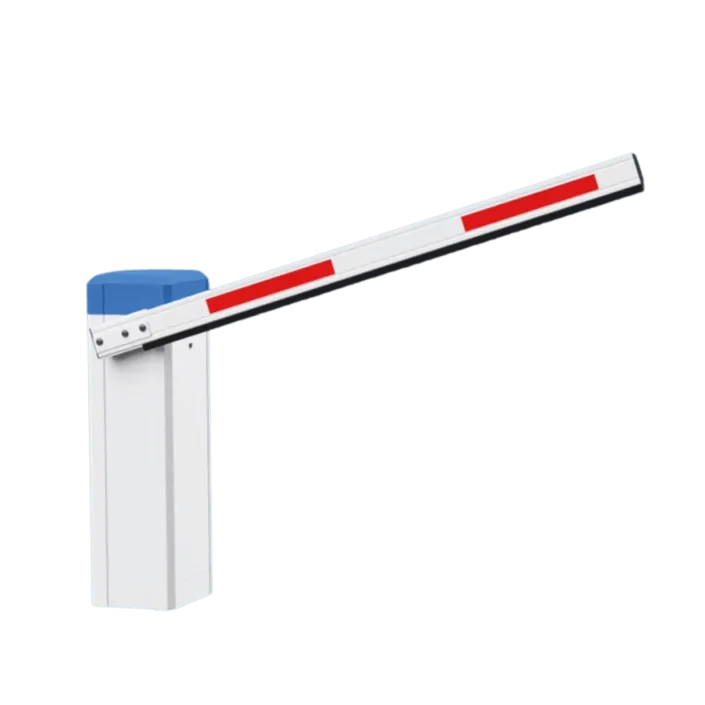
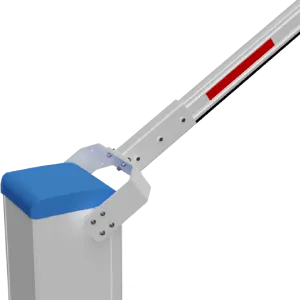
Evaluate mechanical condition and signal compatibility before retaining a barrier.
Compare automatic barriers
Card-based credential reader
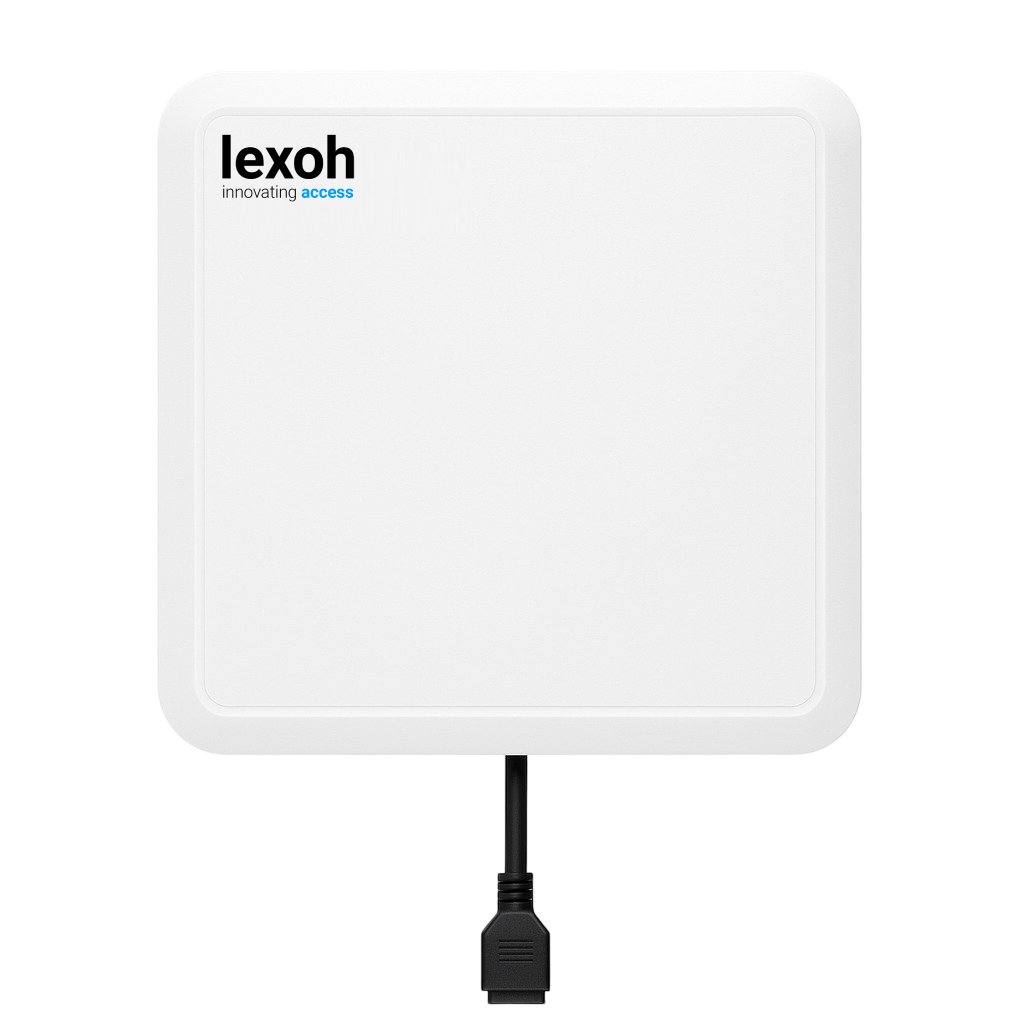
UHF credential reader
QR and barcode credential reader
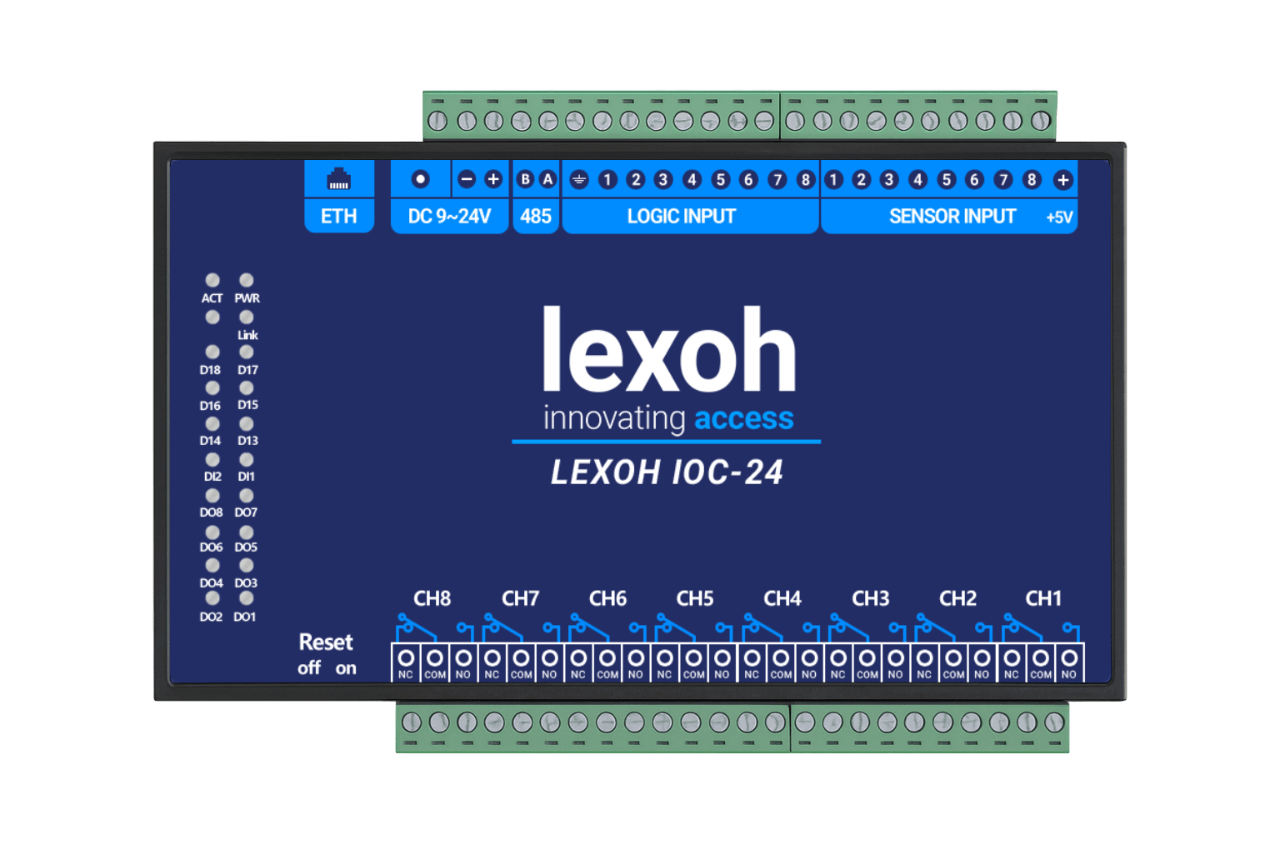
Device input and output controller
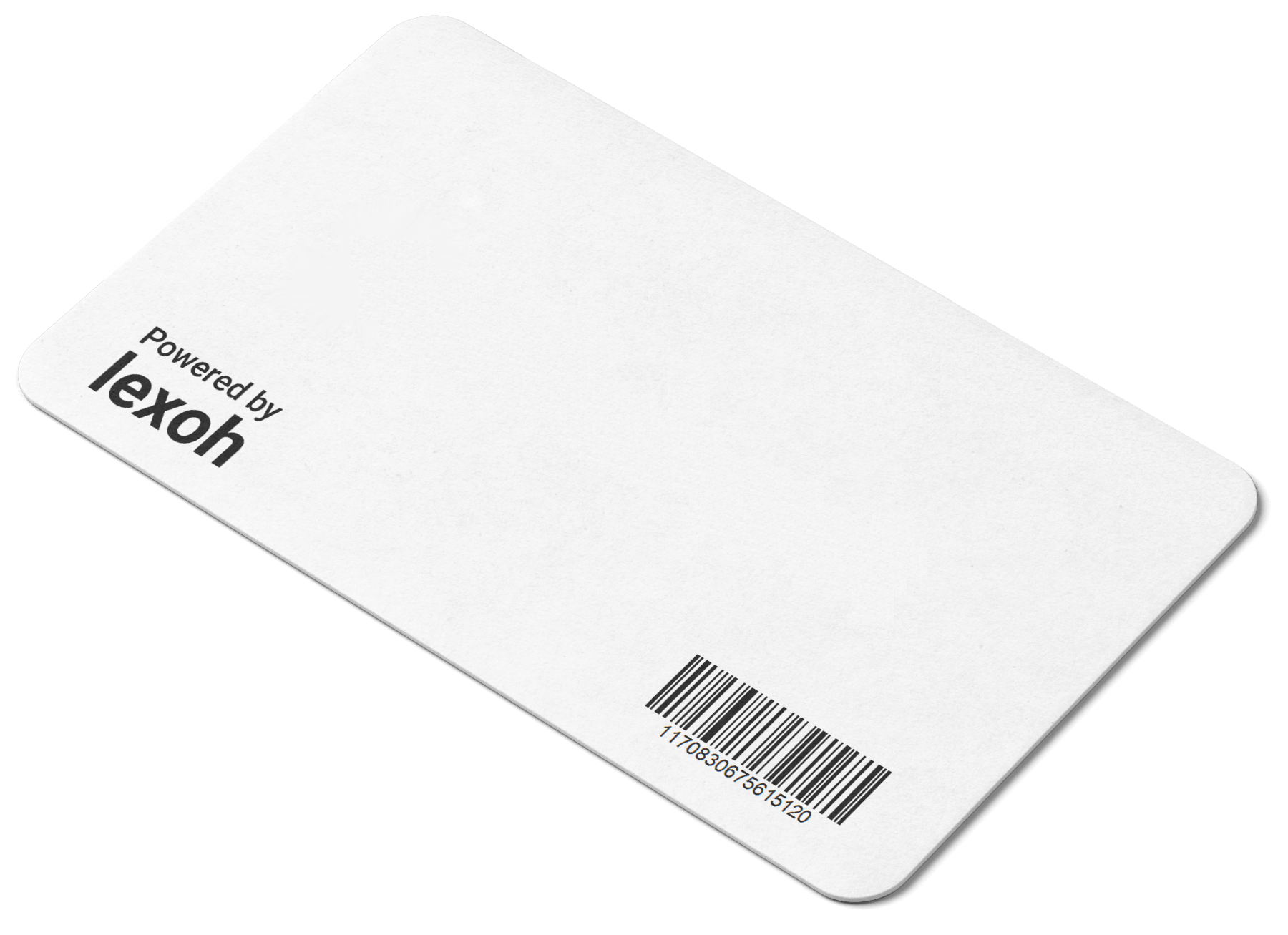
RFID access credential
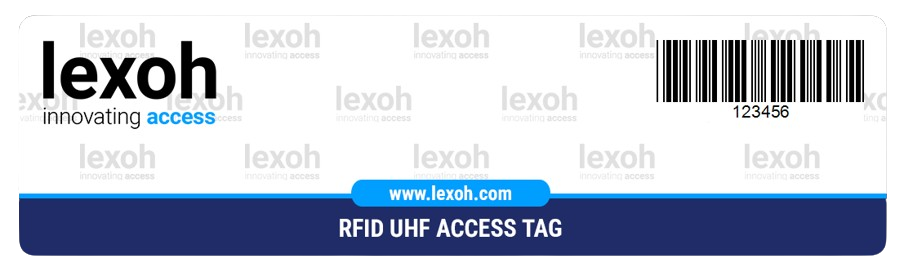
UHF access credential
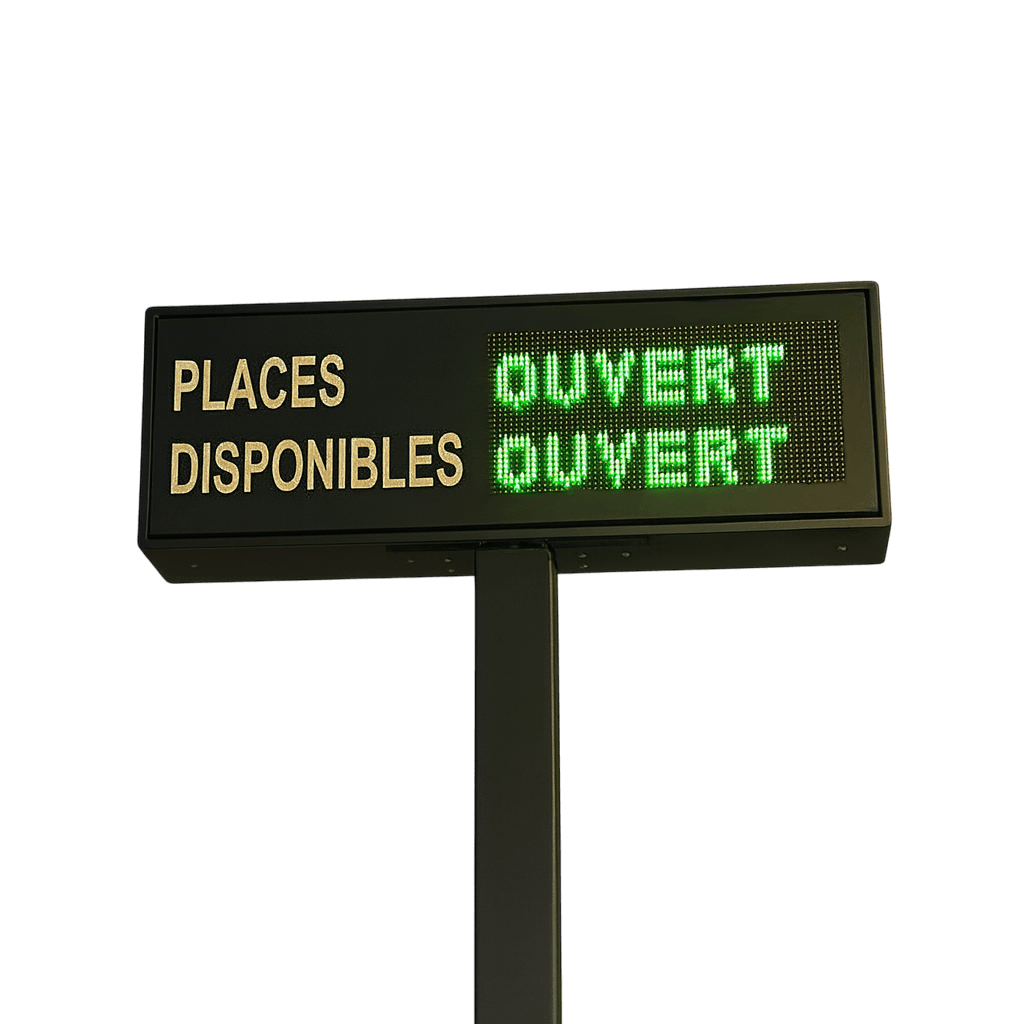
Lane and access display signage
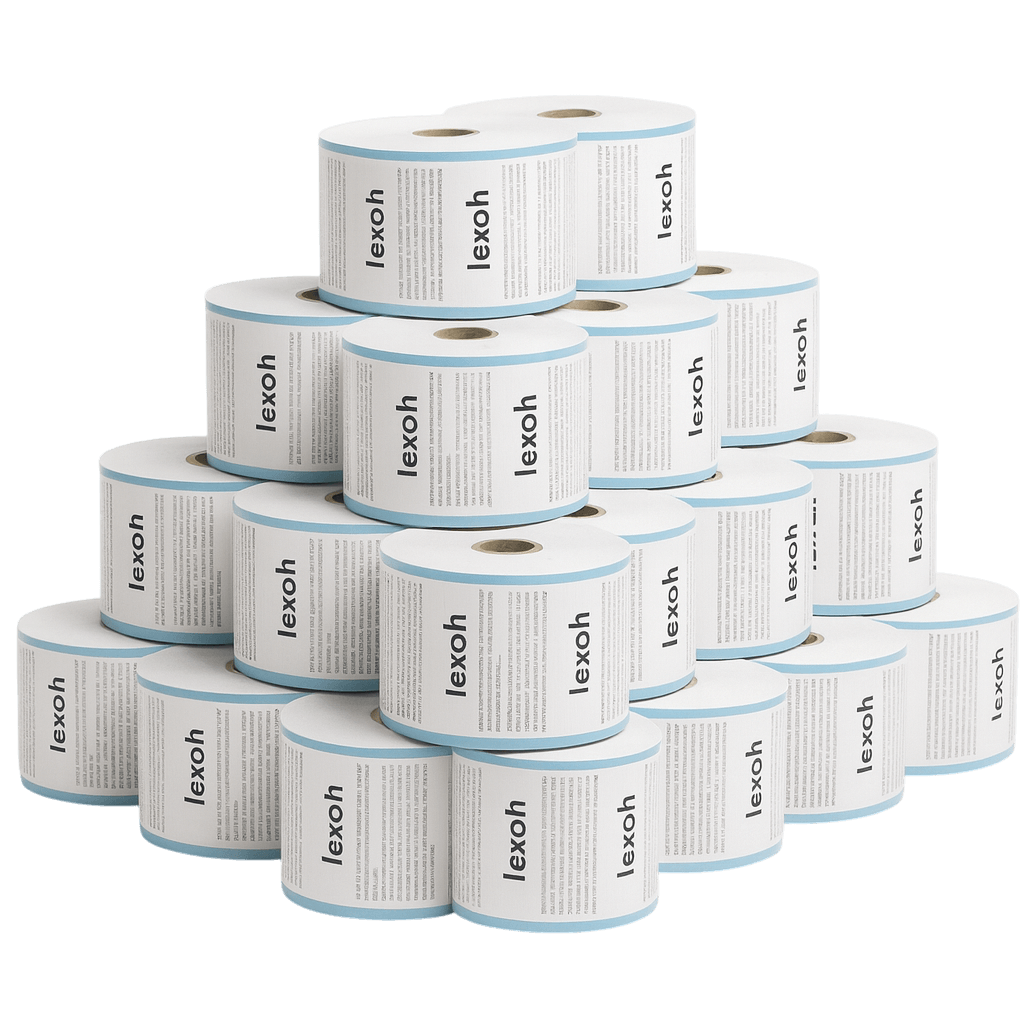
Thermal printer paper
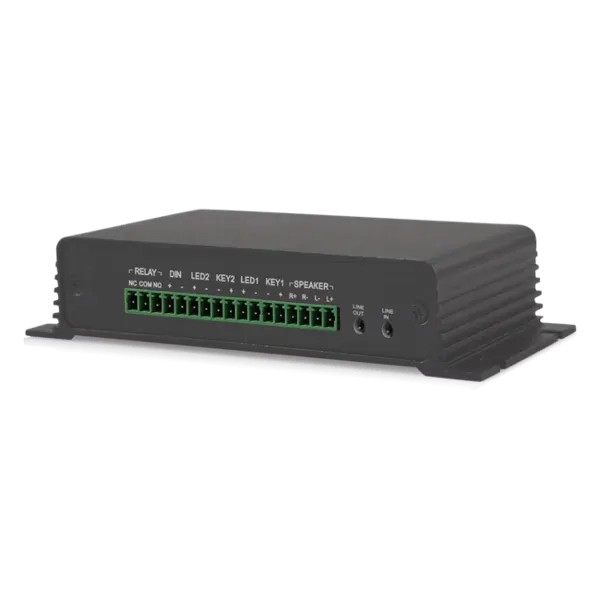
IP intercom communication
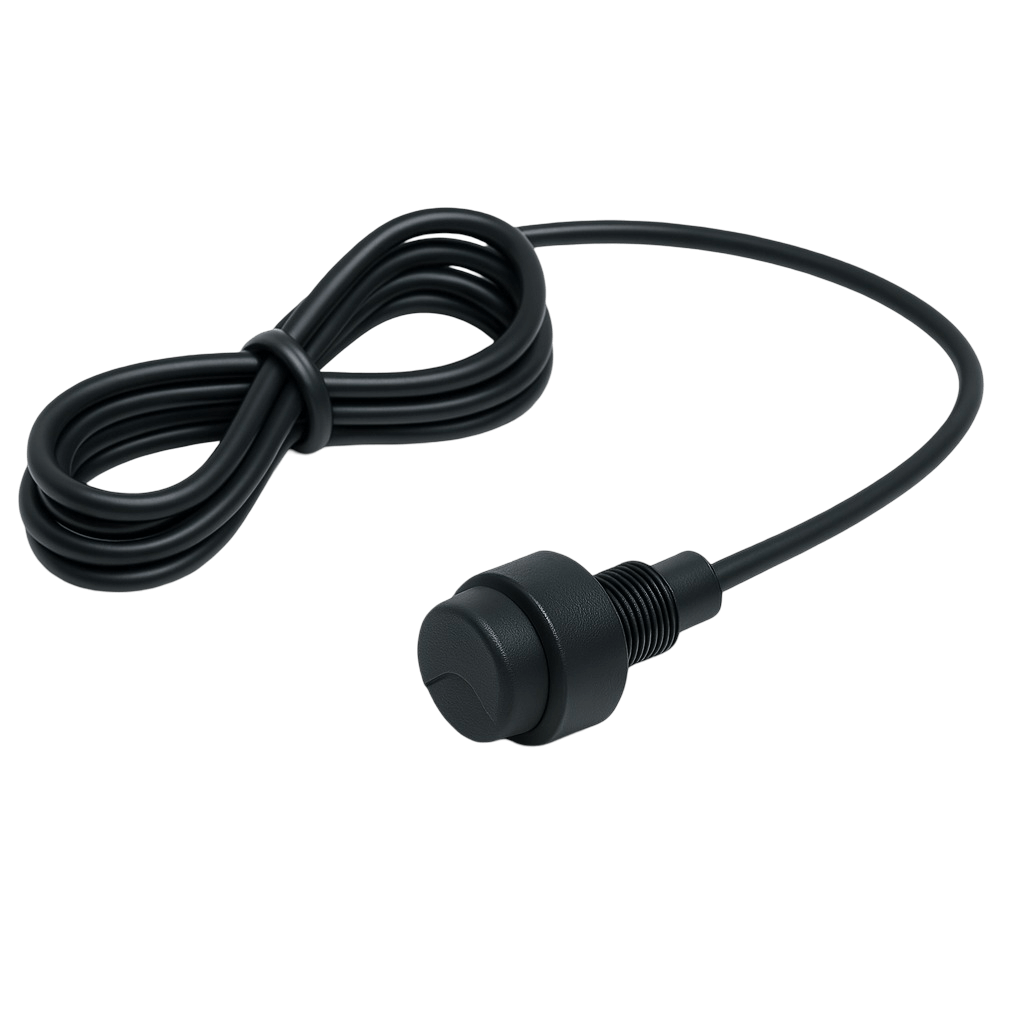
Analog omnidirectional microphone
Parking system replacement
Replace your parking system with a plan for existing equipment, active permits, payments and vehicle circulation during the work. Lexoh manufactures access and payment kiosks and develops Security Center. Together, we define the hardware, software and migration steps your site needs.
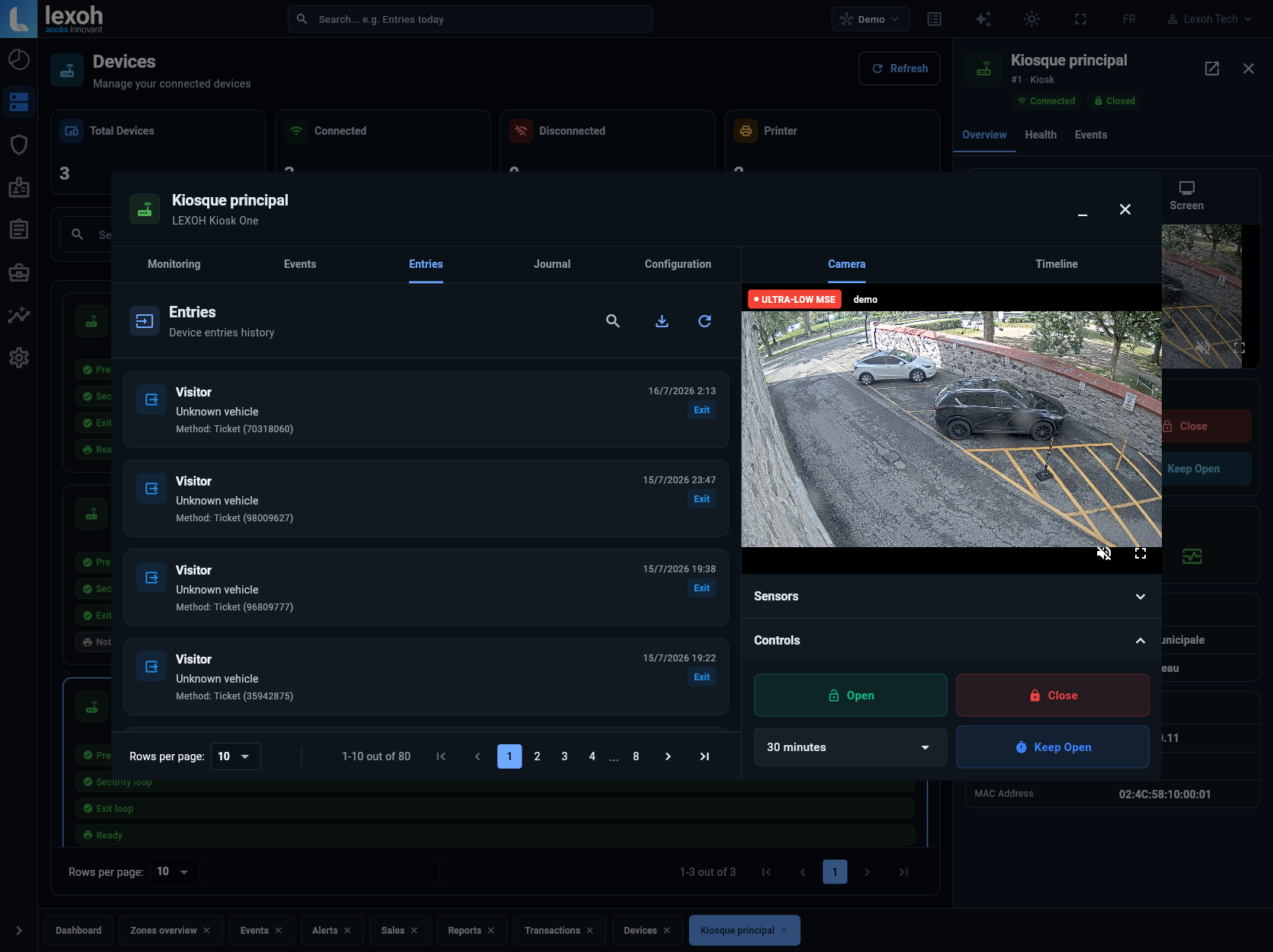
A working barrier is not automatically reusable with a new controller, and an exported user list is not automatically ready to import. Assess the interfaces and records independently. The quotation should identify what stays, what changes and what must be verified before that decision is final. For paid parking, include parking access and revenue control (PARCS), payment configuration and transaction reconciliation in the project requirements.
| System component | Decision to make | Required checks |
|---|---|---|
| Lane equipment | Retain, adapt or replace? | Document model, condition, interfaces and required testing. |
| Credentials and users | Which records and technologies are usable? | Check export fields, identity matching and card or reader compatibility. |
| Payments and permits | Which active rights must survive the transition? | Reconcile valid periods and financial records under an agreed process. |
| Site operation | How will vehicles move during the work? | Plan lane closures, temporary instructions and a return-to-service decision. |
Collect equipment references, diagrams, controller details and relevant data exports. Assess foundations, conduits, power and communications with the field team. Identify the checks needed before confirming which equipment can be retained.
Identify active users, credentials, permits and the records required for ongoing administration. Define who checks the migration sample and how conflicting or incomplete records are corrected. Keep transaction reconciliation separate from simply copying access rights. For example, check that a permit’s holder, vehicle, authorized zone and expiry date have the same meaning in the source and destination records. Agree on how to handle duplicates and permits that expire during the work.
Agree on the work window, temporary circulation, staff responsibilities and the evidence needed to put each lane back into service. Test representative users and payments before retiring the previous operating process. Confirm what a rollback can actually restore.
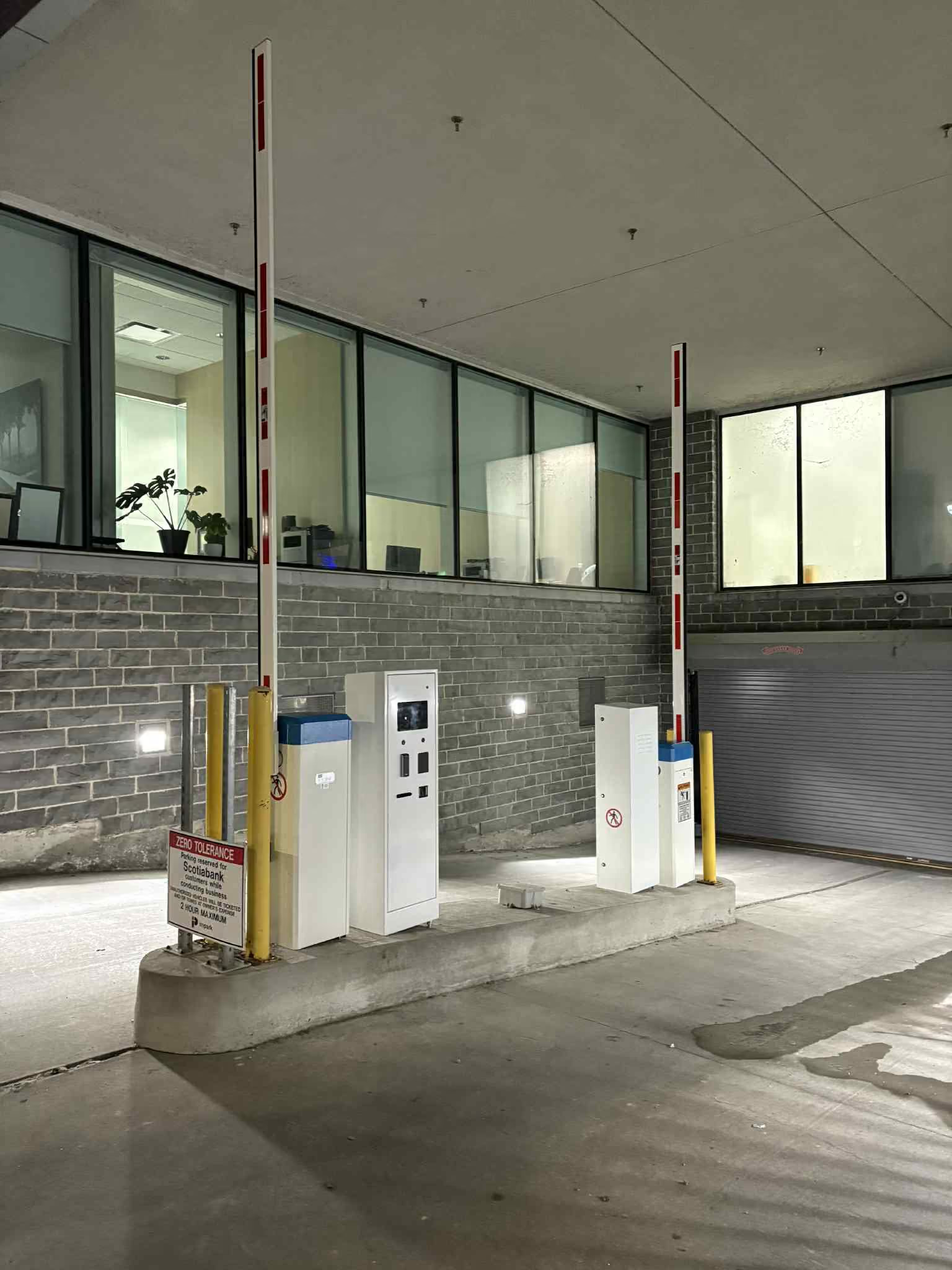
Consider a two-lane property planning work on one lane at a time. The brief must explain how recurring users and paying visitors are served during each phase, not just which devices are replaced. Validate the temporary route, records to carry over and conditions for opening the first completed lane. A phased project still needs a common final architecture and a named decision-maker for each transition.
Equipment makes and models, photos, wiring information, software versions and known service issues.
Available exports, active permits, credential samples and ownership of historical and financial records.
The allowed work windows, temporary circulation, acceptance cases, staff training and transition responsibilities.
Hosting and licence ownership, access to configuration backups, administrator handover and responsibility for keeping the previous records available after cutover.
Questions to settle before selecting the equipment and configuration.
Send equipment photos, current software details and the operating constraints. We can identify the checks needed to scope a replacement.