Access-only projects
Specify allowed and refused journeys before listing readers or gates.
Review parking access control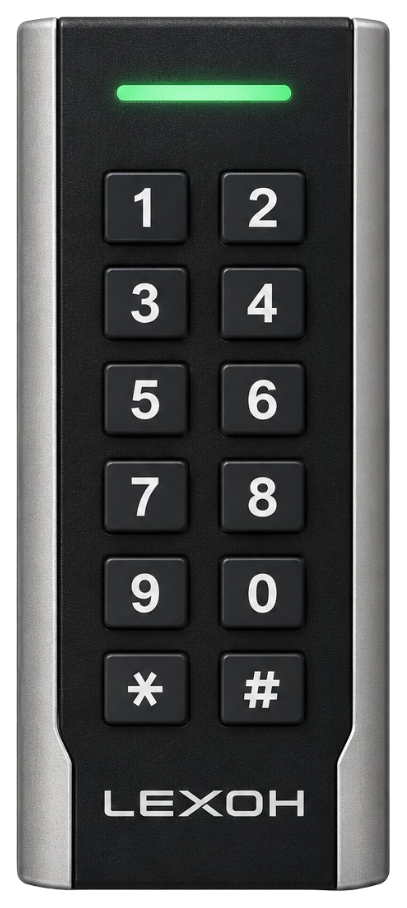
Card-based credential reader
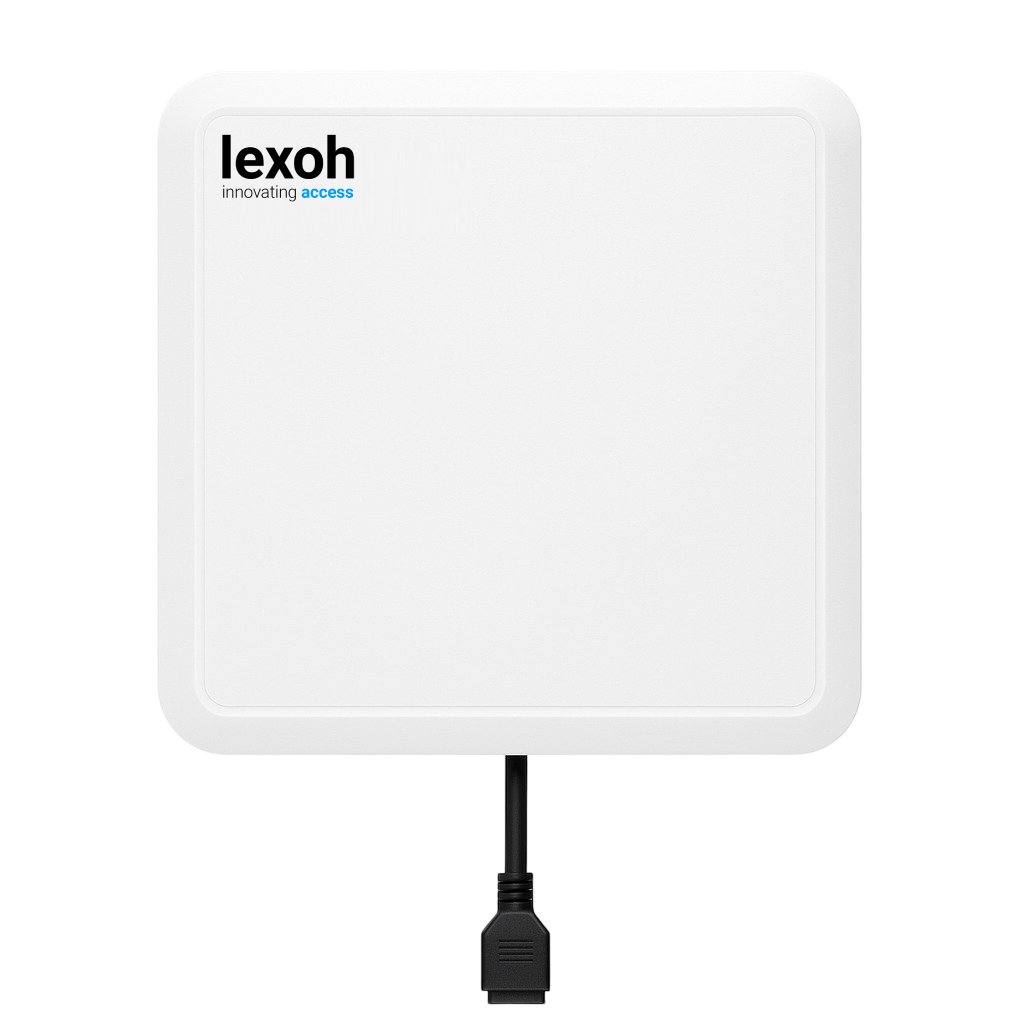
UHF credential reader
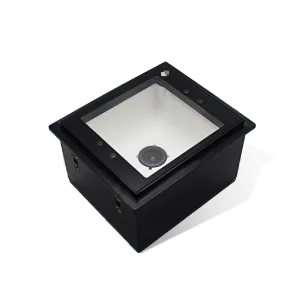
QR and barcode credential reader
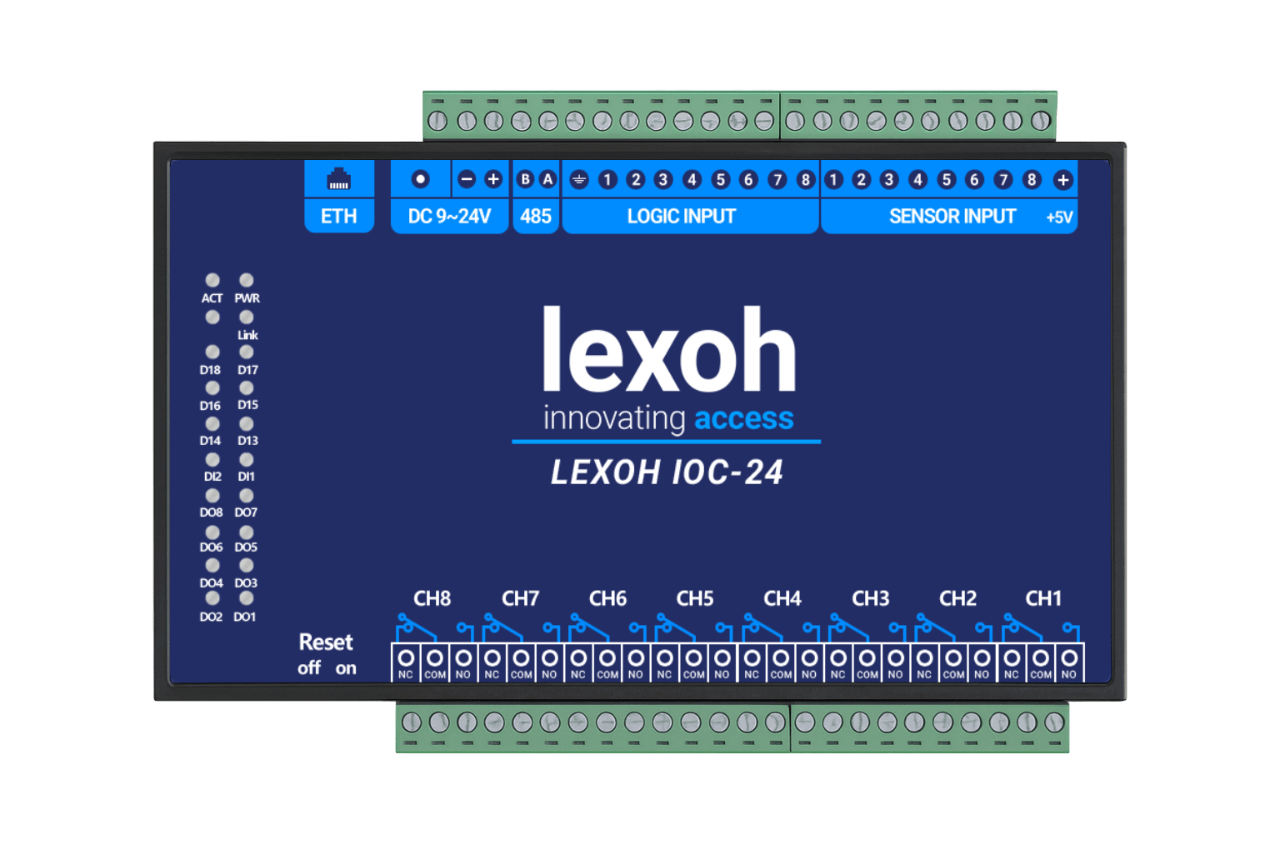
Device input and output controller
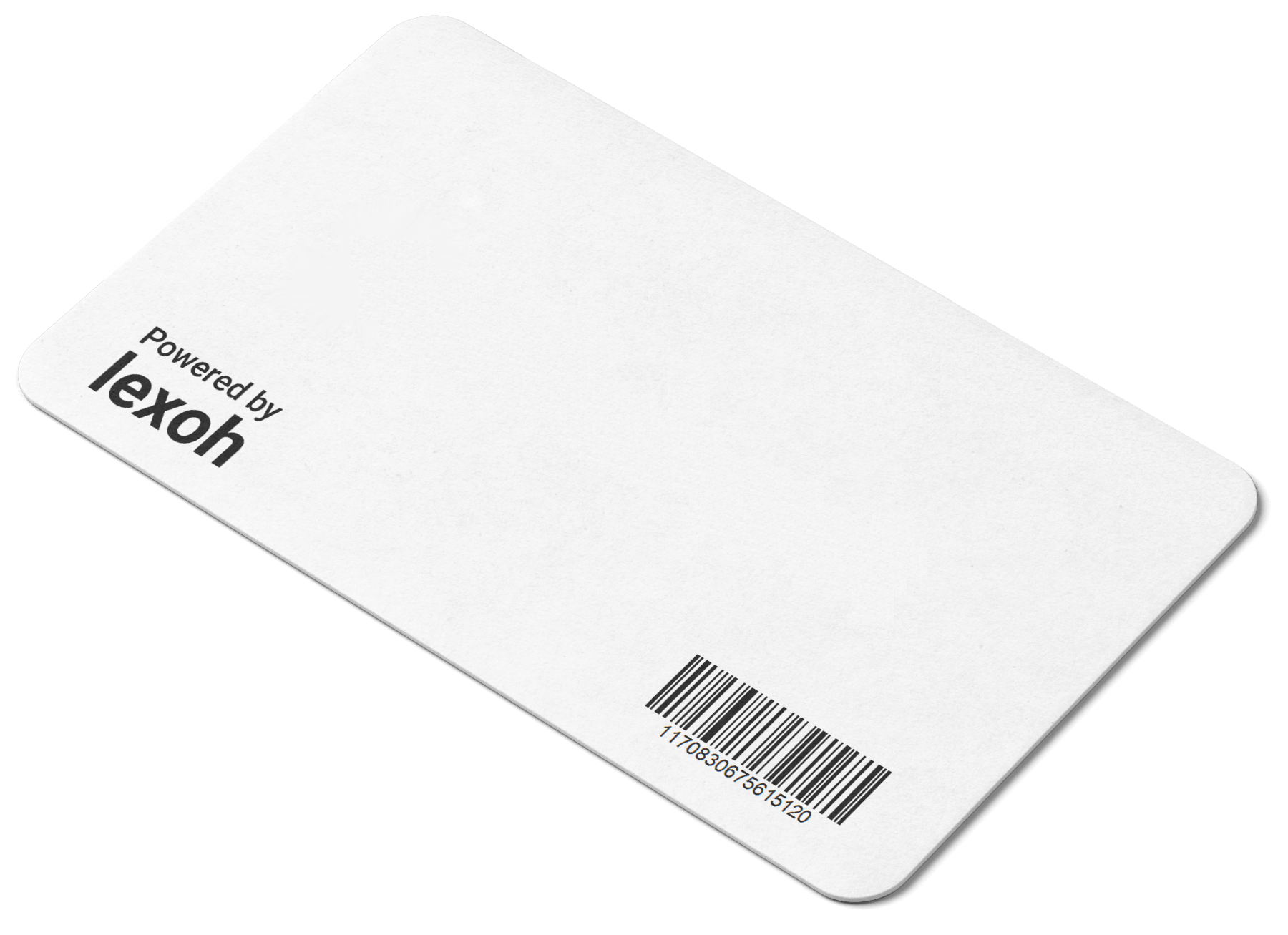
RFID access credential
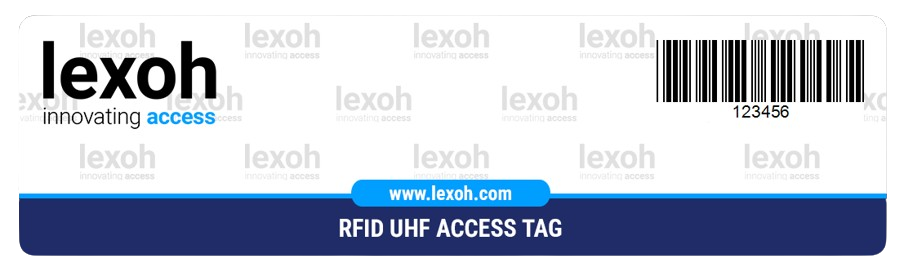
UHF access credential

Lane and access display signage

Thermal printer paper
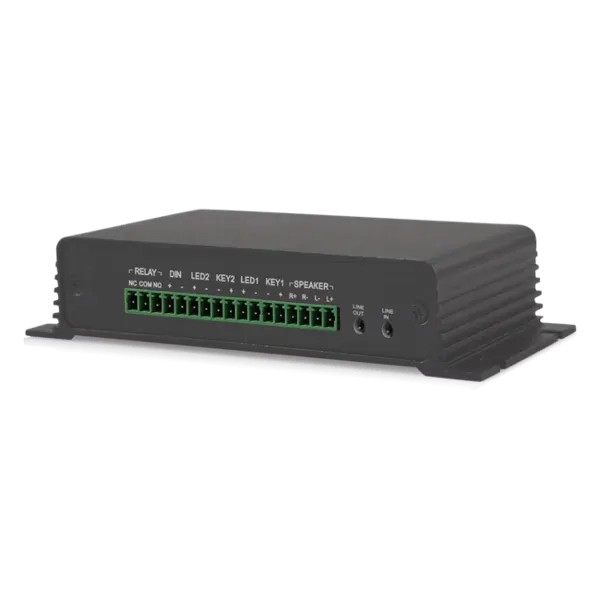
IP intercom communication
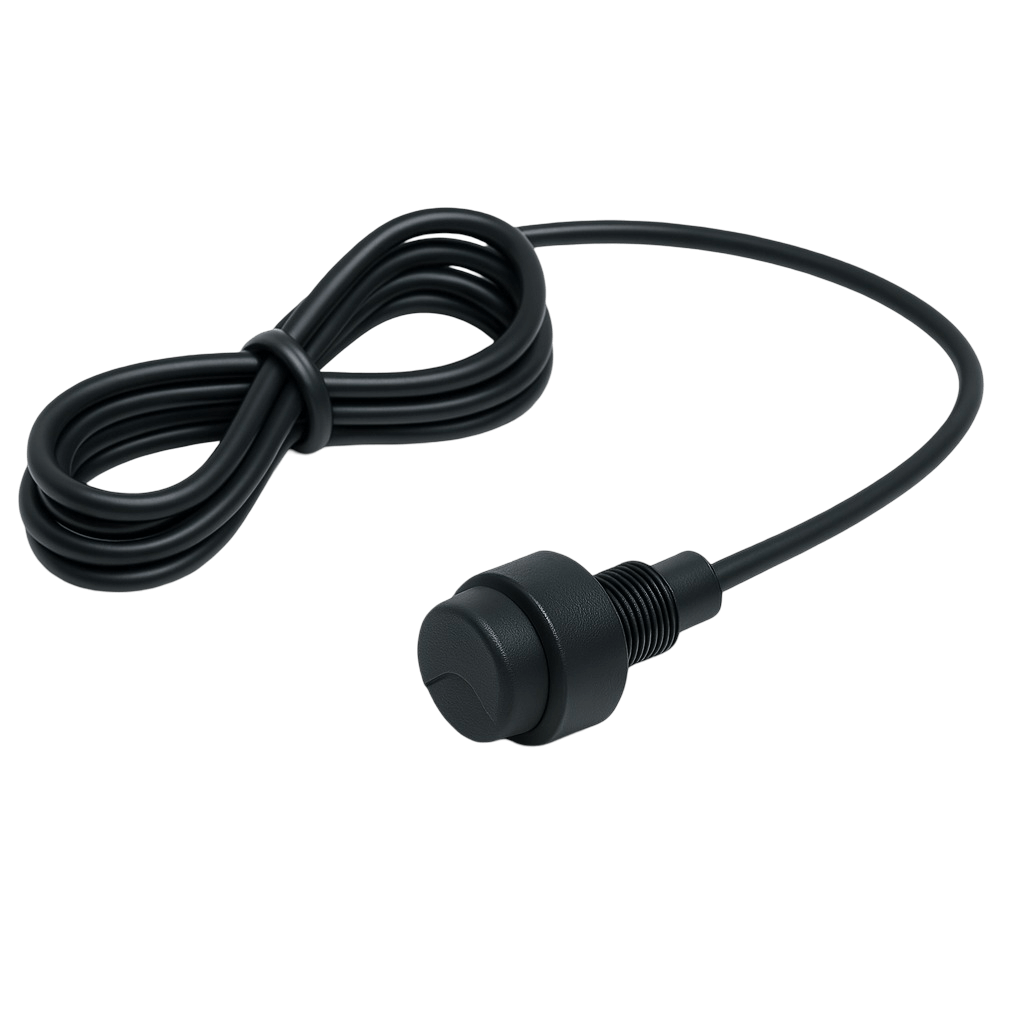
Analog omnidirectional microphone
Specifications and project requirements
Define what your parking system must do, which equipment it needs and how you will verify the installation. Lexoh manufactures access and payment kiosks and develops Security Center. Use this guide to prepare comparable proposals covering lane equipment, software and installation responsibilities.
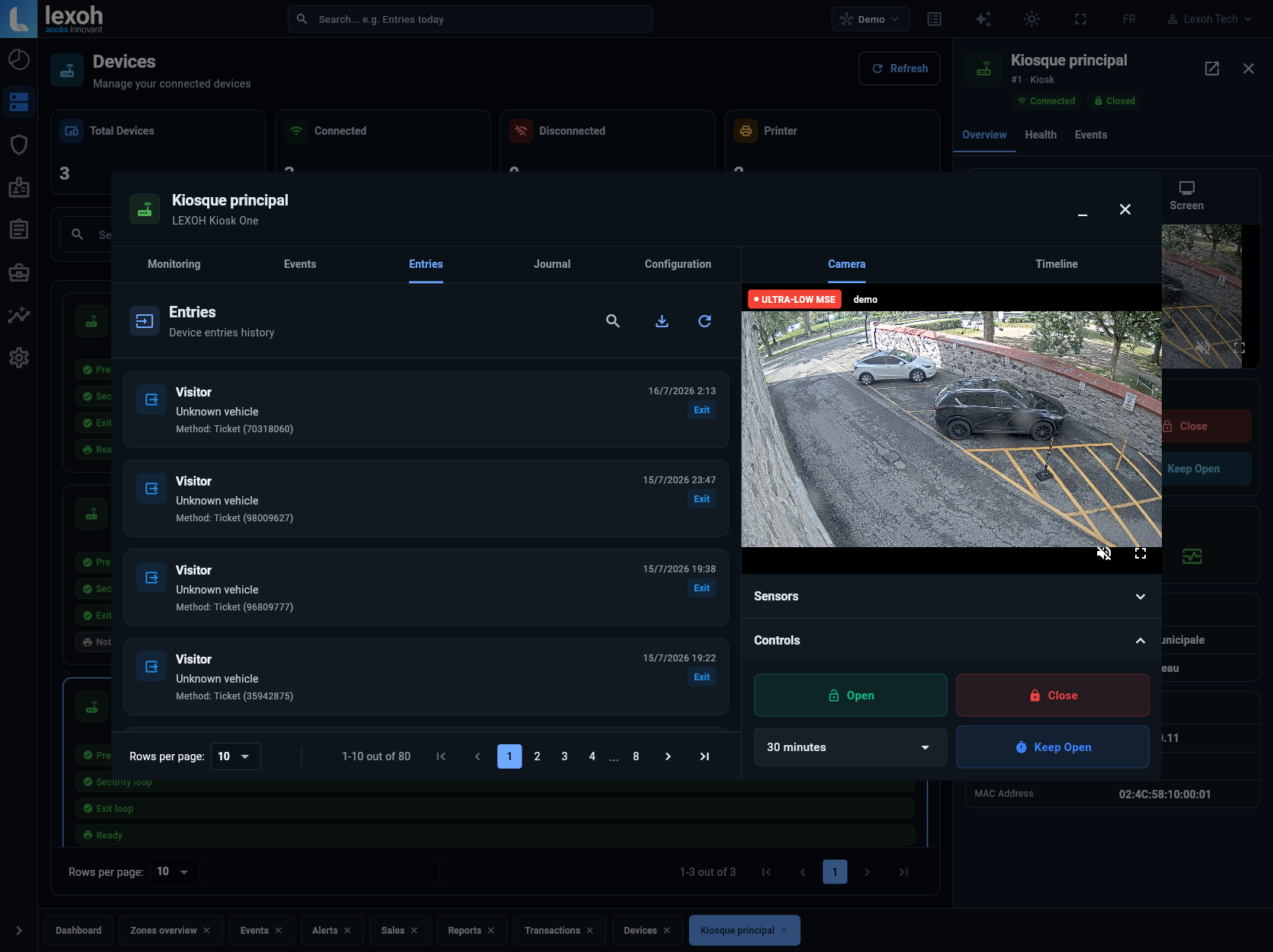
A feature name such as “cloud,” “license plate recognition (LPR)” or “integration” leaves important decisions open. State the user, starting condition, expected result and evidence. Keep the specification tied to the actual site, and distinguish mandatory behavior from optional equipment or later phases. For paid parking, include parking access and revenue control (PARCS), payment configuration and transaction reconciliation in the project requirements.
| Requirement area | What to state | Evidence to request |
|---|---|---|
| Access | Approved and expired users, zones, periods and credential types. | Demonstration of allowed and refused entries at the intended lane. |
| Payment | Tariff, validation, receipt and correction journeys. | A complete test transaction and the corresponding operator record. |
| Interfaces | System owner, data fields, update timing and failure handling. | A tested data exchange, including a rejected or delayed update. |
| Delivery | Civil work, power, network, training and documentation boundaries. | A responsibility schedule and documented acceptance results. |
Identify the site, user groups, entrances, exits and approved policies. For each lane, list vehicle types, required identification, payment location and assistance path. Attach a site plan and clearly label facts that still need a field survey.
List proposed or retained equipment by role and reference. Define the owner of power, communications, civil preparation and each software interface. Ask suppliers to state exclusions and dependencies beside the item they affect, so quotations cover the same scope.
Pair the user journeys with test cases and responsible approvers. Define the operating records, configuration inventory, staff training and support handover to be delivered. Include a process for recording exceptions that remain open at acceptance. Record an owner and closure conditions for each unresolved item.
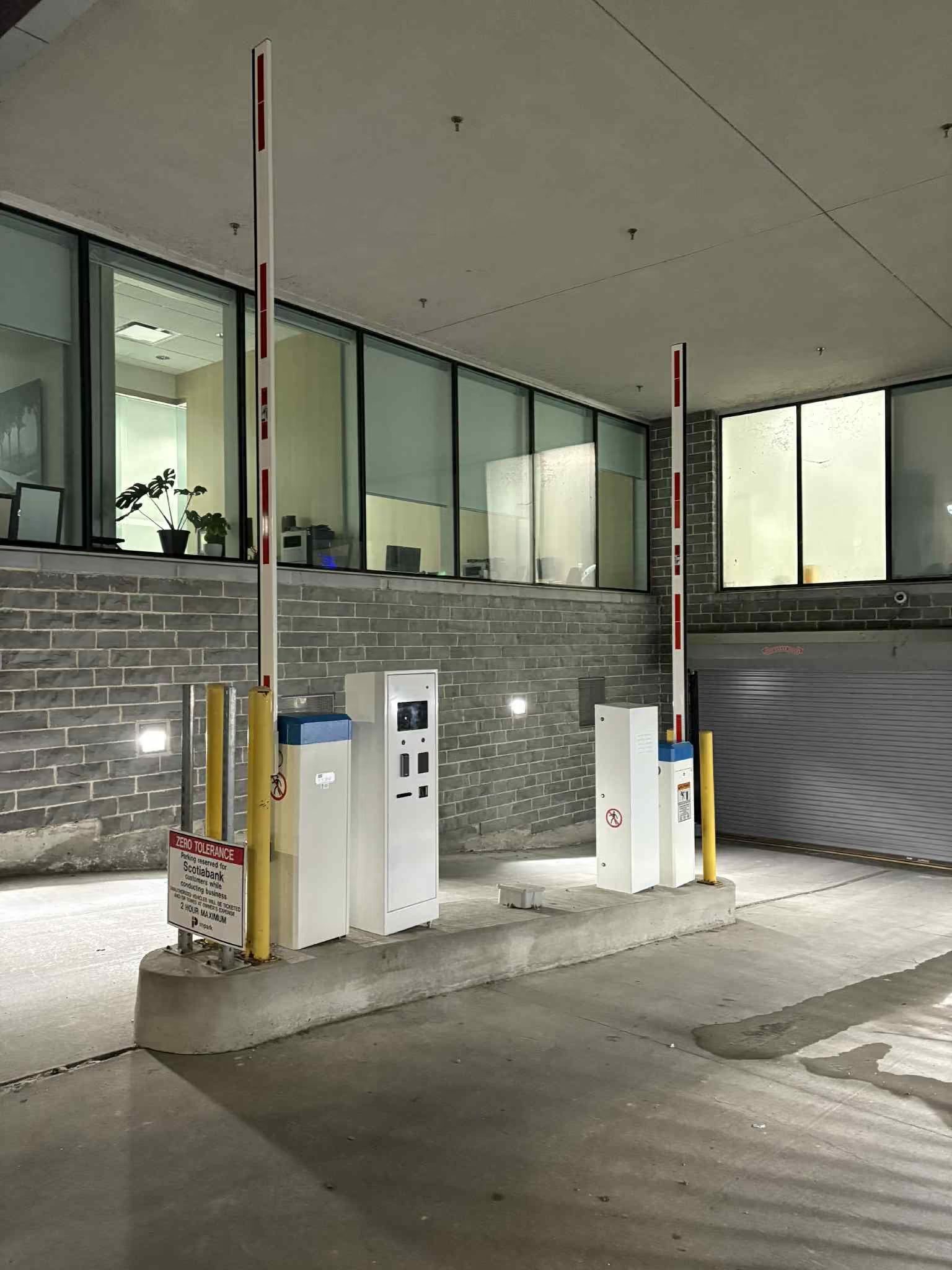
For an illustrative requirement, specify that an authorized operator issues a visitor right for an approved period and zone. The visitor receives usable arrival instructions; the right works during that period and is refused after expiry. Require a record showing the relevant access result. The supplier then explains the supported credential and configuration. Retain the access result and the configuration used for the test so the project team can verify the delivered behavior.
Site and user groups: identify the property, operator, permit populations and public visitors. Mark information that still needs a survey.
Lane schedule and physical constraints: show entrances, exits, vehicle types, stopping points, pedestrian paths, power and network locations.
Access and payment journeys: describe approved, expired and exceptional arrivals; include tariff, receipt and correction cases where payment applies.
Equipment and interface responsibilities: list retained and new models, data owners, hosting, licences, administrator access, backups and outage behavior. Separate required scope from options.
Acceptance tests and evidence: name the starting condition, expected result, record to retain and approver. Include failed reads, delayed updates and an unavailable network.
Training and support handover: identify configuration records, operator training, support contacts, maintenance responsibilities and unresolved items to close.
Questions to settle before selecting the equipment and configuration.
Share your lane schedule and required user journeys. We can review the Lexoh scope, interfaces and demonstrations needed for the project.