



Parking planning guide
Parking system costs: plan the full budget.
For property owners, parking operators and integrators: budget for barriers, readers, payment equipment, installation, software and service. Compare complete parking-system quotes for your site and operating needs.
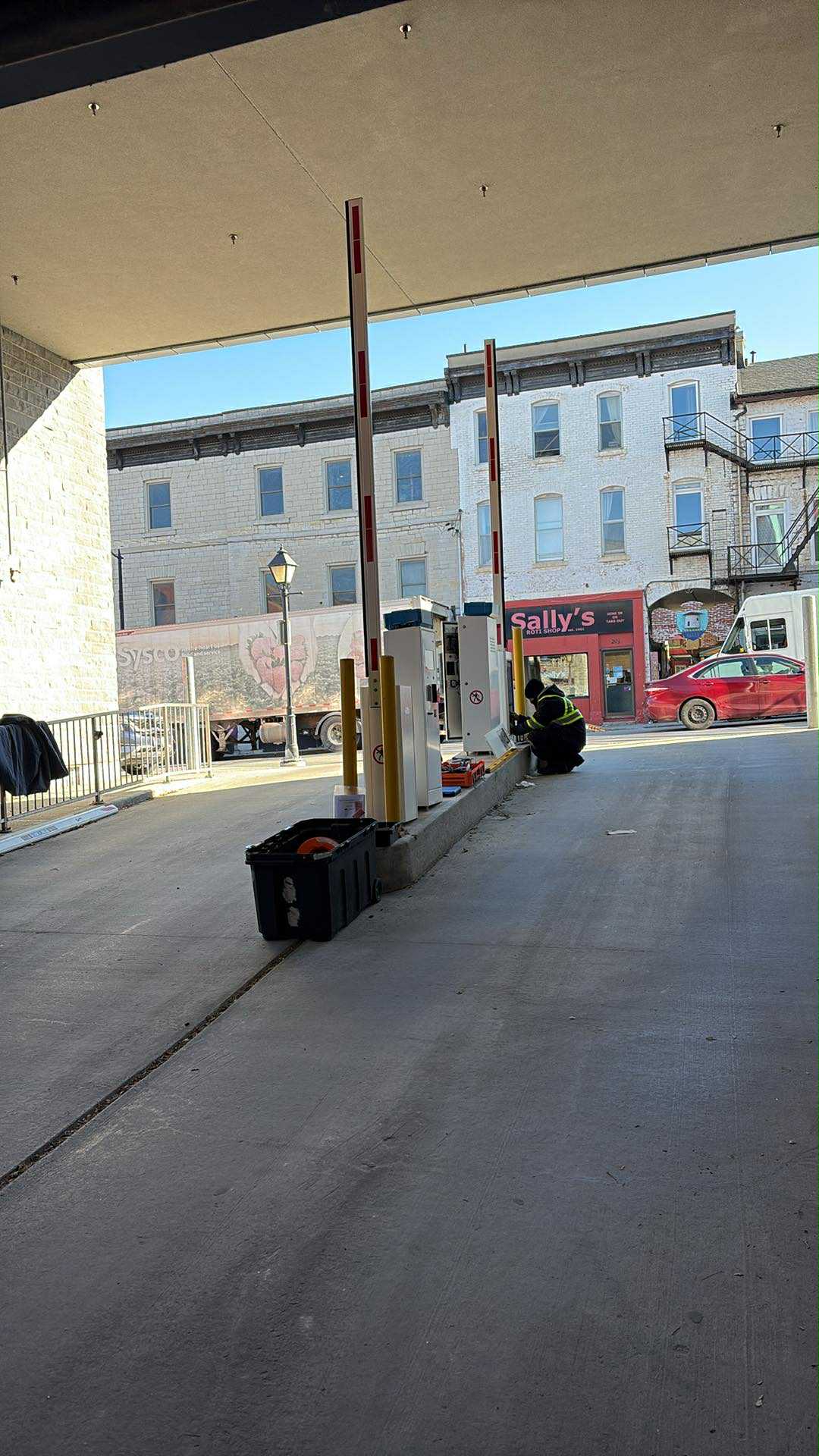
Start with the operation
A system price starts with a defined scope.
A parking-system quote can cover an equipment purchase, a replacement lane or an installed operation with payment and software. These are different purchases. Compare the same users, lanes, retained infrastructure and operating journey before comparing totals.
Start with the site-review questions, then ask each supplier to explain the same scope. Separate one-time work from recurring services and clarify who supplies excluded items. An unspecified cost still needs clarification before the project total can be compared.
Lexoh combines cloud services with an offline mesh network that lets devices communicate locally when the internet connection is unavailable. For the budget, separate cloud services from local equipment, network preparation and power. Offline communication does not replace electrical power; identify any backup-power equipment and installation as a separate part of the site design.
Decision sequence
Give each supplier the same brief.
-
Define
List sites, lanes, user groups and payment timing.
-
Survey
Record existing equipment, power, network and civil conditions.
-
Allocate
Name the supplier and approver for each work item.
-
Compare
Normalize scope, options and recurring terms.
-
Accept
Agree on testing, handoff and service before ordering.
Compare the delivered operation, item by item.
Scroll sideways to see every column. With the table focused, use the left and right arrow keys.
| Category | What to specify | Common boundary to resolve |
|---|---|---|
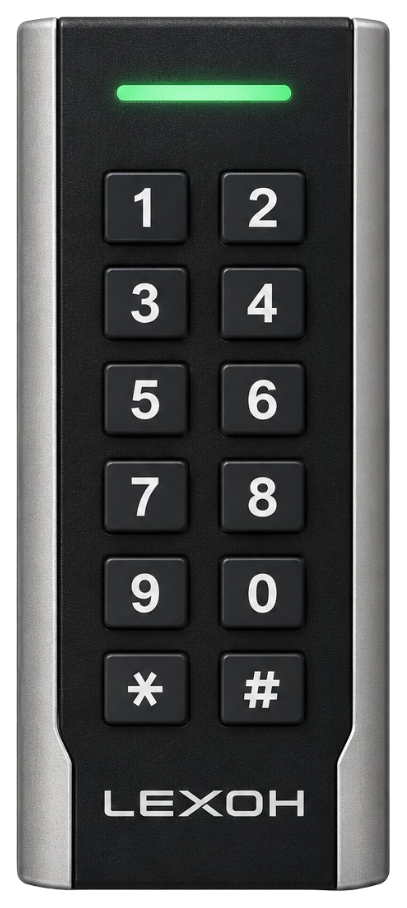
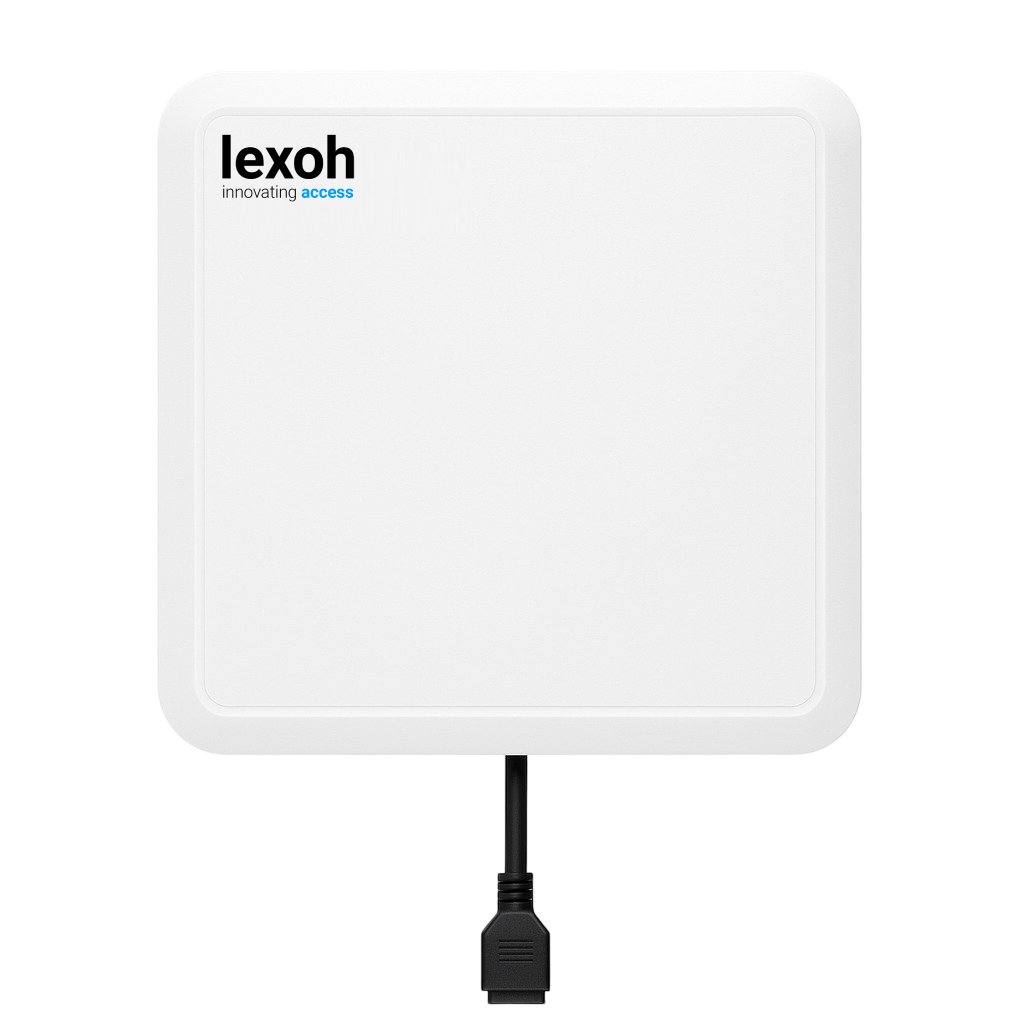
| Lane equipment | Barrier, arm, readers, detection, kiosk and accessories | Exact references, quantities and included options |
| Site preparation | Survey, foundations, conduits, reinstatement and protection | Owner work versus installer work; existing conditions |
| Utilities | Power, cabling, network and communications service | Available capacity and who maintains each connection |
| Software and payment | Configuration, interfaces, accounts and transaction workflow | Setup versus recurring terms; payment-party responsibilities |
| Delivery and support | Commissioning, training, documents, warranty and maintenance | Acceptance criteria, coverage, exclusions and renewal terms |
Three illustrative briefs, three different budgets.
These examples are planning exercises, not completed projects or quoted packages. Their purpose is to identify the missing scope before assigning a price.
-
One controlled entrance, free parking
Specify who is allowed in, how visitors get assistance and what must happen at exit. A payment terminal is not automatically part of this brief. Confirm whether existing civil work and power can actually be reused.
-
Paid parking with separate entry and exit lanes
Describe how the stay is identified, when payment occurs and how the exit receives the confirmed result. Include the assistance process and the records finance needs. Count each physical device rather than pricing only a barrier.
-
Several seasonal sites
Separate the equipment and communications at each site from shared platform setup, administration and training. State which costs repeat per site, per account, per transaction or per service period according to the proposed terms.
Make recurring terms and exclusions comparable.
Ask which software, connectivity, payment and support charges apply, what they are based on, and when they can change. Record the currency, taxes, quotation validity and renewal conditions. Confirm how maintenance visits, consumables, parts and after-hours assistance are charged.
An excluded item still needs a supplier, budget and completion date. Identify dependencies before ordering: a ready kiosk cannot compensate for an unfinished base or an unavailable connection. Use the acceptance guide to define what demonstrates that the quoted system works.
Build in stages
Separate what the opening needs from what can wait.
A phased project starts with a complete operating journey for the first opening. Identify how each initial user enters, leaves and gets assistance, then include the equipment, connections, configuration and testing needed for that journey. An optional feature can be deferred only after the team has explained how the site will operate without it.
Next, distinguish preparation for a later phase from the equipment that will be purchased later. A future entrance may require space, conduit routes, electrical capacity or a different operating layout. Ask the designer to identify which preparations are included now, which assumptions still need confirmation and which parts of the first installation would have to be changed.
Illustrative example: a property plans employee access first and paid visitor parking later. The first proposal should explain the employee and visitor procedures that will actually exist on opening day. The later payment option needs its own scope for equipment, configuration, payment arrangements, testing and training; reserving a location for a kiosk does not price that entire phase.
Compare ongoing costs
Use the same operating period and responsibilities.
An equipment total and a managed-service total can describe different purchases. To compare them, start with the same operating period and list the work the property will still perform: user administration, assistance, inspections, replenishment where needed, maintenance coordination and supplier follow-up. Identify whether each task is included, assigned to your staff or purchased from another provider.
For seasonal parking, distinguish the months when drivers use the site from the period covered by software, communications and support agreements. Ask what remains active during closure, whether suspension or restart is offered under the proposed terms, and what must be done before reopening. Use those written terms when comparing annual costs.
Keep optional upgrades and uncertain site work visible beside the base scope. When an item is awaiting inspection or another trade’s proposal, name the unresolved condition and the person who will confirm its cost. This gives the owner a clear decision about what can be approved now and what still prevents a complete project budget.
Project checklist
Questions to ask before comparing parking quotes
Ask each supplier to answer against the same site and operating requirements. Request written scope, itemized charges and the supporting documents for the proposed configuration.
-
Which sites, lanes and user journeys does this price cover?
Request a list of entrances, exits, user groups and operating hours. Confirm whether each location needs its own equipment, configuration or service subscription.
-
Which exact equipment references, quantities and options are included?
Request the proposed barrier, arm, reader, detector and kiosk references with their current documentation. Separate included options from alternatives that change the price.
-
What existing equipment can be retained, and who confirms its condition?
Ask for the inspection findings and integration requirements for each reused item. Clarify who pays if its condition or compatibility differs from the assumptions in the proposal.
-
Who supplies the civil work, electrical work and communications?
Identify responsibility for bases, conduits, pavement repairs, drainage, power and network service. Ask which site conditions must be ready before installation and which work is excluded.
-
What software setup and interfaces are included in the proposed price?
Request the functions, accounts, configuration work and interfaces actually included. Ask who supplies access to connected systems and whether integration or later changes incur separate charges.
-
If parking is paid, which payment costs and responsibilities apply?
Ask who provides the payment equipment, merchant arrangements and reconciliation records. Separate setup charges, transaction charges and any recurring service fees in the selected payment workflow.
-
What must be demonstrated and delivered before the project is accepted?
Request the agreed commissioning scenarios, documents and operator training. Confirm who attends, who approves the results and whether follow-up visits to resolve open items are included.
-
How do warranty, preventive maintenance and operating assistance differ?
Request the covered tasks, parts, visits, service hours and exclusions for each. Ask how consumables, accidental damage and assistance outside the agreed coverage are charged.
-
Which charges recur, and what can change at renewal?
Ask whether each charge is per site, account, transaction or service period. Confirm contract duration, renewal and cancellation terms, price adjustments, currency and taxes.
-
What remains outside the quote, and how will changes be approved?
Request the exclusions, assumptions and quotation validity in writing. Assign an owner and budget to excluded work, and agree how additional work affects price and schedule before ordering.
Project checklist
Questions to ask during the parking site review
Walk the site with the installer and use current plans, photographs and equipment labels to resolve these questions before requesting a firm proposal.
-
Who uses each entrance, and when do their access needs differ?
Describe employees, residents, visitors, contractors and seasonal users as applicable. Confirm operating hours, temporary access, payment timing and who decides exceptions.
-
Where will vehicles stop, queue, turn back and leave?
Review entry and exit directions on a site plan with photographs of each approach. Ask how the layout handles a driver who cannot proceed without blocking another lane or the public road.
-
Which vehicle and trailer movements must the design accommodate?
Identify the largest vehicles and the smaller types that need detection or reader access. Request a review of turning paths, stopping positions and the complete vehicle-and-trailer passage.
-
Which lane, overhead and service clearances must be measured?
Ask the installer to confirm the final dimensions against the proposed equipment drawings. Include arm movement, ceilings, nearby structures and the space needed to open cabinets or replace parts.
-
What information is needed to assess the existing installation?
Provide current model labels, drawings, photographs and known faults for equipment to be retained. Ask which additional inspections are needed before its reuse can be included in the scope.
-
Are the bases, conduits, pavement and drainage suitable for the new layout?
Ask which existing conditions must be verified on site and who performs that work. Confirm any excavation, repairs or reinstatement required before setting the installation date.
-
What power and communication services are available at each device location?
Request the proposed equipment requirements and compare them with the site supply and network. Identify who provides cabling, subscriptions, network authorization and ongoing connection support.
-
How will snow clearing and pedestrian movement affect the equipment positions?
Review snow storage, plow routes, pedestrian routes and maintenance access on the plan. Ask whether seasonal operations require changes to the proposed islands, cabinets or stopping points.
-
How will the site keep operating during the work, and who approves the final plan?
Agree on temporary access, closures, communication with users and assistance during the changeover. Identify the owner’s decision maker, trade dependencies and approvals still needed before work starts.
Practical questions
Before you finalize the project
Can a barrier price be used as the total project budget?
No. A barrier price may exclude civil work, detection, power, communications, readers, configuration and commissioning. Ask for the scope and exclusions before treating an equipment total as an installed-system price.
How should two quotations with different maintenance terms be compared?
Compare the same service period and list the covered tasks, parts, visits, response arrangements and exclusions. Keep warranty terms separate from paid preventive maintenance and operational assistance. Request written clarification for anything that cannot be matched.
When should a budget range be replaced by a firm proposal?
After the site, equipment references, responsibilities and operating sequence are sufficiently defined. The proposal should state its assumptions and how a change in scope will be reviewed. A preliminary budget is a planning input, not an installation commitment.
How should an optional future entrance appear in the proposal?
Ask for a separate option that distinguishes preparation included now from equipment and work purchased later. Identify the assumptions about space, power, communications, configuration and future equipment. The supplier should explain what would need to change in the first installation and whether later commissioning and training are included in the option.
What should happen if site conditions differ from the quotation assumptions?
Use the agreed change-review process before proceeding with the affected work. Ask the responsible trade to describe the condition, the proposed response and the effect on cost and schedule. The project owner should know which items require approval and whether other work can continue while the change is resolved.
References and further reading
- Lexoh automatic barrier project scope
Existing installation and budget categories; the signed proposal defines the actual scope.
- LEXOH managed operations and support scope
Operating responsibilities and service hours are agreed for each site.
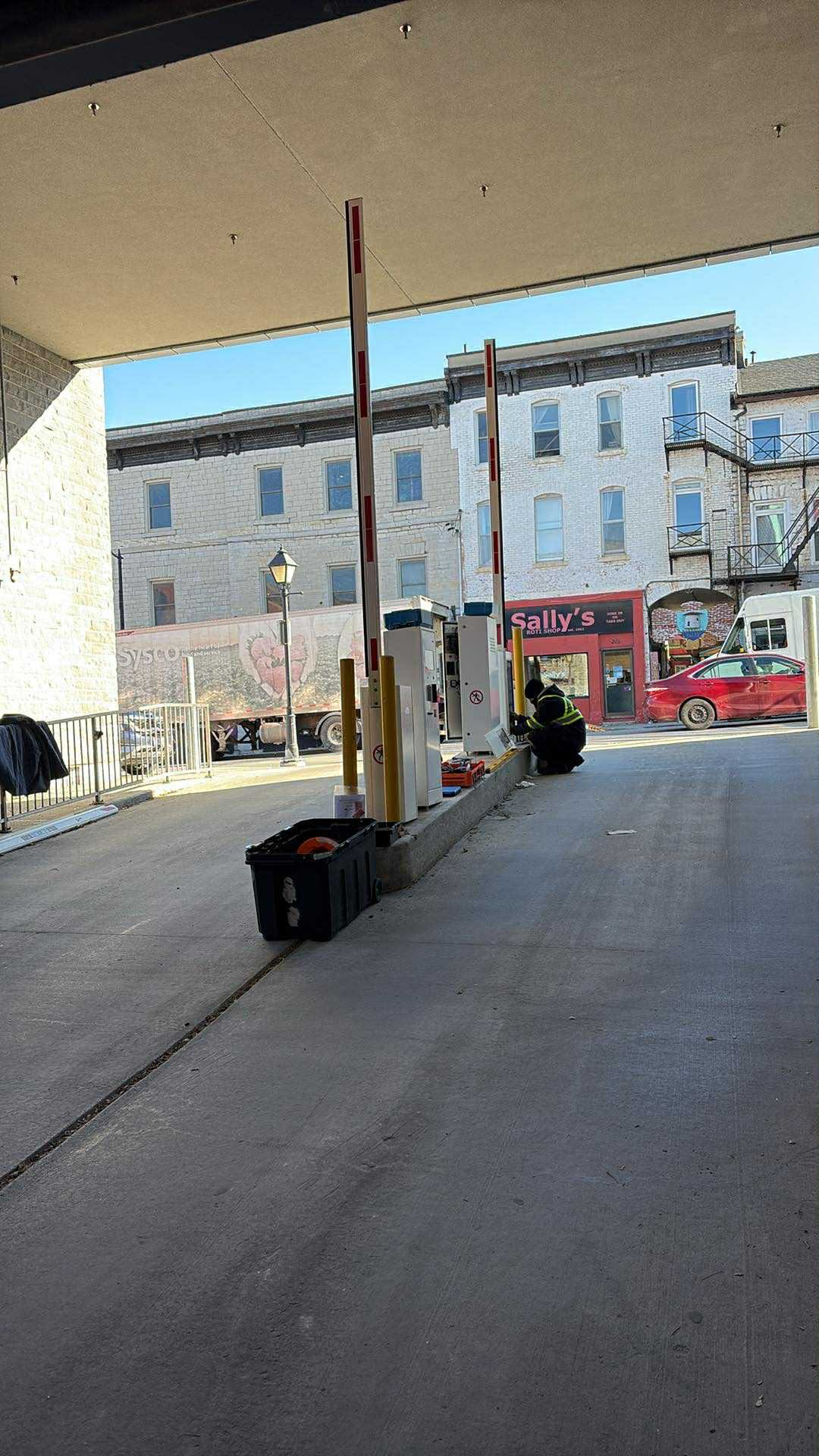
Project review
Bring the site, the workflow and the open questions.
Lexoh can review the equipment and operating scope with your team before a project-specific proposal is prepared.
Discuss your site