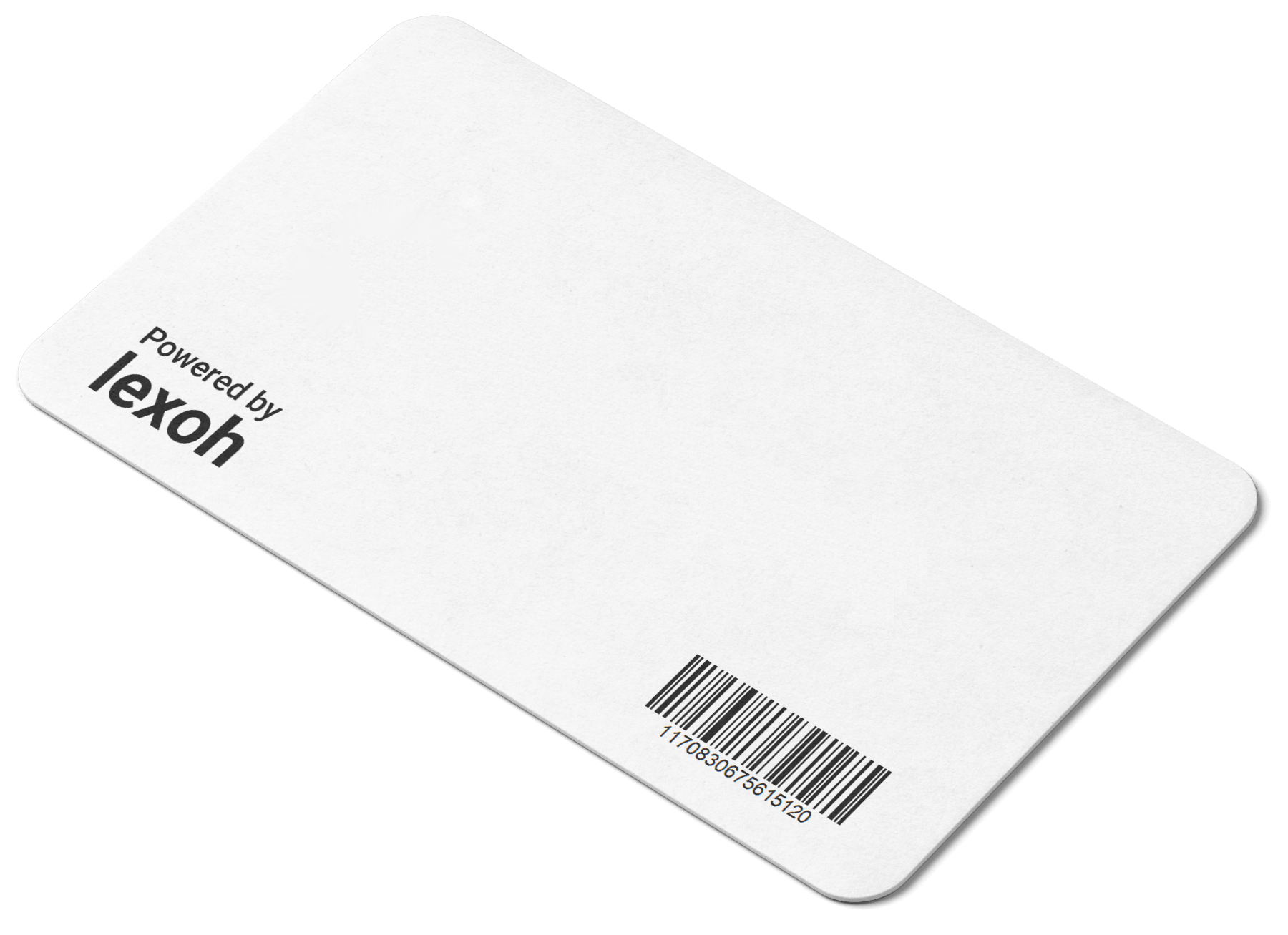



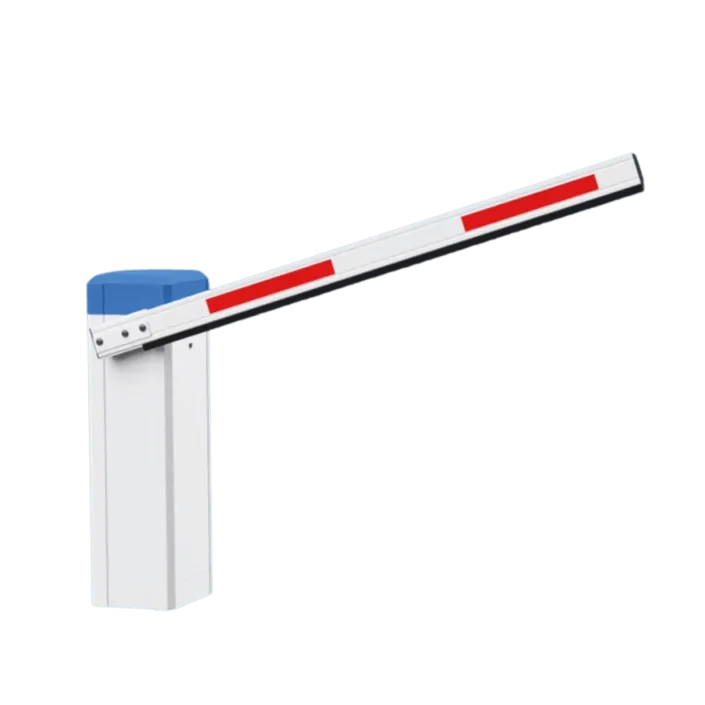
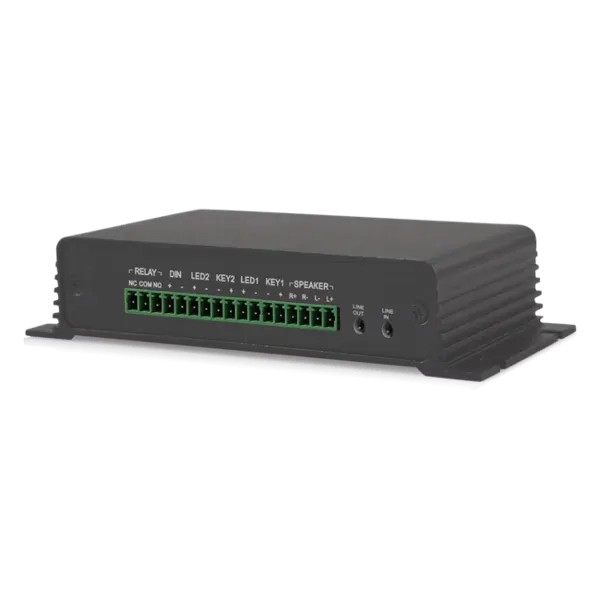
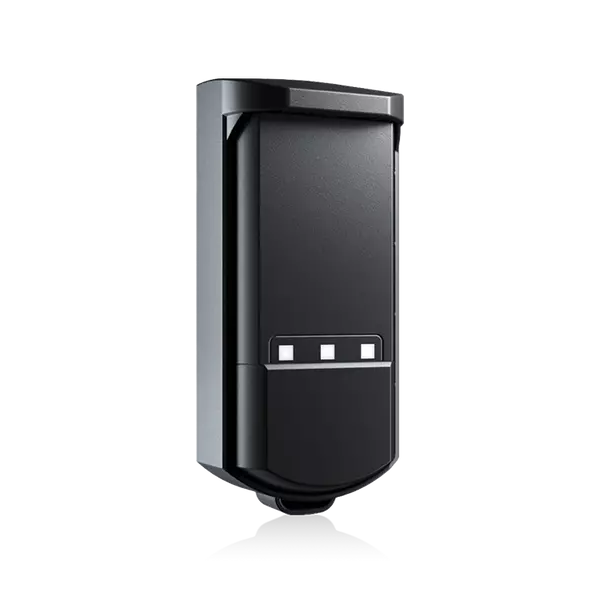
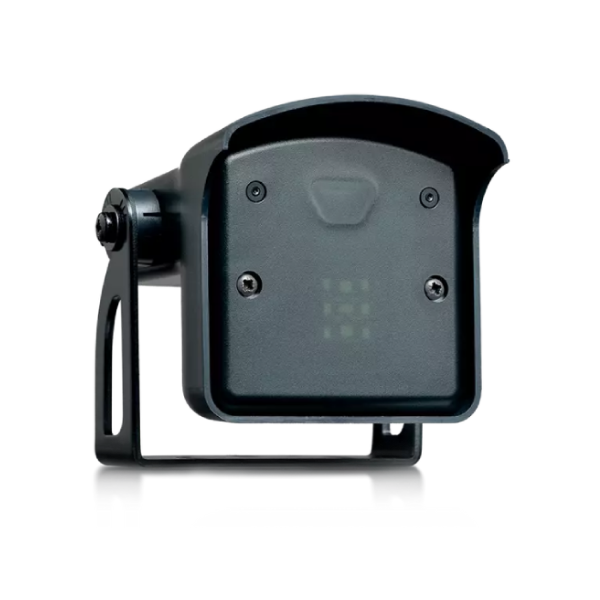
The supplied datasheet lists 125 kHz EM/HID and 13.56 MHz MIFARE credentials, with a 2-4 cm reading range. Check the exact card reference and encoding with the intended controller, then test representative cards before a replacement or new order.
Readers and credentials
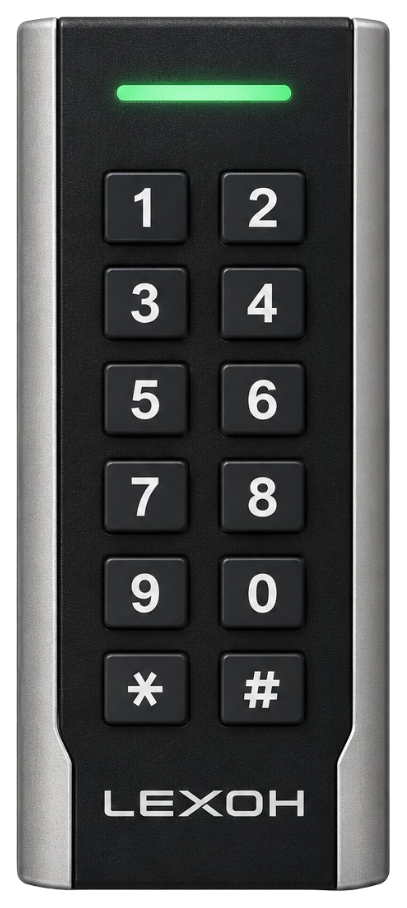
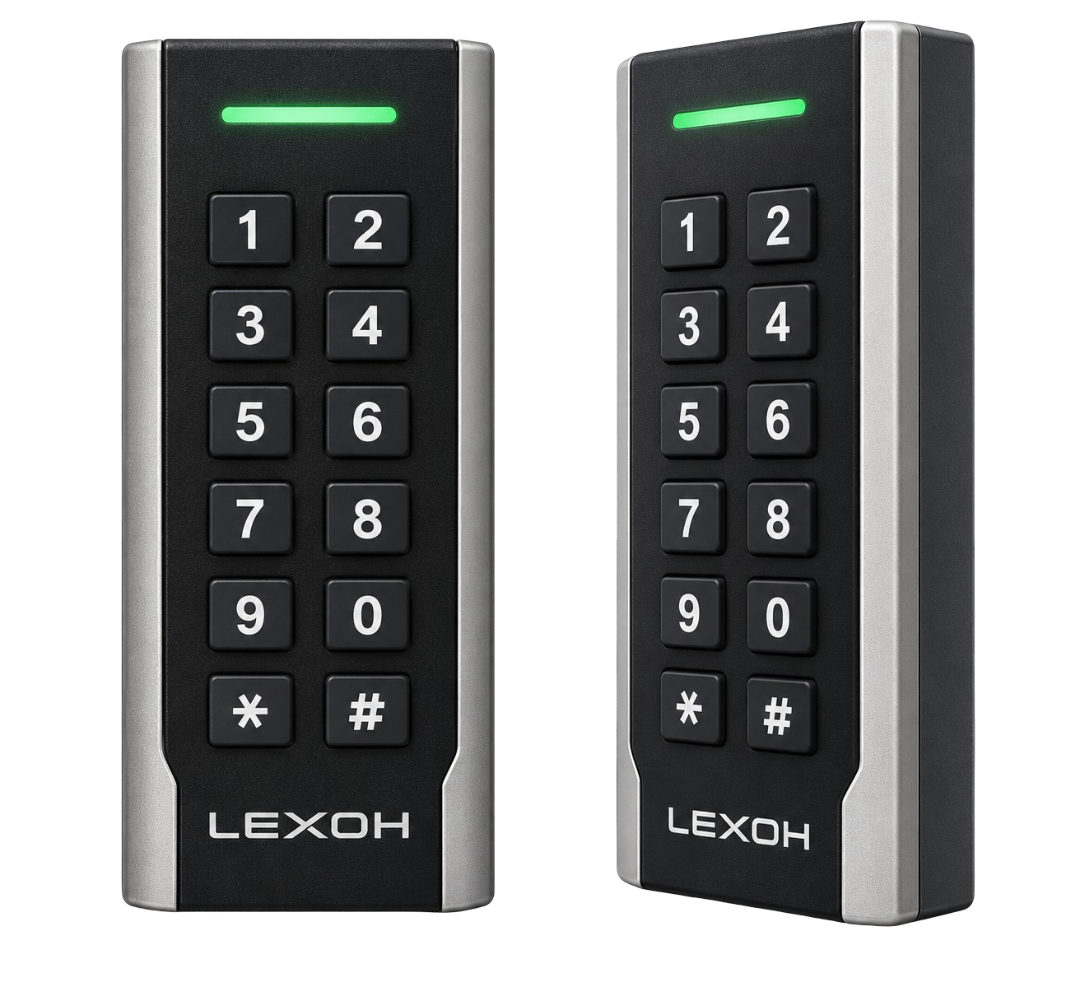
LEXOH-RFID-OSDP reader with keypad
The LEXOH-RFID-OSDP combines 125 kHz and 13.56 MHz RFID reading with a physical keypad and OSDP/Wiegand interfaces. Designed for indoor and outdoor access points, it has an IP67 rating and a 2-4 cm reading range. Match the credential encoding and controller configuration to your door, gate or kiosk.
- Frequencies
- 125 kHz + 13.56 MHz
- Interfaces
- OSDP / Wiegand
- Protection
- IP67
Credential first
Choose a reader that supports your existing cards.
An RFID card reader captures a compatible credential. The access system then applies permissions, schedules and the entrance response; a successful read alone is not authorization.
Will existing cards work with a new reader?
Only if the credential technology and encoding are supported by the replacement. Inventory the current card references and reader models before ordering, then test representative active cards with the proposed reader and controller.
Reader compatibility also includes the controller
The card-to-reader connection is only one part of the system. Confirm the reader’s supported interface, power and wiring against the controller documentation, together with how accepted and rejected credentials are handled.
Place the reader where users can present a card
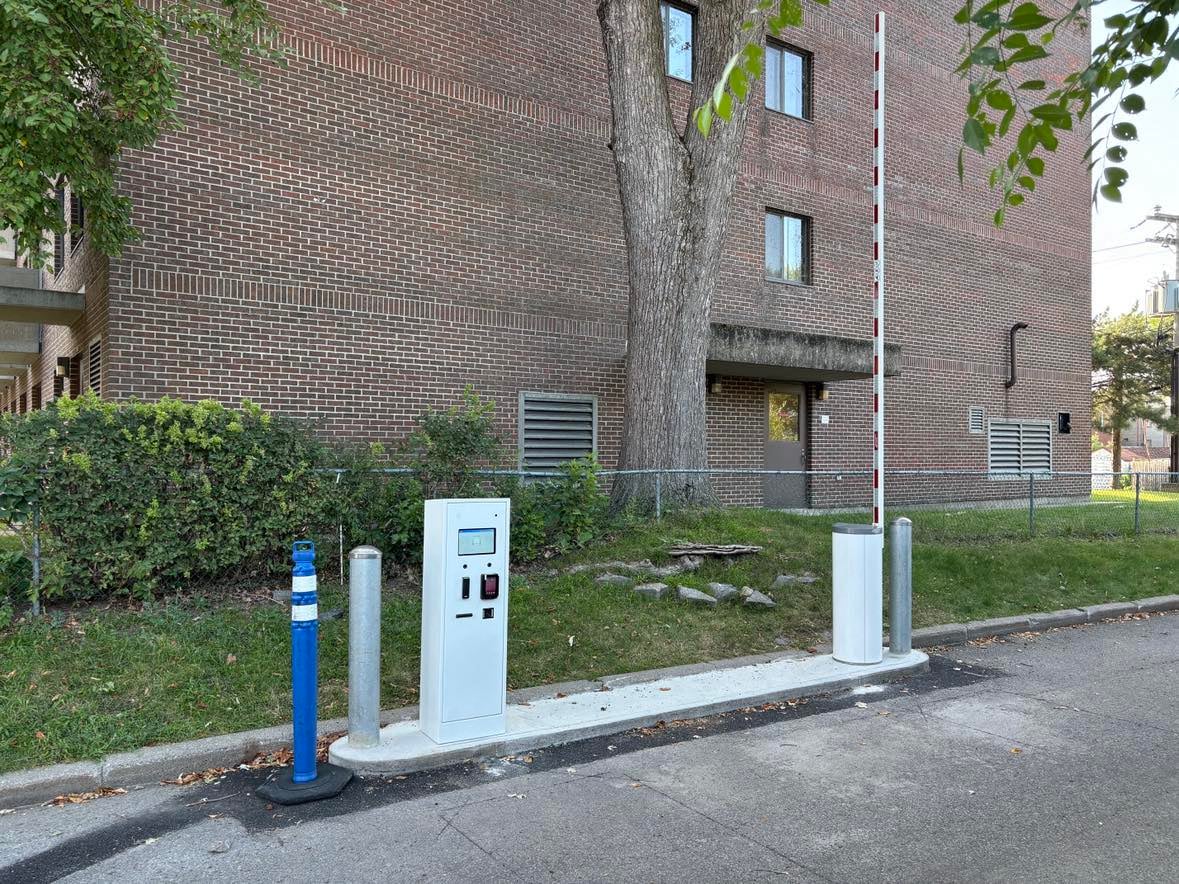
Choose the mounting point around the door or vehicle stopping position. Check reach, approach and the available feedback. Keep a clear assistance process for unreadable, expired or refused cards so users know what to do next.
Card presentation
The reader reads. The access system decides.
A compatible card supplies an identifier; the reader passes it to the connected access system.
- Credential
- The card technology and encoding must match the installed reader.
- Access rules
- The person’s permissions, zones and schedules determine the response.
- User feedback
- The entrance needs a clear result after presentation and an assistance path when access is denied.
LEXOH-RFID-OSDP - technical specifications
| Specification | Details |
|---|---|
| Model | LEXOH-RFID-OSDP |
| Credential frequencies | 125 kHz and 13.56 MHz |
| Card types | EM / HID / MIFARE |
| Read range | 2-4 cm |
| Controller interfaces | OSDP / Wiegand |
| Supply voltage | 12-18 V DC |
| Standby current | ≤50 mA |
| Inputs and outputs | 1 relay output / 2 inputs |
| Wiegand: EM | 26-44 bits; default: 26 bits |
| Wiegand: MIFARE | 26-44, 56 or 58 bits; default: 34 bits |
| Wiegand: HID | 26-37 bits |
| Keypad output | 4 bits, factory default; 8 bits or virtual card number available |
| Encryption | AES-128 support |
| Ingress protection | IP67 |
| Operating temperature | -40 to +60 °C |
| Operating humidity | 0-98% RH |
| Dimensions (H × W × D) | 120 × 50 × 20 mm (nominal) |
Specifications from the LEXOH-RFID-OSDP model datasheet, revision v3, checked on 2 October 2026. Confirm credential encoding, controller configuration and installation requirements for your project.
RFID card reader selection criteria
| Selection item | What to confirm |
|---|---|
| Credential technology | Confirm the exact card family, chip and encoding supported by the proposed reader. The RFID label alone does not establish compatibility. |
| Controller interface | Match the documented reader output, data format and wiring to the controller. A shared connector or interface name is not a complete compatibility check. |
| Power and installation | Use the proposed reader’s supply limits, cable requirements and mounting drawing. Check the existing circuit before planning a replacement. |
| Credential handling | Identify where credentials and access rules are stored and evaluated. The datasheet lists one relay output; confirm its switching ratings and the intended wiring before defining its role in the system. |
| User feedback | Confirm the available indicators and how the access system commands them. Test the difference between a successful read, an access refusal and no response. |
| Environment and service | Check the model’s temperature and protection ratings for the mounting location. Keep access to wiring and record the replacement reference. |
Use the linked model datasheet and confirm the approved configuration in your quotation. Test representative credentials with the intended controller before a changeover.
Plan the changeover
Keep card access working through a reader replacement
Send Lexoh a record of the existing readers, cards and entrances to plan the proposed replacement and transition.
| Planning item | Information to provide |
|---|---|
| Installed equipment | Provide reader and controller references, available wiring drawings and a photo of the user approach. Identify each entrance affected. |
| Card population | List the card types that must remain usable and the groups using them. Arrange representative samples through the agreed support process. |
| Transition plan | Identify a pilot entrance, authorized alternative routes and the time available for the changeover. Define who communicates the new interaction to users. |
| Handover tests | Test valid, refused and unreadable credentials with the agreed user feedback. Record the reader configuration and accepted controller behavior. |
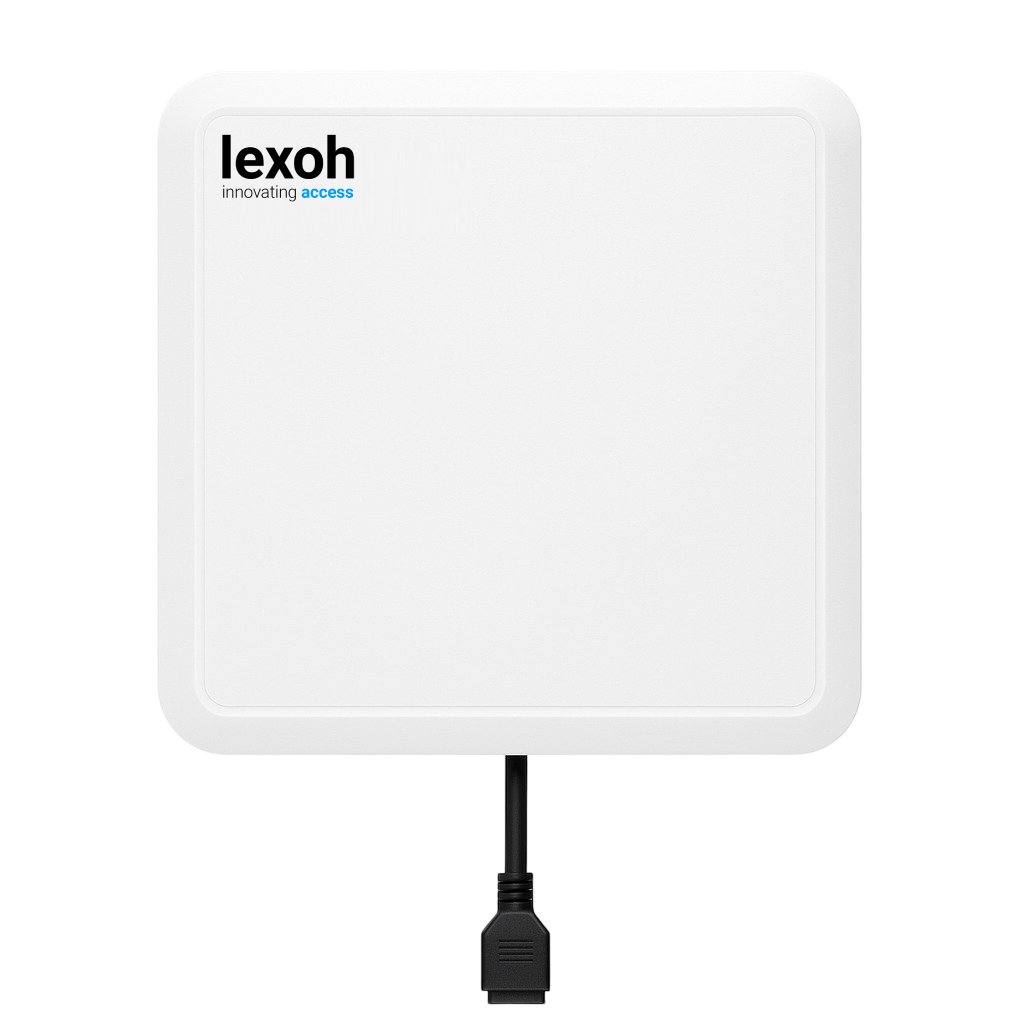
| Card presentation or vehicle-tag reading | The LEXOH-RFID-OSDP reads supported 125 kHz and 13.56 MHz credentials at 2–4 cm. The UHF9DBI uses 902–928 MHz vehicle tags in a commissioned read zone. A compatible door badge is not automatically a compatible UHF tag. Identify both reader models and credential technologies before planning one credential for several entrances. |
Configuration: Keep the approved product reference, configuration and sample results with the site records.
Equipment questions
Practical details for planning, operating and maintaining this equipment.
The factory default is 4-bit transmission. The documented alternatives are 8-bit transmission or a virtual card number. Select the format supported by the connected controller and confirm how the configured system processes the PIN.
Start with an inventory of reader models and active card types, then identify a limited transition area for validation. Confirm which credentials work at both the existing and proposed readers and how exceptions will be handled. Keep the approved access routes and user instructions clear during the transition; staged replacement depends on verified compatibility, not on reader appearance.
Compare the user feedback with the credential and access event information available in the configured system. An unread card may not produce the same record as a recognized credential that lacks permission. Record the entrance, time and card reference through the approved support process so the team can check reading and access rules separately.
Project review
Connect a reader to your entrance.
Share the credential technologies, controller, mounting and site conditions for a configuration review.