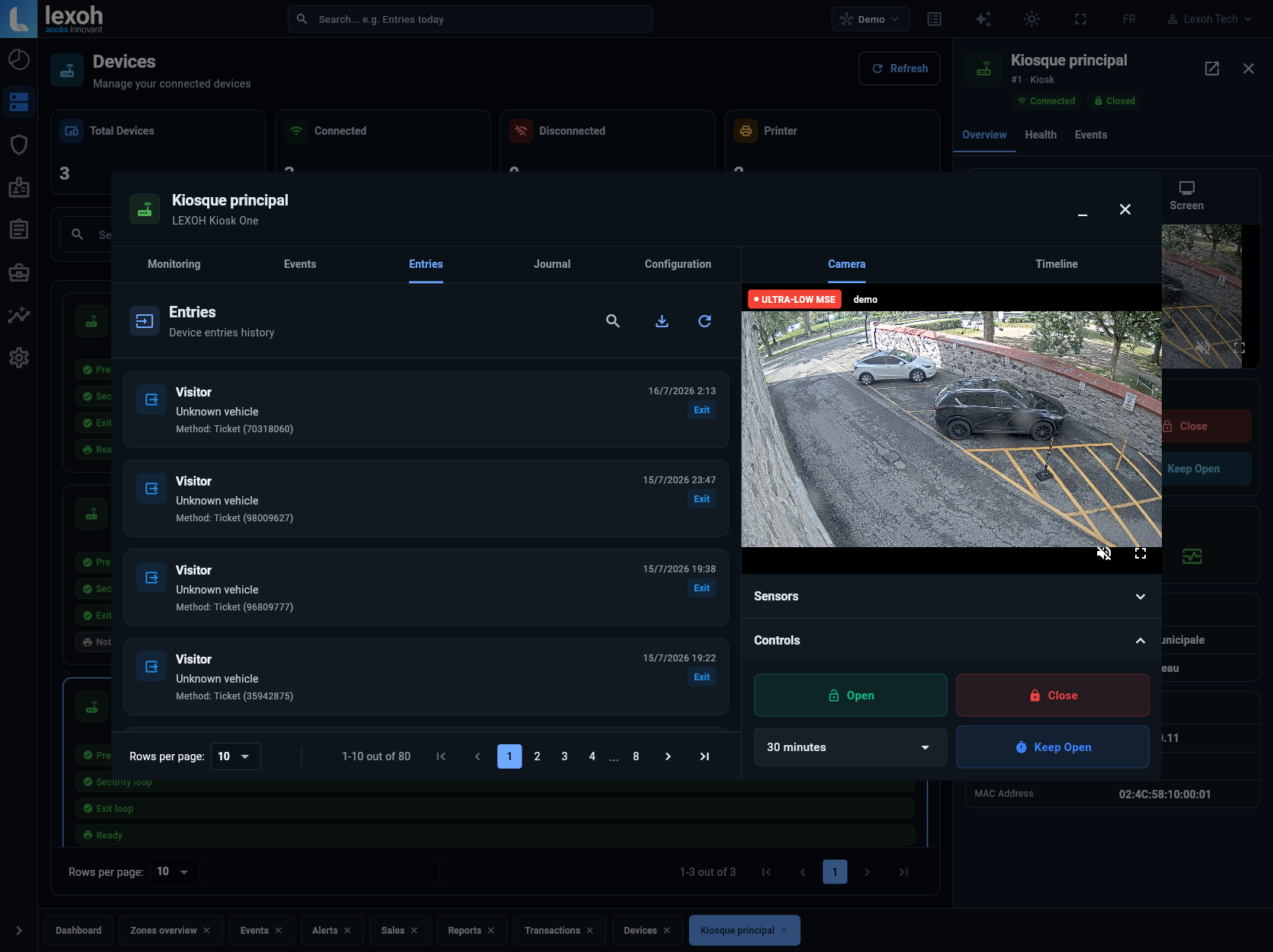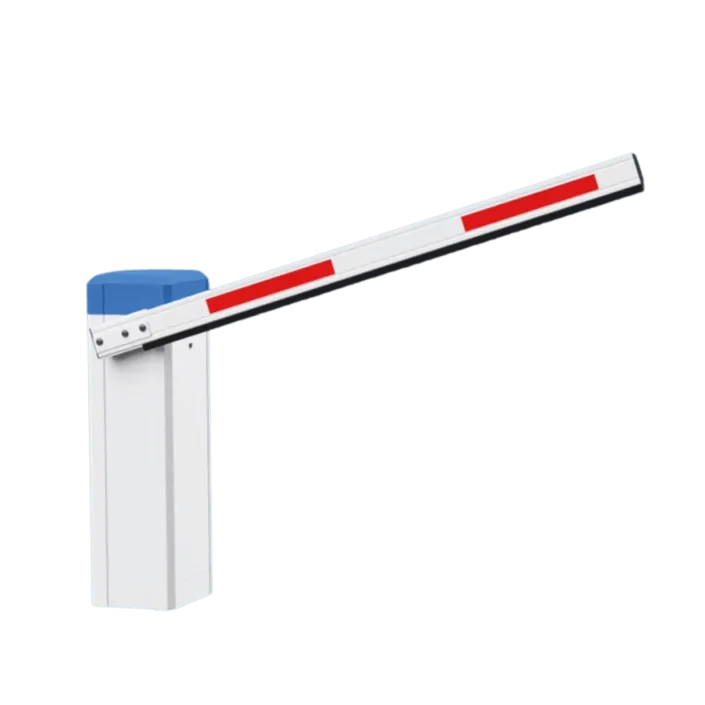
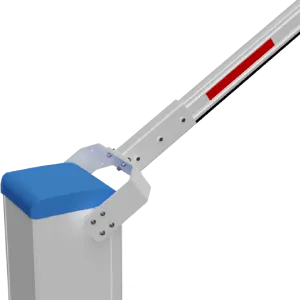
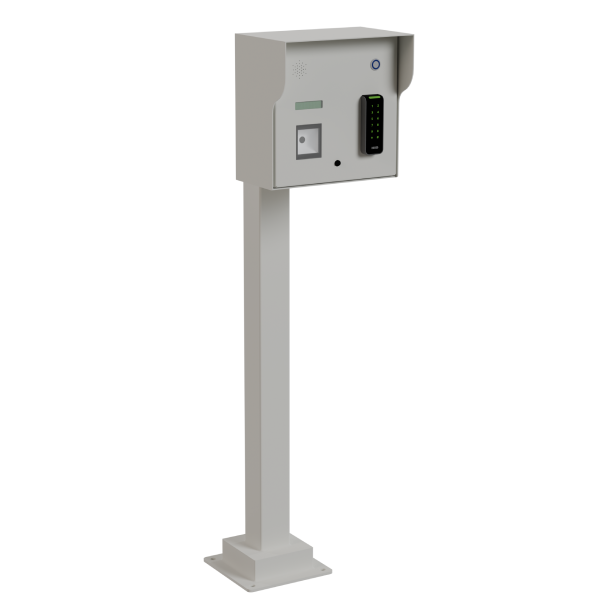
Multiple credentials
Use the plate, card, long-range tag or QR code that fits each arrival.
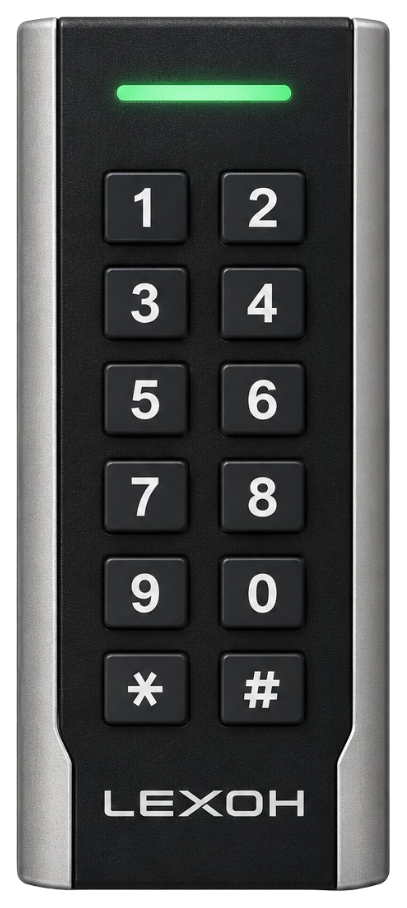
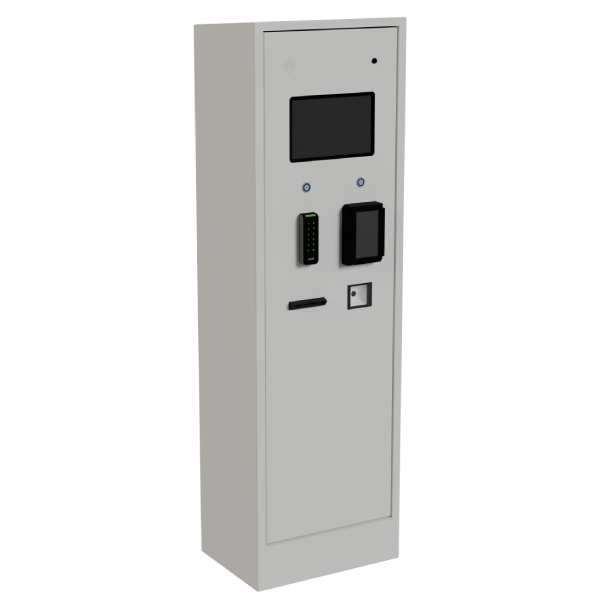
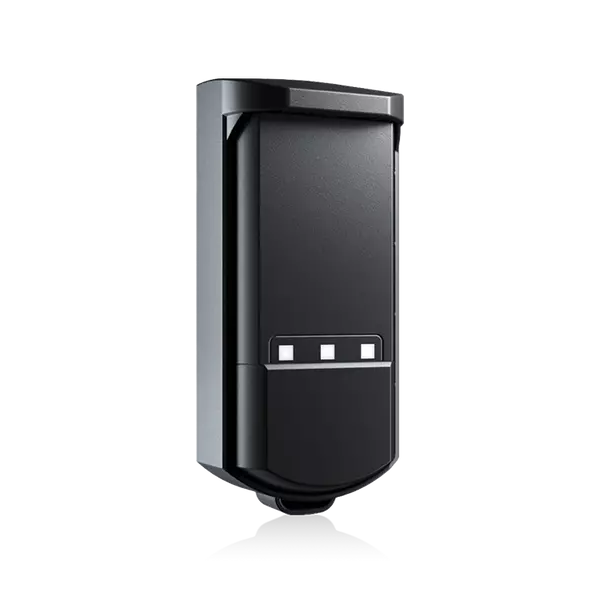
Card-based credential reader
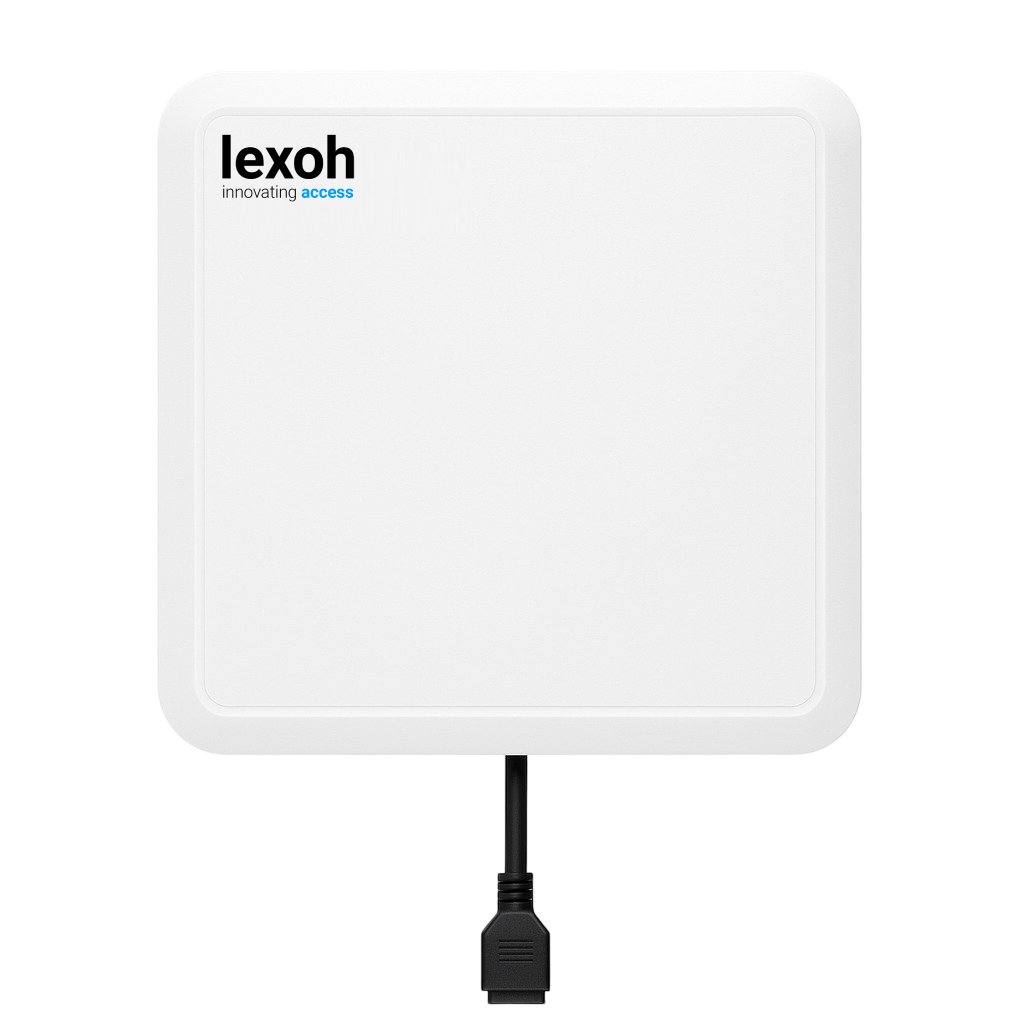
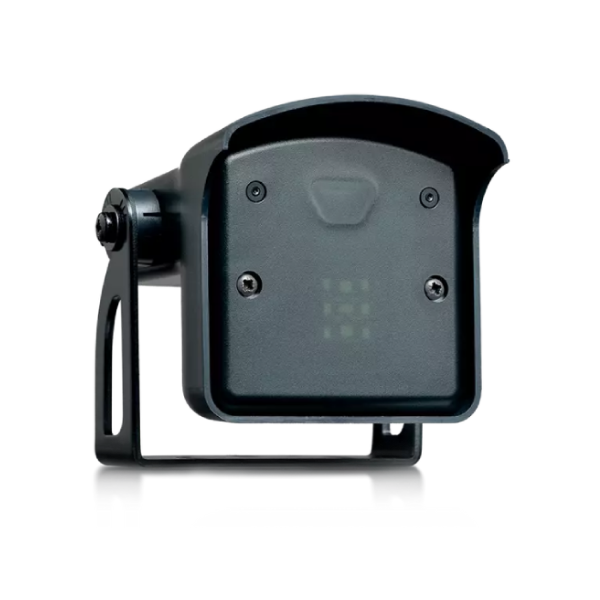
UHF credential reader
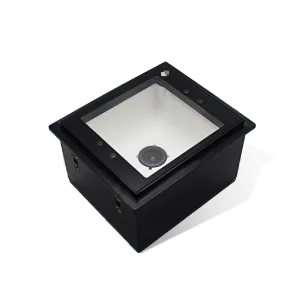
QR and barcode credential reader
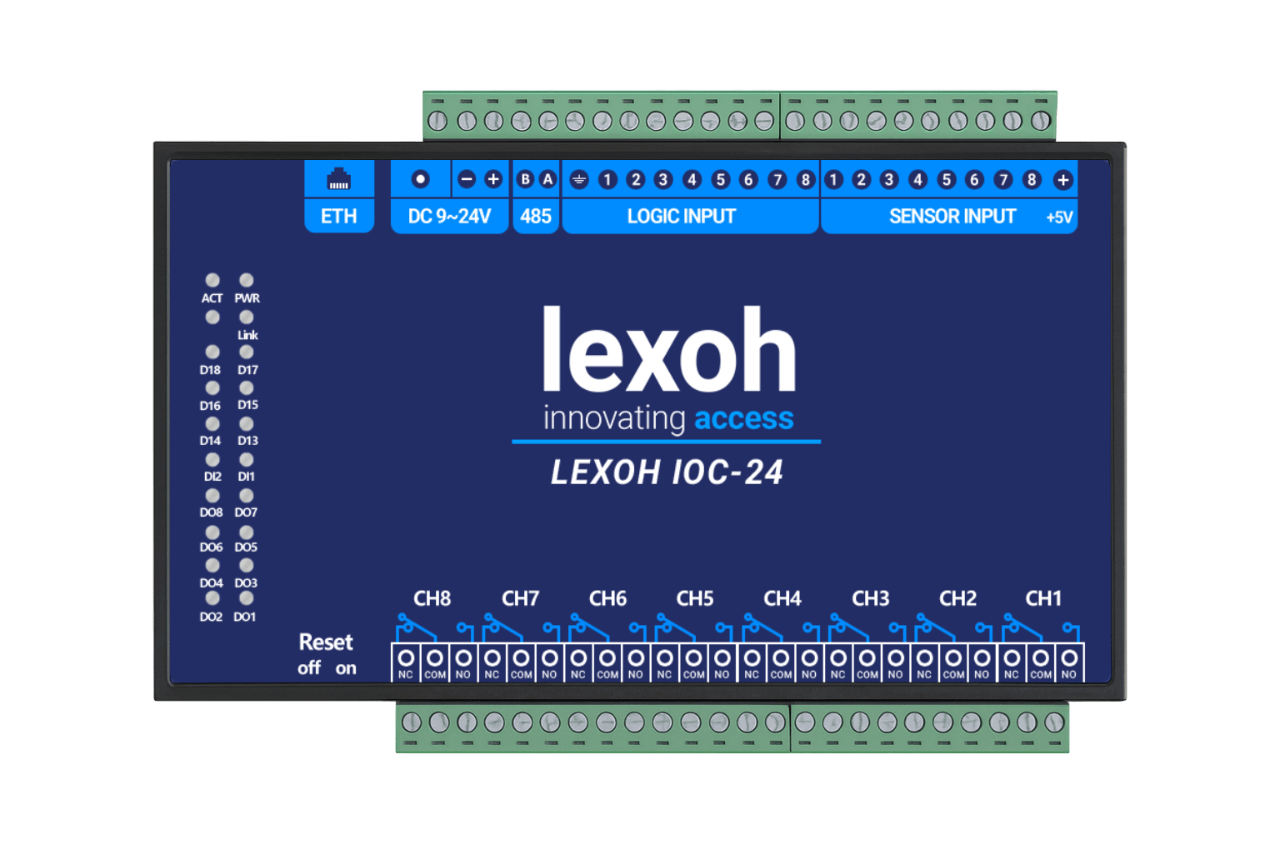
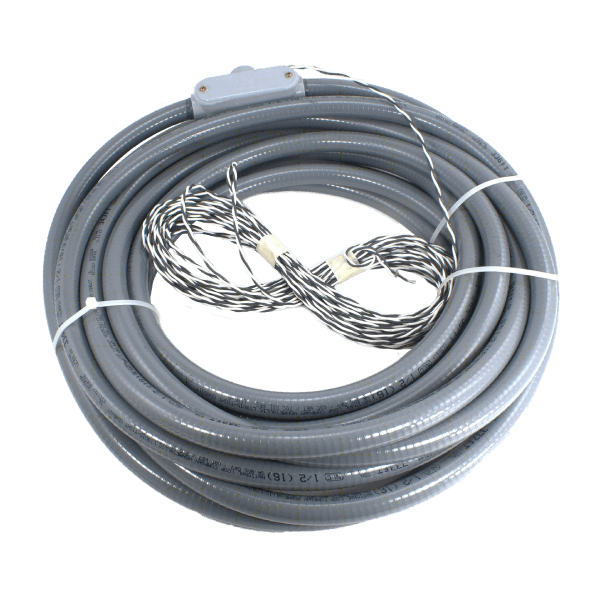
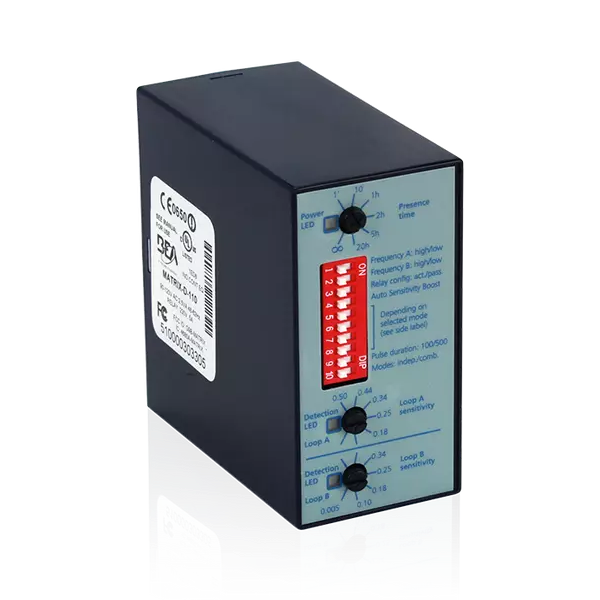
Device input and output controller
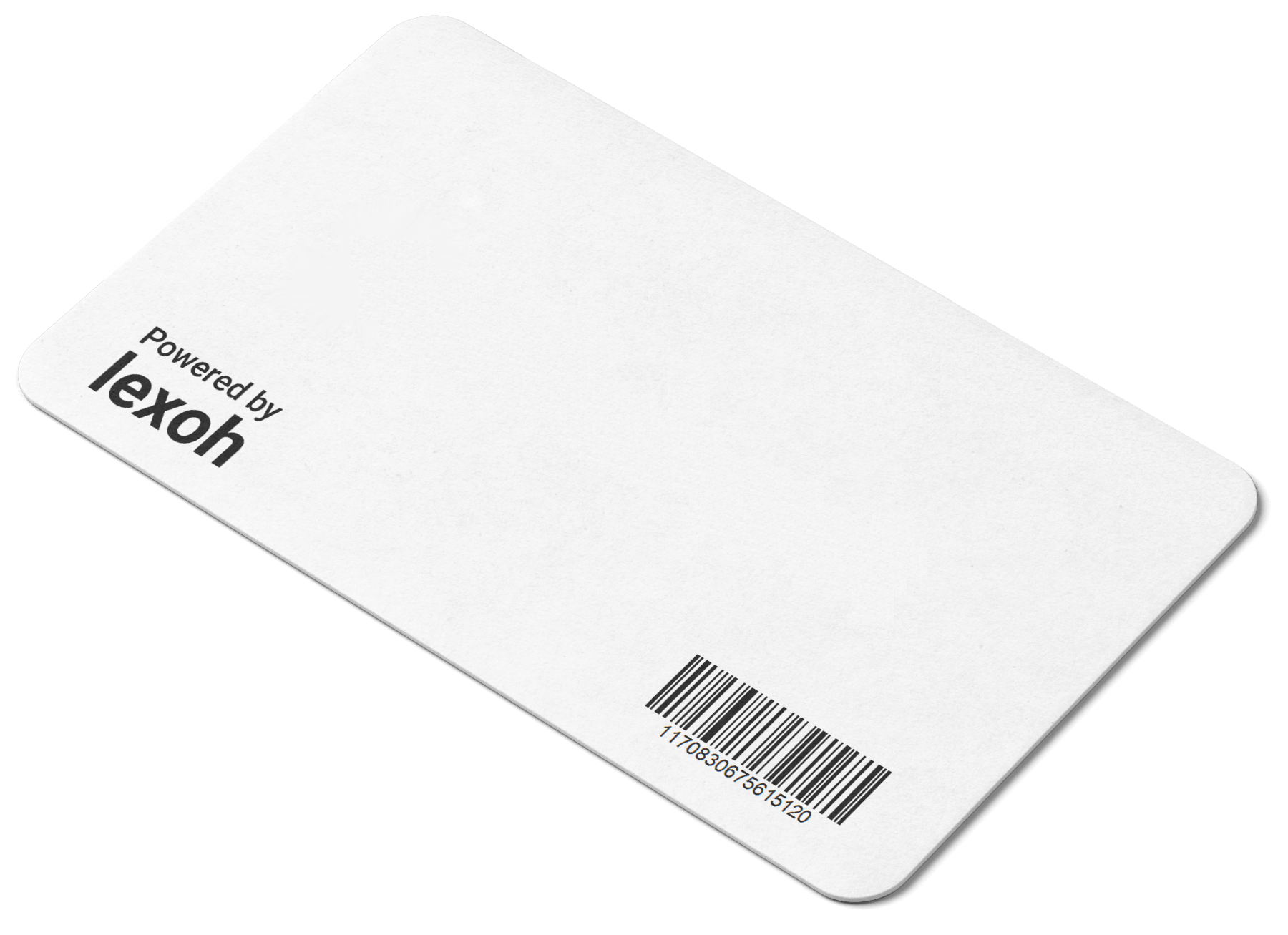
RFID access credential
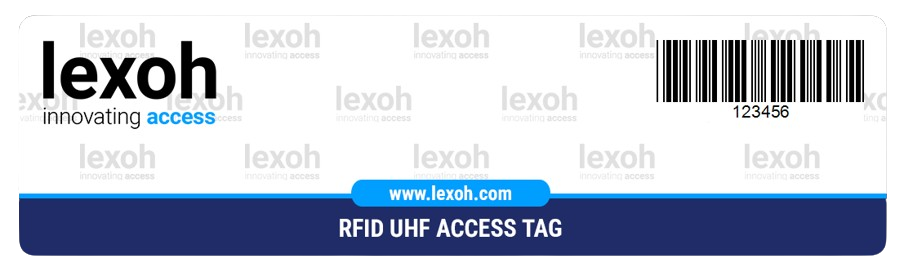
UHF access credential

Lane and access display signage

Thermal printer paper
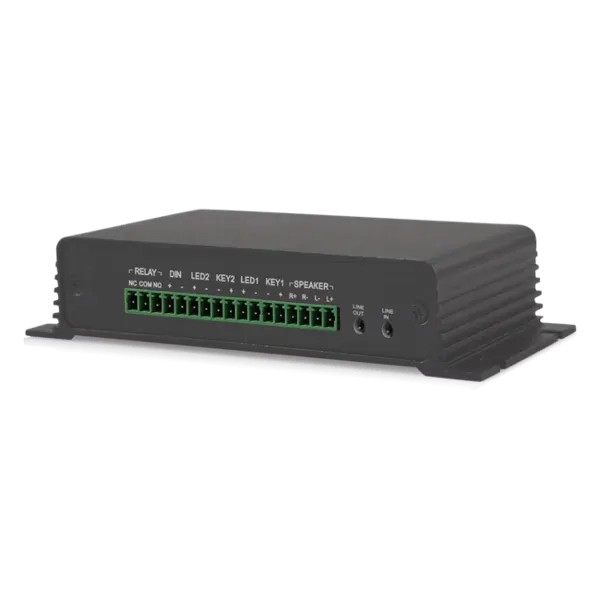
IP intercom communication
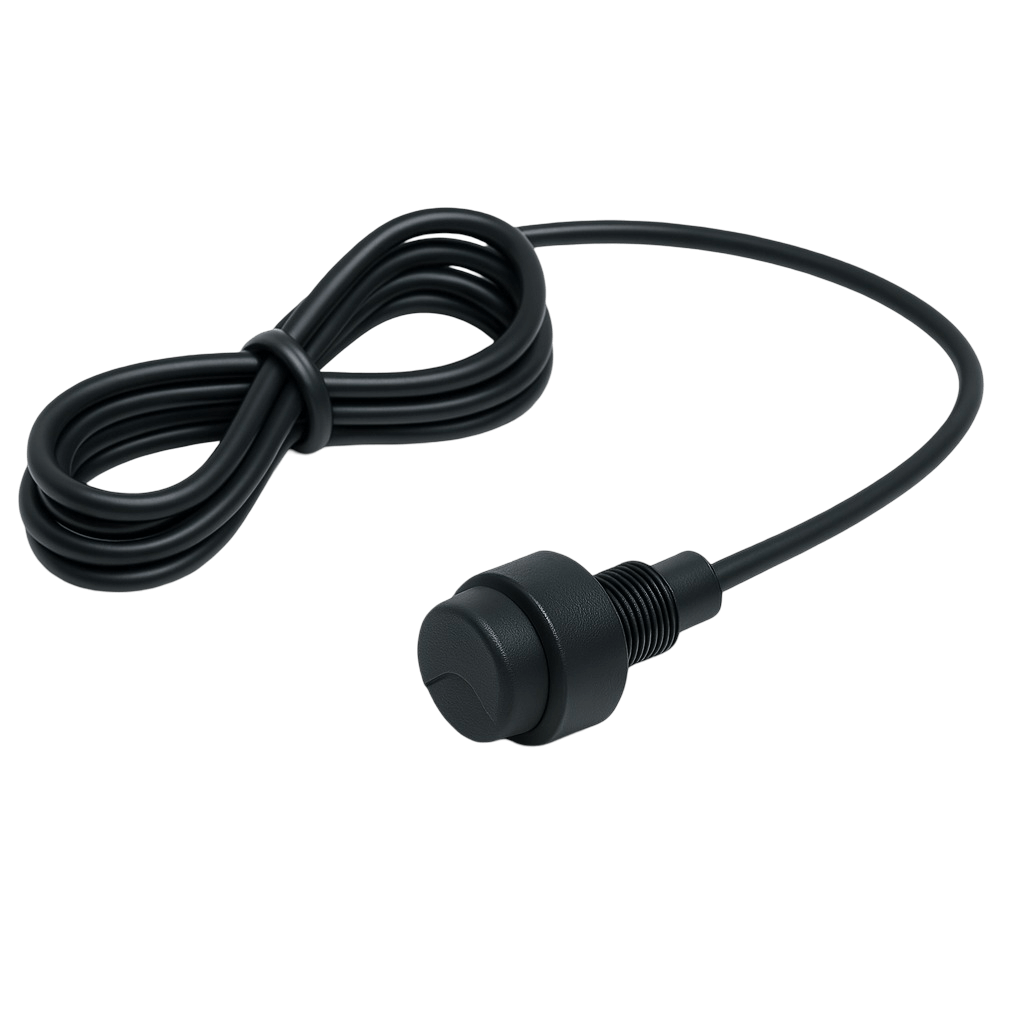
Analog omnidirectional microphone

Parking access control checks a vehicle’s identifier against the site’s current permissions before a configured entrance allows passage. Lexoh connects plates, RFID or UHF credentials, QR codes, barriers and assistance with the zones, schedules and exceptions agreed for the parking operation.
Choose the identification method around the arrival: a registered plate, a long-range tag, a deliberately presented card or a temporary QR code. Then define what the accepted or rejected result should do at the lane. The barrier installation must coordinate detection and safe movement. Where people also enter buildings, compare the separate requirements of building and site access control rather than treating a vehicle lane as a door. For permit administration, payment records and the daily work across sites, explore the parking management system.
Use the plate, card, long-range tag or QR code that fits each arrival.
Limit each right to the entrances and spaces it actually needs.
Apply regular calendars and approved exceptions.
Send the decision to the barriers and controllers integrated into the project.
Give staff the access-event context they need to investigate a refusal or assist a driver.
Plan new users, lanes or technologies around the existing permission model, then verify compatibility and retest affected rules.
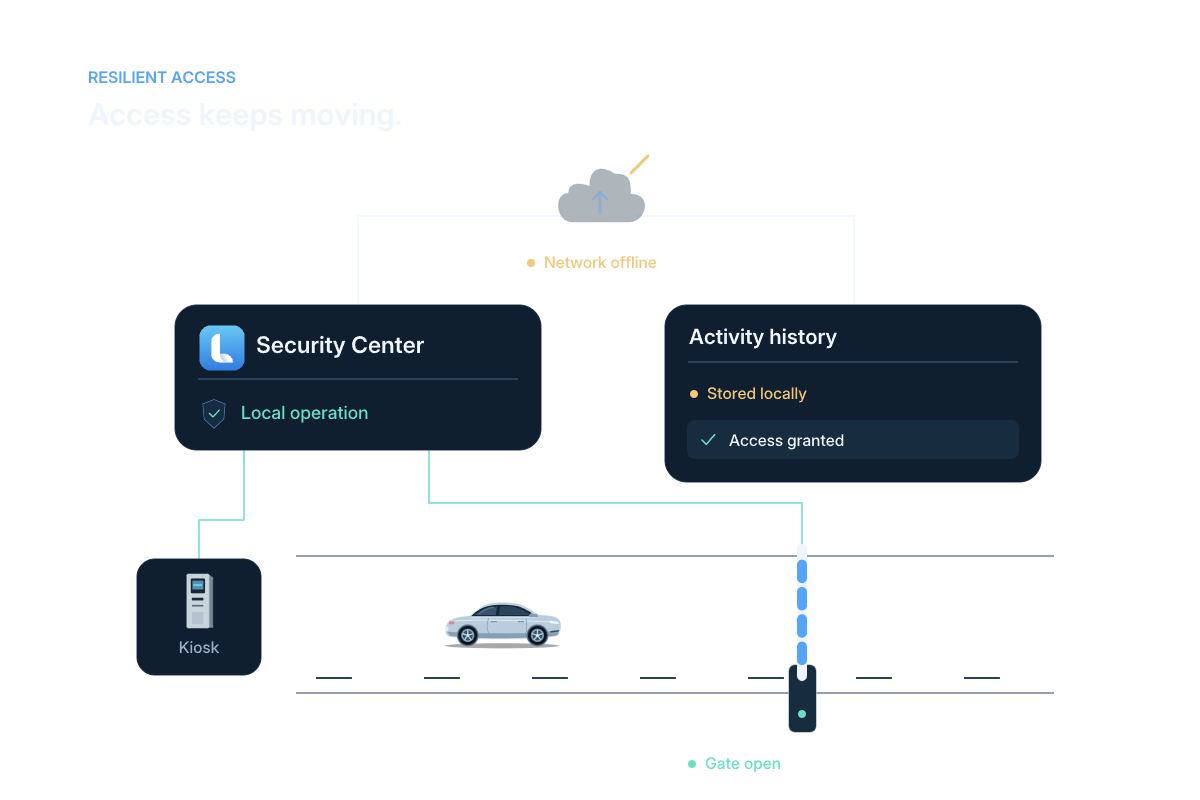
Identify the vehicle or credential, check its current access permissions, send the permitted command and record the result. Exceptions need an authorized person or alternate method; the barrier should not open solely because an identifier was read.
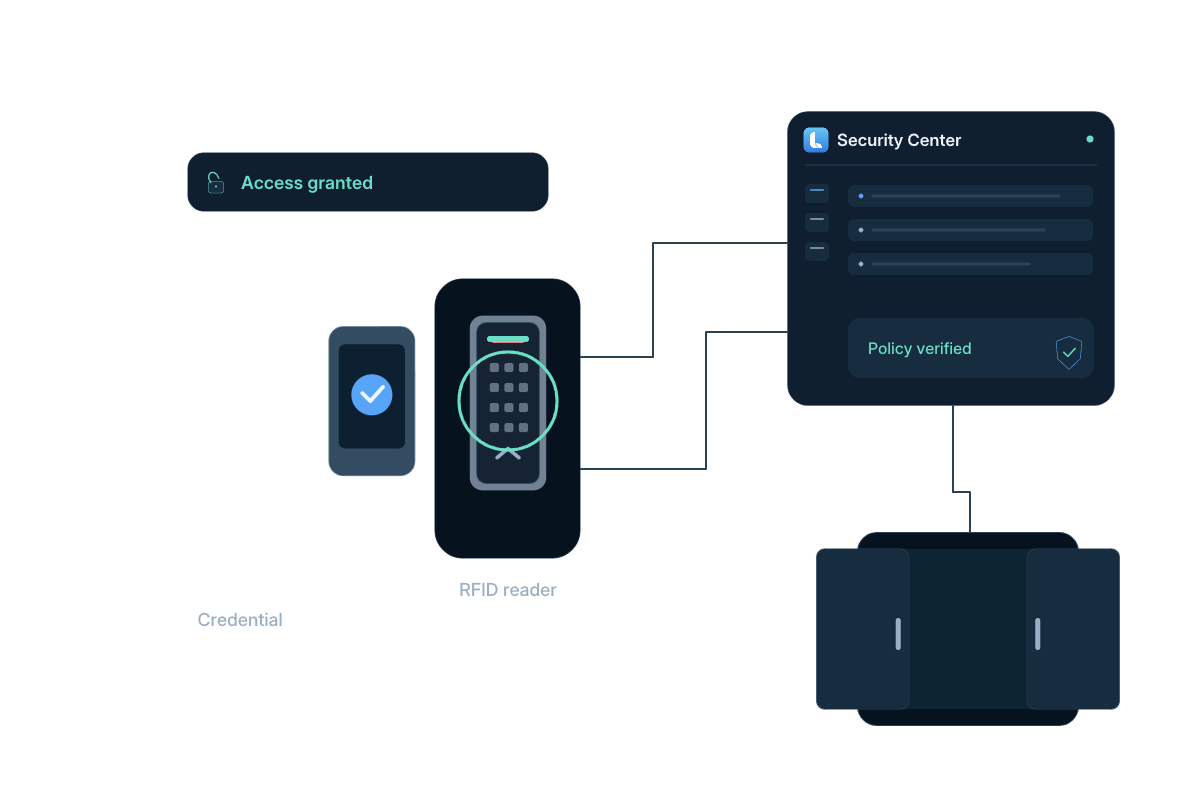
Plate, RFID, UHF or QR
Associated account or right
Zone, time and status
Action sent to the lane
Event visible to staff
The physical decision remains visible in its operational context.
View actual Lexoh interface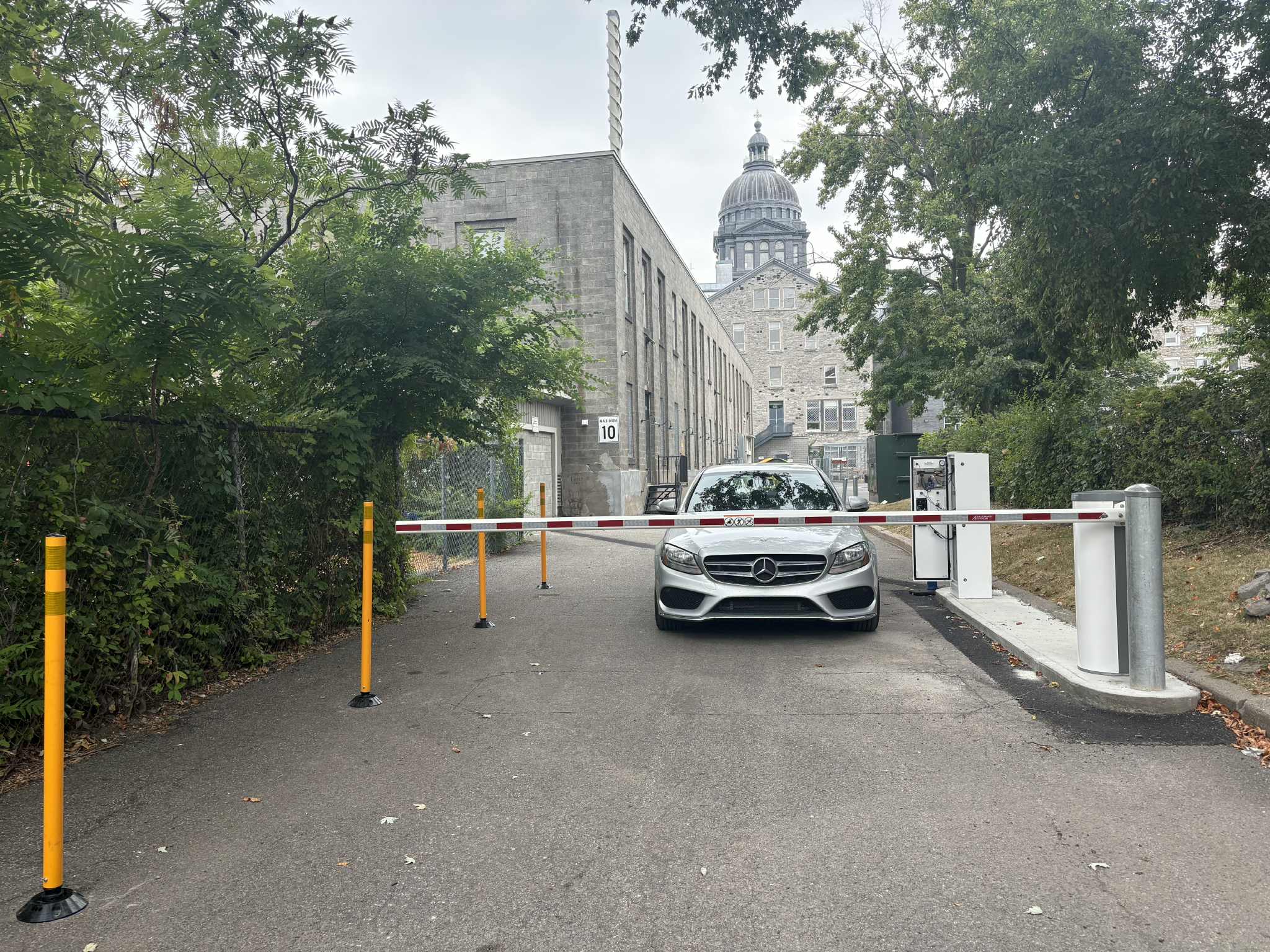
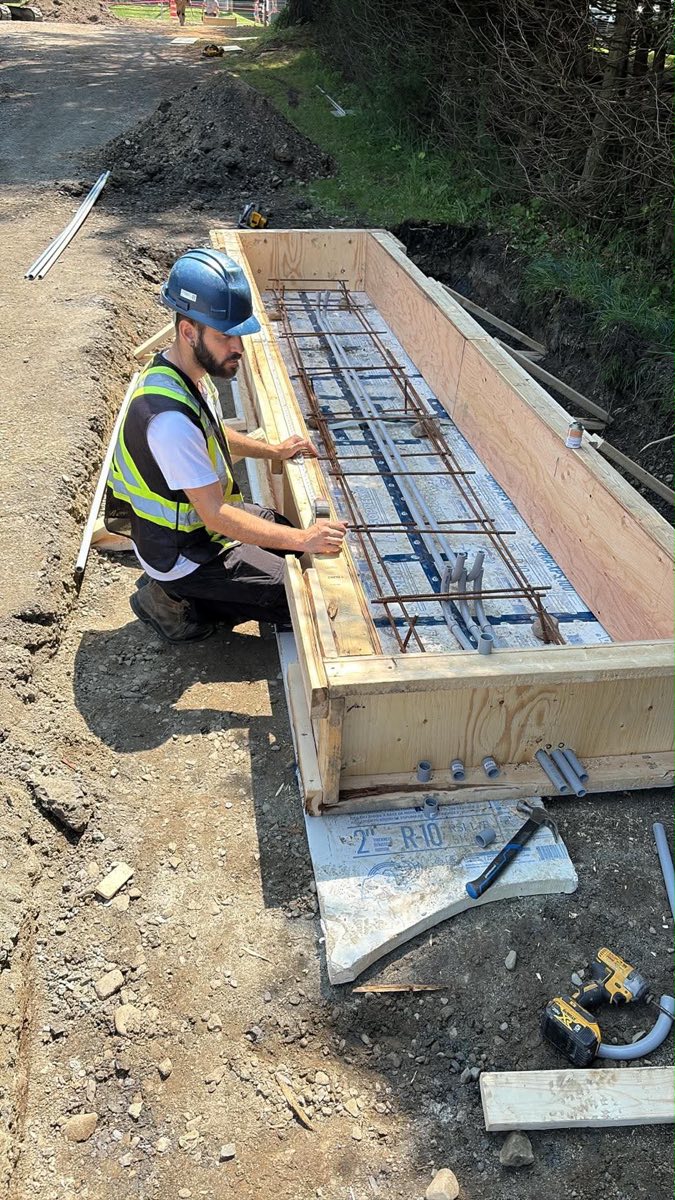
Reader position, stopping distance, barrier visibility, detection and safety determine the real experience. Lexoh designs those field elements with the software rules that apply each right.
For a vehicle-tag project, the Lexoh UHF9DBI is a 902–928 MHz reader with a 9–25 V DC supply and an IP65 enclosure. Its specified reading distance is up to 15 m under suitable conditions. Confirm the tag, mounting and read zone with real vehicles, including the adjacent lane. UHF9DBI specification (French PDF).
Lexoh coordinates the field work, platform rules, testing and operating handoff as one project.
Employee, visitor and supplier access with distinct schedules.
Resident rights, secondary vehicles and temporary guests.
Several populations and zones under one policy.
Dedicated lanes and role-limited supplier access.
Free-flow, short-range or interactive journeys call for different credentials.
Agree on manual operation, assistance and safety procedures.
Structure rights around operating need.
Assign roles that can act without unnecessary privileges.
Compare the methods with the real user groups and lane layout. RFID means radio-frequency identification; UHF refers here to the ultra-high-frequency radio tags used for vehicles. After a read, the configured permission determines access. Confirm the credential media accepted by each device.
| Method | Useful planning context | What to confirm |
|---|---|---|
| Plate recognition | Recurring vehicles or visitors whose plates are registered | Capture conditions, plate changes, correct lane association and an unread-plate procedure |
| UHF vehicle tag | A recurring vehicle with an assigned tag | Reader/tag compatibility, placement, read zone and adjacent-lane checks |
| Presented RFID card | A deliberate interaction with a reader | Supported credential technology, driver reach, issue/revoke procedure and lost cards |
| QR code | A time-limited or issued code where supported | Issuer, validity, paper/phone presentation, scanner compatibility and refusal procedure |
Compare a registered plate with an assigned tag using the actual approach and vehicle changes. Select the method demonstrated in the lane, and document a supported alternative when reading fails.
If the site issues a temporary code, verify who creates it, how the visitor receives it and when it expires. A trailer also changes stopping and turning geometry; the credential choice does not resolve those physical constraints.
Clear answers about scope, operation and integration.
Tell us about the users, traffic and existing equipment before selecting the credential technology.