Skip to content
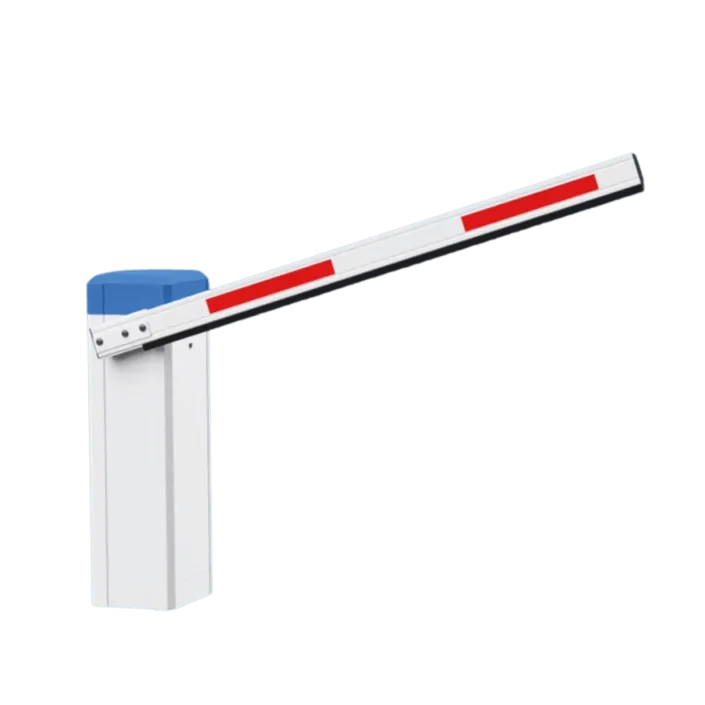
Automatic barrier at a marina entrance beside the docks
Waterfront sites

Marina access control and parking management

Marina access control manages who can reach member parking, docks, launch areas and technical zones during the boating season. Lexoh connects the selected credentials, seasonal rights and visitor procedures with the equipment at each entrance, keeping parking permission distinct from other site privileges.

Operating design

Separate parking, dock and launch permissions

Map the marina’s access points before combining them: member parking, pedestrian dock gates, launching, service areas and guest arrivals do not necessarily share the same rules. Coordinate seasonal permit periods with vehicle or credential changes and maintenance access. If washing must be validated before launching, define that sequence through the dedicated boat-wash and lake-access solution rather than treating a parking credential as proof of washing.

01

Seasonal rights

Activate and renew credentials around the marina’s operating cycle.
02

Member parking

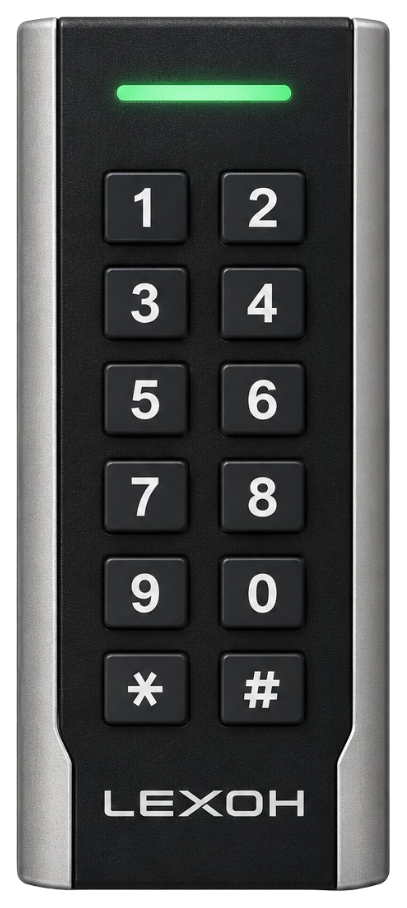
Connect a plate, card or tag with the right to park.

03

Dock access

Extend authorization to pedestrian or technical zones where included.

04

Visitors and suppliers

Create temporary rights with a clear period and destination.

05

Device operations

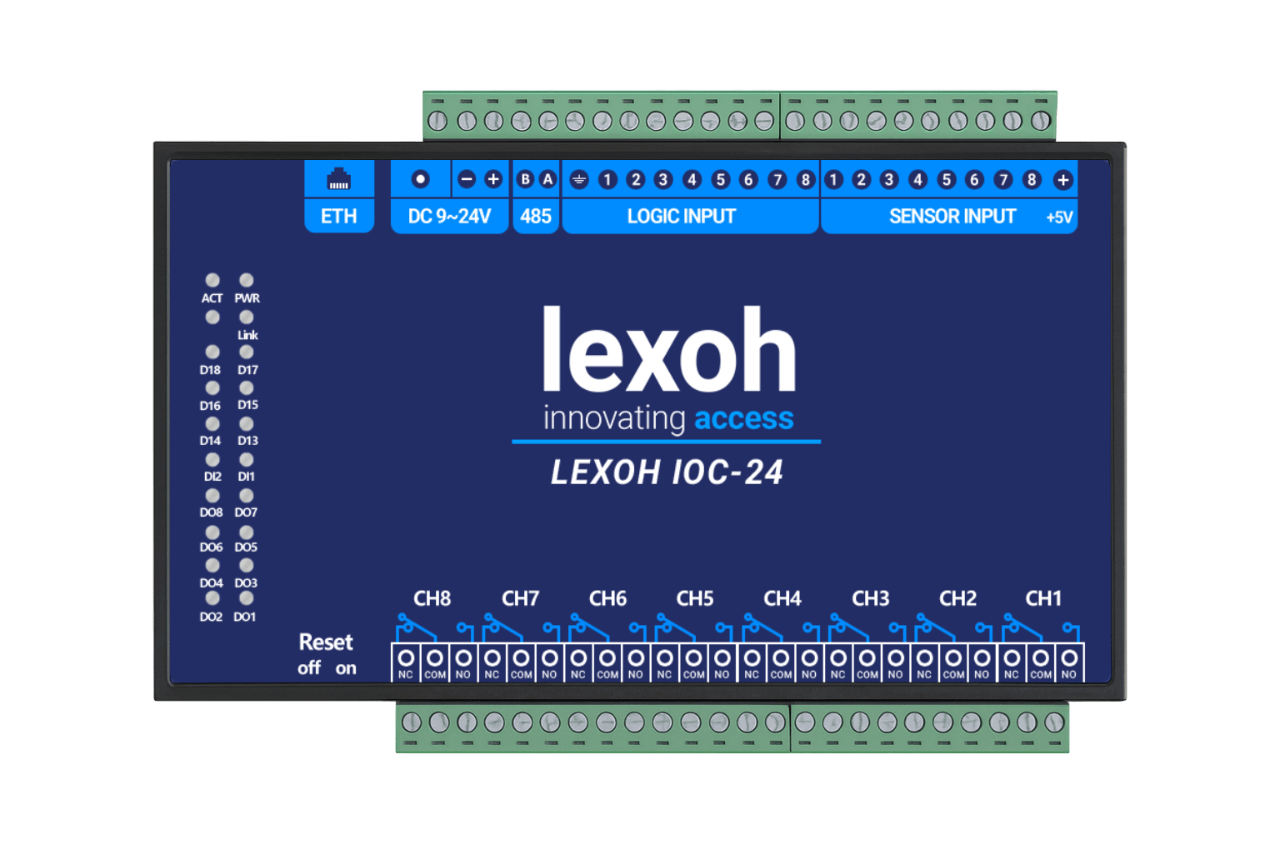
Review access points and their context in one platform.

06

Specialized modules

Add workflows such as a boat-wash station when required by the project.

Decision path

Seasonal access across the marina

Confirm the member’s or visitor’s current access rights, validate the credential at the entrance and allow only the approved zones. Launch conditions, contractors and guests may require additional checks defined by the marina.
  1. 01
    RegisterMember, vessel and vehicle
  2. 02
    AssignZones, period and credential
  3. 03
    AccessParking or restricted point
  4. 04
    InviteTemporary right when needed
  5. 05
    RenewSeasonal cycle controlled
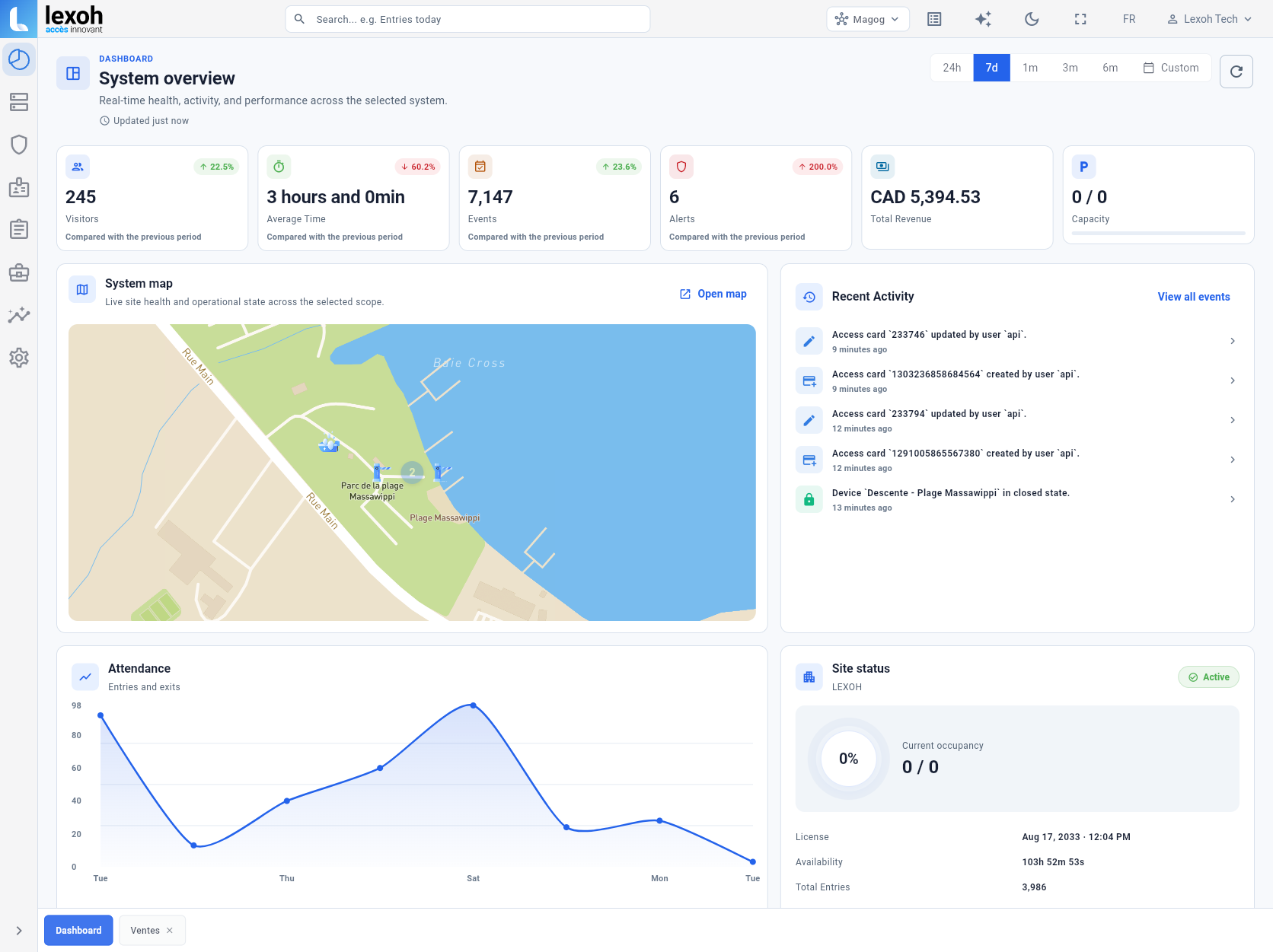
Lexoh Security Center system overview with site map and device status
Site map and device status in Lexoh Security Center: locate equipment and see its status across the site. Enlarge the interface ↗
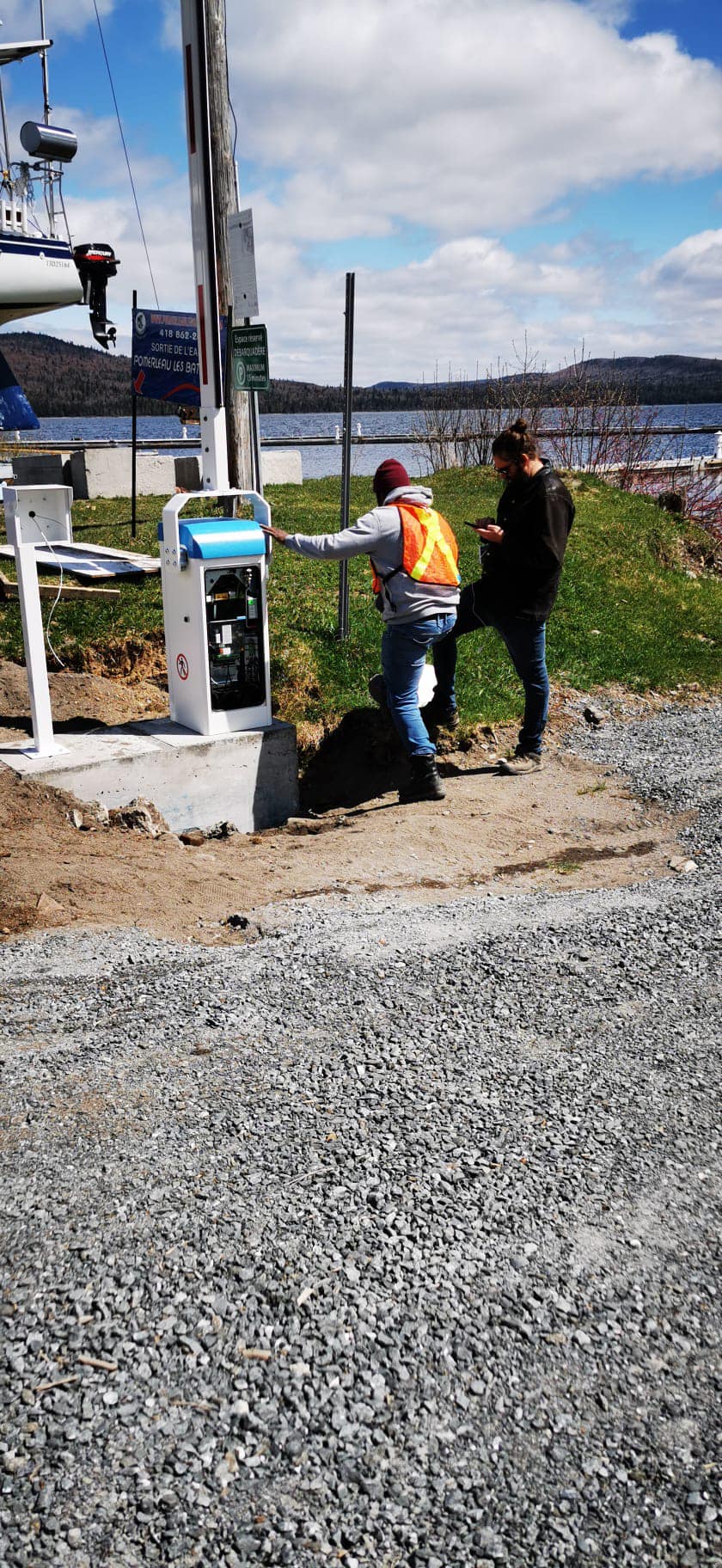
Lexoh team beside an open barrier cabinet during work at Marina J. Pomerleau
Lexoh team deploying equipment at Marina J. Pomerleau.
On site with Lexoh

An installation delivered at the waterfront

This image shows the Lexoh team working on a marina lane. Equipment placement, physical protection, communications and service access are validated in the actual site context.

Plan member parking, dock access and launch permissions →

Access control cost guide →

What this changes in the project Equipment placement, civil work, communications and operating procedures are validated together before commissioning.
Turnkey delivery

Coordinate access before the boating season opens

Lexoh plans field work and configuration with the site team so equipment and representative member journeys can be tested before peak season.
  1. 01Inventory members, guests and suppliers
  2. 02Map parking, docks and technical zones
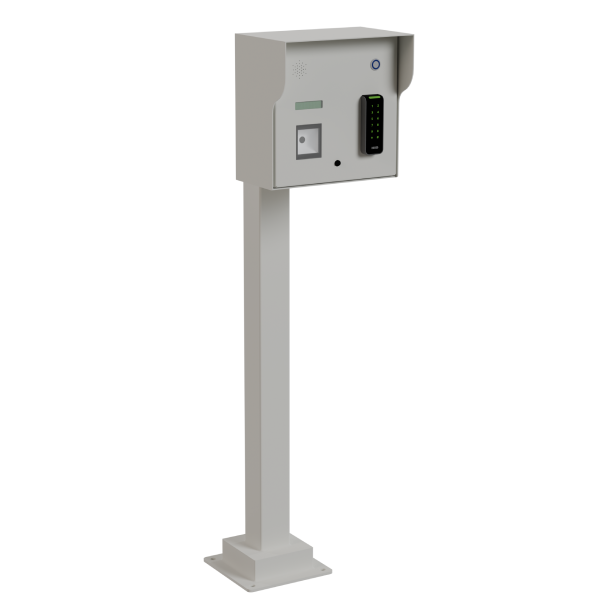
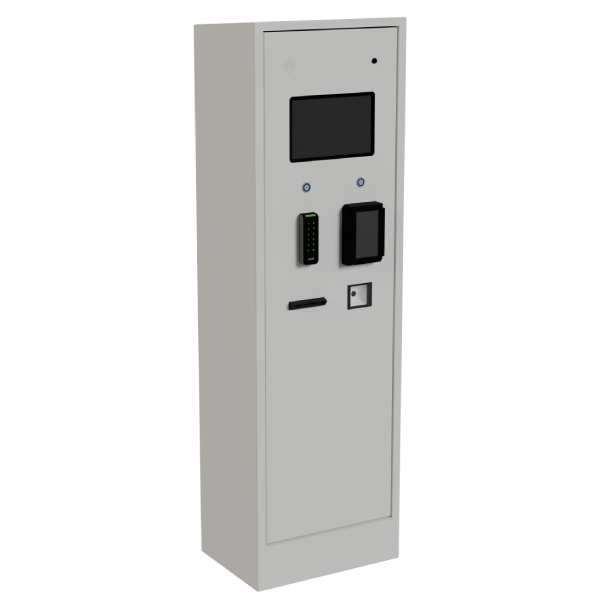
  3. 03Select credentials and lane equipment
  4. 04Coordinate foundations, protection, power and network
  5. 05Configure periods, zones and roles
  6. 06Test, import rights and train staff
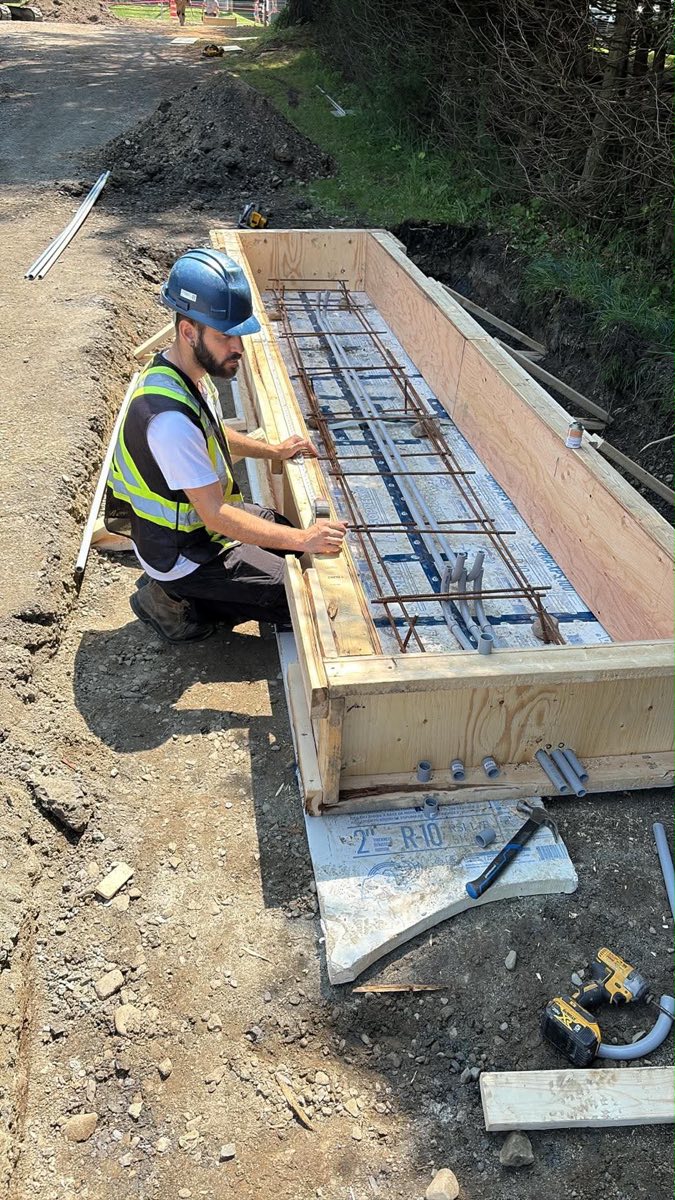
Lexoh field team preparing conduits and an equipment base on site
Real preparation for connected lane equipment.
Operating contexts

Members, guests, contractors and launch users

Seasonal members

Repeat access to the parking and zones included in their right.

Guests

Temporary authorization limited to the visit.

Marine contractors

A work-period right limited to technical areas.

Boat launch users

A distinct journey for daily users where that service is offered.

Before specifications

Plan dock permissions, guest arrivals and launch conditions

01

Which zones share a credential?

Define parking, dock and technical permissions separately.

02

How are guests announced?

Choose who creates the right and how the guest identifies at arrival.

03

Which work must finish before opening?

Schedule bases, conduits and connections around site access.

04

Is boat washing part of the journey?

If so, define validation and how it relates to launch access.

Compare the operating choices

Define a separate permission for each marina access point

Use this planning example to map who may enter, for how long and who approves exceptions. It describes a proposed operating workflow, not the configuration of the photographed installation.

Decisions to confirm for the selected site and equipment
Access pointPermission to defineCheck before opening
Member parking Approved vehicle and membership period Test an active member, an expired right and a vehicle replacement.
Pedestrian dock gate People permitted to reach the assigned dock Check reader compatibility and a user who has parking access but no dock permission.
Boat launch Launch entitlement and any required payment or wash validation Check each required record separately; parking access alone is not proof of payment or washing.
Contractor or winter storage area Work dates, approved people and destination Test expiry and the assistance procedure when the office is closed.
01

Illustrative member with a guest

A member may have seasonal parking and dock access while a guest receives only a temporary visit permission. Record who approves that visit and which access points it includes before issuing a credential.

Build the complete system

Related parking solutions

Explore the equipment and workflows connected to your installation.

02

Digital permits

Issue and validate rights by user, vehicle, zone and period.

Digital permits
03

Visitor management

Create temporary access that is clear at arrival and expires on time.

Visitor management
04

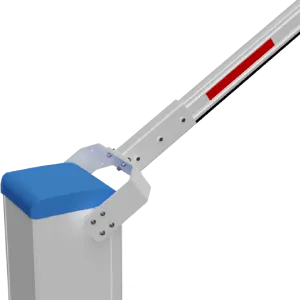
Automatic barriers

Design the lane, detection, safety and access decision as one system.

Automatic barriers

Questions asked before a project

Clear answers about scope, operation and integration.

A temporary right can be tied to a period, vehicle and approved zones.

Lexoh also provides a specialized solution for certain boat-wash workflows. Integration depends on the project requirements.

No. The same supported credential may be used at several readers, but the rights for parking, docks, launch areas and technical zones should be defined separately. Confirm the controller and reader compatibility at each point. Where wash validation is required, a parking right alone does not establish that the wash conditions were met.

Review renewal and expiry dates, member vehicle changes, guest and contractor rules, assistance coverage and any launch conditions. Inspect the equipment, communications and service access after winter, then test representative member and visitor journeys. Coordinate work with opening dates and the circulation space needed by vehicles with trailers.

Review exposure to spray, changing water levels, drainage, physical impacts and the conditions expected outside the operating season. Keep service access and the route for power and communications part of the site assessment. Select equipment and protection according to the documented installation requirements; a waterfront location does not make every kiosk, reader or connection suitable for the same exposure.

Map the check-in point, trailer turning space, waiting area and route toward the launch or storage area. Avoid designing the access interaction without considering how a stopped combination affects following vehicles and pedestrian routes. Review reader reach and detection with the actual vehicle types, and define how staff handle an arrival that cannot complete the normal lane journey.

Identify the approved members, their vehicles and the zones each person needs instead of using the berth reference as an unrestricted shared permission. Decide how co-owners, crew and guests differ, who may request a change and when a temporary right ends. Confirm the user and credential structure supported by the selected system so a membership update does not unintentionally expand parking or dock access.

The marina assigns approved users a credential and a defined period of access. Parking, dock gates, launching and service areas can have separate permissions where the equipment supports them. Confirm the user, vehicle and boat records required by the selected configuration, then define who approves changes. Visitors and contractors follow the temporary-access policy for their destination and dates.

A launch can be included as a separate controlled access point when the selected equipment and configuration support that workflow. Specify whether the right depends on membership, a paid pass or a supported wash-validation process. Define where those records originate, how they are checked and what staff do when validation fails. A parking permission alone does not prove payment or completion of washing.

The main cost drivers are the number of controlled points (parking lane, dock gates, launch ramp), the credentials, the civil and electrical work near water, and whether payment or wash validation is included. A small number of entrances can still require substantial civil work; adding dock gates or payment changes the scope. Use the access control cost guide to frame the quote.

Renewal should follow confirmed membership, approved dates and the marina’s payment rules. Specify whether staff approve renewals individually or use a supported batch process, and test expired and unpaid cases. Do not assume that a new season automatically renews every right; account and event retention follow the configured policy.

Authorized staff can use the connected platform to review available rights, events and camera views within their permissions. Remote access depends on connectivity and the installed integrations. If winter storage access remains active, define the approved users, equipment operating conditions and local assistance procedure.

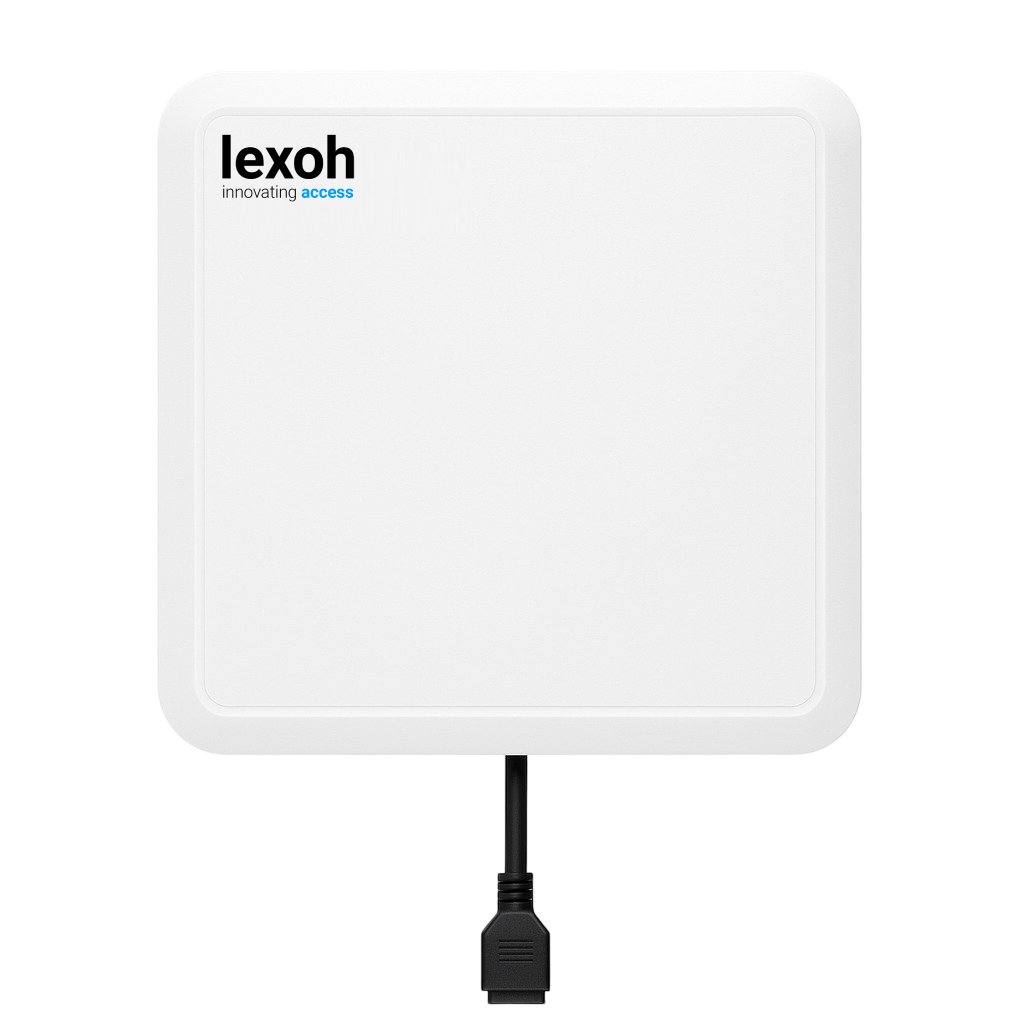
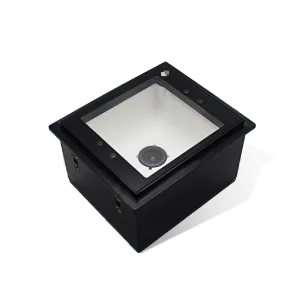
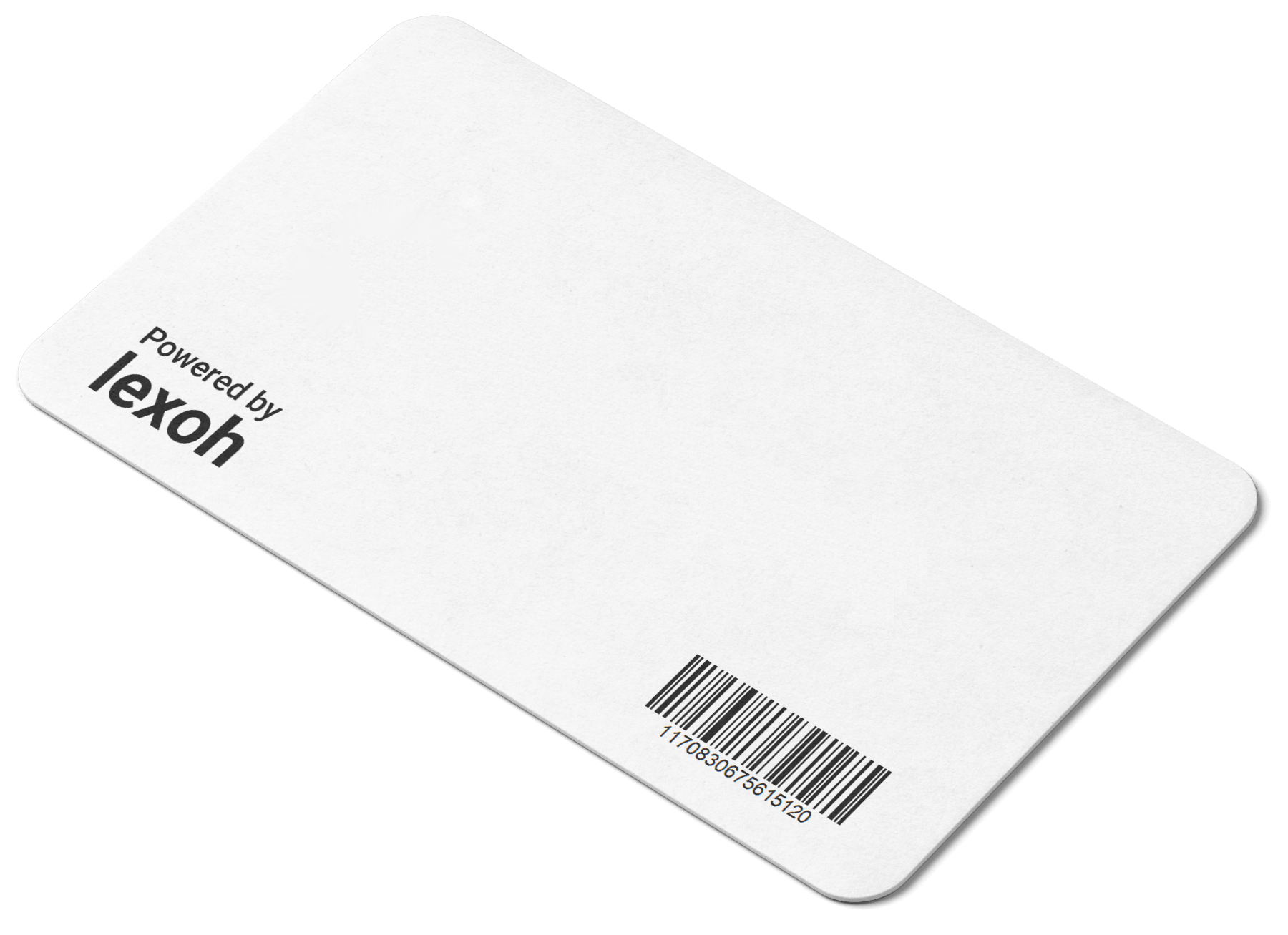
Compare each credential at the access point it must serve. Plates require a suitable camera view and an unread-plate procedure; UHF tags require compatible readers, mounting and read-zone tests. Cards and QR codes require a compatible reader and a reachable presentation point. Test vehicles with trailers separately and confirm whether the same credential can be used at dock gates without granting the same permissions.

Lexoh combines cloud management with an offline mode. Its mesh network lets devices communicate locally without internet. At a marina, the configured rights for parking, dock gates and launch areas remain separate. Commissioning should test the installed controllers and approved access scenarios during an interruption and after reconnection. Remote administration, off-site assistance and card-payment authorization have their own connectivity requirements; equipment still needs power.

Plan access before the next boating season

Tell us about the zones, members, guests and field work at your marina.

Full-size image

Call Lexoh 1-888-401-8019