Advance invitation
Set access permissions before arrival using only the information the site needs.
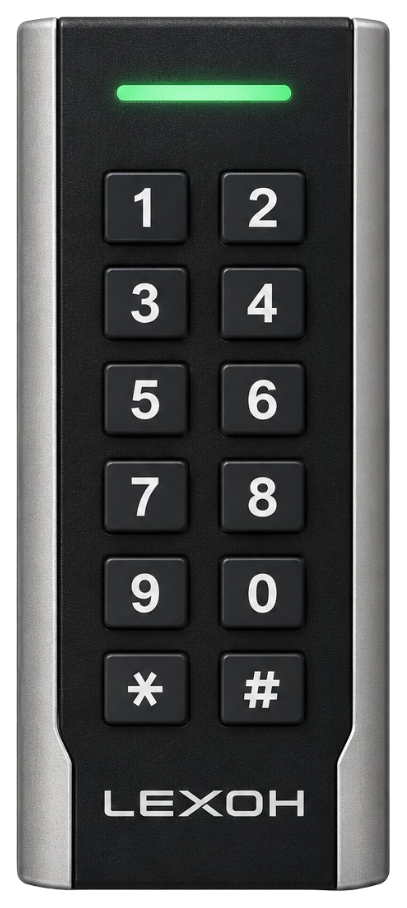
Card-based credential reader
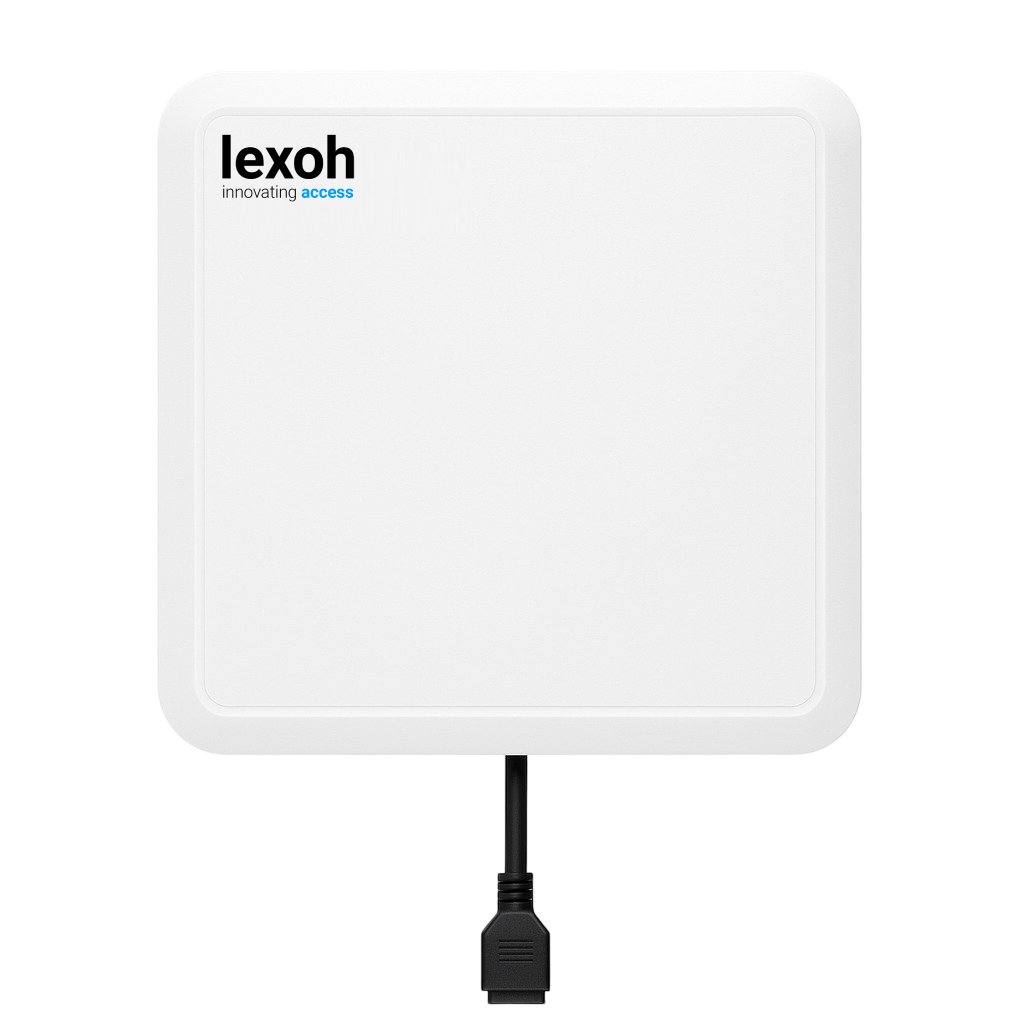
UHF credential reader
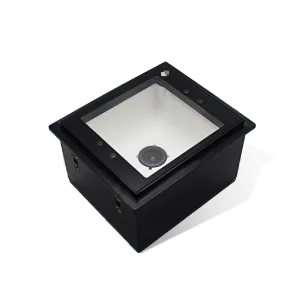
QR and barcode credential reader
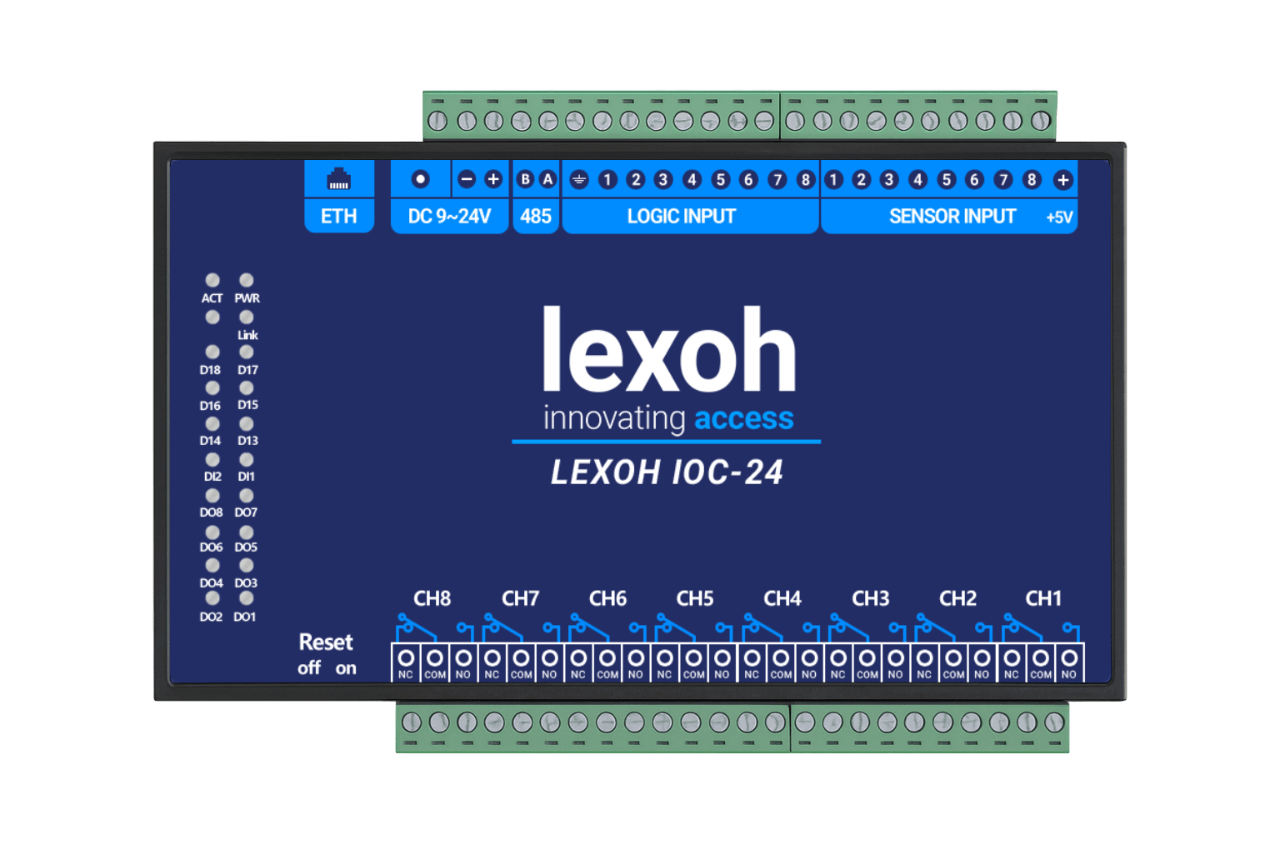
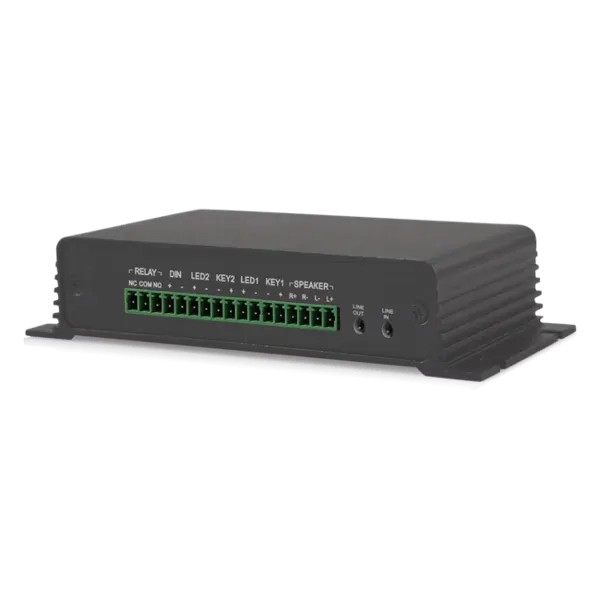
Device input and output controller
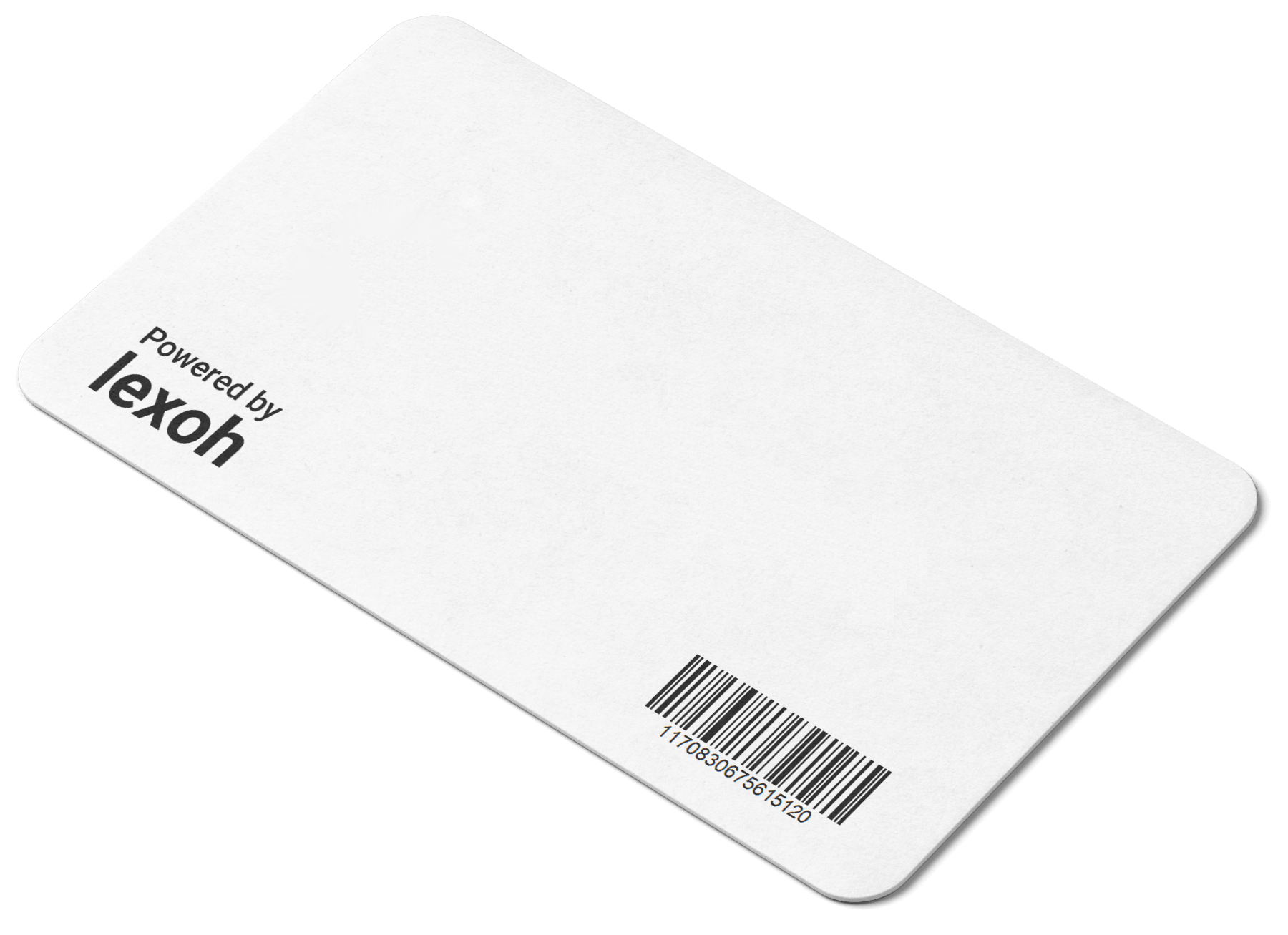
RFID access credential
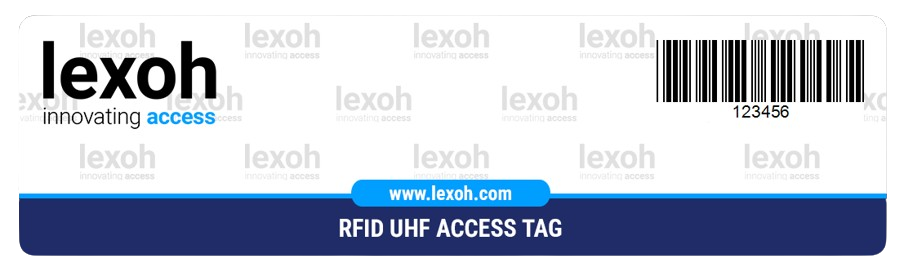
UHF access credential

Lane and access display signage

Thermal printer paper
IP intercom communication
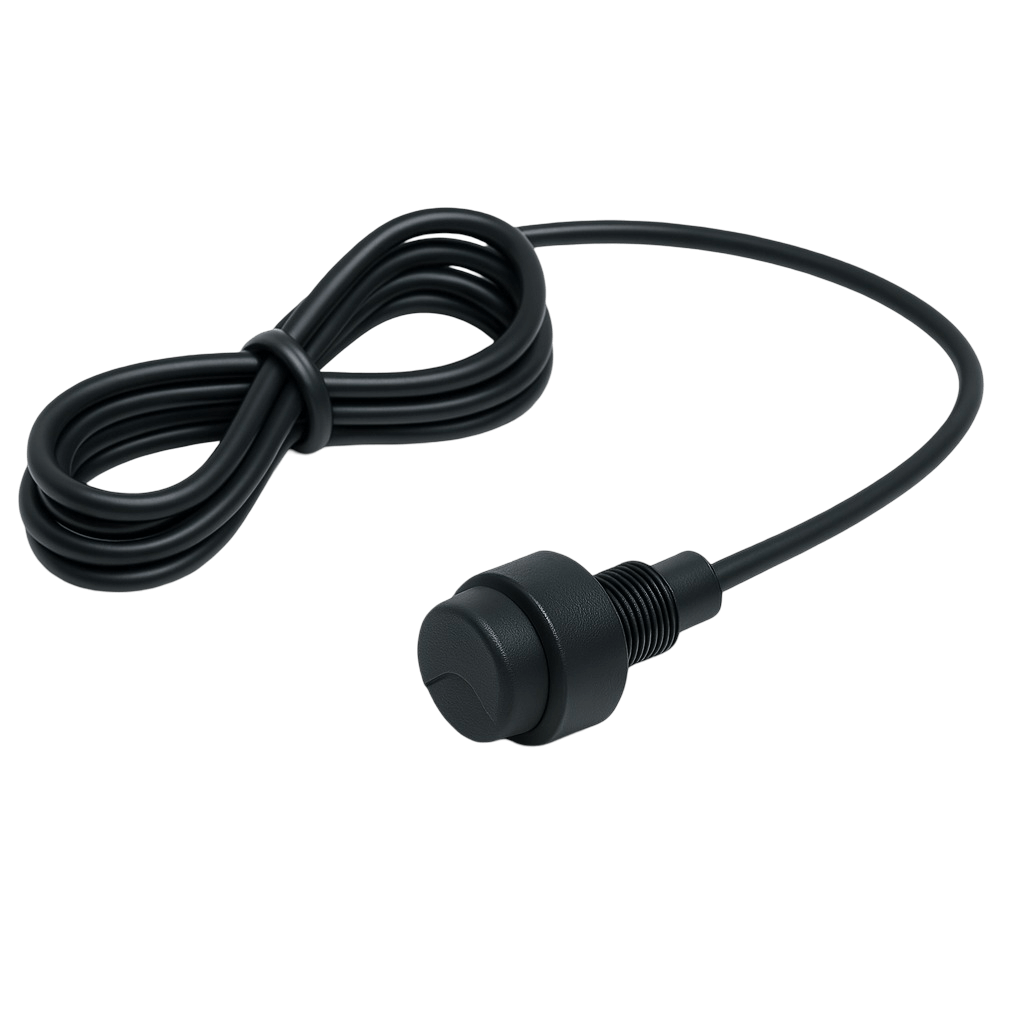
Analog omnidirectional microphone

Parking visitor management creates a temporary access right for a named visit, approved destination and end time. Lexoh connects the configured plate, QR code or assisted-arrival process to entrance equipment, while hosts and reception staff manage changes and exceptions.
Define the visit before choosing the credential: who is expected, which entrance and zone they may use, when access starts and ends, and who can approve a change. A changed plate or late arrival should lead to a clear correction or lane assistance process. Recurring employees or residents belong in permit management when their access is ongoing rather than attached to a particular visit.
Set access permissions before arrival using only the information the site needs.
Attach a plate or code to a defined period and set of zones.
Give authorized staff enough context to handle an unplanned case.
Remove rights that no longer have an operating purpose.
Review the access result when staff need to answer a question.
Keep guests, suppliers, contractors and event attendees distinct.
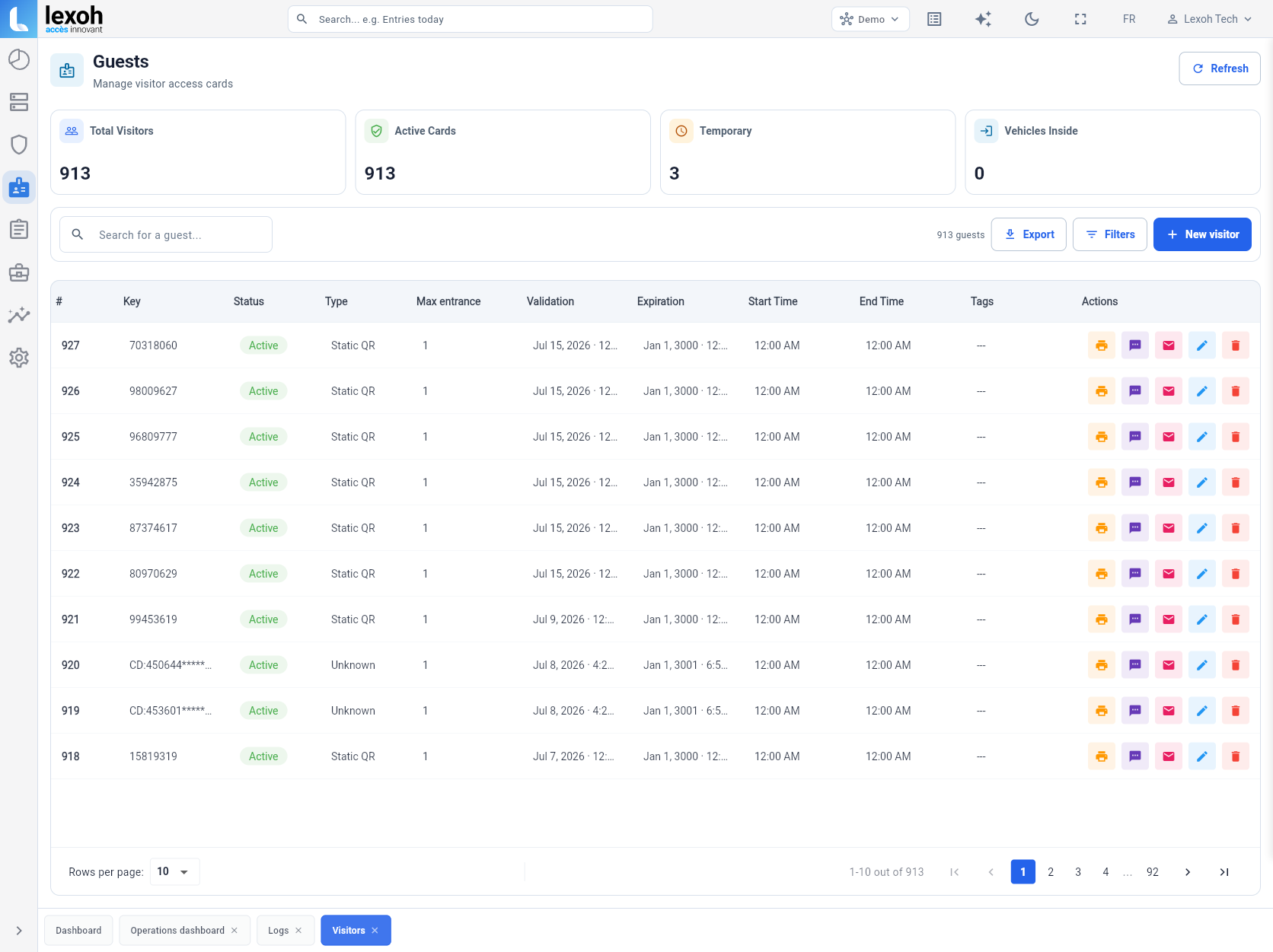
An invitation identifies the responsible host and visit period. At arrival, the system checks the current access permission; its configured end time limits access. If departure should also close the visit, confirm that behavior in the project. Define how cancellations and changes reach the people handling the entrance.
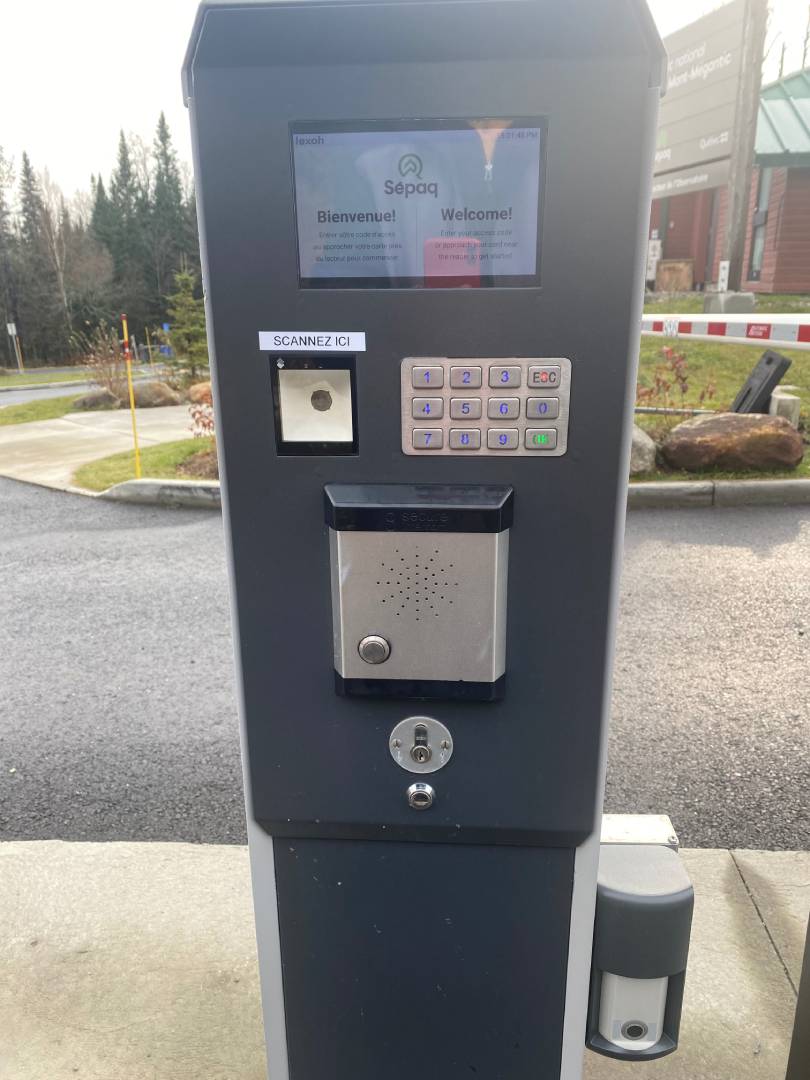
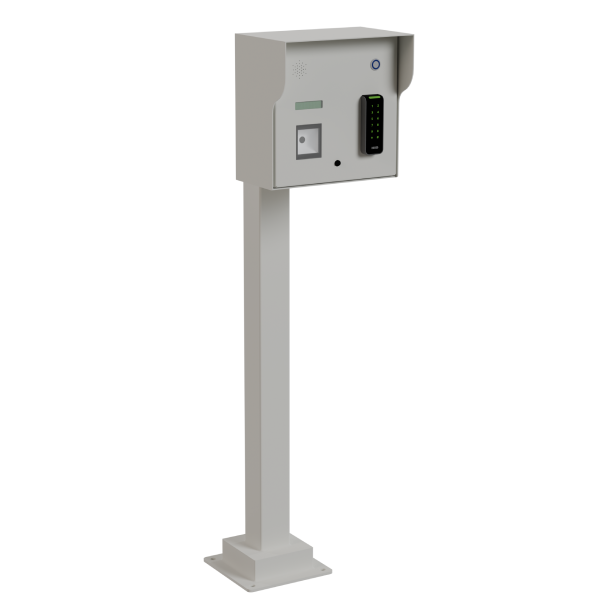
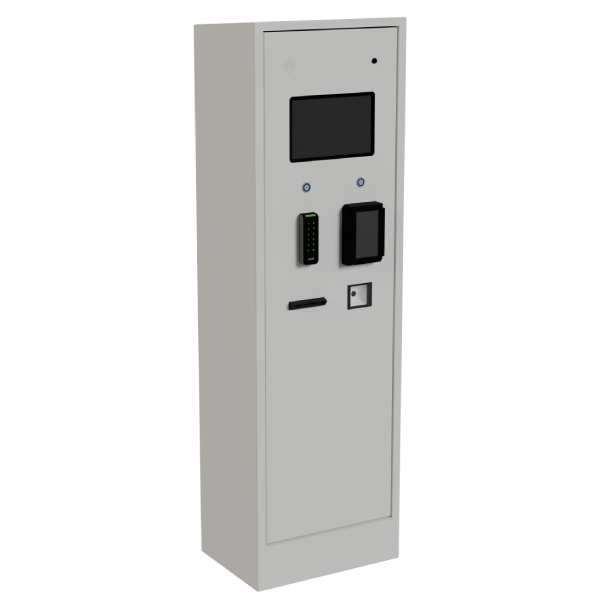
A kiosk can combine identification, instructions and assistance. That matters when a visitor does not know the site or reception is far from the entrance.
Lexoh connects visitor permissions, entrance equipment and assistance procedures so hosts, reception and security can manage the same arrival process.
Day-limited access to the expected parking area.
A time window and lane matched to vehicle and destination.
Access for the agreed work period, limited to the required zones.
Arrival volume planned with identifiers distributed in advance.
Keep host, reception and security responsibilities simple.
Collect what supports access without burdening the invitation.
Provide a quick correction or assistance path.
Define who receives the call and what they can authorize.
Clear answers about scope, operation and integration.
Let us map the visitor types, responsibilities and exceptions at your site.