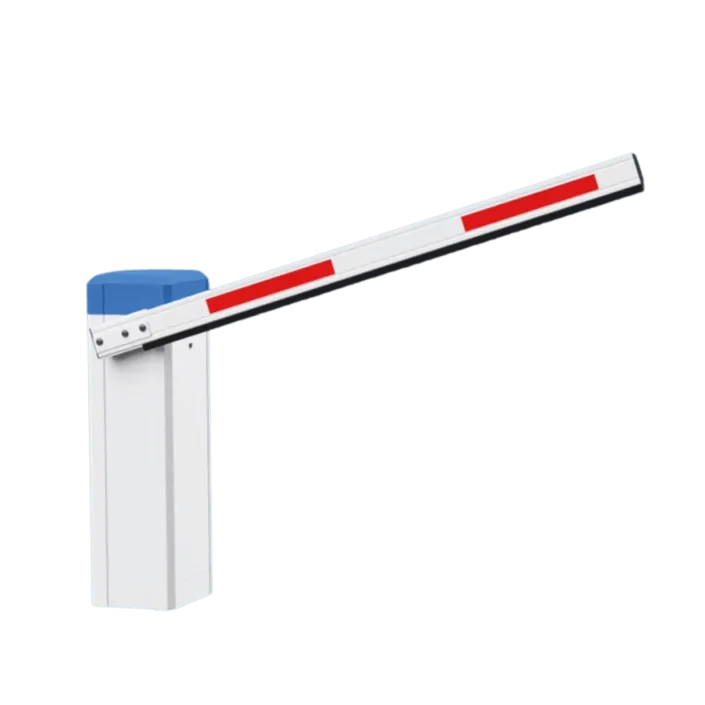
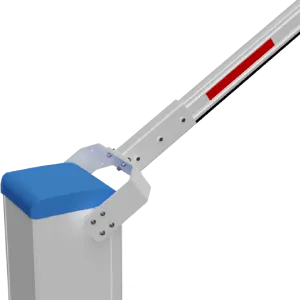
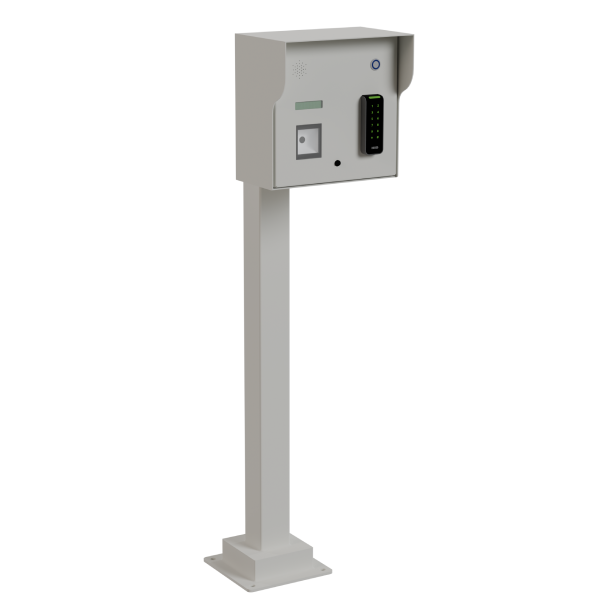
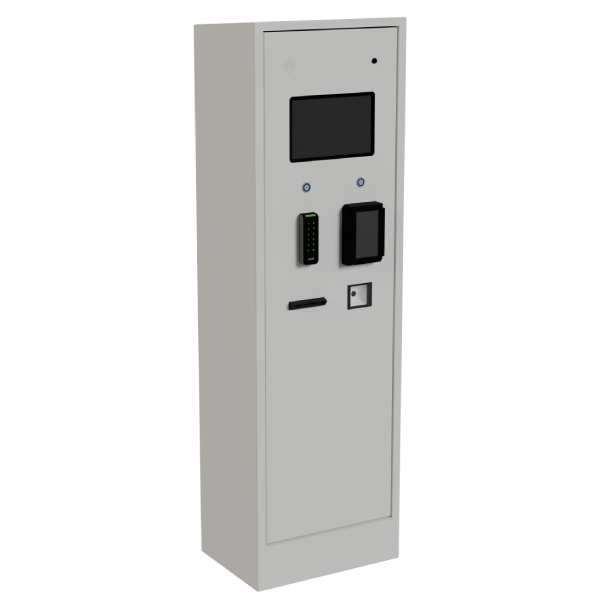
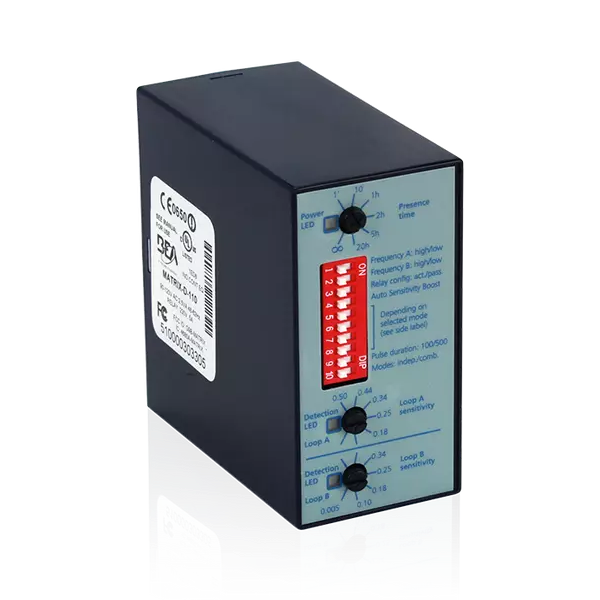
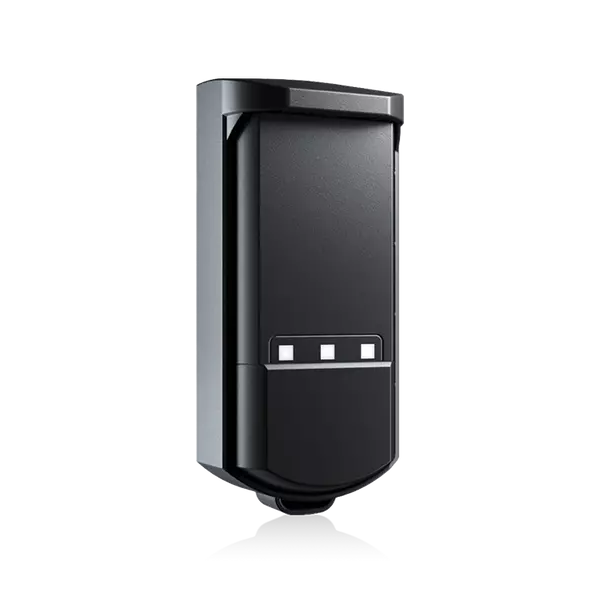
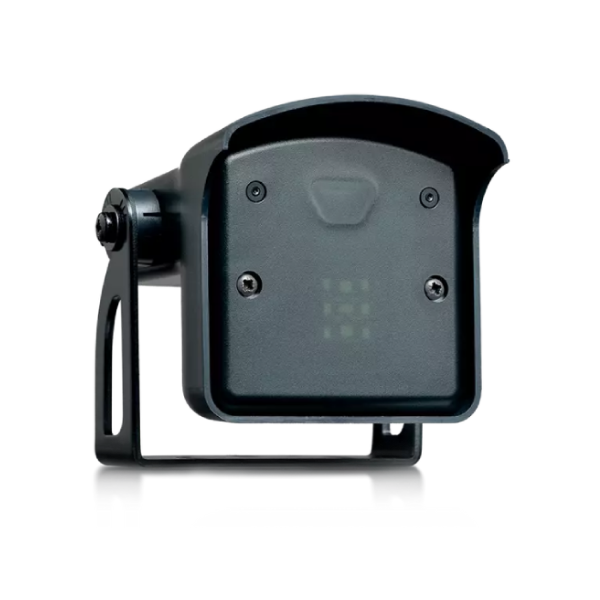
Lane access control
Connect barriers, detection and credentials with the access rights configured for each entrance, zone and schedule.
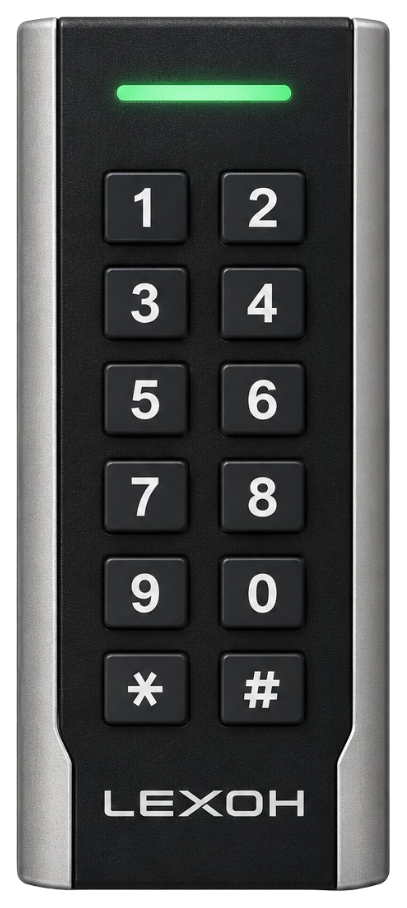
Card-based credential reader
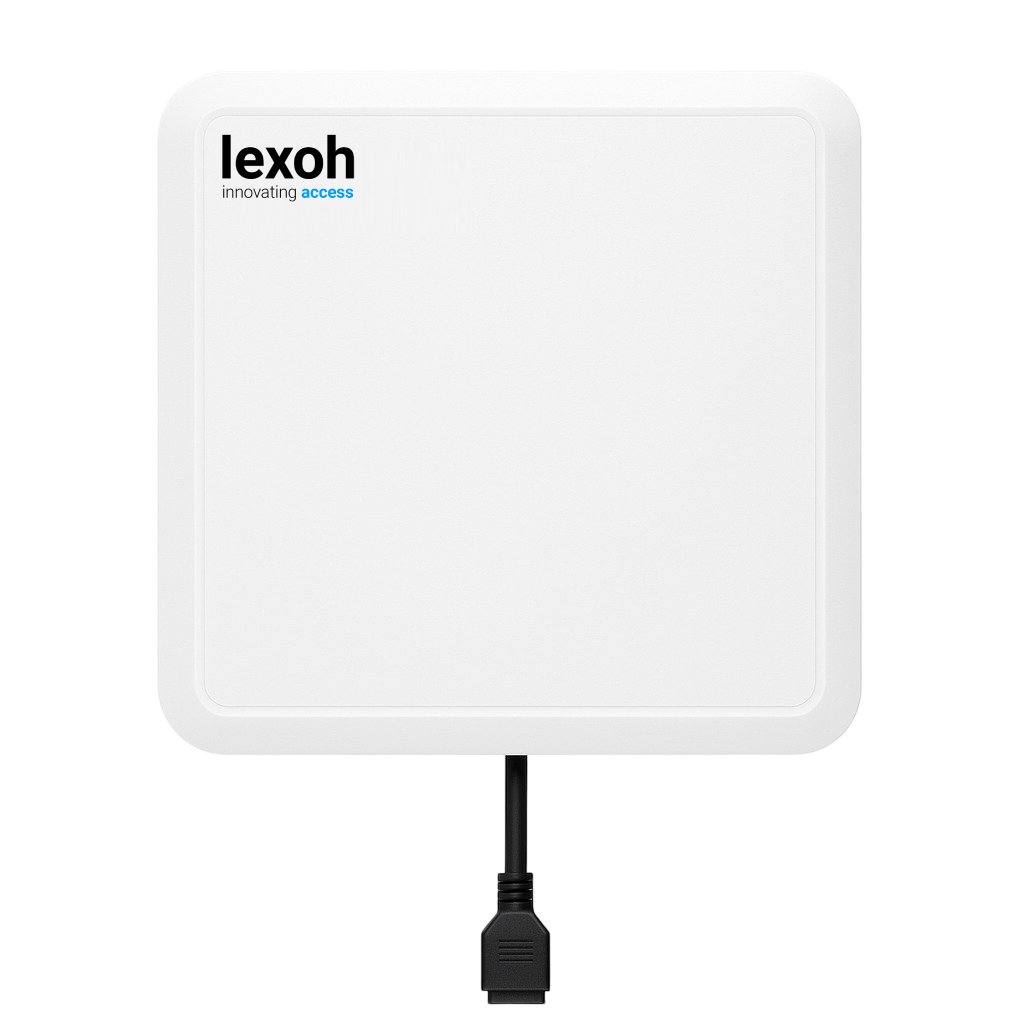
UHF credential reader
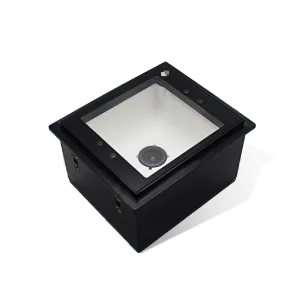
QR and barcode credential reader
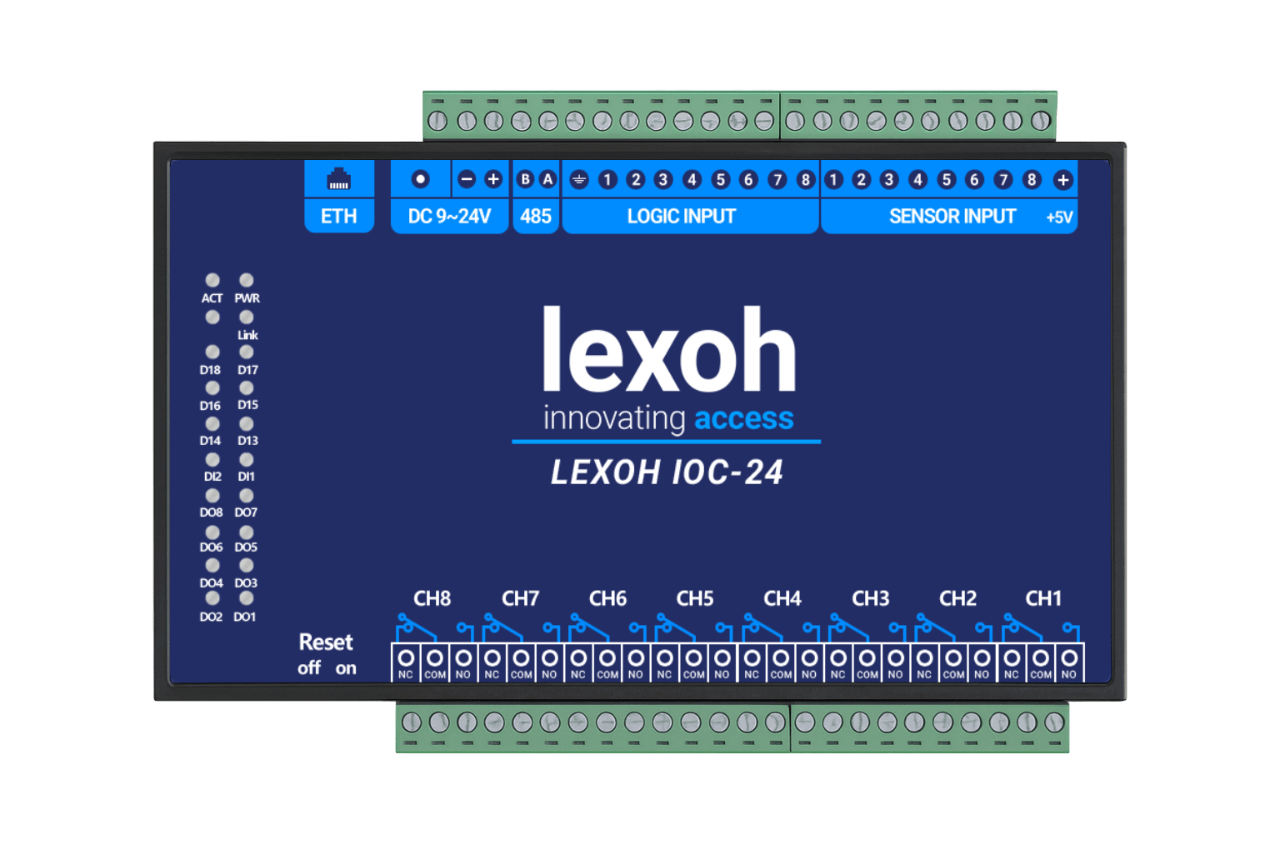
Device input and output controller
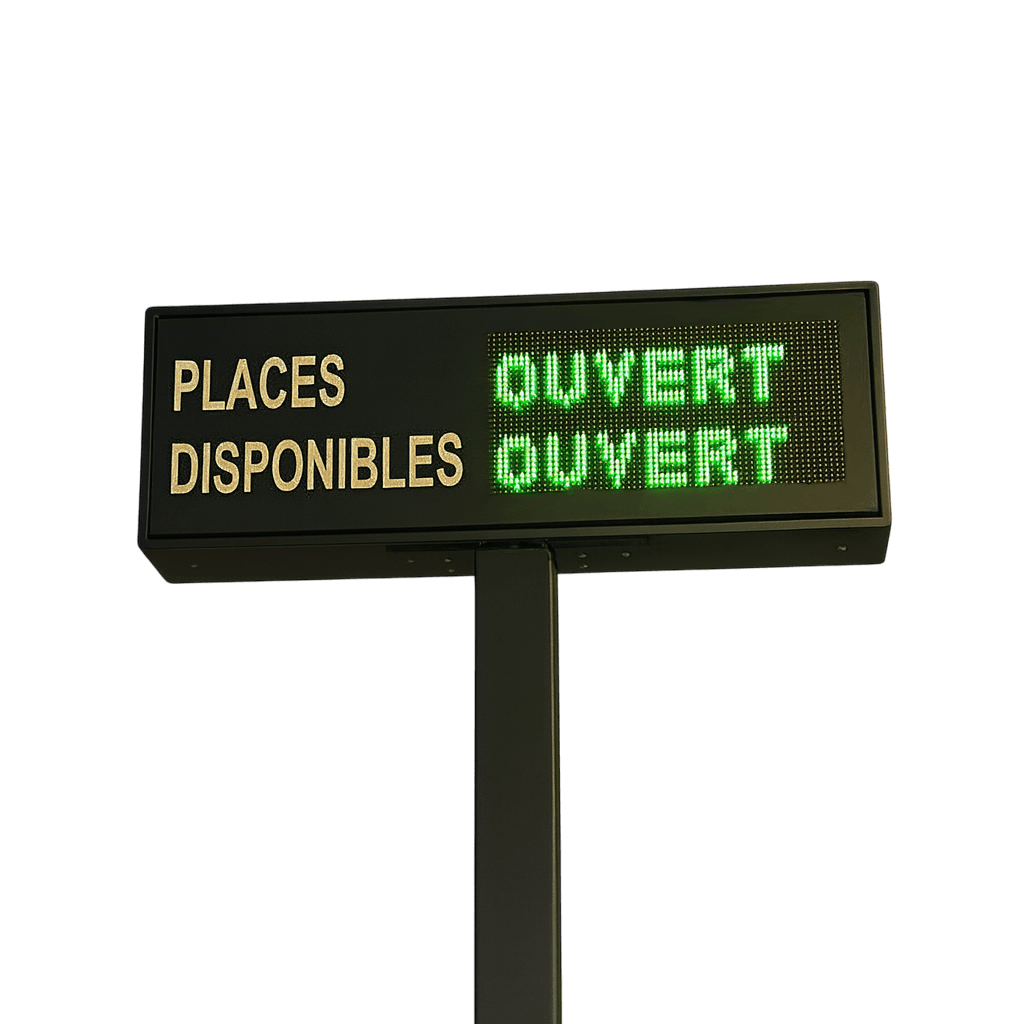
Lane and access display signage
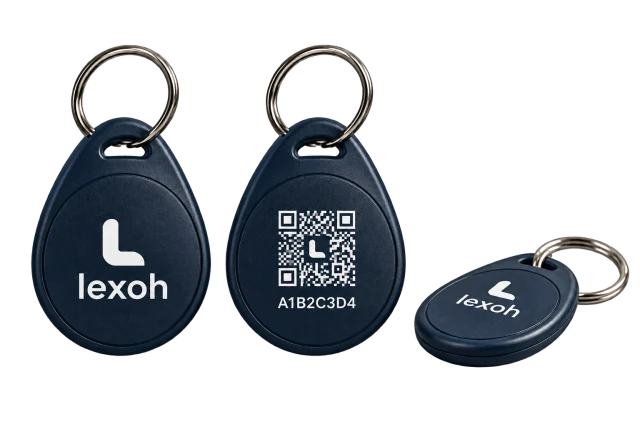
Access credentials for your keyring

Thermal printer paper
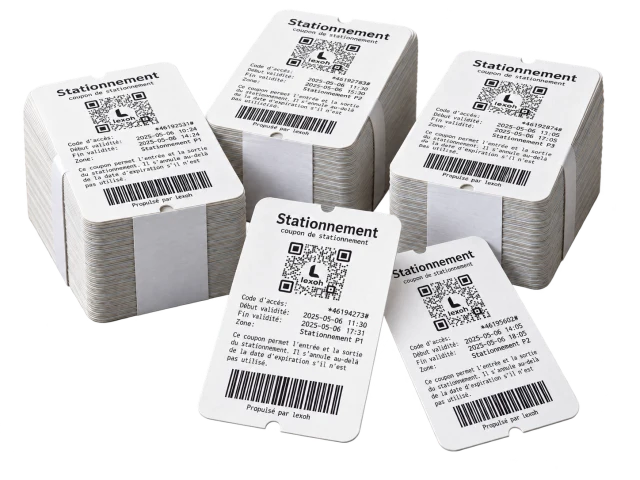
QR and barcode coupons for parking access
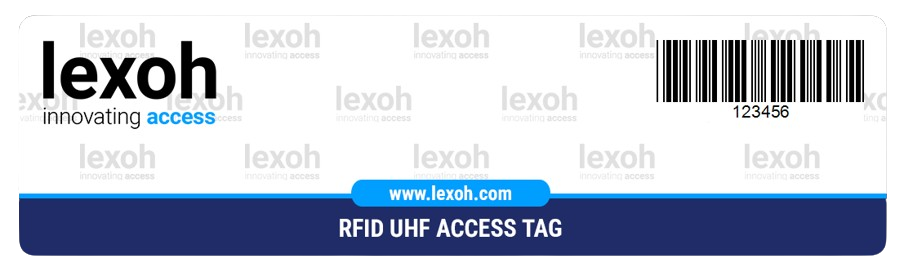
UHF access credential
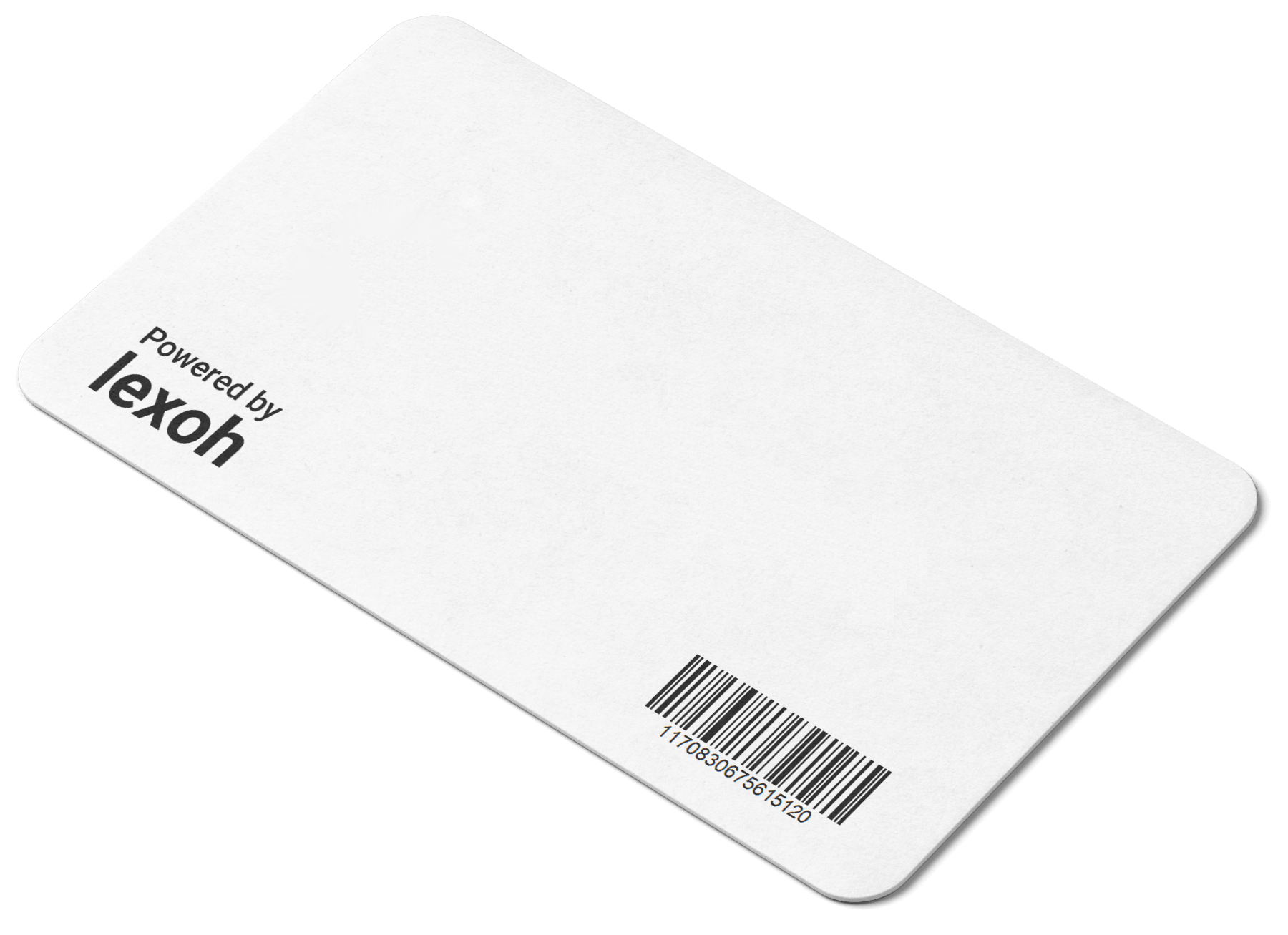
RFID access credential
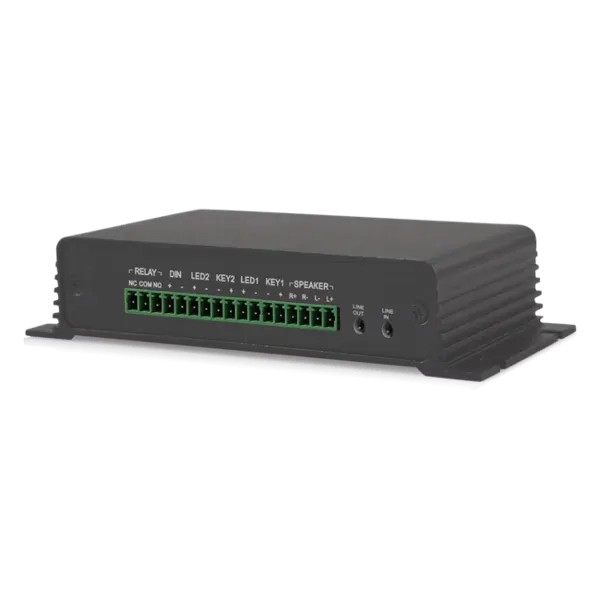
IP intercom communication
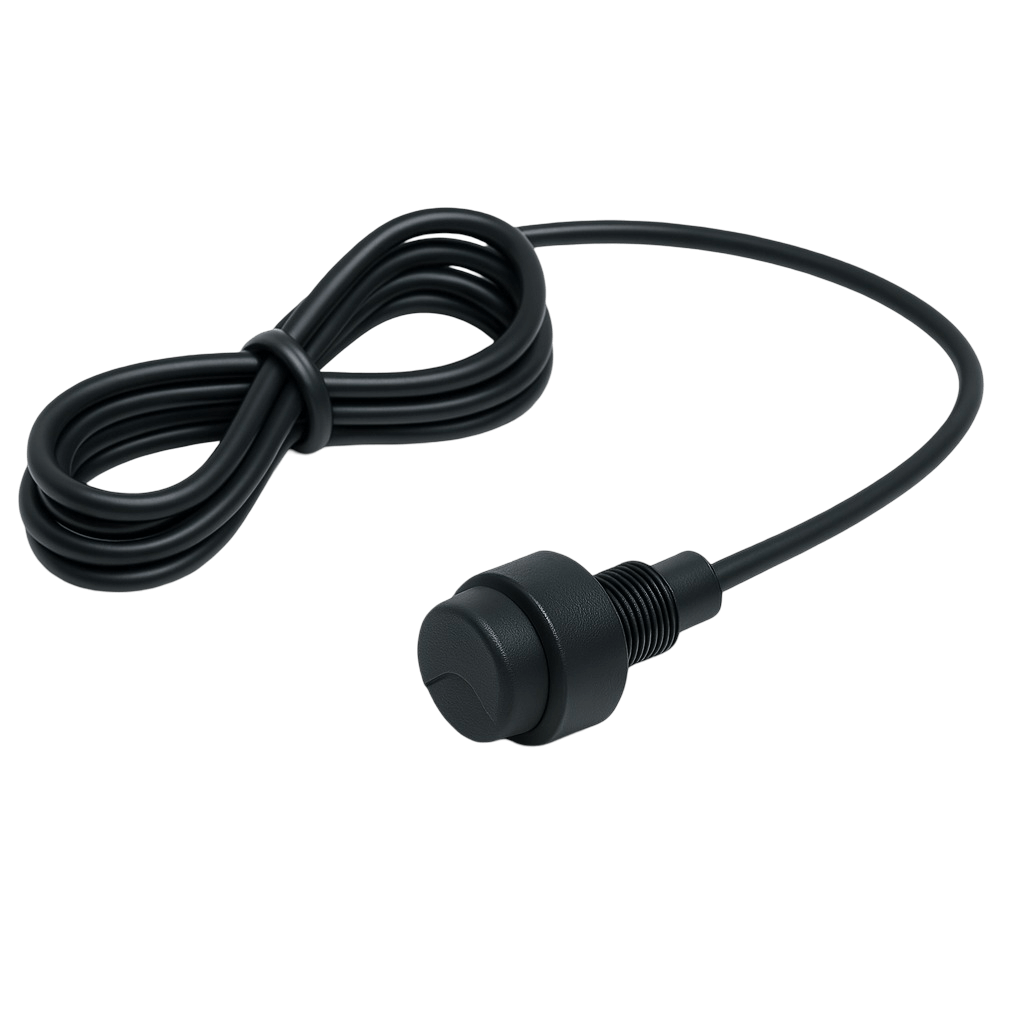
Analog omnidirectional microphone
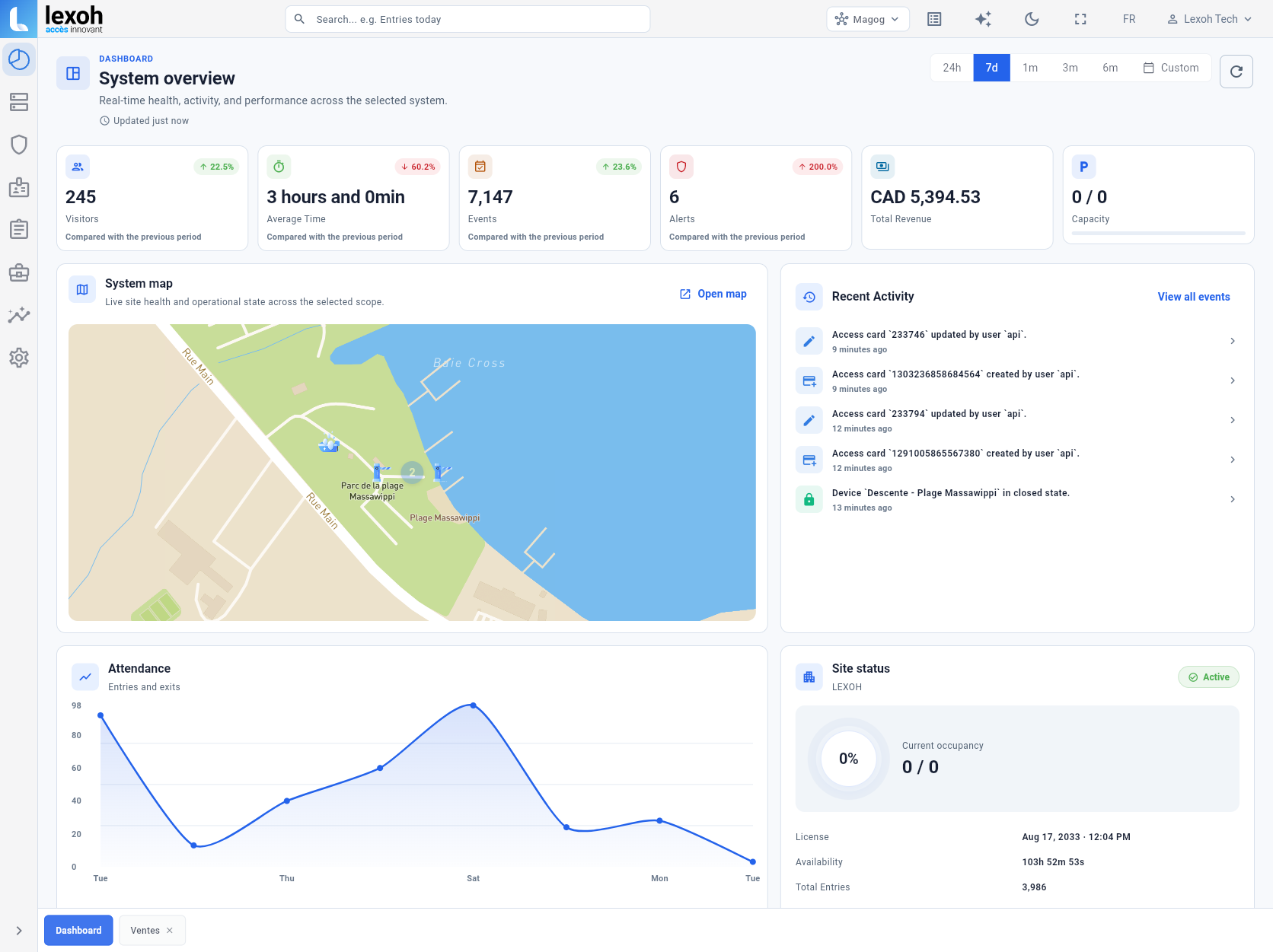
Parking Access and Revenue Control Systems (PARCS) connect vehicle access, payment, permits, lane equipment and operating records in one parking workflow. Lexoh designs and integrates the selected barriers, kiosks, credentials, cameras and management tools around the site’s users, rules and operating procedures.
PARCS stands for Parking Access and Revenue Control Systems. It coordinates the physical lane and the operating records behind it: a vehicle is identified, the applicable access or payment rule is checked, the lane responds, and the resulting event or transaction remains available to authorized staff. A PARCS is an architecture rather than one universal equipment package. The selected kiosks, barriers, readers, cameras, controllers, payment services and software depend on the site, operating policy and approved project scope. Compare it with the parking management system to distinguish the wider platform from the access-and-revenue workflow.
Connect barriers, detection and credentials with the access rights configured for each entrance, zone and schedule.
Coordinate rates, payment steps, receipts, validation and exit decisions when the selected configuration supports that journey.
Use plate recognition, RFID cards, UHF tags, QR codes, tickets or accounts when supported by the selected equipment and workflow.
Define resident, employee, subscriber, supplier, seasonal and temporary rights by site, zone and validity period.
Keep access, device, transaction, correction and reporting context available to operations and finance.
Give authorized staff the information needed to handle an unread plate, lost ticket or payment question.
The value of a PARCS appears across the complete operating path, from the first vehicle interaction to the record staff use after the passage.
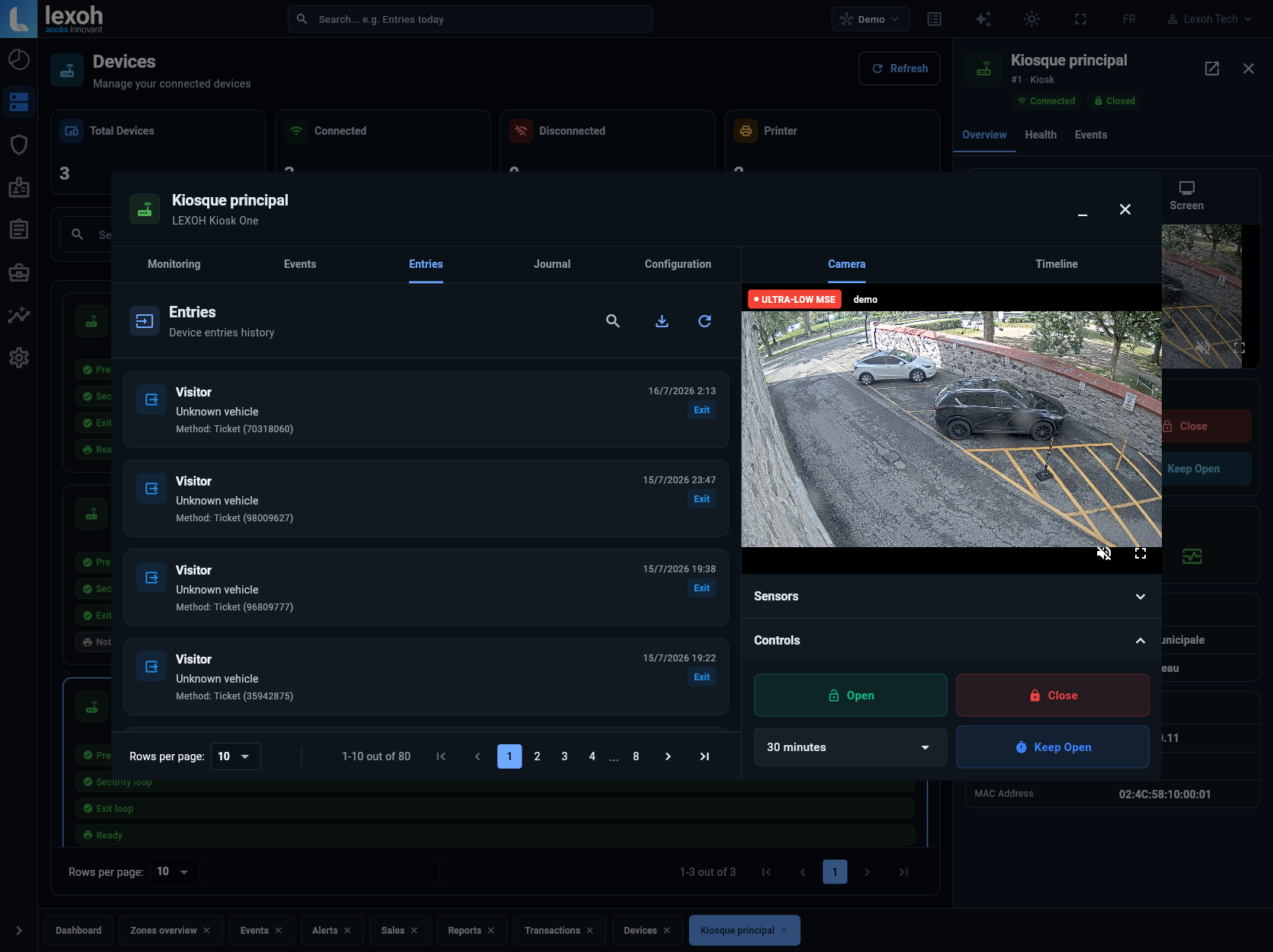
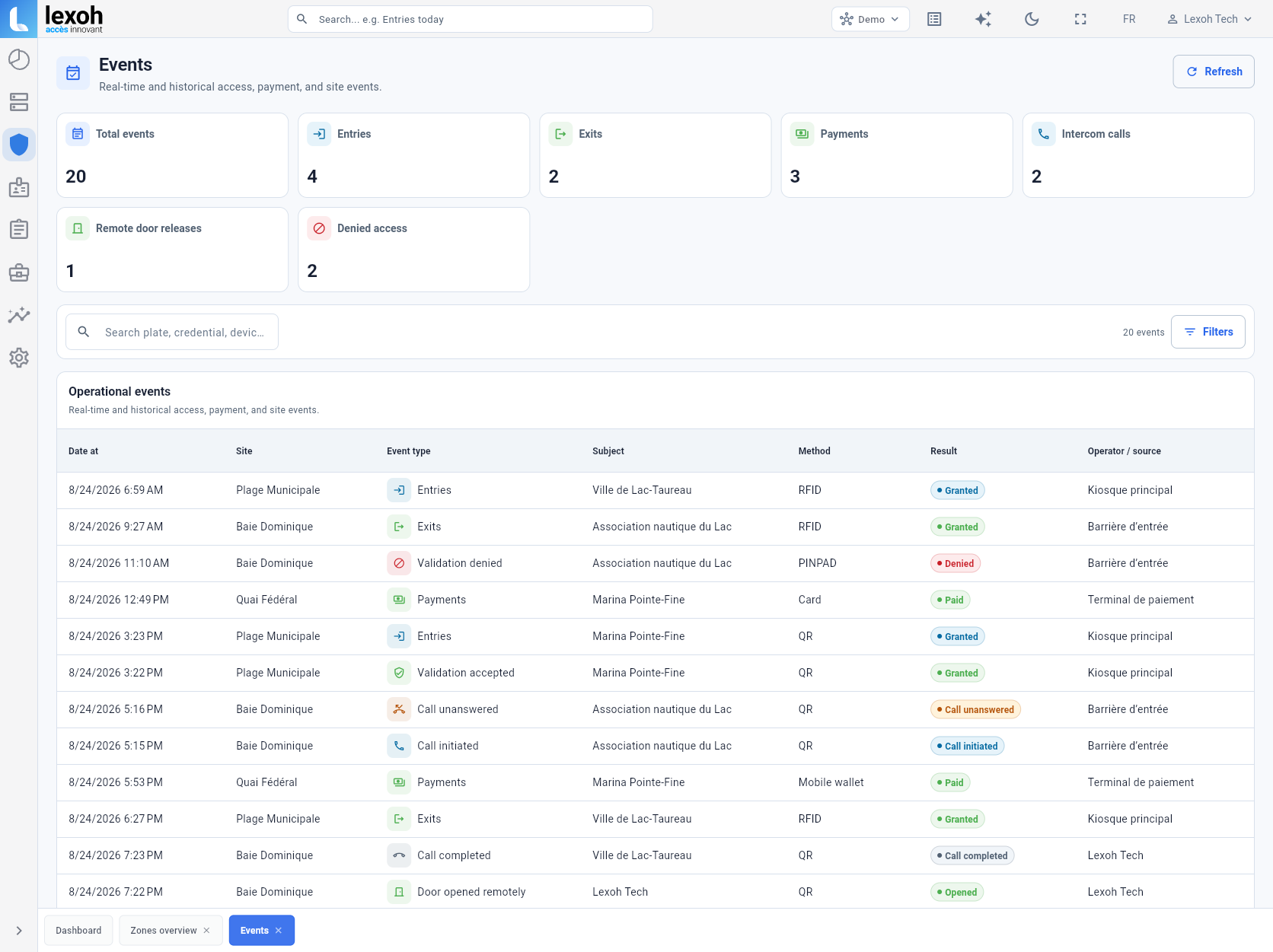
This Lexoh Security Center view groups entries, exits, payments and intercom calls. Each event row identifies the date, site, event type, subject, method, result and operator or source. Staff can use this context to investigate a passage or payment question.
Connect the operating workflow to the Lexoh LPK-128V2 kiosk and the lane equipment selected for the site. The Scotiabank Kingston installation shows physical kiosks and barriers; payment and reporting requirements are confirmed separately for each project.
Lexoh coordinates the field work, platform rules, testing and operating handoff as one project.
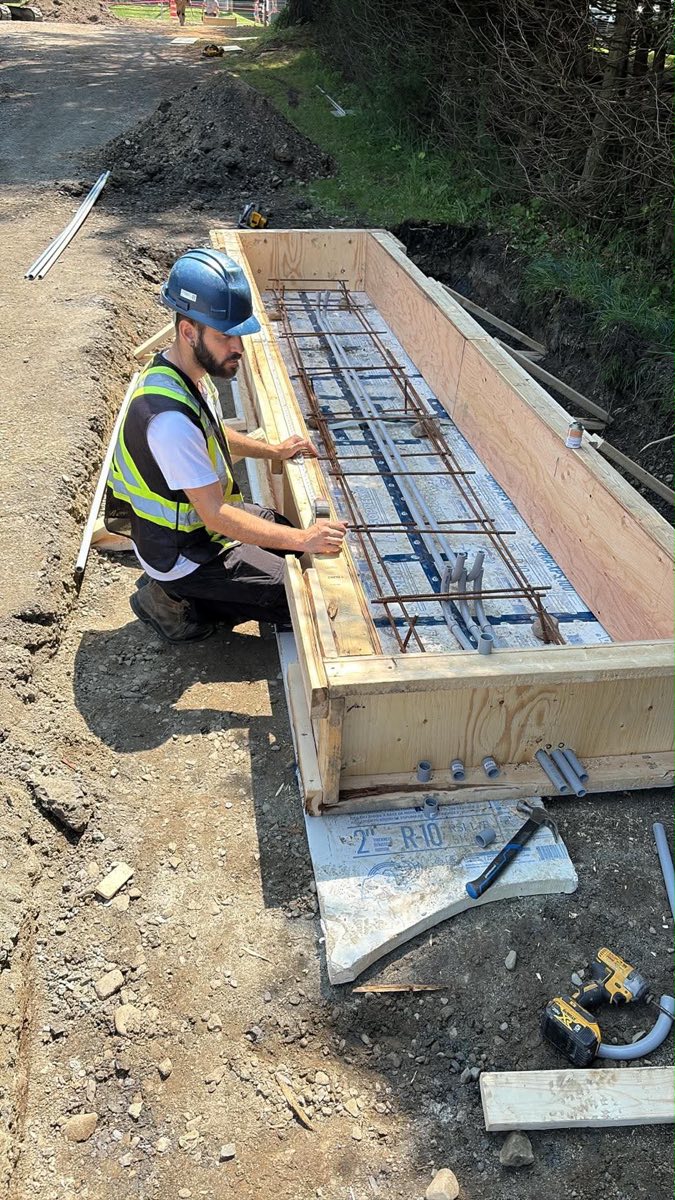
Coordinate permits, public payment, visitors and multiple sites around the approved local policy.
Connect subscribers, visitors, employees and transaction reporting to the operated lanes.
Separate rights by population, zone, schedule and credential method.
Adapt periods, vehicles, visitors and procedures to outdoor operating conditions.
Residents, employees, visitors and paid customers may need different rights, identifiers and journeys.
Define declined payment, unread plate, lost ticket, changed vehicle, unknown visitor and unavailable device procedures.
Separate transaction status, provider settlement, adjustments, refunds and accounting entries.
Check condition, interfaces, safety, role and compatibility before promising reuse.
Document local controller behavior, authorization data, power, manual procedure and recovery, then test them.
Clear answers about scope, operation and integration.
Tell us about your lanes, equipment, rules, users and records. We can frame the architecture and project scope before specifications.