



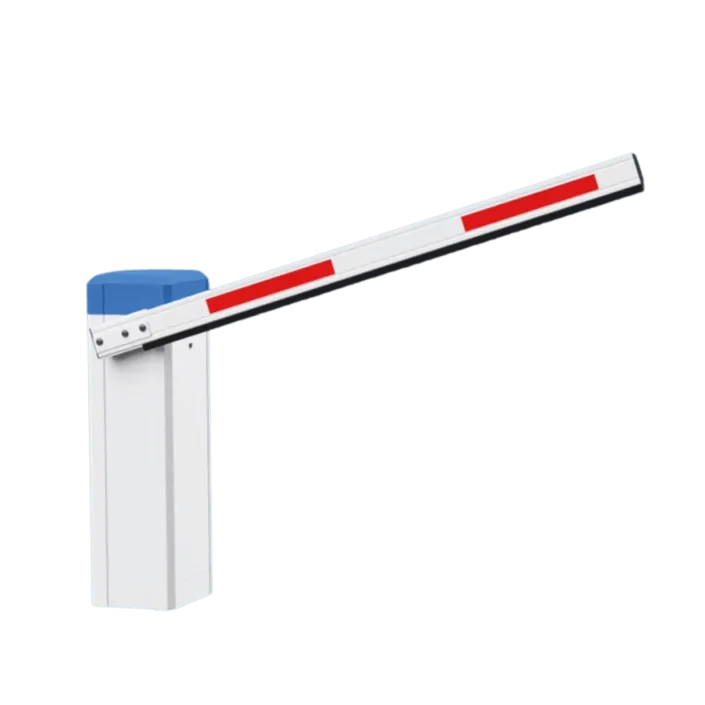
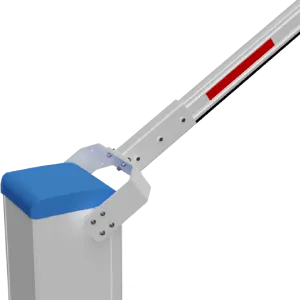
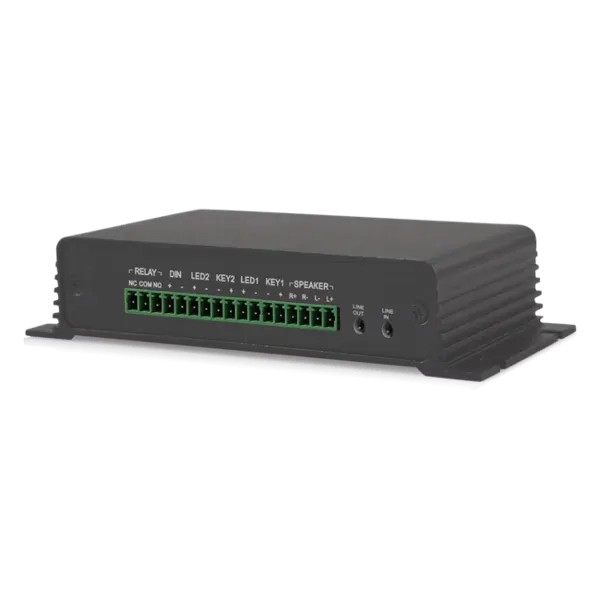
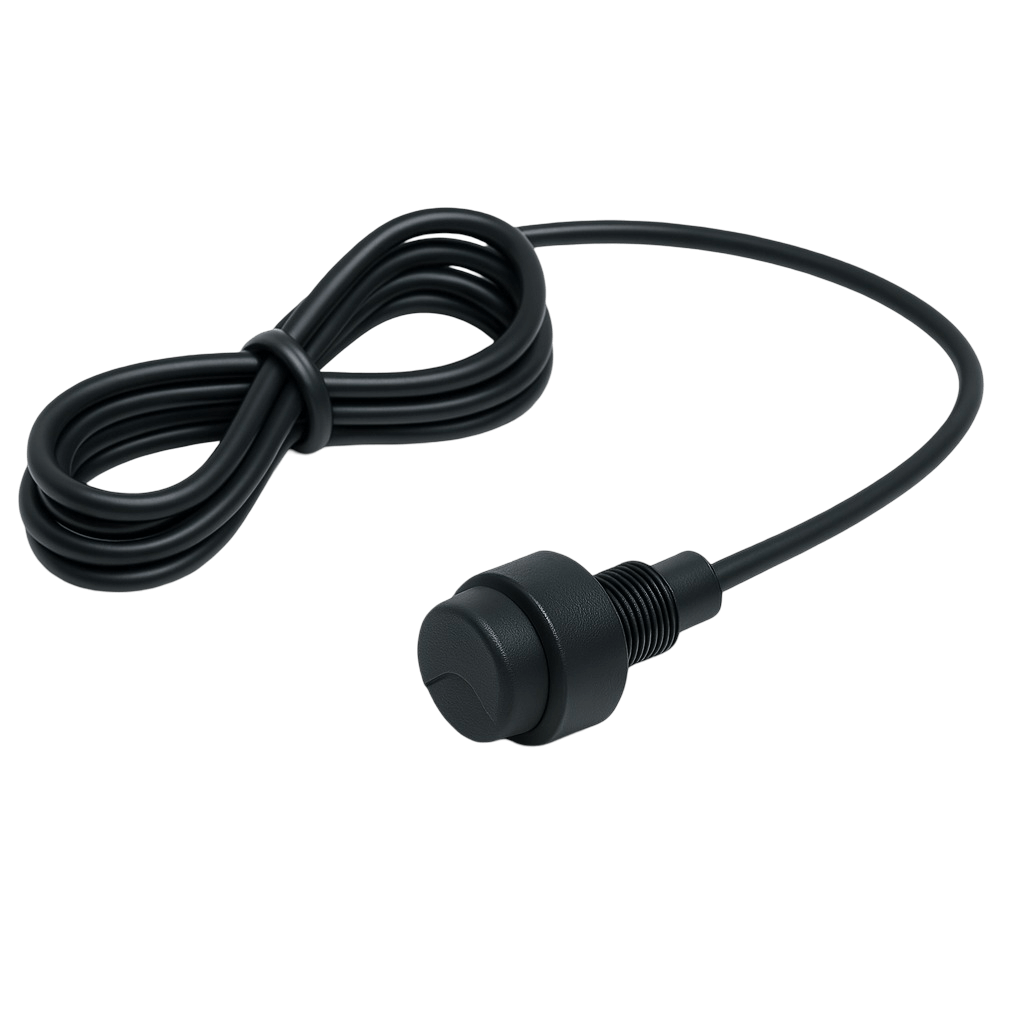
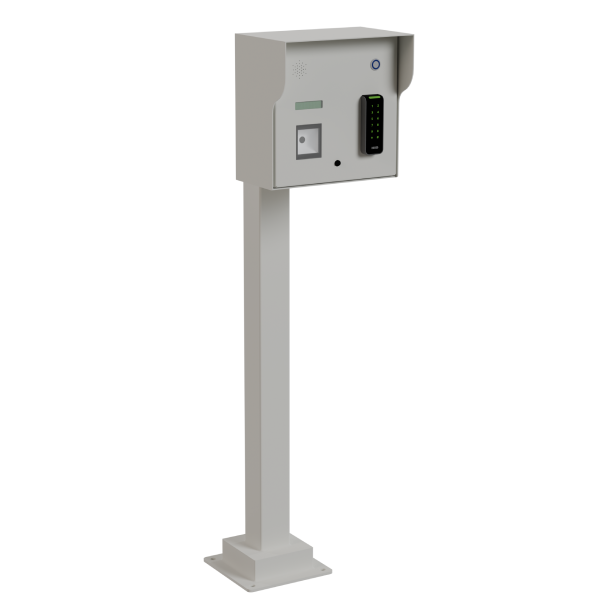
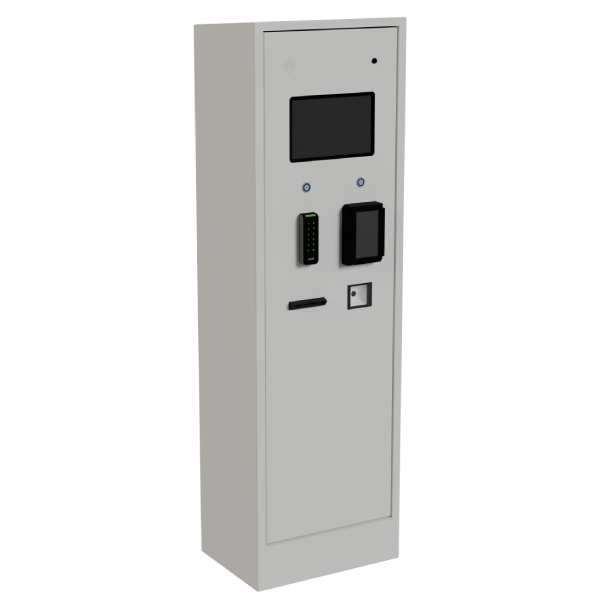
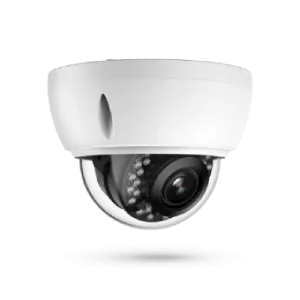
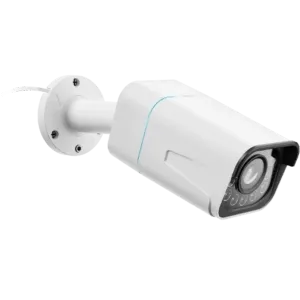
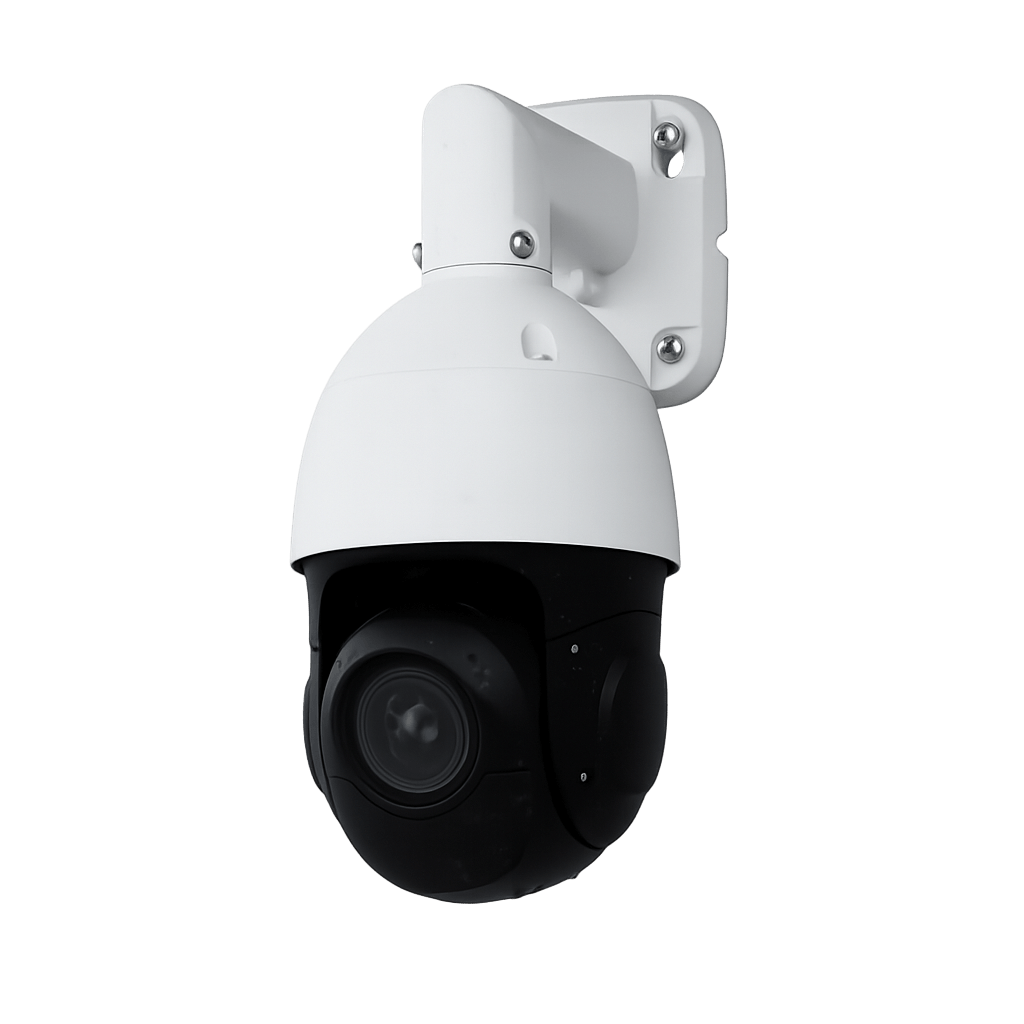
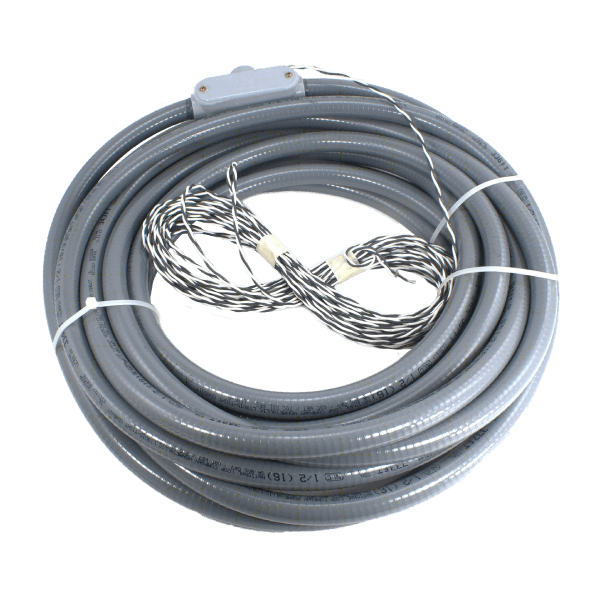
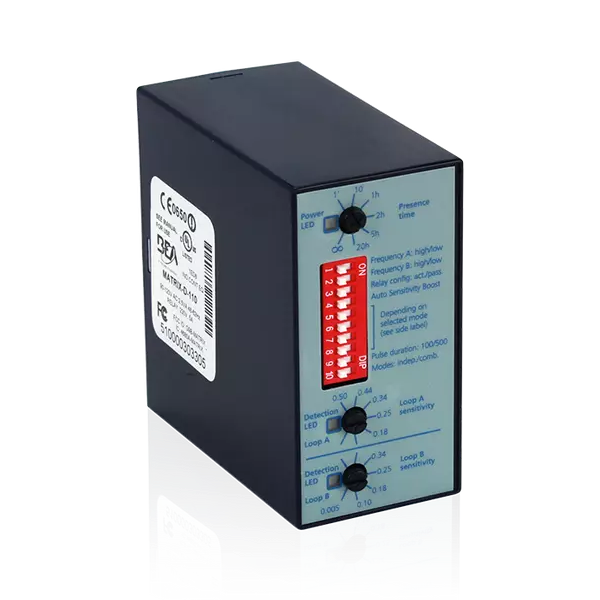
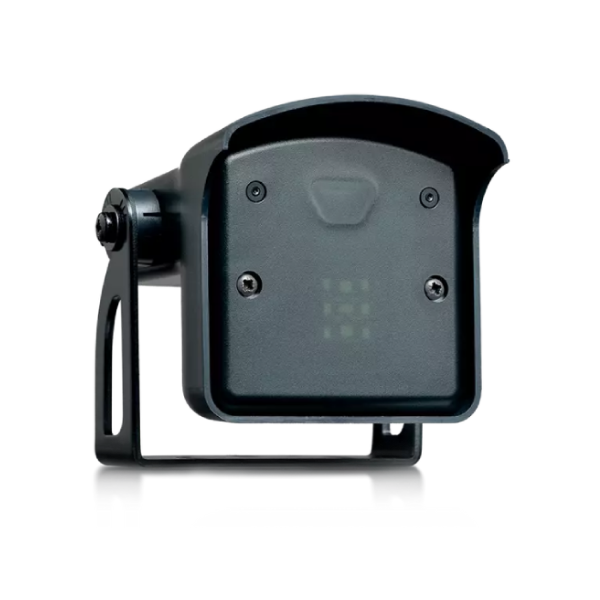
Collect the device label, mounting photographs, available configuration record and its connections to the controller. Identify the detection event the entrance currently uses and any known operating limits. The name virtual loop alone does not identify the sensing technology or electrical interface, so establish the installed reference before selecting a replacement or transferring its settings.
Vehicle detection
Virtual-loop vehicle detection
A virtual loop uses an above-ground detector to define a vehicle detection zone and send its state to the lane controls. It provides an alternative installation approach to a loop buried in the pavement; the required detection event and controller interface still determine suitability. Lexoh helps assess the mounting location and detection needs before equipment selection.
- Role
- Above-ground detection zone
- Sequence
- Lane specific
- Performance
- Model-specific specifications
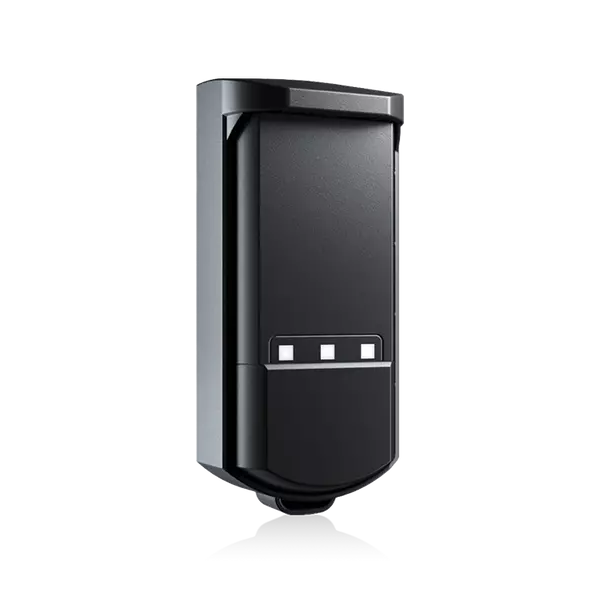
Choosing vehicle detection
Virtual loop or buried induction loop?
Start with the vehicle event the entrance needs, then compare the available mounting position with the pavement work required for an induction loop.
How is the installation different?
A virtual-loop detector sits above ground near the monitored area. An induction loop is a sensing element installed in the pavement and connected to separate detector electronics. Compare mounting, cable routes and pavement access before choosing.
Will it detect a stopped vehicle?
Confirm stationary presence support for the exact detector and configuration. An approach or passage event is not the same as a vehicle remaining in the zone; test the required states in the actual lane.
How does it work with a parking barrier?
The detector supplies a state to a compatible controller. That controller uses the state in the configured lane sequence. Check the complete sequence and the barrier’s separate safety requirements before commissioning.
Above-ground detection
Define the area the vehicle occupies.
The detector’s position and settings establish a detection zone beside the lane.
-
Approach
Check where the vehicle enters the intended detection area.
-
Stopping position
Set the zone around the required vehicle position, considering adjacent lanes and objects.
-
Departure
Check that the reported state follows the vehicle as it leaves the area.
Virtual loop selection criteria
| Selection item | What to confirm |
|---|---|
| Detection technology | Identify the exact detector and sensing method. Virtual loop describes an application and does not establish a common specification for every device. |
| Required vehicle event | Specify approach, passage or stopped-vehicle presence as separate needs. Confirm the proposed equipment supports each required state. |
| Detection zone | Check the usable zone from the proposed mounting point, including nearby lanes, queues and fixed objects. Validate the area with representative vehicles. |
| Mounting and exposure | Confirm the support, orientation, environmental ratings and maintenance access for the selected detector. Account for changes in the lane around it. |
| Controller interface | Match supply, wiring and output behavior to the receiving controller. Document how the signal participates in the entrance sequence. |
| Operational limits | Document the accepted conditions, fault response and periodic checks. The installation must meet the complete barrier system’s separate safety requirements. |
Request the current datasheet and installation instructions for the equipment proposed in your quotation.
Prepare the detection zone
Plan detection around the actual vehicle path
Share the lane layout with Lexoh to assess an above-ground detector alongside the entrance equipment and operating sequence.
| Planning item | Information to provide |
|---|---|
| Reason for the change | Describe pavement restrictions, an existing loop problem or a new lane layout. Identify the detection function that the proposed system must provide. |
| Mounting photographs | Show possible supports, the full vehicle approach, queues and neighboring lanes. Include the planned stopping position and cable route. |
| Vehicle scenarios | List the expected vehicle types and movements. Include stopped vehicles only where stationary presence is a documented supported requirement. |
| Zone handover | Record the accepted zone, settings and test cases. Assign a review after changes to markings, mounting, nearby equipment or vehicle routing. |
Configuration: Keep equipment references, drawings and accepted test results together for future service.
Equipment questions
Practical details for planning, operating and maintaining this equipment.
Yes. Compare the revised vehicle path and stopping point with the configured detection zone and its mounting position. Repeat the relevant approach, stop and departure checks, including neighboring traffic where applicable. Record any adjusted settings and the accepted behavior; a physically unchanged detector can still need reassessment when vehicles use the space differently.
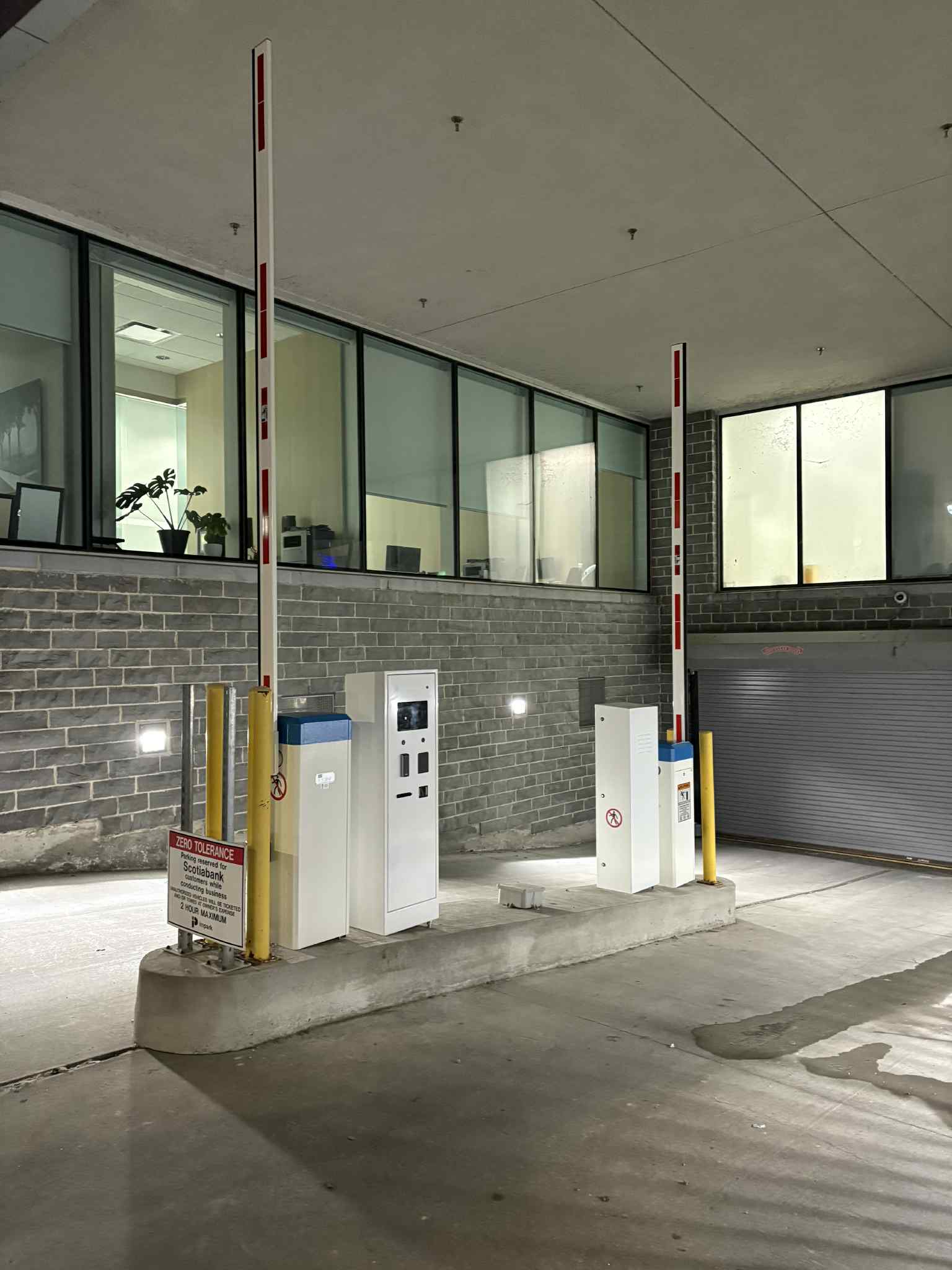
Project review
Assess above-ground detection for your lane.
Show Lexoh the mounting positions, vehicle paths and restrictions on pavement work. Specify whether you need approach, passage or stopped-vehicle detection so we can assess the proposed equipment.