
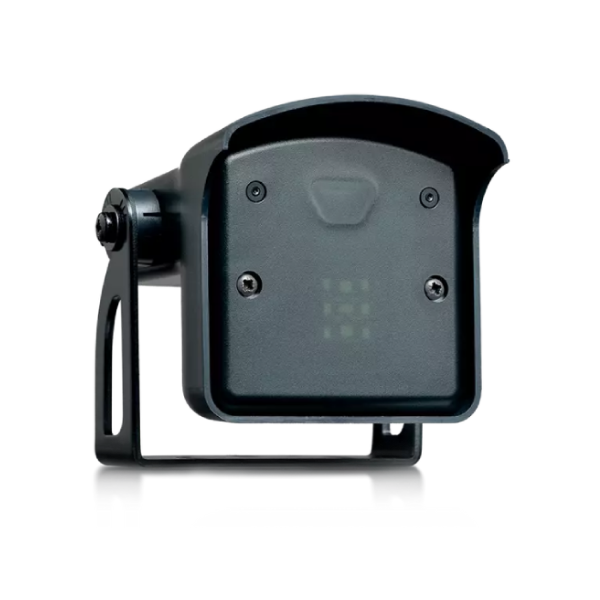
Site review
Document lanes, traffic flow, available infrastructure and operating requirements.
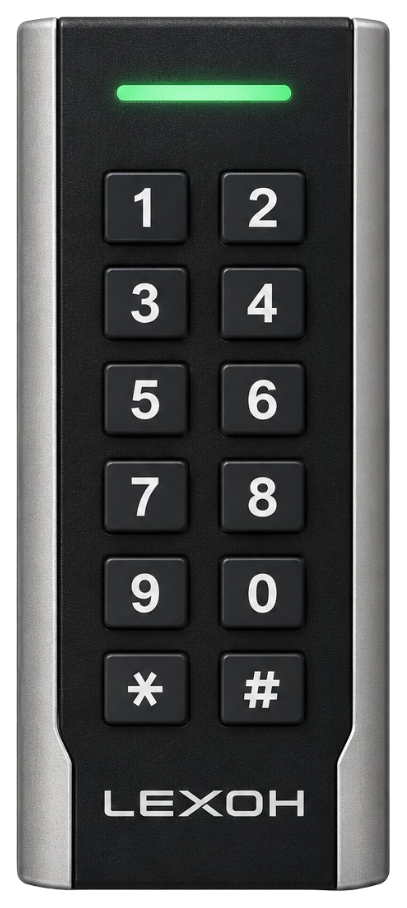
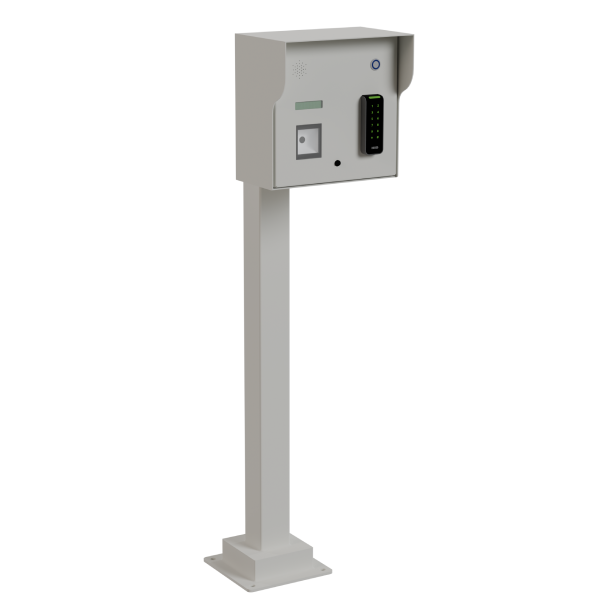
Card-based credential reader
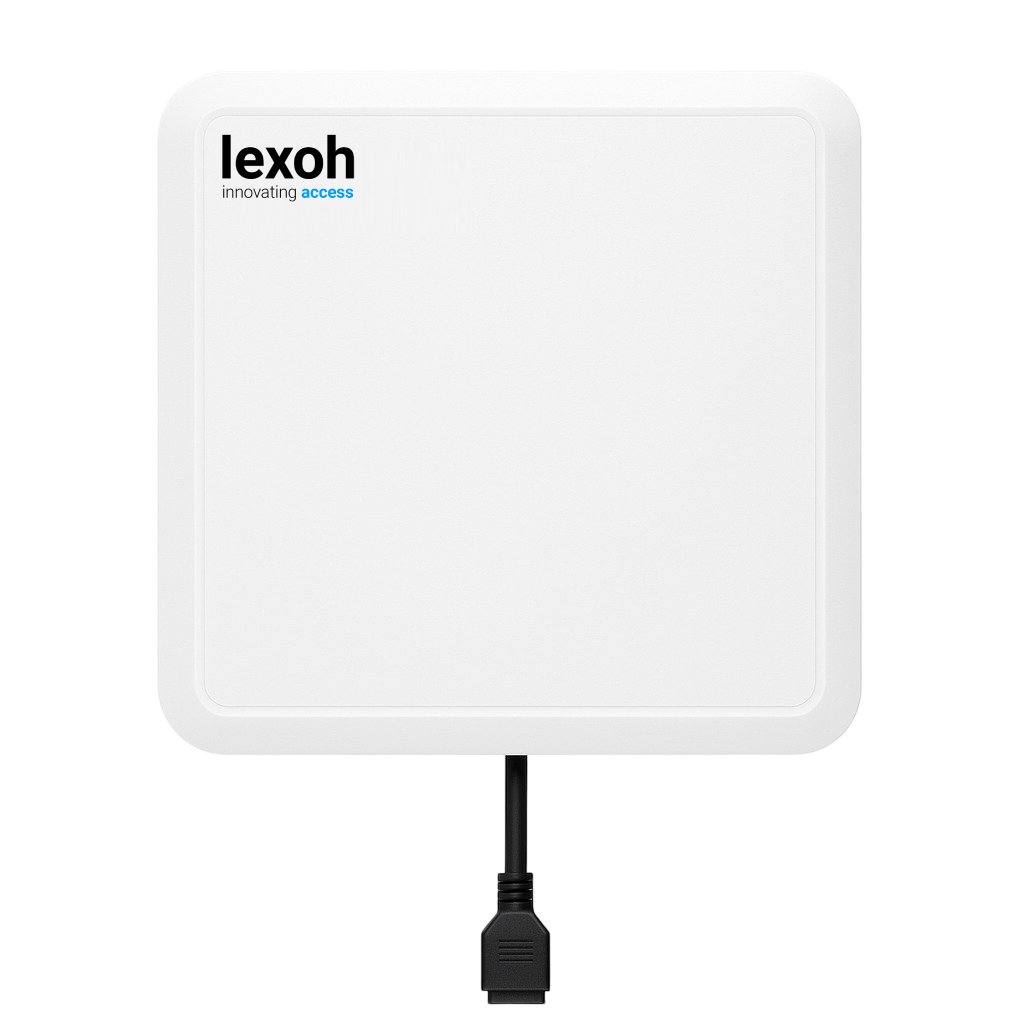
UHF credential reader
QR and barcode credential reader

Device input and output controller

RFID access credential

UHF access credential

Lane and access display signage

Thermal printer paper
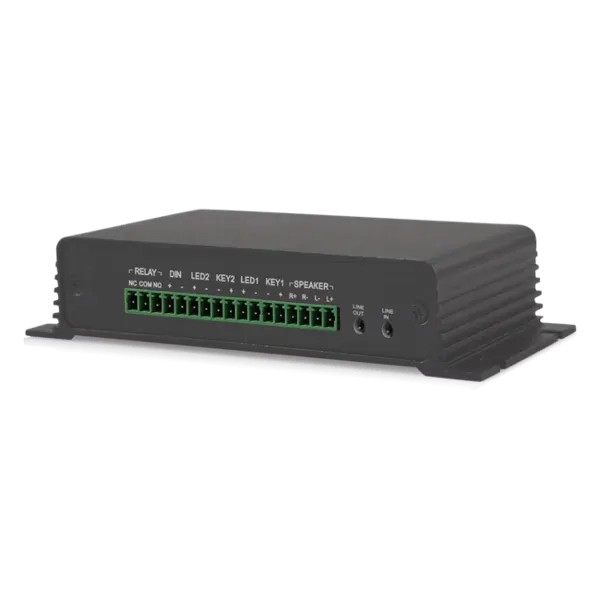
IP intercom communication
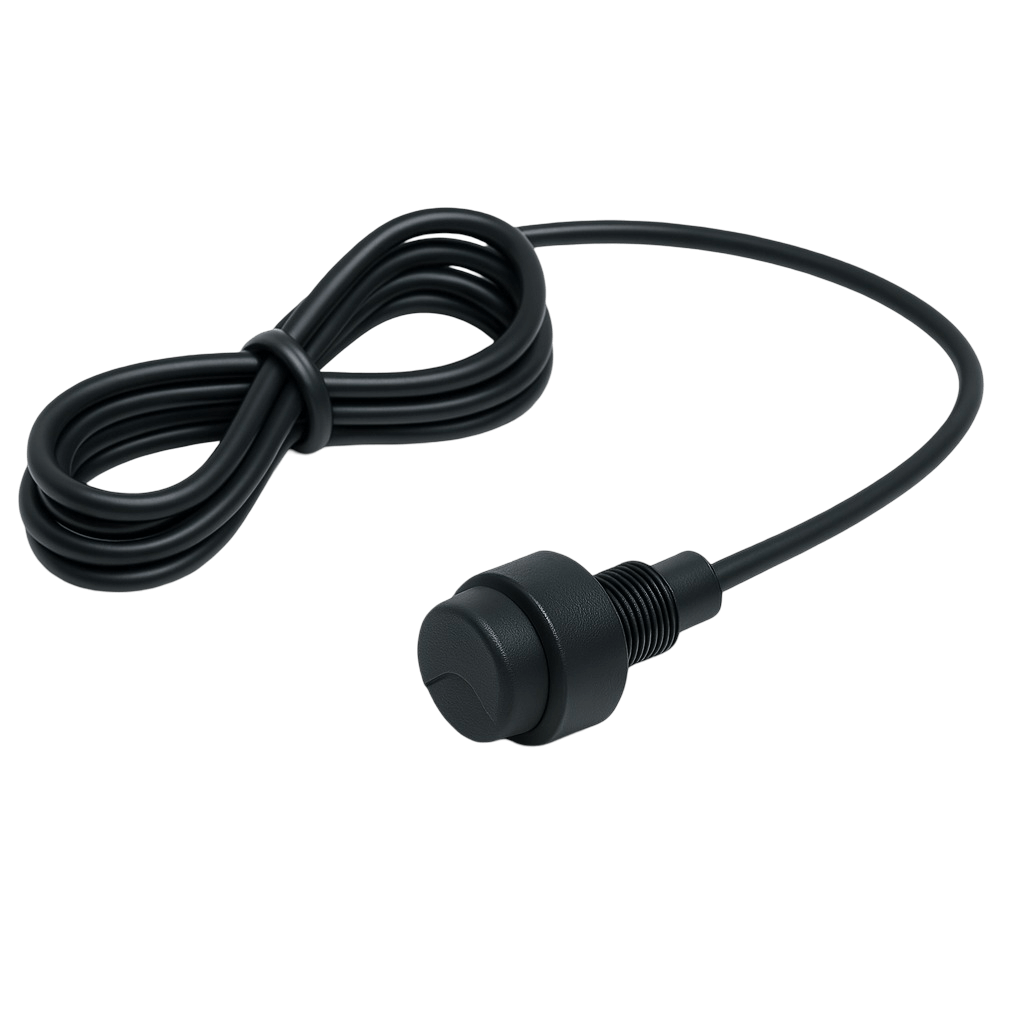
Analog omnidirectional microphone
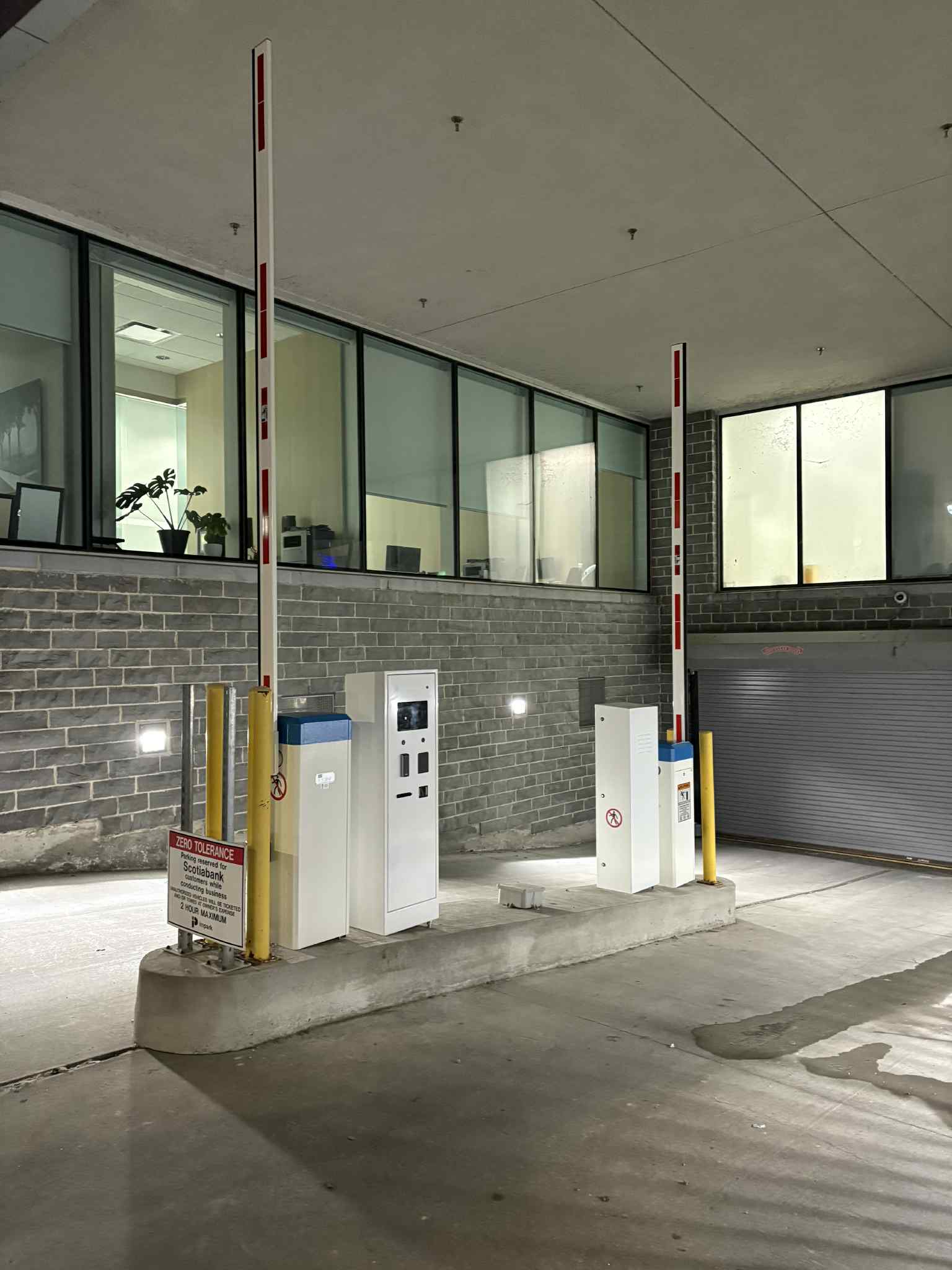
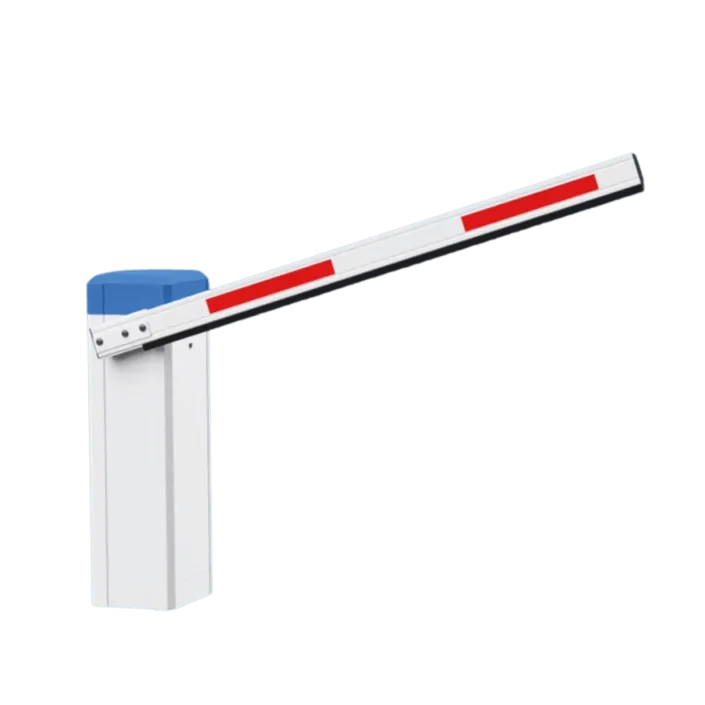
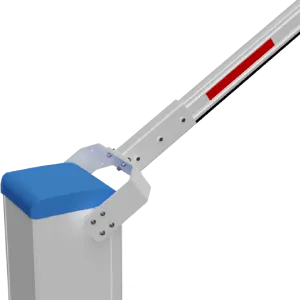
Supply and installation of automatic parking barriers. Lexoh coordinates lane design, access controls and commissioning, with payment kiosks or intercoms included according to your project scope.
Installation can include the site survey, foundations and conduits, power and network coordination, barrier and reader mounting, vehicle detection, software configuration and operator training. The quote defines which tasks are included, who performs them and how the complete lane will be tested.
Document lanes, traffic flow, available infrastructure and operating requirements.
Define barrier placement, detection, credentials, communications and lane behaviour.
Coordinate the bases, protection, conduits and required power or network work.
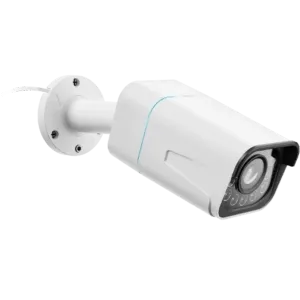
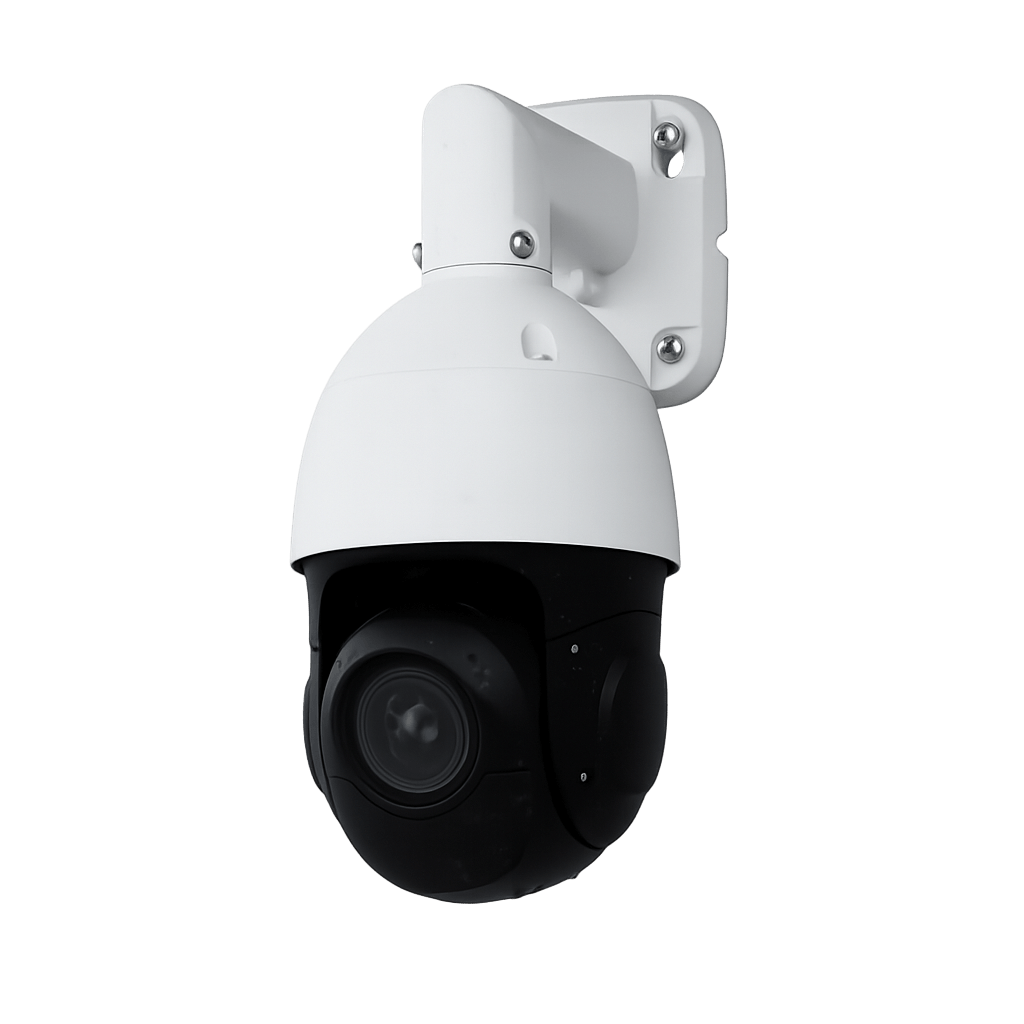
Install the selected barriers, detectors, readers, kiosks, cameras or intercoms.
Create the sites, zones, schedules, users, credentials and operational rules.
Verify identification, safety detection, opening logic, closing logic and exception scenarios.
Put the controlled lanes into service and document the approved operating sequence.
Prepare operators to manage daily use and establish the applicable support plan.
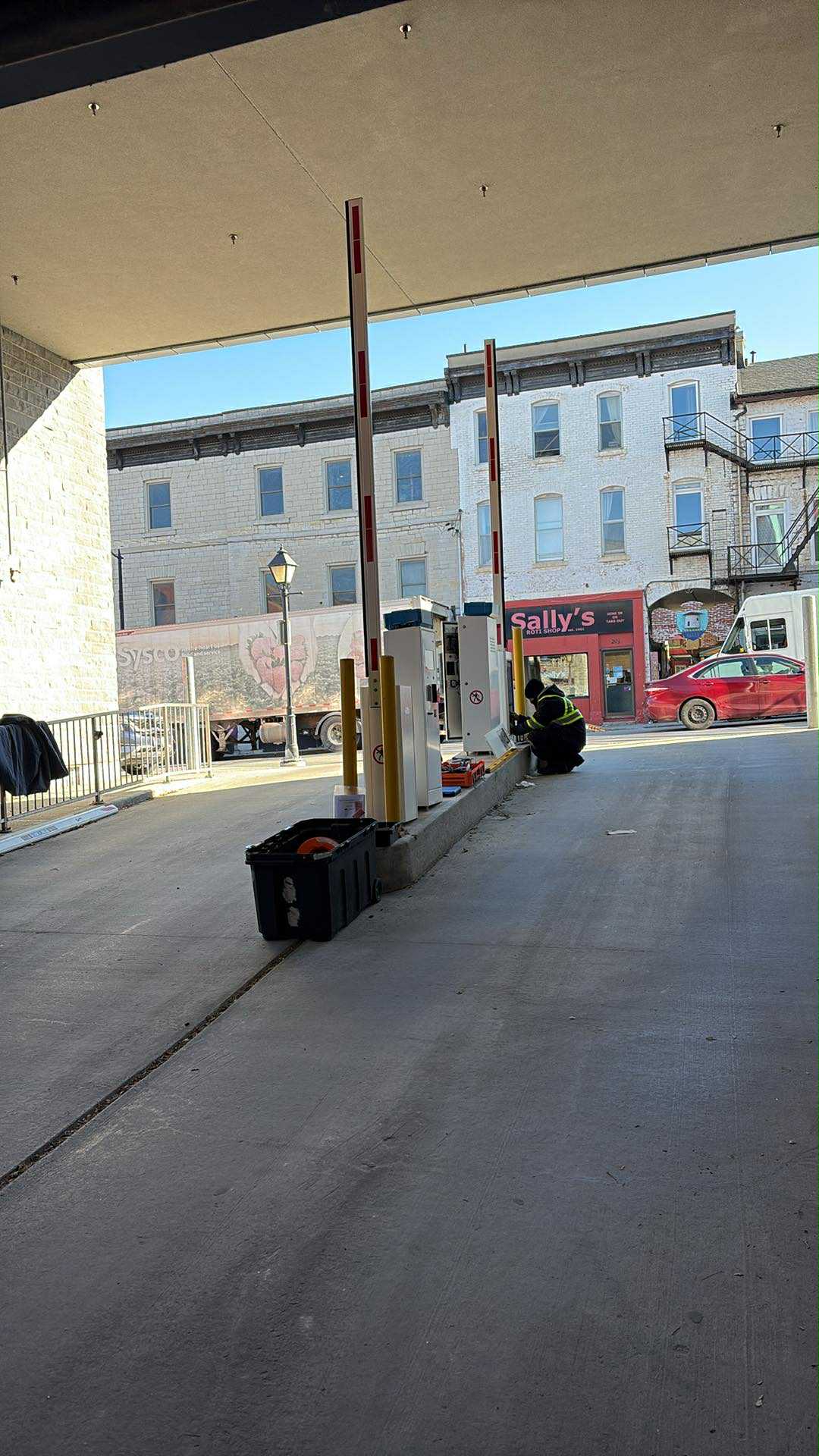
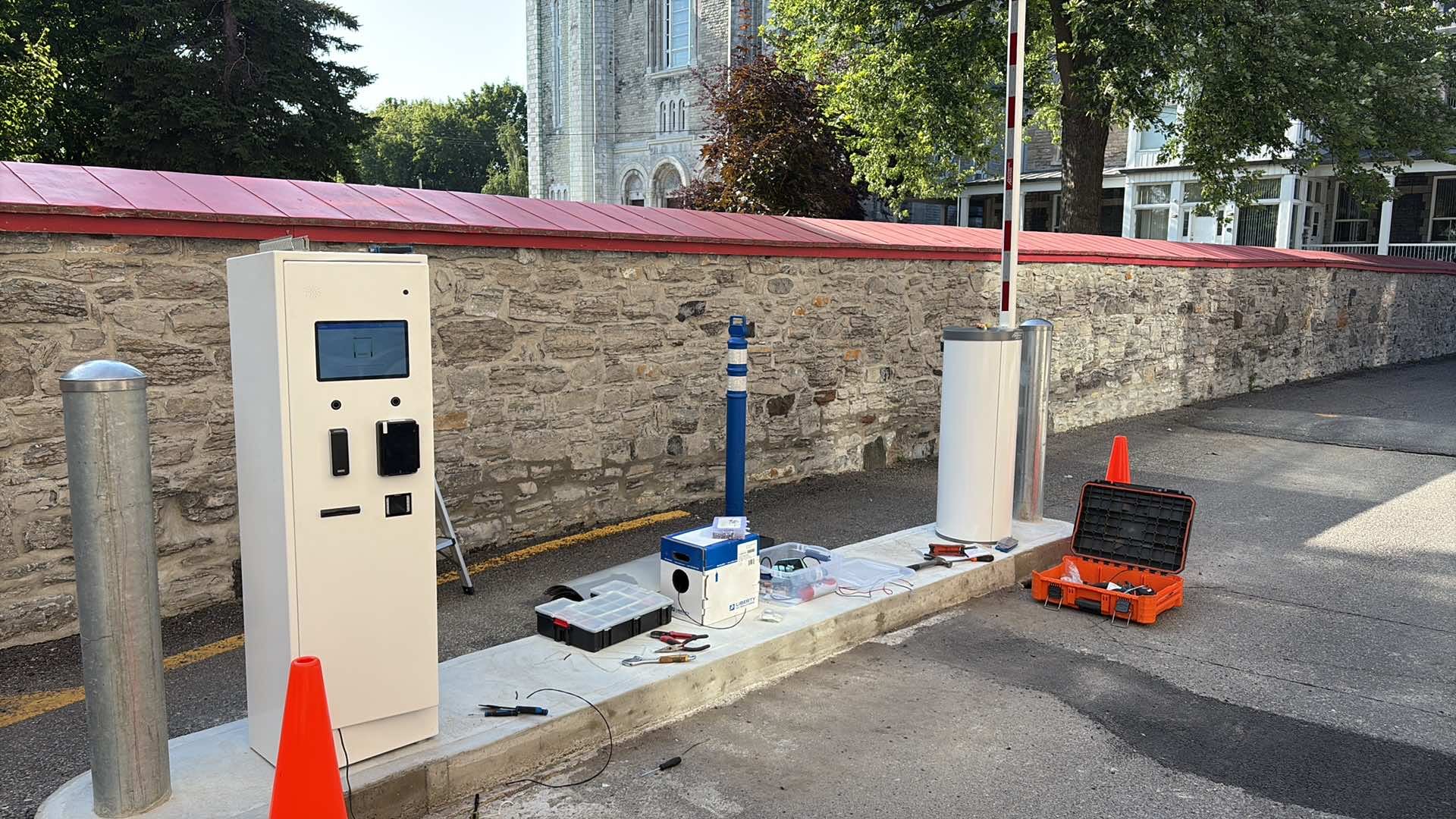
Before the barrier or reader is installed, the lane requires coordinated civil, electrical and communications preparation. These field photos show the work beneath the finished system.
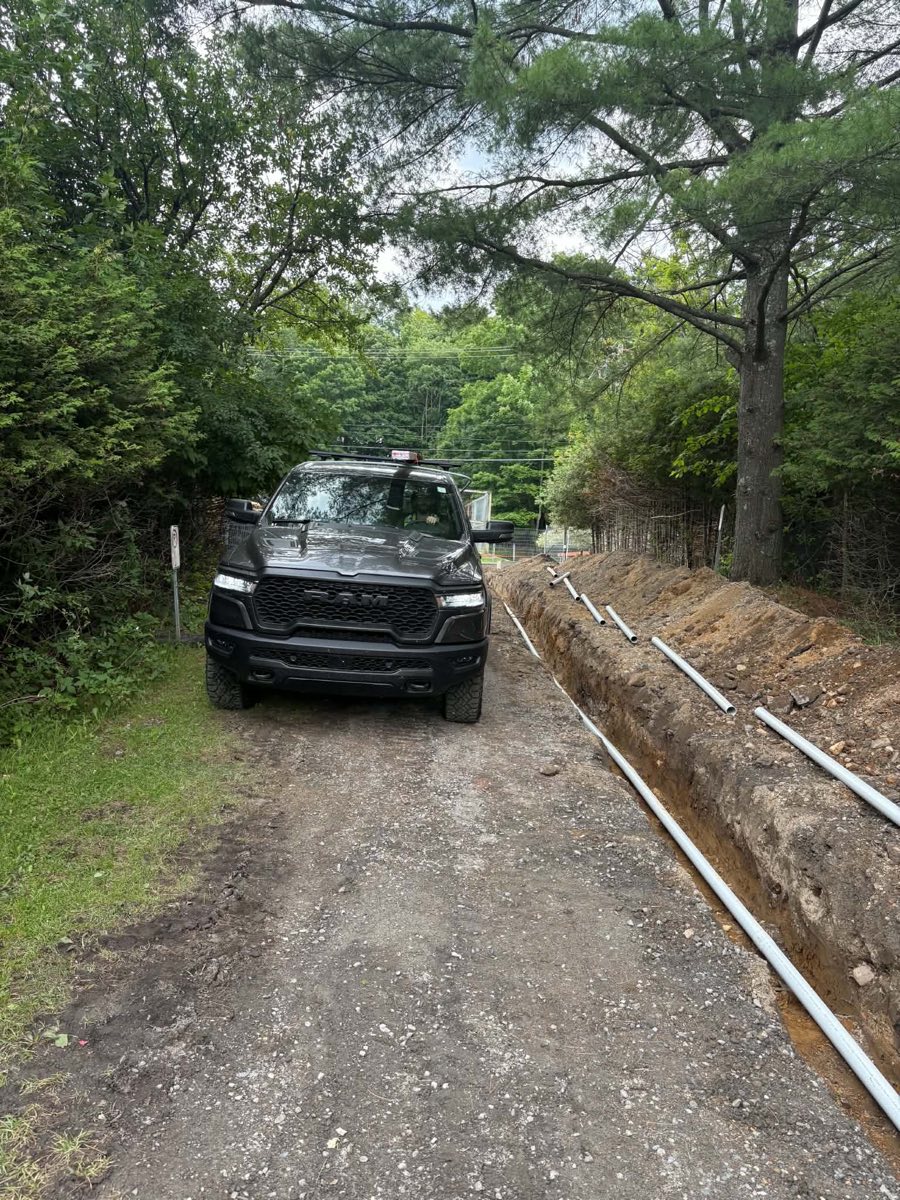
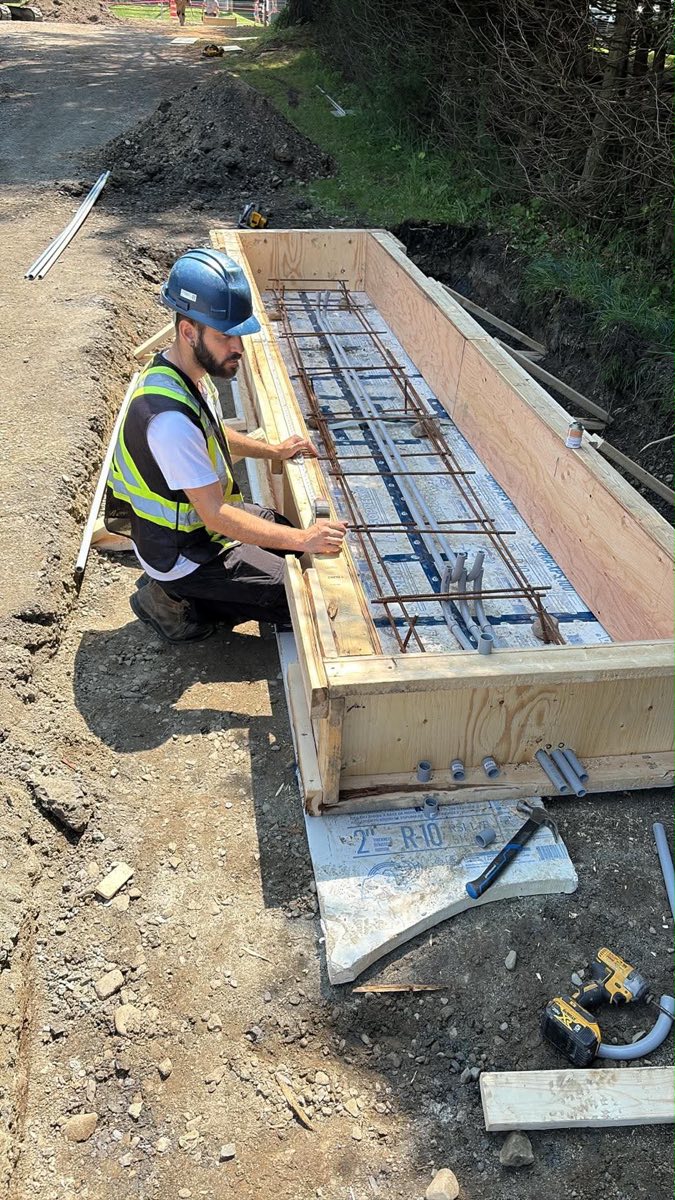
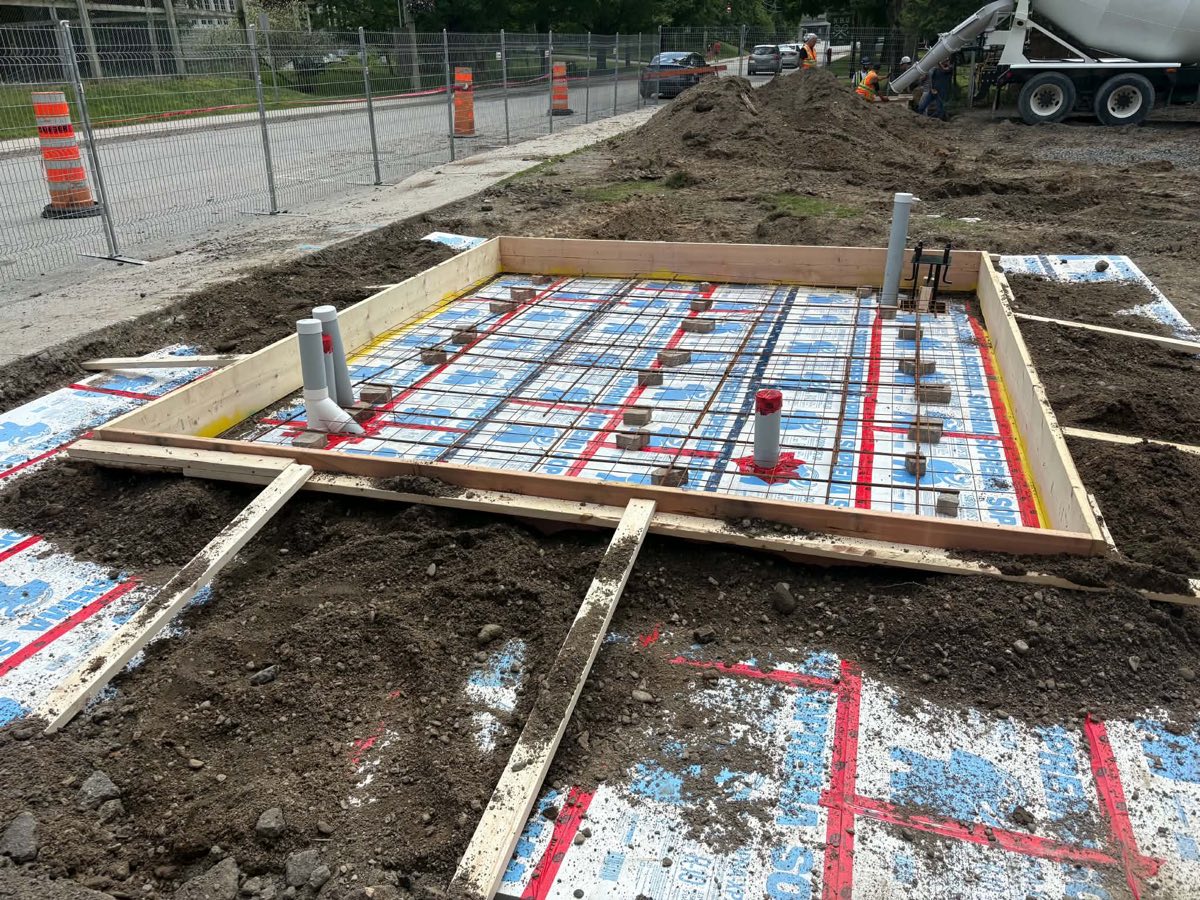
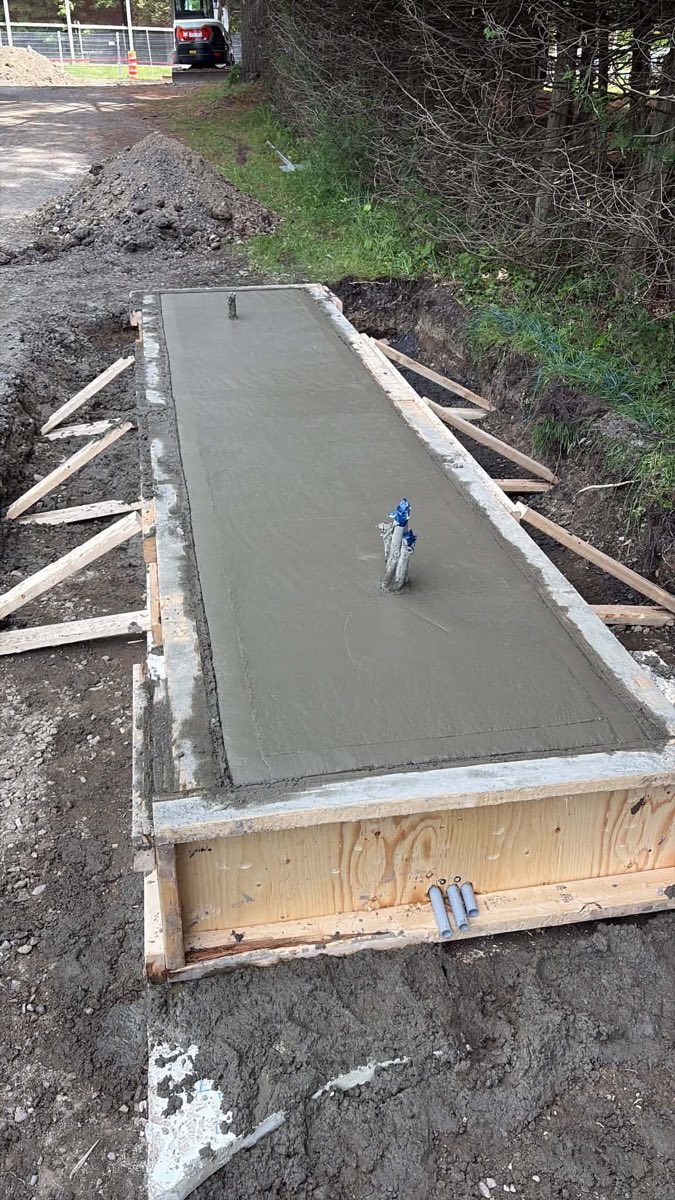
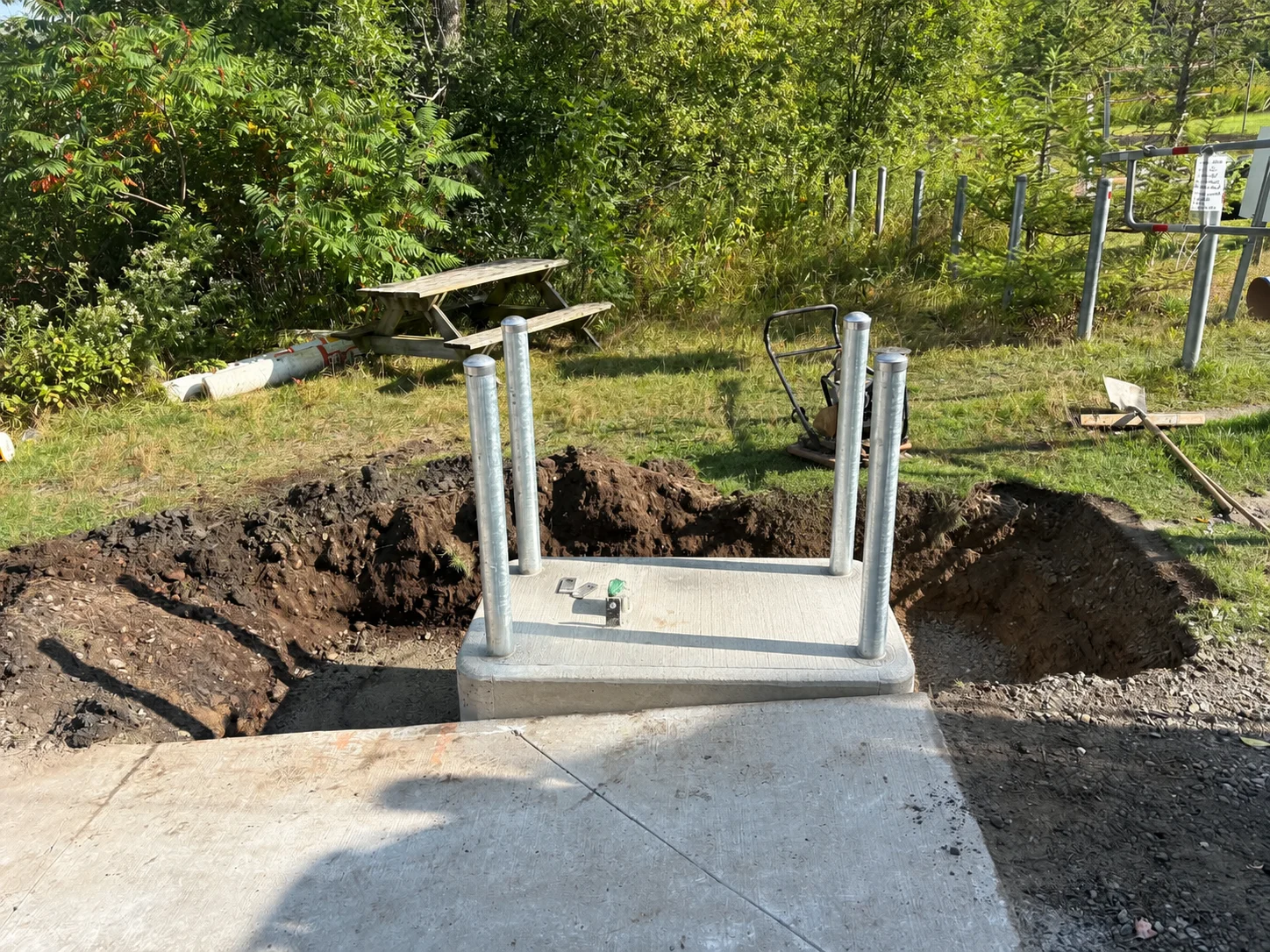
Lexoh handles the turnkey installation: excavation, island installation, electrical connection, equipment installation, configuration and commissioning.
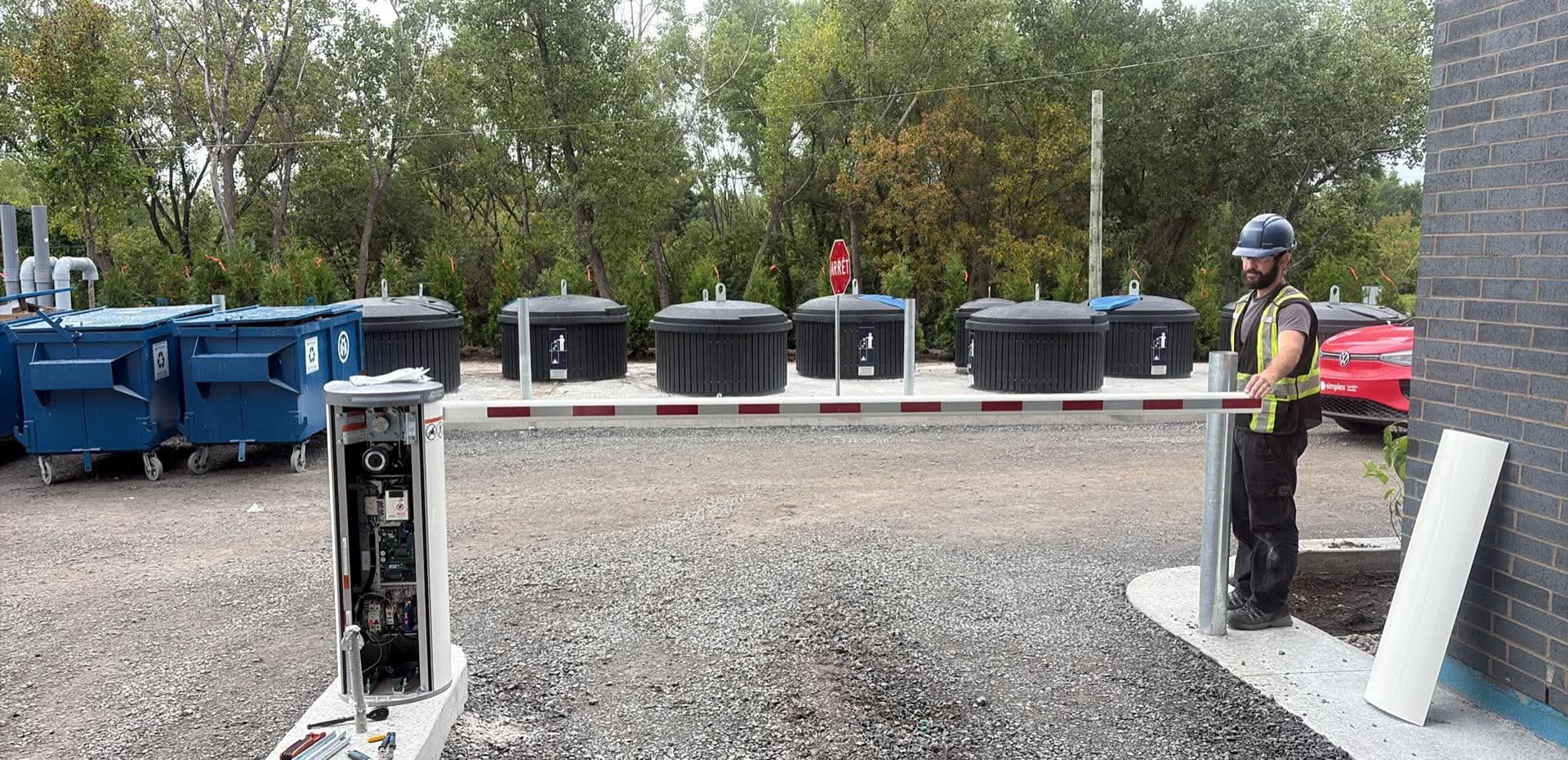
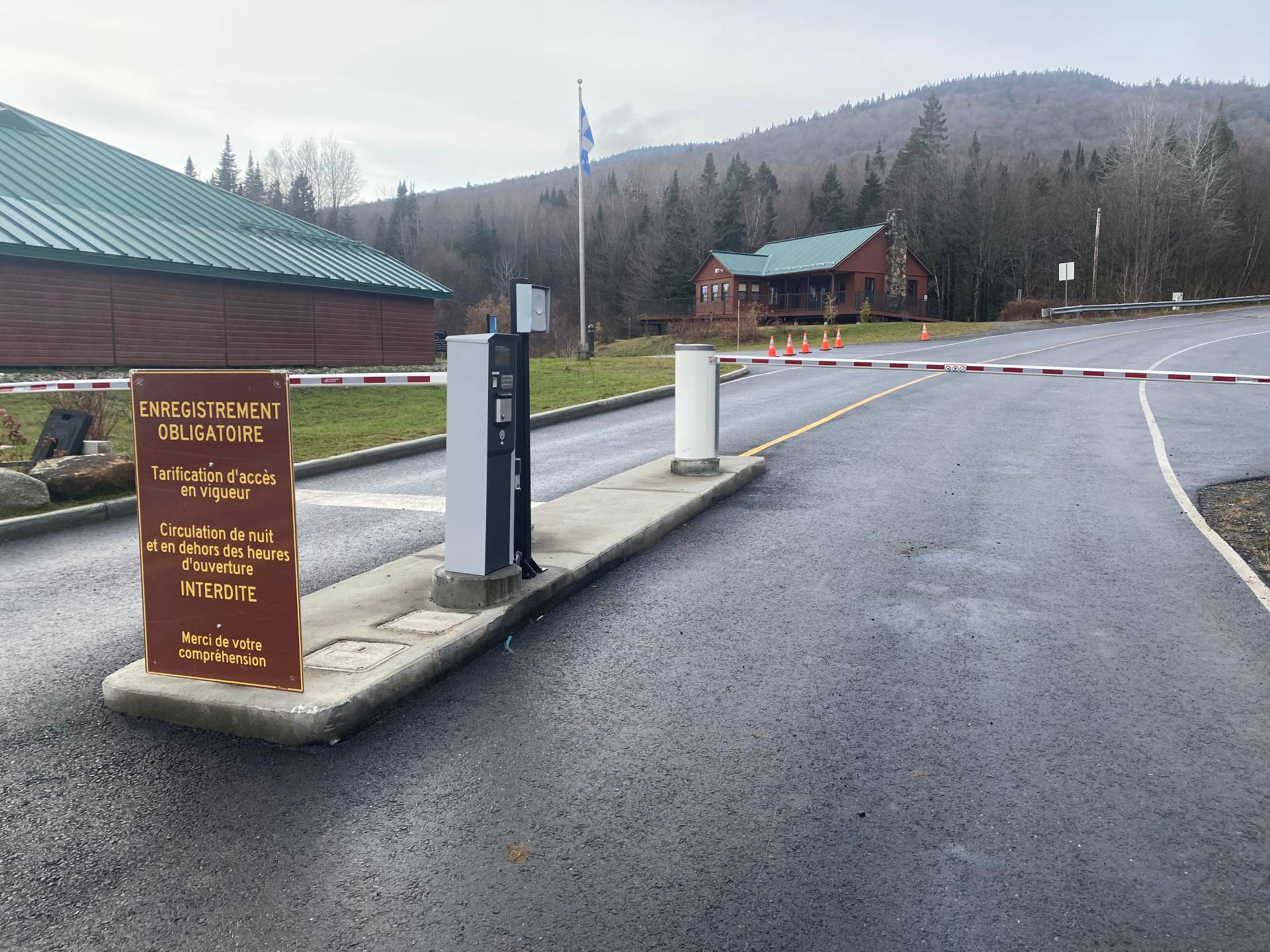
The project archive shows site preparation, equipment placement and completed controlled lanes in their operating context.
The lane identifies the vehicle or user, validates the applicable authorization, controls the barrier and records the result. Vehicle detection and the required protective devices inform the approved opening and closing sequence.
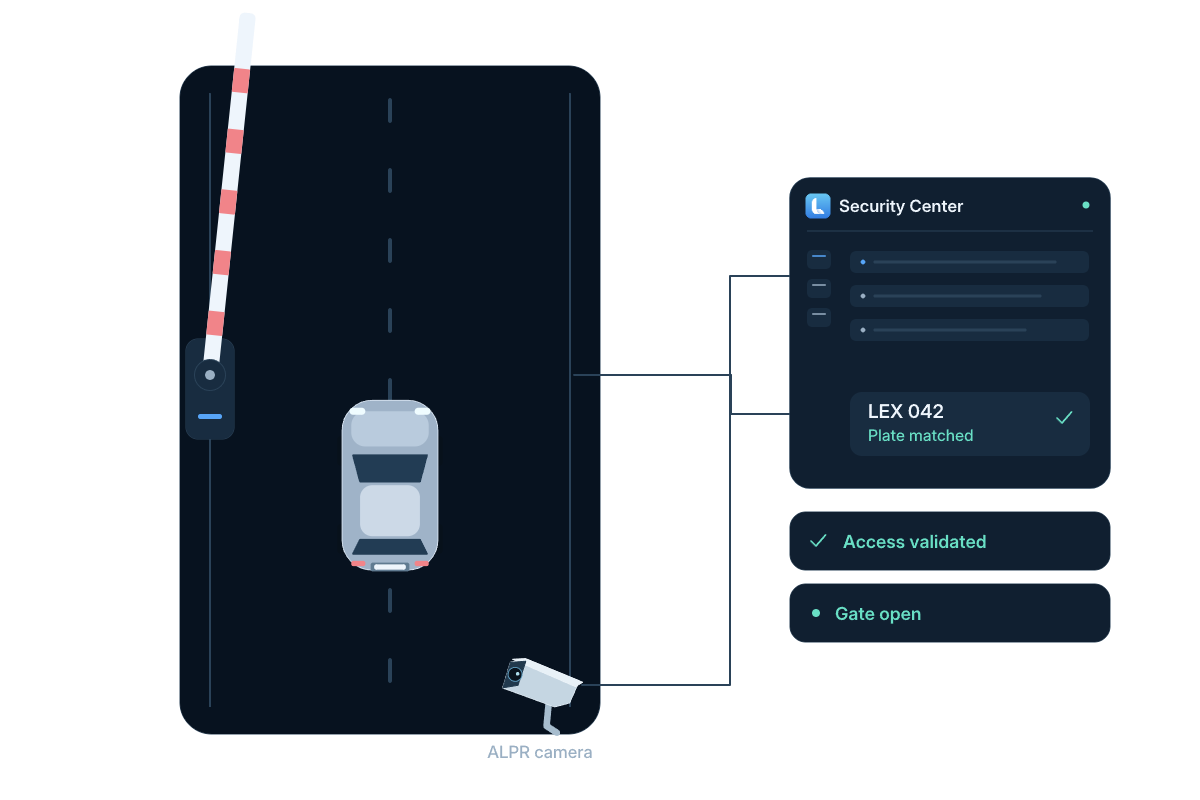
RFID, UHF, plate, QR, intercom or payment
User, permit, schedule or transaction
Apply the configured access rule
Operate the automatic barrier
Detect the vehicle and log the event
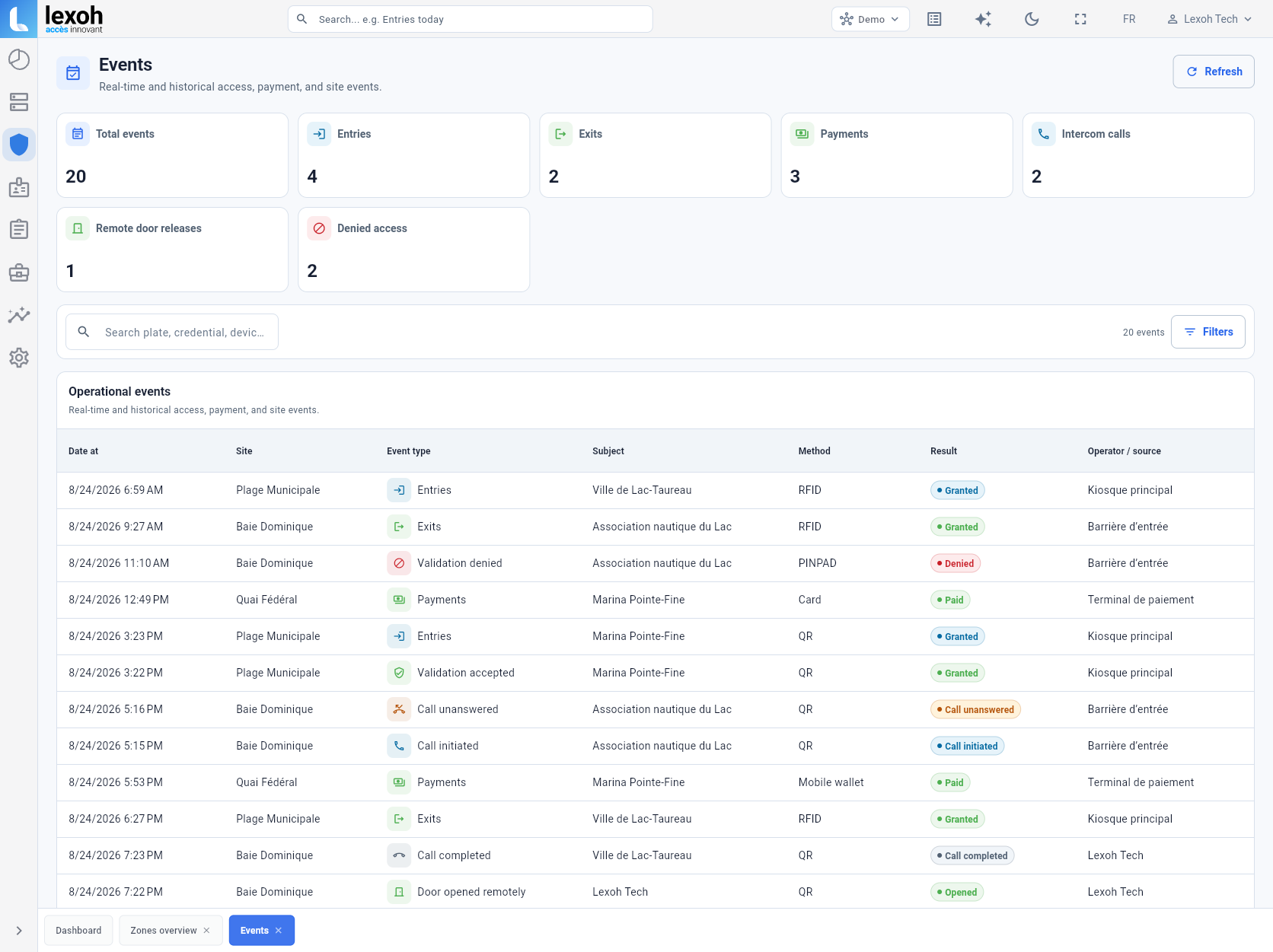
Access decisions and equipment actions remain in the operational record.
View actual Lexoh interfaceA card workflow can be selected when the reader, credential format and user procedure are confirmed.
A vehicle-tag workflow can be evaluated against the required read point, lane geometry and selected equipment.
A registered plate can act as the identifier when capture conditions, rules and fallback procedures are approved.
A temporary QR credential can be considered with a defined issuer, validity period and reader.
An assistance point can connect the lane to an authorized operator under the approved call procedure.
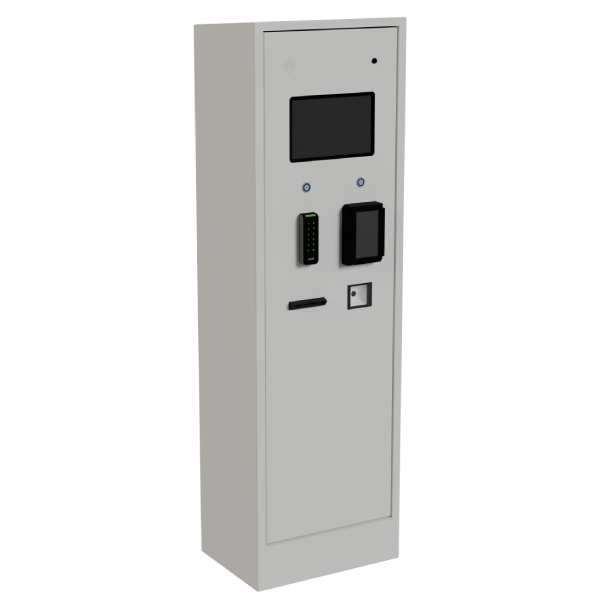
Payment can be included at entry or exit when the transaction and validation workflow is part of the project.
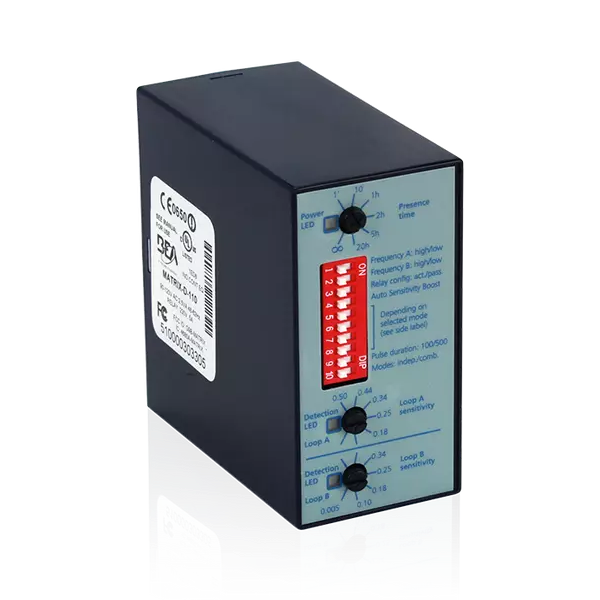
The selected detection method needs to match the lane geometry, pavement and operating conditions. Presence detection, barrier position and closing behavior are defined and tested with the selected equipment before acceptance.
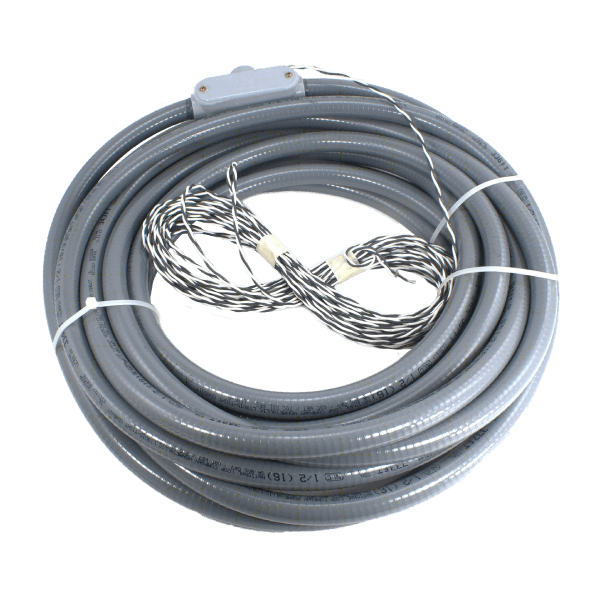
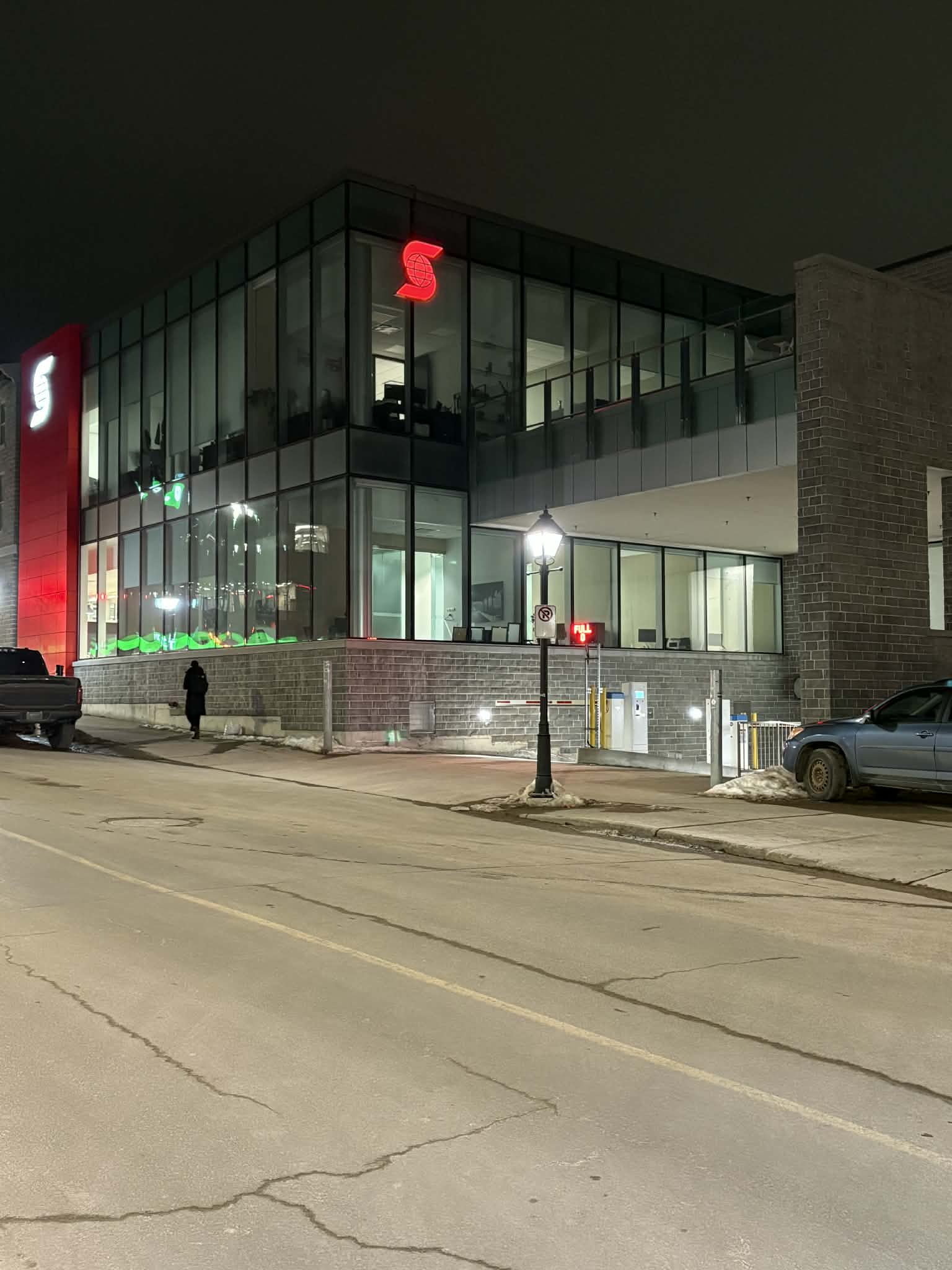
Winter reliability starts in the site design. The project should account for drainage, snow-clearing envelopes, ice, road salt, equipment temperature ratings, detector installation, protected conduit routes, power interruptions and the operating procedure during severe weather.
Mark these positions on the actual site plan. Use the selected model’s dimensioned drawings to confirm the arm movement and installation clearances.
Show where vehicles queue, turn and receive instructions before committing to the lane. Include the largest expected vehicle.
Locate the stopping point and the reader, kiosk or intercom the driver must reach. Check the actual vehicle and any trailer.
Overlay the arm’s complete motion, the detection areas and the functions specified in the approved protective sequence.
Show how the vehicle clears the controlled area and where the next road, garage door or decision point begins.
Keep maintenance access, snow-clearing space and the planned pedestrian path visible on the same drawing.
| Work item | Responsibility to assign | Evidence before the next stage |
|---|---|---|
| Civil preparation | Survey, bases, conduits, drainage and reinstatement | Approved site/model drawings and completed-work review |
| Power and communications | Supply, circuits, network and maintained service | Confirmed requirements and connection checks |
| Field integration | Barrier, detection, readers and operating sequence | Equipment references and configuration record |
| Operating handoff | Staff roles, training, documents and support | Acceptance record and assigned open items |
The Scotiabank Kingston project photographs document the installed lane equipment. On your site plan, mark snow storage, clearing routes and service access, then verify their clearances against the selected equipment drawings. View the Kingston installation ↗
A useful quote separates the equipment price from the work required to deliver an operational lane. This makes options easier to evaluate and prevents civil work, communications or commissioning from appearing as late surprises.
Lane width, arm length, opening speed, traffic frequency and required accessories determine the barrier configuration.
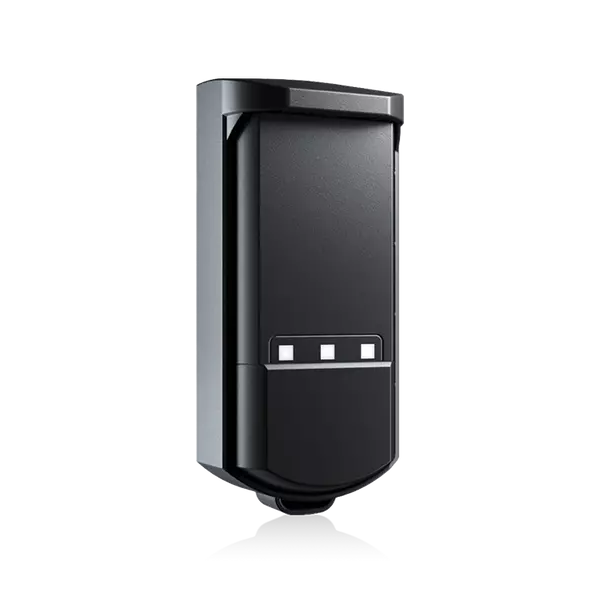
The pavement, lane geometry and desired safety sequence determine whether loops, above-ground detection or combined devices are required.
RFID, UHF, plate recognition, QR, payment and intercom do not require the same equipment, mounting or software configuration.
Excavation, concrete bases, protective posts, drainage, conduits and reinstatement depend on the existing site.
Available circuits, cable distances, network access, fibre, cellular backup and local control affect the installation scope.
Testing, operator training, documentation, warranty scope and the selected support plan complete the project budget.
There is no reliable universal lead time. The schedule is confirmed after the site conditions, responsibilities, equipment availability and approval process are known. A replacement on prepared infrastructure is not planned like a new entrance requiring excavation and concrete.
Map the lane and user journeys, including access methods, exceptions and operating requirements.
Validate dimensions, utilities, drainage, communications, permits and work assigned to each trade.
Approve the selected models, drawings, options and model-specific technical documents before procurement.
Complete civil, electrical and communications work, including curing or inspections when applicable.
Install field equipment, connect devices and configure the access and management rules.
Test normal traffic, safety detection, assistance, outages and emergency operation before handover.
Practical answers for planning, installing and operating an automatic barrier system.
Lexoh can review the site and define the applicable lane system before equipment is selected.