


Bollards
Parking bollards: fixed, removable or retractable?
Bollards can protect equipment, define a boundary or control vehicle access. Those purposes call for different products and installation details, even when the posts look similar.
The decision
State what the bollard must do
Identify whether the goal is to discourage parking, protect a kiosk from low-speed contact or meet a defined vehicle-impact requirement. If impact performance matters, request the specific tested rating and installation requirements.
Appearance and diameter are not evidence of a crash rating. The foundation and installed arrangement are part of the performance assessment.
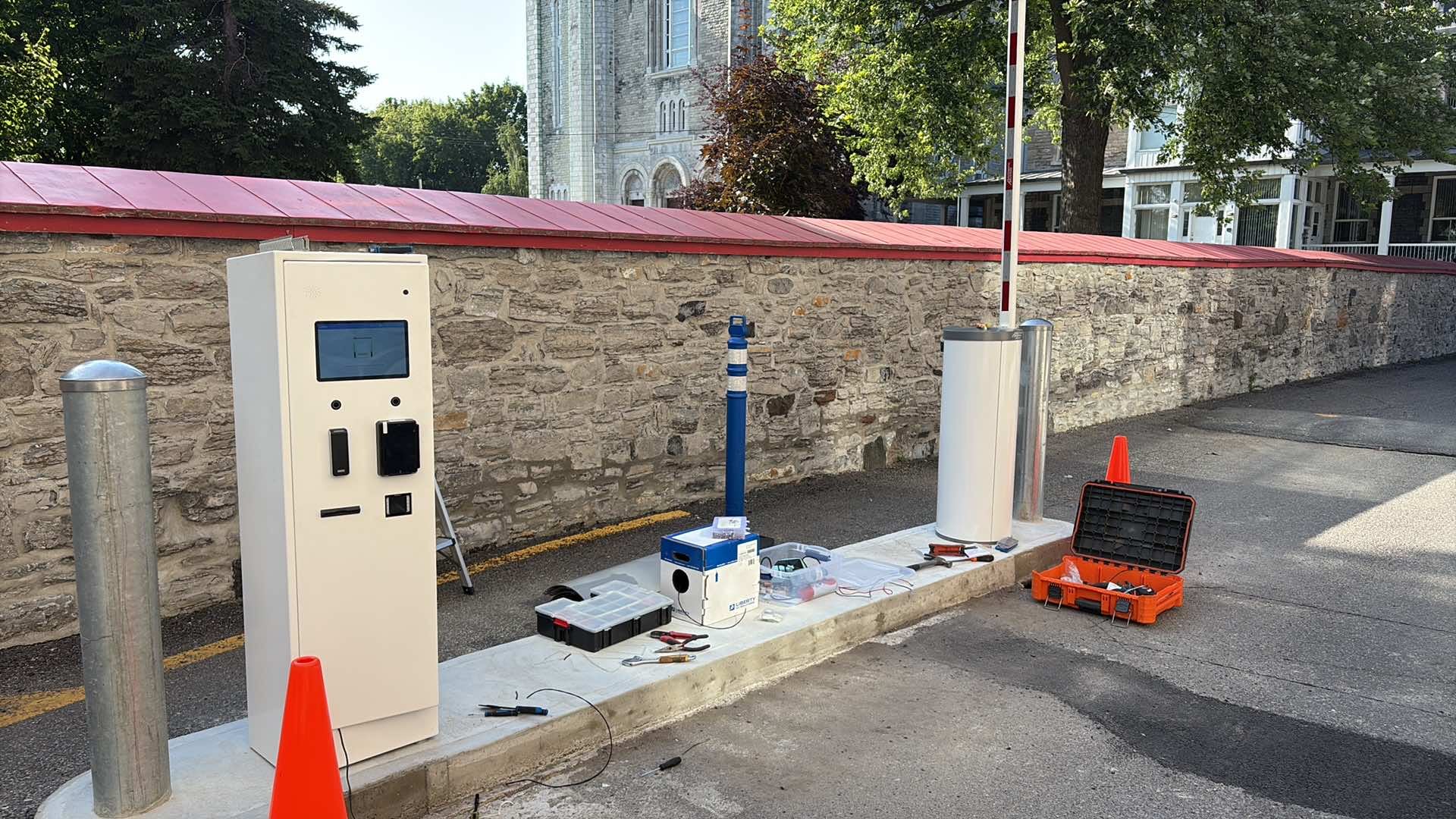
Lexoh can review the readers, payment kiosk, intercom and software for a controlled parking lane, together with the proposed barrier or other entrance equipment. For a retractable bollard, confirm the selected operator’s control interface and protective devices with Lexoh and the installer.
Fixed posts suit permanent boundaries
Fixed bollards can define areas vehicles should not enter or protect equipment while leaving a planned pedestrian route. Review spacing, visibility, accessible circulation and access for servicing the equipment behind them.
A post placed too close to a kiosk can make the screen or reader difficult to reach. Coordinate the protection layout with the actual user approach before foundations are poured.
On a narrow screen, scroll the table horizontally to see every column.
| Type | Typical operating need | Site checks |
|---|---|---|
| Fixed | Permanent boundary or equipment perimeter | Spacing, foundations and access for servicing |
| Removable | Occasional opening with a responsible person | Handling, key custody, storage and socket drainage |
| Manual retractable | Occasional opening without storing a removed post | Operating effort, locking and below-ground maintenance |
| Automatic retractable | Controlled passage with powered operation | Actuation, detection, drainage and fault response |
Removable posts need an operating owner
A removable bollard can serve an opening used occasionally by service or authorized vehicles. Someone must remove it, store it, manage the key and restore the boundary after passage.
Assess lifting and handling requirements, socket condition and drainage. A removable post left out of place provides little access control, so include the opening and closing procedure in the site’s responsibilities.
Retractable bollards need below-ground planning
Retractable bollards can be manual or automatic. A manual model still needs a person to lower and raise it; an automatic model needs the specified actuation, controls and detection. For either type, excavation, buried services, drainage and maintenance access can determine the project. Confirm the selected model’s operating conditions with its manufacturer and installer.
Plan the response to power loss, obstruction and equipment failure. Keep pedestrians and vehicles clear of the movement area through the approved design and operating instructions.
Compare with barriers and gates
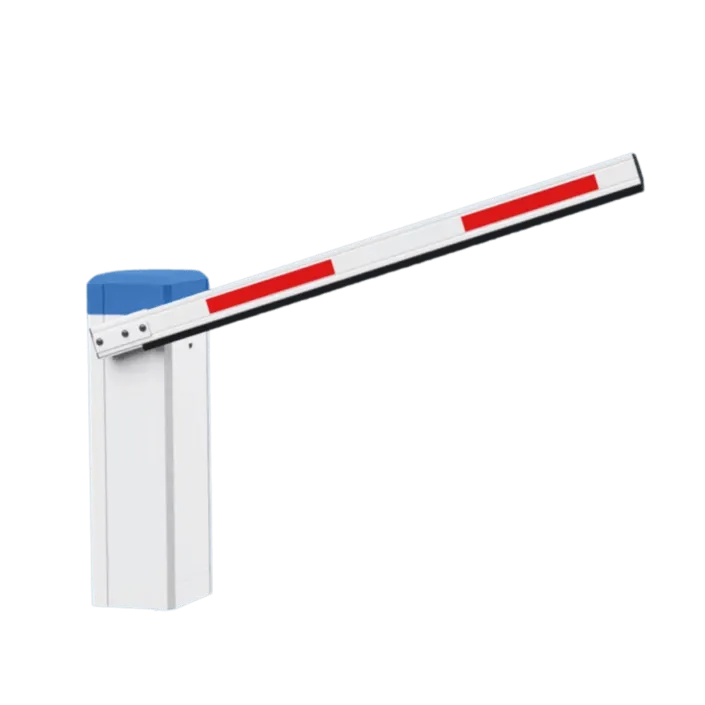
A barrier arm may suit frequent controlled passages; a gate can close a wider perimeter opening; a bollard can preserve an open visual boundary while restricting vehicles. None should be selected from appearance alone.
Lexoh’s barrier, bollard and gate comparison helps frame these choices. Compare installed scope and maintenance alongside the credential system, assistance procedure and expected traffic.
Questions
Practical questions
Does retractable always mean automatic?
No. Manual retractable models require someone to lower and raise the post. Automatic models add powered operation and the required controls. Specify who opens the lane, how often and what happens during a fault before choosing.
How should emergency or service access be planned?
Identify the authorized responders and agree on an access procedure with the site’s responsible parties. Confirm the selected model’s approved release or lowering method, access to any keys or controls, and the local response when normal operation is unavailable. Verify the procedure during handover.
Is every steel bollard crash-rated?
No. Ask for the tested product, rating and required installation when impact resistance is part of the scope.
Can a retractable bollard be added without civil work?
Do not assume so. Foundations, buried services, drainage and access for maintenance require a site review.
References and further reading
- Ameristar: Security Bollards
Manufacturer examples distinguish fixed, removable, manual retractable and automatic retractable products. Ratings belong to the tested product and installation; no Ameristar supply relationship is claimed for Lexoh.
- Barrier, bollard or sliding gate
Lexoh product or project reference.
- Parking system cost guide
Lexoh product or project reference.

Your project
Choose the right physical control
Review access frequency, protection objectives and the site infrastructure with Lexoh.
Discuss the project