


Vehicle entrance guide
Parking barrier, bollard or sliding gate?
Choose the equipment for the job at each entrance: regulating parking access, restricting a vehicle route or closing a fenced perimeter. This guide helps owners and integrators compare the physical equipment with the access controls it needs.
Short answer
Start with the purpose of the opening.
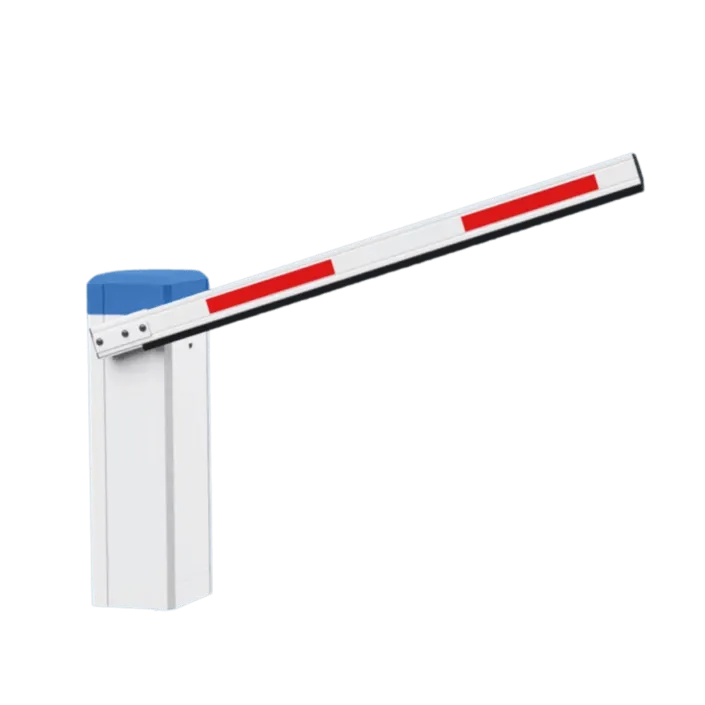
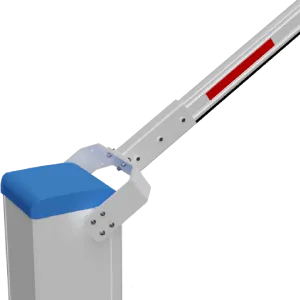
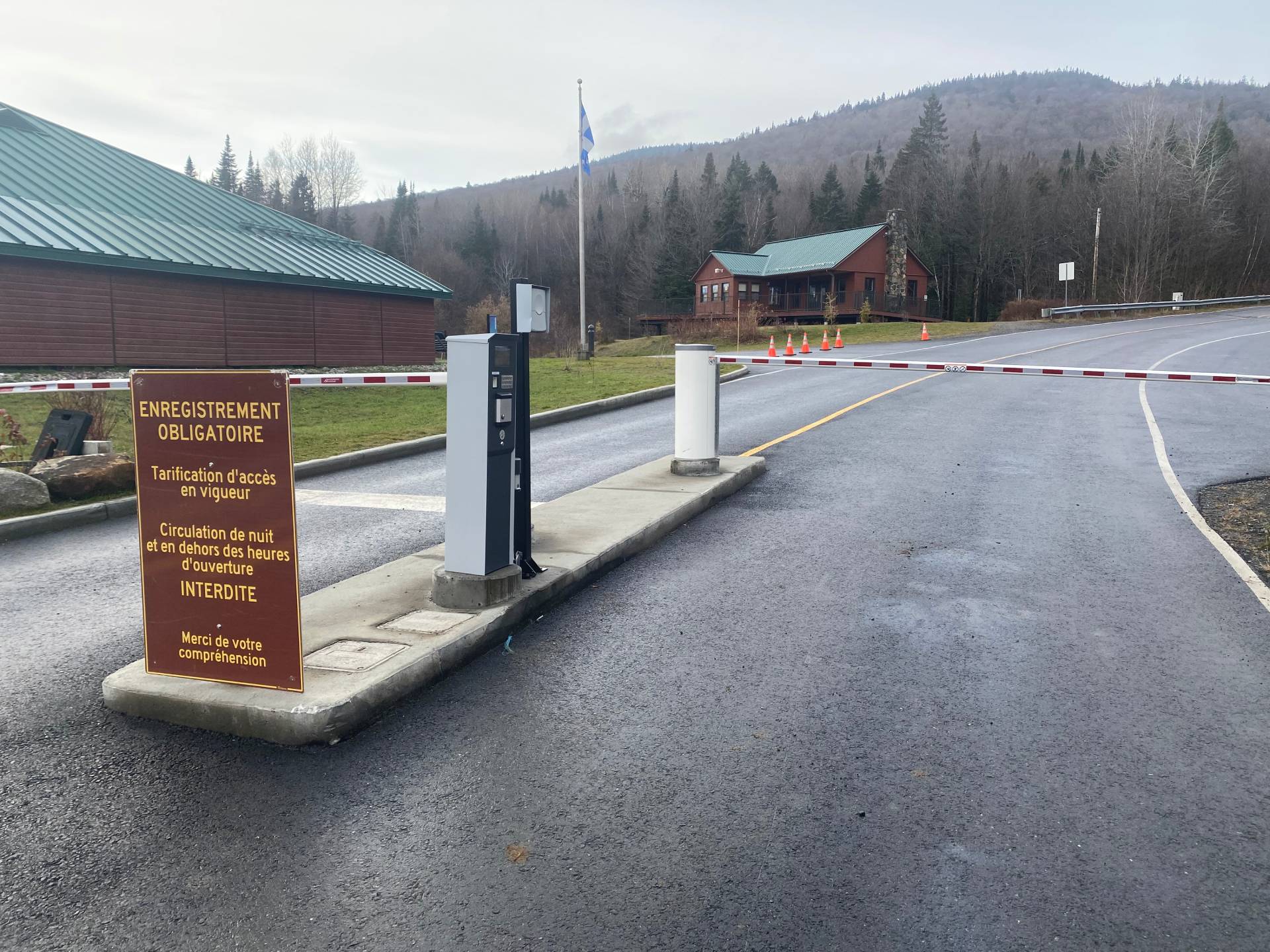
A parking barrier arm provides a visible stopping point while a driver’s access right or payment is checked. A retractable bollard rises from the ground to obstruct a vehicle route and lowers to allow passage. A sliding gate closes an opening in a perimeter and needs space beside that opening to travel.
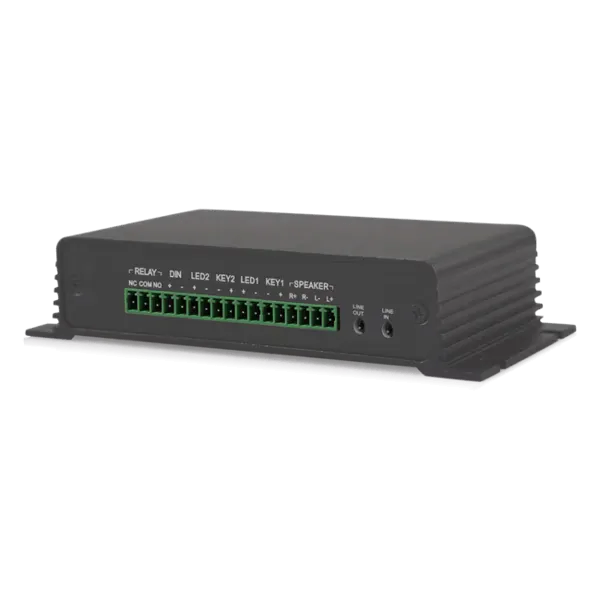
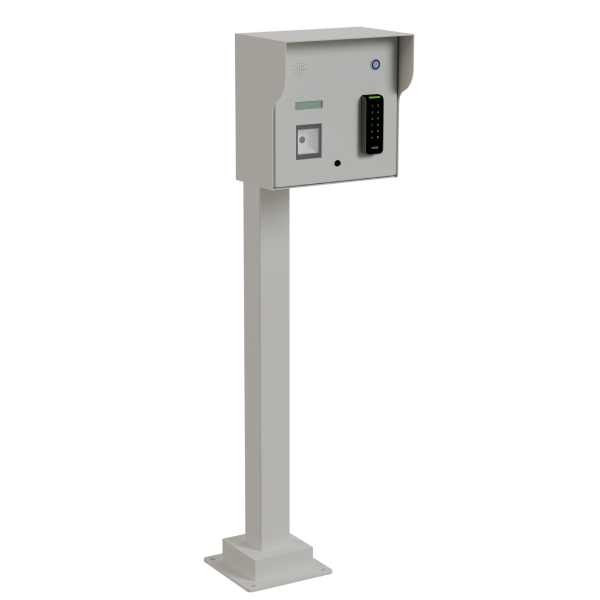
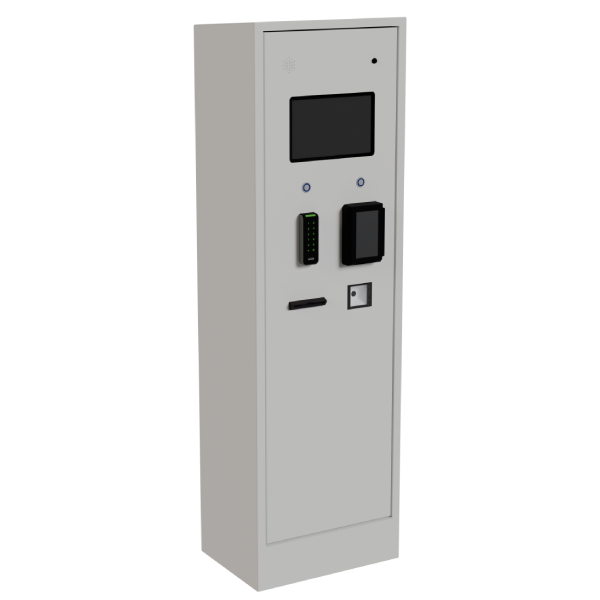
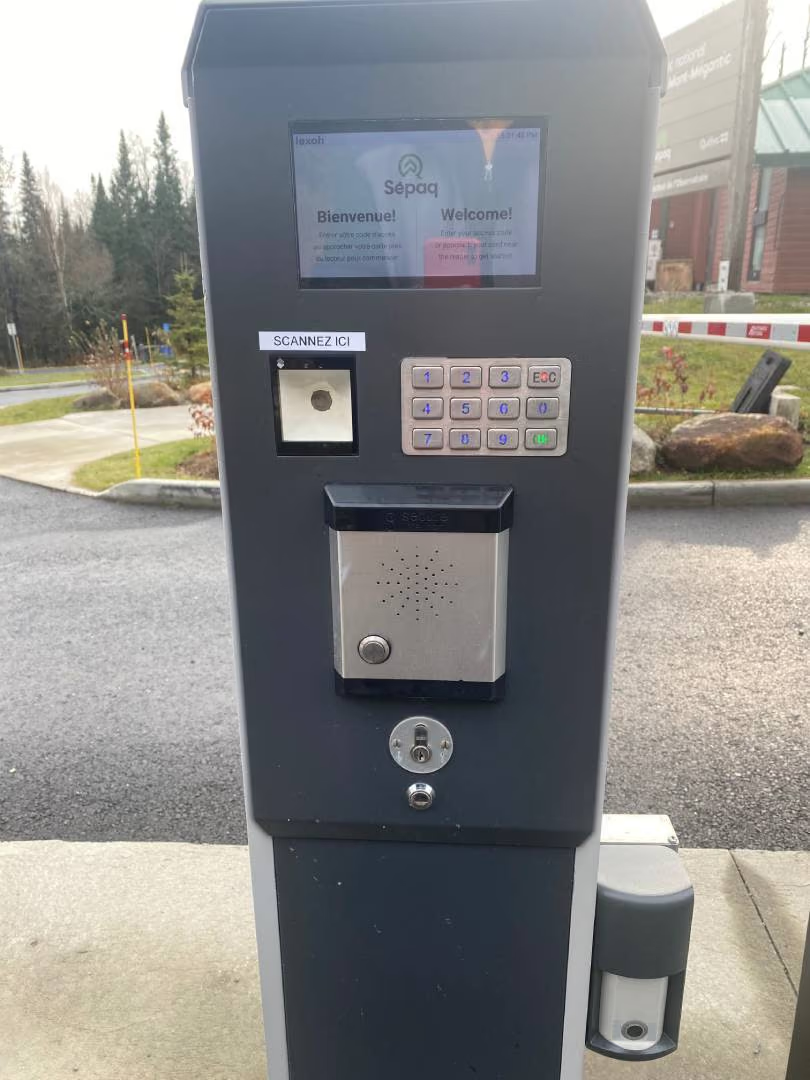
None of these names establishes impact resistance, lane capacity or compatibility with existing controls. Choose an actual model and installation design. Lexoh can review the barrier, readers, payment kiosk, intercom and software required for a controlled parking lane, and assess the proposed interfaces for other entrance equipment.
Side by side
Compare the proposed installation, not just the device.
Use this table to request the same information from each supplier. Opening speed alone does not describe the time needed to identify a driver, process payment and clear the lane.
Scroll horizontally to compare every column; use the arrow keys when the table is focused.
| Criterion | Automatic barrier arm | Retractable bollard | Sliding gate |
|---|---|---|---|
| Primary role | Regulate vehicle passage at a stopping point. | Obstruct a route while raised; allow passage when lowered. | Close a perimeter opening. |
| Cycle and traffic | Check arm length, opening/closing times and duty rating. | Check lowering/raising times and duty rating for the set. | Check opening width, travel speed and duty rating. |
| Impact protection | An ordinary parking arm is not proof of crash resistance. | Request the exact impact rating when protection is required. | Request the exact impact rating when protection is required. |
| Pedestrians and cyclists | Design a separate route outside the arm’s movement. | Review accessible routes, spacing and the movement area. | Provide a separate pedestrian access opening. |
| Space and civil work | Arm clearance, foundation, cable routes and service access. | Specified housing/foundation, underground services and drainage. | Travel space, foundations and either a ground track or cantilever supports. |
| Winter | Verify operating temperature, wind limits and any heating options. | Verify temperature limits, water management and any heating options. | Keep the travel area clear; maintain a ground track if fitted. |
| Installed cost | Include detection, readers, power, civil work and commissioning. | Include foundations, drainage, controls and maintenance access. | Include gate structure, operator, protective devices and fencing work. |
| Access integration | Confirm reader, payment and operator interfaces in the proposal. | Confirm the operator’s approved control interface and status feedback. | Confirm the operator’s approved control interface and status feedback. |
| Outage and service | Document manual release, assistance and return to service. | Document the failure position, authorized release and recovery. | Document release, emergency access and return to service. |
Decision sequence
Resolve four requirements together.
An entrance may need more than one function. Review all four requirements before selecting equipment.
-
1. Define the protection objective.
Controlling ordinary arrivals differs from protecting against a vehicle impact. For impact protection, specify the threat and require a documented rating for the exact equipment and foundation design. Appearance or device category is not evidence of that rating.
-
2. Map the perimeter and operating hours.
If a fenced opening must close outside operating hours, assess a suitable gate. A separate barrier may regulate daytime arrivals, but the two devices need a coordinated sequence and enough space for waiting vehicles.
-
3. Test the complete lane sequence.
Use the peak arrival pattern, vehicle lengths and available queue space. Include identification, payment, assistance, movement and vehicle clearance. Confirm the operator’s duty rating against this sequence.
-
4. Provide a separate pedestrian route.
Do not direct people under a barrier arm or through a moving gate. Plan an accessible route outside moving equipment and review cyclists, deliveries and emergency access with the installer.
Planning examples
Match each entrance to its users.
These are illustrative options to assess, not documented installations or promises that every configuration is available.
Scroll horizontally to compare every column; use the arrow keys when the table is focused.
| Site | Option to assess | What to confirm |
|---|---|---|
| Campground entrance | Barrier with reader and assistance point. | Guest credentials, late arrivals and queue space. |
| Marina or launch ramp | A controlled lane sized for trailers. | Trailer clearance, reversing space and authorized access. |
| Municipal paid lot | Barrier with payment kiosk or another confirmed payment flow. | Payment confirmation, permits and assistance at exit. |
| Pedestrian street | Retractable bollards at an authorized vehicle opening. | Impact objective, accessible pedestrian route and delivery procedure. |
| Industrial yard | Perimeter gate, with a daytime barrier if justified. | Fleet readers, vehicle lengths and coordinated movement. |
| Condominium garage | Existing door or a proposed barrier, subject to assessment. | Operator condition, resident access and pedestrian separation. |
| Regional park | Barrier with outdoor kiosk and access readers. | Day passes, seasonal permits, climate and support arrangements. |
Climate
Plan winter operation around the actual model.
Ask for the manufacturer’s operating limits and installation instructions, then compare them with local temperatures, wind, snow storage and drainage. Heating is an equipment option or design requirement to verify, not a feature to assume across an entire category.
-
Barrier arm
Confirm wind and temperature limits for the operator and arm. Keep the foundation, arm movement and service area clear of plough routes and snow piles.
-
Retractable bollard
Review the specified foundation or housing, drainage, underground utilities and access for maintenance. Confirm any heating requirements and the authorized recovery procedure if movement is obstructed.
-
Sliding gate
Distinguish a ground-track gate from a cantilever design without a track across the driveway. Both need a clear travel area and an operator suitable for the gate, site and climate.
Project checklist
Questions to answer per opening before choosing
Prepare these details for the owner, Lexoh and the installing contractor.
-
What must this opening control or protect?
Separate access authorization, perimeter closure and any impact-protection requirement. Request evidence for the selected equipment.
-
What does the busiest arrival period look like?
Provide vehicles per interval, vehicle lengths and queue space. Test the complete sequence against the proposed duty rating.
-
Where do people walk or cycle?
Mark accessible routes outside equipment movement, crossings and emergency access on the site plan.
-
What is below and beside the opening?
Locate utilities and drainage; record space for foundations, operator service and gate travel.
-
What happens during a failure?
Agree the authorized release, assistance contact, emergency procedure and return-to-service checks.
-
What will the installer hand over?
Request model references, approved wiring, protective-device checks, winter instructions, maintenance scope and a witnessed commissioning record.
Practical questions
Questions asked when comparing entrance devices
Does a parking barrier stop a vehicle impact?
Do not assume an ordinary parking arm provides impact protection. Specialized rated equipment exists, but the exact model, tested configuration and foundation must match the protection requirement. The words barrier, bollard or gate alone establish no crash rating.
How fast will vehicles move through the entrance?
Measure the complete arrival sequence, including identification, any payment, opening, vehicle clearance and closing. Compare it with peak demand, queue space and the proposed operator’s duty rating. A published opening time alone is not a lane-throughput guarantee.
Can retractable bollards serve a busy entrance?
It depends on the model, duty rating and operating sequence. Confirm lowering and raising times, traffic patterns and recovery procedures. Do not accept a blanket claim that every bollard is too slow or that every model supports continuous heavy traffic.
When should a gate and a barrier be combined?
Consider the combination when the perimeter must close at certain hours and a separate stopping point serves arrivals during operation. Confirm the need, available space, coordinated controls and protective devices before including both in the design.
Which option costs least to install?
Compare itemized proposals for the same opening and requirements. Foundations, drainage, gate structure, power, detection, readers, commissioning and maintenance can change the result. A device-only price does not establish the least expensive installed solution.
Can Lexoh reuse an existing operator?
Reuse requires an assessment of the model, condition, documentation, approved control interfaces and protective devices. Share the operator reference and site photographs with Lexoh. The proposed scope should state what remains, what changes and how the finished installation will be tested.
Where should pedestrians pass?
Provide a clearly identified, accessible route away from moving equipment. A vehicular gate needs a separate pedestrian access opening; the installer must assess the suitable route and protective measures. A gap beside a barrier is not, by itself, a completed pedestrian-access design.
Can plates, RFID, UHF or QR codes work with these devices?
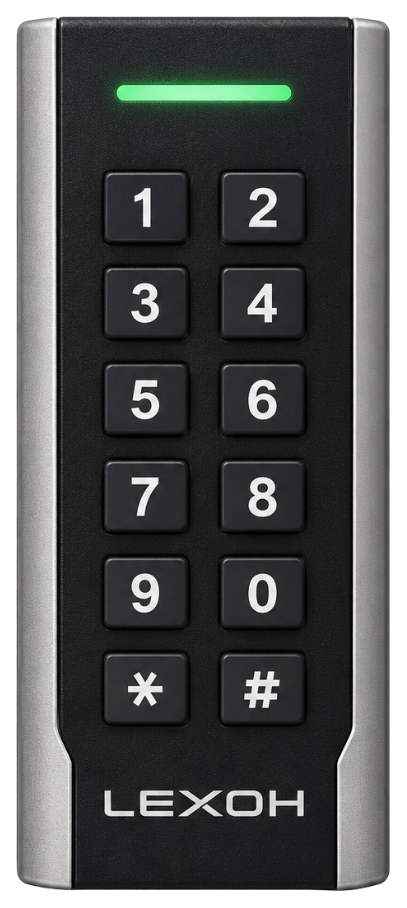
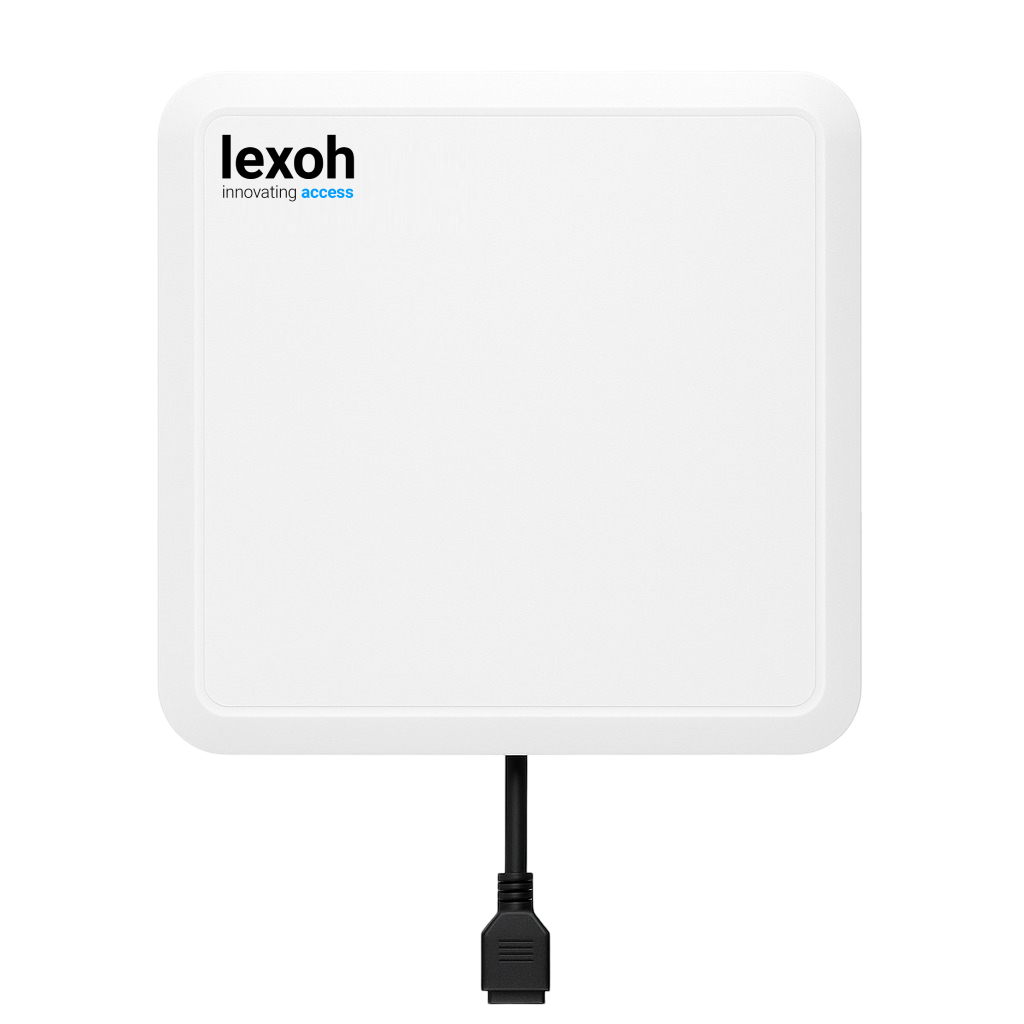
Identification happens at a reader and access controller, while the operator moves the equipment. Compatibility depends on the chosen reader, credentials, software, interface and site sequence. Ask for the supported combination in the proposal rather than assuming every credential works with every installation.
References and further reading
- Lexoh automatic barrier solution
Lane design and operation.
- Lexoh industrial barrier
Heavy-duty operators.
- Lexoh parking access control
Rights, credentials and events.
- DASMA Technical Data Sheet 356 — gate installation questions
Manufacturer-qualified protective devices and separate pedestrian access; consult the exact operator instructions.
- Automatic Systems — RB C50_600
Example of model-specific impact, cycle and foundation specifications; not a statement that this model is included in a Lexoh proposal.
Entrance review
Share your entrance plan.
Lexoh reviews traffic, security need, climate and civil constraints with your team before proposing the device for each opening.
Discuss your entrances