

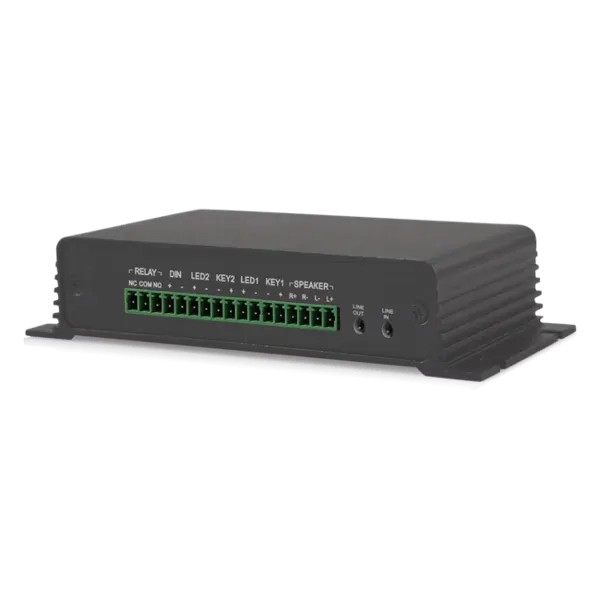
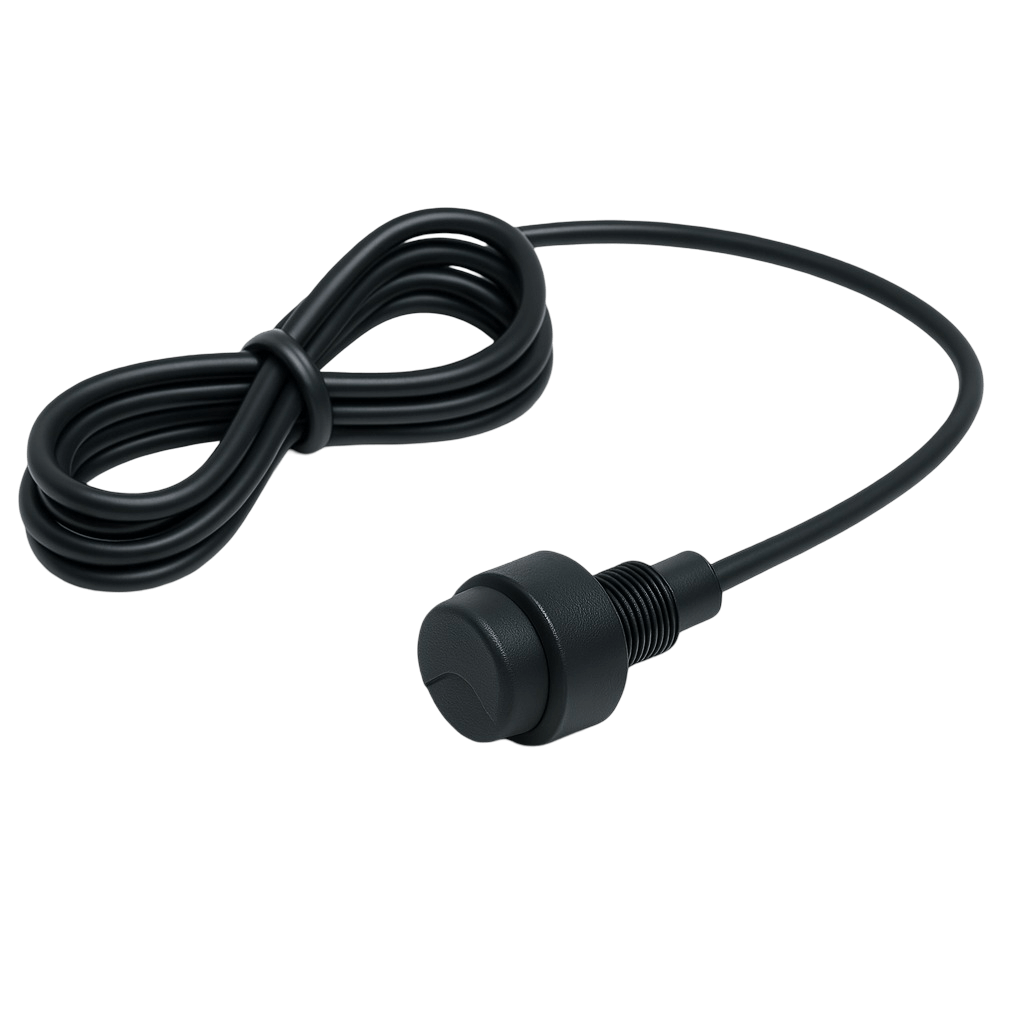
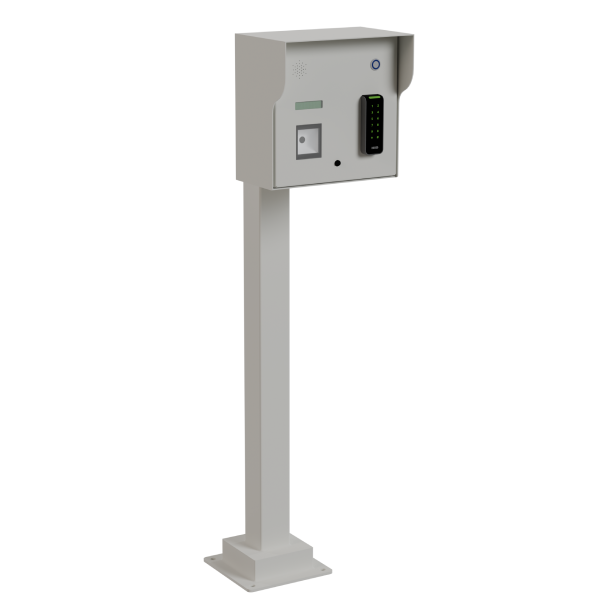
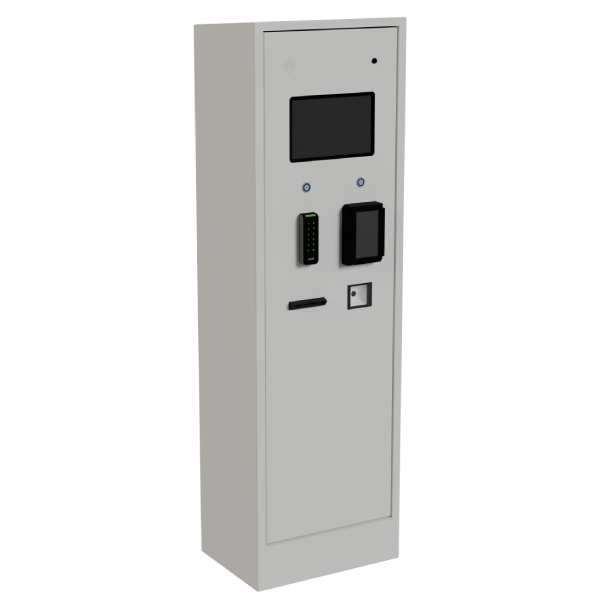
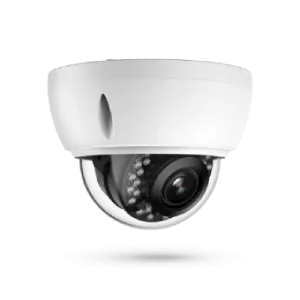
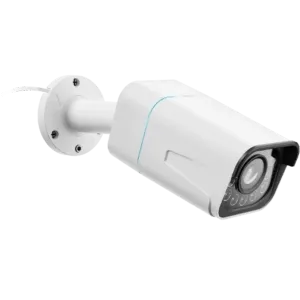
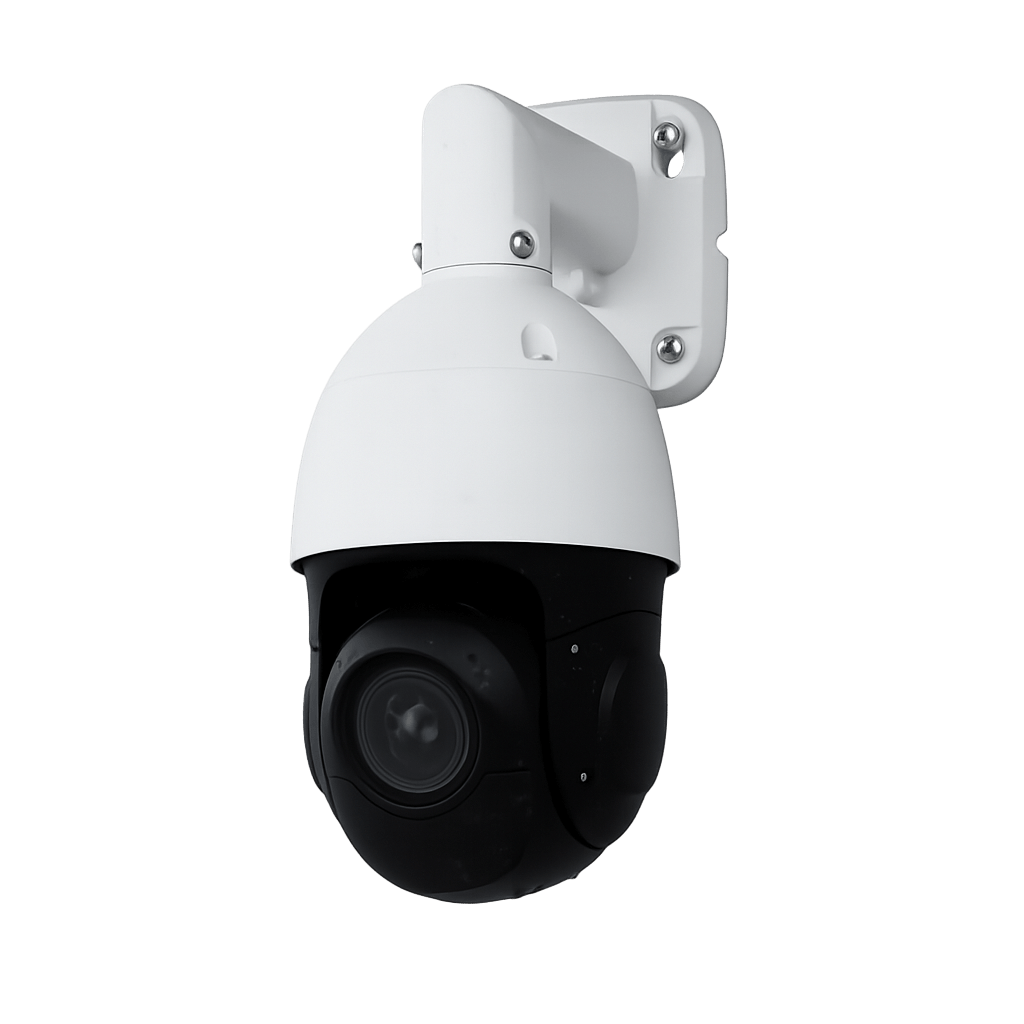
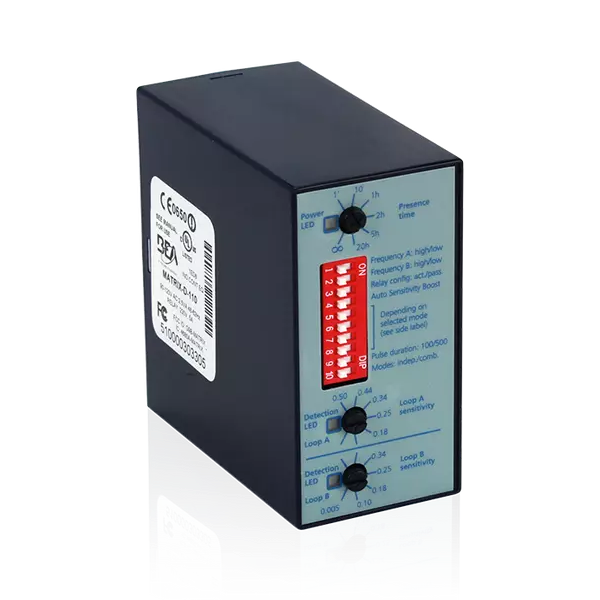
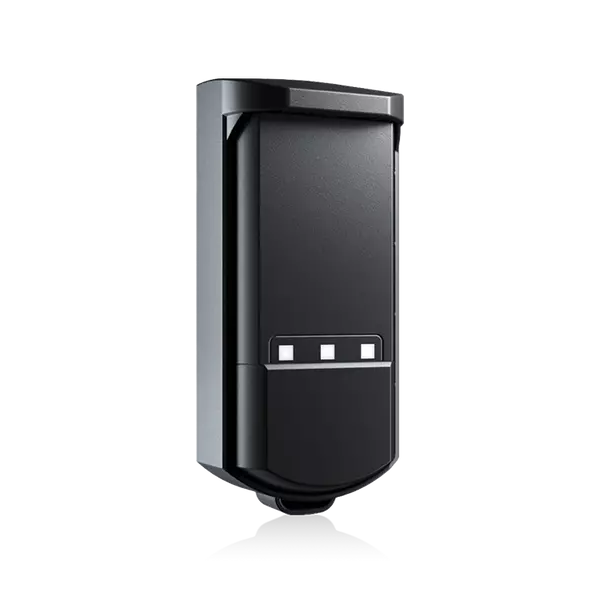
Show the intended vehicle paths and indicate which movements should produce a detection event, including nearby movements that should not. Use this requirement to confirm the exact detector’s supported behavior, orientation and controller configuration. Do not assume that pointing the unit toward a lane establishes every required direction distinction; verify the accepted cases on site.
Vehicle detection
Falcon vehicle detector
Plan a Falcon detector around the vehicle movement your entrance needs to detect. Confirm the exact variant, mounting arrangement and controller connection before selecting equipment or replacing an installed unit. Lexoh helps review a new installation or replacement with the connected lane equipment.
- Role
- Mounted vehicle detection
- Sequence
- Lane specific
- Performance
- Model-specific specifications
Choosing a Falcon detector
What should Falcon detection do in your lane?
Define the event the controller needs before positioning the detector. Use the exact product reference and installation guide to check whether it fits the intended entrance.
Which Falcon reference is installed?
Record the label and variant, mounting position and current connections. These details establish which documentation applies; do not transfer another variant’s ratings or settings solely because it shares the Falcon name.
Approach, passage or stationary presence?
These are different detection requirements. Confirm which events the chosen model and configuration support; detecting an approaching vehicle alone does not establish that it can monitor a vehicle stopped under a barrier.
What must match the lane controller?
Match the detector output, controller input and intended response. The mounting angle, neighboring traffic and required detection area also need to be checked together in the installed lane.
Mounted vehicle detection
Position the detector around the vehicle event.
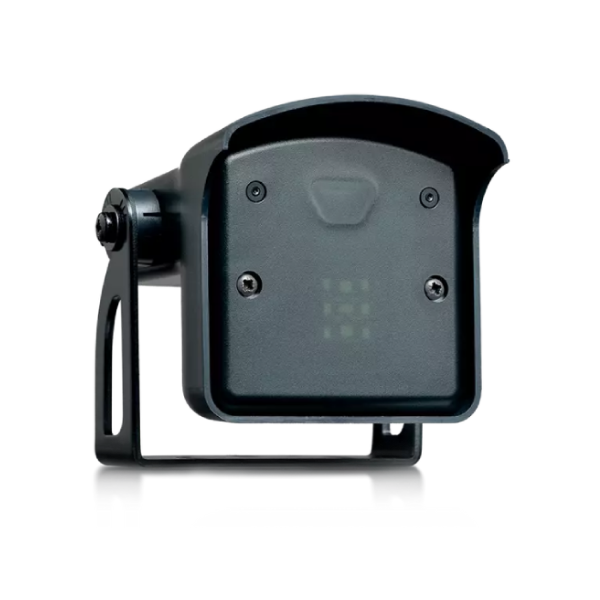
The support and orientation place the device toward the lane. The selected model must support the event the controls need.
-
Mounting point
Locate the bracket with a clear orientation toward the monitored area.
-
Required event
Select approach, presence or passage according to the model’s supported functions.
-
Connected response
Match the detector output to the lane controller’s input and operating sequence.
Falcon detector selection criteria
| Selection item | What to confirm |
|---|---|
| Exact product reference | Identify the manufacturer, Falcon variant and current installation guide before selecting or replacing a detector. The family name alone is insufficient. |
| Motion or stationary presence | Confirm the event supported by the exact model. Motion detection must not be assumed to maintain a presence state for a vehicle that stops. |
| Mounting and field | Match the documented mounting arrangement to the approach and surrounding equipment. Obtain the detection-field information for the proposed variant. |
| Traffic direction | Describe the movements that should trigger a signal and those to exclude. Confirm available settings and verify the installed result. |
| Power and interface | Verify the supply, terminal diagram, output behavior and controller input together. Use the selected model’s documented values. |
| Environment and upkeep | Confirm temperature and enclosure limits, support stability and access for adjustment. Retain the accepted settings and inspection instructions. |
Request the current datasheet and installation instructions for the equipment proposed in your quotation.
Prepare the approach
Describe which movements should trigger detection
Provide Lexoh with the existing Falcon reference and the movement required at the entrance to prepare a model-specific review.
| Planning item | Information to provide |
|---|---|
| Device identity | Send the complete label and photographs of the unit and bracket. Include the current manual or previous equipment quotation if available. |
| Intended movement | Mark approaching, departing and crossing traffic on the site plan. Identify which movements should and should not generate an input. |
| Mounting context | Show the full approach and nearby moving equipment. Record the available mounting position and any vibration or repeated unwanted activation. |
| Operational handover | Agree on representative movement tests and the expected controller response. Record the accepted setup and any separate requirement for stopped-vehicle detection. |
Configuration: Keep equipment references, drawings and accepted test results together for future service.
Equipment questions
Practical details for planning, operating and maintaining this equipment.
Only after the complete counting method has been defined and validated. A detection state or transition is an input to the configured system, not automatically a record of one unique vehicle. If operational counts are needed, specify what is counted, how repeat events are handled and how the result is checked against observed traffic.
Project review
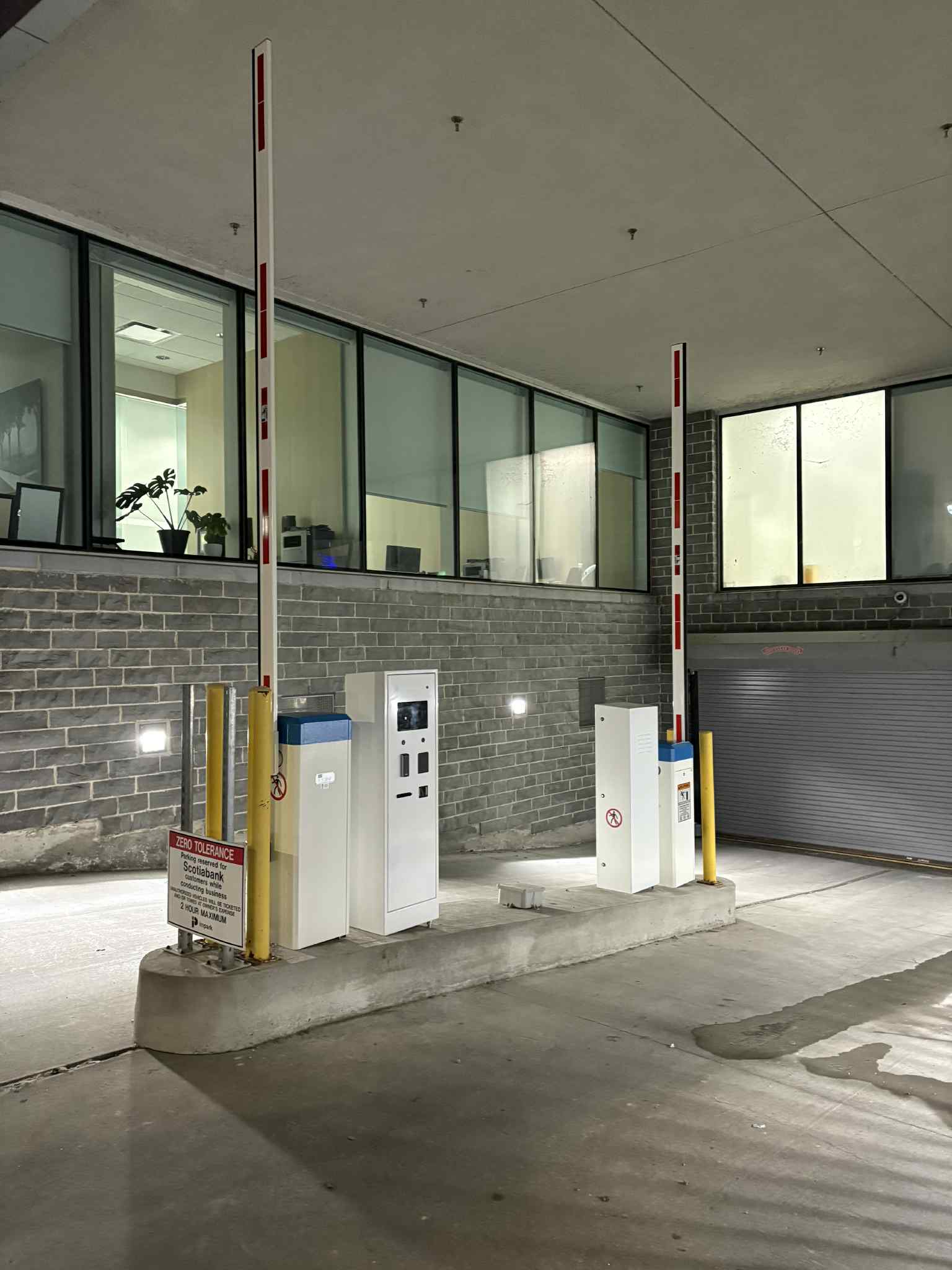
Plan a Falcon detector installation or replacement.
Send the full product reference when available, the mounting position and the movements to detect. Lexoh can review the proposed variant and its connection to your entrance controller.