

Only if the configured system issues that code for the intended access workflow and the scanner supports its format. A receipt code may serve another purpose, such as retrieving transaction information. Confirm the relationship between payment, code issuance, validity and the entrance response, then test the actual receipt instead of assuming that any readable QR code grants access.
Readers and credentials
QR and 2D code scanner
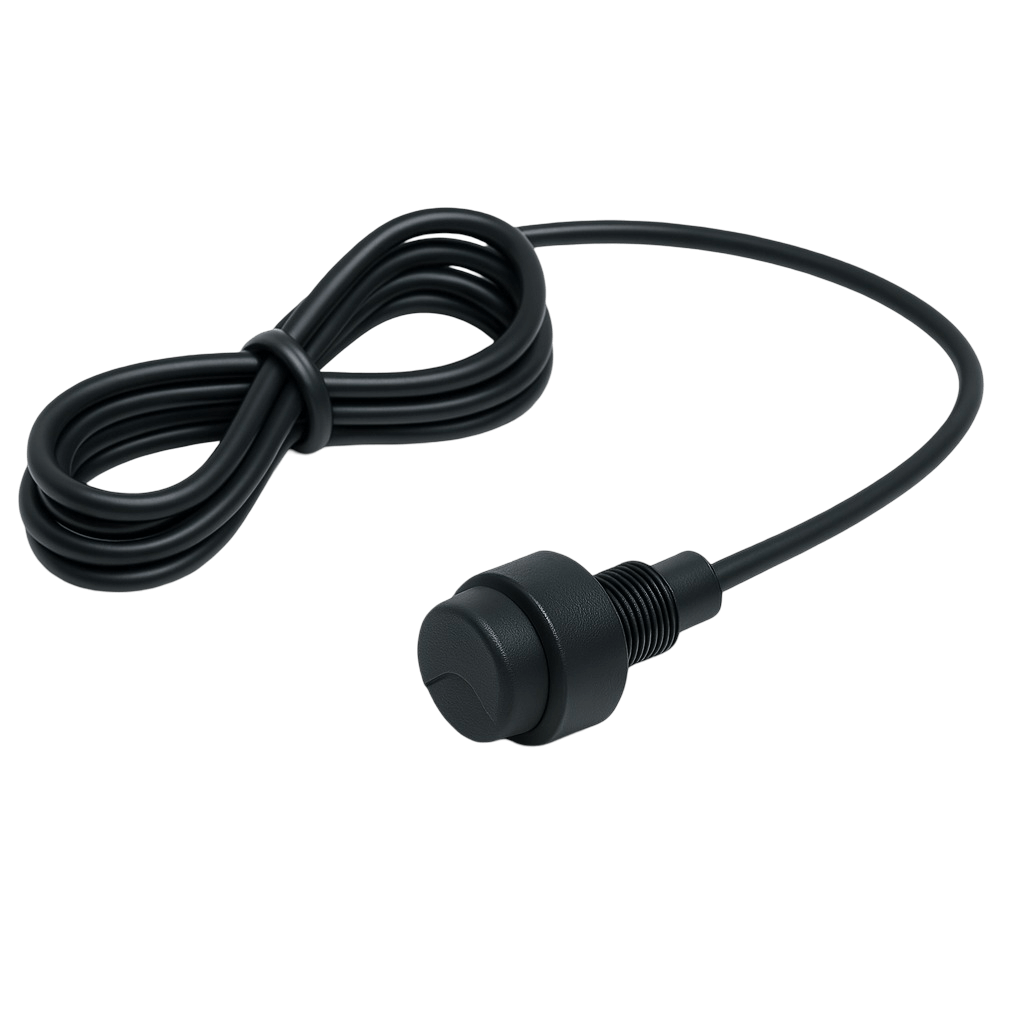
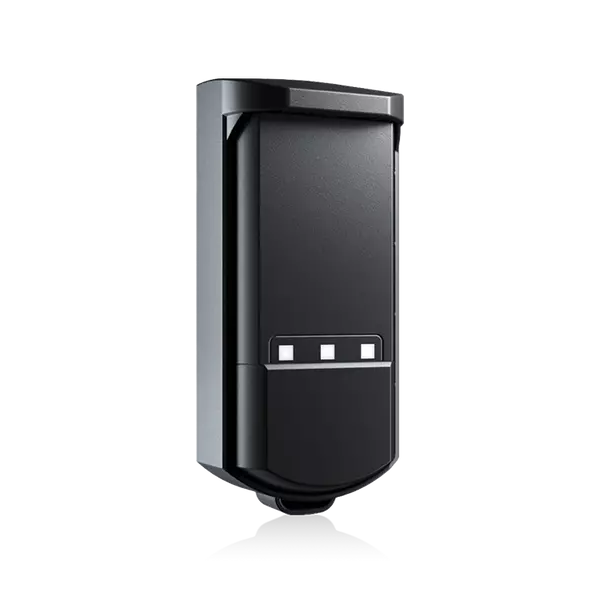
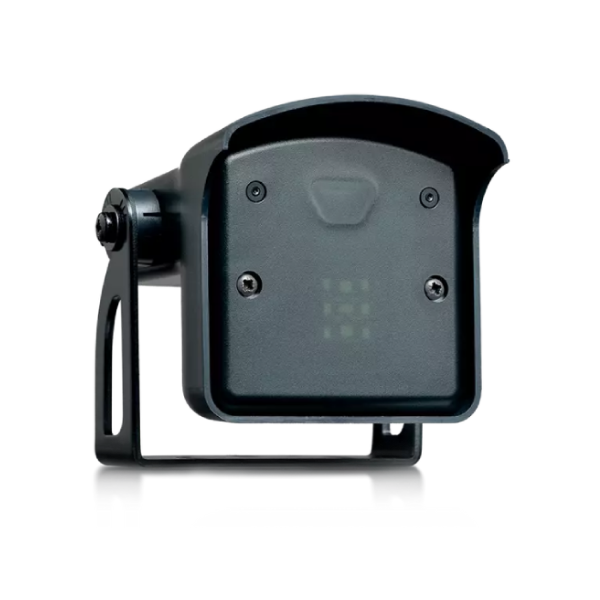
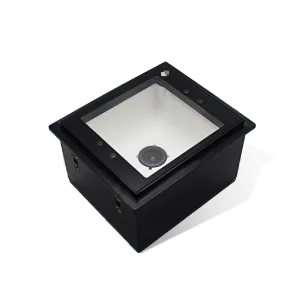
A QR and 2D scanner reads a supported code presented at an entrance or kiosk. The connected access system checks the credential’s validity and permissions before deciding the response; the scanner does not issue access rights. Lexoh helps review code presentation, scanner placement and the connected validation process.
- Interaction
- Digital or printed code
- Decision
- Connected system
- Formats
- Selected scanner formats
Presentation matters
A code reader and a valid access credential are different things.
The scanner captures a supported QR or 2D code; the connected system evaluates the credential behind it. Plan the code source and validation rules along with the physical reader.
Phone screen or printed ticket?
Use only formats and presentation media supported by the selected scanner. Test the actual phone screens and printed documents at the mounting point, including glare, screen brightness, print quality and the angle available to the user.
Can a copied code be used again?
The scanner reads the presented code; reuse depends on the connected credential rules. If one-time use, expiry or cancellation is needed, configure and test those behaviors in the access system. Printing a QR code does not create those restrictions.
Make the result clear at the entrance
Separate unreadable codes from credentials that are read but refused. Define the feedback and assistance path for each case, then check that the approved scanner interface sends the expected information to the controller.
Printed and mobile codes
Make the code easy to present and read.
The scanner captures a supported code; the connected system evaluates what that code authorizes.
- Code format
- Use a symbology supported by the selected scanner and access system.
- Presentation
- Test paper and phone screens where those media are included, at the actual mounting position.
- Access result
- Expired, invalid and accepted codes need a defined response at the entrance.
QR scanner selection criteria
| Selection item | What to confirm |
|---|---|
| Code formats | Confirm the exact symbologies and data format supported by the scanner and receiving system. QR support does not imply support for every other barcode. |
| Presentation media | Confirm screen and printed-code support for the selected model. Test actual tickets and phones, including glare, brightness and print condition. |
| Code layout | Keep the required clear margin around the code and preserve readable contrast. Validate the issued code at its real display or print size. |
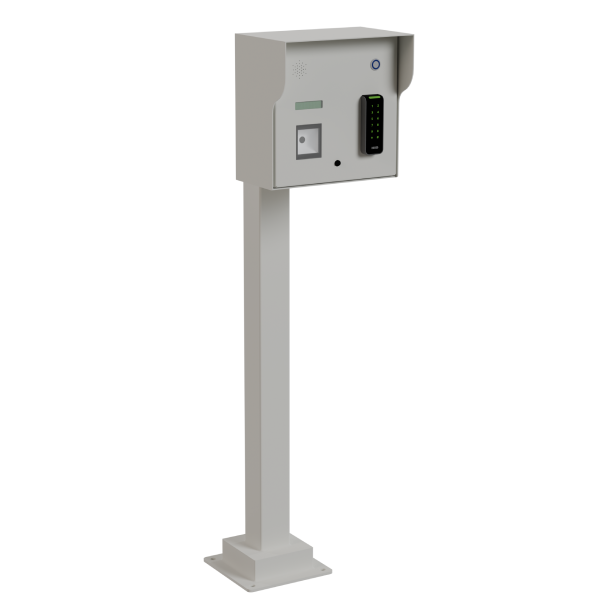
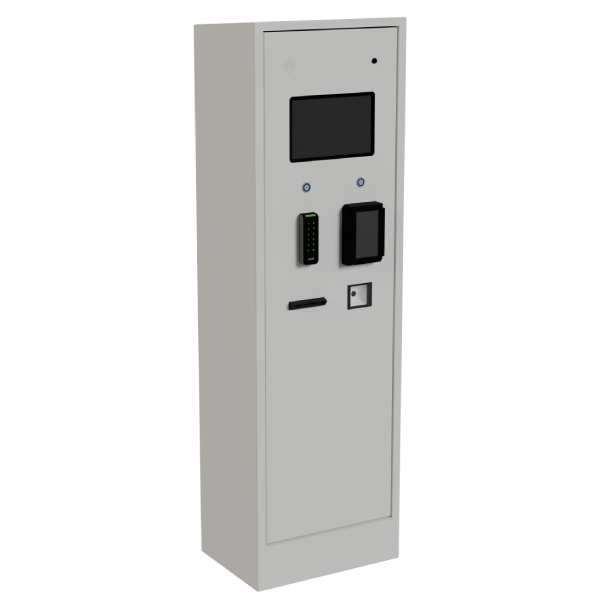
| Mounting and reading zone | Use the scanner’s documented reading zone and mounting dimensions. Check reach, approach angle and clearance at the kiosk or entrance. |
| Connection and power | Verify the supply, output interface, data framing and receiving application together. An electrical connection alone does not establish an access workflow. |
| Operating conditions | Confirm environmental ratings and how the scanning window is protected and cleaned. Agree on the assistance process when a code cannot be read. |
Request the current datasheet and an approved sample or configuration for the product proposed in your quotation.
Prepare a scanning trial
Test the issued code before choosing the scanner
Bring Lexoh the actual code workflow and presentation conditions so the scanner can be assessed as part of the entrance.
| Planning item | Information to provide |
|---|---|
| Code source | Identify the application that issues the code and its purpose: visitor access, reservation or another approved use. Provide non-active test examples. |
| Presentation conditions | Describe the phones or paper tickets used, the approach and expected lighting. Include photographs of the proposed scanner position. |
| Validity rules | Define expiry, cancellation and reuse requirements. Assign responsibility for validating these rules in the connected access system. |
| Acceptance cases | Test a readable valid code, a readable refused code and an unreadable presentation. Agree on feedback and the assistance route for each outcome. |
Configuration: Keep the approved product reference, configuration and sample results with the site records.
Equipment questions
Practical details for planning, operating and maintaining this equipment.
Record the entrance, time, presentation medium and whether the scanner failed to read or the system refused a recognized credential. Use the approved transaction or credential reference to investigate validity and permissions. Avoid distributing an active access code unnecessarily; the useful evidence is the failure context and the corresponding system record, where available.
Project review
Plan a scanner around the codes you issue.
Describe the code source, phone or paper presentation, mounting and lighting. Review the scanner and connected validation process with Lexoh using non-active test examples.