
Stay-based rights
Activate a credential for the dates and zones assigned by the operation.
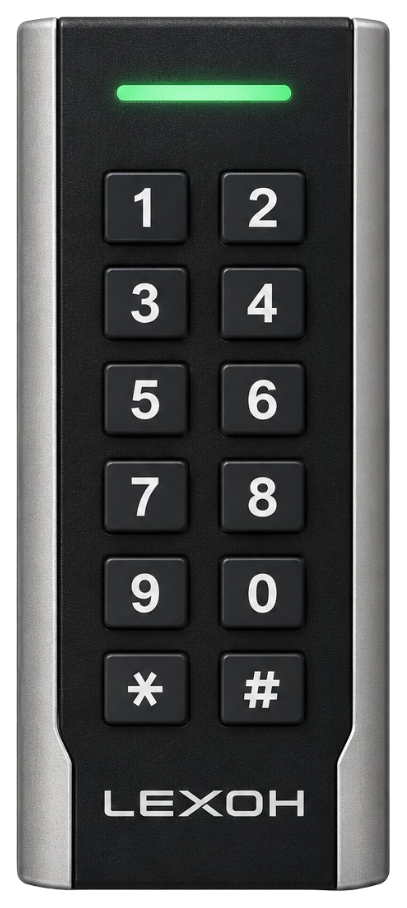
Card-based credential reader
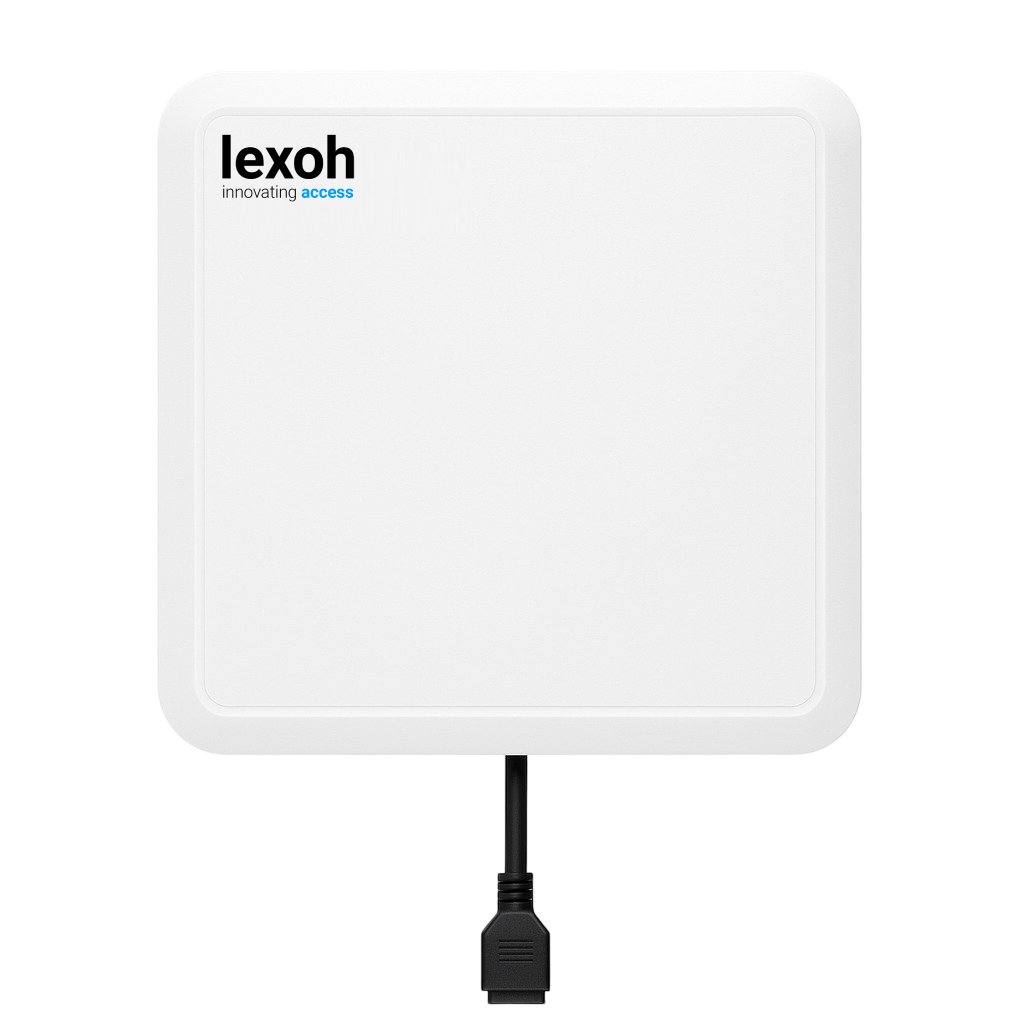
UHF credential reader
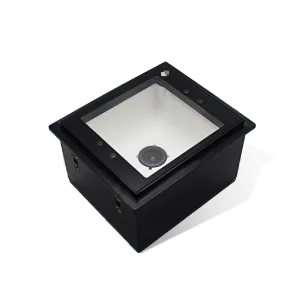
QR and barcode credential reader
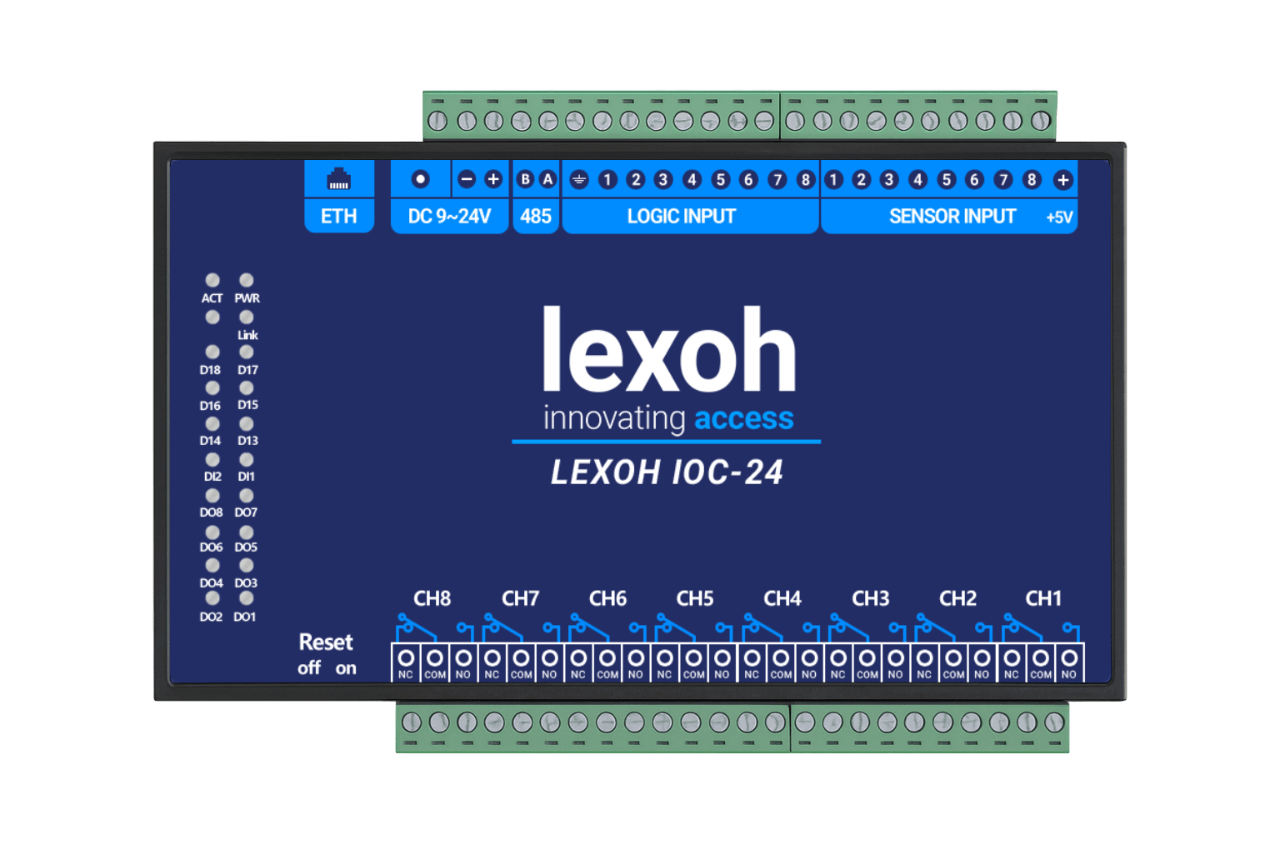
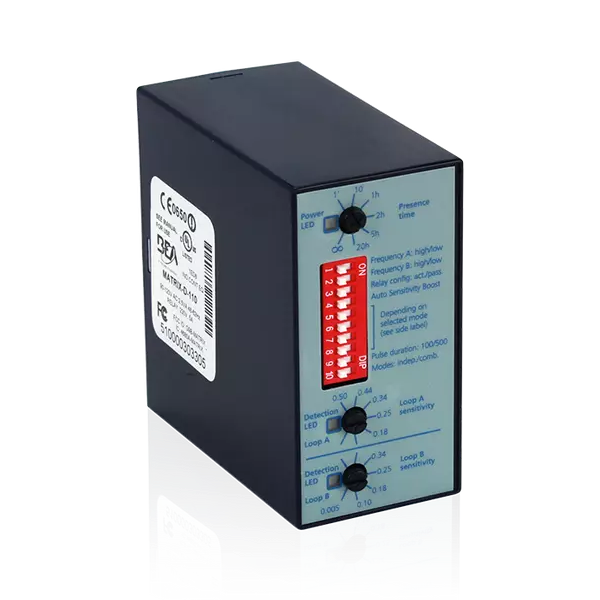
Device input and output controller
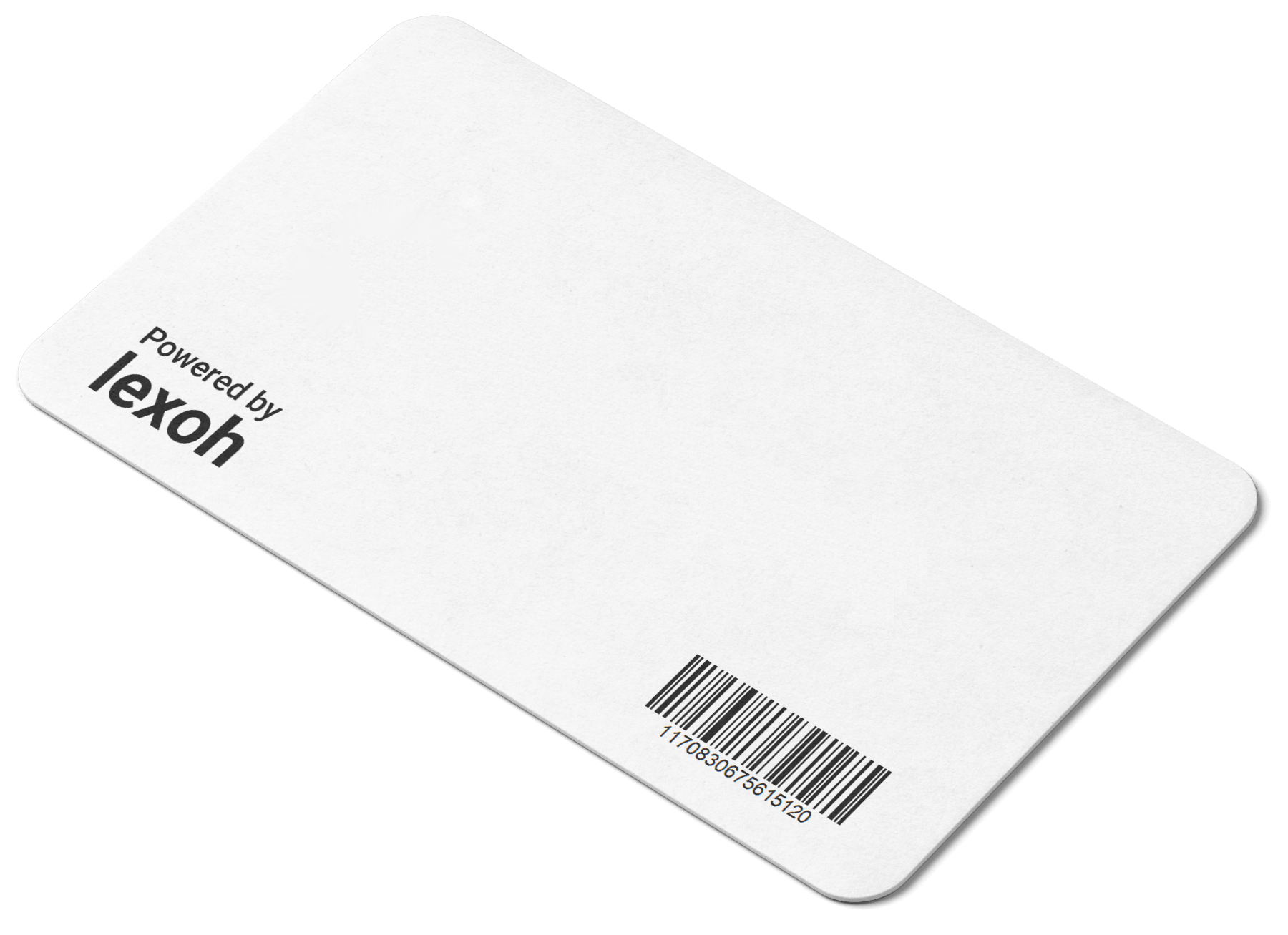
RFID access credential
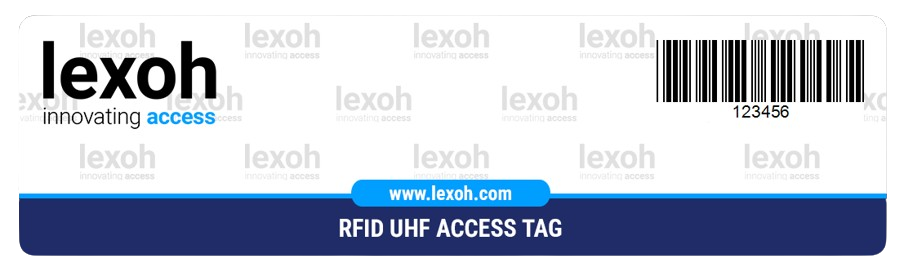
UHF access credential

Lane and access display signage

Thermal printer paper
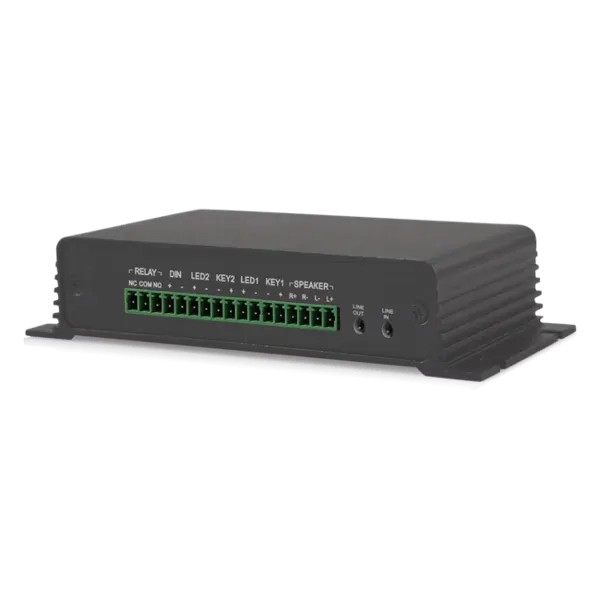
IP intercom communication
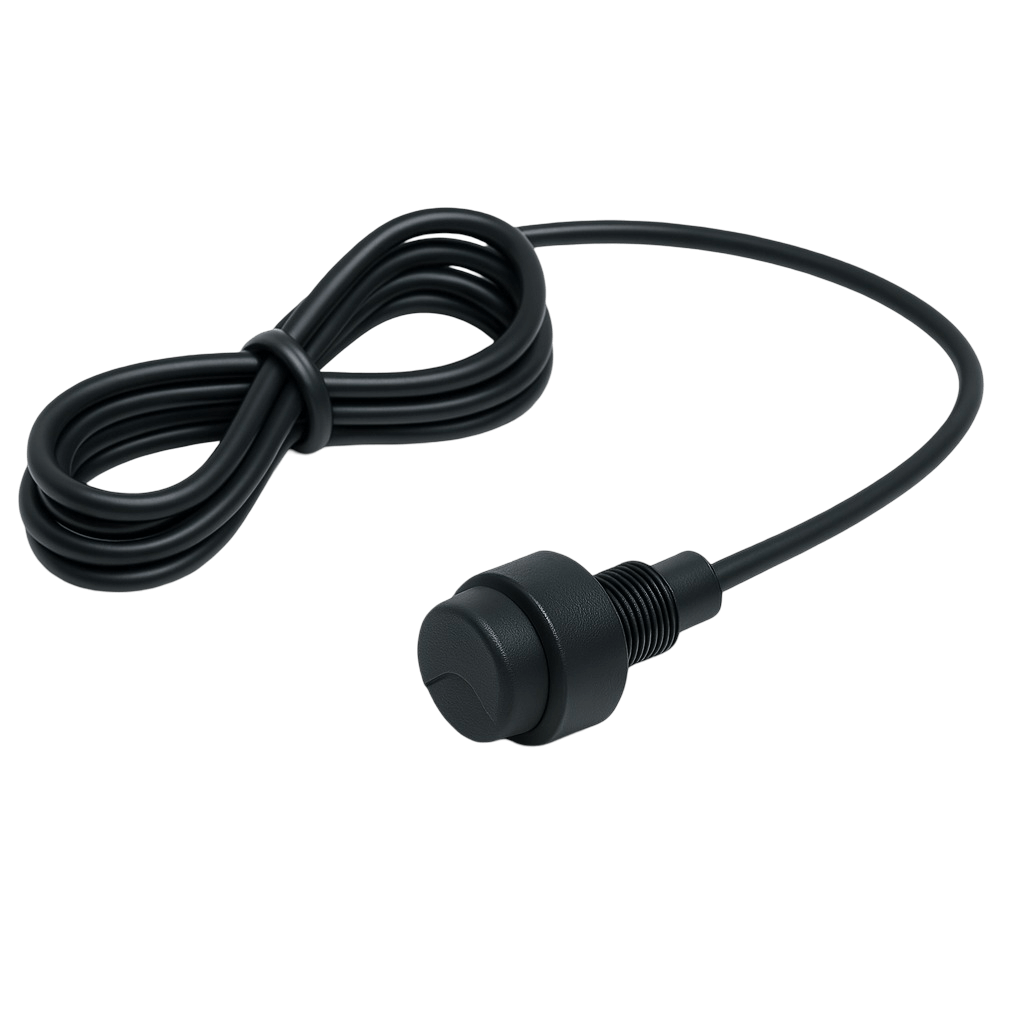
Analog omnidirectional microphone

Campground access control checks who may enter, on which dates and into which areas. Lexoh connects seasonal campers, short stays, guests and service vehicles to plates, cards, UHF tags or QR codes, with barriers and assistance matched to the project.
Staff link a stay or seasonal right to a credential and validity period. At the entrance, the system checks those rights before commanding the barrier. Changed bookings, unregistered guests and arrivals after reception closes follow an assistance procedure agreed with the campground.
Activate a credential for the dates and zones assigned by the operation.
Keep repeat arrivals fluid while controlling renewal.
Create time-limited access without a permanent allow-list entry.
Select plate, RFID, UHF or QR based on the lane and arrival pattern.
Extend rights to selected doors or areas when included in scope.
Provide an intercom and procedure for arrivals requiring intervention.
Keep access aligned with the approved stay dates. Test creation, vehicle replacement, an extension and expiry with the staff responsible for updating rights.
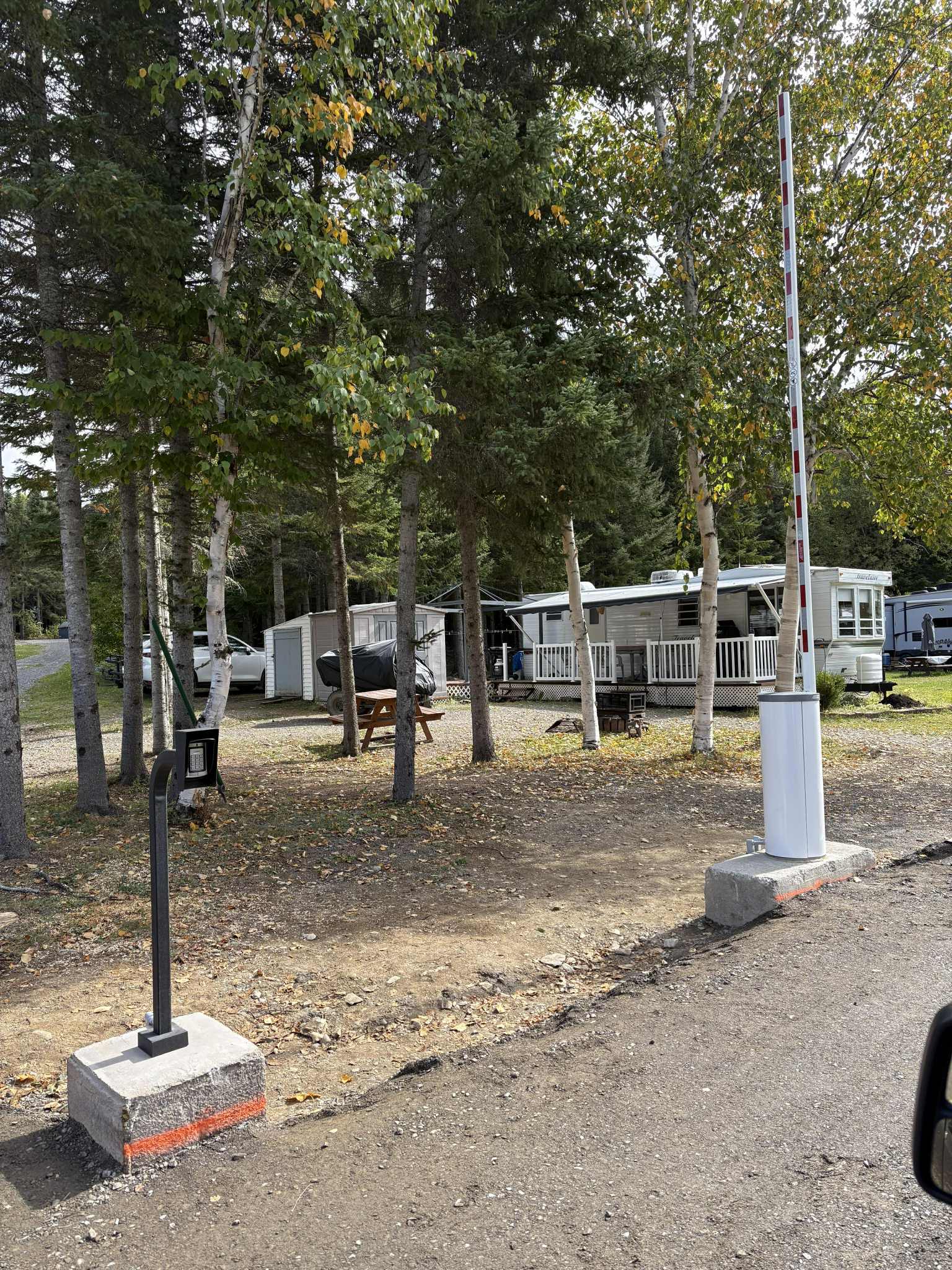
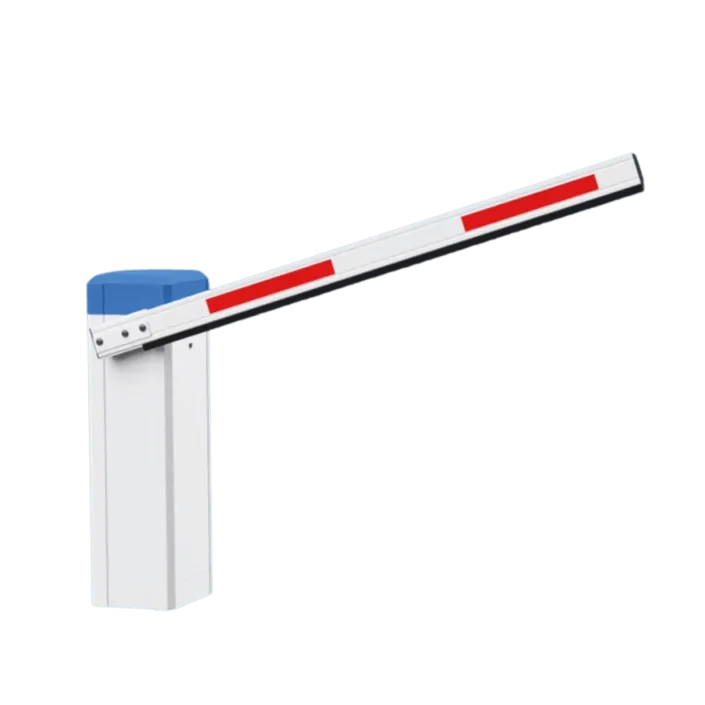
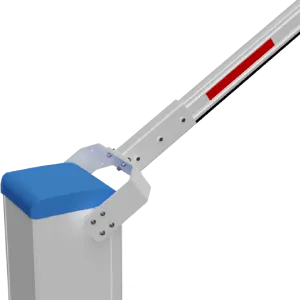
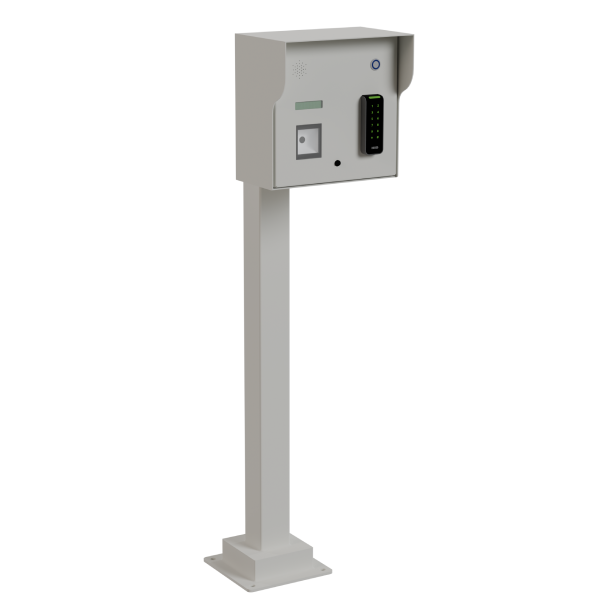
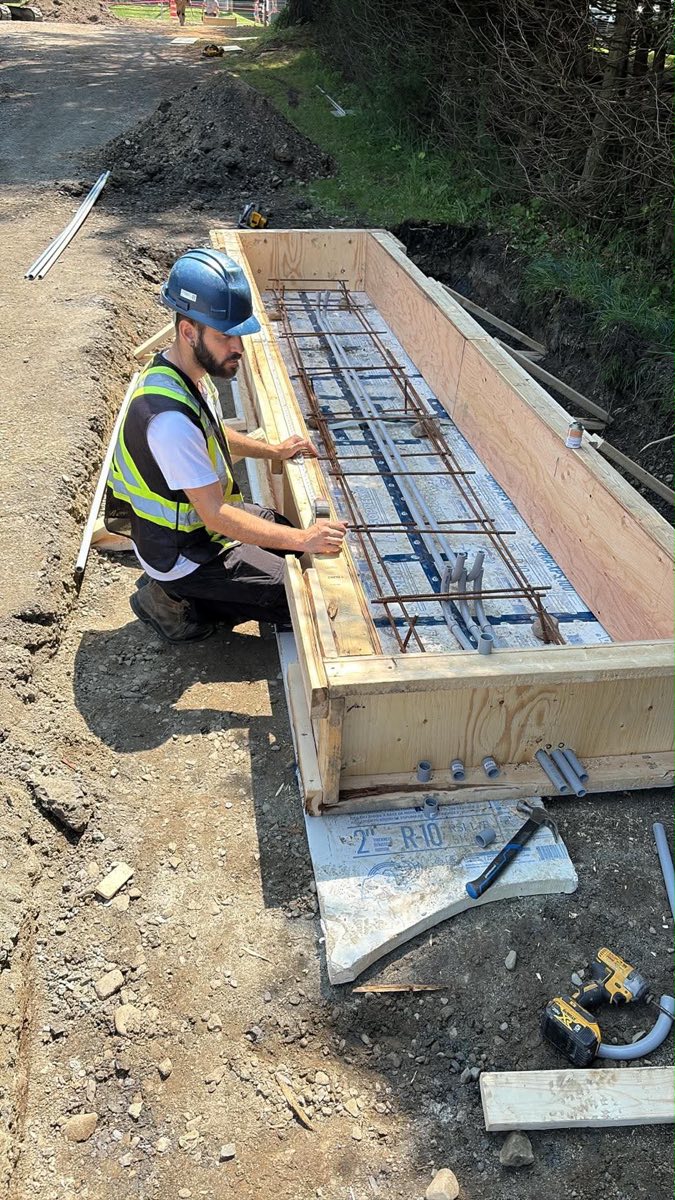
This installation shows an outdoor reader and barrier on dedicated bases. Traffic, snow, drainage, communications and service access shape the installation.
Explore the documented entrances at Camping Abenaki in Odanak and Camping Biencourt in Biencourt, Québec. The project pages show the installed readers and barriers.
Lexoh can coordinate lane design, field preparation, equipment installation, access configuration and commissioning. Confirm the opening date, work windows and temporary arrival procedure with the operating team.
A durable credential with a defined renewal cycle.
Access limited to the booked period and necessary zones.
A temporary right issued under campground policy.
Time windows and zones matched to the work.
Lane capacity, waiting space and identification method must fit the expected surge.
Validate communications and the fallback procedure on site.
Set the credential, assistance and visible instructions before the season.
Drainage, snow clearing and service access belong in the design.
The Abenaki and Biencourt project pages document installed readers and barriers. The sequence below is an illustrative planning exercise; it does not claim that either campground uses a particular booking integration or arrival policy.
| Stage | Operating decision | Record or check |
|---|---|---|
| Before arrival | Confirm the approved stay, vehicle and permitted zones | Source of the stay record and responsibility for creating access |
| At the entrance | Give the driver the correct lane and credential instructions | Representative vehicle, stopping point and accepted/refused result |
| After reception closes | Name the assistance actually available | Published contact and agreed response to an unrecognized arrival |
| Stay change or departure | Approve extensions, changed vehicles and expiry | Updated right and communication to the guest |
Compare a recurring credential with the actual vehicle and lane. Define whether amenities have the same rights as the entrance; the entrance credential does not automatically grant every zone.
Prepare the active period and arrival instructions, then review the full vehicle-and-trailer path. Define where early arrivals should wait, give guests the after-hours assistance contact and explain what to do if their credential cannot be read.
Clear answers about scope, operation and integration.
Tell us about arrival volume, user groups, lanes and field conditions.