
Lake-access systems for municipalities
Lake access control, from washing to launch
Lexoh connects compatible boat-wash equipment, kiosks, QR proof and automatic barriers for municipalities, parks and lake operators. Manage the journey from washing to launch access around your approved prevention program.
Direct answer
How does a municipal lake-protection access system work?
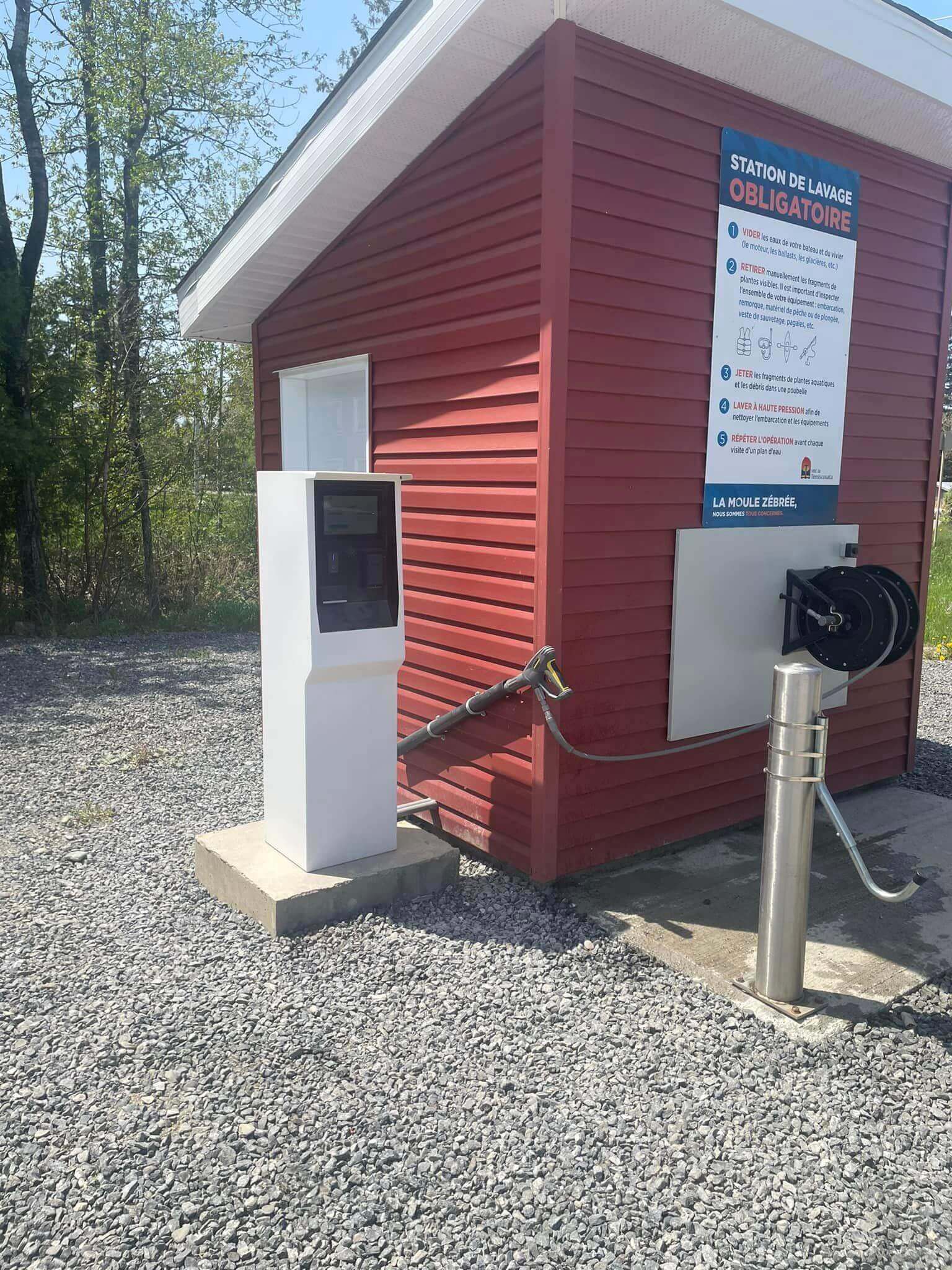
The normal pattern is simple: a visitor follows the approved boat-washing procedure, the connected kiosk verifies the configured completion signal, and the system issues proof for the selected destination. A compatible controller at the launch validates that proof before the barrier opens.
Depending on the wash model, the kiosk can monitor water used or enforce a configured amount of time that the spray gun is active. The requirement belongs to the local program and selected equipment; the access system records and enforces the decision that the authority has approved. This completion signal does not establish that every surface was cleaned or that all invasive organisms were eliminated.
Visitor journey
Design one understandable path from arrival to the water.
Use the same destination names, instructions and proof language on signs, the website, the wash station and the launch reader.
-
Arrive and read
Show opening conditions, the accepted wash location, fees where applicable and the destination the visitor plans to use.
-
Wash
The visitor follows the procedure defined by the municipality or park authority for the boat, trailer and related equipment.
-
Receive proof
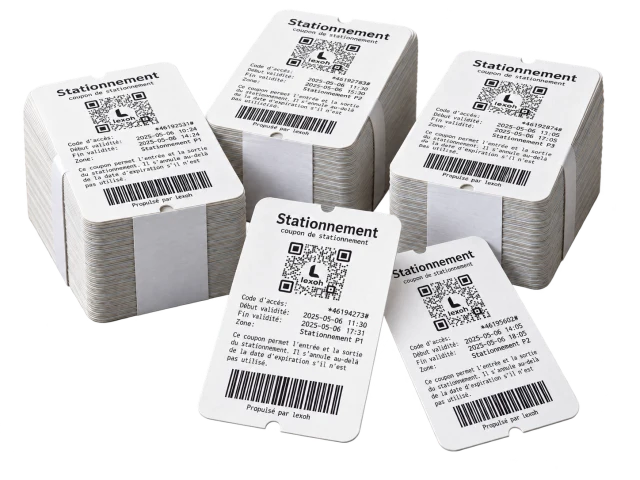
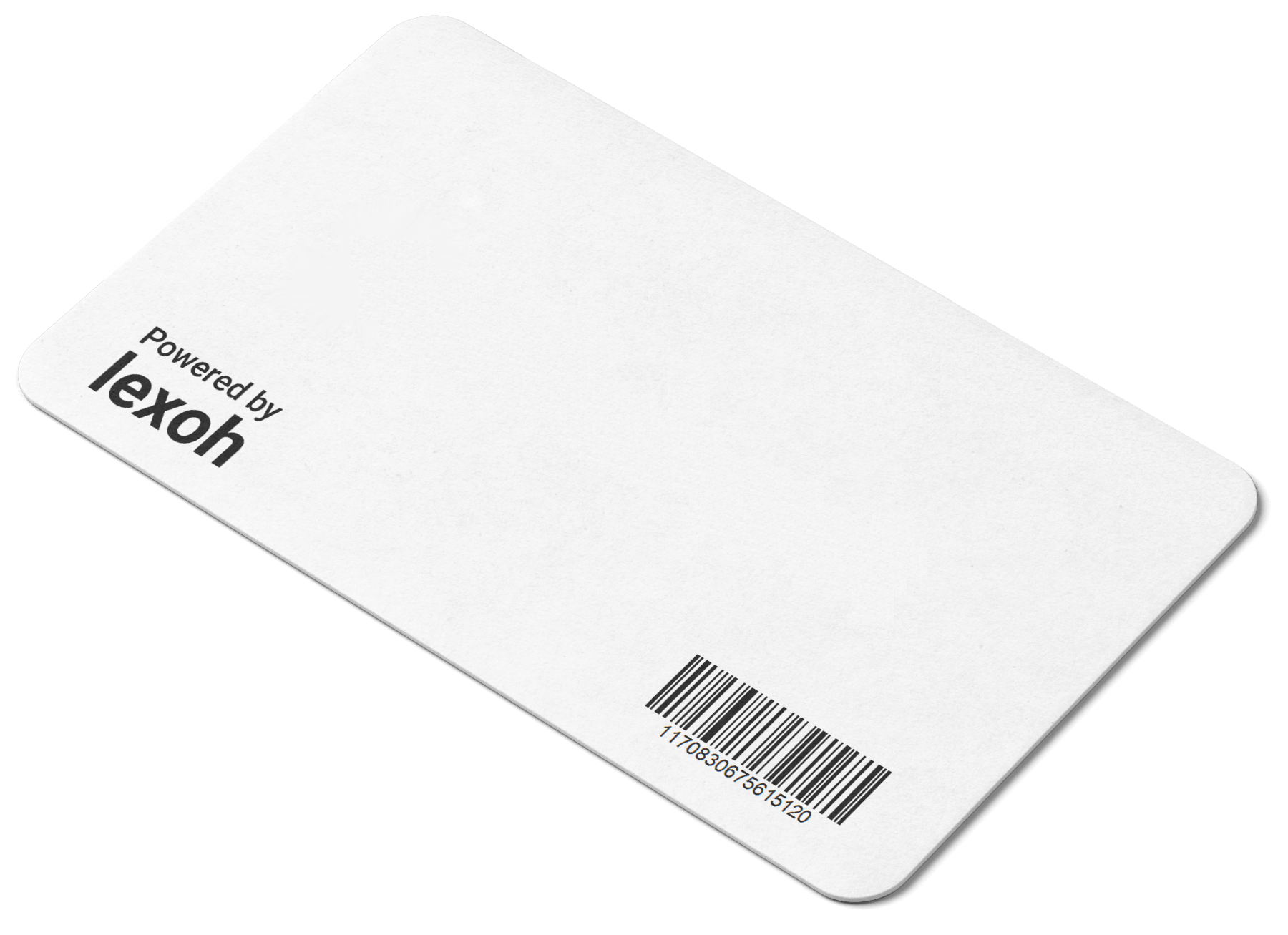
When the configured water-use or spray-gun usage-time requirement is met, the kiosk issues a destination-specific QR proof.
-
Reach the launch
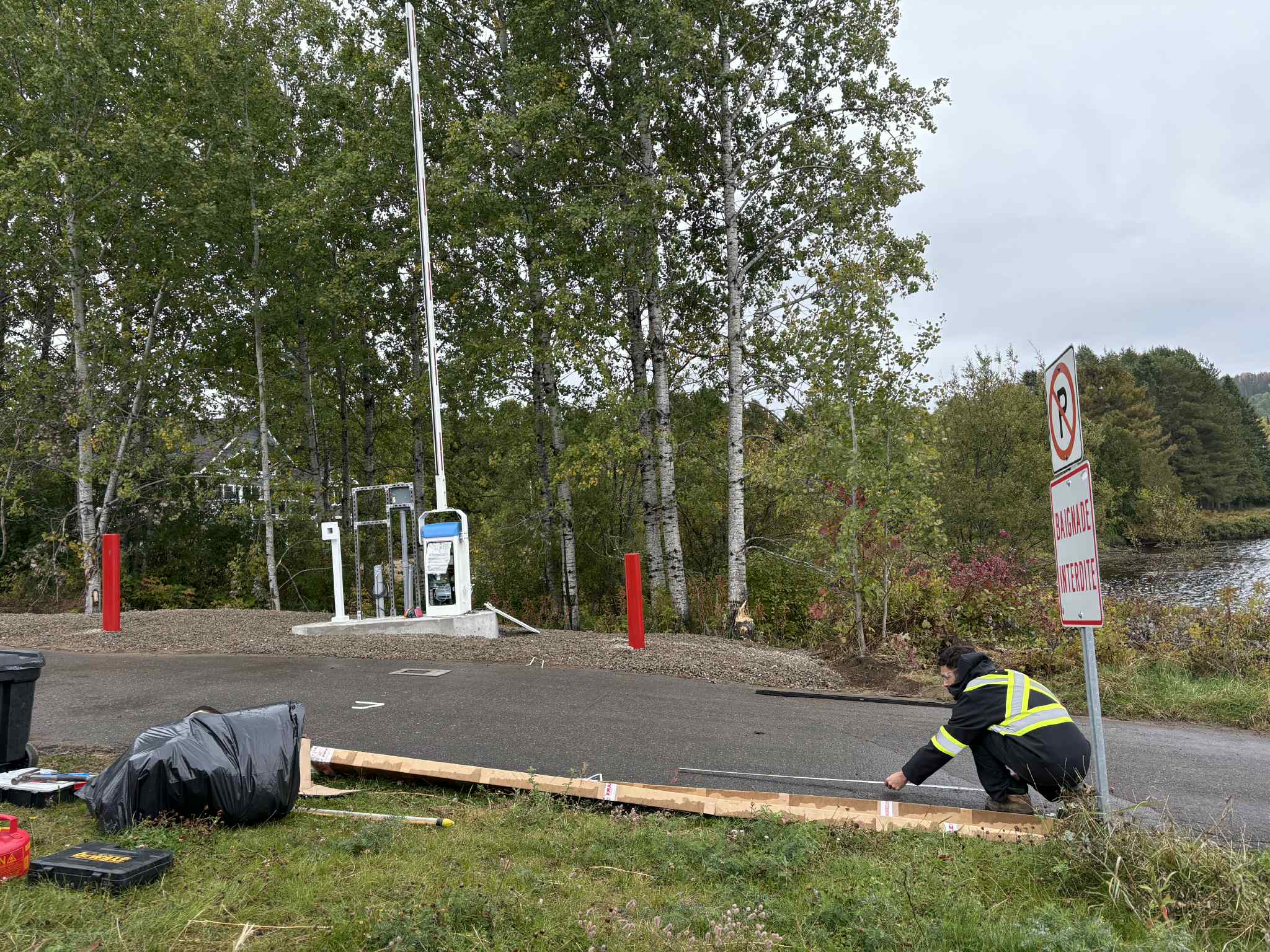
The selected compatible reader and controller check the proof, validity and destination before the connected barrier carries out the access decision.
-
Launch and return
The operating rule can allow a configured number of uses for launching, retrieving the boat and an approved repositioning grace period.
 Enlarge image
 System architecture
Connect the wash equipment, kiosk and launch controls.
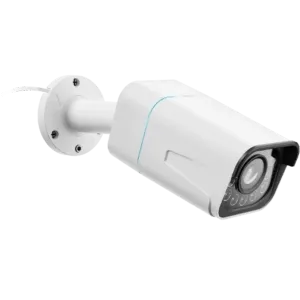
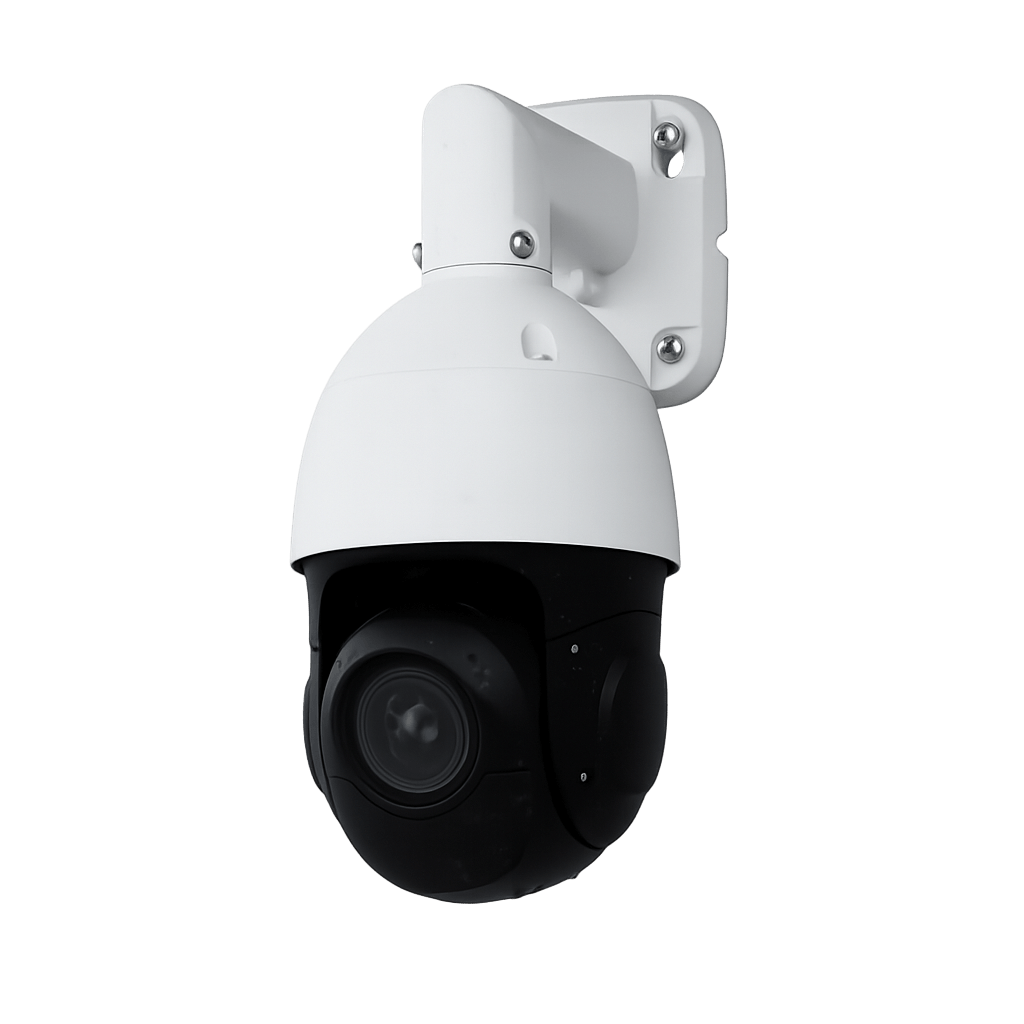
A lake-protection system is a site workflow, not a single product. The equipment list should show what measures completion, what issues proof, what validates it and what performs the physical access action.
Keep civil, water, drainage, power, communications, safety and accessibility work visible in the project scope. Have qualified site professionals review the layout and verify trailer movements on site before accepting the installation.
-
Wash equipment
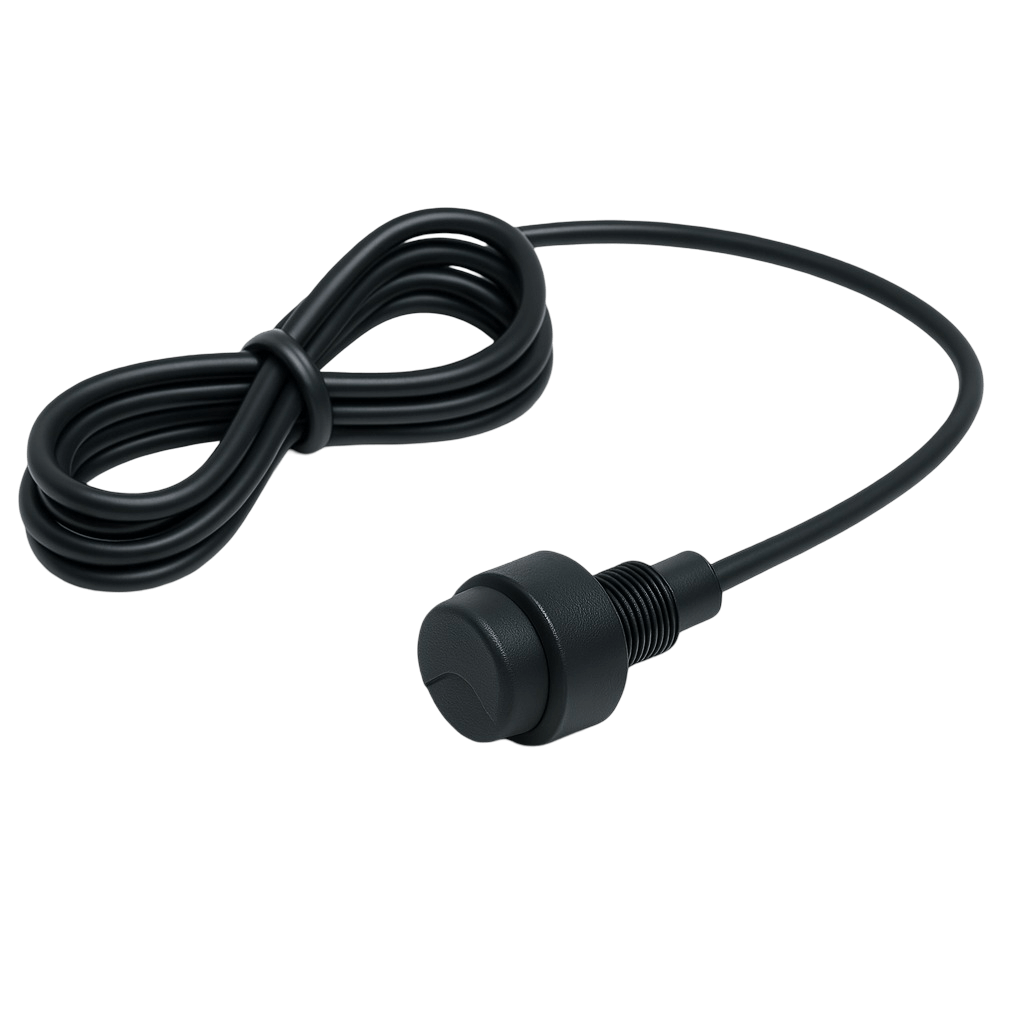
Provides the approved cleaning process and exposes the water-use or spray-gun usage-time signal supported by the selected model.
-
Kiosk or payment point
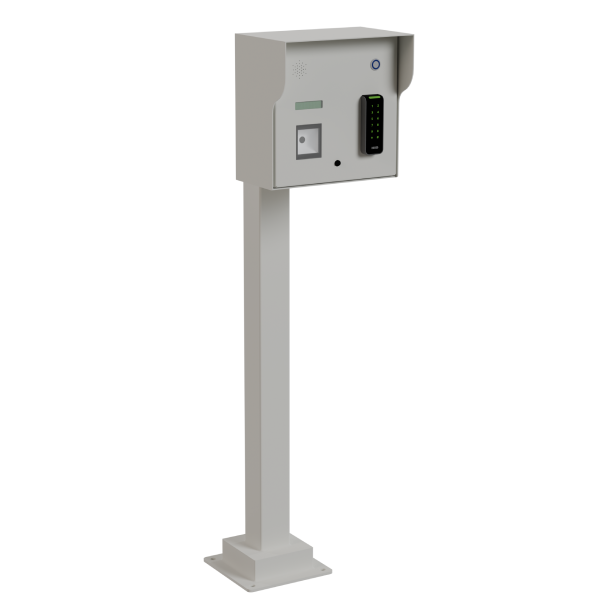
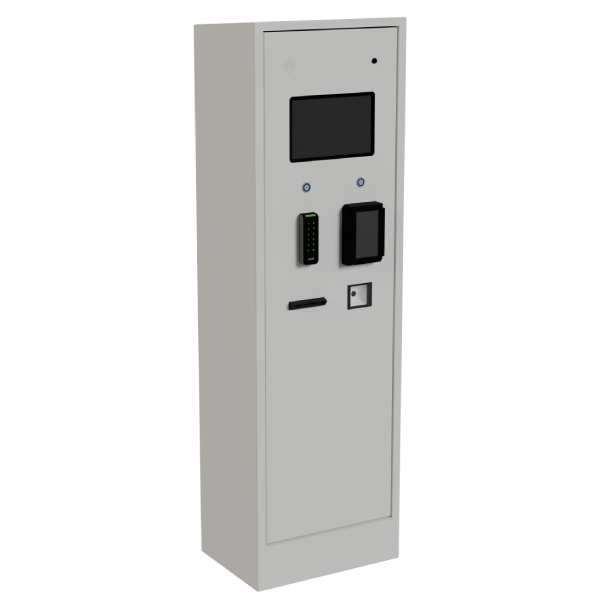
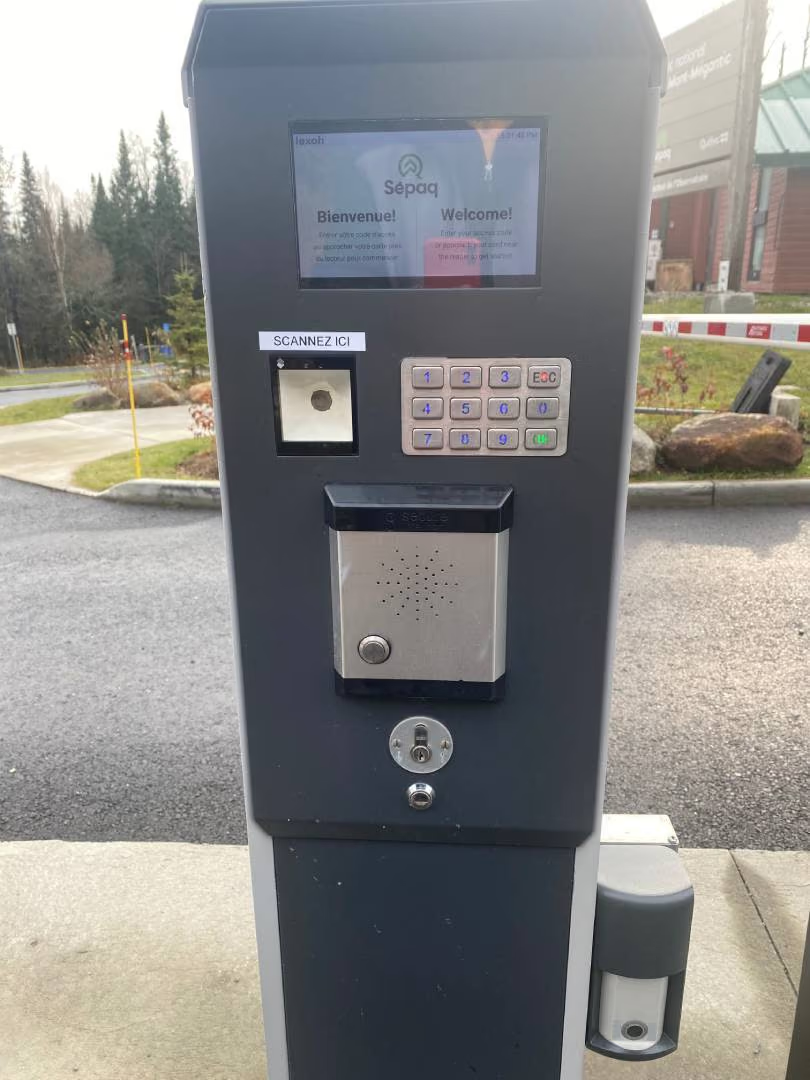
Presents instructions, accepts the configured credential or payment workflow and issues the proof after completion.
-
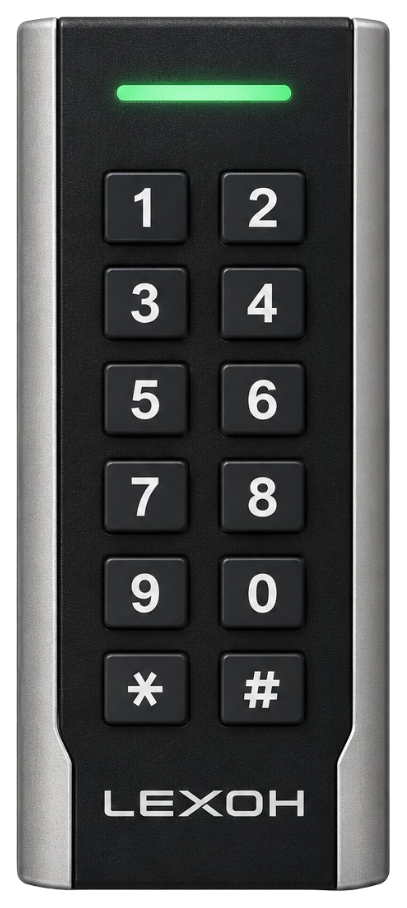
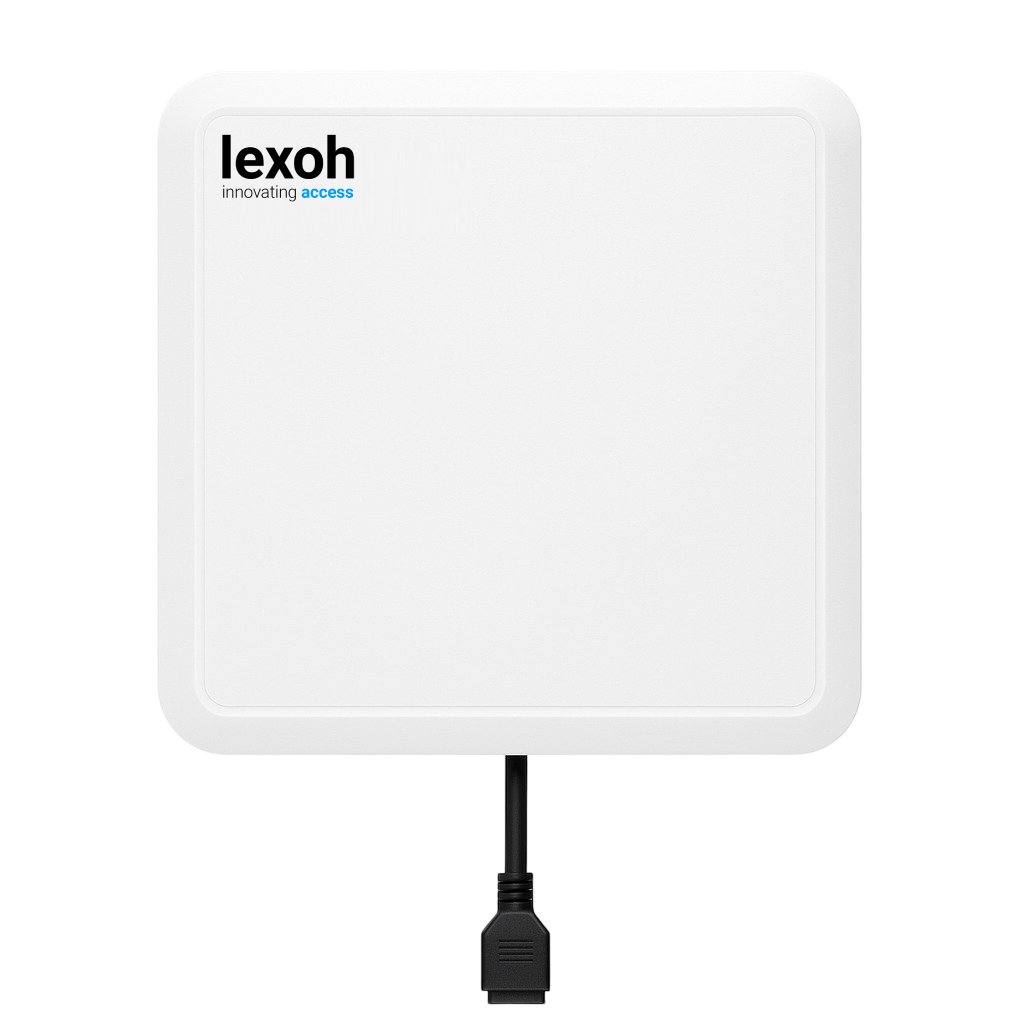
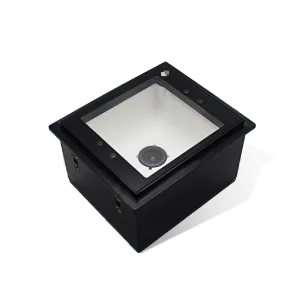
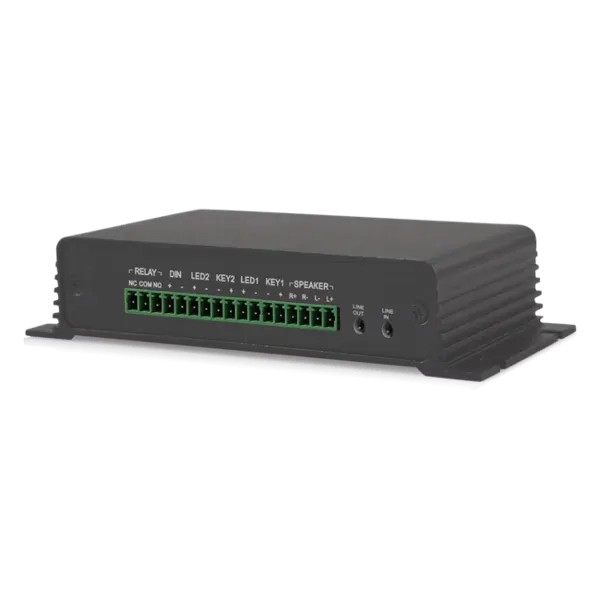
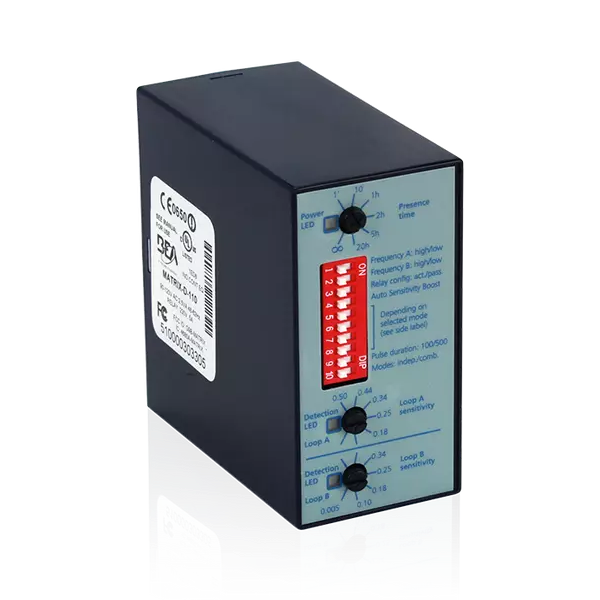
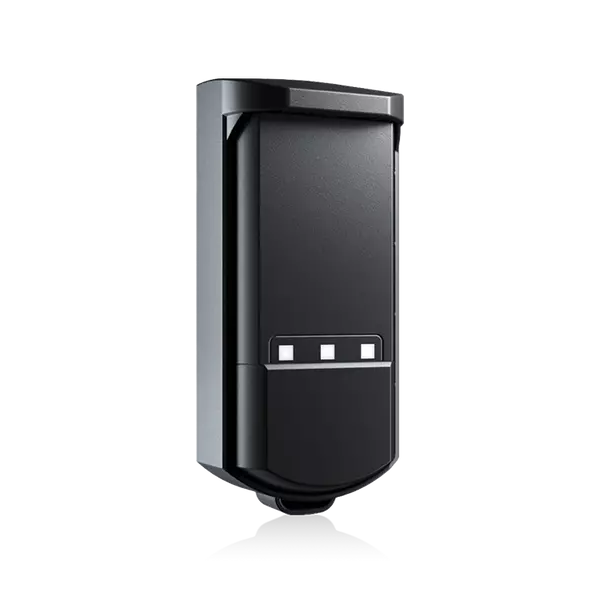
Controller and reader
Validates the destination-specific proof and applies the configured access rule at the launch.
-
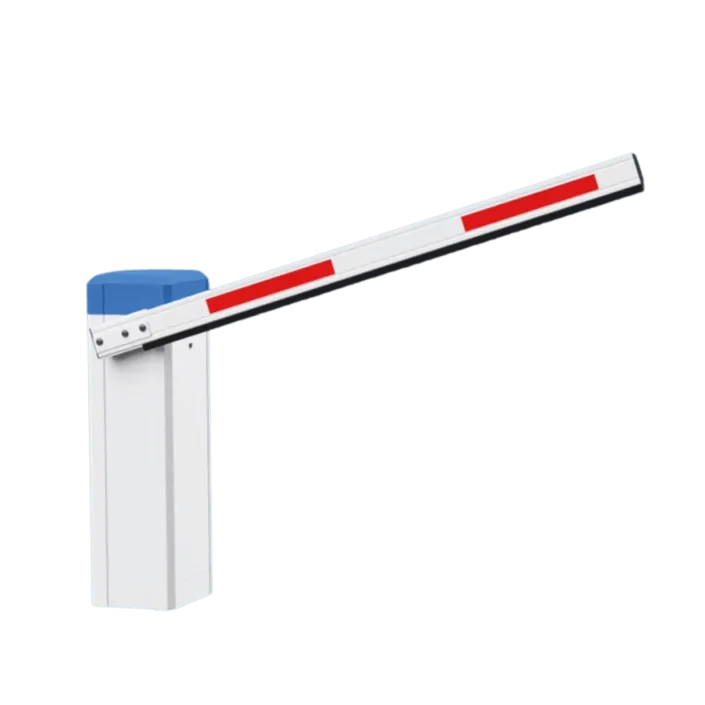
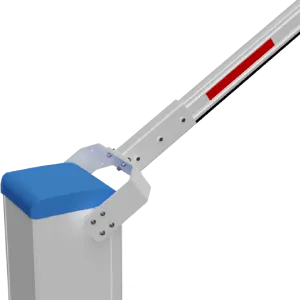
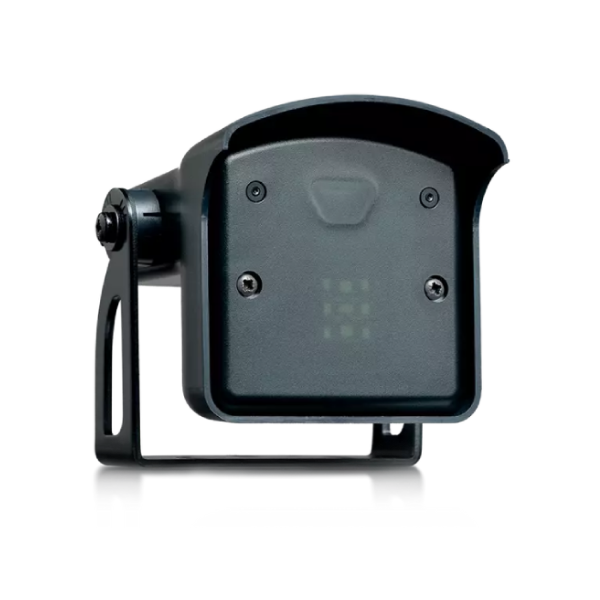
Automatic barrier
Controls physical passage after the approved validation, with detection and safety devices selected for the lane.
-
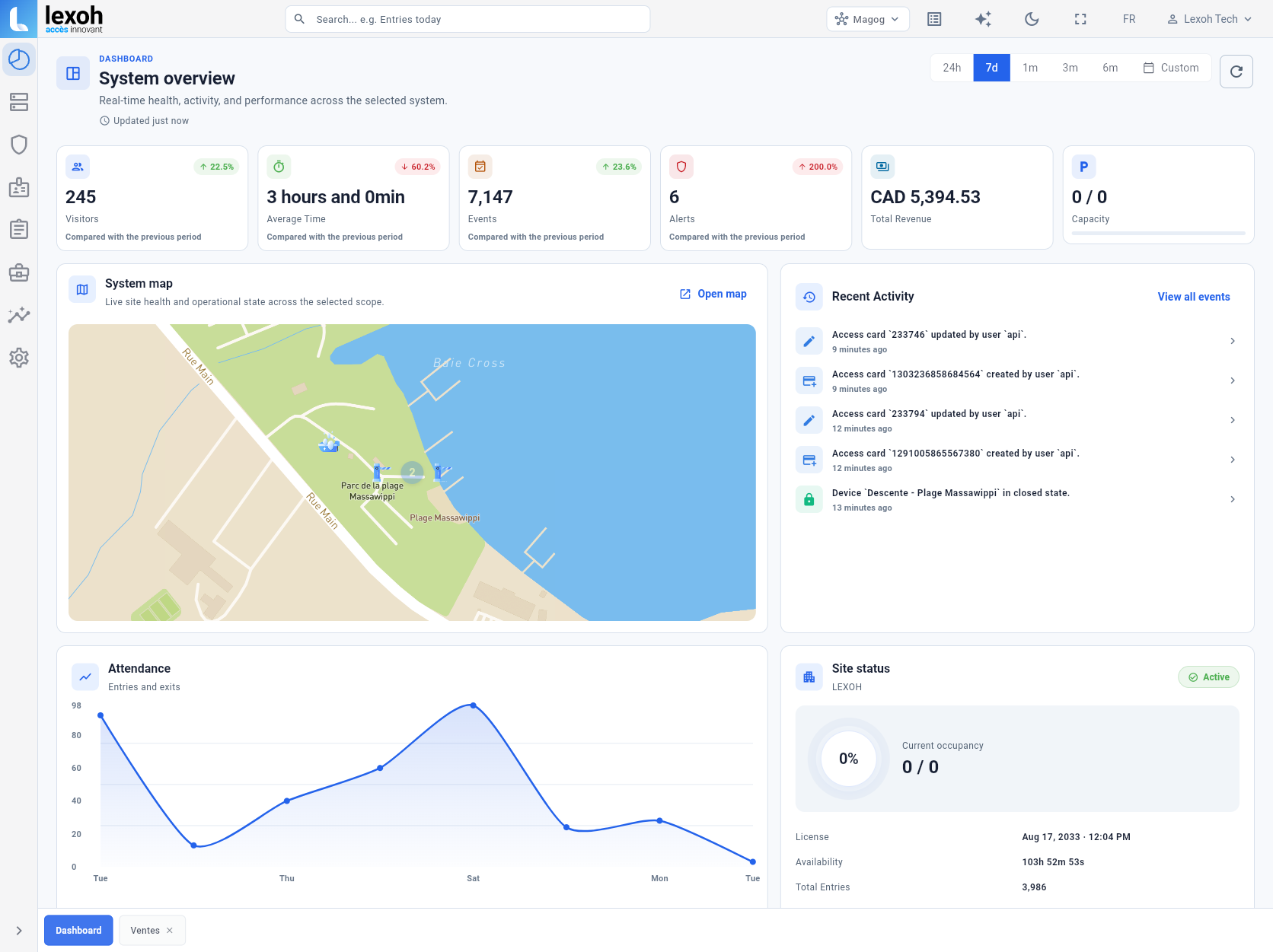
Security Center
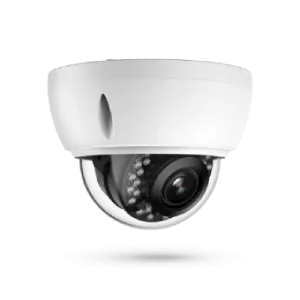
Gives authorized operators the available site, device and event context for follow-up and assistance.
Connectivity planning
Validate wash proof without an internet connection.
Lexoh combines cloud management with offline operation and a mesh network for local device communication. The wash-proof workflow also supports validation without an internet connection. After the configured wash requirement is met, the kiosk can issue a special QR containing a code encrypted with an algorithm that a compatible Lexoh controller can validate at the boat ramp.
The project must still test the exact devices, firmware, destination rules and recovery process at commissioning. Offline validation still needs powered, functioning equipment. Payment settlement, remote visibility and other connected services have separate requirements to document.
-
Define the proof
Name the completion signal, destination, validity period and number of permitted scans.
-
Test the lane
Run normal, expired, wrong-destination, unreadable and offline cases with the actual reader and controller.
-
Explain exceptions
Give staff and visitors a clear assistance route when a wash is interrupted or a QR cannot be read.
Québec evidence
Use documented deployments and local terminology as the starting point.
Québec municipalities commonly distinguish a station de lavage d’embarcations, a certificat de lavage and a débarcadère. Keep the authority’s wording in the public instructions and link the proof to the destination that recognizes it.
The Lexoh Témiscouata project record describes connected wash stations, controlled launches and operating support. Use the linked project to discuss a regional network, then define your own sites, accepted destinations and operating responsibilities.
-
Témiscouata network
Review the project record for the relationship between wash stations, controlled launches, cameras, annual subscriptions and call-centre support.
-
Sépaq Mont-Mégantic
Review the documented outdoor entrance with kiosk, signage, payment, visitor management and automatic barrier as an example of a public-site lane.
-
Local authority review
Confirm the applicable wash procedure, proof, fee policy, water handling, privacy rules and opening conditions before publishing visitor instructions.
Procurement checklist
Questions to ask before approving a lake-protection project.
Ask every supplier to answer the same questions. This keeps the environmental program, physical lane and operating responsibility visible when proposals are compared.
- Which authority approves the accepted cleaning procedure and proof?
- Which wash stations issue proof, and which launches recognize each destination?
- What exact signal proves completion: water volume, spray-gun usage time or another documented condition?
- How many scans are allowed for launch, retrieval and a repositioning grace period?
- What works offline, what requires a connection and how are records reconciled later?
- Who owns water, drainage, civil, electrical, network, safety and accessibility work?
- Who assists a visitor when payment, washing, proof or access cannot be completed?
- What tests, training, maintenance and seasonal shutdown work are included?
Planning questions
Lake access control and boat-wash questions.
What is a lake access control system?
It is a configured combination of approved site rules, wash or proof workflow, kiosk or reader, controller, barrier and operating records that decides who can pass to a controlled launch. The authority defines the accepted procedure; the system applies the configured decision.
What is an automated boat wash station barrier?
It is a lane arrangement in which a connected wash workflow issues proof after the configured requirement is met and a controller validates that proof before an automatic barrier permits passage. The wash procedure and safety design remain specific to the site.
Can the system verify water use or wash time?
Depending on the selected wash model, the kiosk can monitor the amount of water used or enforce a configured amount of time that the spray gun is active. Confirm the signal and acceptance rule with the wash-equipment supplier and local program owner.
Can a boat-launch access system work offline?
Yes, the configured Lexoh wash-proof path can issue a special encrypted QR that a compatible Lexoh controller validates at the ramp without internet access. Test the exact equipment, destination rules and recovery path during commissioning.
How many times can a boat-wash QR code be used?
A common configuration allows two uses, one to launch and one to retrieve the boat. A site can configure four uses for a journey that needs an additional pass, and a rescan grace period can allow one or more rescans. The local operator must set and publish the rule.
Is a municipal boat-launch payment kiosk the same as a wash-proof kiosk?
Not automatically. Payment records a transaction, while wash proof records that the configured completion condition was met. A project can combine both at one kiosk, but the local program should label the payment receipt and launch proof separately.
Does Lexoh decide whether a boat is environmentally decontaminated?
No. The responsible authority and qualified program professionals define the accepted procedure and evidence. Lexoh can connect compatible equipment and enforce the access rule built from those approved requirements.
References and further reading
- Québec — Cleaning boats and nautical equipment
Confirm the authority’s current cleaning instructions for the destination.
- MRC de Témiscouata — Waterway protection
Municipal project communication about the regional network and local operating response.
- Ville de Lac-Brome — Boat-wash station and certificate
A local example of a wash station, certificate and launch rule.
- Venise-en-Québec — Boat-wash station
A municipal example using the term station de lavage d’embarcations.
Plan the real site
Connect the approved program to a safe, testable lane.
Bring the local rules, launch map, wash equipment and operating responsibilities to a Lexoh project review.
Discuss the launch site