
Boat-launch planning guide
Plan a municipal boat-wash and launch program
For municipalities, parks and lake associations: define the site, budget, visitor instructions and acceptance tests before requesting quotes. This guide explains how Lexoh kiosks, compatible wash equipment and launch controls fit into an approved aquatic invasive-species prevention program.
Begin with the program
Protecting a launch starts with a clear local procedure.
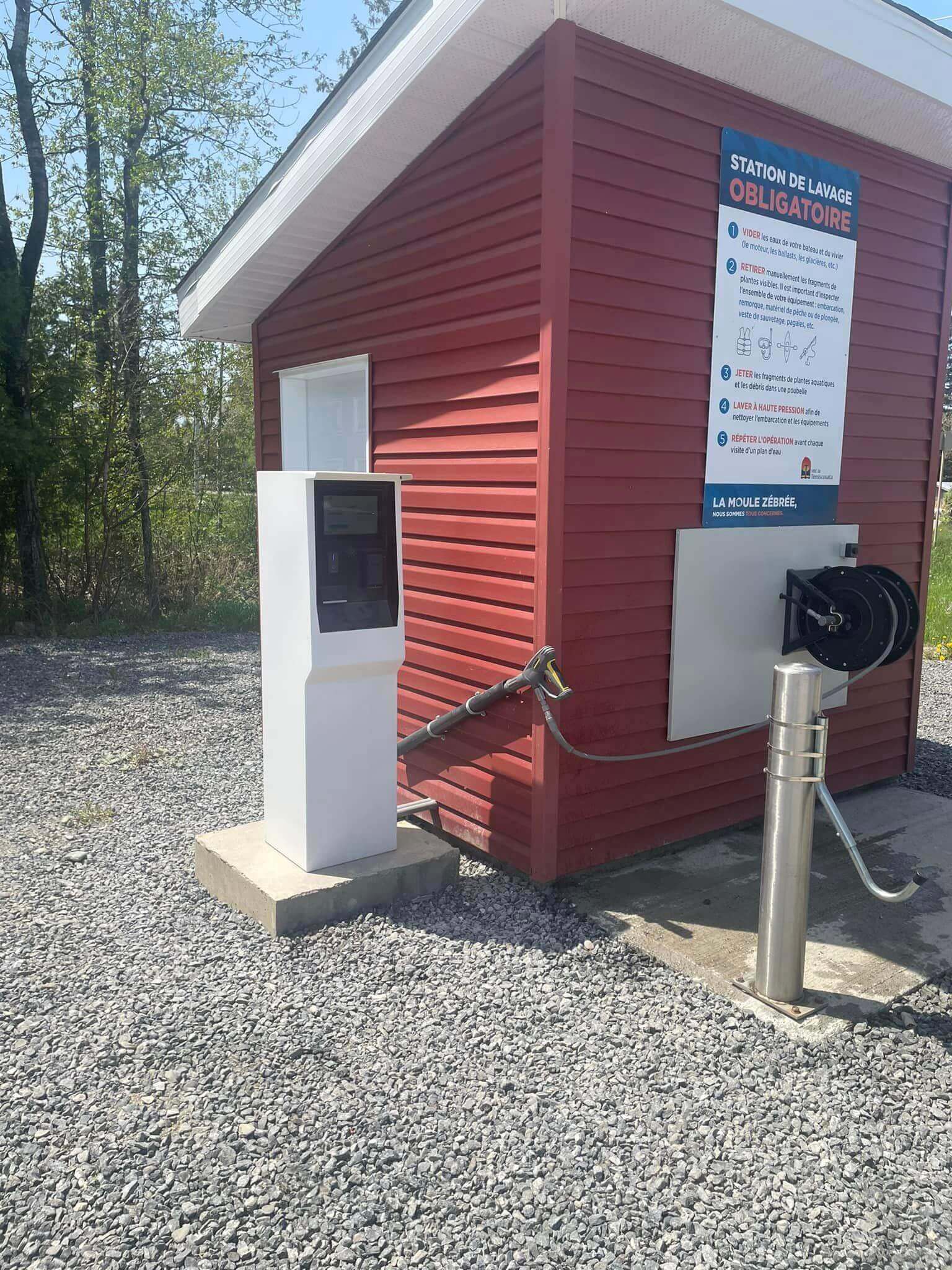
Aquatic organisms and plant material can move between waterways on boats, trailers and related equipment. A local prevention program may combine education, inspection, cleaning, verification and controlled access according to the risk and rules that apply to the site.
The technology should support that approved procedure. It should not decide what constitutes an acceptable wash, replace environmental expertise or imply that one workflow applies to every lake.
Operational journey
Map every handoff before selecting the equipment.
Not every program uses every step. The useful sequence is the one approved for the site and understandable to visitors and operators.
-
Arrive
The visitor receives the site instructions and presents any required permit, booking or credential.
-
Clean
The vessel and equipment follow the wash or decontamination procedure defined by the local program.
-
Verify
The responsible person or configured system records the information required by the approved process.
-
Access
A connected kiosk, reader or barrier carries out the permitted lane action when the workflow supports it.
-
Review
Authorized teams consult the available site, device and event context for operations and follow-up.
Site design
Design backward from the waterline.
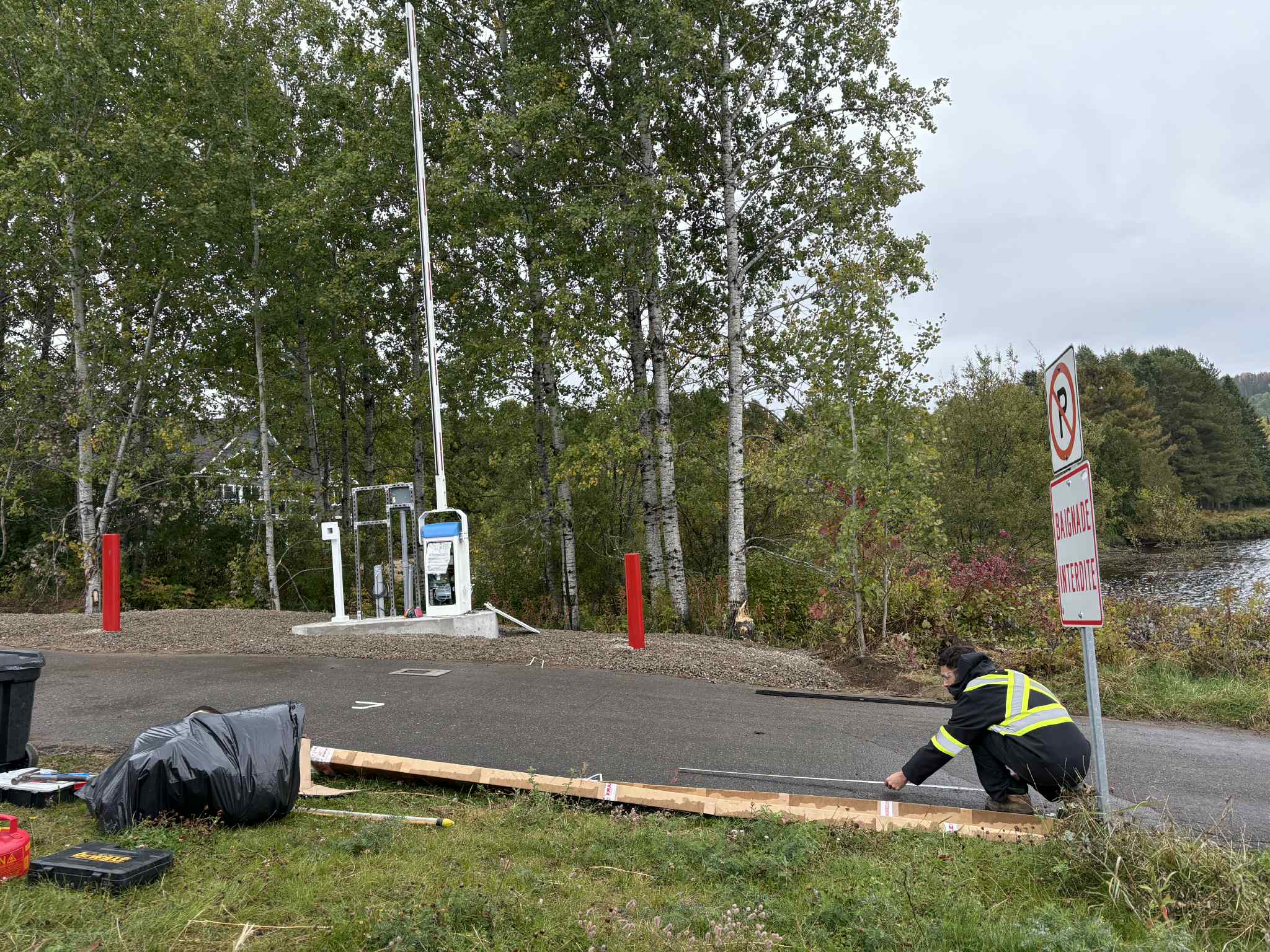
The physical sequence determines whether instructions, washing, verification and launch access can happen without creating unsafe vehicle movements or unclear exceptions.
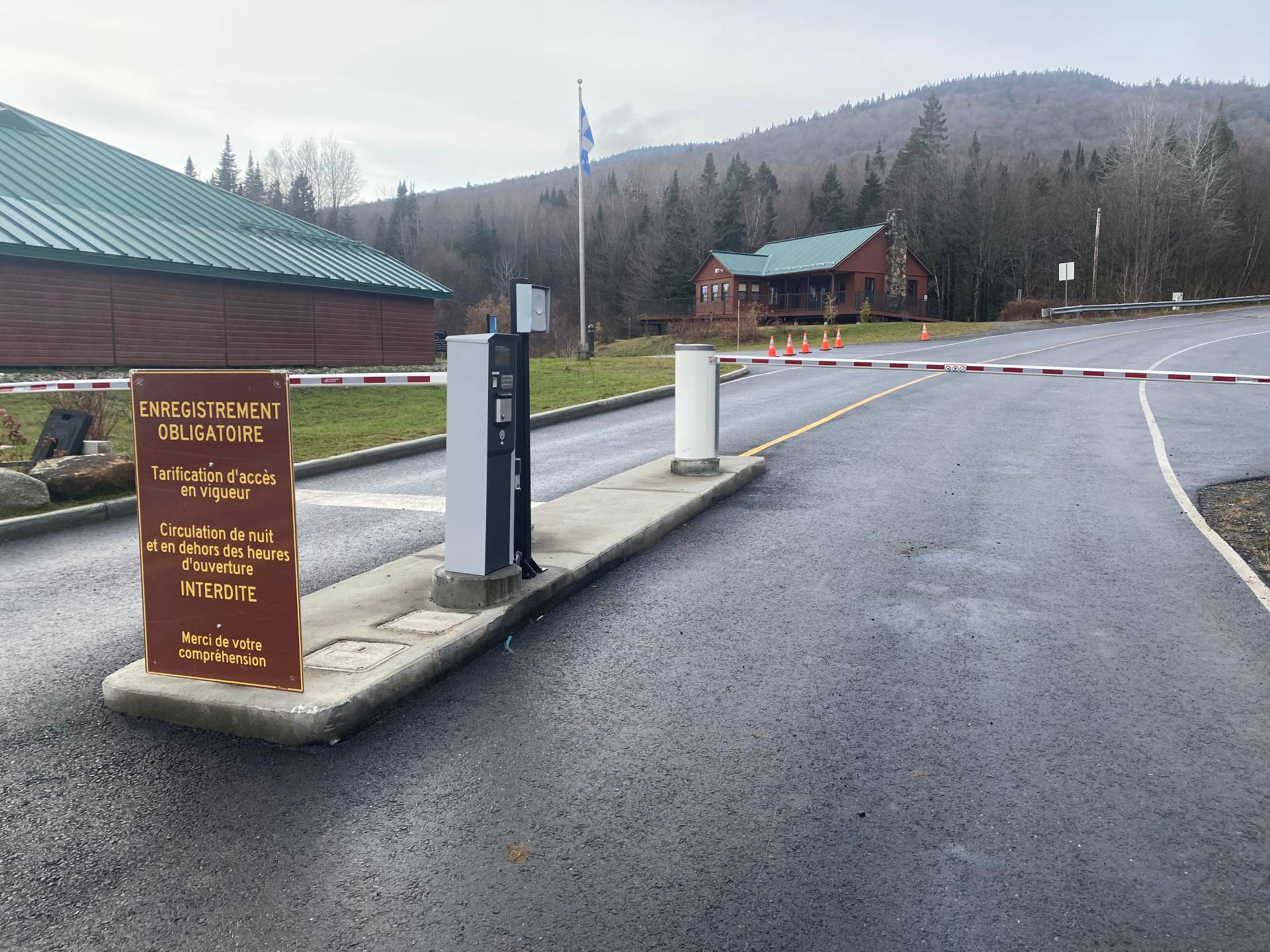
Document the existing lane, queueing area, turning radius, wash zone, drainage, utilities, network options, signage and staff access before choosing a kiosk or barrier location.
- Keep the approved wash step before the controlled launch point.
- Separate waiting, washing and through-traffic where the site allows it.
- Make instructions visible before a driver commits to the lane.
- Provide a deliberate path for oversized vehicles, service access and exceptions.
- Document civil, electrical, drainage and accessibility requirements with the responsible professionals.
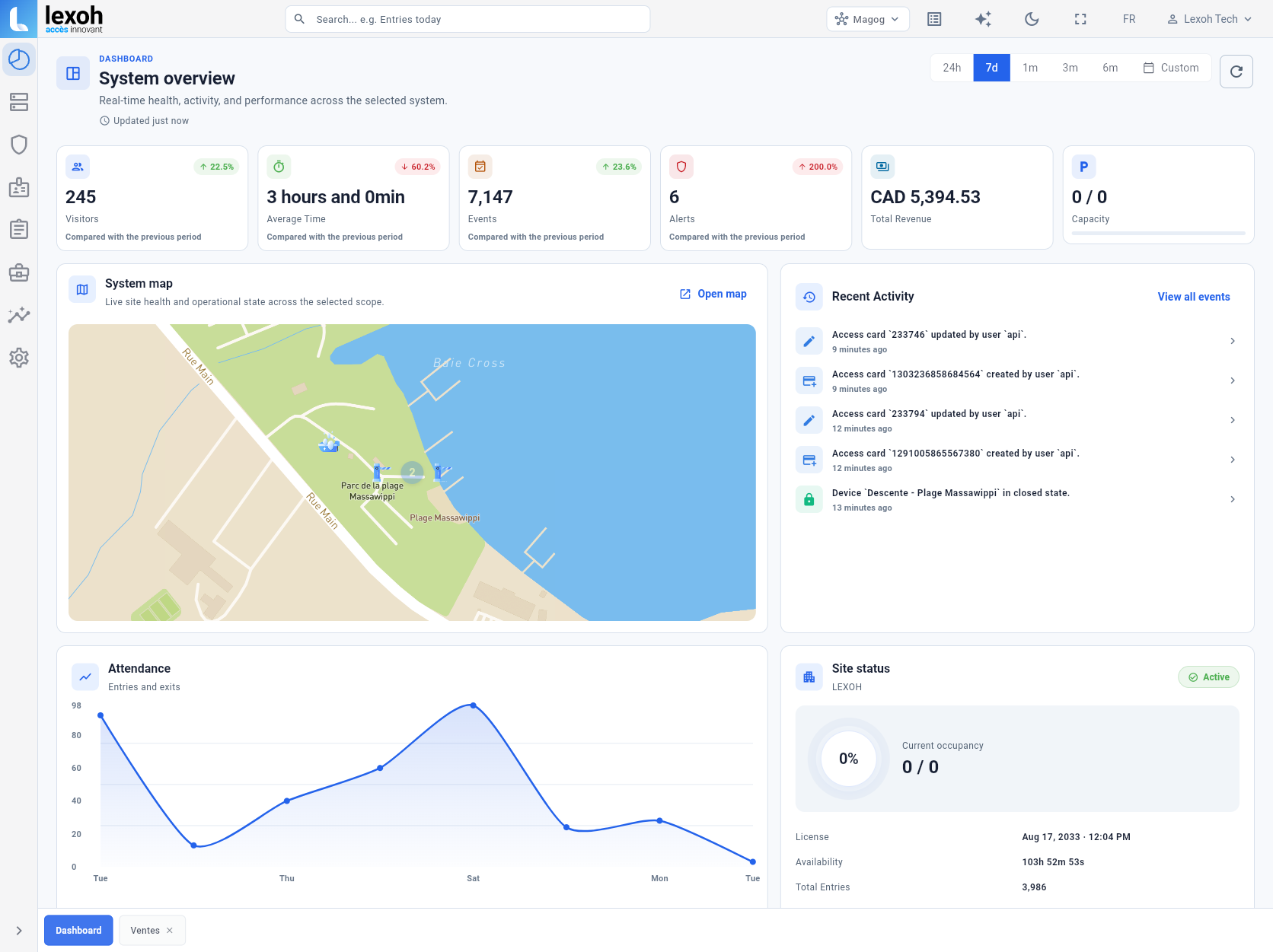 Enlarge image
 System boundaries
Decide what each component is responsible for.
A wash system, access controller and operating platform solve different parts of the journey. The project should name the source of every decision and the person responsible when the normal path cannot be completed.
Lexoh can connect compatible kiosks, readers, barriers and operational records. The selected wash equipment, its environmental effectiveness and the authority that validates completion remain explicit project responsibilities.
-
Local program
Defines the accepted procedure, required evidence, exceptions and authority.
-
Wash equipment
Carries out the selected cleaning process and exposes only the signals supported by that equipment.
-
Lane equipment
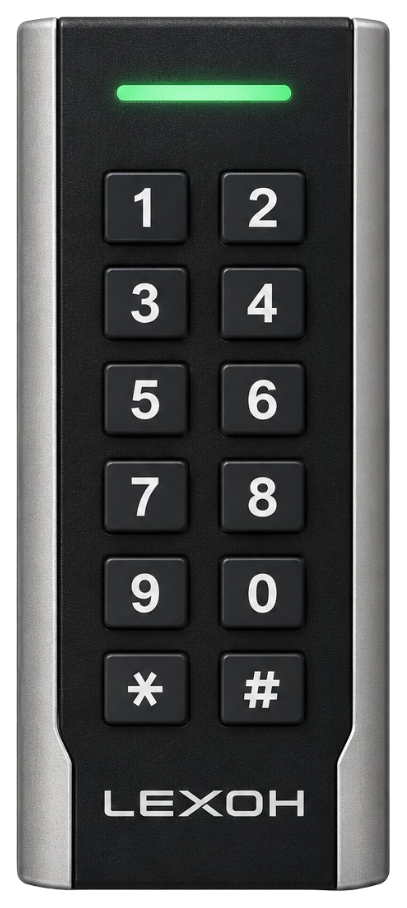
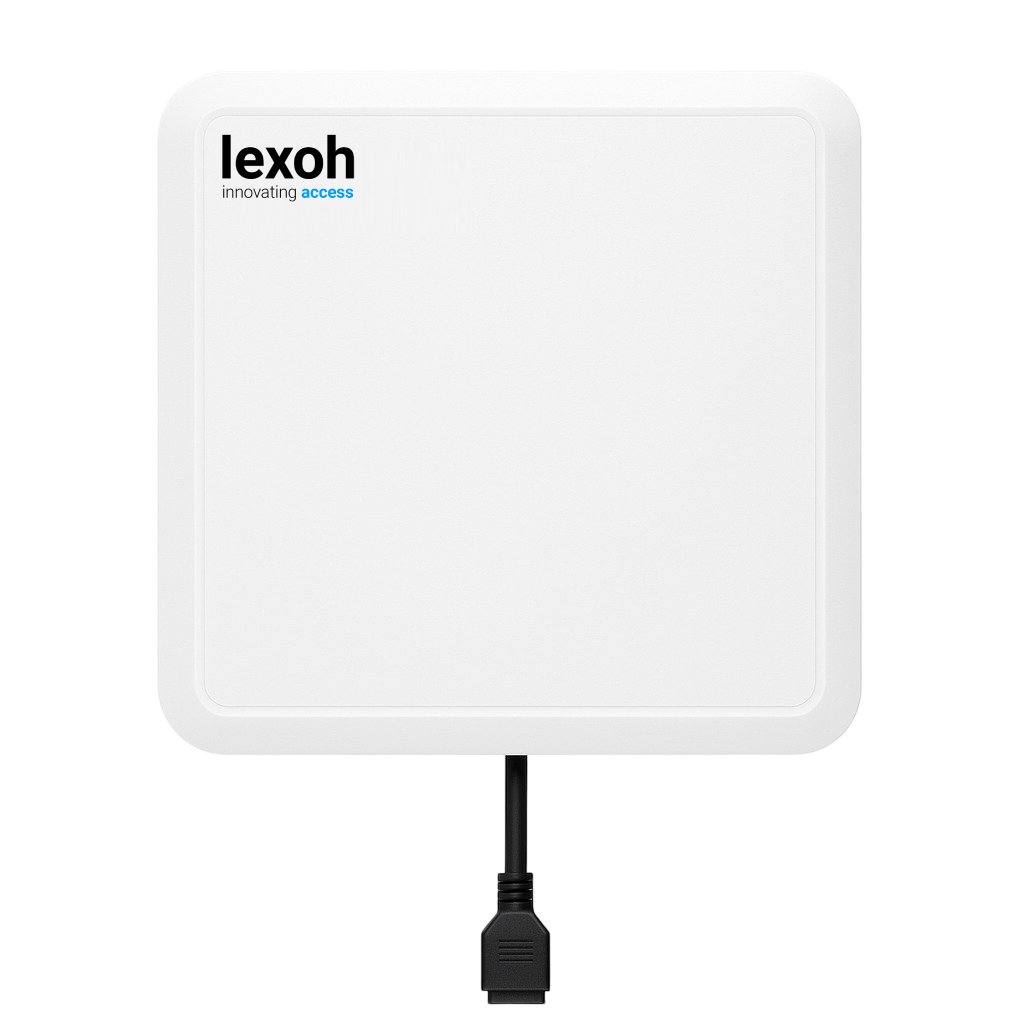
Presents instructions or credentials and controls the connected access point when configured.
-
Security Center
Presents the available site, device and event records to authorized operators.
From washing to authorization
A completed wash, its QR and a launch decision have different roles.
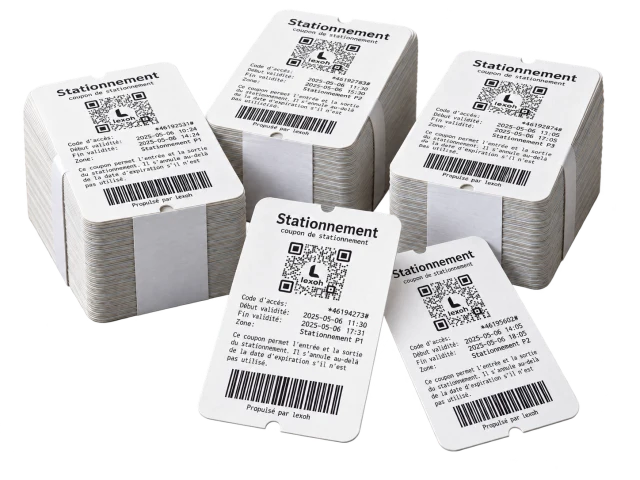
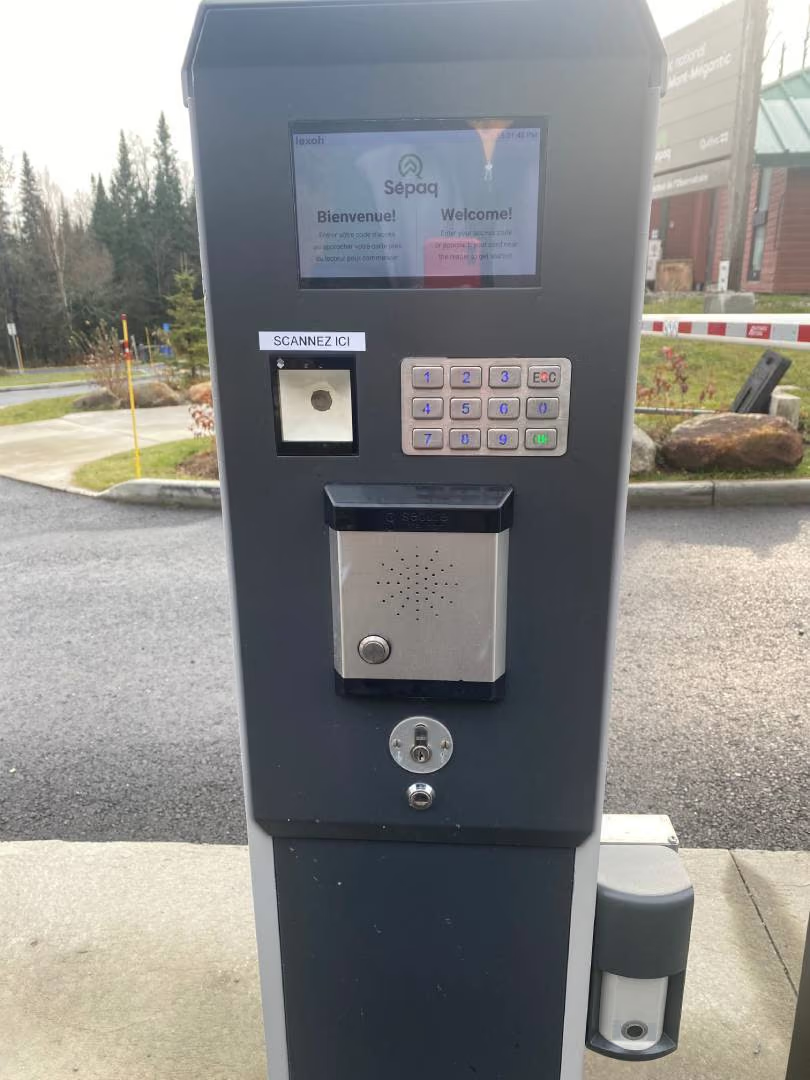
The Lexoh kiosk can connect to a compatible pressure washer through the interface specified for the project. Depending on the model, the system monitors the amount of water used or requires a configured amount of actual spray-gun use time. Time spent reading instructions or standing beside the equipment is not the same as using the gun. Once the requirements are met, the wash is completed and a QR is issued for the destination selected by the visitor.
The completion rule gives the access workflow a defined trigger. It does not measure whether every part of the boat was treated correctly or establish that all invasive organisms were eliminated. The visitor still follows the site’s cleaning instructions, while the controller checks the issued proof for access.
A code is usually configured for two uses: launching the boat and returning to retrieve it. A site can allow four uses when the journey needs extra passages, such as leaving and returning to reposition a vehicle. A configured grace period can also allow one or more rescans. Explain these rules before the reader so a manoeuvre does not become a support call.
Scroll horizontally to read every column.
| Stage | What it establishes | Operational meaning |
|---|---|---|
| Payment or member identification | The transaction or user path required by the site. | This step alone does not establish wash completion. |
| Configured wash completion | The water-volume or actual gun-use requirement has been reached, according to the washer model. | The connected kiosk can proceed to QR issuance. |
| Issued QR | The proof created for the selected destination after the requirements are met. | The visitor presents it at the relevant launch access point. |
| Controller validation | The access controller checks the presented proof. | A compatible Lexoh controller can validate the encrypted offline QR without an internet connection. |
Exceptions and support
The unusual visit belongs in the design.
A credible workflow explains what happens when a visitor cannot use the expected credential, the wash equipment is unavailable, a trailer cannot enter the lane or network connectivity changes.
The response may involve clear on-site instructions, an authorized remote action or an in-person process. The correct choice depends on the site, installed equipment and local operating policy.
-
Visitor exception
Name who can assist and what information they may verify.
-
Equipment exception
Define closure, authorized alternate access and escalation procedures with the program owner before opening day.
-
Connectivity exception
Lexoh devices communicate locally through an offline mesh network. Plan separately for power, remote assistance and payment connectivity.
-
Record exception
Decide how corrected or manually approved events remain attributable.
Running the site
Organize the day around readiness, assistance and follow-up.
Before opening, walk the arrival route as a visitor would: read the signs from the approach, look for obstructions and check the condition of the wash area and visible equipment. The responsible team handles maintenance and makes a faulty area unavailable rather than leaving visitors to discover the problem at the kiosk.
During operation, separate a problem with payment, washing, proof delivery or launch access when recording an incident. A short entry with the time, location, symptom and responsible contact helps the next staff member continue the response. Departure instructions should also remind boaters about the prevention steps after leaving the water, before their next waterbody.
-
Before the season
Complete the model-specific servicing, review destinations and user rules, and run the wash-to-QR-to-launch journey. Include an offline proof test with the compatible controller and make sure the assistance contacts still reach the responsible team.
-
When a point is unavailable
Name the affected service precisely: a wash position, the entire station or a launch. Update arrival signs and online information, direct visitors through the approved assistance process and record who will verify the return to service.
-
At season end
Arrange shutdown and storage according to the equipment manuals. Review recurring incidents, queue observations and service work with the operator; use those findings to prioritize repairs or layout changes for the next opening.
Project case
Build the budget from site demand and supplier quotes.
A useful operating and budget model starts with observed local demand, the approved program and quotes for the actual civil, wash, access and support scope.
Separate environmental program objectives from any access-fee policy. Fees, staffing and funding are local decisions and should be evaluated with the organization’s financial and legal advisors.
-
Document demand
Seasonal launch volume, peak arrival patterns, user categories and current exception workload.
-
Price the complete site
Civil work, utilities, wash equipment, lane equipment, connectivity, commissioning and ongoing service.
-
Assign operating work
Visitor assistance, inspections, maintenance, record review and seasonal opening or closure.
-
Local requirements
Applicable environmental, water, electrical, accessibility, procurement and privacy requirements.
Project brief
Bring these decisions to the first site review.
A concise project brief keeps the technology discussion tied to the site and prevents unsupported assumptions from becoming requirements.
- The local prevention procedure and the authority that approves it.
- A site plan with vehicle movements, wash location, ramp and utility points.
- Accepted credentials, permits or visitor records and their source system.
- The expected normal journey and each authorized exception path.
- The reporting, retention and access rights required by policy.
- Ownership of wash equipment, lane equipment, connectivity and support.
Before requesting quotes
Make the environmental and visitor requirements part of the scope.
Have the site designer identify the proposed wash area, the movement of water and debris, nearby drains and the route to the lake. Ask the responsible authority to confirm the applicable requirements and who approves the proposed collection, drainage or disposal arrangement. The equipment supplier should provide the selected model’s water and servicing requirements. A supplier’s equipment quote is not a substitute for this site review.
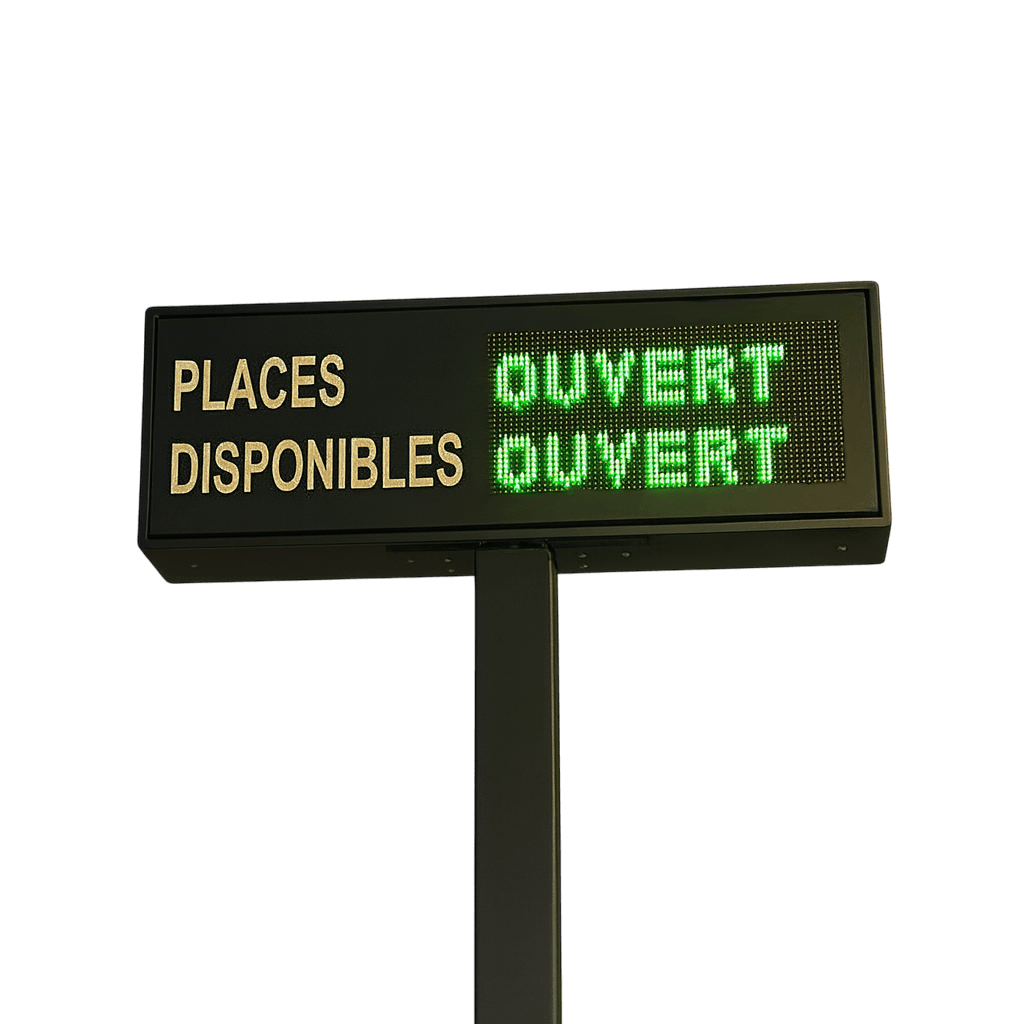
Give visitors useful instructions before they enter the kiosk lane: the accepted wash location, opening conditions, documents or credentials to prepare, fees where applicable, the route after washing and a contact for assistance. A temporary closure needs a clear instruction before drivers commit to the lane. Review the visitor questions below with the program owner before approving wording for signs, the website and staff.
Québec terminology and evidence
How a Québec boat-wash station becomes a municipal access program.
Québec public pages use terms such as station de lavage d’embarcations, poste de lavage, certificat de lavage and débarcadère. Use the local authority’s wording on signs, visitor instructions and proofs so the same rule is clear from arrival to launch.
The Lexoh Témiscouata project record describes a regional network connecting washing, controlled launches and operating support. Use it to identify the handoffs a shared program needs to manage, then define the scope of your own sites.
-
Témiscouata: a documented multi-site deployment
Review the linked Lexoh project for the equipment and operating scope. The MRC’s July 2024 communication also illustrates why a regional program needs an approved response to connectivity and equipment interruptions.
-
Lac-Brome: a municipal wash certificate
Lac-Brome’s public guidance describes a municipal boat-wash station and identifies the wash certificate as the official document used before launching on Lac Brome. Its rules illustrate a local program; they do not automatically apply to another lake.
-
Venise-en-Québec: the public term station de lavage d’embarcations
The municipality explains the role of a station de lavage d’embarcations in preventing aquatic invasive species and publishes visitor steps. Use this vocabulary when comparing public instructions with the equipment and proof workflow.
Project checklist
Ten questions to define the site and responsibilities
Review these questions with the program owner, site designer and suppliers before approving the scope. Each decision should have a named owner and supporting documentation.
-
Who approves the local prevention procedure and the conditions for launch access?
Request the applicable instructions and the name of the approving authority. Clarify who determines that a wash or inspection satisfies the program and who may approve an exception.
-
Which wash stations and launches are included, and where will each proof be accepted?
Ask for a site-by-site inventory showing wash locations, proof issuance and access points. Have the operator confirm destination and validity rules, including launches outside the proposed network.
-
Can the proposed layout accommodate our boats, trailers, queues and assistance needs?
Request a marked circulation plan with turning movements, stopping points, pedestrians and an assistance area. Review it with the installer using the vehicle and trailer types expected at the site.
-
Who designs and approves the handling of wash water and debris?
Identify the responsible designer, authority and operator. Request the proposed drainage, collection or disposal plan and the requirements that must be resolved before construction.
-
Who supplies and connects the required power, water and communications?
Ask for utility requirements at both the wash station and launch, an assessment of existing services and the limits of each contractor’s work. Assign permits, connections and network service responsibilities explicitly.
-
Which equipment will be reused, replaced or supplied new?
Request an itemized model list for wash equipment, kiosks, readers, controllers and barriers. Identify compatibility reviews, installation work and any equipment excluded from the proposed scope.
-
Who defines memberships, visitor categories, fees and accepted credentials?
Have the program owner approve the user rules and identify the system that holds the authoritative record. Include renewal, expired credentials and refund responsibilities in the operating decisions.
-
Who will assist users and handle exceptions while the site is open?
Confirm the proposed staffing, accessibility assistance and escalation contacts. Request the process for a rejected proof, an unavailable station or a user who cannot complete the standard journey.
-
Who maintains each part of the system during the season and at shutdown?
Ask for model-specific maintenance requirements, seasonal tasks and the division of work between operator and suppliers. Confirm support hours, service arrangements and how equipment faults are reported.
-
Who accepts the installation and takes responsibility for its operating records?
Name the person who witnesses tests, resolves outstanding issues and accepts the handover. Request final documentation, training and a policy for record access, retention and review.
Project checklist
Ten questions to compare the complete project cost
Ask each bidder for the same cost breakdown. Compare initial spending, recurring commitments and exclusions using actual quotes and site estimates.
-
What exactly is included in the quoted total, and for how long is the price valid?
Request itemized quantities and prices, currency, taxes, delivery charges, validity period and exclusions. Confirm whether options shown in product images are included or separately priced.
-
Are site surveys, design work and approvals included?
Ask who prices and performs the site assessment, drawings and required approval work. Identify investigations still needed before a firm installation price can be given.
-
What civil and utility work could change the equipment-only price?
Request separate costs for foundations, the wash area, drainage, trenching and utility connections. Ask how unforeseen site conditions and scope changes will be estimated and approved.
-
Does the equipment price include delivery, installation and setup?
Ask for the exact wash, kiosk, reader and barrier models and their installation scope. Confirm mounting, protective equipment and contractor coordination costs.
-
What will it cost to connect or reuse our existing equipment?
Request the compatibility assessment and a separate integration allowance or firm price. Clarify who pays for adapters, replacement devices or additional work if a proposed reuse is not feasible.
-
Which software, network and support charges recur after installation?
Ask for the billing period, included sites and devices, renewal terms and charges for adding equipment. Identify connectivity, remote support and any data-export or service-end costs.
-
Which payment-service charges and transaction responsibilities apply?
Request the provider’s applicable charges, including transaction, refund or other service fees. Confirm who reconciles payments and handles user disputes.
-
Are commissioning, operator training and visitor instructions priced?
Ask for the test scope, training sessions, documentation and signage included. Identify the cost of a return visit, additional training or retesting after changes.
-
What should we budget for seasonal operation, maintenance and replacement parts?
Request servicing intervals, consumables, shutdown and reopening tasks, and recommended spare parts. Separate staff and assistance costs from warranty coverage and chargeable service calls.
-
Which uncertainties and future changes should remain visible in the budget?
Ask bidders to identify provisional amounts, exclusions and likely cost drivers. Review expansion, equipment replacement and contingency needs with the owner rather than relying on an unverified payback claim.
Project checklist
Nine questions about integration and acceptance testing
Put these questions to the wash supplier, access-system team and commissioning lead. Ask for evidence tied to the exact installed models and configuration.
-
Which documented interface connects the wash equipment to the kiosk or controller?
Request the model and firmware list, connection drawings and manufacturer interface documentation. Confirm who installs and validates both ends of the connection.
-
What condition permits a proof to be issued, and how will we test it?
Ask the program owner and suppliers to define the required condition and the signal or data used to establish it. Include a test where the condition is not met so the expected refusal is demonstrated.
-
How will proof formats, validity and accepted destinations be verified?
Request tests using the proposed printed or digital proof at each relevant reader. Include expiry, an unrecognized proof and a destination where it should not grant access.
-
How will the reader, controller and barrier be tested together in the actual lane?
Ask for an installer-led test of authorization, barrier response and the selected vehicle-detection and protection devices. Request the approved response to a device fault and the recorded results.
-
Which member, visitor and payment journeys will the site team witness?
List the user categories and payment paths included in the scope. Test the normal journey plus relevant refusals, expired credentials and payment interruptions.
-
What happens after a rejected proof, interrupted wash or equipment fault?
Request the expected user message, operational record and assistance path for each condition. Confirm who resolves the issue and how the approved washing requirements remain respected.
-
What is the documented behavior during power or network loss and after recovery?
Ask suppliers to distinguish local functions from functions that need connectivity. Witness the relevant interruption and recovery tests, including how records are reconciled.
-
What must the operator receive before taking over the system?
Request the final settings, drawings, manuals, training and support contacts. Name the acceptance owner and agree how unresolved test results will be tracked to completion.
-
How will we verify that operational records mean what our reports claim?
Ask for examples that distinguish wash events, proofs, payments and launch visits. Confirm the reporting period, exclusions, access rights, retention and whether unique-boat identification is available.
Project checklist
Eight questions before approving visitor instructions
Review these questions with the program owner and the team responsible for signs, online information and assistance. Visitors should receive consistent, locally approved instructions before reaching the kiosk.
-
How will visitors find an accepted wash location before travelling to the launch?
Request the published directions and a clear statement of which launches accept the resulting proof. Assign responsibility for keeping locations and destination rules current.
-
How will opening hours and temporary closures be communicated?
Ask for the wording on the website and arrival signs, including separate wash and launch hours where needed. Check that a closure is visible before a vehicle commits to the lane.
-
What should members and visitors prepare before reaching the kiosk?
Confirm the accepted credential, any locally required documents, applicable fees and available payment methods. Request wording that distinguishes user categories without demanding unapproved personal information.
-
Who approves the cleaning and verification instructions shown to boaters?
Ask for the accepted local procedure and instructions relevant to the boat, trailer and associated equipment. Identify the owner who updates every sign and online version when that procedure changes.
-
Will visitors understand how to receive, keep and present their proof?
Request the proposed instructions for the configured printed or digital proof. Check that they explain where to present it, which destinations accept it and where to get help if it cannot be read.
-
Can a driver follow the route from washing to the launch without guessing?
Review the signs from the vehicle’s approach and include trailer manoeuvres, pedestrians and any shared lanes. Ask the designer to mark the approved waiting and assistance areas.
-
What will visitors be told when payment, washing or access cannot be completed?
Request the actual fault and refusal messages, the contact method and the approved next step. Confirm that staff instructions match the public message and do not imply an unauthorized bypass.
-
How will visitors with language, accessibility or assistance needs complete the journey?
Ask the operator to review the languages, readability and assistance arrangements appropriate to the site. Confirm the contact’s hours and how a visitor can request help before blocking the lane.
Planning questions
Clarify the program before choosing the workflow.
Is a boat-wash station required at every launch?
Requirements vary. The rules and accepted prevention measures need validation by the authorities responsible for the specific waterway and jurisdiction.
Does Lexoh certify that a vessel is decontaminated?
Lexoh can support configured access and record workflows around compatible equipment. The accepted wash procedure, environmental effectiveness and validation authority are defined by the local program and selected wash system.
Can the site operate without staff?
Do not assume it can. Staffing depends on the approved procedure, equipment, safety plan, accessibility needs, visitor support and exception handling required at the site.
What happens when connectivity is limited?
Lexoh combines cloud management with offline operation through a mesh network for local device communication. Its wash-proof workflow can also operate offline. After the configured wash requirements are met, the kiosk can issue a special QR containing an encrypted code. A compatible Lexoh controller at the ramp validates it without an internet connection for the selected destination. Include that route in commissioning; payment and other connected services need their own operating review.
Can access or wash fees be collected?
A payment workflow may be evaluated where the organization has the authority and selected equipment to support it. Fee policy, taxation, refunds and the official transaction record must be defined locally.
How should boat trailers move between washing and launch access?
Map the complete arrival route with the site designer, including turning space, wash queues, pedestrian movement and the approach to the launch. Show where visitors stop for instructions or verification and where an exception can be handled. Check the proposed route using the vehicle and trailer types expected before fixing kiosk and barrier positions.
What should visitors confirm before launching a borrowed or rented boat?
Confirm the destination’s washing steps and required proof for the boat and trailer before travelling. Ask the owner or rental operator about the previous waterbody and any available wash record, then provide the information the local launch program requests. Use the destination’s instructions to decide the next step instead of relying on the rental agreement as wash evidence.
Is a payment receipt the same as the proof accepted at a boat launch?
A payment receipt records a financial transaction. The wash QR is issued after the configured water-volume or gun-use requirement is met and is associated with the selected destination. The site should label the documents clearly so visitors know which one to present. Payment alone does not establish wash completion, and a receipt should not be treated as launch authorization simply because it came from the kiosk.
Can one wash location serve launches managed by different municipalities?
A shared wash point can be part of a coordinated network. The participating operators need a clear list of destinations, accepted procedures, proof rules and assistance responsibilities. Visitors choose the intended destination before receiving its QR. Present the same destination names on the website, station instructions and launch signs so a shared facility does not create an ambiguous journey.
Can the QR cover boat retrieval and a rescan needed to reposition the vehicle?
A code usually allows two uses, for launching and retrieving the boat. The site can configure four uses for a journey that needs extra passages, such as leaving and returning to reposition. A configured grace period can also allow one or more rescans. Set these rules around the actual lane layout and explain them to visitors before they reach the reader.
References and further reading
- Québec — Cleaning boats and nautical equipment
Public cleaning guidance for Québec. Confirm the destination’s applicable instructions.
- MRC de Témiscouata — Waterway protection and automated access
Municipal project communication describing recognized wash stations, automated kiosks and the local response to network or equipment issues. Source in French.
- Ville de Lac-Brome — Boat-wash station and certificate
Municipal FAQ describing the local wash station, certificate and access rules. Local rules are not universal.
- Ville de Lac-Brome — Lake protection program
Municipal program page describing the station and certificate workflow. Local rules remain specific to Lac Brome.
- Venise-en-Québec — Boat-wash station
Municipal page explaining the station de lavage d’embarcations and visitor steps. Source in French.
- Wisconsin DNR — Boat, gear and equipment decontamination
Explains the scope of public guidance and procedures for DNR staff, agents and permittees. Do not treat it as a universal specification.
- U.S. Fish & Wildlife Service — Clean, Drain, Dry
Public prevention guidance includes the departure from a waterbody as well as preparation for the next visit.
Plan from the site outward
Bring the local procedure, the lane and the operating team together.
Lexoh can review the physical access path, compatible equipment, records and exception responsibilities before defining the project scope.
Discuss the launch site