

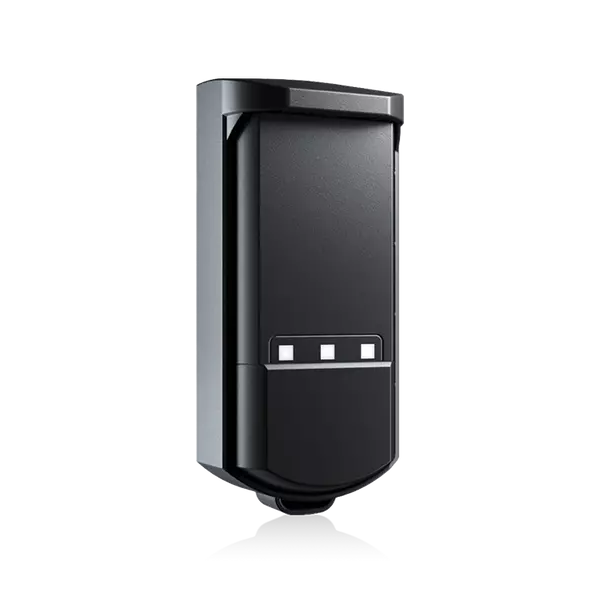
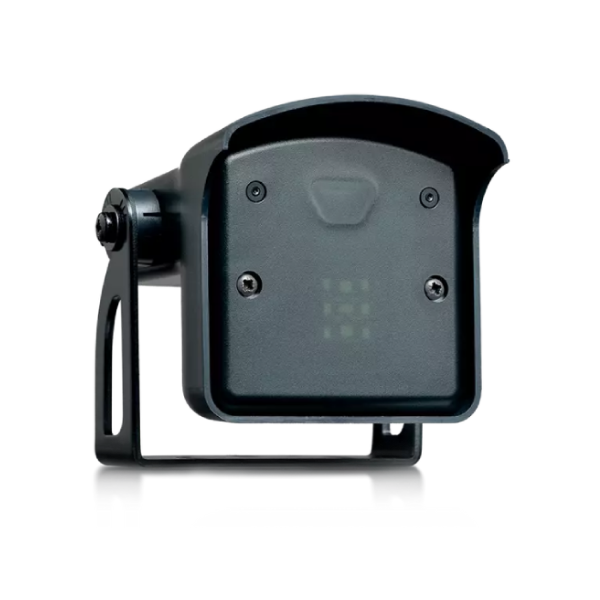
Note the time, physical lane condition, detector indication and state received by the controller. Record any recent pavement work, equipment change or recurring pattern. These observations help the installation team locate where the reported state differs from the expected one; they do not establish whether the cause is the loop, module, wiring or control configuration.
Vehicle detection
Vehicle loop detector for parking entrances
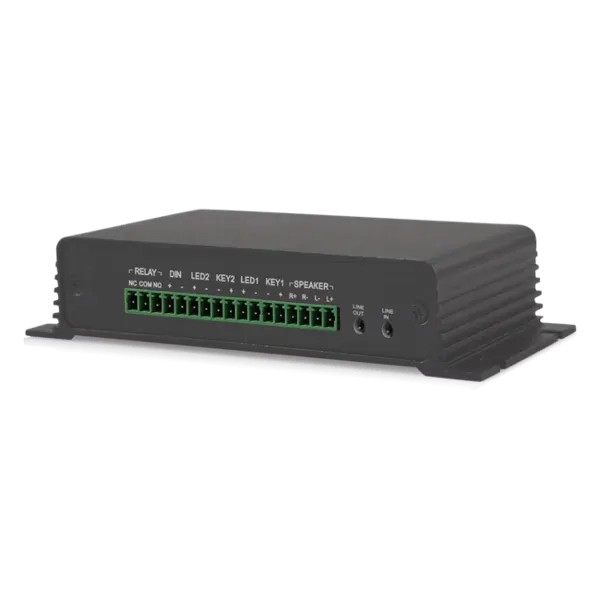
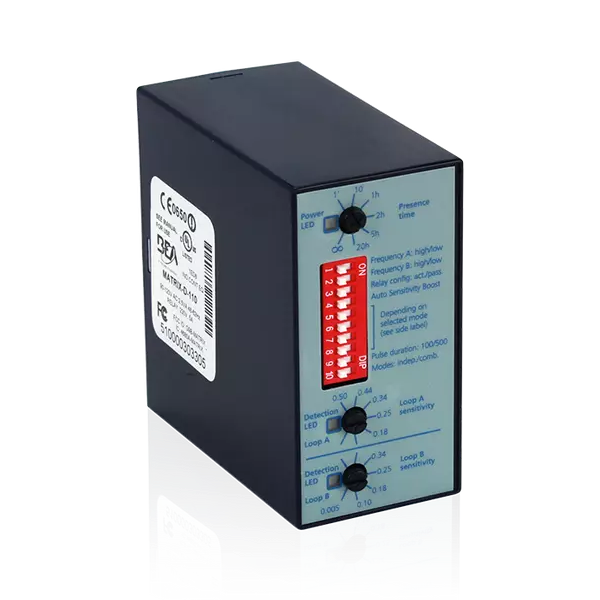
A vehicle loop detector interprets the signal from a buried induction loop and sends the detection state to the parking-lane controller. Lexoh helps select a module for your existing loop, wiring and controller.
- Role
- Loop signal interface
- Sequence
- Lane specific
- Performance
- Model-specific specifications
Choose the detection circuit
Match the detector electronics to the loop and controller.
A loop detector connects the buried sensing loop to the control system. Selecting or replacing the module requires the loop, electrical interface and intended lane response to be considered together.
Is the detector the loop in the ground?
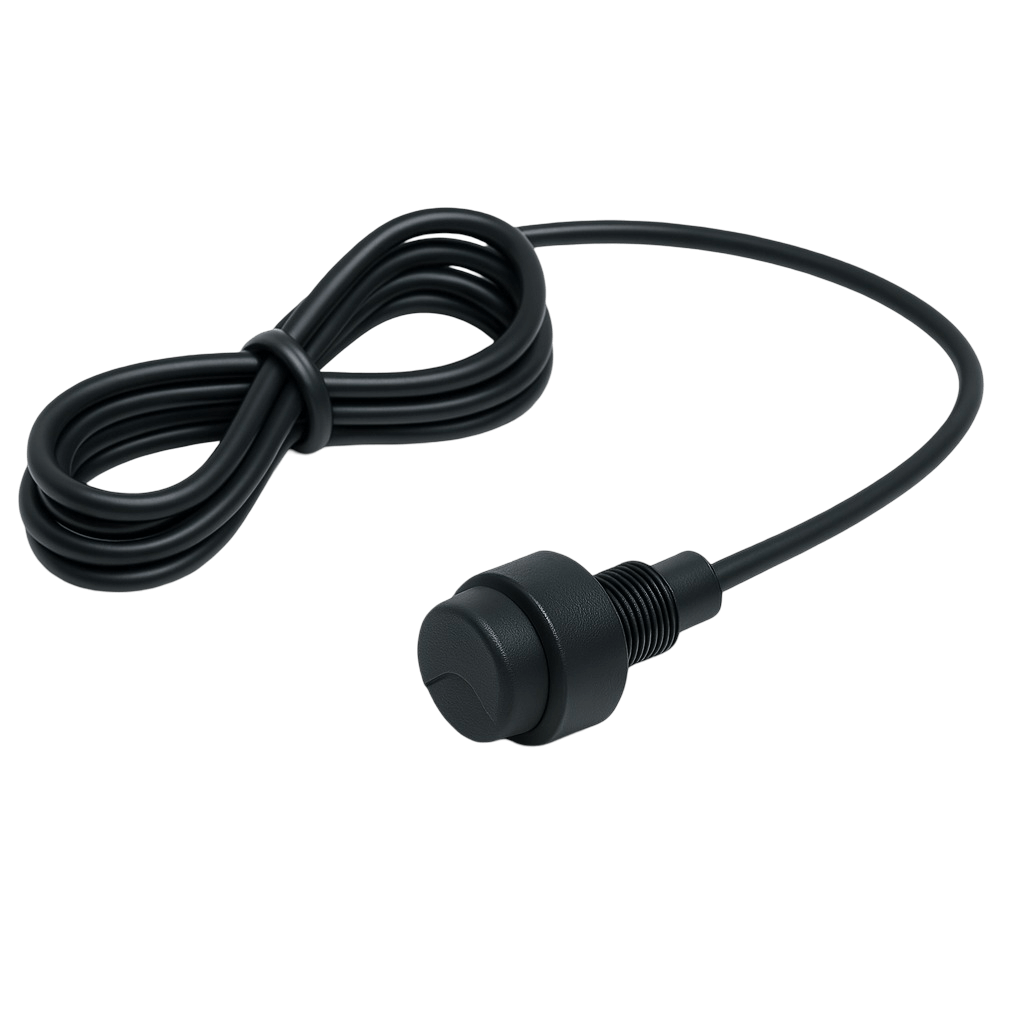
No. The loop is the sensing element in the pavement; the detector is the electronic module connected to it. A replacement request should identify both the installed module and the loop arrangement, not just the barrier model.
What must match when replacing a detector?
Compare the documented supply, loop requirements, connections and output behavior with the installed unit. A connector that fits is not proof of electrical or functional compatibility. Check the wiring diagram and the receiving controller before replacement.
Test the state through to the lane response
During commissioning, check what the module reports as a vehicle approaches, stops and leaves. Verify that the controller uses those states as intended, including fault behavior. Detection does not replace the barrier’s specified safety devices.
Detection electronics
Turn the loop signal into a vehicle state.
The detector connects the loop in the ground to the control equipment in the enclosure.
-
Loop connection
The loop’s wiring terminates at the detector module.
-
Detection state
The module interprets the connected loop and reports its state.
-
Controller input
A compatible interface carries that state into the lane sequence.
Loop detector selection criteria
| Selection item | What to confirm |
|---|---|
| Loop inputs | Identify the number of sensing circuits and the loop arrangements each input must support. Confirm the requirements in the exact module documentation. |
| Supply and connections | Match the supply, terminal assignments and wiring to the installed circuit. Similar housings or connectors do not establish replacement compatibility. |
| Detection outputs | Specify the state or pulse required by each controller input. Check the supported output type, rating and behavior for the selected module. |
| Presence and timing | Confirm how the output behaves while a vehicle remains in place, when it leaves and after any timeout. Select settings for the intended lane function. |
| Fault and restart behavior | Agree on the required controller response to a loop fault or power interruption. Verify the module’s documented behavior and the complete installed sequence. |
| Enclosure and service | Confirm mounting, environmental limits, access to indicators and maintenance clearance. Keep the module reference and configuration with the lane records. |
Request the current datasheet and installation instructions for the equipment proposed in your quotation.
Before module replacement
Plan your detector replacement
Send Lexoh the existing module details and symptoms so the replacement can be reviewed with the connected loop and controller.
| Planning item | Information to provide |
|---|---|
| Installed reference | Provide the module label, terminal drawing and clear photographs of the enclosure. Identify the loop and controller input served by each connection. |
| Observed behavior | Describe whether detection is missing, intermittent or held active. Include vehicle position, module indicators, time and recent site changes. |
| Existing configuration | Record the available settings before changes. Include the required pulse or presence behavior and the entrance response that depends on it. |
| Acceptance record | Check the replacement with the connected loop and representative vehicles. Keep the accepted settings and fault-response results with the lane documentation. |
Configuration: Keep equipment references, drawings and accepted test results together for future service.
Equipment questions
Practical details for planning, operating and maintaining this equipment.
Give each loop and detector a clear reference that matches the lane drawing, wiring documentation and controller input list. Describe its intended purpose, such as the configured approach or passage event, without relying only on physical proximity. During handover, verify each reference against its actual detection state so service staff can trace the correct circuit.
Project review
Find the detector module for your loop.
Share the installed module and controller references, the connected loops and any detection problem. Lexoh can review compatibility and the response your entrance needs.