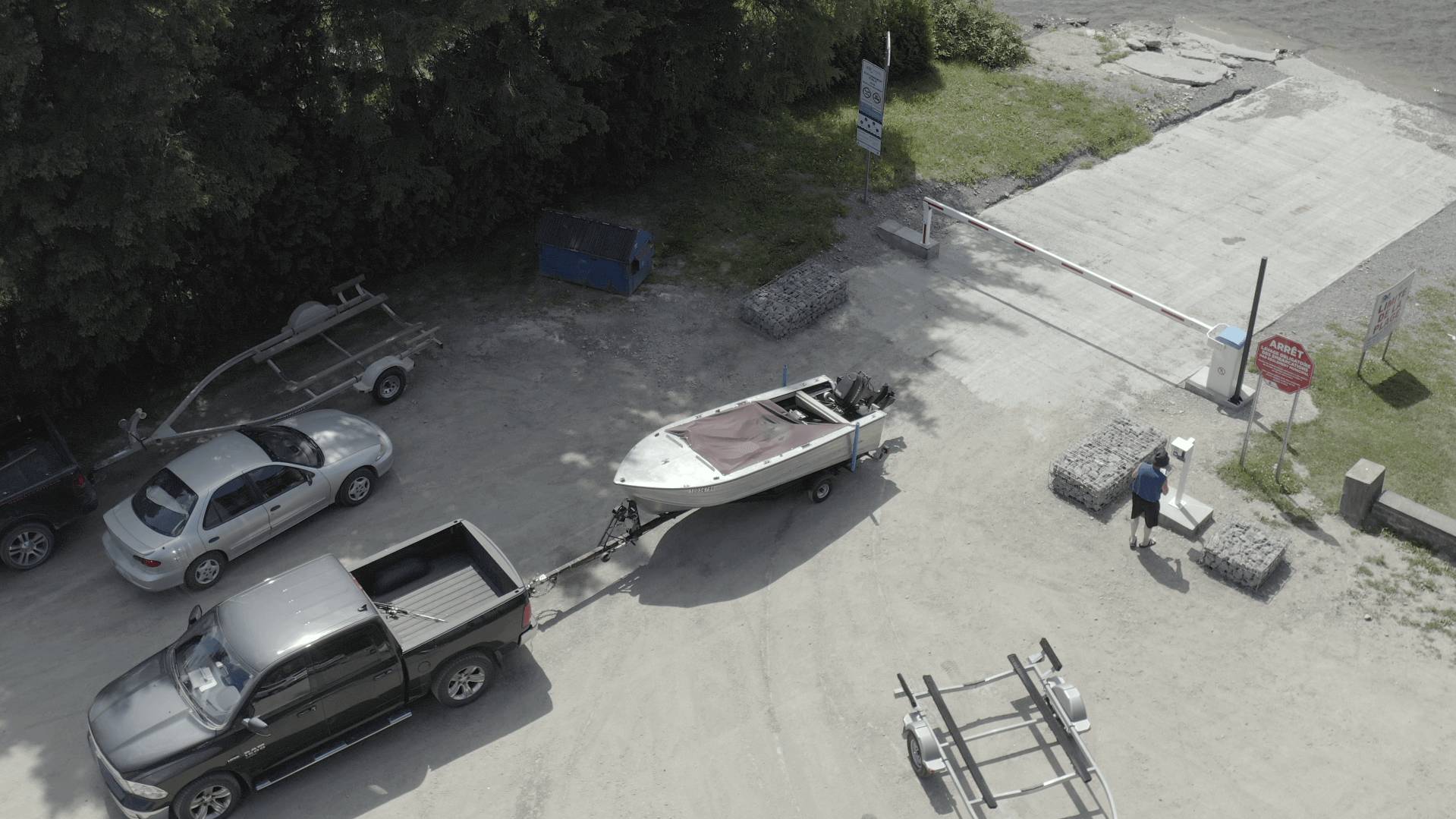
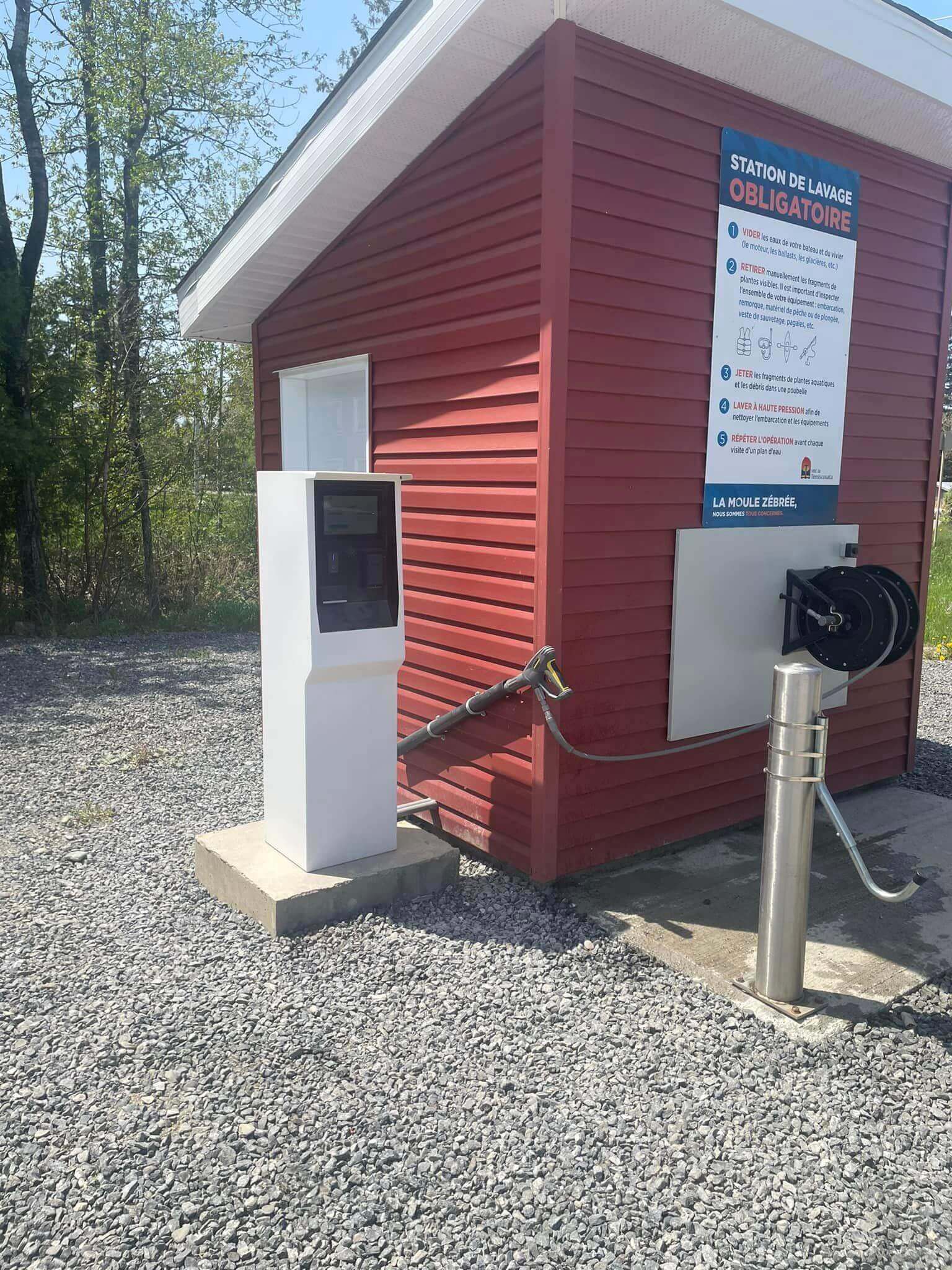
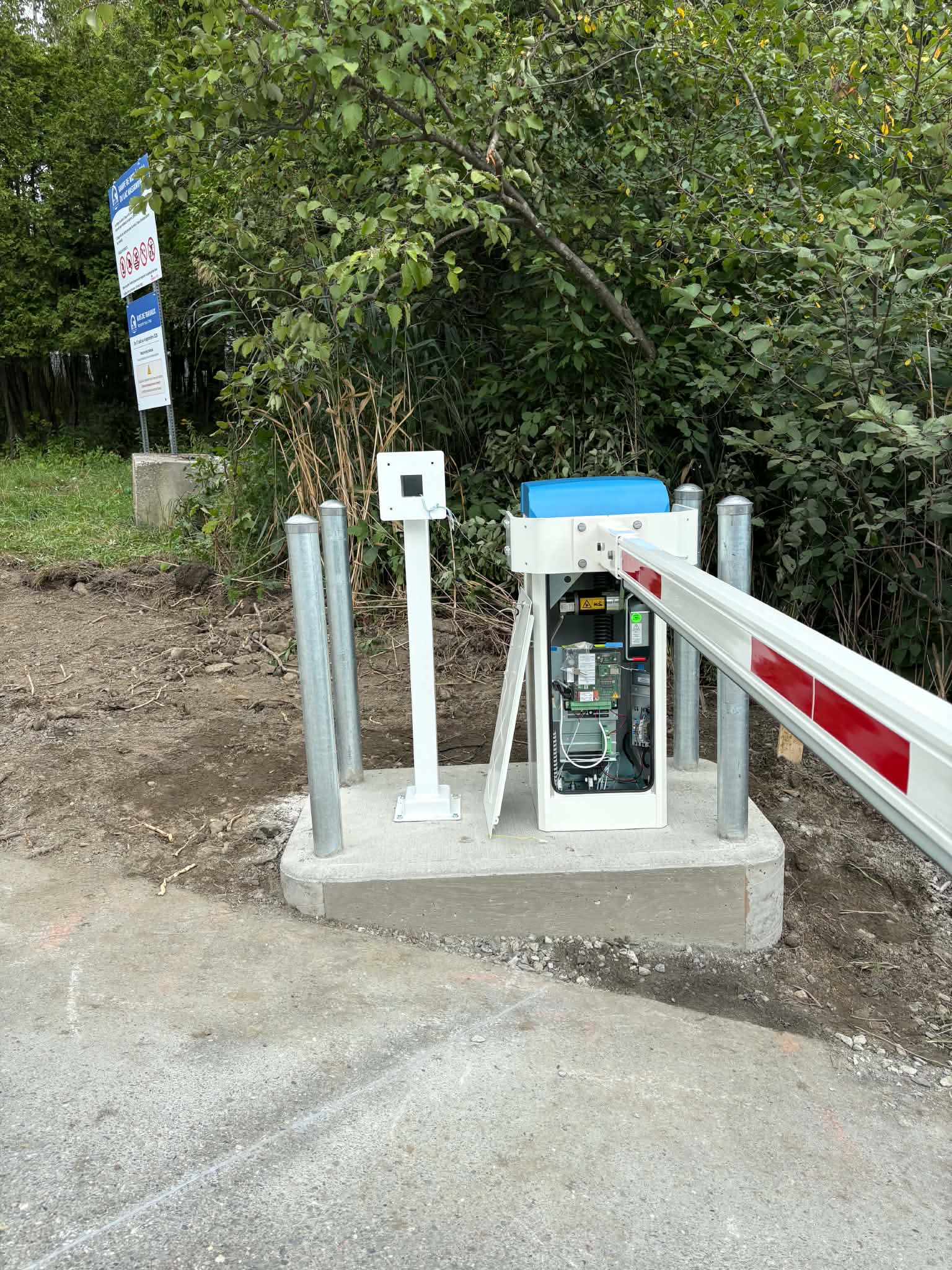
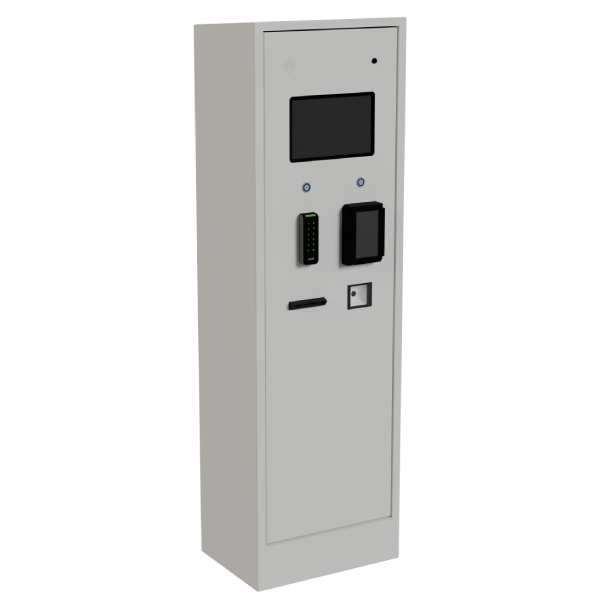
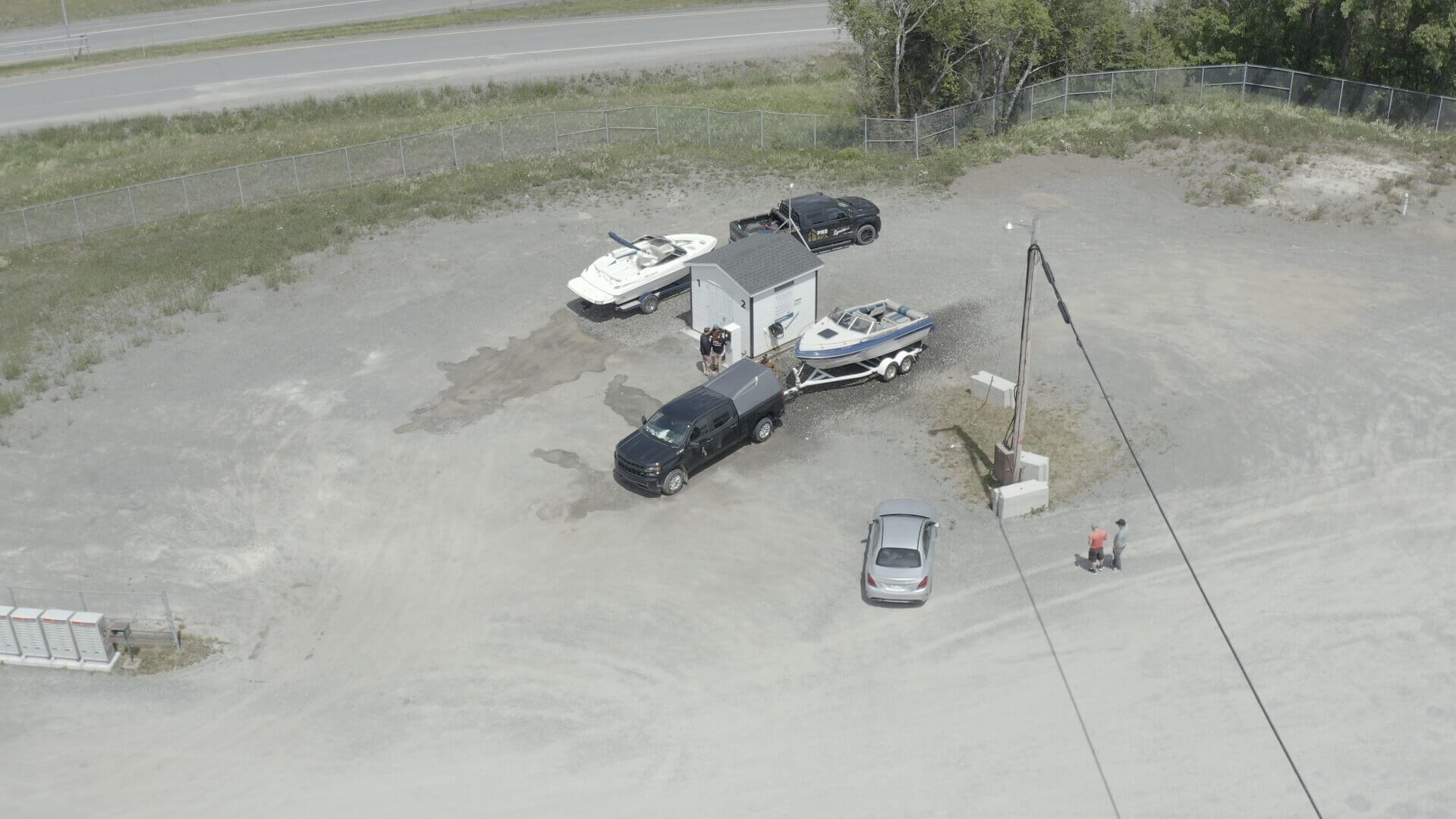
What is a boat-wash or watercraft-wash station?
A boat-wash station, also called a watercraft-wash station, is a site where a boat, trailer and related equipment follow the cleaning procedure approved for the destination before launch. For a municipality, LEXOH can connect compatible wash equipment to wash proof, QR issuance and controlled access at the launch.
How does a watercraft-wash station connect to launch access?
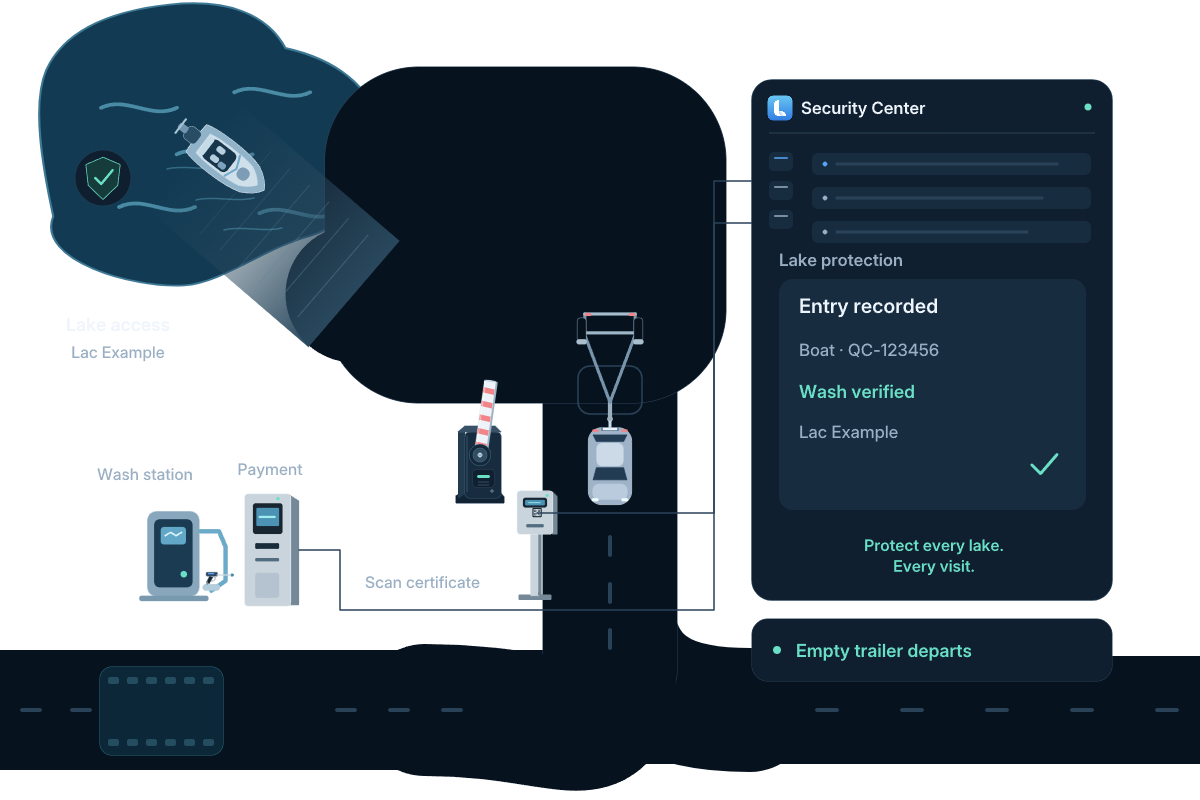
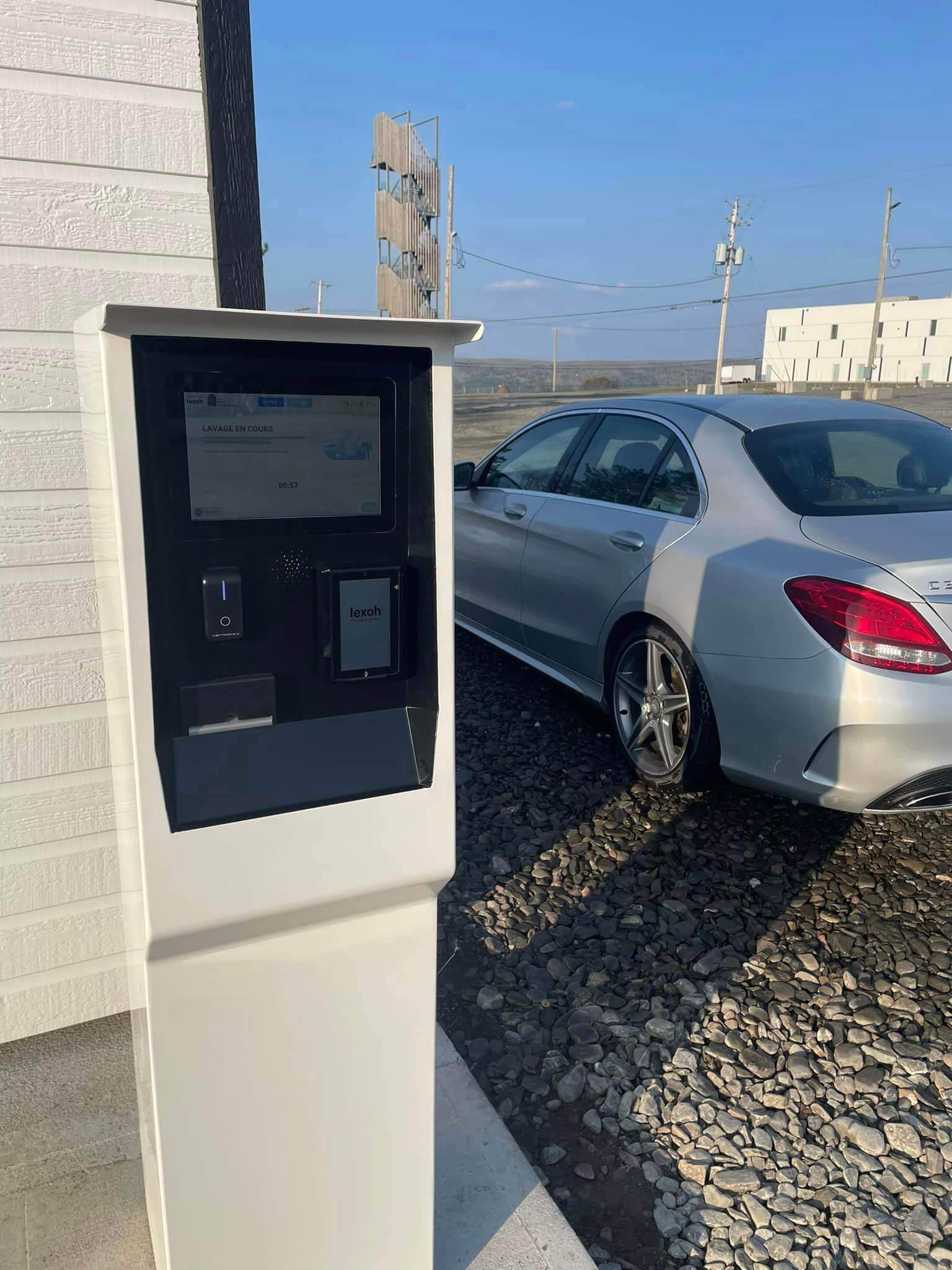
The kiosk connects to the pressure washer and, according to the selected model, verifies water volume or configured spray-gun use time. Once the site requirements are met, it issues a destination-specific proof. A compatible Lexoh controller validates that proof at the launch and can validate a specially encrypted QR while offline.
What should an automated watercraft-wash station include?
The project normally defines the wash equipment, payment or member credential path, the signal that establishes wash completion, proof delivery, launch reader or controller, barrier and operating support. Select the models and interfaces around the local procedure rather than assuming one universal equipment list.
Can a boat-wash station work when the launch has no internet connection?
The configured wash-proof workflow can operate offline. After the wash requirement is met, the kiosk issues a special QR containing an encrypted code that a compatible Lexoh launch controller can validate locally. Offline payment, reporting and other connected services require their own review.
Where should the washing rules for a boat launch be checked?
Consult the current instructions and rules published by the municipality or authority responsible for the waterbody. Confirm the recognized washing locations, accepted proofs, validity period and affected launches before configuring the system and visitor instructions.
What does a boat-wash proof confirm?
A proof is issued after the station records the wash conditions defined for the site. The launch checks it against the configured access rules. The program owner defines the accepted procedure and verification responsibilities; a proof or access event alone does not demonstrate that every contaminant has been removed. Confirm the proof’s meaning, validity and accepted destinations in the project scope.
Which equipment can be part of the system?
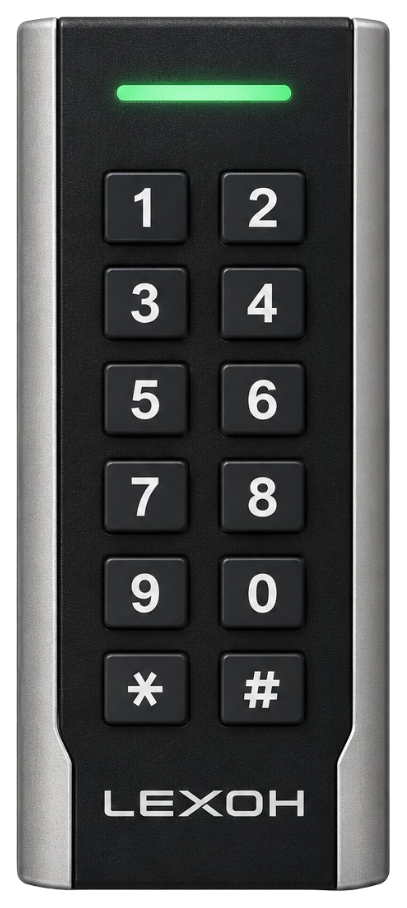
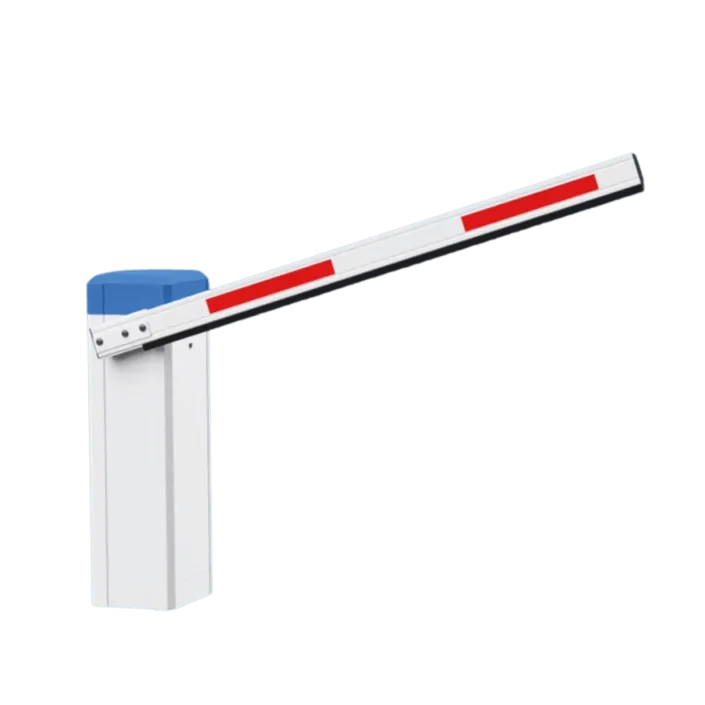
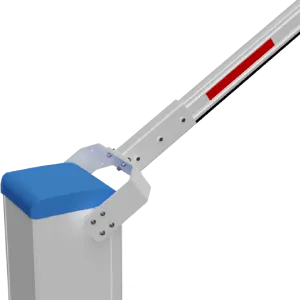
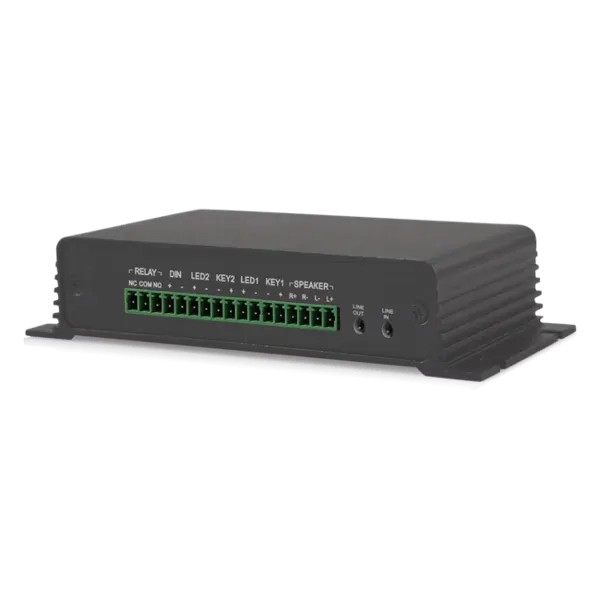
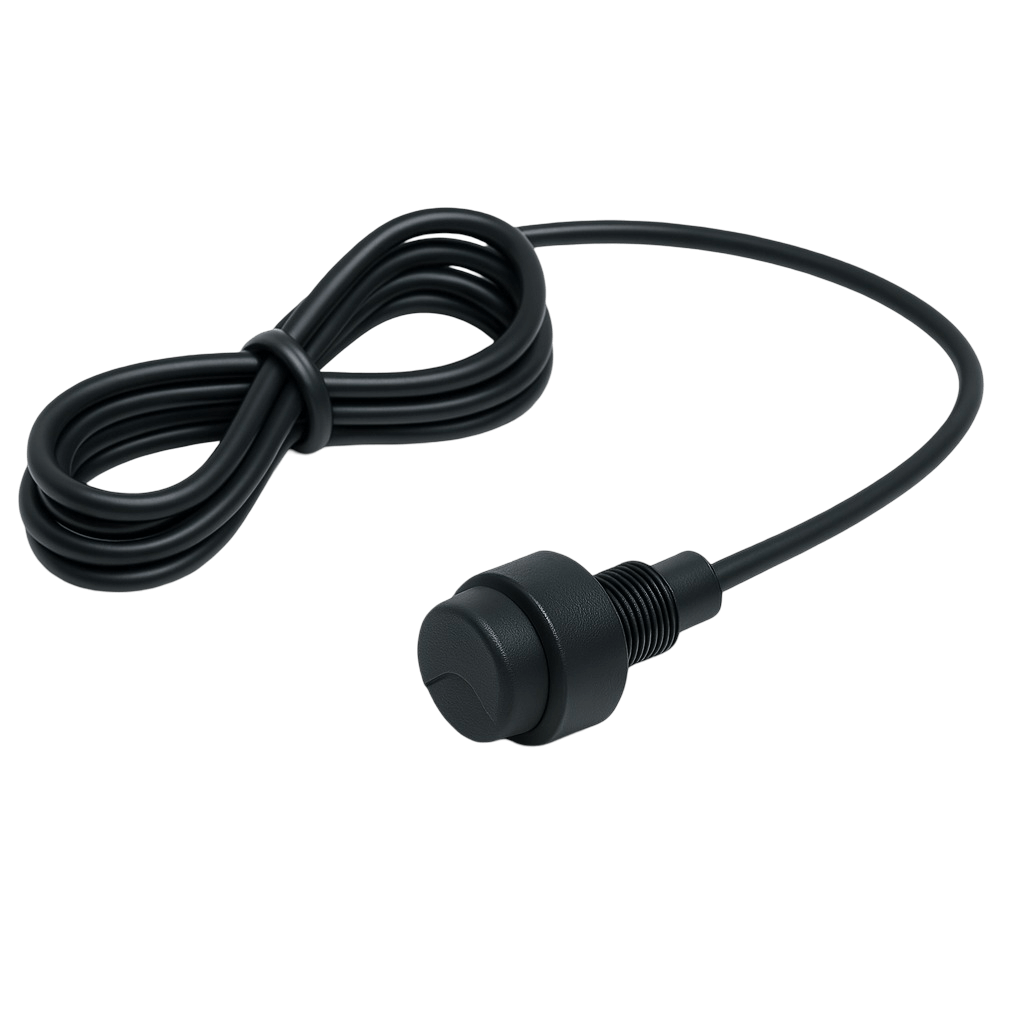
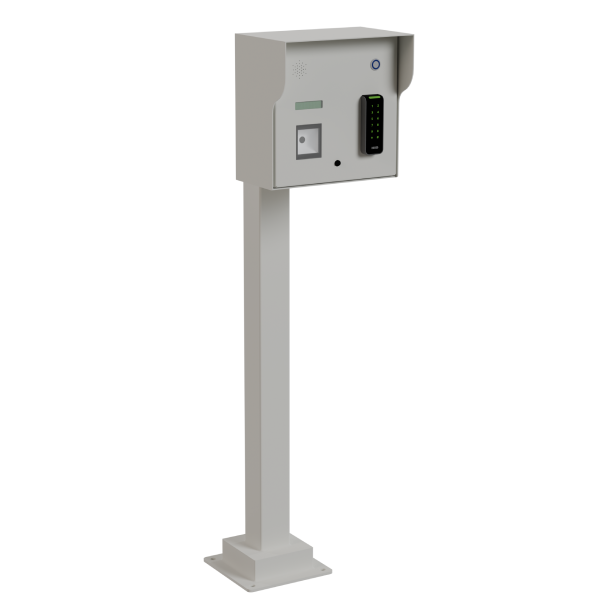
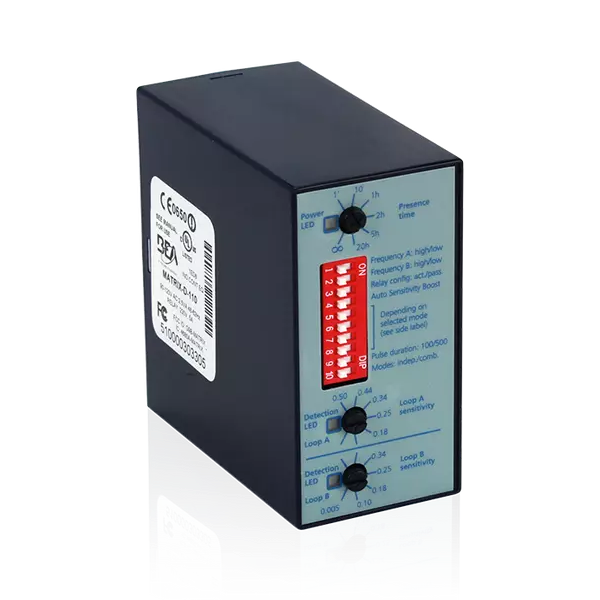
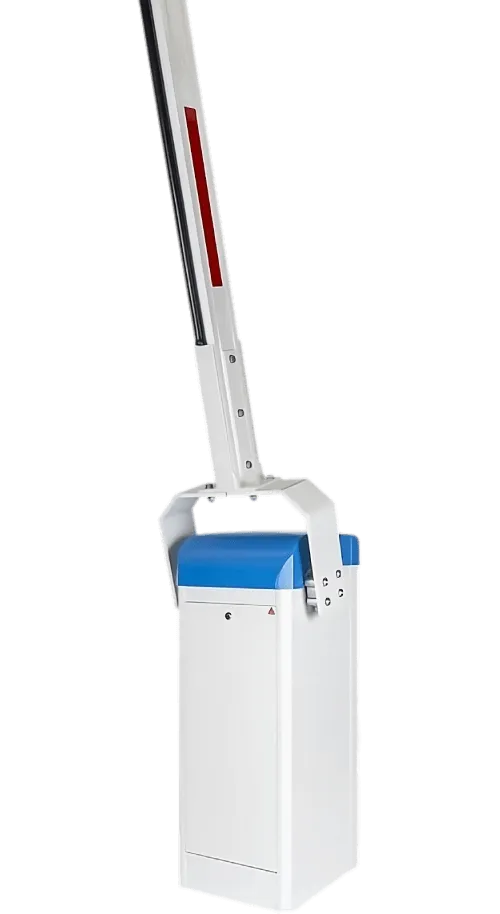
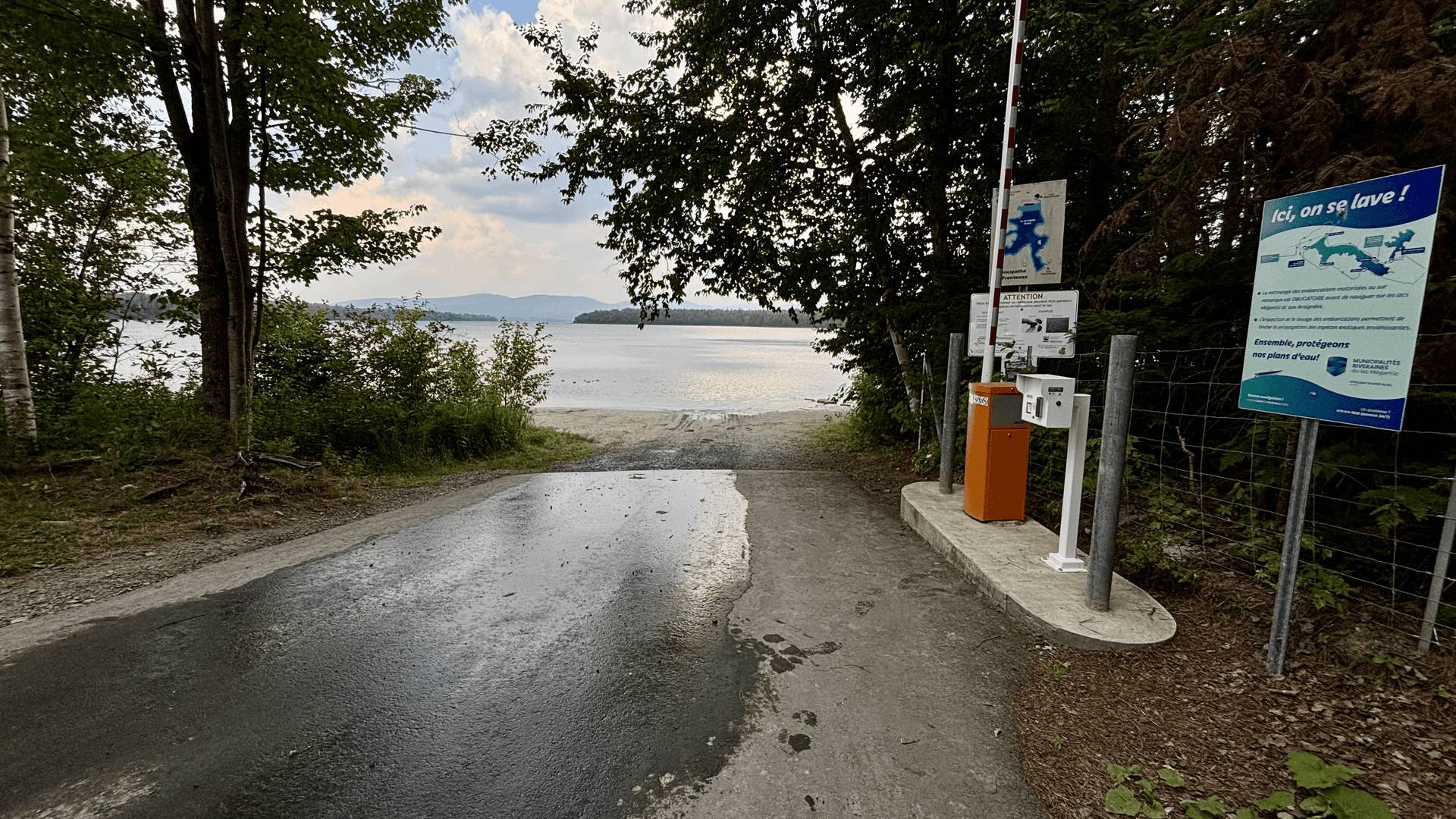
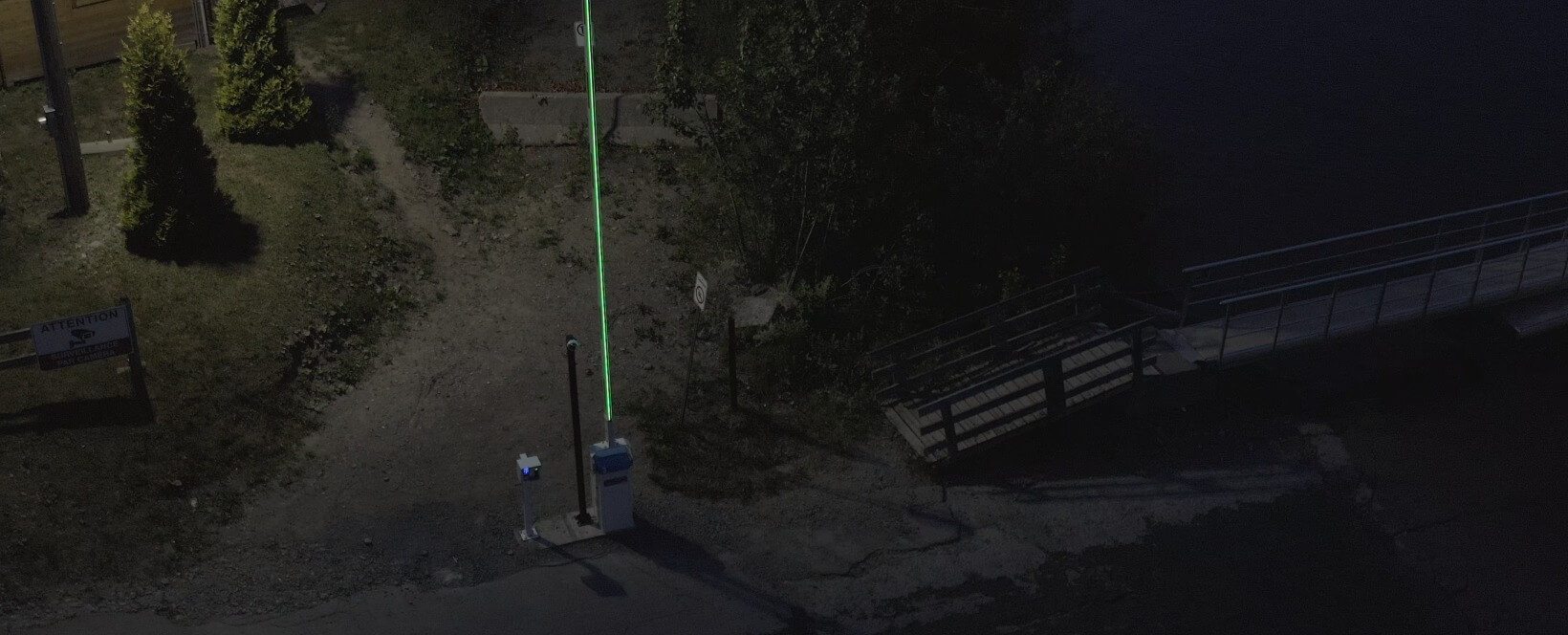
A project can connect a wash-station kiosk, credential or payment readers, proof printing, a command unit, an access barrier and the software views needed by operations.
How can a boater receive proof of washing?
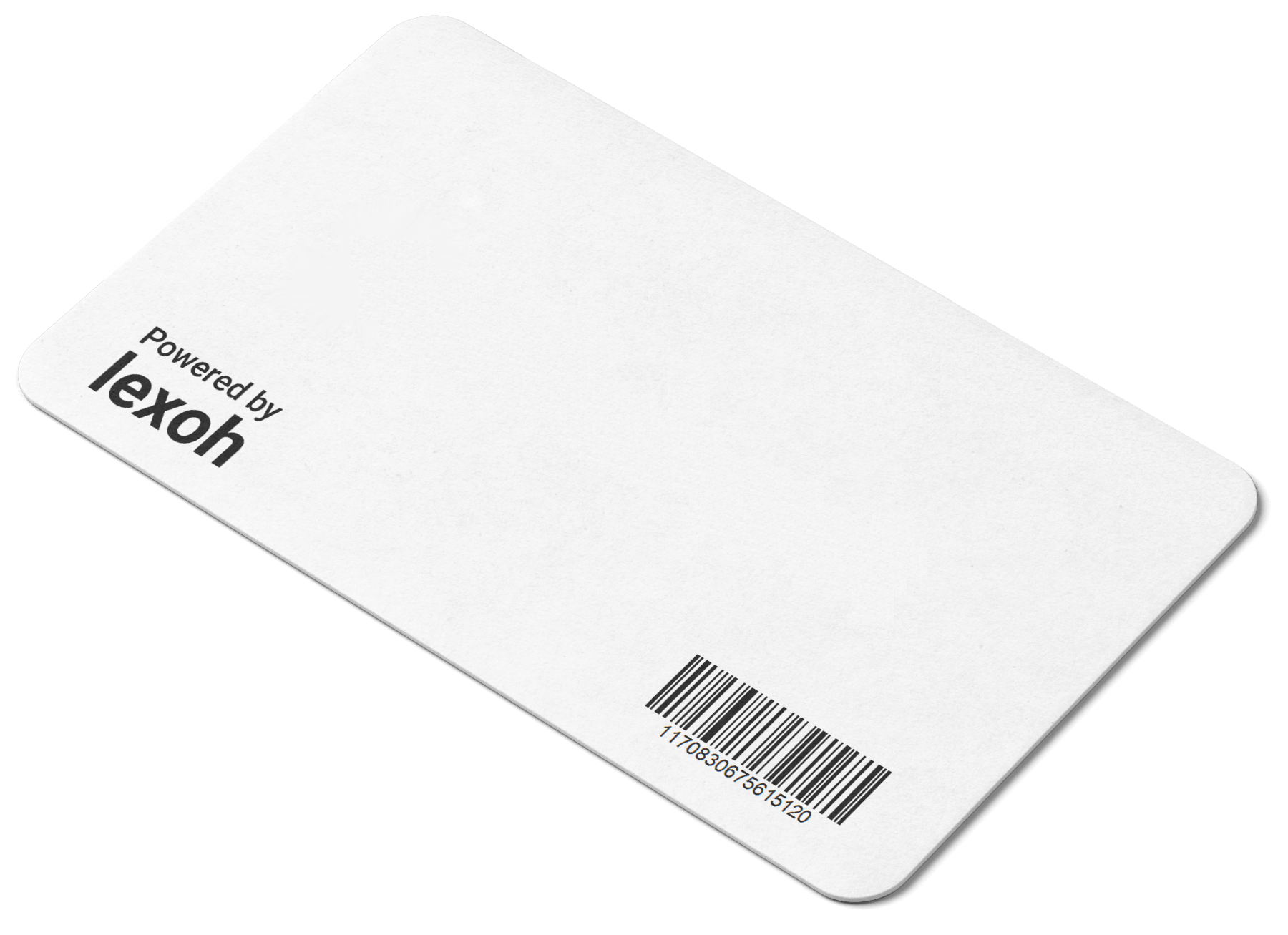
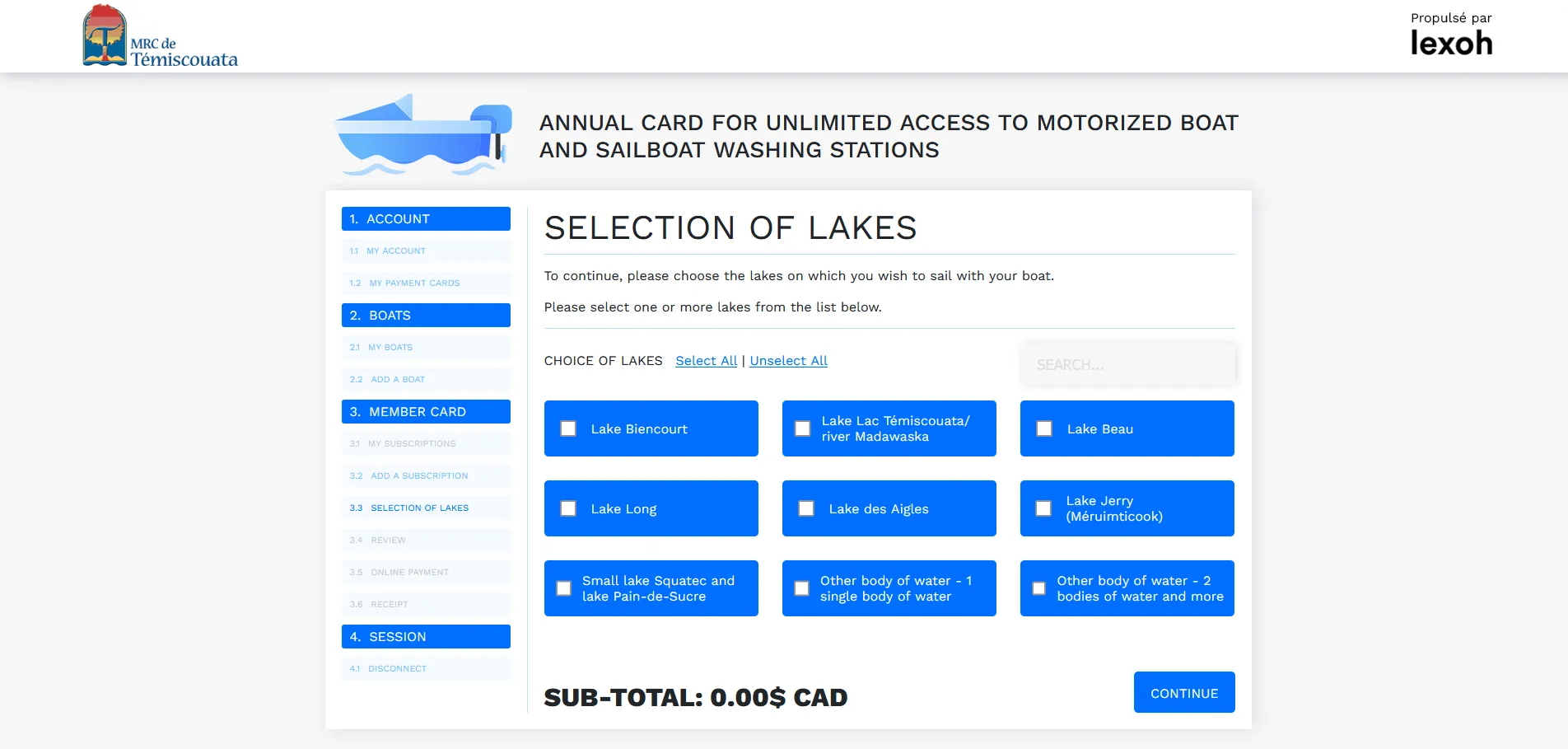
Available configurations pair a printed ticket or digital message with the validation method used at the launch. The proof format follows the site’s access workflow.
Can memberships and visitors use different paths?
Yes. Member credentials, one-time transactions and visitor workflows can be configured as distinct access paths when the project requires them.
What information is needed to plan a boat-wash access system?
Start with a site plan showing circulation, the wash area, launch access and utilities. Add the local procedure, user groups and required records. For existing wash equipment, provide its exact model, manufacturer documentation and available control-interface details. Identify the condition that permits proof issuance, how it is communicated and who verifies compatibility before including that connection in the quote.
How should a remote boat-wash site be planned?
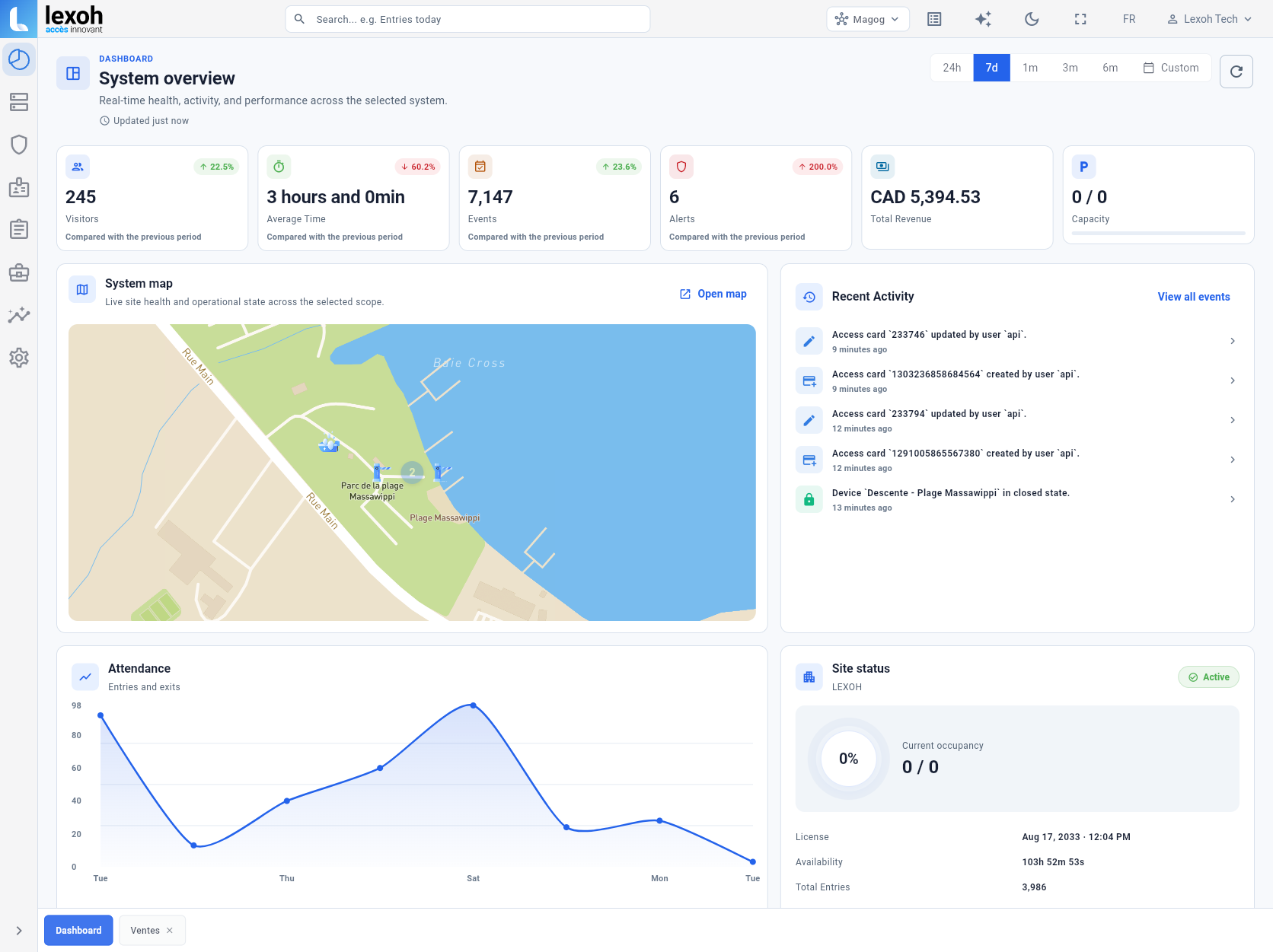
Lexoh combines cloud management with an offline mesh network for communication between site devices. At a remote launch, the configured encrypted-QR workflow allows a compatible controller to validate wash proof locally. The site design also addresses power, assistance and the connections required by payment or remote services.
What should commissioning and operator handoff cover?
Test the agreed member and visitor paths, proof issuance and launch validation with the site team. Include rejected proof, interrupted washing and the documented response to power or network loss. Record expected and observed behavior, unresolved issues and the acceptance owner. Hand over the approved procedures, model documentation, operator training, maintenance responsibilities and support contacts.
What should staff check when a wash certificate does not open the boat-ramp barrier?
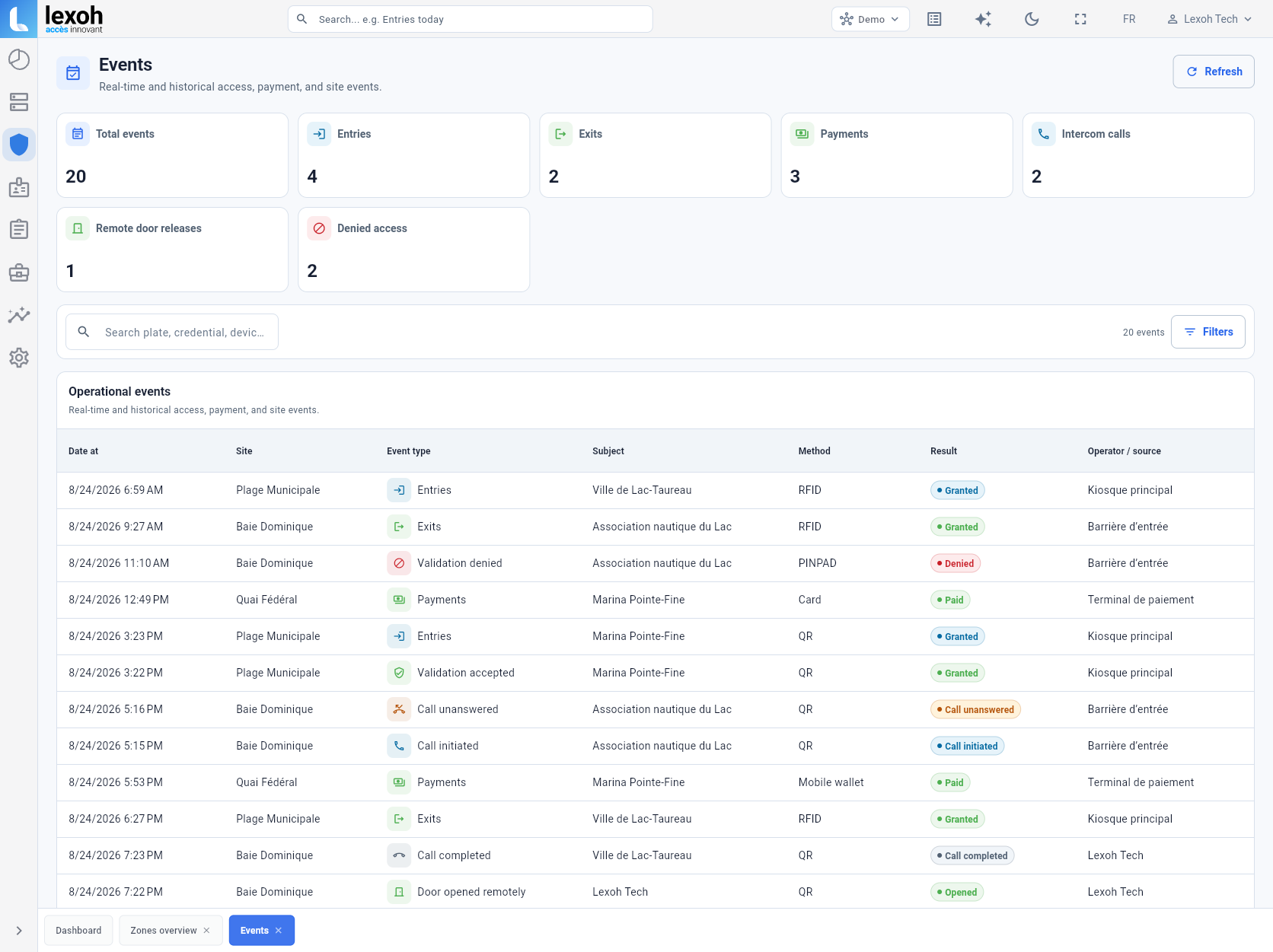
Identify the wash record, the proof presented, the time and the boat-ramp entrance. Compare them with the site’s configured validity and access rules, then check the reader and barrier status. A certificate should not be assumed valid at every launch. Use the approved assistance process to resolve the issue without bypassing the site’s washing requirements.
What should be checked before reopening a boat-wash station for the season?
Review the season’s washing rules, access schedules and membership validity with the operator. Check the installed equipment, available utilities and connections through the responsible service team. Run the member and visitor journeys, including proof delivery, reading and barrier response, and refresh assistance instructions before opening. Equipment servicing follows the selected models’ maintenance requirements.
What needs review when the local washing procedure changes during the season?
Have the program owner approve the revised procedure and its effective date. Check whether it changes equipment requirements, proof issuance, accepted proofs or launch rules; confirm any configuration work with the responsible supplier. Update signs, online instructions and staff guidance together, then test affected journeys. Document how proofs issued under the previous rules will be handled rather than assuming they remain accepted.
Why can a wash count differ from the number of boats or launch visits?
A wash event, a boat, a subscription and a launch visit are different reporting units. A boat may be washed or launched more than once, and an interrupted operation may need separate treatment in a report. Before comparing totals, define the period, included sites, event type and exclusions. Confirm what the installed system records and whether unique-boat identification is available; do not infer it from a wash total.