
Equipment selection for boat launches
Compare boat-cleaning station options
Compare waterless tools, wash equipment and launch controls for a municipal or marina project. Lexoh connects compatible wash equipment to kiosks, wash proof and controlled launch access.
Start with the job
Cleaning equipment and launch access are separate decisions.
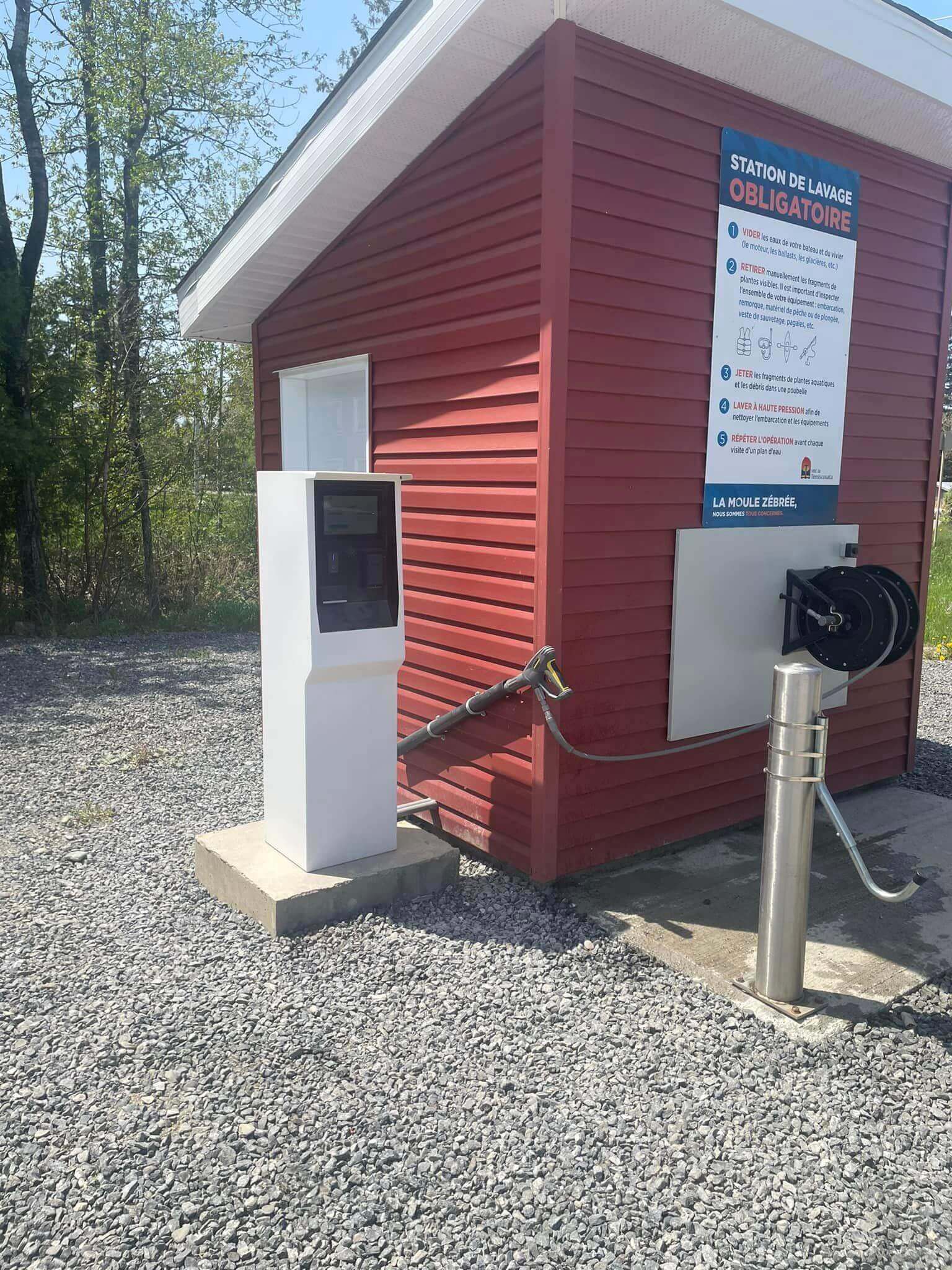
A boat-cleaning station provides the tools or equipment used to carry out the local cleaning procedure. A controlled boat launch checks the credential or proof accepted by the site before authorizing access. The two can be coordinated, but neither function should be mistaken for the other.
Write down the boats and trailers expected, the prevention steps required and who performs or checks each step. Then assess space, water, power, drainage, staffing and the route to the launch. This produces a useful equipment brief before product comparisons or price requests.
Compare functions
Four equipment roles to distinguish in a quote.
These roles can be combined within one project. The table compares planning responsibilities, not treatment effectiveness or universal equipment requirements.
Scroll sideways to compare every column.
| Equipment role | What it contributes | What to confirm |
|---|---|---|
| Waterless cleaning tools | Tools such as brushes, grabbers, vacuums or air equipment, depending on the station model. | Which local prevention tasks the tools support; tool access, waste handling, servicing and user instructions. |
| Water-based wash equipment | Equipment for the cleaning tasks specified by the local program. | Water supply, operating requirements, collection or management of wash water, seasonal servicing and boat/material restrictions. |
| Heated-water or other specified decontamination equipment | Equipment selected to carry out a defined treatment procedure. | Written procedure acceptance, model performance documentation, operator requirements and compatibility with the boat and its components. |
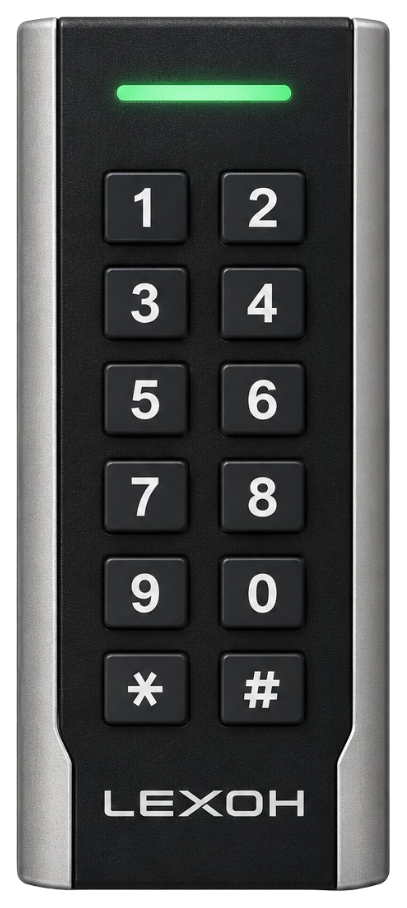
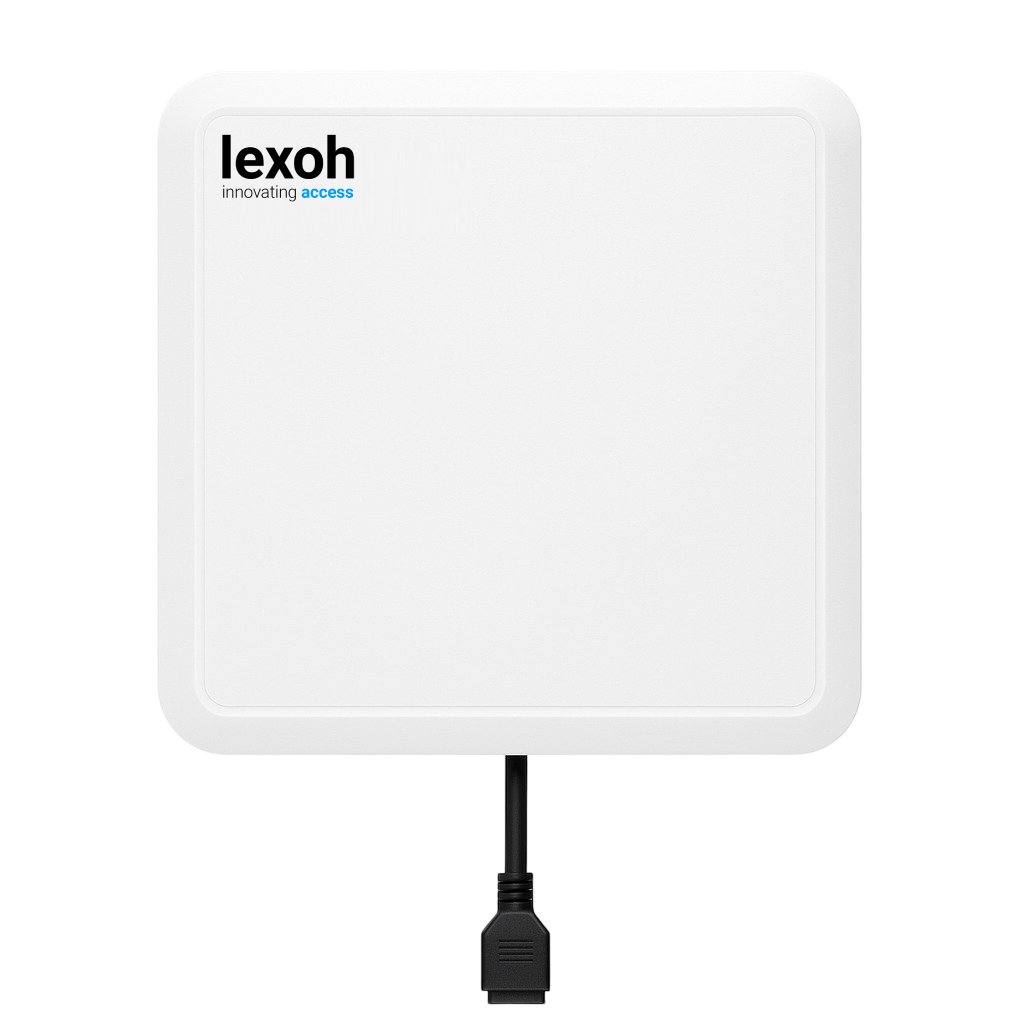
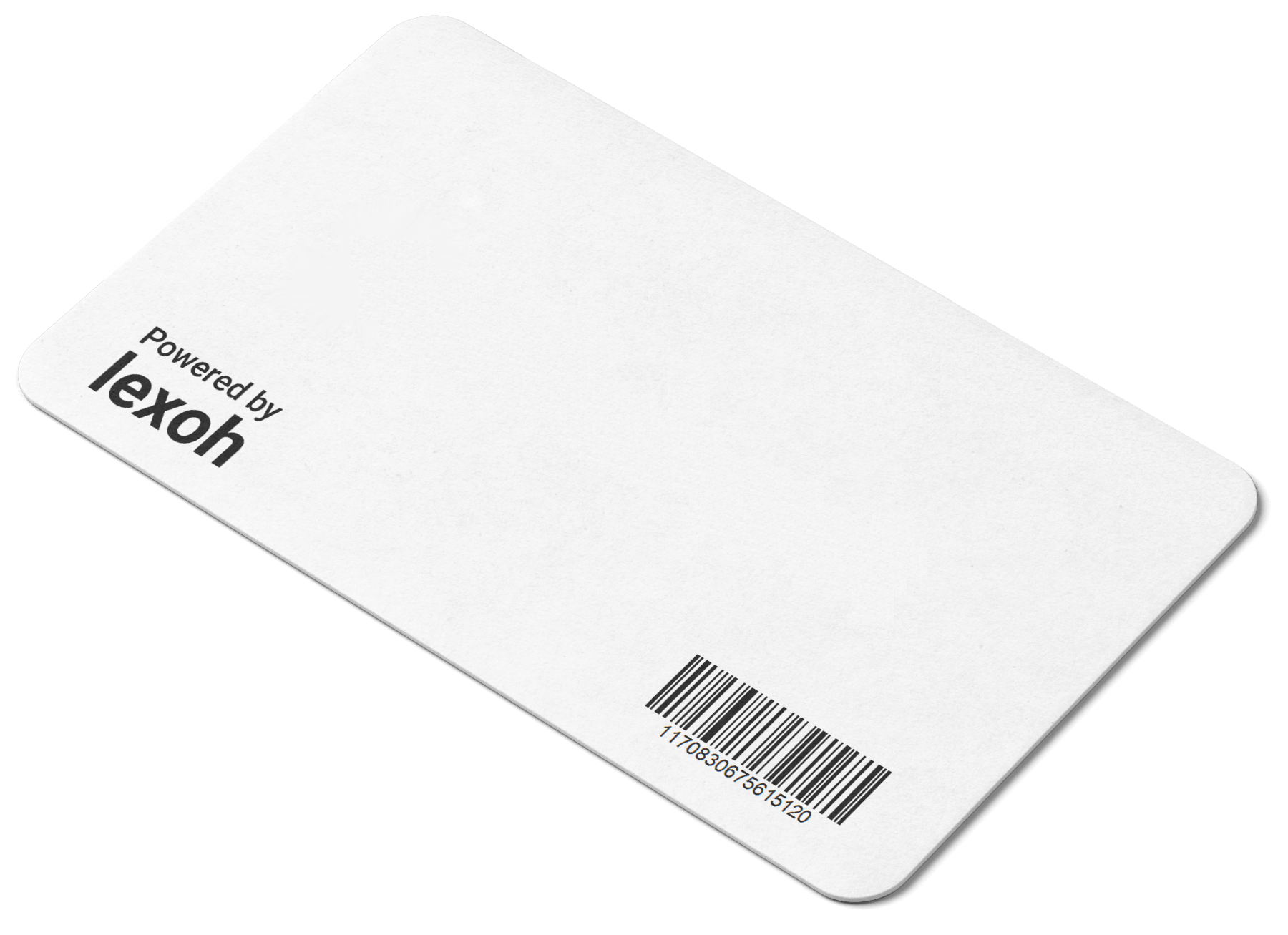
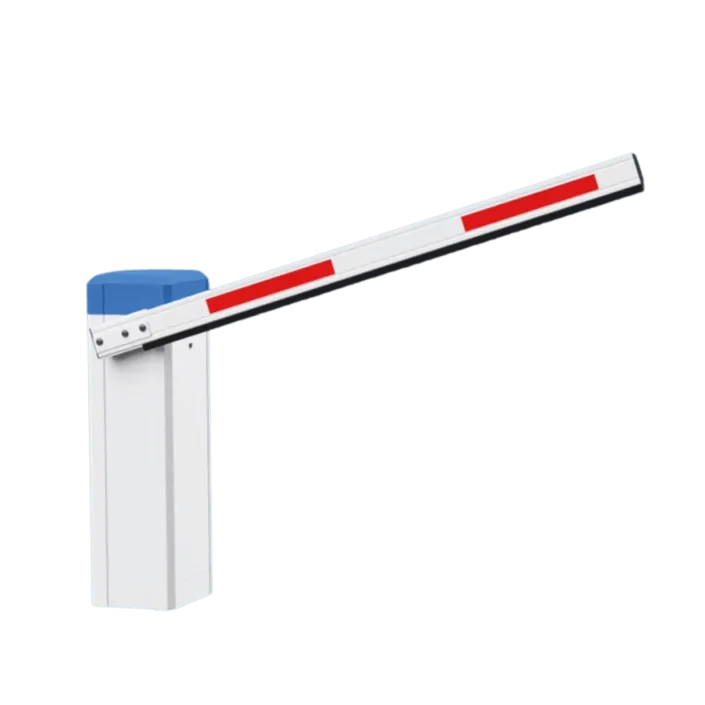
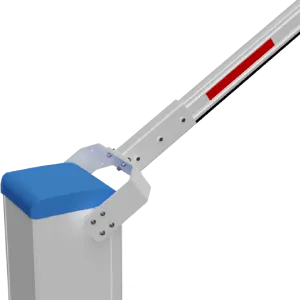
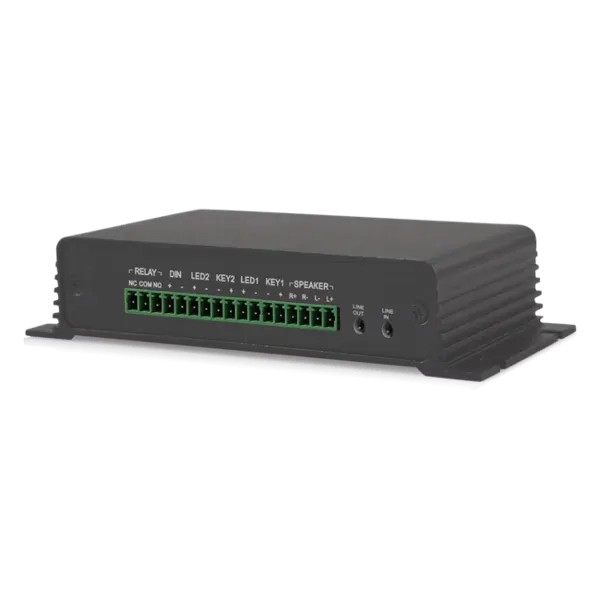
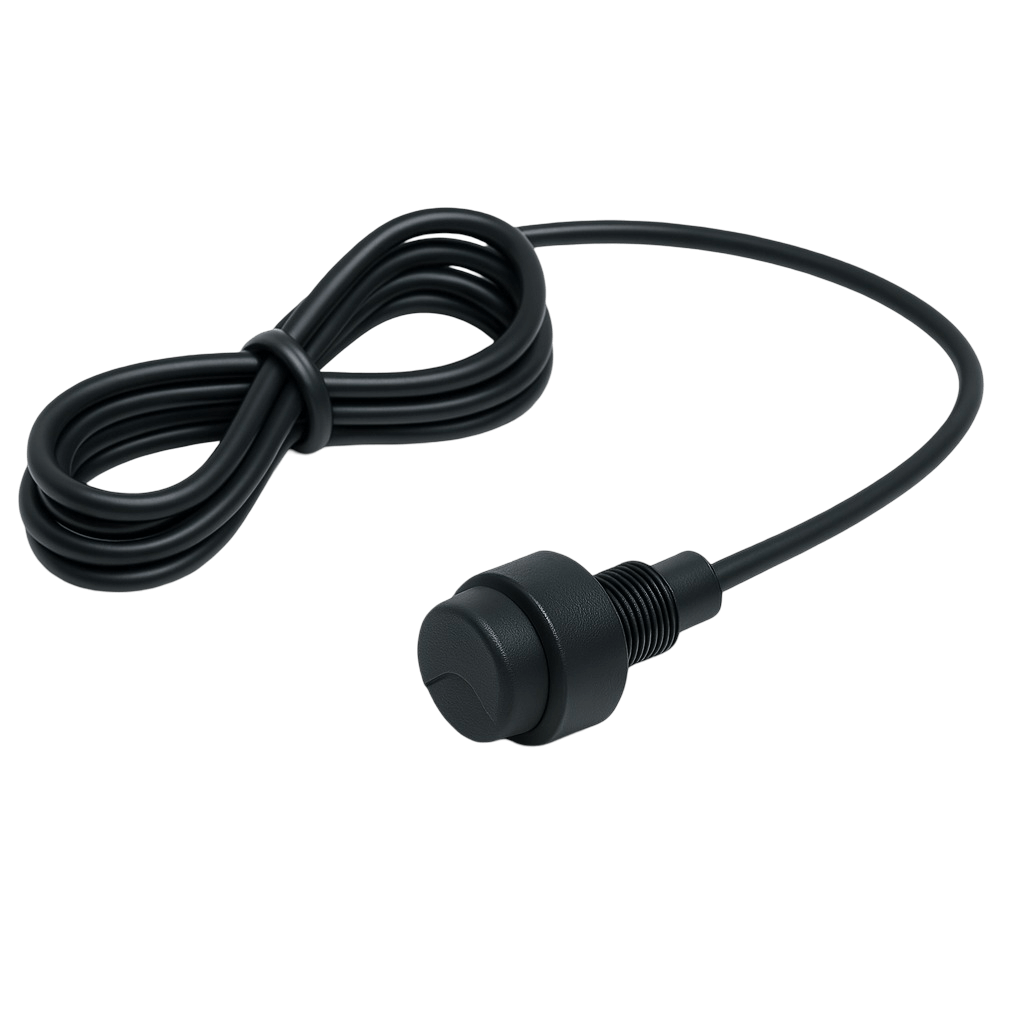
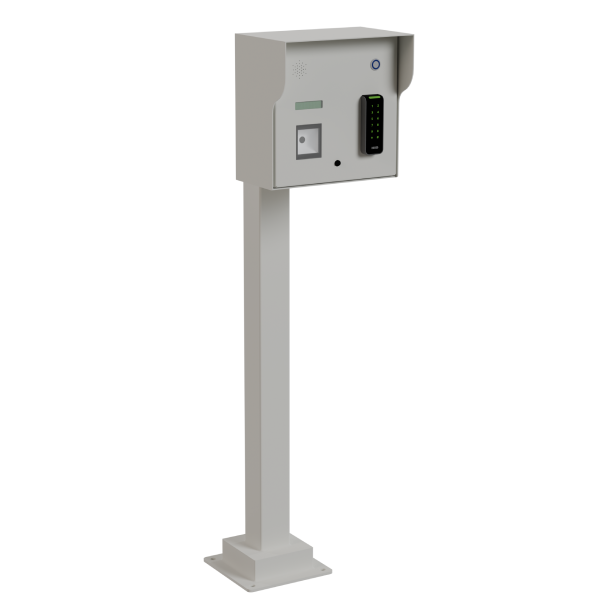
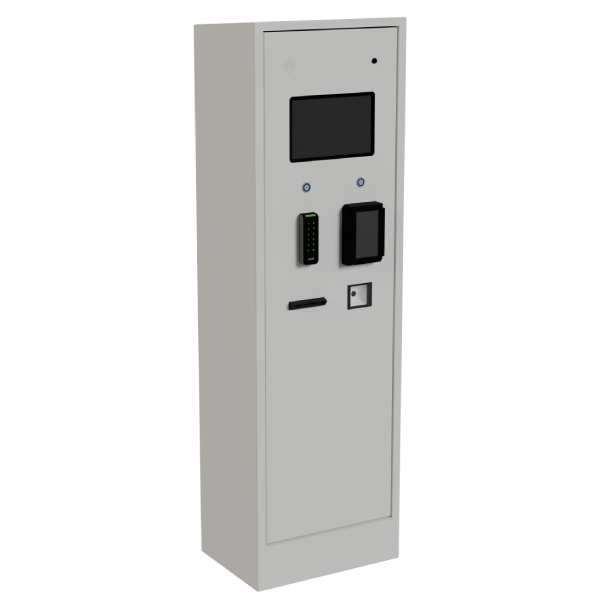
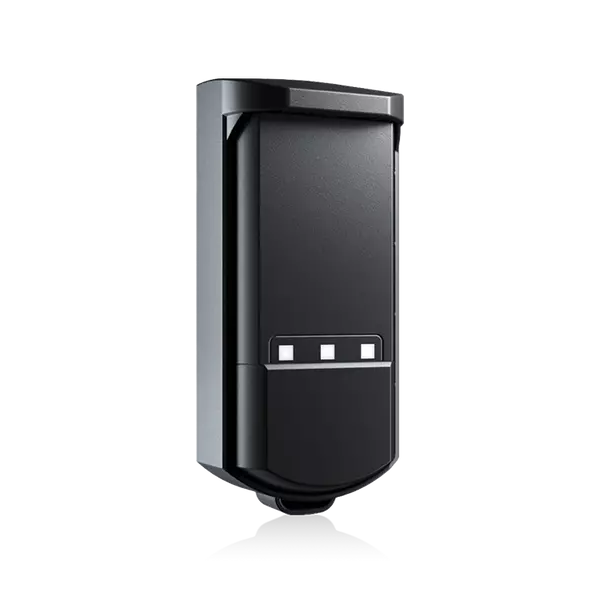
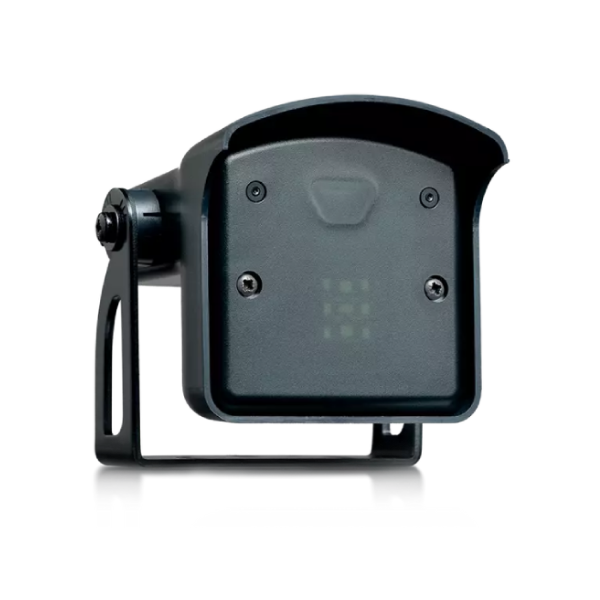
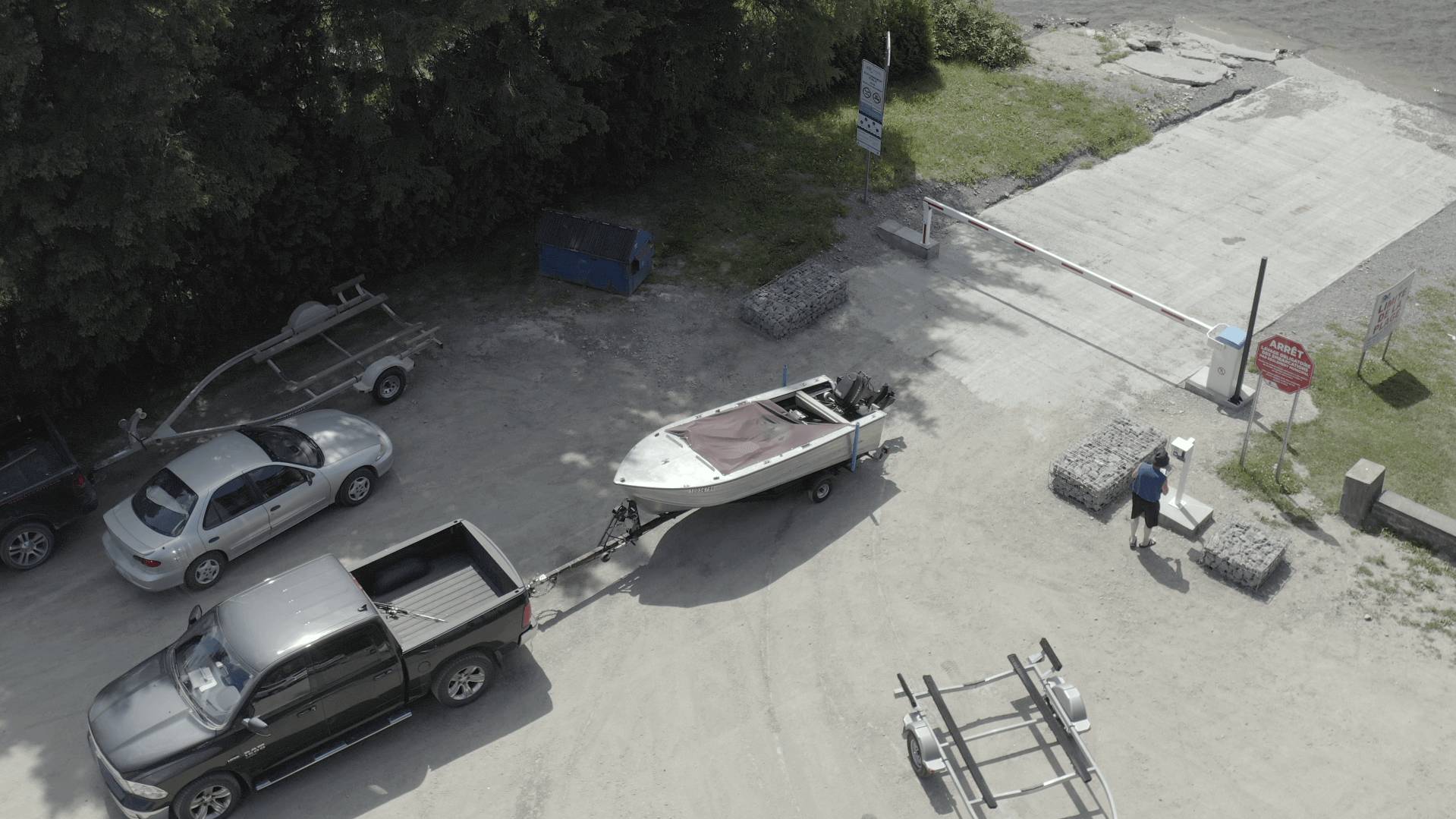
| Kiosk, proof validation and launch barrier | Identification, configured payment or proof workflow, and controlled vehicle access. | Accepted proof, reader/controller interfaces, access rules, assistance and commissioning tests. These components do not perform the cleaning treatment. |
Operating model
Mobile and permanent installations have different site obligations.
A mobile unit may suit a program that moves between approved locations or operates for a limited period. It still needs an authorized operating area, a plan for vehicle circulation and wash water where applicable, the required utilities or supplies, staff responsibilities and secure storage.
A fixed installation may suit a recurring route where the owner can provide a dedicated area and maintain it. Assess civil work, utility connections, winter shutdown or winter operation, service access and what visitors do when the station is unavailable. Permanent installation does not by itself establish that unattended operation is appropriate.
-
Seasonal public launch
Compare expected opening days, staffing and storage with the cost of preparing an approved site. Record who sets up, inspects, services and closes the station.
-
Network of wash points and launches
Identify each wash point and launch separately. Decide where proof is issued and which destinations accept it before choosing readers, barriers or a shared subscription workflow.
Match the equipment to the visit
Plan for what comes with the boat.
A hull is only part of the cleaning task. Québec’s guidance includes the trailer, equipment and interior compartments. The U.S. Fish & Wildlife Service also explains that retained water can carry organisms too small to notice. That is why a clean-looking exterior cannot stand in for the whole prevention procedure.
Map those tasks onto the actual station: where a person stands, where gear can be handled and where a trailer waits. Equipment reach, instructions and working space must suit the visit as well as the wash equipment itself.
-
A trailered motorboat
Walk through the approach with the tow vehicle still attached. Include access to the trailer and the boat areas covered by the procedure, then a departure path that leaves room for the next arrival.
-
A canoe, kayak or paddleboard
Fisheries and Oceans Canada’s guidance also covers non-motorized craft and associated gear. Give these visitors a clearly signed place to follow the instructions without assuming they use a vehicle barrier.
-
Equipment carried between lakes
Include items that accompany the boat in visitor instructions. Space to handle gear and clear directions about the next step make a station easier to use than a hull-only sign.
Municipal planning scenario
Find what slows the visit before adding equipment.
Consider a public launch where several visitors arrive together on a weekend morning. One knows the local process, another needs directions, and a third has a trailer that takes more room to turn. Their total time on site includes preparation, any registration or payment, cleaning, proof handling and movement toward the ramp.
Observe those stages separately. A second wash position helps only when washing is the constraint and the site can serve it. It does little for a queue caused by unclear instructions or a vehicle stopped at the reader seeking assistance.
Scroll sideways to compare every column.
| Observed situation | What to examine | Practical response to evaluate |
|---|---|---|
| Visitors stop before choosing a lane | Visibility of directions, fees and required documents before arrival at the kiosk. | Move useful information upstream and make the approach unambiguous. |
| The wash position remains occupied between users | Preparation, hose handling, gear and room to leave the position. | Separate preparation from the working area and review the physical layout. |
| A proof issue stops the launch approach | Where the user can seek help without blocking the next vehicle. | Provide a designated assistance path and a clear contact instruction. |
Define the interfaces
How Lexoh connects washing to launch access.
In a Lexoh installation, the kiosk connects directly to the pressure washer. Depending on the washer model, it monitors water volume or enforces a required amount of actual spray-gun use time. Once the configured requirements are met, the wash is completed and a QR code is issued for the selected destination.
The proof workflow can also operate offline: the kiosk issues a special QR containing an encrypted code that a compatible Lexoh controller at the boat ramp can validate without an internet connection. That capability concerns wash proof and access; payment and other connected services have their own operating requirements.
-
Program owner
Identifies the accepted procedure, inspection or verification responsibility, proof rules and visitor assistance policy.
-
Wash-equipment supplier and site designers
Document the selected equipment’s requirements, servicing, utilities and site works. Resolve drainage and environmental approvals with the responsible authority.
-
Access-system team
Documents how a compatible station communicates with the kiosk or controller, what event permits proof issuance, and how the launch checks that proof. Confirm each interface against the selected models.
-
Operator
Receives the approved instructions, exception paths and test results. Staff need to know where to direct an equipment fault, a disputed payment or a rejected proof.
Project checklist
Nine questions before choosing boat-cleaning equipment
Ask the program owner, equipment supplier and site designer these questions before comparing models. Request the documents and site decisions behind each proposed configuration.
-
Which locally accepted prevention tasks does this equipment perform?
Ask the authority to identify the accepted procedure and the supplier to map the proposed model to its tasks. Request supporting documentation for any treatment claim and identify steps that still require other equipment or staff.
-
Which boats, trailers and components can be cleaned with the proposed model?
Give the supplier the expected boat and trailer types. Ask for material restrictions, inaccessible areas and any separate handling needed for motors, compartments or personal watercraft.
-
What makes a mobile or fixed installation suitable for our operating schedule?
Request the setup, transport, storage and shutdown requirements for each option. Compare them with the approved locations, opening days and staff available.
-
How much working space does this equipment need around a vehicle and trailer?
Ask for an installation drawing showing the operating envelope and servicing clearances. Have the site designer check queues, turning movements, pedestrians and an assistance area.
-
What water, power and seasonal servicing does the selected model require?
Request the manufacturer’s utility specifications and operating limits, including preparation for freezing conditions. Identify which services already exist and which require new work.
-
How will the site handle wash water, debris and other waste?
Ask the designer and responsible authority to review the proposed collection, drainage or disposal arrangement. Confirm that the supplier’s equipment requirements are included in that review.
-
Who must operate, inspect and maintain the equipment?
Request the operator and maintenance manuals, training scope and inspection requirements. Confirm whether the approved procedure allows the proposed staffing arrangement and how visitors receive assistance.
-
Can this exact equipment communicate with the proposed proof and access system?
Ask both suppliers to identify the compatible models, interfaces and condition used to authorize proof issuance. Request written confirmation of scope and tests instead of relying on a general integration claim.
-
What evidence will demonstrate that the installed configuration is ready to operate?
Agree on a witnessed test of the normal journey and relevant faults, with recorded results and unresolved items. Request the final settings, training, service contacts and acceptance responsibilities.
Equipment questions
Choose a method that fits the local program.
How should a municipality compare waterless tools and a heated boat-wash station?
Start with the tasks accepted by the responsible authority. Waterless tools and heated equipment have different roles, utility needs and operating requirements; their labels do not establish equivalent results. Ask suppliers to identify the tasks their proposed models support and the documentation behind any treatment claims. Compare site works, staffing, maintenance and assistance alongside the equipment price.
When should a boat-cleaning program consider a mobile unit instead of a fixed station?
Consider a mobile unit when the operating schedule requires movement between approved locations or a temporary deployment. Compare transport, setup, storage, staffing and utility arrangements with the recurring needs of a fixed site. Both options need an accepted operating area and a plan for wash water where applicable. The choice follows the program and site assessment, not an assumed exemption from local requirements.
Why does a clean-looking hull not cover the whole boat-cleaning procedure?
The boat can also carry water or material in compartments, on its trailer and on associated equipment. Public guidance therefore addresses more than the visible hull. The station layout and instructions should help visitors reach the areas covered by the local procedure. A visual check, a completed equipment cycle and acceptance of a wash proof answer different questions.
Should a municipality add a second wash position or improve the approach first?
Observe where visitors actually wait. If directions, preparation or assistance occupy the approach, address those stages before adding wash equipment. If washing itself creates the queue, evaluate another position together with utility capacity, working space and vehicle movements. Use observed visits and the full journey to size the site; a pump specification alone does not describe visitor capacity.
Does Lexoh measure an elapsed session or actual use of the wash gun?
The kiosk is connected directly to the pressure washer. Depending on the washer model, the completion requirement uses monitored water volume or the amount of time the spray gun is actually used. Gun-use time is different from simply leaving a session clock running. Meeting the configured requirement completes the wash and triggers a QR for the selected destination. This records equipment use, not biological effectiveness.
Can an existing pressure washer be connected to a Lexoh kiosk?
It may be possible after checking the exact washer model and its available control or measurement interfaces. Send the equipment reference, wiring documentation and current site layout so the wash supplier and Lexoh can review the connection and completion signal. The proposal should identify retained equipment, required additions, installation work and commissioning tests. Compatibility cannot be determined from the pump’s pressure rating alone.
Can wash proof be issued and checked without internet?
The configured Lexoh workflow can issue a special QR containing an encrypted code that a compatible launch controller validates locally. Confirm the chosen kiosk, controller and destination rules together, and demonstrate a complete offline visit. Payment, remote assistance and reporting have separate connectivity requirements; local proof validation does not establish that every service works offline.
References and further reading
- Québec — Cleaning boats and nautical equipment
Public prevention guidance for Québec. Confirm the instructions applicable at the destination.
- Wisconsin DNR — Boat, gear and equipment decontamination
Distinguishes general public guidance from procedures for DNR staff, agents and permittees; it is not a universal North American treatment specification.
- RAPPEL — Guide for implementing a boat-wash station
Québec planning resource covering station implementation and communication; guide page in French.
- Fisheries and Oceans Canada — Clean, drain, dry: non-motorized boats
Demonstrates that prevention also concerns canoes, kayaks, paddleboards and their associated equipment.
- U.S. Fish & Wildlife Service — Clean, Drain, Dry
Explains the different roles of removing visible material, draining retained water and drying. Local program instructions remain the operational reference.
Discuss the site
Plan the wash-to-launch connection.
Share the site plan, accepted prevention procedure and proposed or existing wash-equipment model. Lexoh can review the kiosk, proof-validation and launch-control scope with your project team.
Discuss a boat-launch project