

The tag supplies a credential identifier. Payment status belongs to the configured payment and access workflow, where that association is included. Define how the identifier is linked to the relevant permit, account or transaction and test the intended access result. Possessing or successfully reading a tag does not itself establish a paid parking entitlement.
Credentials and identification
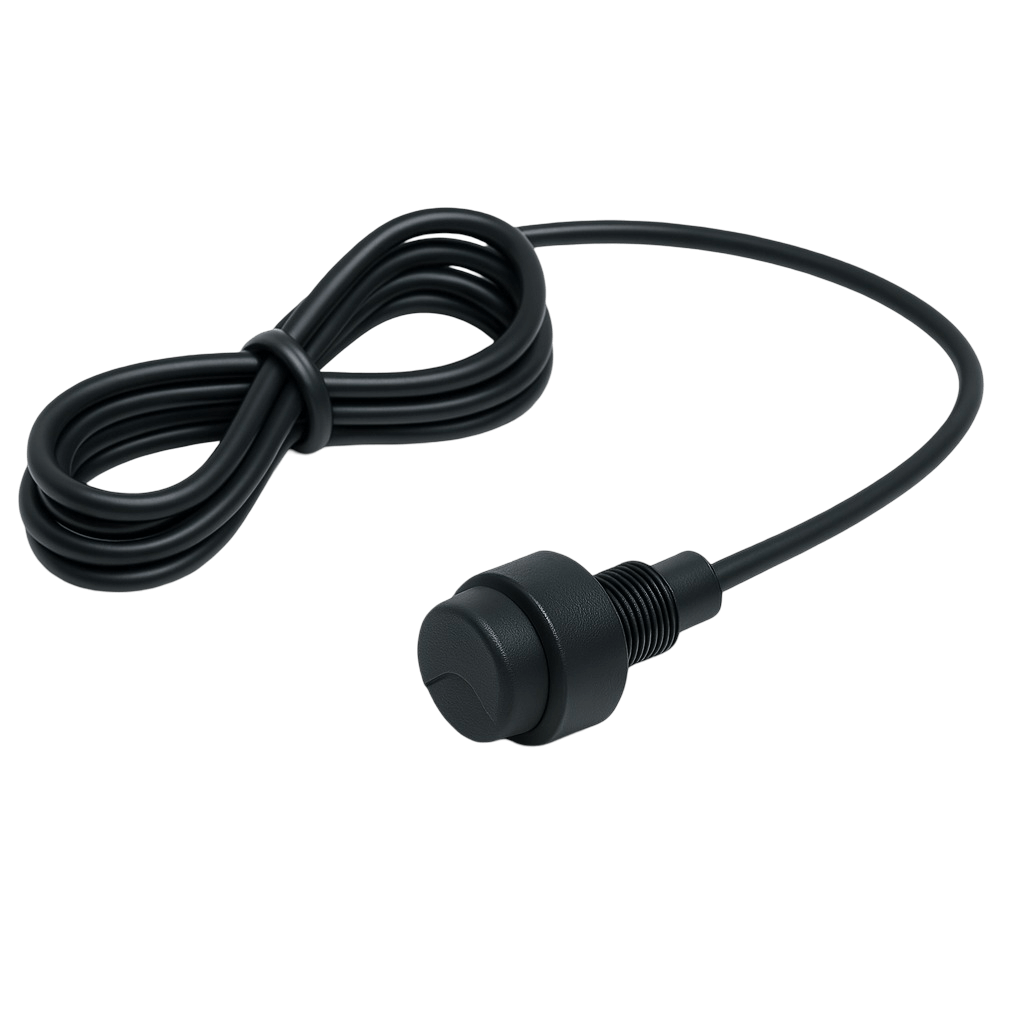
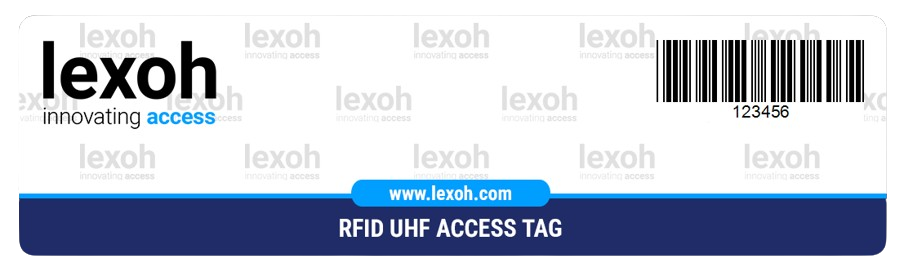
UHF vehicle access tag
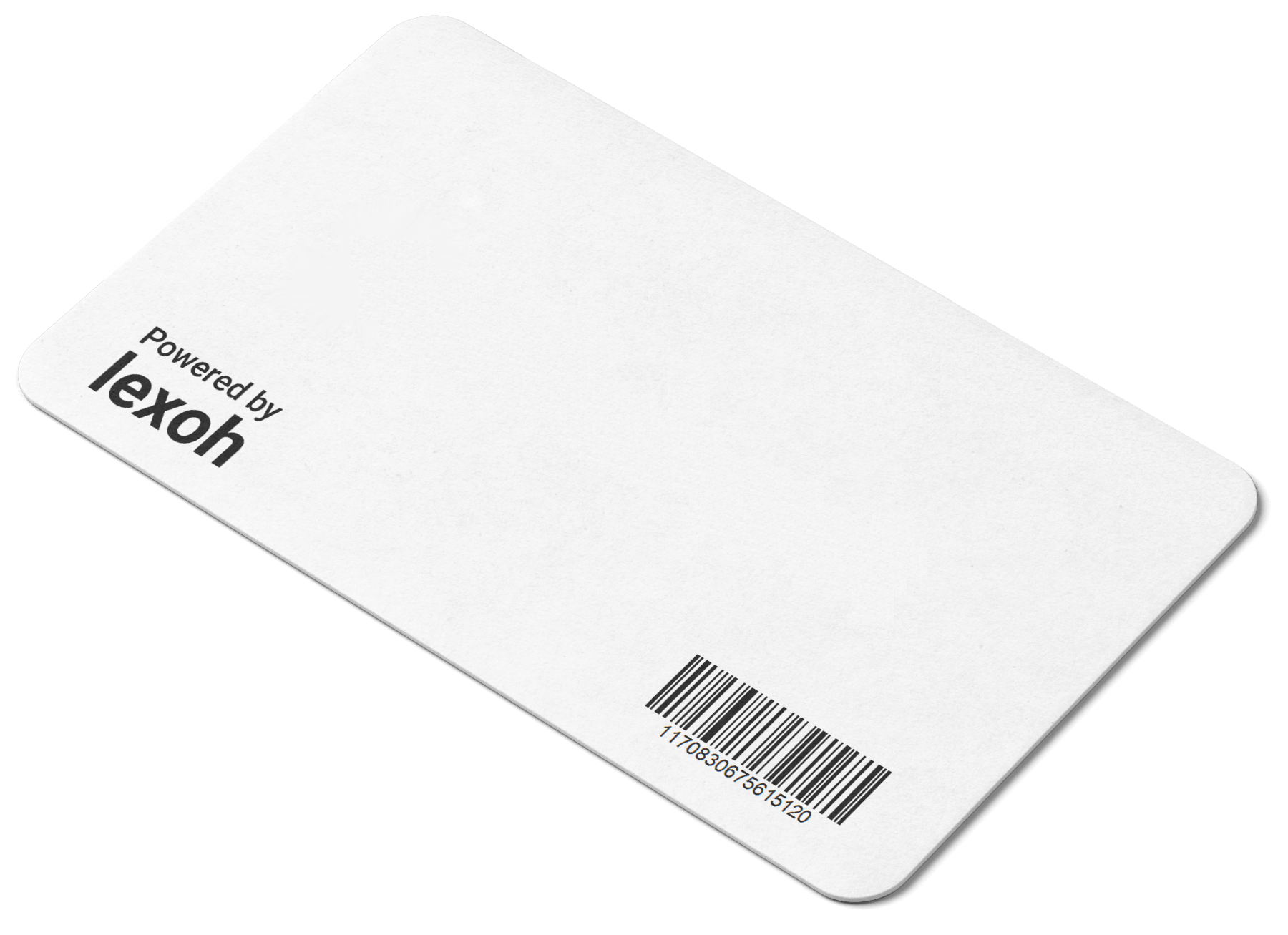
The UHF tag provides an identifier for vehicle access. It works with the lane’s UHF reader and the permissions associated with that credential. Lexoh helps select vehicle tags for your reader and plan a sample test at the entrance.
- Role
- Vehicle tag credential
- Interaction
- Read in a defined lane zone
- Compatibility
- Product-specific compatibility
Credential system
Match the vehicle tag to the reader and its read zone.
A UHF tag is the credential that accompanies the vehicle. Its reference, placement and registration determine how it is used by the installed reader and access system.
Will any UHF tag work with the reader?
No. Confirm the supported tag technology and encoding for the installed reader. Validate the chosen tag with the actual vehicle and lane before issuing a larger batch; the UHF label alone does not establish compatibility.
Where should the tag be placed?
Use the placement specified for the selected tag and vehicle. Test that position along the normal approach, including neighboring vehicles and lanes. Do not assume that the same placement works for every vehicle or that maximum read range defines the best read zone.
Can a tag be moved to another vehicle?
Check the tag’s mounting and reuse instructions before moving it. Update the vehicle assignment and access rights, remove any obsolete credential, and test the replacement position. A physical transfer alone does not update the access record.
Vehicle credential placement
Place the tag where the reader can use it.
A UHF tag becomes useful at the entrance when its technology, mounting and assigned access record work together.
- Match the reader
- Use the tag technology supported by the installed reader.
- Assign the vehicle
- Register the credential against the intended vehicle or access record.
- Check the approach
- Test reading with the tag installed on the actual vehicle in the intended lane.
UHF vehicle tag selection criteria
| Selection item | What to confirm |
|---|---|
| Tag and reader pair | Confirm the tag’s chip, protocol, regional frequency band and encoding with the installed reader. A UHF label alone is not proof of compatibility. |
| Mounting surface | Choose the tag format for the permitted mounting surface and vehicle. Check windshield construction or nearby metal against the selected tag instructions. |
| Placement and orientation | Follow the exact tag’s placement instructions, then test the intended approach before final attachment where the instructions allow it. No single position fits every vehicle. |
| Read zone | Validate the installed tag with the reader position and lane geometry. Range depends on the combination; a reader’s maximum range is not a tag performance guarantee. |
| Removal and replacement | Confirm whether the selected tag may be reused or is damaged by removal. Plan replacements for windshield work, vehicle changes and lost credentials. |
| Physical and environmental limits | Obtain the tag’s dimensions, material and environmental ratings. Reader specifications do not establish the tag’s resistance or operating limits. |
Request the current datasheet and an approved sample or configuration for the product proposed in your quotation.
Prepare the vehicle rollout
Validate the tag on representative vehicles
Plan the tag order and installation with Lexoh using the actual reader, lane layout and vehicle mix.
| Planning item | Information to provide |
|---|---|
| Reader and lane | Provide the reader reference and a plan showing approach, stopping point and adjacent lanes. Include the reader’s current position and orientation. |
| Vehicle samples | Identify the vehicle types and windshield variations to test. Record any known reading difficulty with the existing tags or mounting position. |
| Installation and issue | Agree who fits the tags, registers their assignments and explains the access policy. Confirm quantity and any numbering or personalization in the quote. |
| Accepted configuration | Record the tested tag reference, placement and lane behavior. Include nearby tagged vehicles, refused access and the process for a changed vehicle or windshield. |
Configuration: Keep the approved product reference, configuration and sample results with the site records.
Equipment questions
Practical details for planning, operating and maintaining this equipment.
Decide whether permission follows the vehicle credential, a named person or another supported arrangement, and document who may use it. Keep the assignment and exception process consistent with that policy. A vehicle tag read does not by itself identify the person driving, so any requirement to verify the driver needs a separate approved process.
Check reading on the actual vehicle, the lane response, allowed and refused permissions, and the behavior after a vehicle or tag change. Record the accepted placement and any exceptions before issuing the batch.
Project review
Plan vehicle tags for your entrance.
Share the reader model, vehicle types, lane layout and quantity. Review the tag placement and sample-test requirements with Lexoh before distributing tags.