



Parks and public-use sites
Park access control and visitor parking.
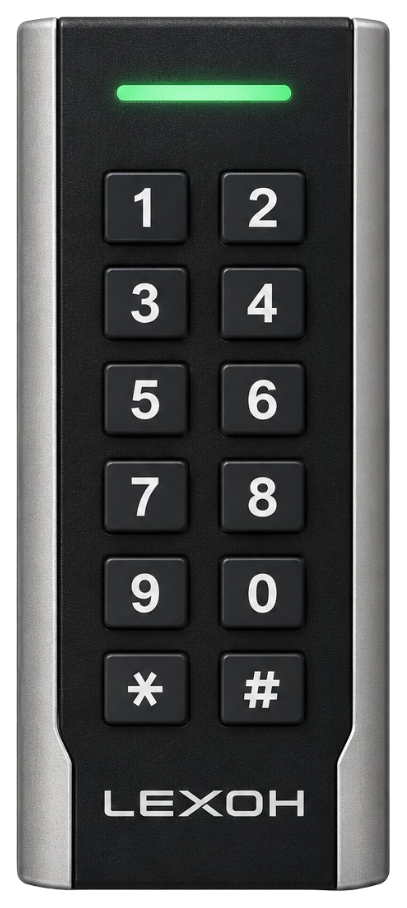
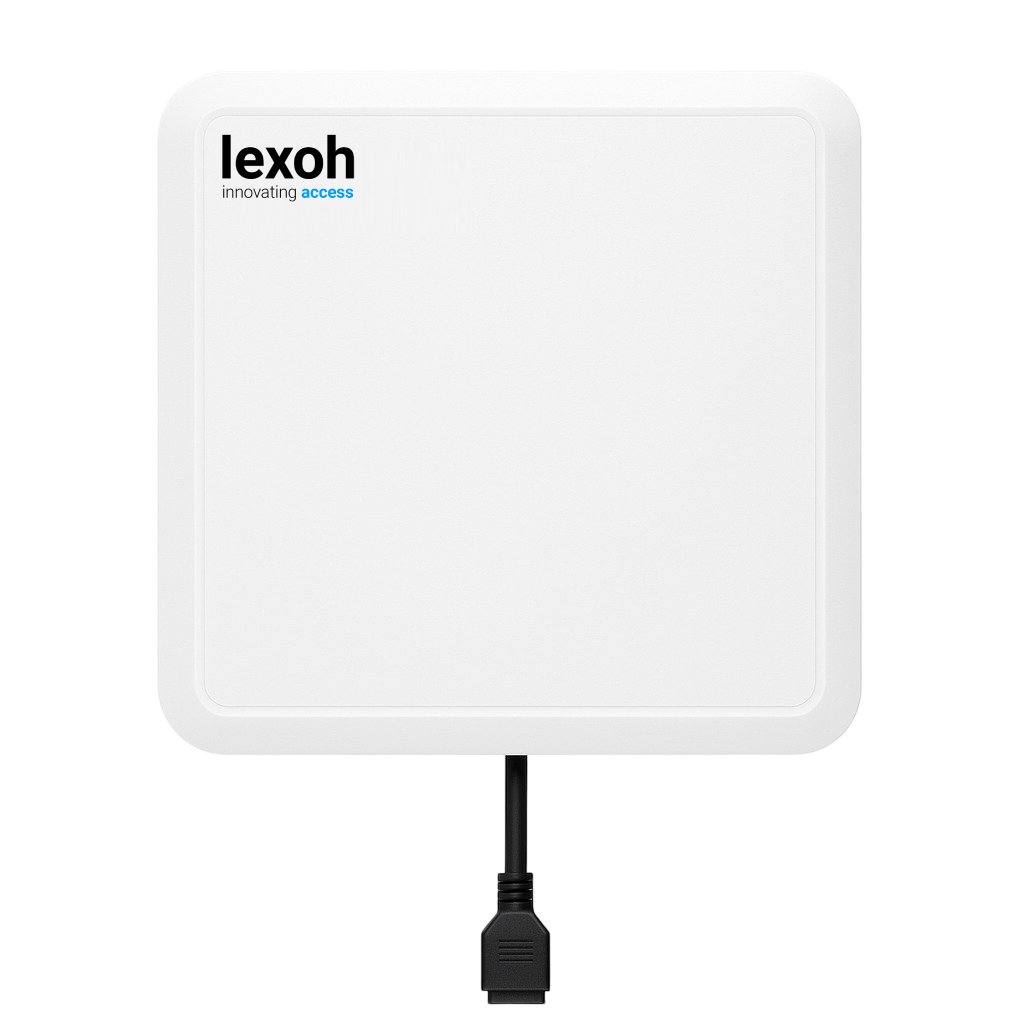
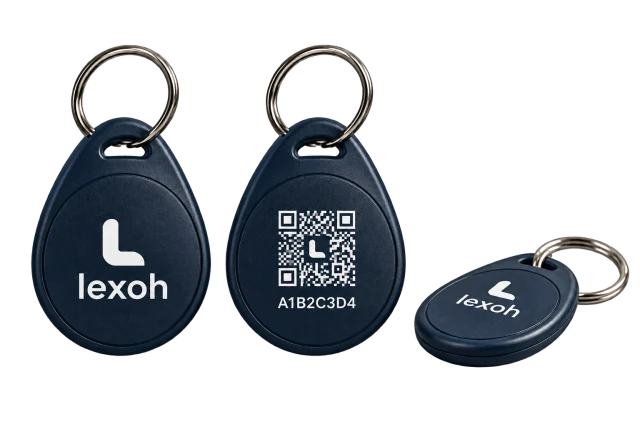
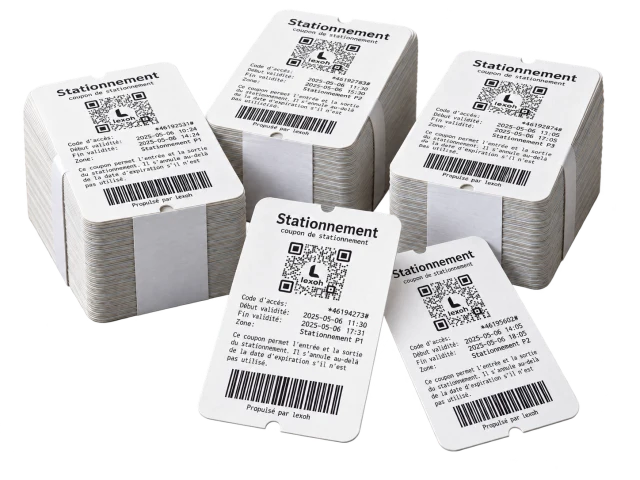
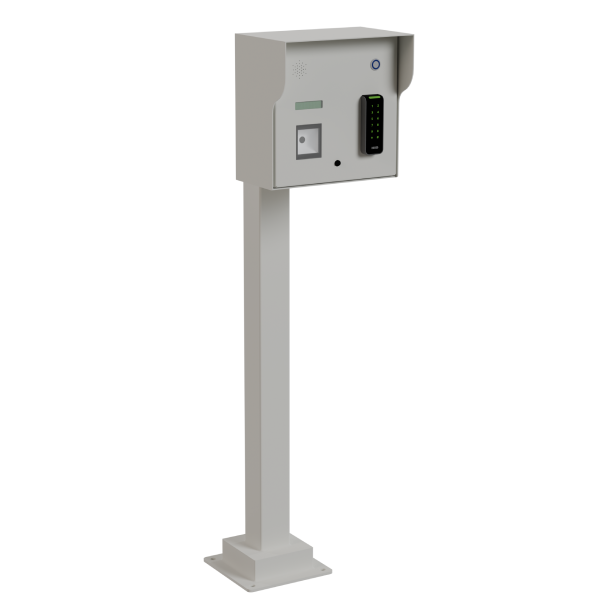
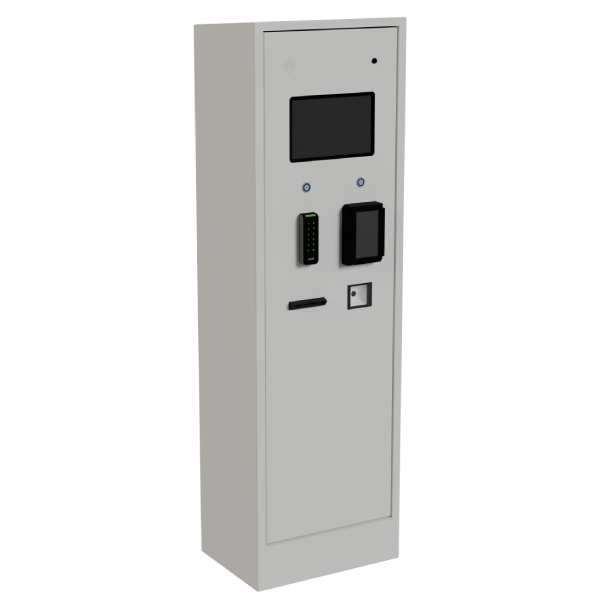
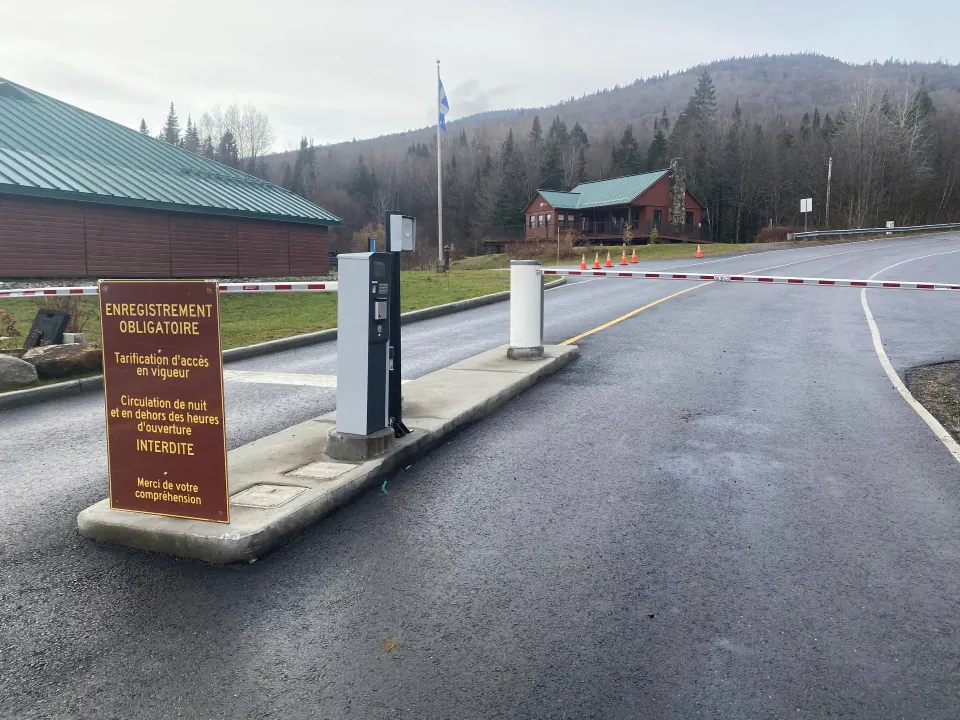
Lexoh connects access software, kiosks, credential readers and compatible barriers for national parks, regional parks and public-use sites. Organize visitor parking, seasonal passes and restricted roads around the permissions and operating hours of each entrance.
 Enlarge image
 Outdoor operations, one shared view
Access must respect the visitor journey and the site.
Parks and public-use sites balance visitor arrivals, permit rules, restricted areas, emergency access and the practical constraints of outdoor infrastructure.
Lexoh connects the accepted passes and credentials to lane equipment and access records. Your team defines which entrance a visitor, pass holder or service vehicle may use, when access expires and who handles an exception.
Capacity data, connectivity, environmental protection workflows and on-site response are defined from verified requirements during project design.
Operational journey
A visitor route that remains visible to operations.
-
Identify
A visitor, permit holder or service vehicle presents a configured credential.
-
Evaluate
The relevant access zone, schedule and permissions are checked.
-
Control
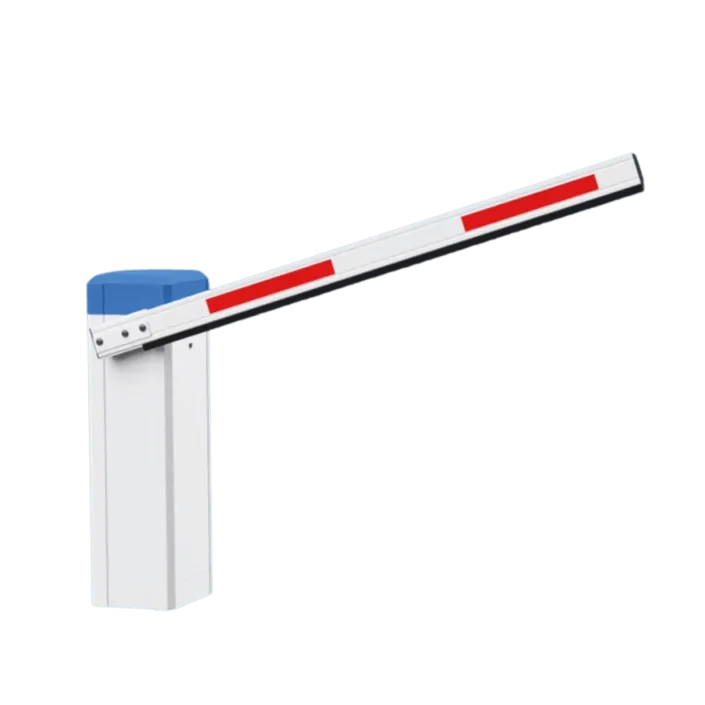
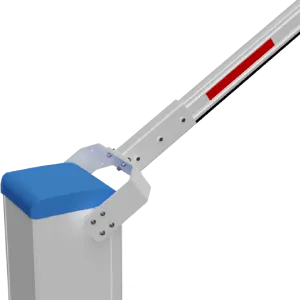
The access system sends the permitted opening command to the connected barrier; the installed lane equipment governs its movement.
-
Review
Authorized teams consult the event and available site status.
 Enlarge image
 Multi-site visibility
Review entrances, devices and access events.
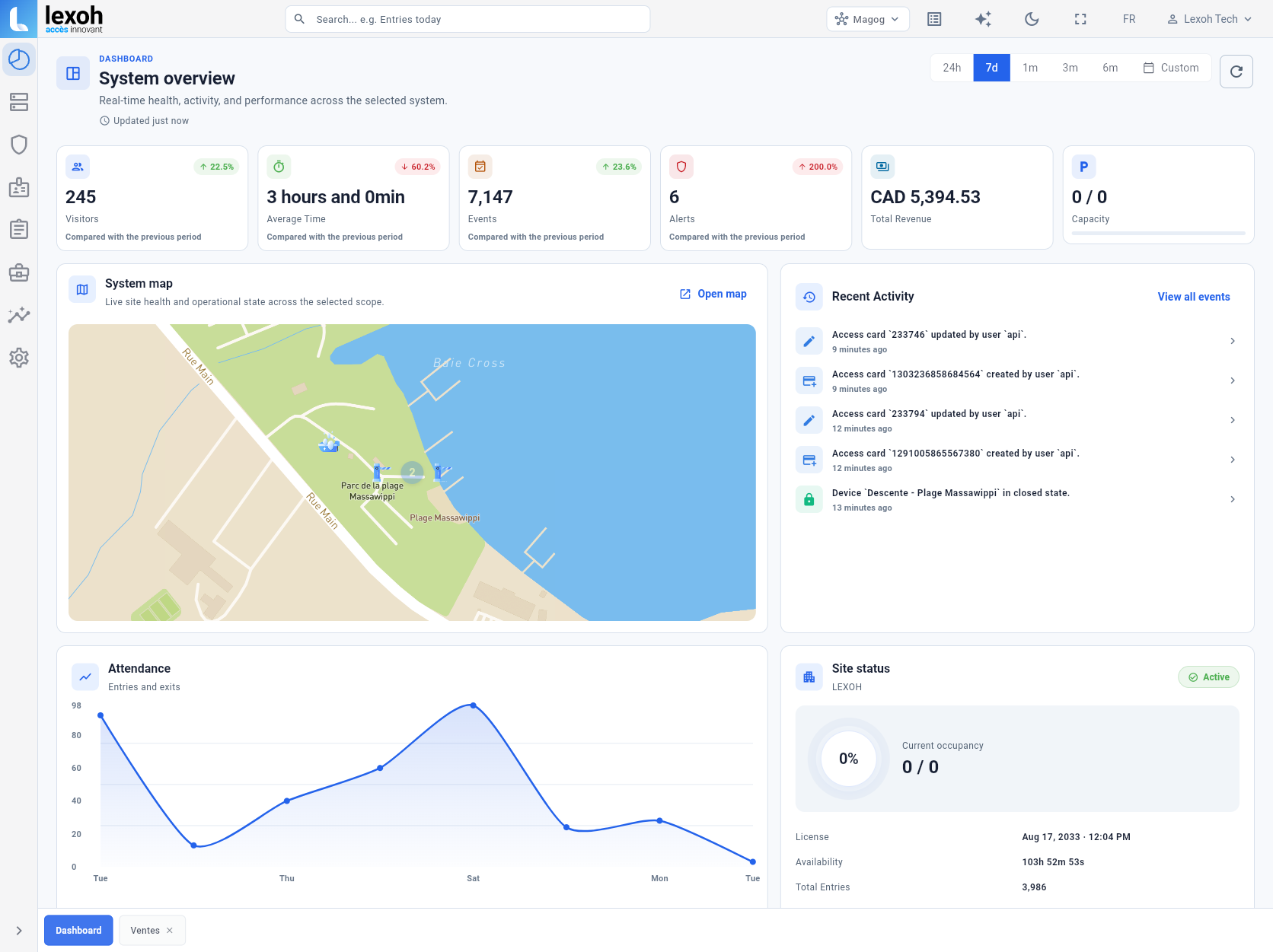
Lexoh Security Center brings configured sites, devices and access events into a shared operating view. Authorized staff can review the available status and recent activity before deciding whether a request needs a remote action or a local intervention.
- Map configured sites and entrances
- Review device availability and recent activity
- Keep access and event records together
- Support authorized response from a shared view
 Enlarge image
 Lake and launch access
Connect wash validation to boat-launch access.
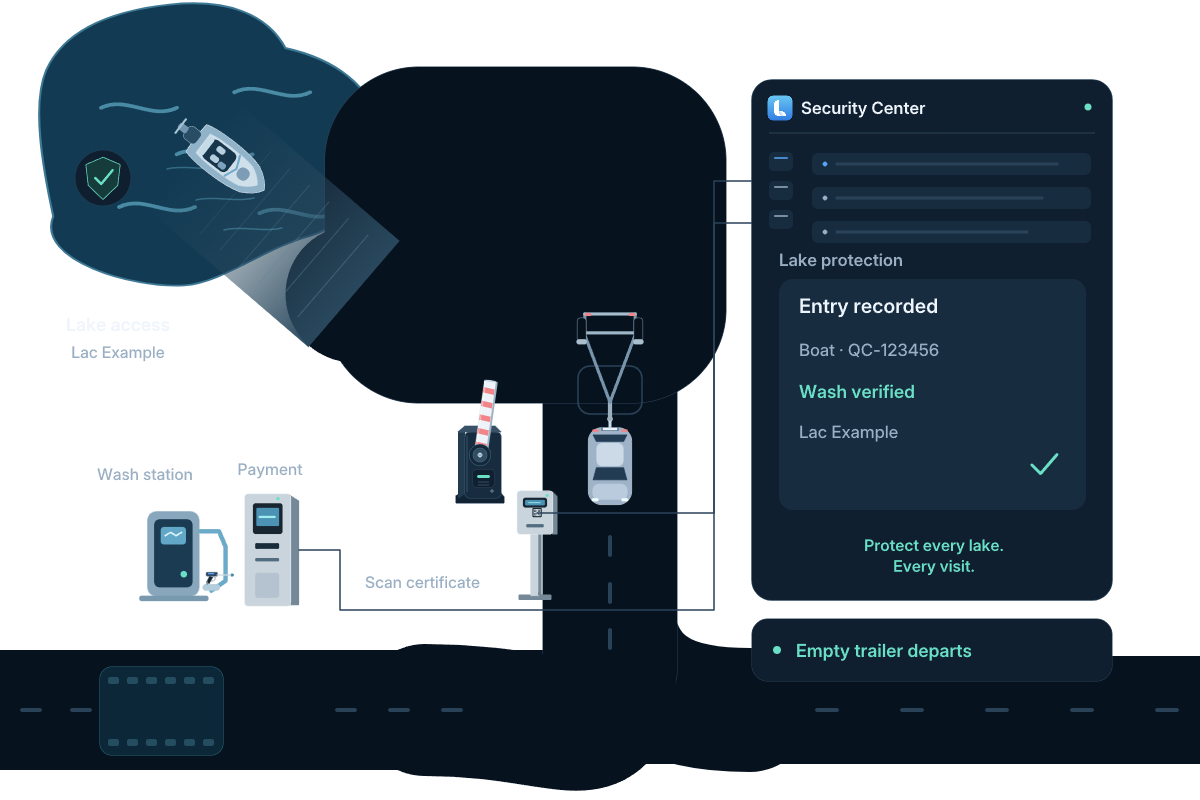
Where a park requires a boat-wash step, define the accepted proof, its validity and the launch it authorizes. Compatible equipment can connect the configured completion signal to an access decision. That signal records a process step; it does not establish biological decontamination effectiveness.
- Define the credential accepted at the checkpoint
- Assign responsibility for access validation
- Connect compatible lane equipment
- Record available events for authorized review
Seasonal opening checklist
Prepare each entrance for the season.
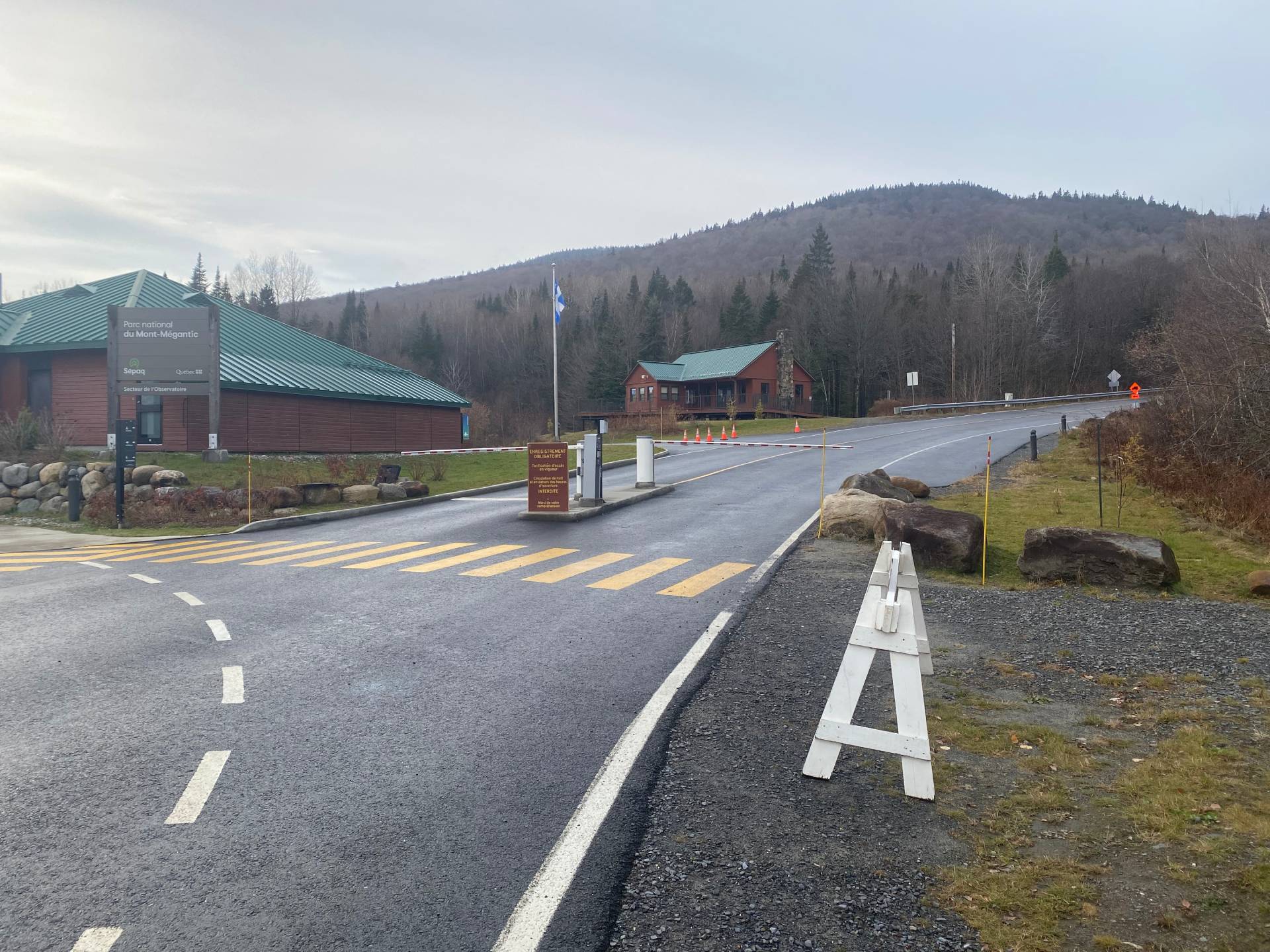
Use these checks to define the project brief and acceptance session with the park team and installer. Record the expected result for each lane before testing it on site.
- List entrances, exits, opening dates, daily schedules and the pass types accepted at each point.
- Confirm the barrier, reader, kiosk, communications and power requirements, including the limits of any retained equipment.
- Test a valid pass, an expired pass, a refused entry and the agreed visitor-assistance procedure.
- Document staff and service access, temporary closures and the site’s approved emergency-access procedure.
- Verify the selected equipment’s outdoor ratings and plan drainage, snow clearance and seasonal maintenance.
- Test the agreed outage and recovery behavior, then assign ownership of unresolved items before opening.
Park contexts
One access plan, several operating zones.
The useful credential, connected equipment and response process change between visitor parking, pass lanes and protected service roads.
-
Visitor parking
Configured arrivals and access for day-use areas.
-
Pass-holder lanes
Credentials and schedules for recurring authorized users.
-
Restricted roads
Controlled access for service, staff or approved vehicles.
-
Boat launches
Permit or decontamination workflows where the local program requires them.
FAQ
Park access, clarified.
Can the system show when a parking area is full?
Only when reliable capacity or occupancy data is available from the configured equipment or integration. The data source and operating threshold are defined for the site.
Can annual pass holders use a separate lane?
Yes, a distinct workflow can be designed when the site layout, selected credential technology and operating rules support it.
Can a boat-wash or decontamination step control access?
It can be evaluated when required by the local program. The validation source, compatible equipment, exception handling and operator responsibility must be confirmed.
What happens when network connectivity is limited?
Lexoh uses a hybrid cloud and offline architecture. Its mesh network allows configured devices to communicate locally when the internet connection is interrupted. For a park entrance, local access follows the permissions and equipment configured for that lane. Remote assistance, cloud administration and card-payment authorization have separate connectivity requirements. Power must also remain available to the equipment; an internet outage and a power failure are different operating conditions.
How should a temporary park-road or trailhead closure affect access?
Treat the closure as an operating decision with a named owner and reopening conditions. Identify the affected entrances, visitor passes, staff permissions and public instructions, then apply and test the supported access changes. Coordinate signs, staff instructions and configured access rules so visitors are directed away from the closed area until the responsible team approves reopening.
What should be planned for coaches and organized group arrivals?
Confirm the vehicle sizes, arrival schedule, permit or booking reference and who will assist the group. Review lane geometry, waiting space and pedestrian movement with the site team. Define how the group’s access is checked and how separate staff or service vehicles are handled, then test that arrival procedure before the busy period.
Can the project keep existing gates or barriers?
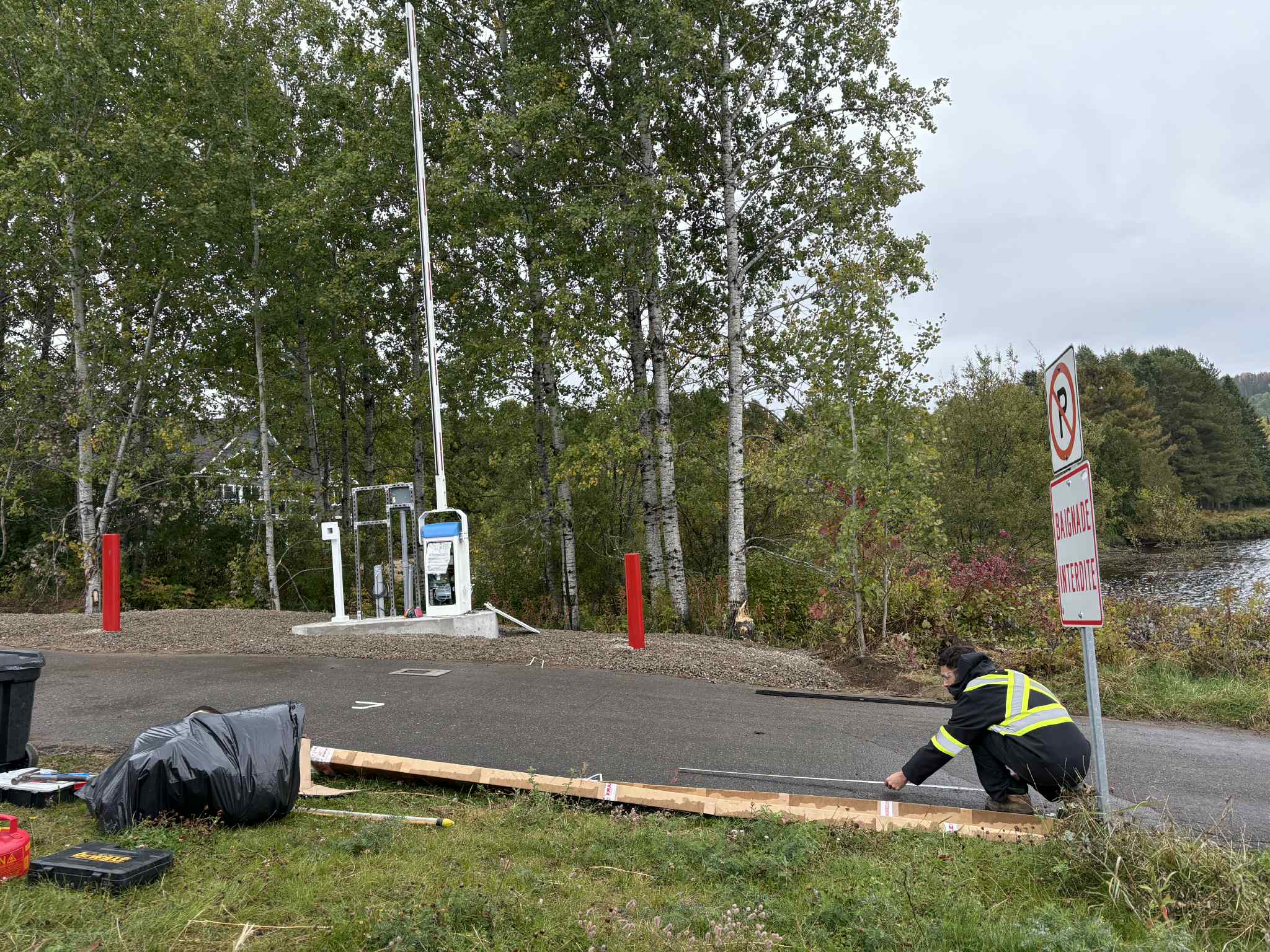
Assess each model, control interface, condition and installed protection equipment before specifying a retrofit. Share equipment references, entrance photos and the current operating procedure with Lexoh. Compatibility and site acceptance determine which components can be retained; a connected controller alone does not establish that an existing lane is suitable.
Plan the complete park journey
Start with the entrances, permits and local operating rules.
We can review visitor routes, restricted areas, outdoor equipment, connectivity and staff responsibilities before defining the system.
Plan the park system