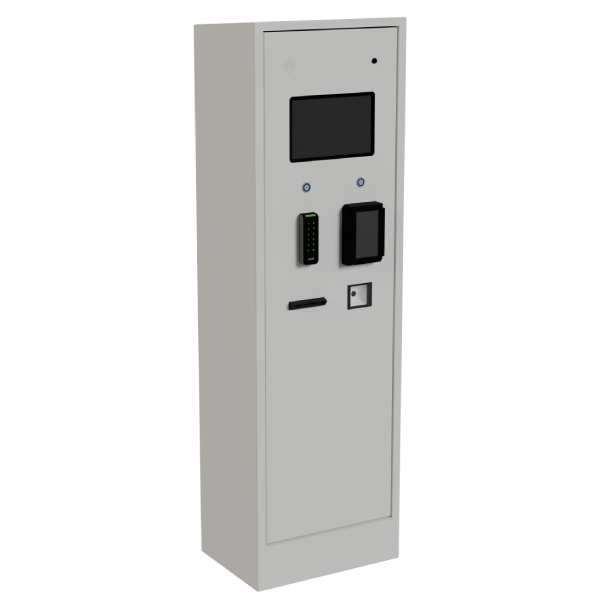
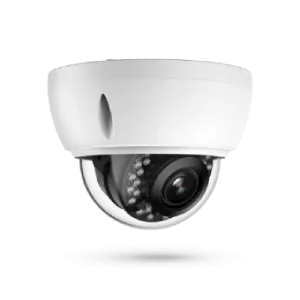
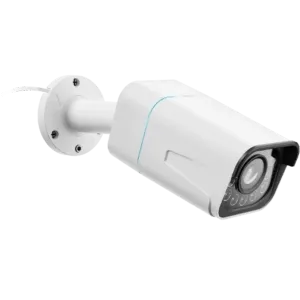
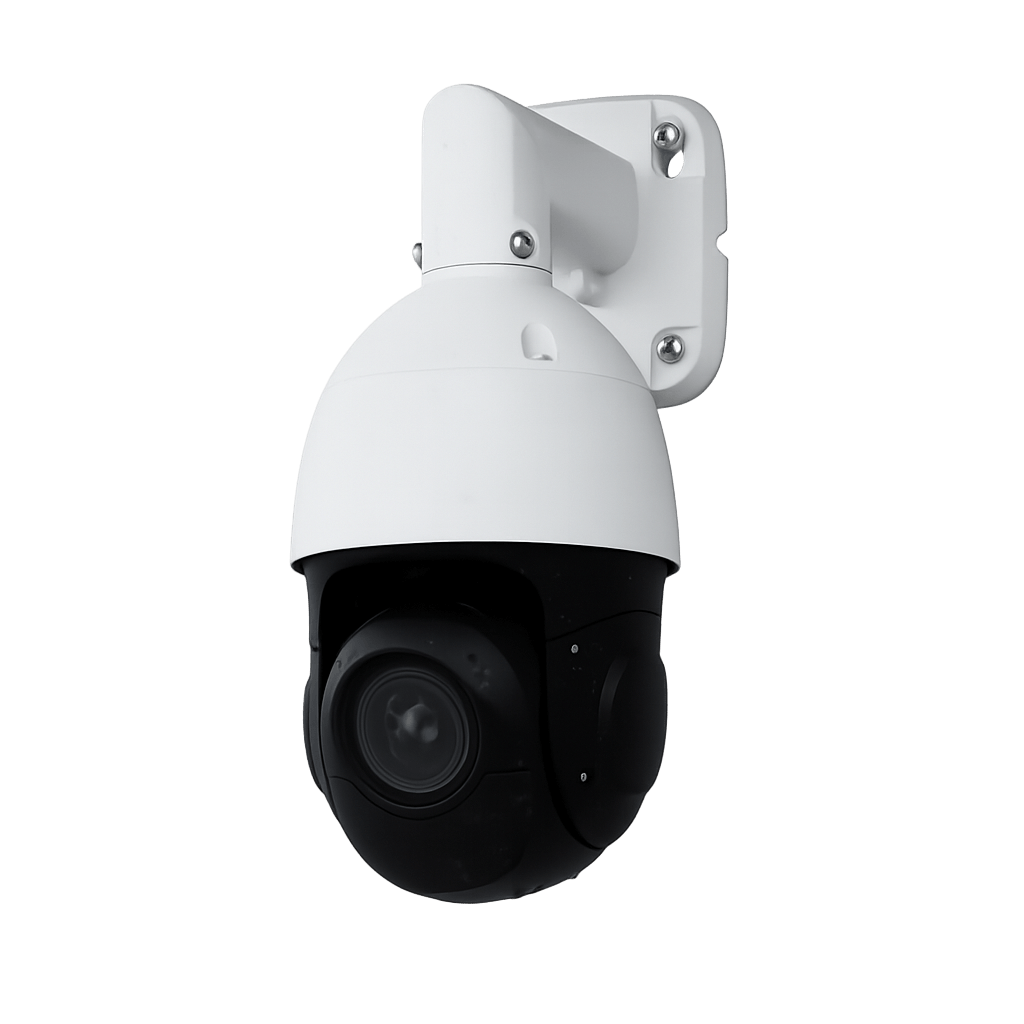
Badge-free identification
Use the plate as an identifier for a lower-friction arrival.
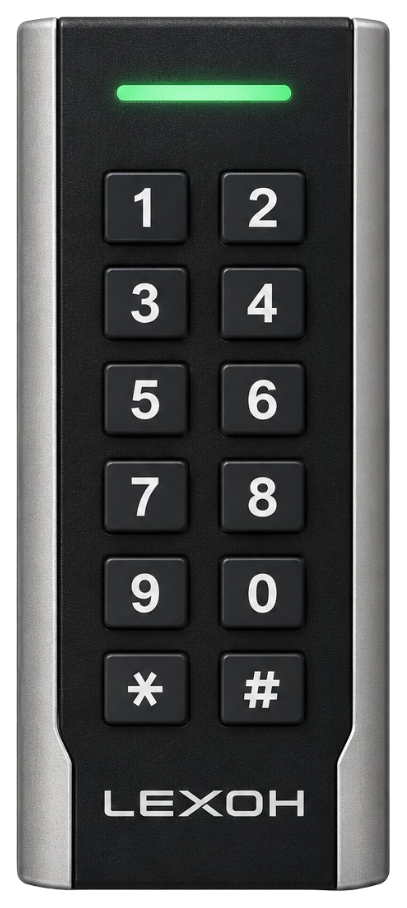
Card-based credential reader
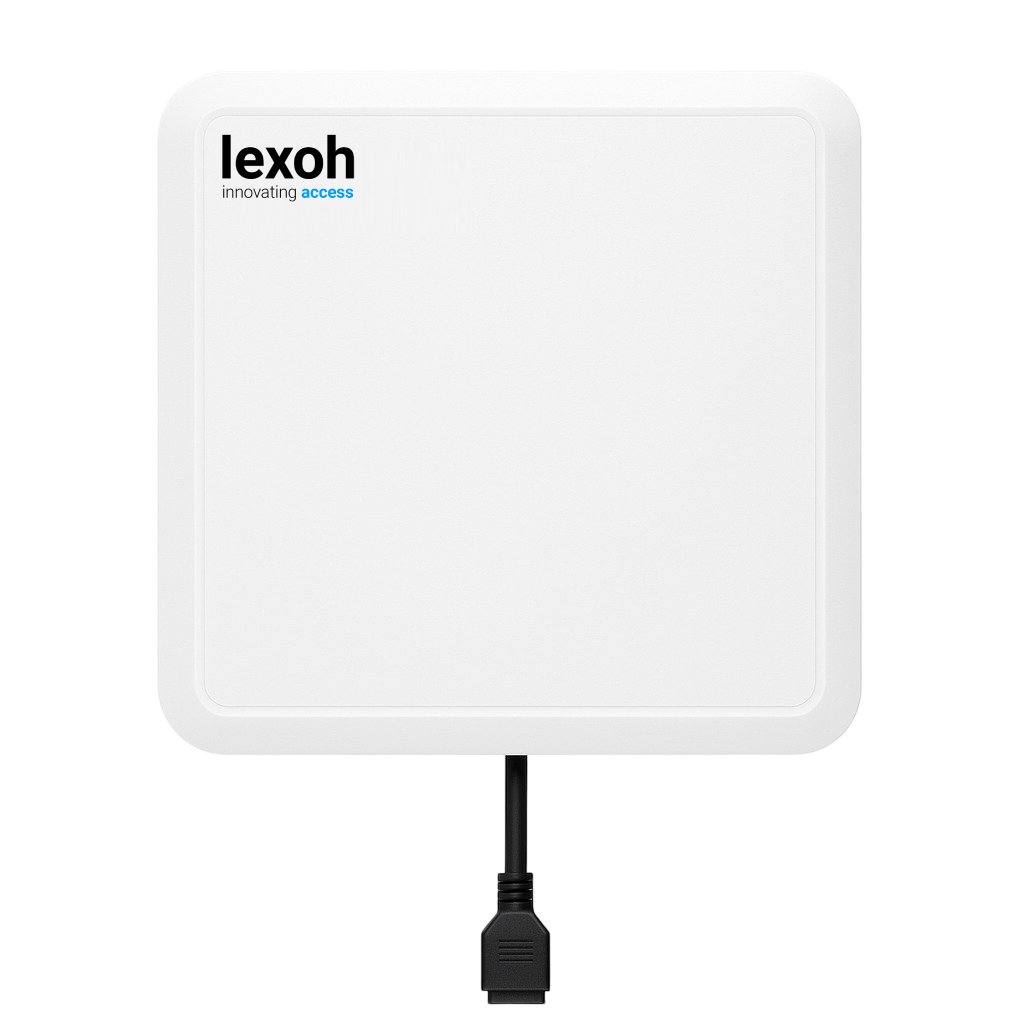
UHF credential reader
QR and barcode credential reader
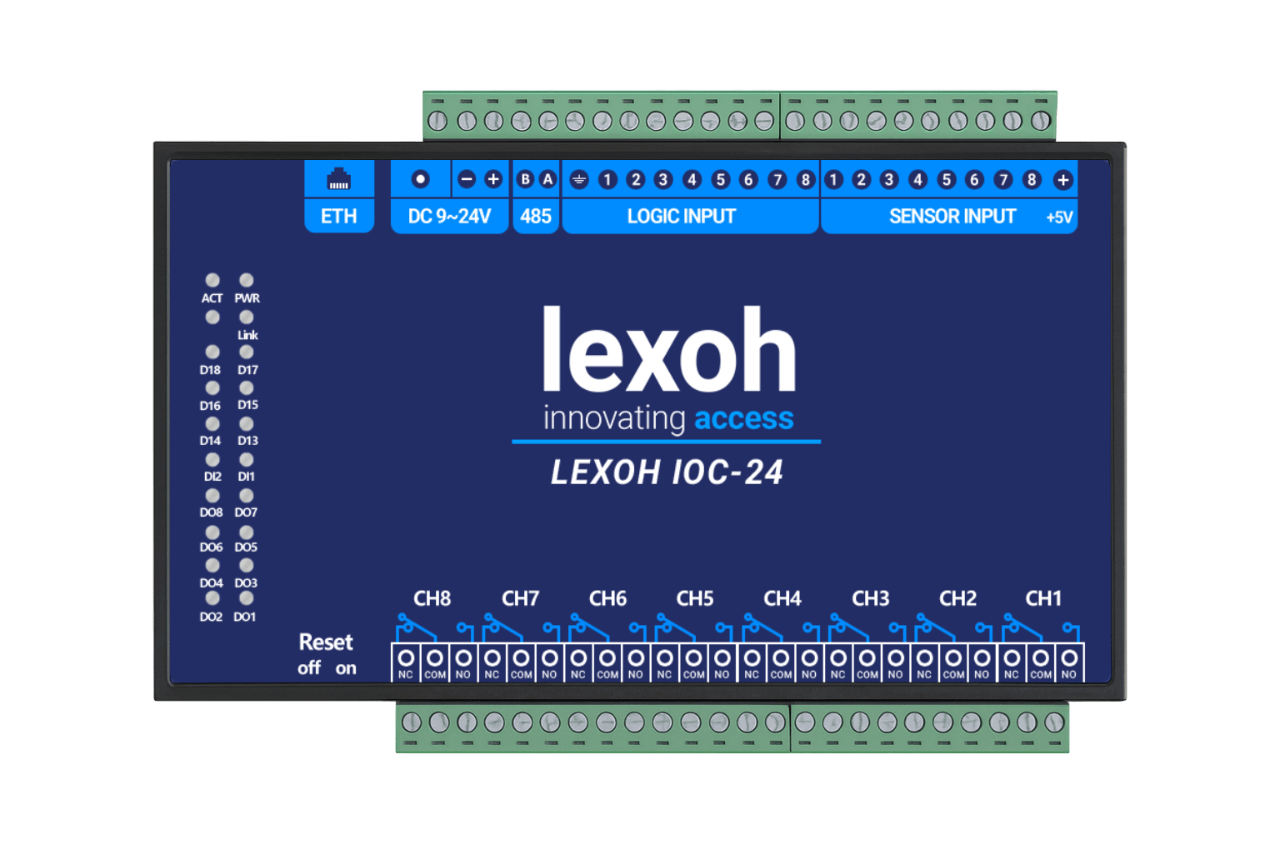
Device input and output controller
RFID access credential
UHF access credential
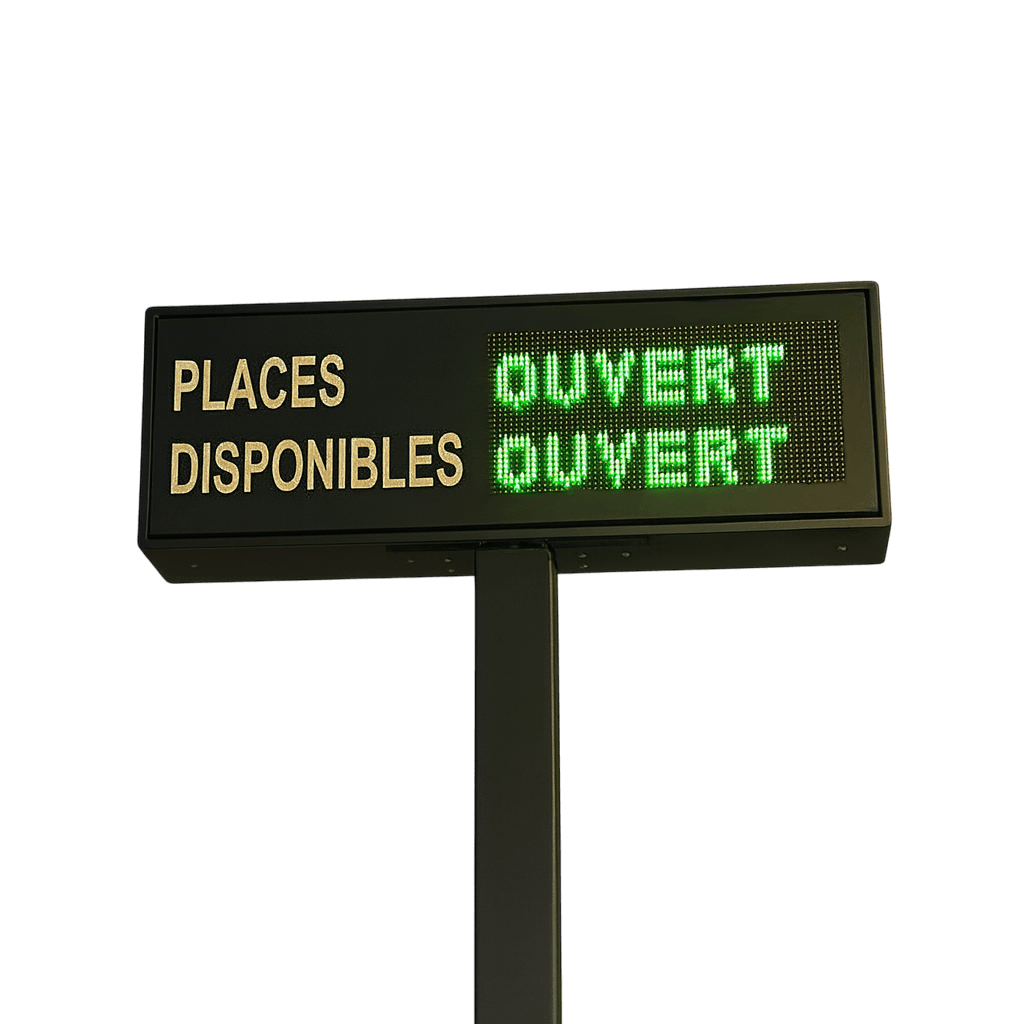
Lane and access display signage

Thermal printer paper
IP intercom communication
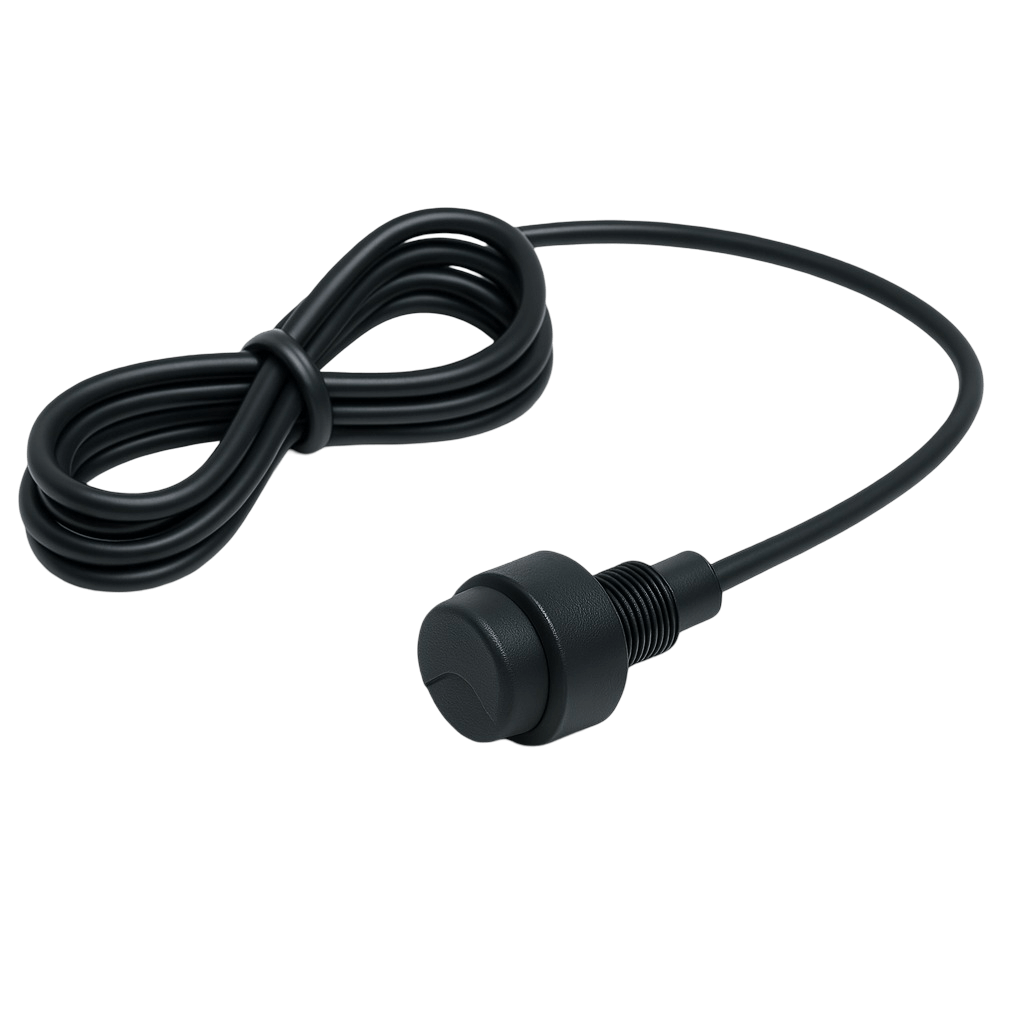
Analog omnidirectional microphone

License plate recognition (LPR), also called automatic number plate recognition (ANPR), reads plate characters from a camera image and checks the vehicle’s parking access rules. Lexoh plans the capture point, permit or visitor match, lane command and assistance path for reads that cannot be confirmed.
A readable plate is only the first step. The system must distinguish an authorized vehicle from an expired permit, an unexpected visitor or a changed registration. Camera angle, distance, speed, lighting and plate condition affect capture; the organization supplies the matching policy. Connect digital parking permits to the vehicle access workflow, and test both accepted and rejected journeys at the actual lane.
Use the plate as an identifier for a lower-friction arrival.
Tie one or more plates to a period, site, zone or user category.
Compare the read with current access rules before sending an action.
Keep the event and result available when staff investigate a denied entry.
Manage shared policies alongside local site exceptions.
Combine LPR with QR, RFID or an intercom when the operation calls for it.
Capture and recognition establish the proposed identifier; authorization checks whether that identifier has a current right for this site, zone and time. Keep those results separate so staff can diagnose an unreadable plate without mistaking it for an expired permit.
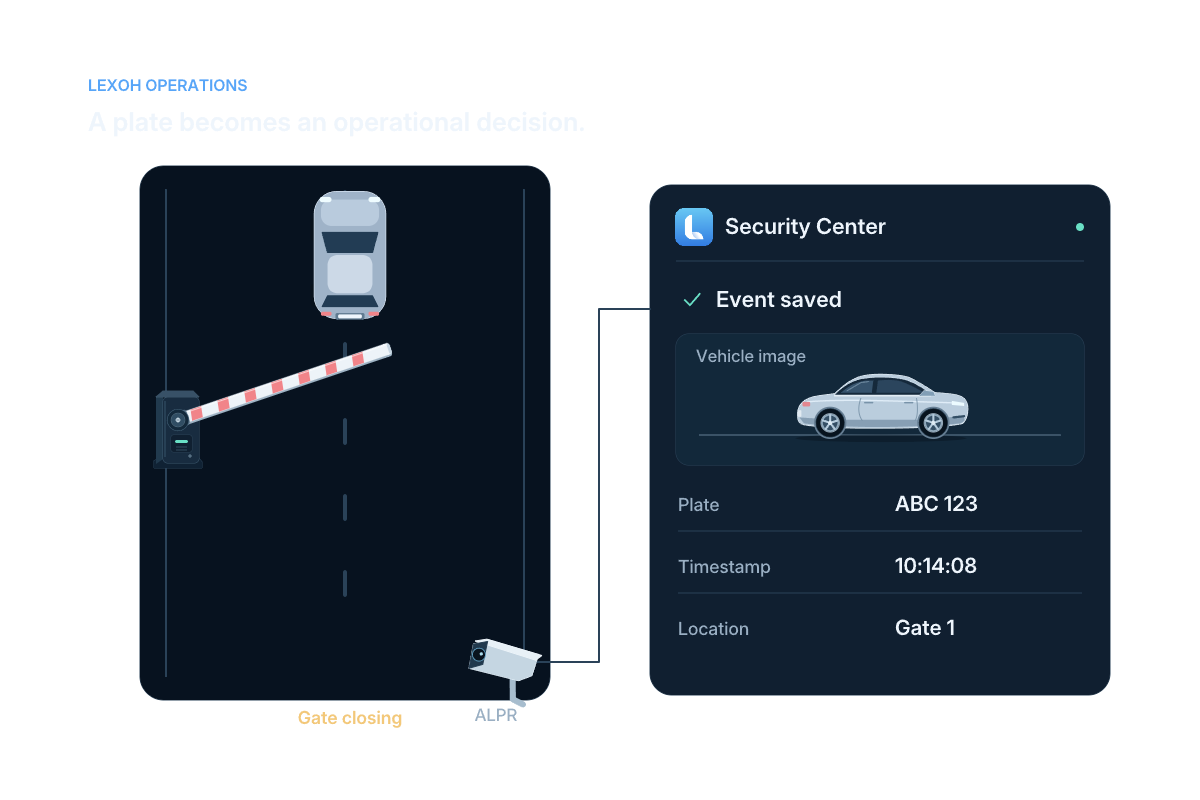
Image suited to the lane
Plate characters
Format matched to data
Zone, time and status
Result available to staff
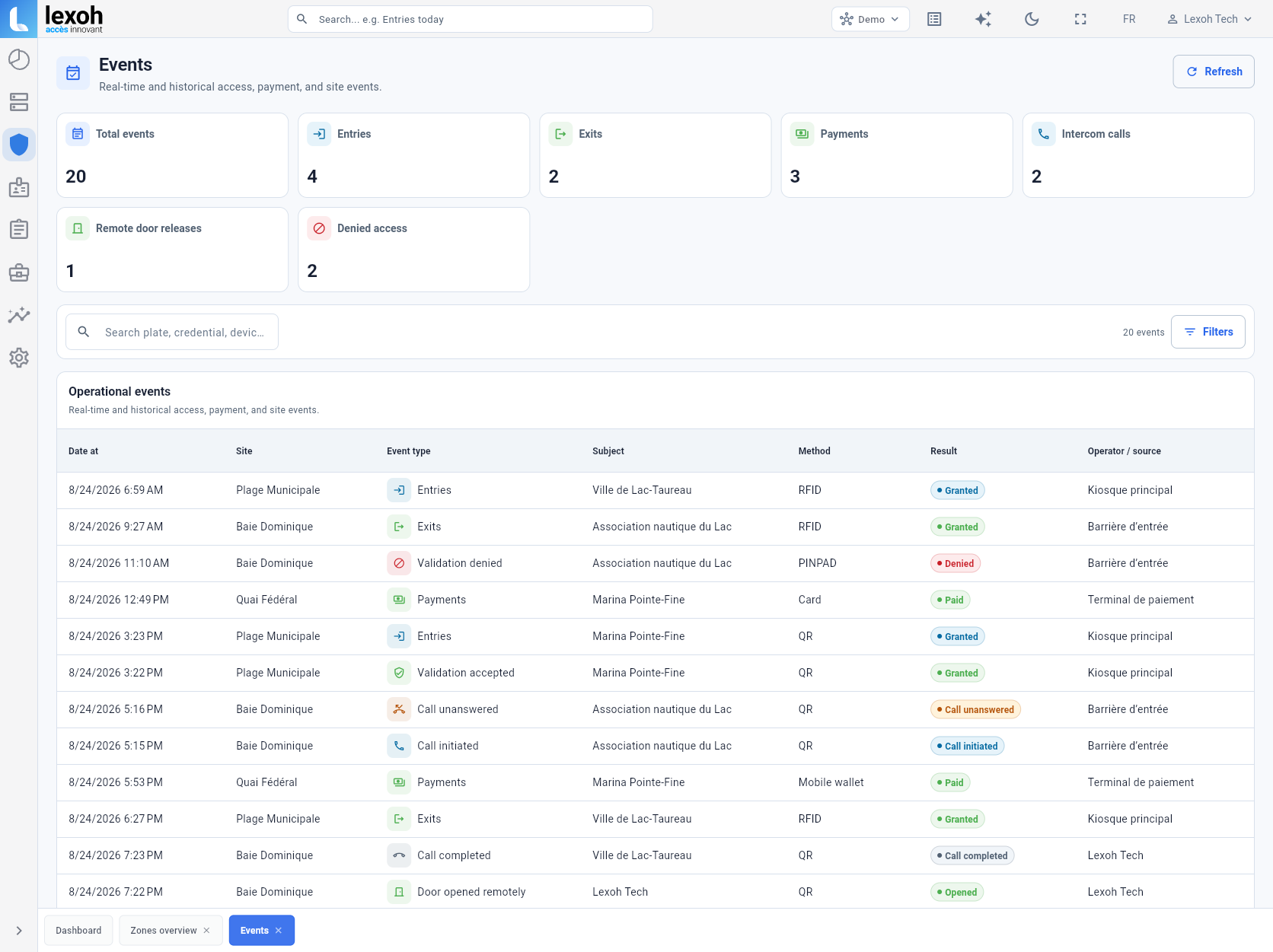
The linked Events capture shows the date, site, event type, subject, method, result and operator or source in the Demo account of Lexoh Security Center.
View actual Lexoh interface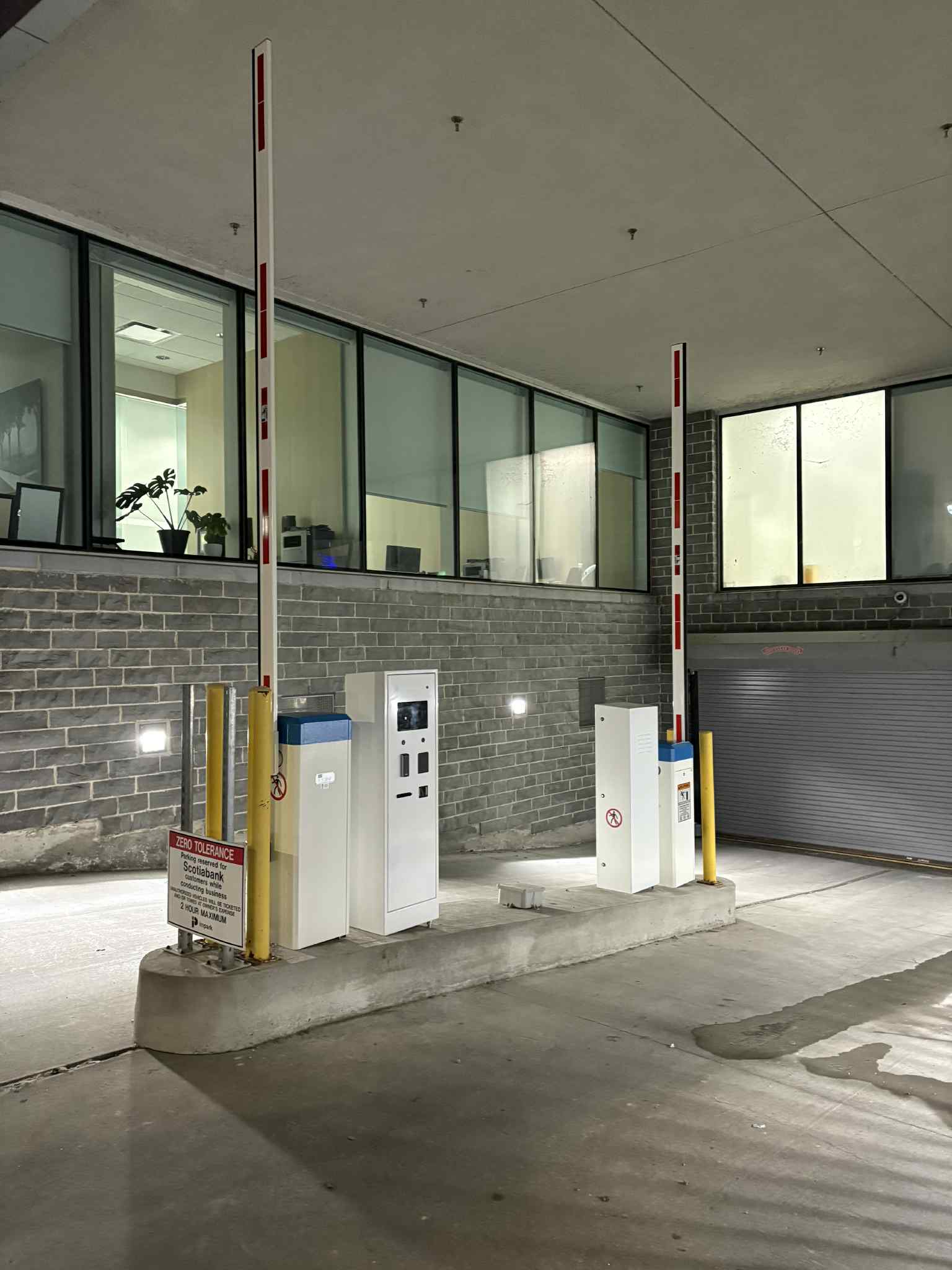
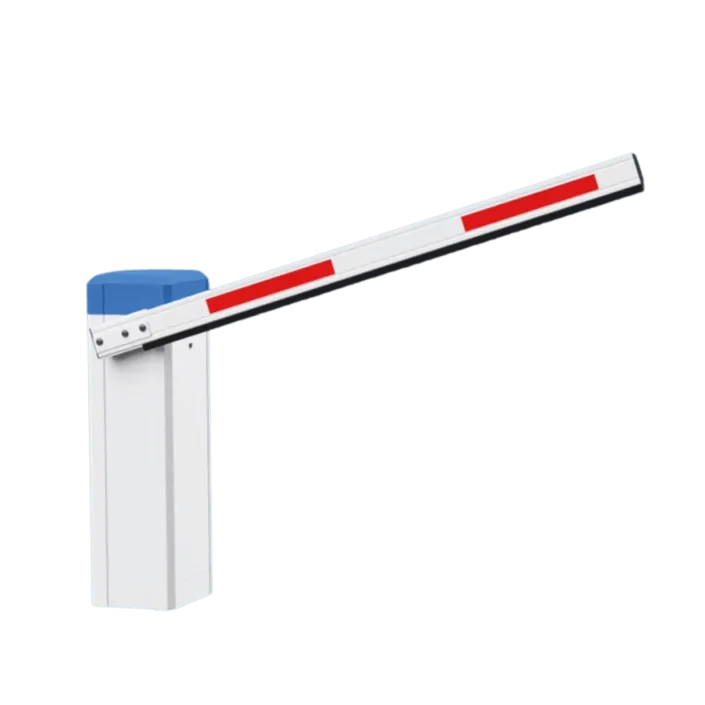
The capture position must work with the stopping point, vehicle detection, barrier and other readers. Designing them together gives the plate event useful context and leaves room for a second access method.
Lexoh reviews traffic and access rules before finalizing camera placement and platform configuration.
A fluid arrival based on a registered vehicle.
Authorized vehicles and replacements managed under the site policy.
Temporary rights attached to the plate supplied before arrival.
Consistent policy with rights limited to the appropriate locations.
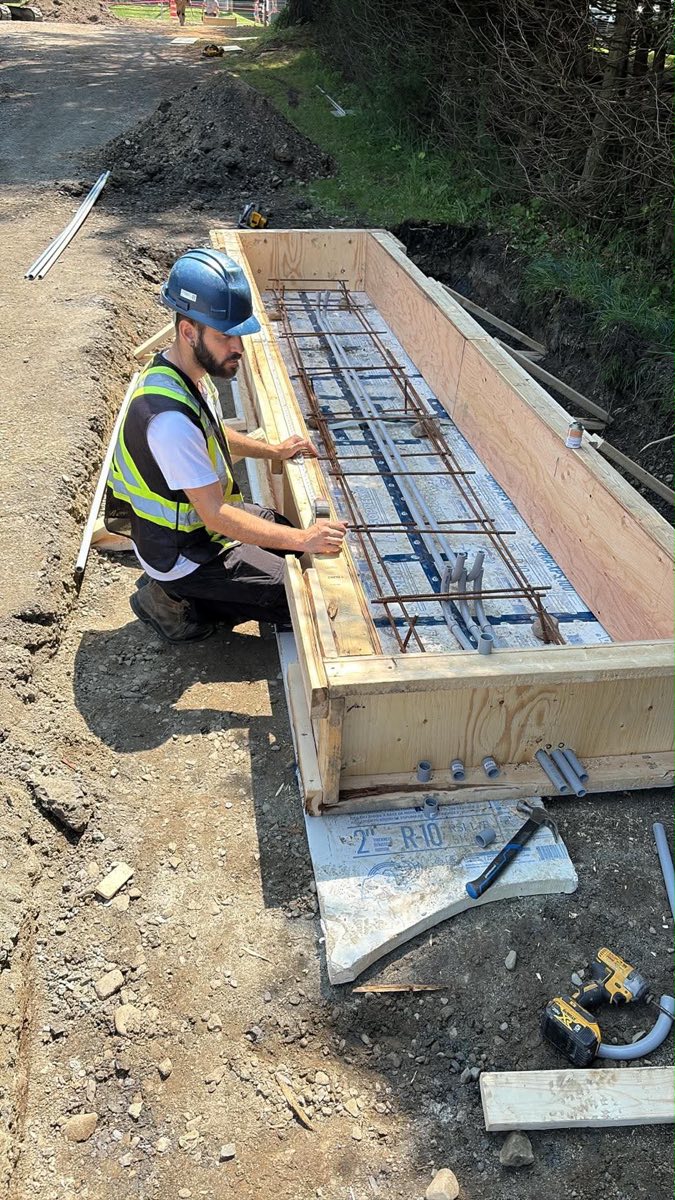
A predictable vehicle path and appropriate speed help produce a usable image.
A secondary method and assistance procedure keep the operation moving.
Roles, retention and use should follow the organization’s approved policies.
Define replacement, simultaneous-use and duplicate rules in advance.
Clear answers about scope, operation and integration.
We can review traffic, capture conditions and access rules to define a suitable LPR architecture.