

Plate recognition in winter
License plate recognition in a Quebec winter
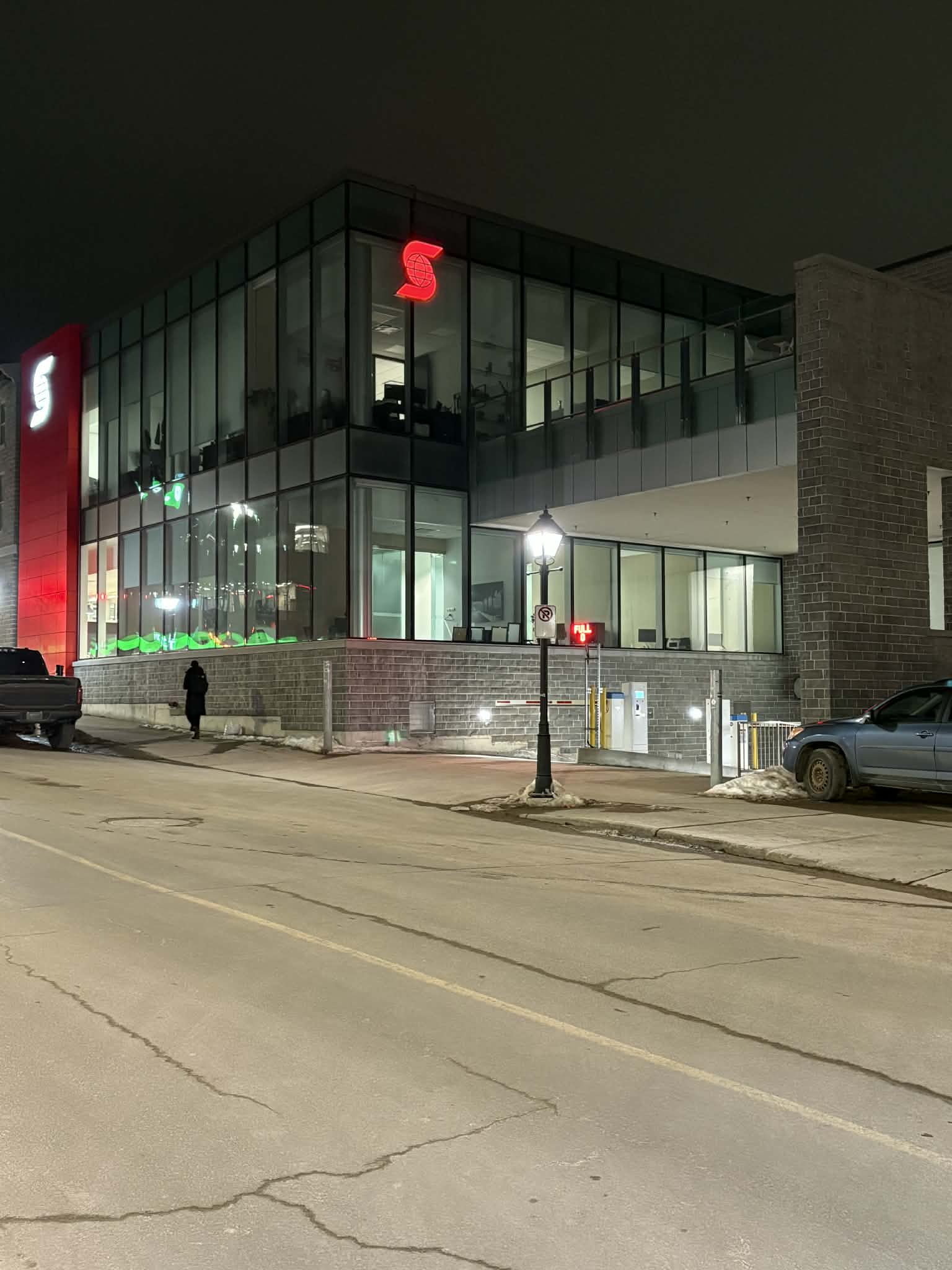
Winter can affect both the camera’s view and the plate itself. A useful design accounts for missed reads without assuming that every site needs the same primary credential.
 Enlarge photo
 The decision
Separate capture, recognition and authorization
License plate recognition (LPR) starts with an image. The camera captures the plate, software attempts to read the characters, and the access system checks the resulting plate against its rules. A missed image, an incorrect reading and a correctly read plate with no permission need different responses.
Track them separately. Replacing a camera will not fix an expired permit, and changing permissions will not make an obscured plate readable.
Design around the actual approach
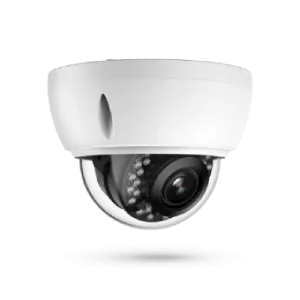
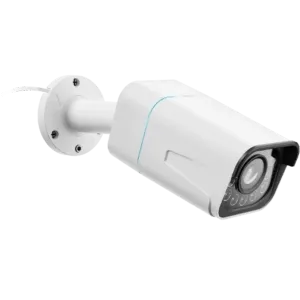
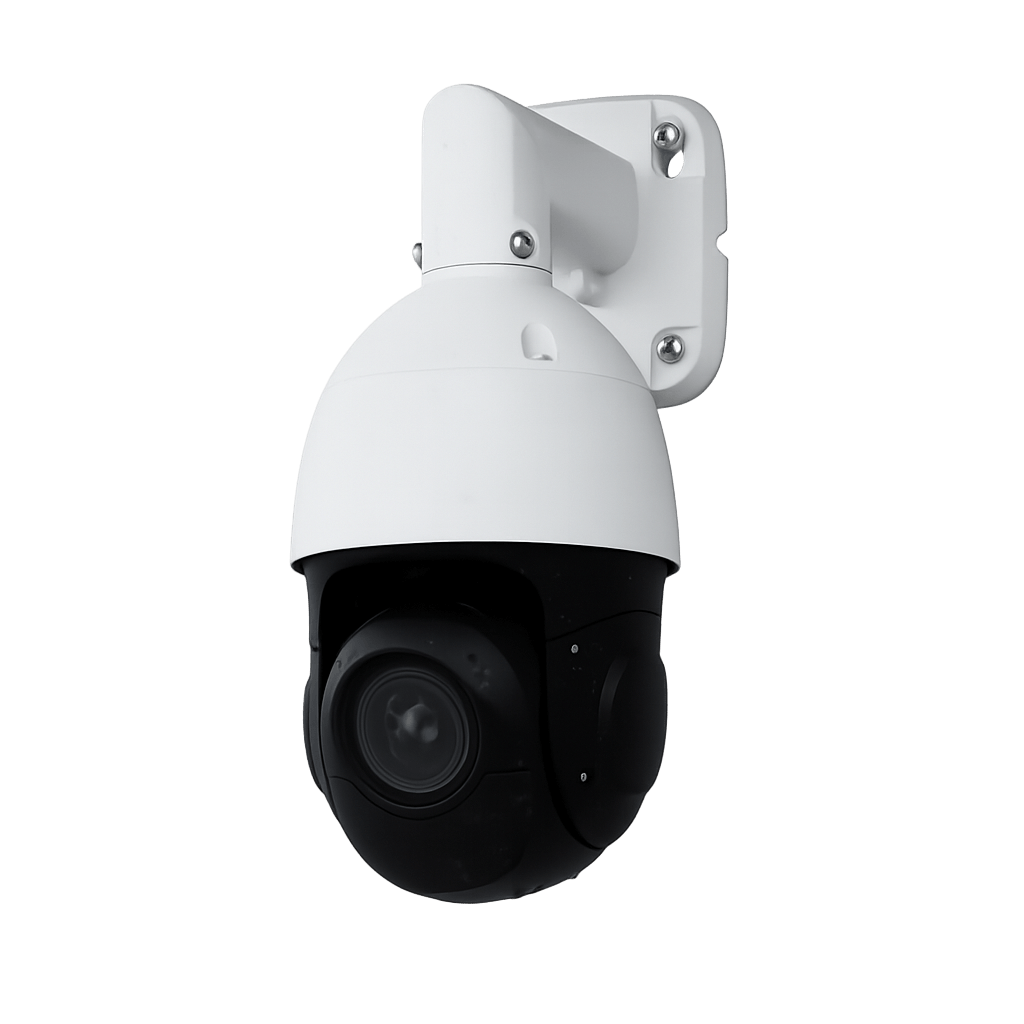
Choose the capture point from the lane geometry, stopping position, expected speed and plate location. Follow the selected camera’s installation guidance for distance, angle, lighting and image settings.
Snow, rain and fog can reduce visibility and usable capture distance. At the site, also review snow storage, cleaning access and changes in where drivers stop. Avoid specifying one mounting distance for every camera and lane.
Provide a usable fallback
A tag, card, code or assisted opening can provide another path when the normal read fails, depending on the installed equipment. Select it around the users: frequent residents, occasional visitors and vehicles with temporary or changed plates need different administration.
Ultra-high-frequency (UHF) radio identification can be a useful option for regular vehicles, but its reader placement and windshield compatibility still need testing. Seasonal operation does not eliminate unreadable plates, dirt or lighting problems.
Measure performance at the entrance
Agree on the test population and conditions before acceptance. Record eligible arrivals, readable captures, correct readings, permission decisions and assisted entries. A recognition percentage calculated only from readable images can hide the operational impact of missed captures.
Use daylight, darkness and representative weather conditions where available. If commissioning occurs before winter, plan a seasonal review and an assistance procedure from day one. Do not publish an accuracy figure from a small or unrepresentative demonstration.
Keep maintenance and access rules aligned
Clean and inspect equipment according to its instructions, maintain the approach and keep vehicle records current. Define how staff correct a plate entry, authorize a rental vehicle or investigate a denied arrival.
Lexoh’s LPR solution connects configured plate recognition to parking permissions and operations. Outage behaviour, fallback credentials and remote assistance should be documented for the selected site architecture.
On a narrow screen, scroll the table horizontally to see every column.
| Observed event | Stage to examine | First evidence to check |
|---|---|---|
| No usable plate image | Capture and approach | Plate visibility, lens condition, stopping position and lighting |
| Image readable, characters wrong | Recognition | Plate format, image detail and the selected software configuration |
| Correct plate, access denied | Authorization | Active permit, vehicle record, date, time and site rights |
| Access approved, barrier does not open | Command and equipment | Approved installer checks of command, feedback and protective state |
Questions
Practical questions
Can we reuse an existing surveillance camera for plate recognition?
Possibly, if its position, lens, exposure, illumination and image output meet the selected recognition software’s requirements. Test actual plate images at the intended stopping point, by day and night. A clear overview of the parking lot does not establish readable plates.
What should staff do when a plate is not read?
Use the site’s approved fallback and verify the driver’s right to enter. Record whether the image was missing, the characters were wrong or permission was denied. Assign technical follow-up to the right stage; do not treat an unreadable plate as automatic authorization.
Can plate recognition be used year-round in Quebec?
It can be part of a year-round design. Suitability depends on site conditions, tested performance and a workable exception path; there is no universal result for all lanes.
Will a better camera read a fully obscured plate?
It cannot recover characters that are not visible in the captured image. The operating plan must cover that case.
References and further reading
- License plate recognition
Lexoh product or project reference.
- UHF reader
Lexoh product or project reference.
- Axis Communications: License plate capture
Primary technical context on capture, geometry and weather; reviewed September 30, 2026. No camera brand or model is specified for a Lexoh project.

Your project
Assess winter operation at your entrance
Review the approach, vehicle population, fallback method and acceptance criteria with Lexoh.
Discuss the project