Vehicle access credentials
UHF windshield tags or RFID cards for vehicle access?
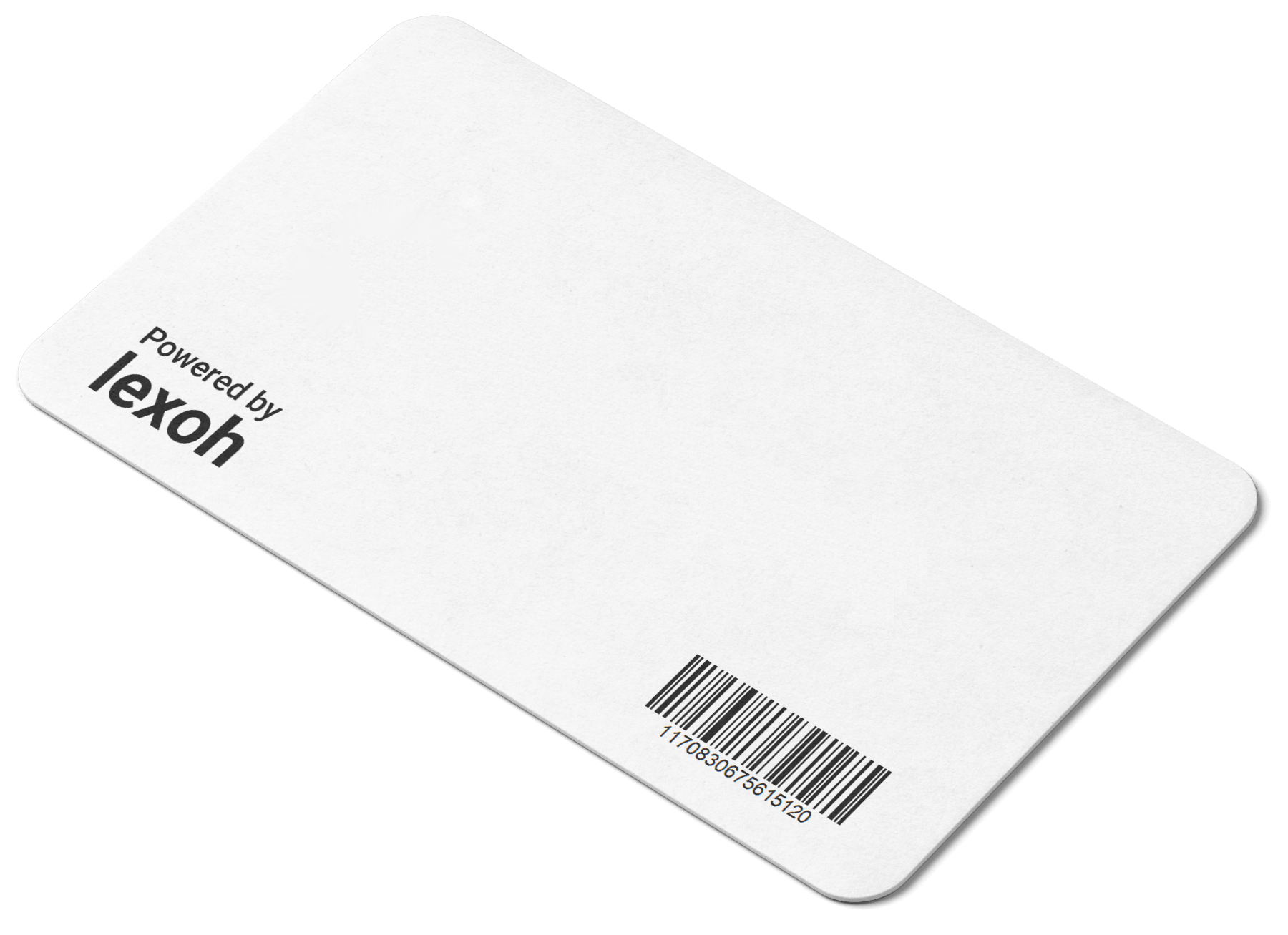
UHF tags and proximity cards are both RFID technologies. For a vehicle entrance, the practical difference is the reading distance and how deliberately the driver presents the credential.
The decision
Choose the interaction the lane needs
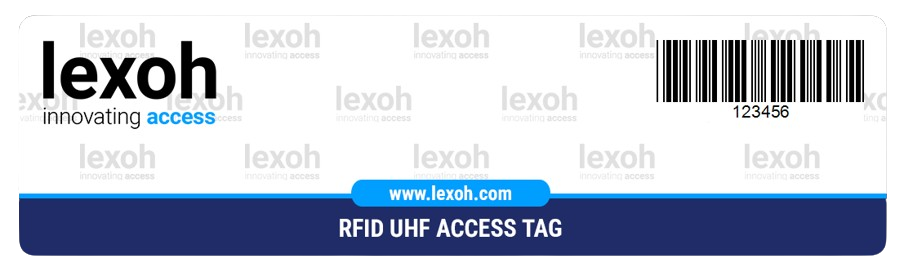
UHF means ultra-high frequency; RFID means radio-frequency identification. A windshield tag can support hands-free identification with a compatible long-range reader. A proximity card normally requires the driver to stop and present it near a reader. Neither method authorizes entry by itself: the access system still checks the associated right.
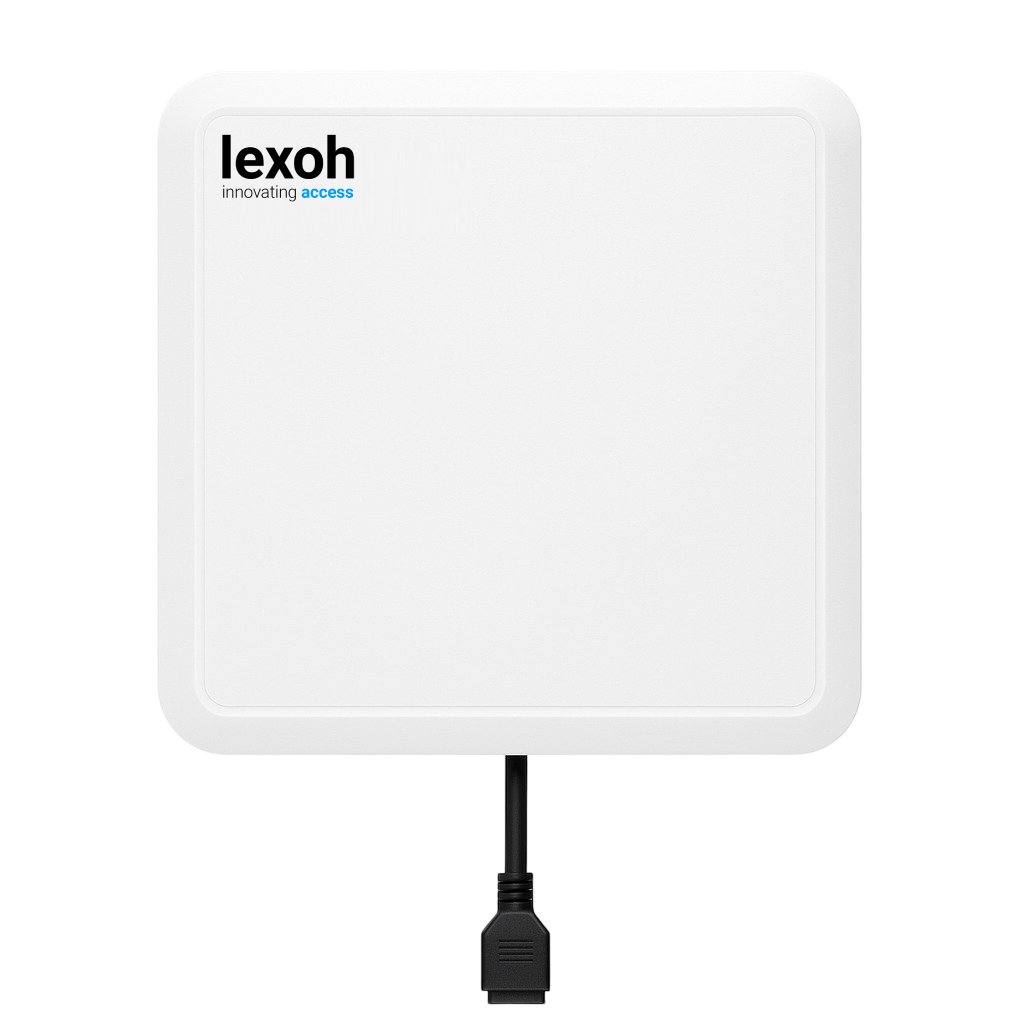
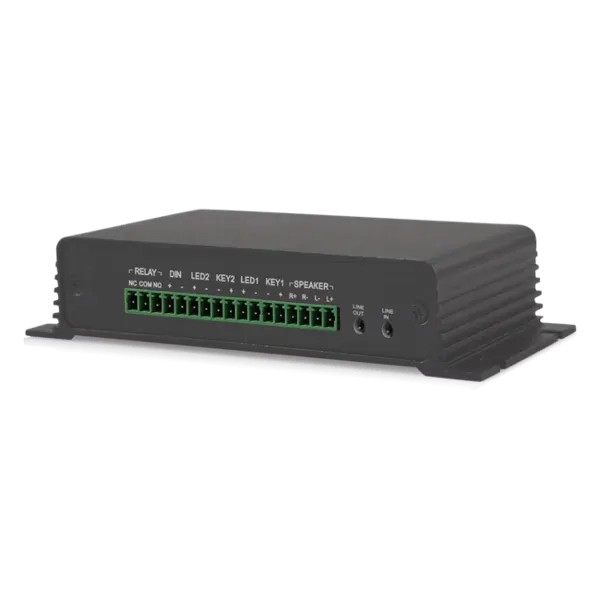
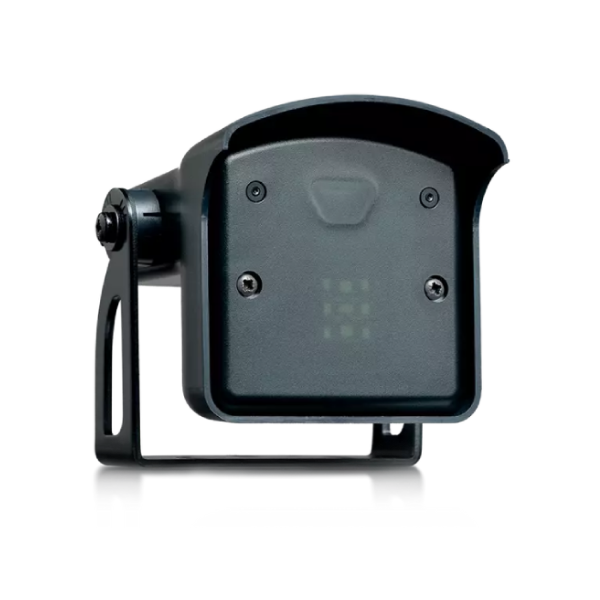
Lexoh offers the UHF9DBI reader for vehicle-access projects. Its read zone must be tested with the selected tags, vehicles and lane layout; the reader is one component of the access-control system.
Use tags where a controlled read zone helps
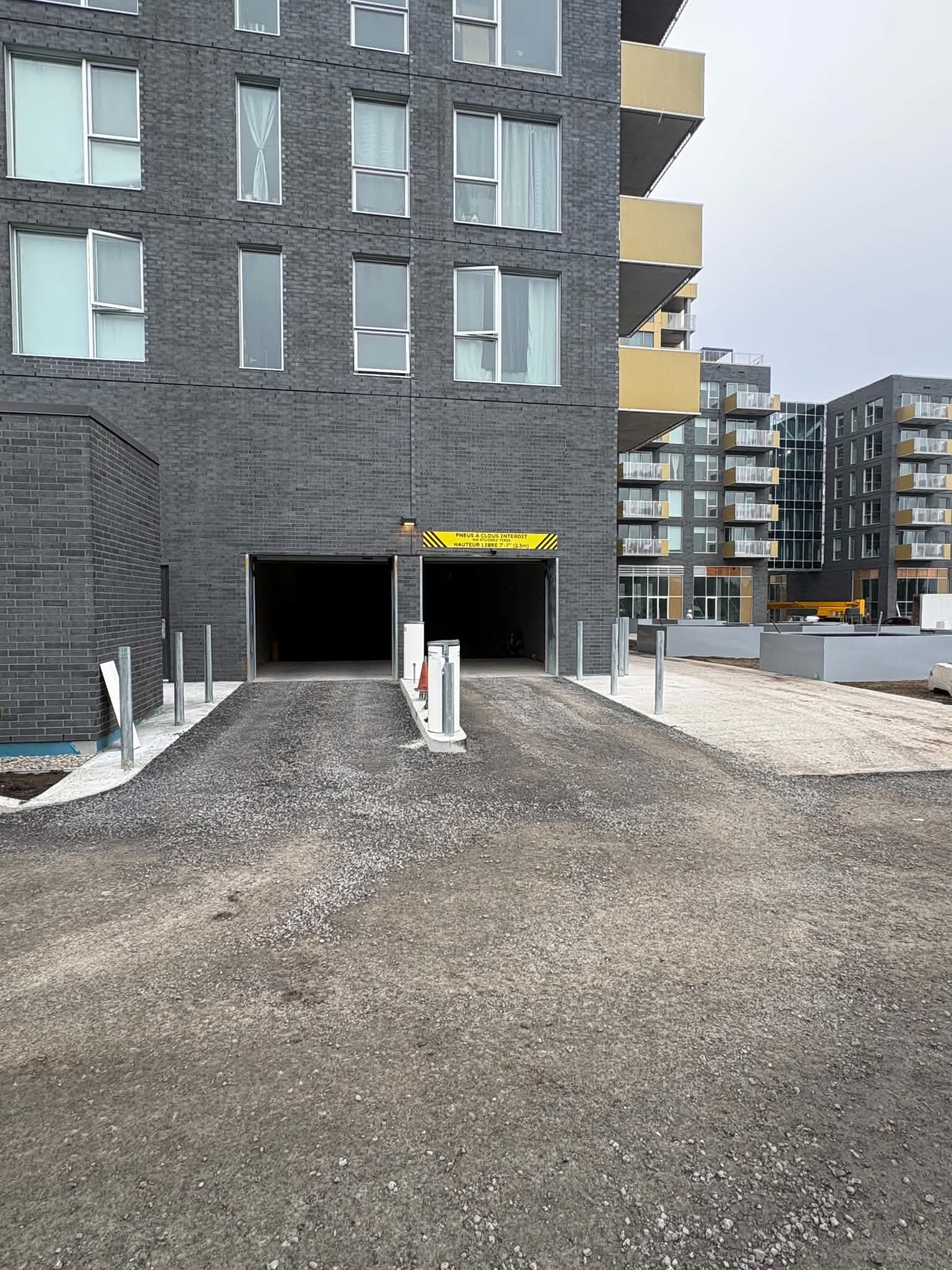
Tags can suit frequent users who approach through a predictable lane. The design task is to read the intended vehicle at the intended point, without reading cars in the neighbouring lane or elsewhere on the site.
Test antenna position, reader settings, tag placement and representative windshields. Metallic coatings and vehicle construction can affect performance. Maximum catalogue range is not a target for every installation; a shorter, well-defined zone may work better.
On a narrow screen, scroll the table horizontally to compare both credentials.
| Criterion | UHF windshield tag | Proximity card |
|---|---|---|
| Driver action | Can be read hands-free in a tested zone | Presented near the reader |
| Site test | Windshield, tag placement and adjacent lanes | Reader reach and vehicle stopping position |
| Administration | Vehicle changes and tag replacement | Issuance, loss and return |
| Identity limit | Does not identify the driver by itself | Does not identify the vehicle by itself |
Use cards where deliberate presentation is useful
Cards may suit a mixed building where users already carry a compatible credential for pedestrian doors. At a vehicle entrance, the reader must be reachable from the expected vehicles without unsafe positioning.
Include right-hand approaches, vans and visitors in the review. A card-reader installation that works for one passenger car can be awkward for other vehicles. Provide an assistance route instead of assuming every driver can reach the reader.
Manage the credential through its whole life
Decide whether a credential is assigned to a person, vehicle or approved combination. Document what happens when the vehicle is sold, a windshield is replaced, a card is lost or an employee leaves.
A tag fixed to a windshield is not proof of who is driving. A card used at a lane does not necessarily establish which vehicle entered. Choose the record and verification process that match the site’s actual policy.
Test the complete passage
Check recognition, permission, barrier response and the recorded event as separate steps. Include unknown and revoked credentials, adjacent arrivals and the proposed fallback method. Offline decisions depend on the controller and stored configuration.
The Lexoh UHF9DBI datasheet specifies a 0–15 m read range, depending on the tag chip and environment. That reader specification does not promise a 15 m detection zone at every entrance or establish a vehicle passage speed. Select the operating zone through a lane test; see the original French datasheet in the references below.
For an illustrative two-lane test, approach with an authorized vehicle while another tag remains in the adjacent lane. Check which identifier is read, whether access is granted to the correct lane and which event is recorded. Repeat with a revoked credential and the agreed fallback. Coordinate the test with the installer under controlled site conditions.
Questions
Practical questions
Is UHF different from RFID?
UHF is a frequency band used by some RFID systems. The useful comparison here is a long-range windshield tag versus a close-range card.
Can I move a windshield tag to another vehicle?
Check the exact tag instructions before removing it. Some adhesive credentials are designed to be damaged by removal. Register the vehicle change and retire the old credential if a new one is issued; do not assume the old mounting position will work on a different windshield.
Does reading a tag make the barrier safe to close?
No. Identification and access permission are separate from the devices and controls used for safe barrier movement. The installer must plan and test the required vehicle detection and protection for the lane.
Can one card serve the garage and building doors?
Only where all readers support its technology and the permissions are configured for those entrances.
References and further reading
- Lexoh UHF9DBI — original French datasheet
Page 3: read range depends on the tag chip and environment.
- UHF reader
Lexoh product or project reference.
- RFID access card reader
Lexoh product or project reference.
Your project
Test the credential in your lane
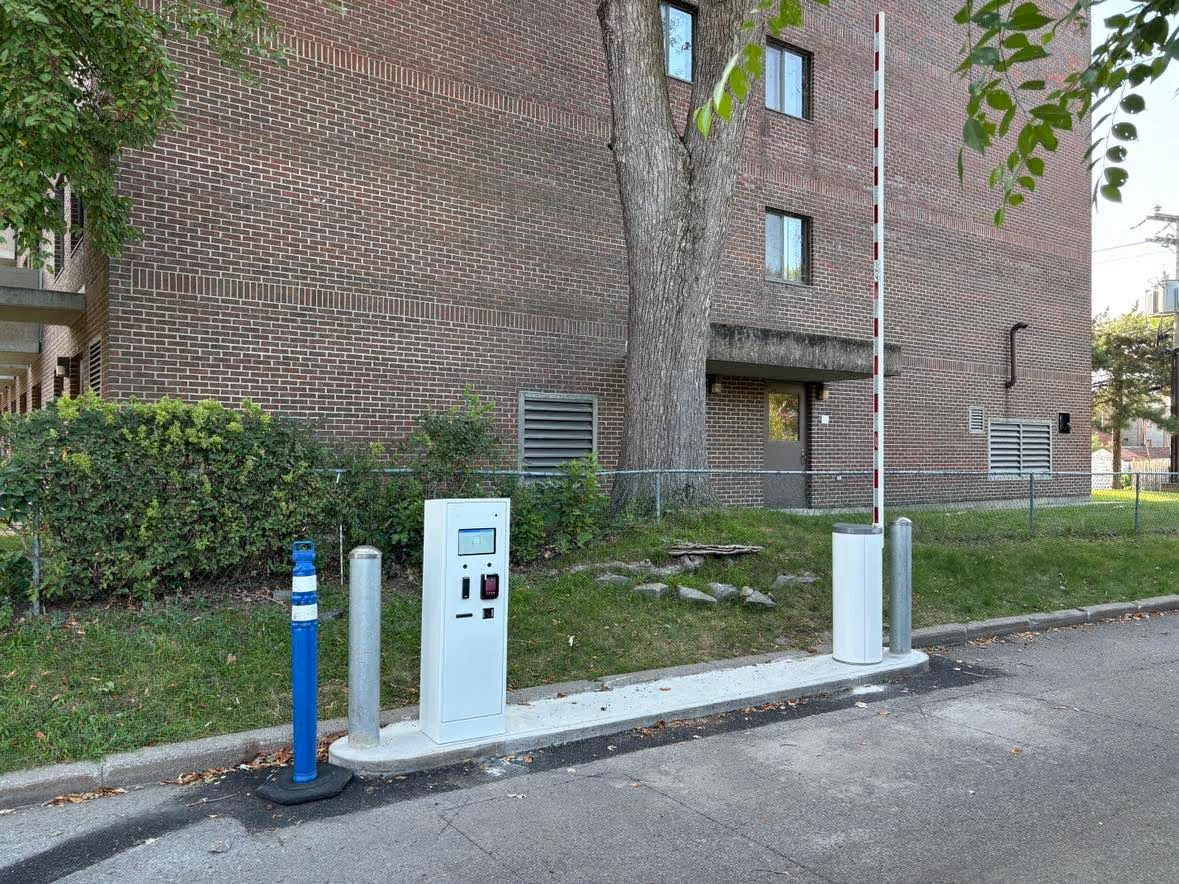
Specify a Lexoh UHF9DBI reader for the intended lane. Share the approach, vehicle types and existing credentials so Lexoh can review the reader selection and required site tests.
Discuss the project