



Parking planning guide
Parking entrance acceptance checklist
Ask the installer to demonstrate the complete arrival and departure process, including access rules, payment and assistance. Confirm the evidence, unresolved items and operating handoff before acceptance.
Start with the operation
A working device is one part of a working entrance.
Acceptance compares the installed operation with the approved scope. A barrier opening once does not prove that an expired permit is rejected, a payment is associated with the correct stay or staff can resolve an exception.
Agree on scenarios and responsibilities before commissioning. Ask the installation team to explain the model-specific procedures, protective functions and controlled interruption tests. The qualified team performs these checks using the approved equipment instructions.
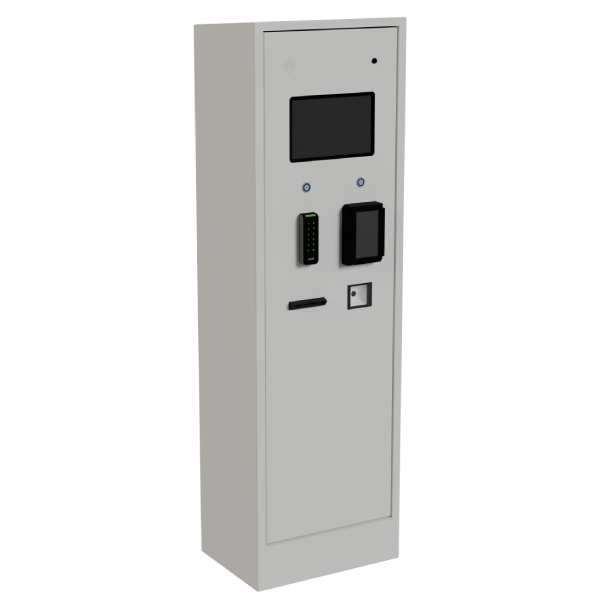
For a Lexoh entrance, define how the access software, readers, kiosk, barrier and any payment or assistance service participate in the agreed tests. Record who supplies, configures and demonstrates each part; the final scope depends on the project.
Decision sequence
Define, observe, resolve and hand over.
-
Prepare
Confirm scope, configuration, participants and approved procedures.
-
Demonstrate
Run the agreed normal and exception journeys.
-
Record
Capture expected and observed results with evidence references.
-
Resolve
Assign defects, corrections and required repeat checks.
-
Hand over
Confirm operating instructions, contacts and open-item ownership.
Before commissioning
Make the acceptance session ready to answer real questions.
Agree on a working configuration before the session: equipment references, the current lane plan, operating hours, access groups and the payment or assistance functions included. Give the participants the same scenario list so the owner, installer and operator are reviewing the same expected behavior. Identify prerequisites still outstanding, such as a connection supplied by another trade or an account controlled by the owner.
Use designated test accounts or credentials for the agreed journeys and identify who may operate them. The installation lead coordinates the checks involving field equipment, and the operating team explains what it will do when a driver needs help. Where the site remains in use, agree how demonstrations and ordinary traffic will be separated before the session starts.
An unavailable dependency should be recorded as an unfinished check with an owner and a follow-up arrangement. For example, an assistance call cannot demonstrate the final answering procedure if the team that will answer it has not been connected or briefed. Agree what can be reviewed that day and what must be demonstrated before the affected service is handed over.
Include the decisions around the barrier.
Scroll horizontally to read every column.
| Area | What acceptance must establish | Evidence to retain |
|---|---|---|
| Identity and rights | The correct lane responds to permitted and refused journeys. | Test account/credential reference, applicable rule and event. |
| Physical passage | The agreed approach, stopping and departure sequence matches the design. | Approved procedure, configuration and installer findings. |
| Payment, if included | Confirmed transactions and access results can be associated and explained. | Anonymized transaction/stay references and observed outcome. |
| Assistance | The call reaches the agreed destination and the operator can follow the authorized procedure. | Call routing, operator role and response record. |
| Interruption and recovery | The agreed behavior is demonstrated by the qualified team. | Approved method, observed states and recovery record. |
| Operating handoff | Staff can perform the assigned tasks and find support. | Training record, manuals, account ownership and open items. |
Example: an expired visitor access right
Scenario: a temporary visitor right has passed its approved end time. Expected result: the configured access policy refuses that right and the driver has the agreed assistance path. The record should identify the test right, time, lane, applicable rule and the observed response.
Ask the installer to demonstrate this case and explain the observed response against the approved rule. If the result differs, identify the issue, the person responsible for correction and the check that must be repeated before the case can be accepted.
Keep a usable operating record after installation.
Record exact equipment and software/configuration references, manuals, the final lane plan and authorized administration roles. Provide the agreed service contacts and instructions for reporting a problem without exposing passwords, card keys or personal data.
An open item needs an owner, an agreed action and a decision on whether the affected operation may be used. The responsible project team makes that decision. Ask which checks must be repeated after a moved reader, revised stopping point or new vehicle type.
-
Existing field evidence
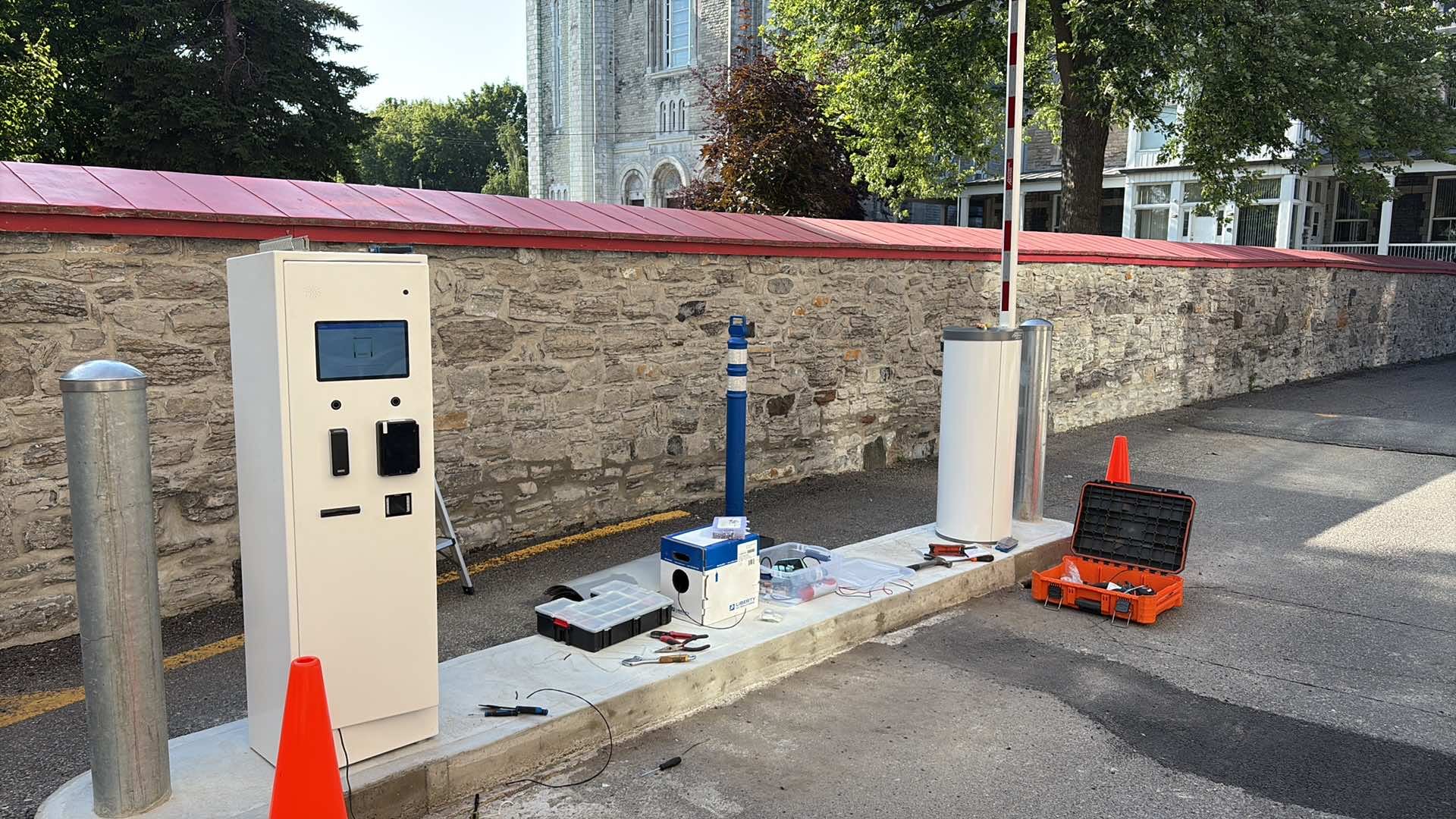
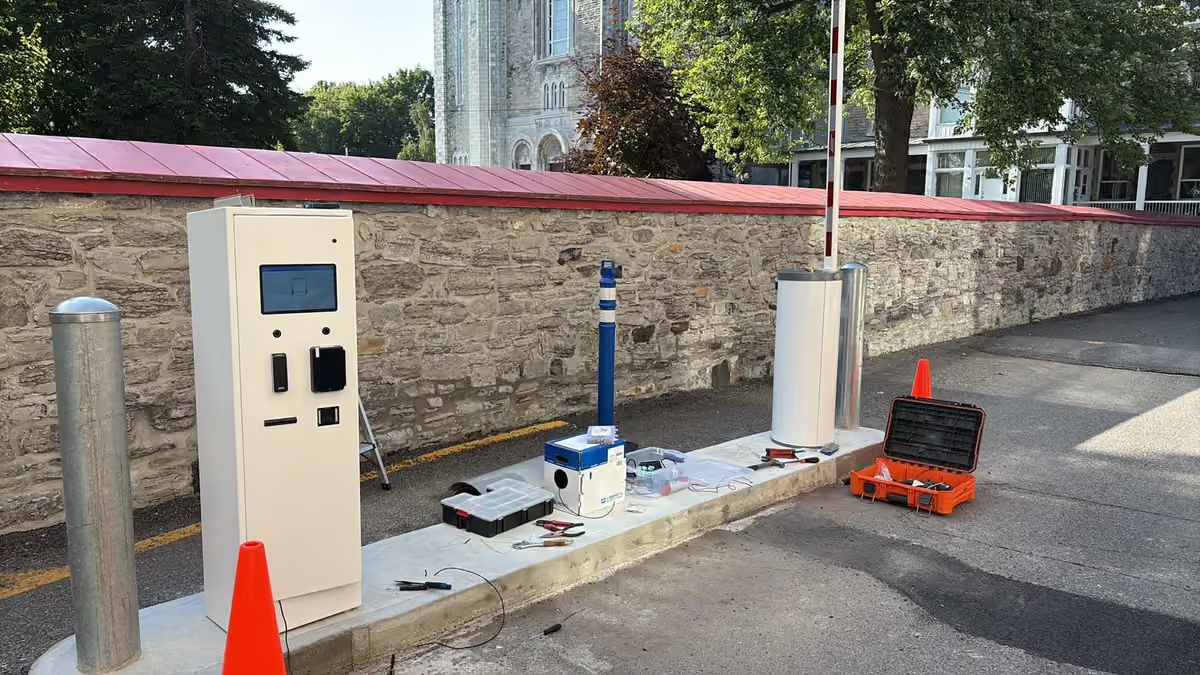
The Collège Sainte-Anne photograph shows a Lexoh kiosk, a raised barrier and installation tools. It documents the physical installation; it does not establish test results or replace the site’s signed acceptance record.
After the demonstration
Use the first operating period to complete the handoff.
A commissioning demonstration uses planned participants and scenarios. Agree on a follow-up after ordinary users have encountered the entrance so the team can review unclear instructions, assistance requests and differences between the planned and actual approach. Identify which observations are operating adjustments and which require the installer to investigate the equipment or configuration.
Illustrative example: a delivery driver stops short of the intended reader position and calls for help. First compare the driver’s approach with the approved lane plan and instructions. If a sign, stopping point or device position needs to change, assign the decision to the responsible team and ask which parts of the journey must be checked again after the change.
Close the handoff with a current set of records and responsibilities. Confirm who maintains the lane plan and operating instructions, who follows open issues and how the next operator finds the service contact. Review test accounts and temporary permissions so the operating team knows which are retained for an agreed purpose and which are removed or disabled by an authorized administrator.
Project checklist
Questions to ask before accepting the parking entrance
Ask the installer to demonstrate the agreed operation and provide the supporting records. Review the results with the people responsible for owning and operating the site.
-
Which approved scope, configuration and procedures will the acceptance review use?
Request the final equipment references, lane plan and agreed scenarios before commissioning. Confirm who runs the checks, who witnesses them and who can approve the results.
-
Can you demonstrate both a valid access right and an expired or refused right?
Ask for the applicable rule, test credential or account reference and observed lane response. Confirm the assistance path for the refused journey and retain the result without exposing personal credentials.
-
Can you show that each credential or plate activates only its intended lane?
Request a demonstration using the planned stopping positions and relevant adjacent traffic. Ask how staff distinguish an identification error from an incorrect lane association.
-
Has the complete approach, stop and departure sequence been checked with our vehicles?
Ask for the installer’s findings for the vehicle types and trailers in the approved scope. Confirm that detection and protective functions were verified using the selected equipment’s approved procedures.
-
If payment is included, can the team trace a transaction to the correct stay and access result?
Request a demonstration of the configured payment journey and a case needing investigation. Ask which transaction references and operating records let staff explain the result without retaining sensitive payment data in the test report.
-
Does an assistance call reach the right team, and can that team complete its authorized response?
Ask to verify call routing, audio and the operator’s permitted actions. Include the agreed procedure for an unreadable credential, an unanswered call or a driver who still cannot proceed.
-
What interruption and recovery behavior has the qualified team demonstrated?
Request the approved method, observed states and recovery findings for the agreed scenarios. Ask which conditions require assistance or prevent returning the lane to normal service.
-
Can our operators perform the tasks assigned to them after training?
Ask staff to demonstrate the agreed administration, assistance and problem-reporting tasks. Confirm their account roles, the training record and where to find manuals and current support contacts.
-
What remains unresolved, and who decides whether the affected operation may be used?
Request a named owner, correction and target date for each open item. Agree which checks must be repeated after a correction and who reviews the new evidence.
-
What final records and support arrangements will be handed over?
Request the installed equipment list, final drawings, configuration references, acceptance results and warranty or service terms. Confirm where the operating team can find them and who keeps them current after changes.
Practical questions
Before you finalize the project
Who should approve a parking entrance acceptance record?
Identify the responsible owner representative, installation lead and operating team in the project plan. Each should review the parts within their responsibility. The contract, equipment instructions and applicable requirements determine any additional sign-off; a generic checklist does not replace them.
Should every exception be tested by interrupting equipment?
No. Use only the methods approved for the selected equipment and site. The qualified team determines how to demonstrate a fault or interruption safely. Never bypass a protective device or create an uncontrolled hazard to perform a check.
What should happen to test accounts and credentials after commissioning?
Have the authorized administrator review them with the operating team. Remove or disable temporary permissions that are no longer needed and document any test access retained for an agreed service purpose. Confirm its owner and permitted use so commissioning access is not left as an unexplained exception in everyday operation.
Who should keep the acceptance records when the installer and operator are different companies?
Name the record owner in the handoff and give each responsible party access to the documents it needs. The owner’s copy should identify the accepted configuration, results, open items and service contacts. Agree who updates it after a correction or operating change, so the next team does not rely on an obsolete commissioning version.
References and further reading
- Lexoh Collège Sainte-Anne installation
Photographic installation evidence; no site-specific acceptance results are reproduced.
- DASMA — gate operator safety, TDS 356
General industry reference: consult the operator manufacturer for acceptable protective devices. The selected equipment instructions govern the project checks.
- LEXOH barrier installation and operating handoff
Existing project scope includes configuration, commissioning, operator training and agreed support.
Project review
Plan the handoff before installation.
Share the lane plan and operating requirements with Lexoh. Define the equipment, software, installation responsibilities and acceptance evidence in the project scope.
Discuss your site