



Vehicle detection
Ground loops vs virtual loops at a parking entrance
The phrase “virtual loop” can describe different detection technologies. Before comparing it with a ground loop, ask what detects the vehicle and what that signal is expected to control.
The decision
Specify the function first
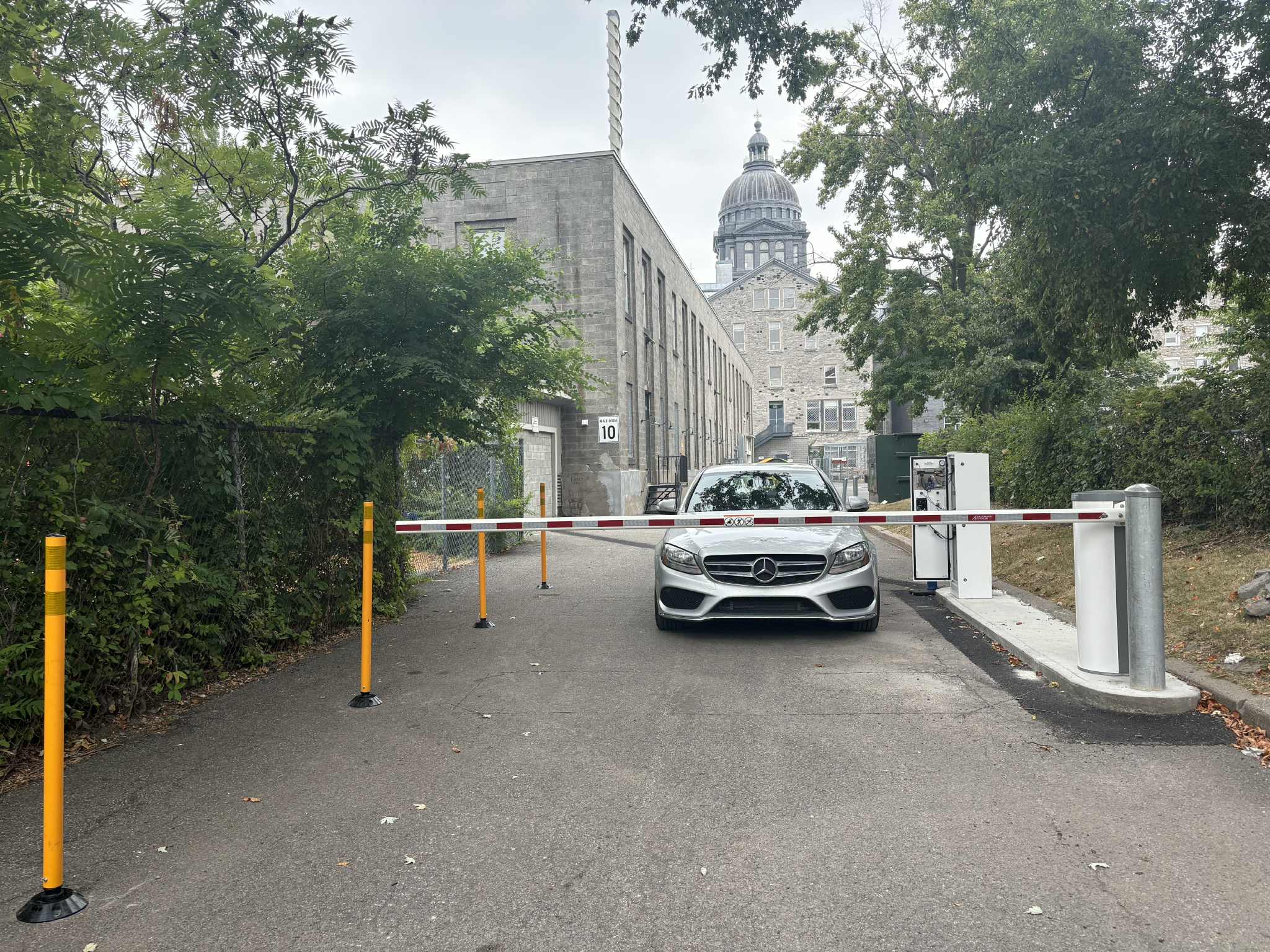
A lane may need detection to trigger a reader, indicate presence, count a passage or support the barrier’s operating sequence. Those are separate jobs. A detector suitable for counting is not automatically suitable for a protective function.
Select equipment with the barrier installer and follow the operator’s requirements. A general camera detection zone should not be treated as a substitute for a required safety device without documented suitability.
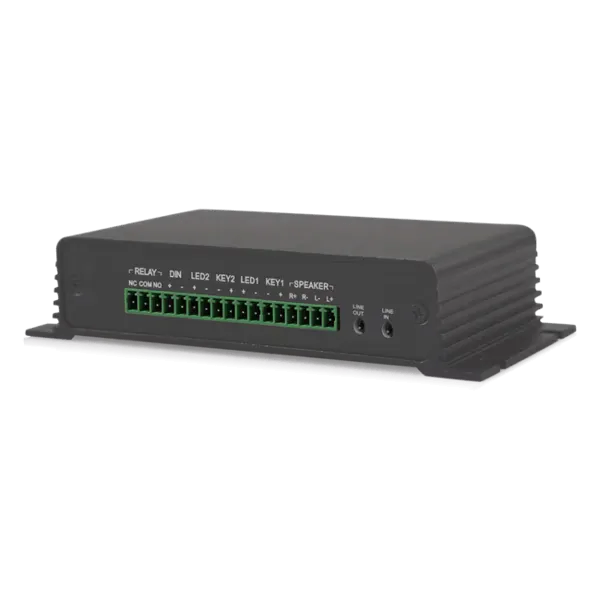
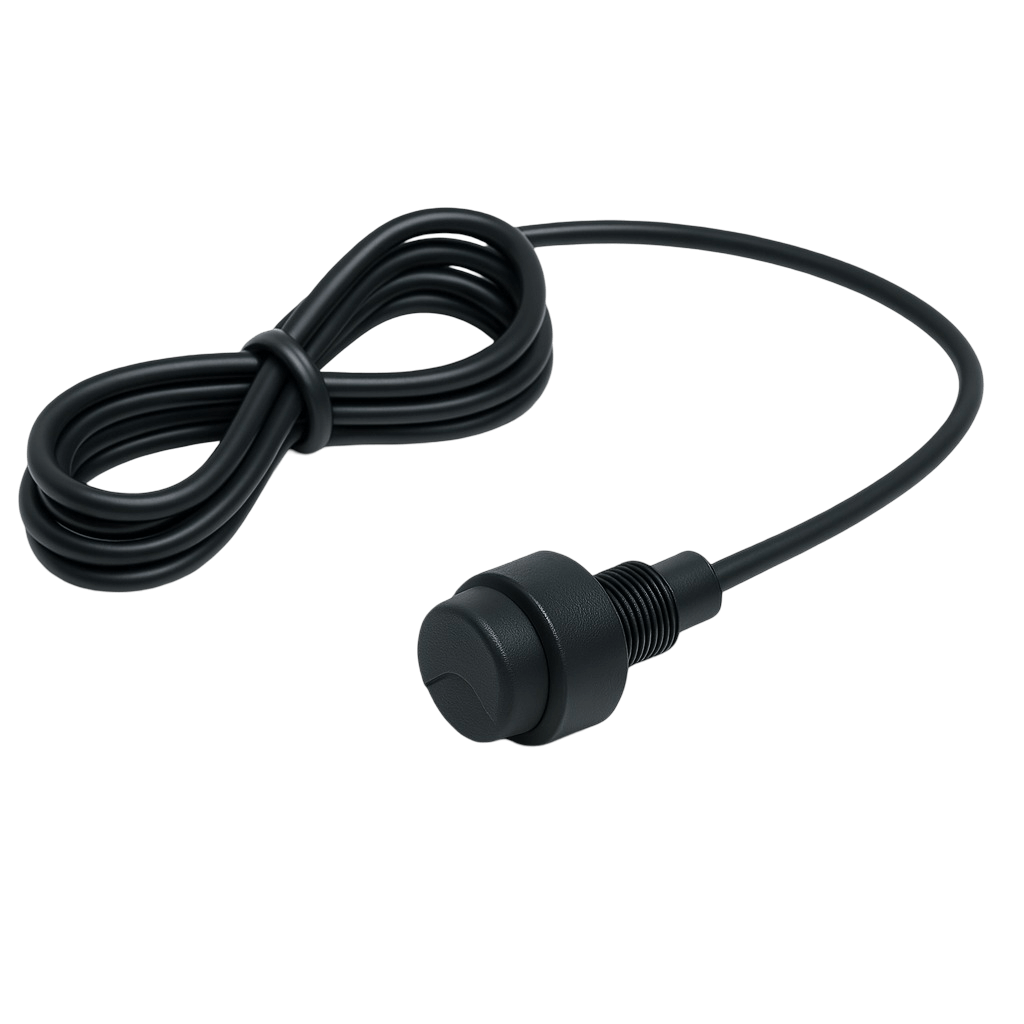
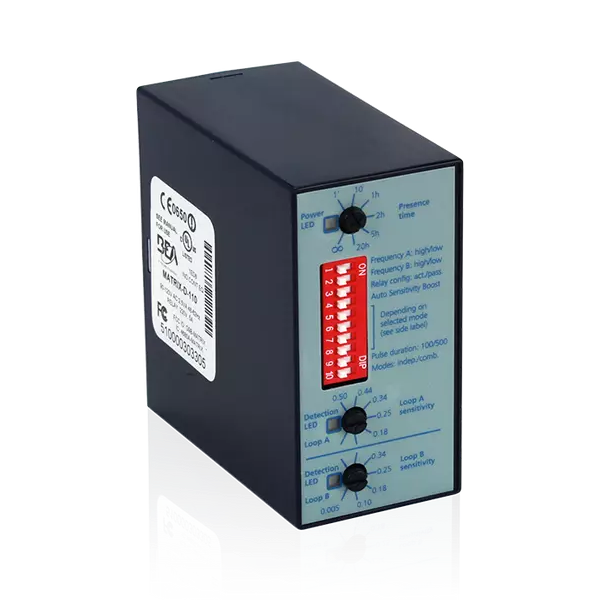
The Lexoh catalogue includes induction loops, loop detectors and I/O controllers for parking and access projects. The loop senses the vehicle, the detector provides a state, and the controller connects that state to the configured lane sequence. Confirm each model’s interfaces and intended function with the installer.
Ground loops: review the pavement and installation
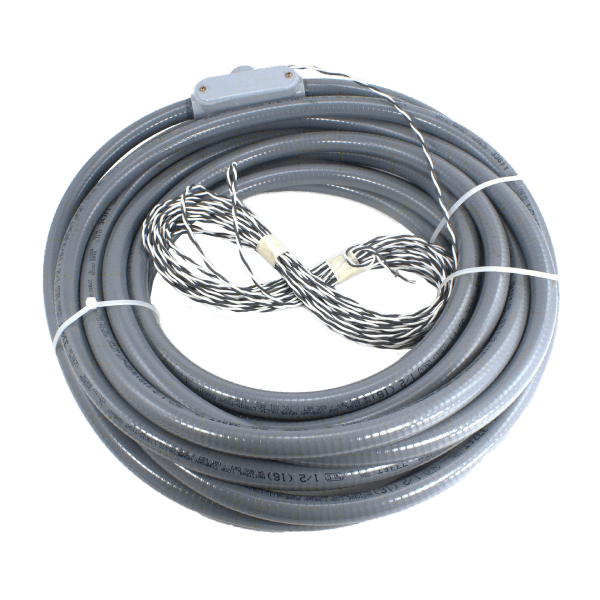
An inductive loop uses a wire circuit installed in or under the surface, connected to a detector. Its placement and configuration affect the detection area and vehicle response.
Assess pavement condition, joints, drainage, conduit routes and future resurfacing. The installation work matters as much as the detector. Record loop locations so later excavation or pavement work does not unknowingly damage them.
Radar and camera zones: define what “virtual” means
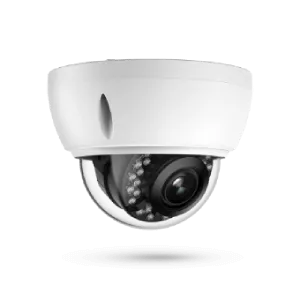
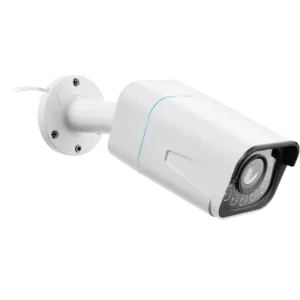
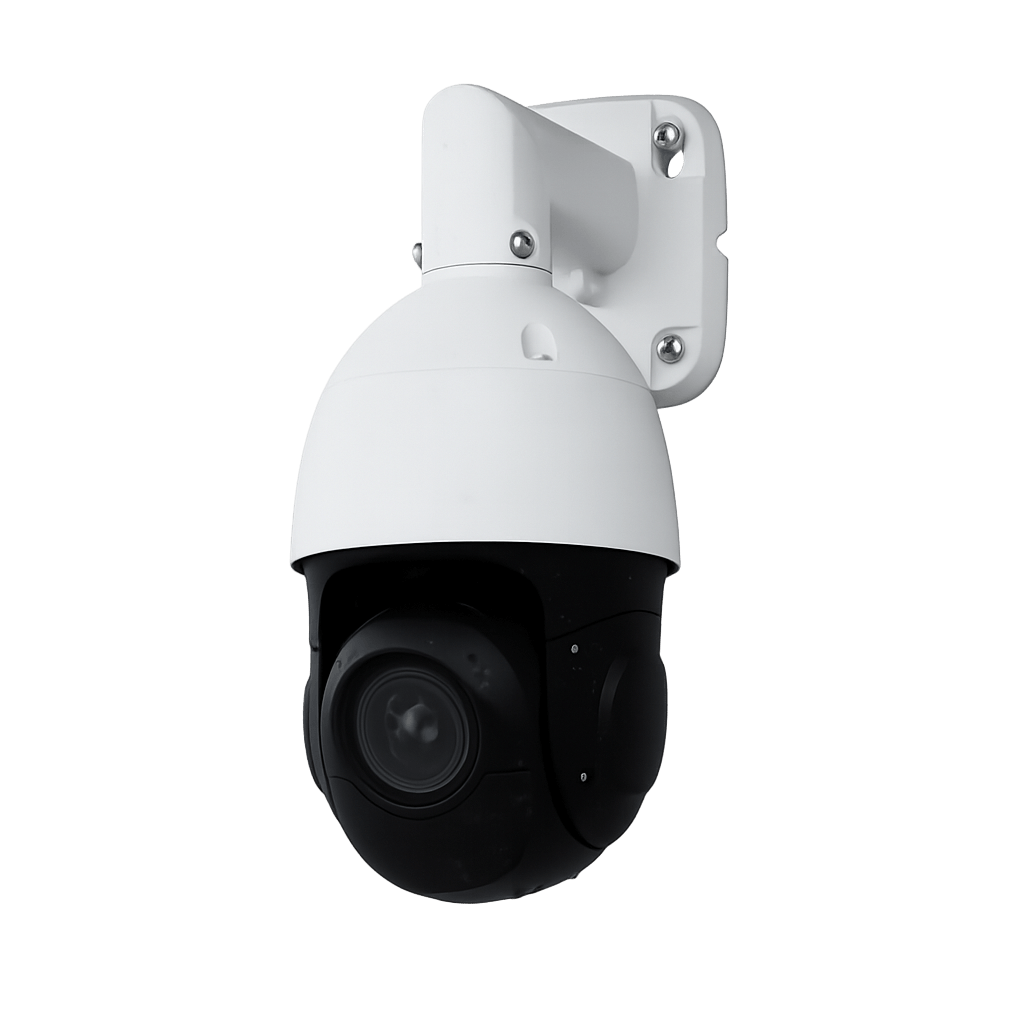
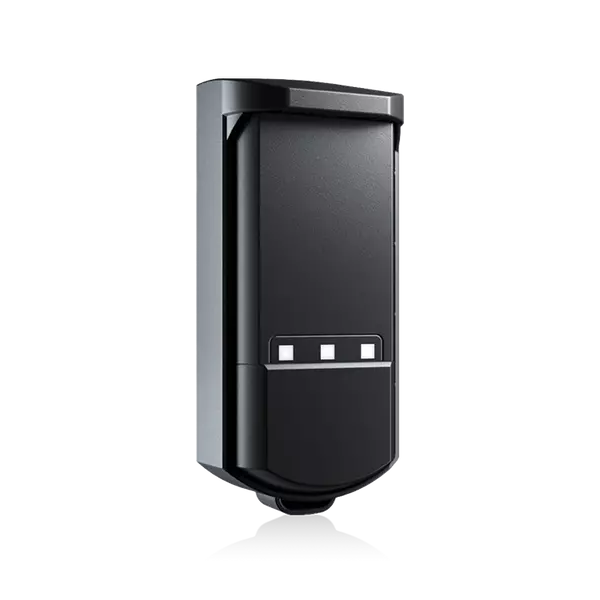
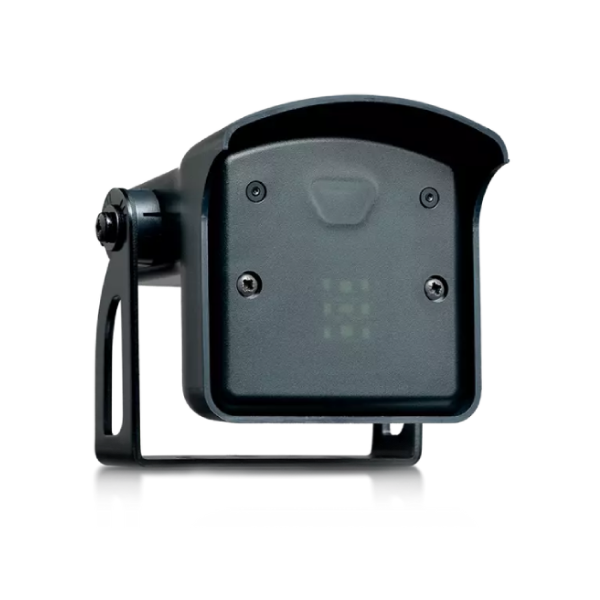
An above-ground detector can reduce the need to cut pavement, but it still needs power, mounting, alignment and a suitable interface. Radar and camera analytics have different operating characteristics; compare actual models for the intended task. Motion detection and stationary presence are different functions. Some sensors combine technologies; verify the exact model and output instead of assuming every radar maintains a presence signal.
Check stationary vehicles, adjacent traffic and the effect of the installation environment. For cameras, verify lighting, visibility and what happens when the view is obstructed. For every device, establish the output during a fault or disconnection.
On a narrow screen, scroll the table horizontally to see every column.
| Technology | Installation consideration | Check for the specified task |
|---|---|---|
| Inductive loop | Pavement, loop wire and detector | Vehicle mix and correct detection area |
| Radar | Mounting, alignment and output interface | Stationary vehicles and adjacent traffic |
| Camera zone | Field of view, lighting and processing | Visibility, obstruction and fault behaviour |
Test the vehicles the site receives
Use representative cars, motorcycles, high-clearance vehicles and trailers where relevant. Check vehicles stopped in the zone, moving slowly and entering close together. Trailer combinations deserve a specific review because gaps and vehicle geometry can affect the sequence.
These are acceptance scenarios for a qualified installer. Protective tests should follow the manufacturer’s approved method; do not improvise a test by putting a person under moving equipment.
Keep the detection plan with the site records
Document each detection area, its purpose, input connection and expected fault behaviour. Include who can adjust it and how changes are checked after maintenance.
Lexoh’s vehicle-detection guide can help frame the discussion. The final design should establish a verified passage sequence for the selected equipment, rather than choose a technology from a generic ranking.
Questions
Practical questions
Will a radar detect a vehicle that has stopped?
That depends on the exact sensor and function. A motion output alone does not establish stationary presence. Ask for the model documentation, output behaviour and a site test with the vehicle stopped in the intended zone.
What should be checked after resurfacing or moving a sensor?
Have the installer inspect affected loops, wiring, mountings and settings, then repeat the agreed lane tests. Update the detection plan and record the results before relying on the changed sequence. Do not compensate for an unexplained fault by bypassing a protective input.
Does a virtual loop always use a camera?
No. Ask the supplier to identify the technology, model and detection function behind that description.
Can one detector handle every lane function?
Only if the proposed equipment and layout support those functions. Require a documented design and acceptance tests.
References and further reading
- Vehicle detection guide
Lexoh product or project reference.
- Parking entrance acceptance checklist
Lexoh product or project reference.
- DASMA: Automatic Vehicular Gate Operating Systems, TDS 352
General gate-system safety considerations; the selected equipment’s instructions govern the installation.
Your project
Define the detection sequence
Review the lane layout, vehicle mix and barrier requirements with Lexoh and the installer.
Discuss the project