Parking barrier retrofit
Retrofitting a parking barrier: what can stay?
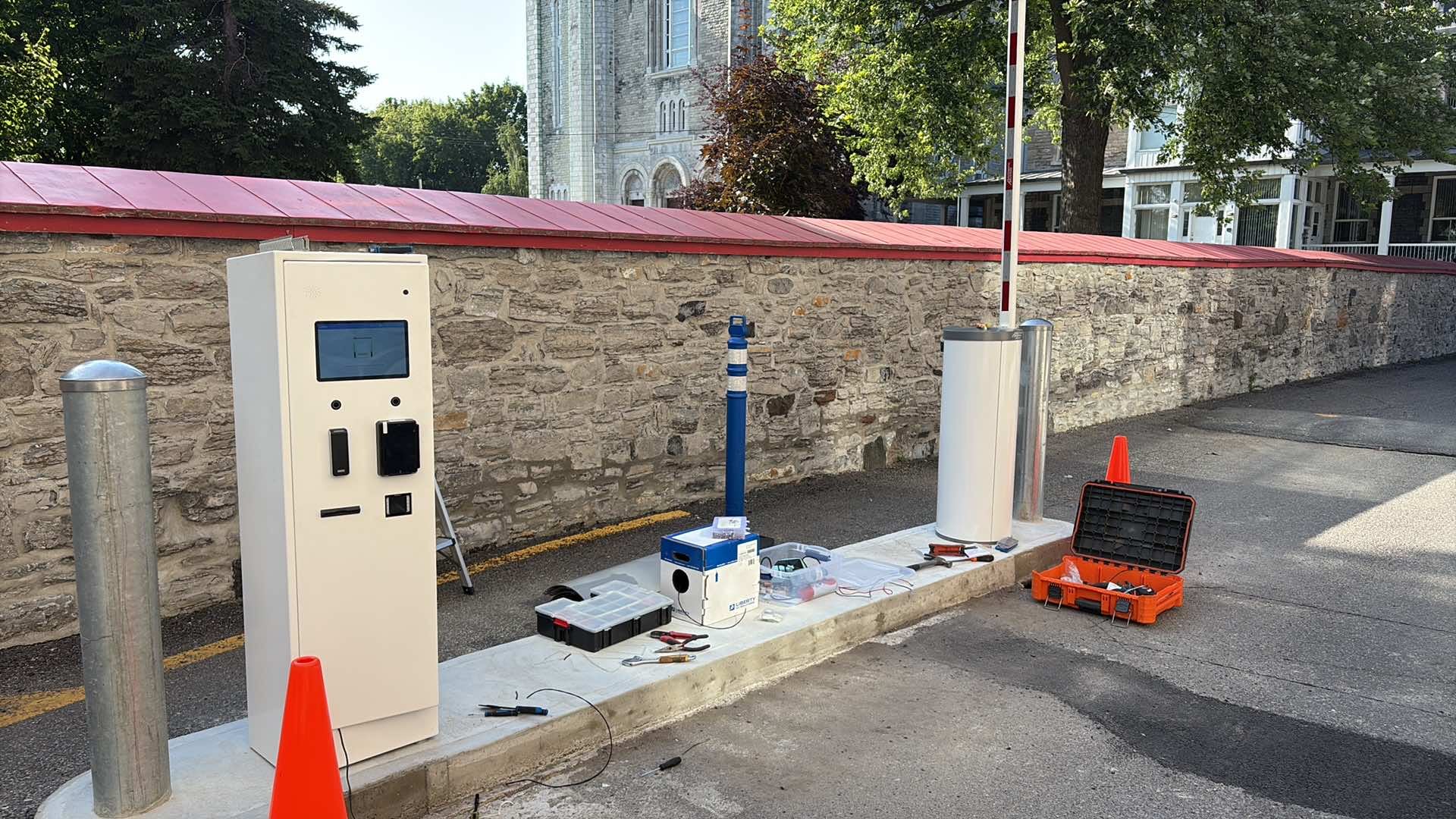
A serviceable barrier may be worth retaining when its access controls are replaced. The decision needs an equipment survey, not an assumption that every barrier accepts the same connection.
The decision
Separate mechanical condition from control compatibility
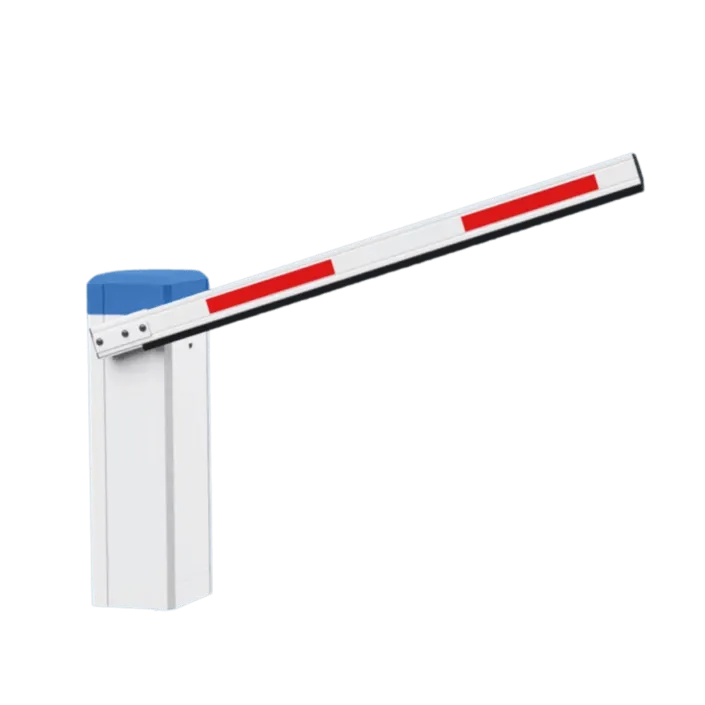
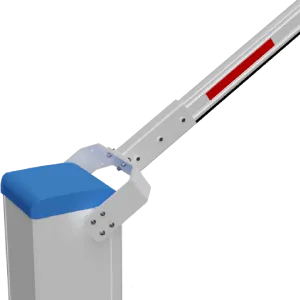
Record the barrier model, operator, control board, documentation and maintenance history. Inspect the arm, cabinet, foundations and protective equipment through a qualified installer.
A documented command input can make connection possible. It does not establish that the existing installation is safe, reliable or economical to keep.
Lexoh can review existing equipment as part of an access modernization project.
Trace the existing sequence
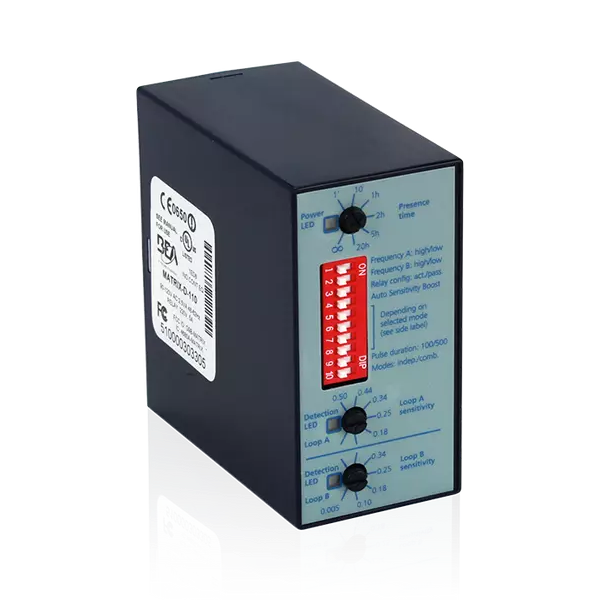
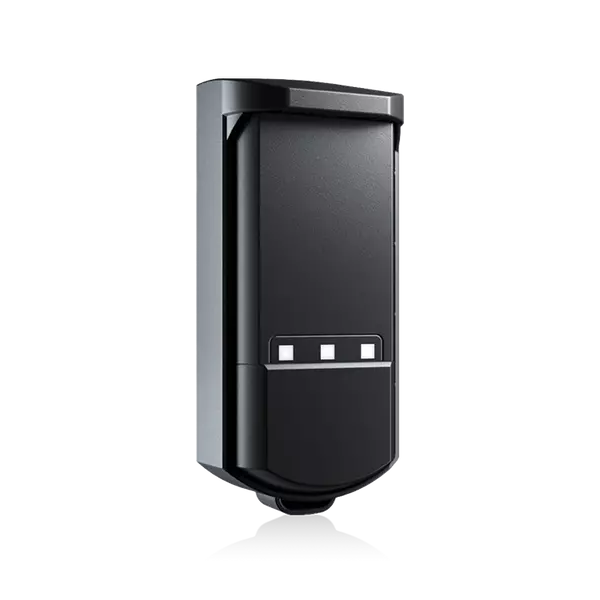
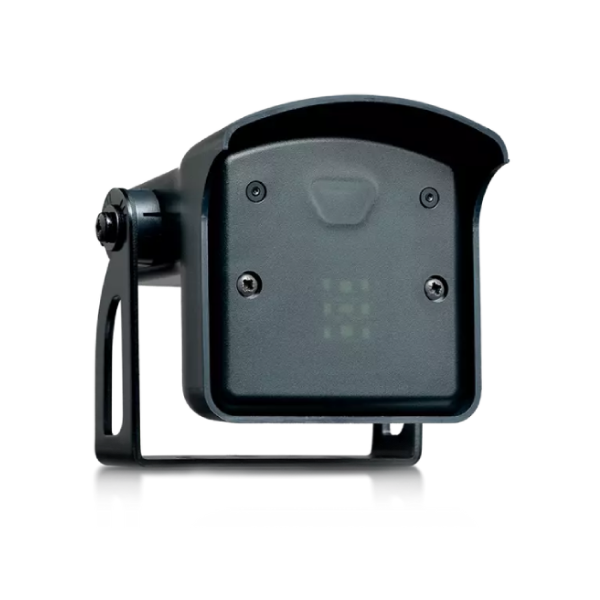
Identify which device requests opening, what keeps the arm from closing on a vehicle and what confirms passage. Map the loops, radar or other sensors to their actual functions.
Document manual controls, emergency procedures and any scheduled opening. Preserve the operator’s protective logic when connecting a new access controller. A remote relay must not become a shortcut around required safety functions.
Check the infrastructure before the quotation
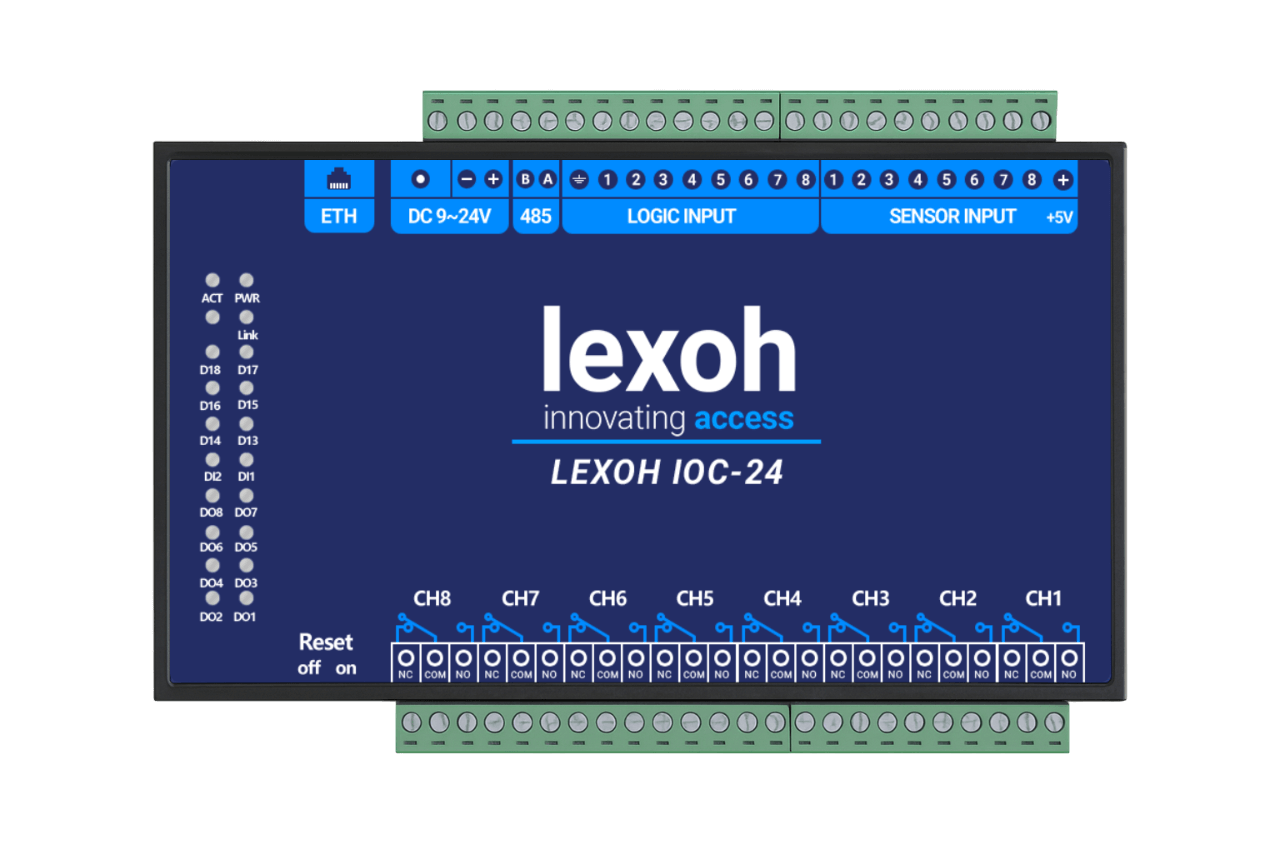
Inspect power supplies, surge protection, cabling, conduits and the communications route. Determine whether the new controller needs inputs or feedback that the old installation does not provide.
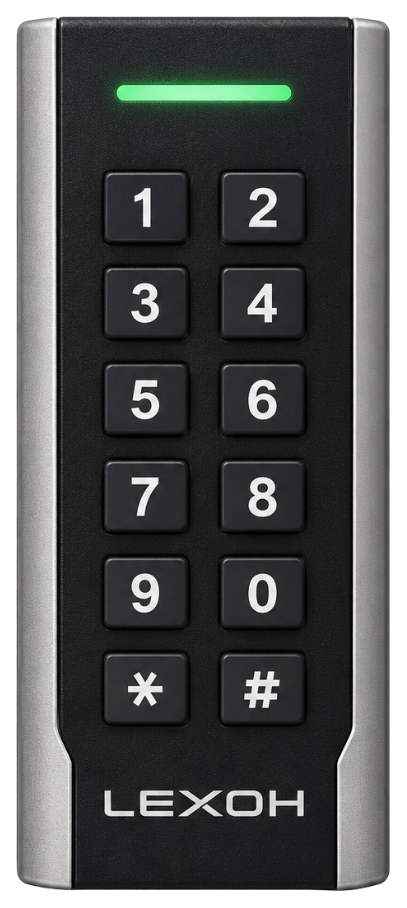
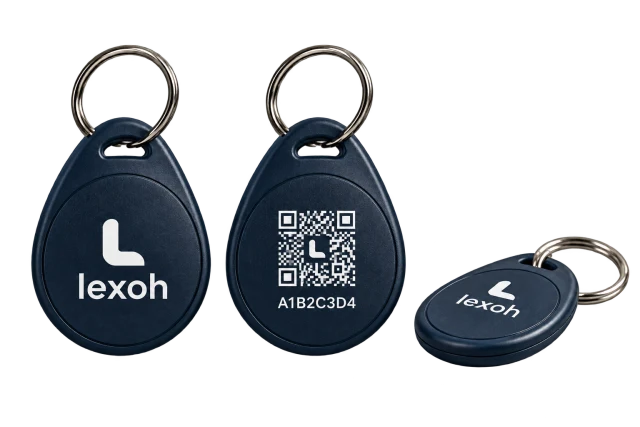
Readers also need a compatibility check. If existing cards are retained, test their technology and encoding with the proposed reader. Include database cleanup and reissuance where records are incomplete.
On a narrow screen, scroll the table horizontally to see every column.
| Existing equipment | Evidence to collect | Decision to document |
|---|---|---|
| Arm, operator and foundation | Model, maintenance record and installer inspection | Retain, repair or replace the mechanical assembly |
| Control board and connections | Exact board reference, manual and required feedback | Confirm the proposed interface and support availability |
| Vehicle detection | Device role, placement and approved functional checks | Preserve the protective sequence and identify gaps |
| Cards and readers | Credential technology, encoding and sample tests | Reuse compatible credentials or plan reissuance |
Specify the cutover and acceptance
Choose when the lane can be unavailable and who manages vehicles during the work. Keep a documented recovery option if commissioning reveals a problem. Train the staff who handle exceptions before switching the entrance into normal service.
Test valid and revoked credentials, vehicle presence, manual operation and network loss. Test power-loss behaviour separately. Record what continues locally, what waits for reconnection and what requires a person on site.
Compare retention with replacement fairly
A retrofit proposal should itemize retained equipment, new controls, civil work, repairs and support responsibility. A low initial price can conceal a worn operator or an unsupported control board.
The useful outcome is a clear scope: what stays, why it stays and who maintains it after the change.
Questions
Practical questions
Can we keep our existing access cards?
Possibly, after checking the credential technology, encoding, reader interface and user records. Test representative cards with the proposed reader and controller, including a revoked credential. Matching card appearance or frequency alone does not establish compatibility.
What should a retrofit quotation separate?
Ask for retained equipment, required repairs, new controls, detection changes, cabling, civil work, commissioning and staff training as distinct items. Identify who supports each retained component and what happens if it fails after cutover.
Is a dry-contact input enough to approve a retrofit?
No. It establishes only one interface. The operating sequence, feedback, protective devices and equipment condition still need review.
Will the new system work offline?
That depends on the selected controller and stored configuration. Include a documented outage test in the handover.
References and further reading
- ELKA: Controllers
Manufacturer controller families illustrate why the exact operator and board reference matter. This does not establish compatibility with every Lexoh configuration.
- Access control upgrade checklist
Lexoh product or project reference.
- Parking entrance acceptance checklist
Lexoh product or project reference.
- DASMA: Automatic Vehicular Gate Operating Systems, TDS 352
General gate-system safety considerations; the selected equipment’s instructions govern the installation.

Your project
Assess the equipment you already own
Send Lexoh the barrier models, available documentation and photographs of the control equipment for an initial scope review.
Discuss the project