
Access-control buying guide
Access-control costs: what to budget for.
For building owners, facility teams and integrators: budget for door hardware, credentials, controllers, installation, software and ongoing service. Use this guide to compare complete quotes for the same entrances and operating needs.
 Enlarge photo
 Count the physical work
Start with a door schedule, not a price per reader.
Lexoh combines cloud services with an offline mesh network that lets devices communicate locally when the internet connection is unavailable. For the budget, separate cloud services from local equipment, network preparation and power. Offline communication does not replace electrical power; identify any backup-power equipment and installation as a separate part of the site design.
Assign a reference to each controlled opening: main entrance, staff door, shared room or vehicle lane. Record who uses it, the allowed direction of travel, the required credential and the existing hardware. A door, a reader and a controller are different quantities; record each separately.
Give bidders the same survey and required operating outcome. One proposal may include an electrified lock, cable route and commissioning while another covers only a reader and software. A lower total is not a meaningful comparison until those boundaries match.
Four purchasing steps
Turn a site survey into a comparable proposal.
-
Survey
Record every opening, existing hardware, cable route and network dependency.
-
Allocate
Separate equipment dedicated to an opening from shared controllers and services.
-
Resolve
Assign exclusions and assumptions to a named supplier or owner.
-
Compare
Use the same scope, currency, evaluation period and acceptance criteria.
Scope comparison
What belongs in the project total?
Ask each supplier to mark every line included, optional, excluded or awaiting a site check. An exclusion still needs an owner and a budget before the entrance can be completed.
Scroll sideways to see every column. With the table focused, use the left and right arrow keys.
| Cost layer | What to identify | What to resolve |
|---|---|---|
| Opening hardware | Readers, locks, door contacts and exit devices selected by the design | Door preparation, hardware condition, installation responsibility and approved exit arrangements |
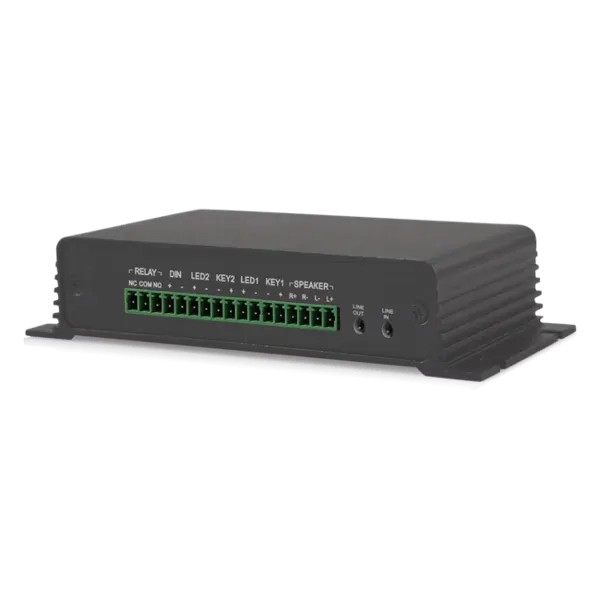
| Shared equipment | Controllers, enclosures, power equipment and network connections | Exact model, usable configuration, spare capacity and which openings share the cost |
| Cabling and site work | Surveyed routes, terminations, mounting and restoration | Who supplies pathways, power and network access; concealed work requiring a site check |
| Configuration | Credentials, roles, zones, schedules and required interfaces | Initial setup, data preparation, supported integration scope and acceptance evidence |
| Handover | Commissioning, operator training and records | Tests, named approver, account handover, drawings and support contacts |
| Continuing costs | Licences or subscriptions, connectivity, support and planned changes | Billing basis, term, renewals, exclusions and responsibility after handover |
Illustrative quote comparison
Compare quotes for the same finished entrance.
Imagine two suppliers pricing the same office entrances. Both list the readers, but only one includes preparing a door, pulling cable and training the person who will issue credentials. The equipment totals describe different amounts of work. Give the second supplier the missing scope and request a revised installed total before choosing.
Use one comparison with a row for each deliverable and a column for each proposal. Keep the supplier’s quoted amount intact, then identify separately any owner-paid work needed to complete that proposal. When an item remains unpriced, show it as unresolved; treating an unknown amount as zero makes the comparison misleading.
Scroll sideways to see every column. With the table focused, use the left and right arrow keys.
| Work needed | Proposal A | Proposal B: clarification required |
|---|---|---|
| Readers and control equipment | Selected equipment is listed. | Match quantities, models and the proposed control arrangement. |
| Existing staff-door preparation | Preparation and installation are included. | Equipment only: add the work or identify the contractor and its separate quote. |
| Cable route and restoration | Surveyed route and restoration are included. | Confirm the actual route, who opens and restores finishes, and the resulting cost. |
| Operator handover | Configuration review and training are included. | Define the training, administrative access and records included in the revised proposal. |
Illustrative example
Two doors do not automatically mean two identical packages.
Consider a fictional office planning a main entrance with a reader on each side and a staff door with an entry reader. Its schedule contains two openings and three reader positions. Those separate quantities give each bidder a consistent starting point.
The bids can now be compared against those same positions. The designer still confirms the controller arrangement, locking and exit hardware, power, wiring and software basis. If the existing staff-door hardware cannot be retained, add the replacement scope explicitly instead of hiding it in a general per-door figure.
Plan the next phase
Separate the work needed today from the cost of adding doors later.
A phased project can be useful when only some entrances are ready for construction. Define a complete first phase that operators can use and support, then list the later openings separately. Ask the designer which shared equipment or pathways should be prepared now and which decisions can wait.
For example, a fictional office may control its main entrance first and add a delivery door after renovations. The first quote should identify any confirmed spare capacity or cable preparation intended for that later door. The future phase still needs its own hardware, installation, configuration and commissioning scope. Buying a reader later is not the same as completing the opening.
-
Base project
List the openings, equipment, setup and handover required for the first phase to operate as agreed.
-
Future preparation
Identify the shared capacity or pathways being purchased now, the intended later use and the document confirming that arrangement.
-
Later change
Request a separate scope for new hardware, site work, updated permissions, any software or service changes, and testing across both phases.
Close the gaps
What should be settled before accepting a quote?
Return unresolved scope questions with the opening reference and required decision. Ask the supplier to revise the proposal or record an agreed exclusion and owner. Keep the final survey, equipment list and commercial terms together so later changes can be traced.
-
Site changes
Record work discovered after the survey, who approves it and how the revised scope is documented.
-
Acceptance
Name who verifies permitted and rejected access, credential changes, event review and agreed interruption behaviour.
-
Operational handover
Confirm who receives training, administrative access, equipment records and the ongoing support arrangement.
Project checklist
Questions to ask about each controlled opening
Walk through these questions with the installer for every entrance, staff door, shared room or vehicle lane in the proposal.
-
Which openings are included, and who needs to use each one?
Ask for a plan identifying the opening, user groups, directions of travel and permitted hours. Check that shared rooms and service entrances are included where needed.
-
How many reader positions does the design require at each opening?
Request the entry-side and exit-side arrangement separately from the door count. Have the designer identify the required exit devices and approved departure route.
-
Which existing locks, readers and door hardware can be retained?
Ask for the exact models, a condition assessment and the evidence supporting reuse. Identify replacements and preparation work in the proposal.
-
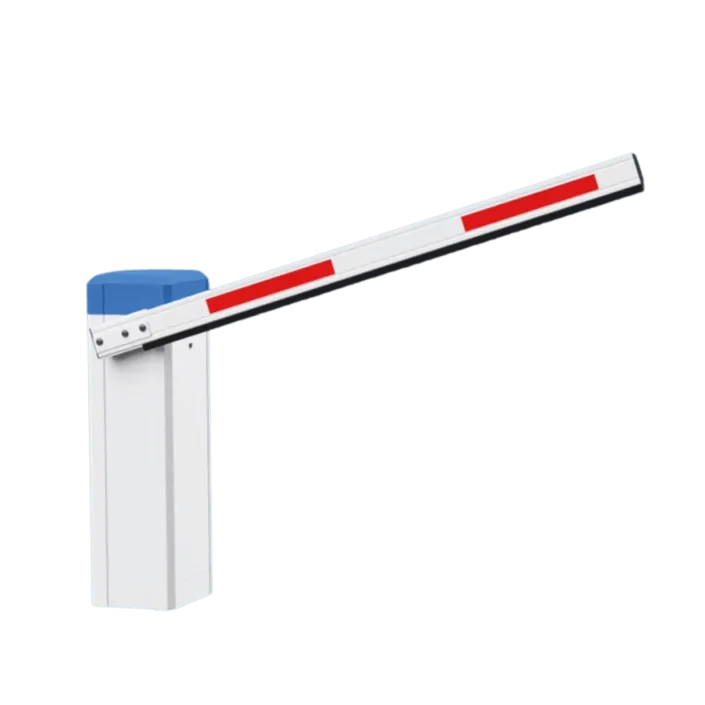
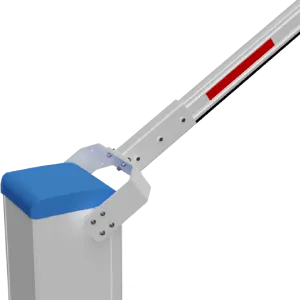
What changes are needed to the door, frame or barrier installation?
Request a clear division between supplied access equipment and physical preparation. Confirm who completes each task and any required restoration.
-
Where will power, cables and network connections come from?
Ask for the proposed routes, connection points and responsibility for providing them. Have concealed or inaccessible areas checked before final pricing.
-
Which credentials will each user group receive?
Confirm the exact credential and reader combination, how credentials are issued and who handles replacements. Ask how a visitor or contractor uses the same entrance.
-
How should the opening behave during an interruption?
Request the selected design’s documented behaviour for the relevant power or connection loss and its approved recovery process. Confirm the procedure with the installer.
-
What must be measured or photographed before the quotation is final?
Ask which dimensions, hardware labels, cable routes and site constraints remain unknown. Obtain a named contact for resolving each item.
Project checklist
Questions to ask before comparing access-control quotes
Use the same site requirements and evaluation period for every supplier. Ask for written clarification wherever the proposals cover different work.
-
Does each proposal cover the same openings and operating requirements?
Request a matching equipment list and scope for the same user groups, credentials and access rules. Have any difference explained before comparing totals.
-
Which costs are specific to an opening and which are shared?
Ask the supplier to separate dedicated hardware and labour from controllers, enclosures, power equipment and shared setup. Confirm how shared costs are allocated.
-
What work is included, optional, excluded or still subject to a site check?
Request an itemized scope that names the party responsible for excluded work. Include preparation, restoration and any owner-supplied services.
-
What are the one-time and recurring software or service charges?
Ask for the actual billing basis, frequency, included functions and service term. Confirm whether adding doors, users, sites or interfaces changes the agreed price.
-
What is included in initial configuration and data preparation?
Clarify credential setup, roles, schedules, supported imports and required interfaces. Ask who supplies and checks the source information.
-
Which commissioning, training and handover tasks are priced?
Request the agreed acceptance scope, operator training and equipment documentation. Identify who receives administrative access and who approves completion.
-
How do support, warranty and maintenance differ between the offers?
Compare the same period, covered equipment, tasks, visits and exclusions. Ask how travel, replacement parts and assistance outside agreed hours are handled.
-
Which commercial terms could change the final amount?
Request the currency, taxes, validity, payment milestones and renewal terms. Confirm the approval process for additional work discovered after the survey.
Quote questions
Compare quantities and responsibilities.
What changes the quote when several controlled doors share one controller?
Separate each opening’s hardware and labour from the shared controller, enclosure, power and network scope. Ask the supplier to identify the selected model, supported arrangement and any spare capacity required. Compare the same allocation across proposals; neither the number of readers nor the number of doors alone establishes the controller count or software cost.
Does the access-control proposal include electrified locks and door preparation?
Check the written scope for each opening. A proposal may include those items, list them as options or assign them to another contractor. Record who verifies the door’s condition, provides the selected locking hardware, completes the preparation and coordinates approved exit arrangements. Confirm these responsibilities before treating a reader-only quotation as a completed access point.
How are entry and exit readers counted in a door-by-door quote?
List the opening once, then record every planned reader position on its entry and exit sides. Identify the actual control arrangement and required exit devices with the designer. Keep controller capacity and software charging assumptions separate. Two reader positions at one opening do not, by themselves, establish two doors or a particular licence requirement.
Why can installation cost differ when two quotes use the same reader?
The reader may be identical while the work around it differs. Compare the door’s preparation, cable route, power and network provision, mounting, restoration, working hours and commissioning. Ask both suppliers to price the same surveyed conditions. If one assumes usable existing wiring and the other includes replacement, resolve that difference before treating their installation totals as equivalent.
How should warranty, maintenance and support appear in an access-control quote?
Request a separate description of each. Identify which equipment and work the warranty covers, the process for reporting a fault and any labour or visit charges stated in the terms. Then identify planned maintenance and ongoing software or operator support, including covered hours and exclusions. Use those descriptions to compare proposals; a warranty heading alone does not establish the full service scope.
References and further reading
- LEXOH access-control systems
Entrance, credential and operating scope to carry into the site-specific proposal.
- Cloud versus on-premise access-control guide
Compare hosting, support and lifecycle responsibilities over the same evaluation period.

Bring a consistent brief
Start the conversation with the actual openings.
Share the site, opening schedule, existing equipment and unresolved scope with LEXOH so the proposal can be assessed against the project.
Discuss an access-control quote