Public parking
Test arrival, payment, validation and an assisted exit.
Explore public parking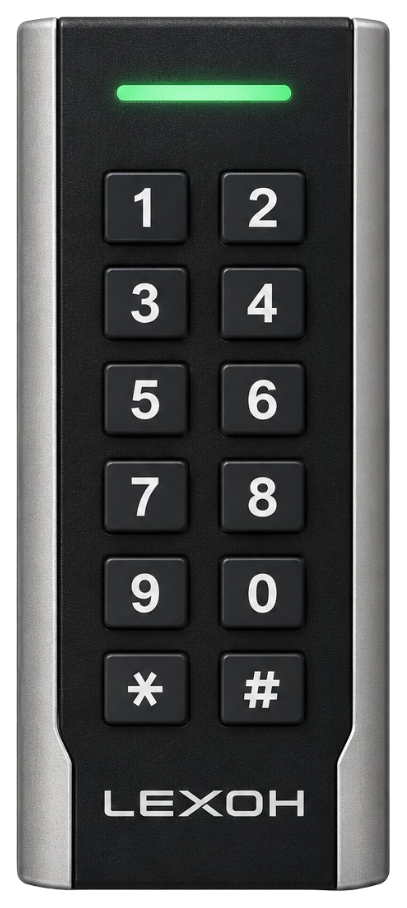
Card-based credential reader
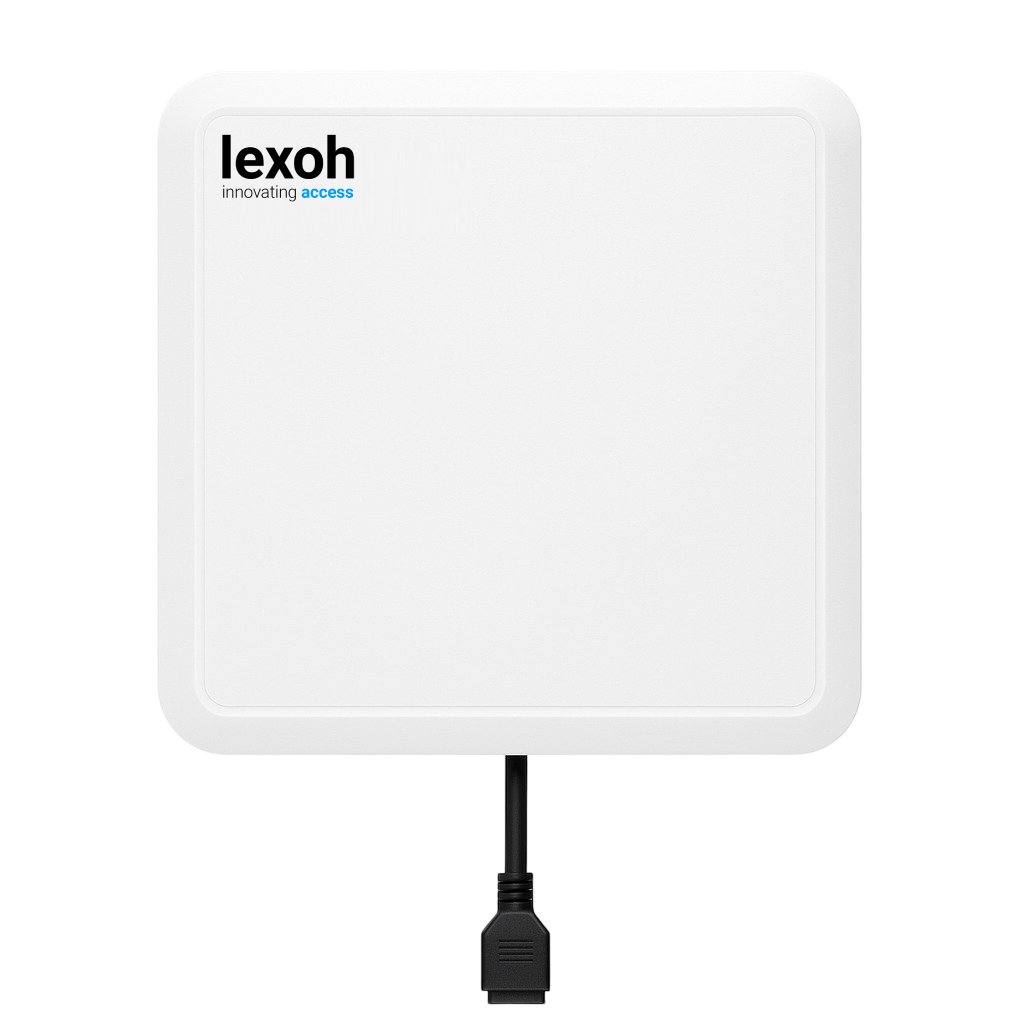
UHF credential reader
QR and barcode credential reader

Device input and output controller
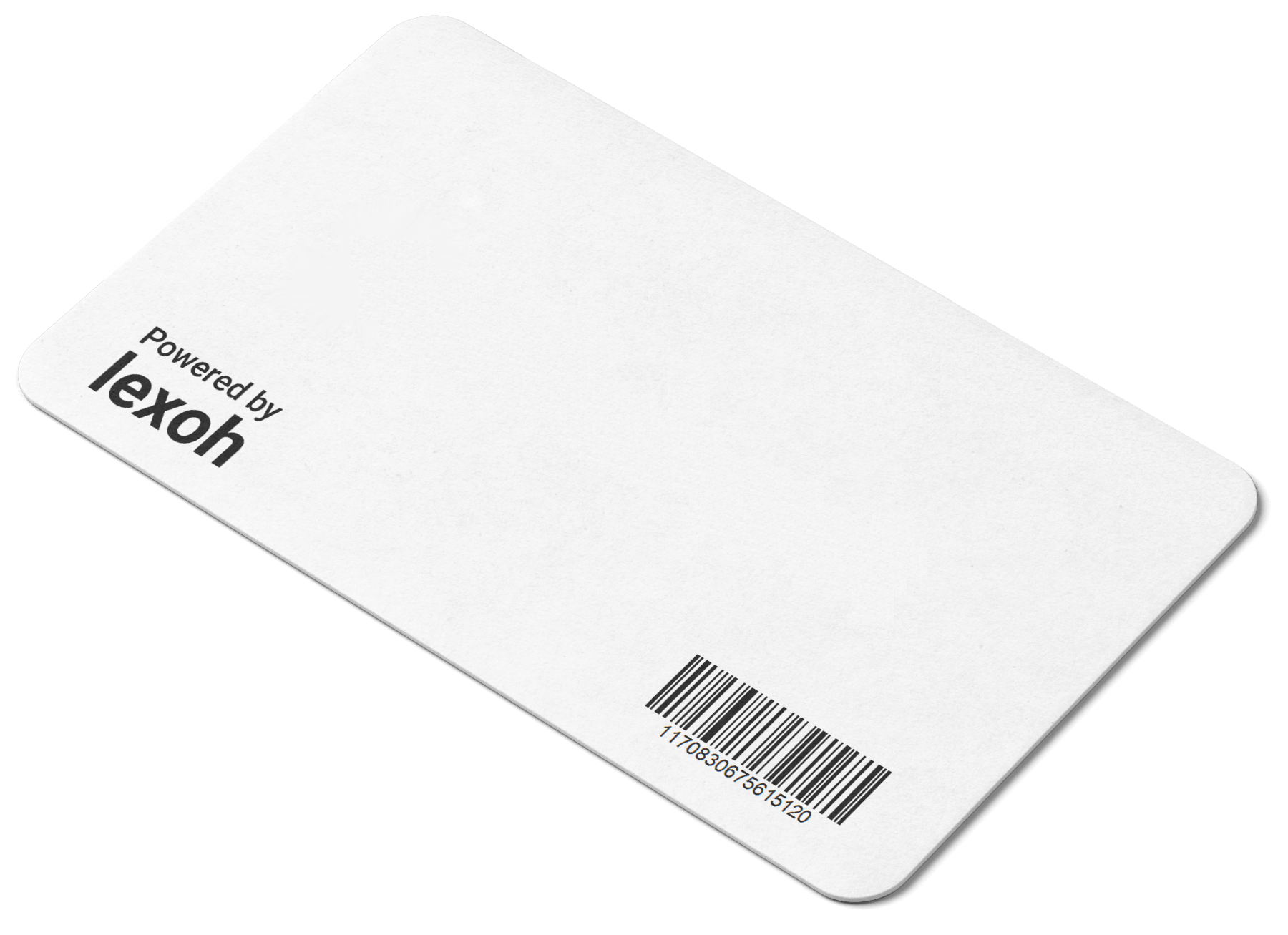
RFID access credential
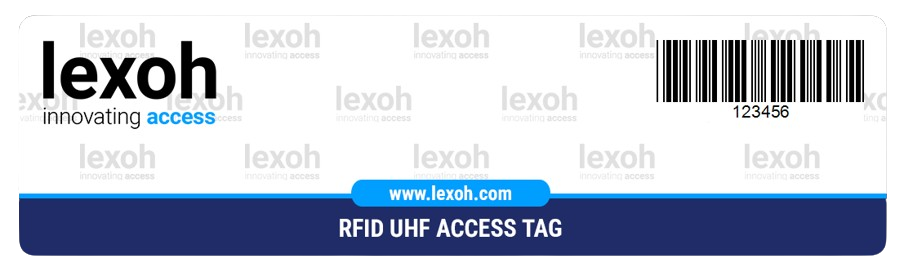
UHF access credential

Lane and access display signage

Thermal printer paper
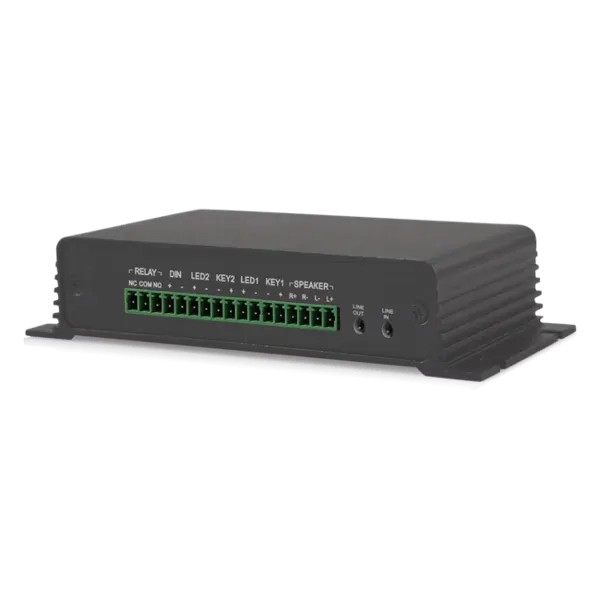
IP intercom communication
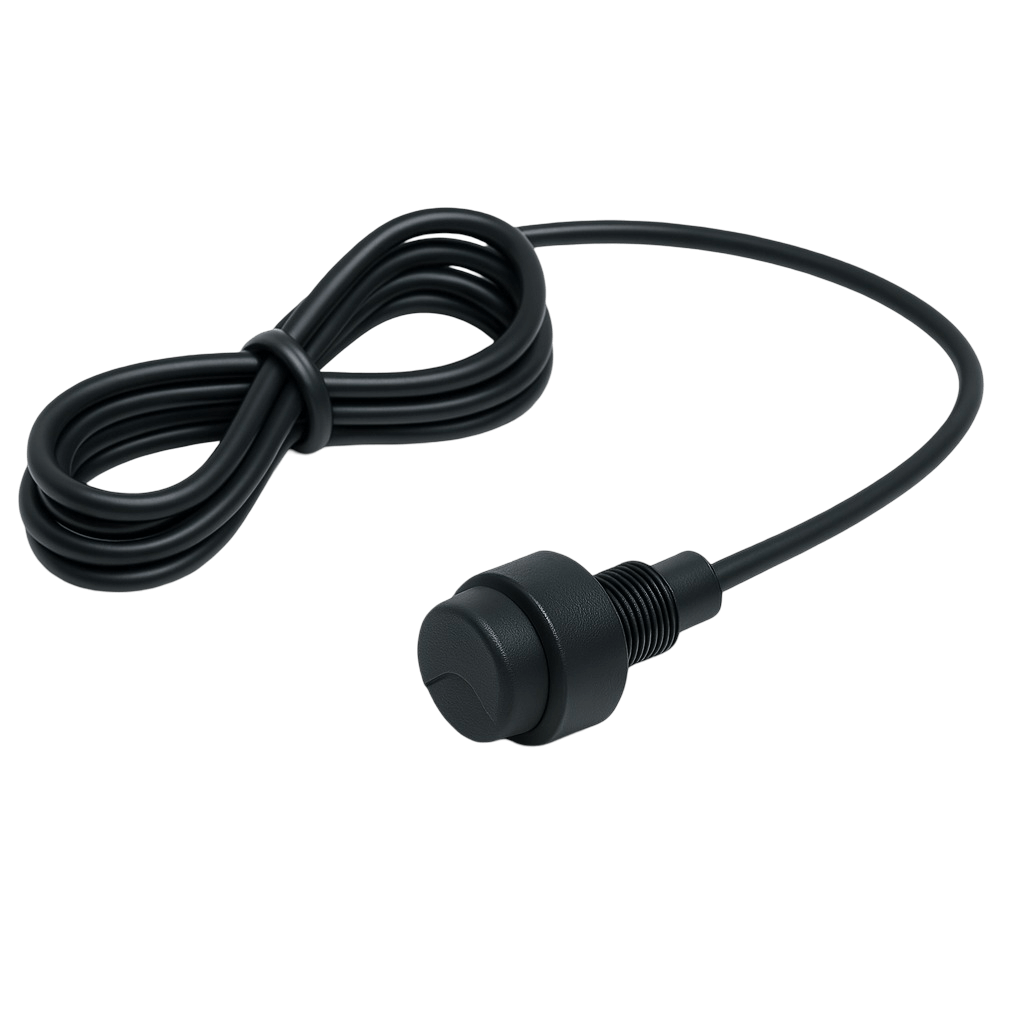
Analog omnidirectional microphone
Hospital parking
Lexoh combines parking software with kiosks, credential readers and barrier controls for public and staff parking. Define visitor payments, recurring staff access and assistance with the facility team, then scope each entrance. Restricted and emergency circulation must follow the facility’s separate operating plan.
A public parking lane must be understandable to an unfamiliar driver. Staff may need recurring access across changing shifts, while restricted routes belong to a separate operating plan. Document these journeys with the facility team; the parking system does not replace emergency-access procedures.
| Arrival or user | Policy to define | Design consequence |
|---|---|---|
| Patients and visitors | How are short visits and longer stays charged? | Provide understandable payment and help instructions. |
| Recurring appointments | Who approves a repeat-visit entitlement? | Define the period and evidence needed without collecting unnecessary clinical details. |
| Staff | How do shifts and temporary assignments affect rights? | Define which staff members qualify, when access is valid and how temporary assignments end. |
| Restricted circulation | Which routes must stay outside public parking control? | Review vehicle paths and operating procedures with the responsible facility teams. |
Plan signs, stopping positions, credential presentation and payment in sequence. Review the route with someone who has never visited. The driver should know where to go and how to ask for help before reaching a closed barrier.
Name the people authorized to issue repeat-visit passes, approve parking discounts or resolve payment problems. Define the parking information each operator needs, and keep clinical details out of the parking brief.
Document equipment or network interruption procedures, who can intervene and how events are reconciled afterward. Confirm the selected equipment’s behavior rather than assuming every lane continues to accept every credential during an outage.
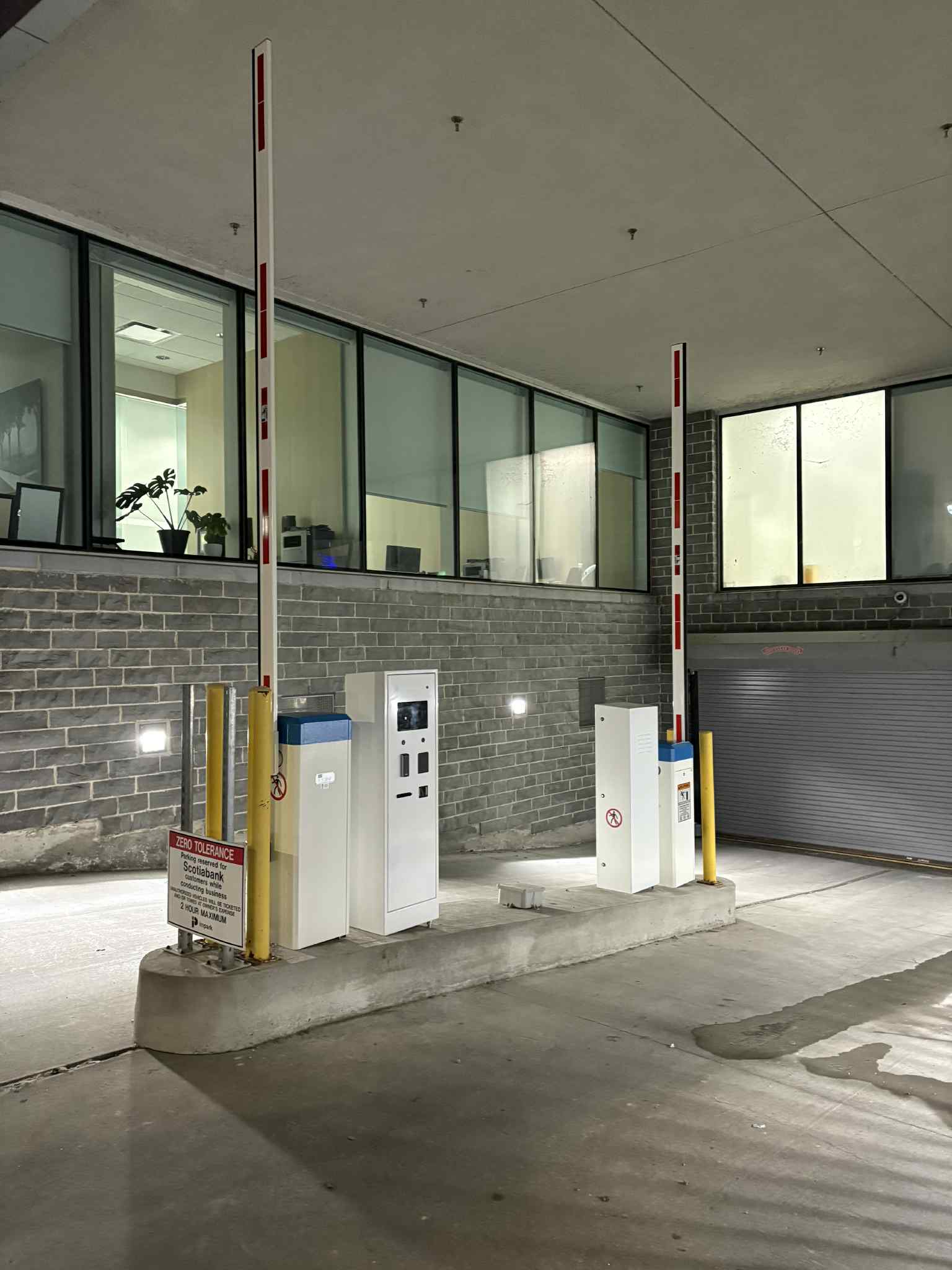
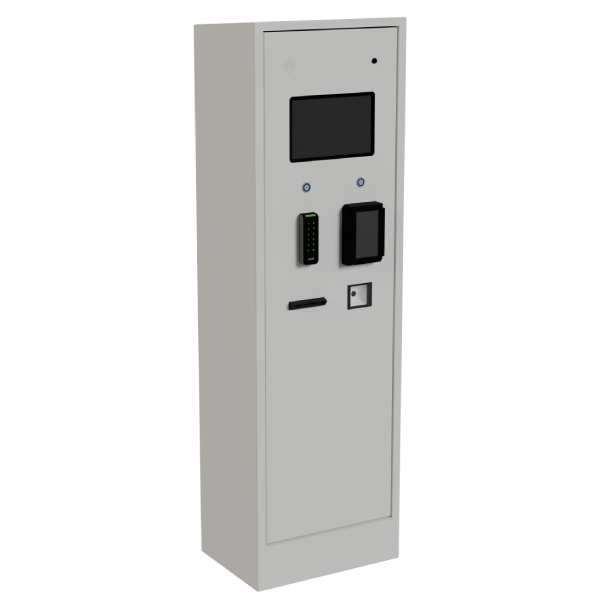
Select the payment location and supported methods before choosing kiosk modules. Review where a driver receives a ticket or presents a credential, pays, requests help and reaches the exit. A proposed validation must be demonstrated with the selected payment configuration.
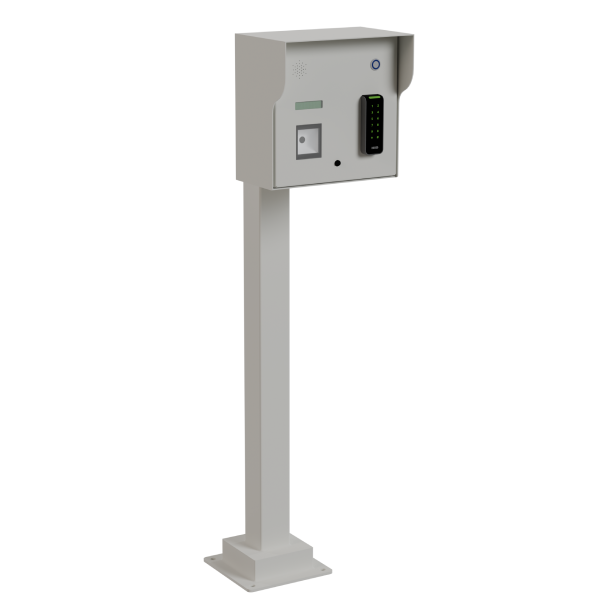
Select readers and credentials for staff entrances and define permit expiry, temporary assignments and replacement vehicles. Existing badges need a technology and interface review before they can be included in the parking system.
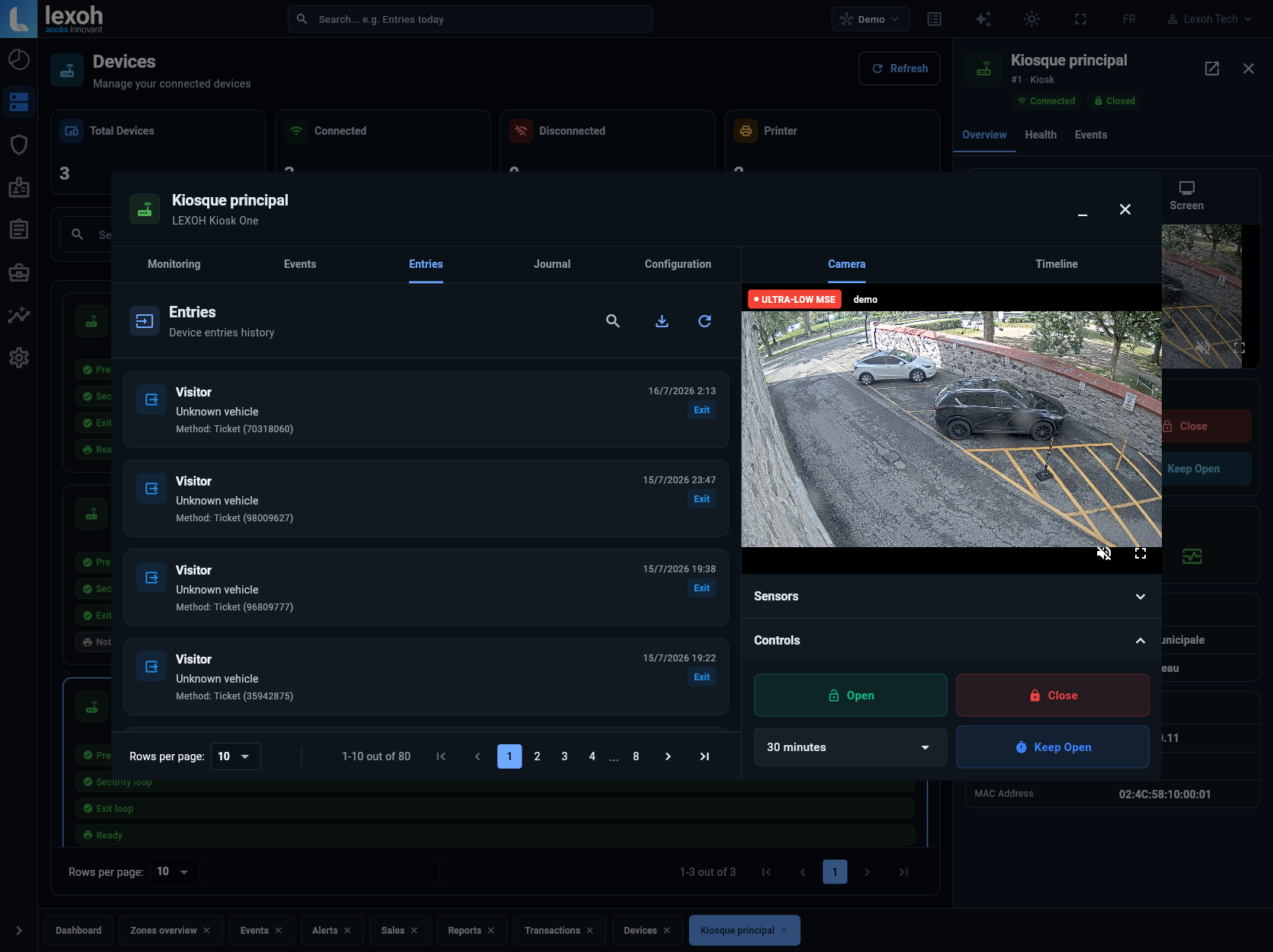
Lexoh Security Center’s illustrated device view combines entry events, camera context and barrier commands. Specify operator permissions, call routing and assistance coverage for the facility. Test a failed payment and an unavailable connection with the team that will respond.
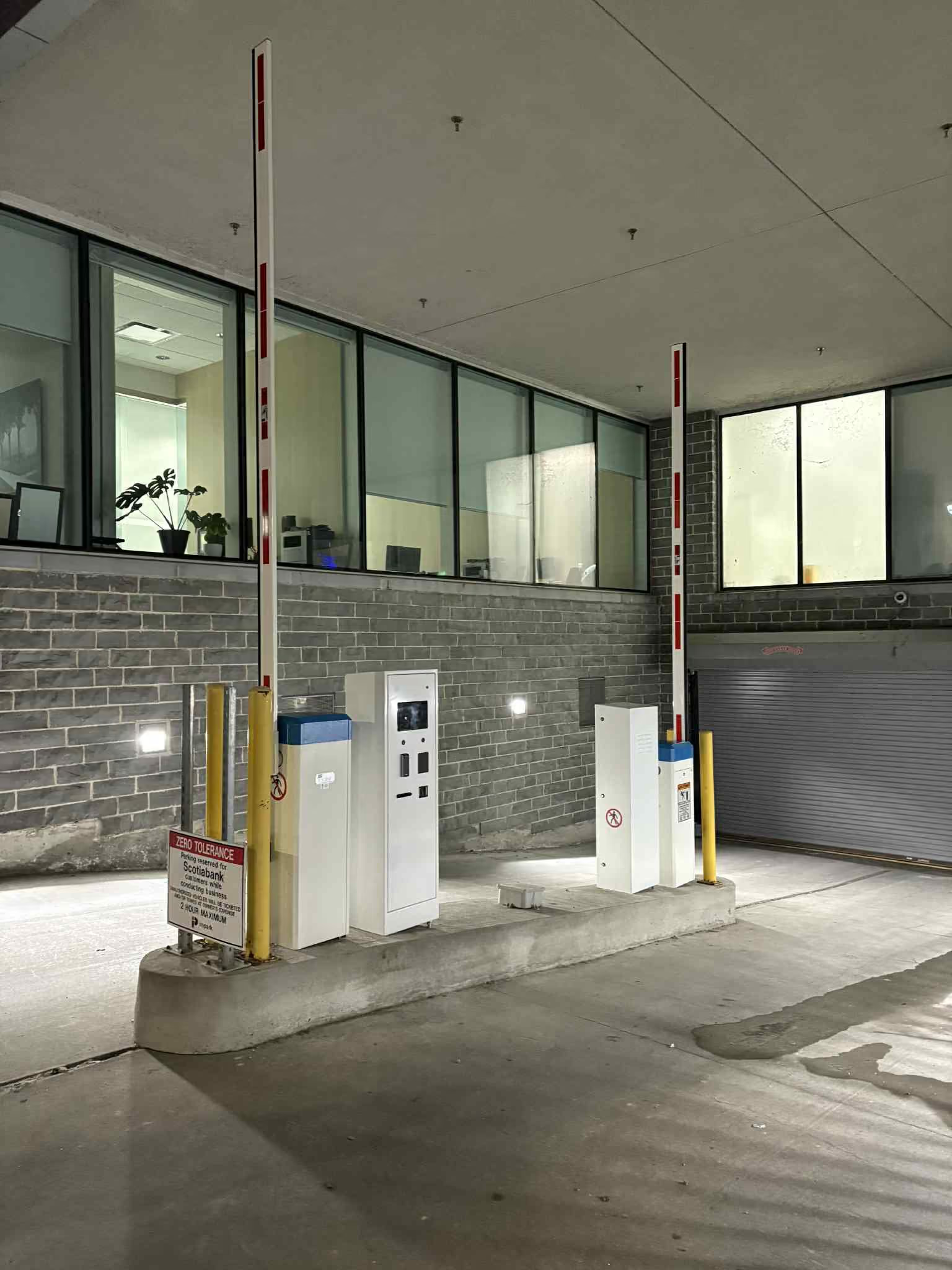
Consider a facility where staff departures overlap with public arrivals. The design should keep payment assistance from holding up the staff route where the lane layout permits separation. A temporary staff member needs an approved end date, while a recurring visitor may need a different entitlement. Test these cases alongside an expired right and a payment problem. The example is an operational planning exercise, not a statement of a Lexoh hospital deployment.
A lane plan distinguishing public parking, staff areas, loading and restricted circulation.
Approved tariffs, repeat-visit rules, validation authority and the information each operator needs.
Assistance coverage, equipment-interruption procedures and the facility’s own access requirements for review by the responsible teams.
Questions to settle before selecting the equipment and configuration.
Share the lane layout, user groups and operating requirements so the public, staff and restricted journeys can be reviewed together.