Recurring employee access
Issue and revoke rights through the agreed employer and landlord process.
Plan employee parking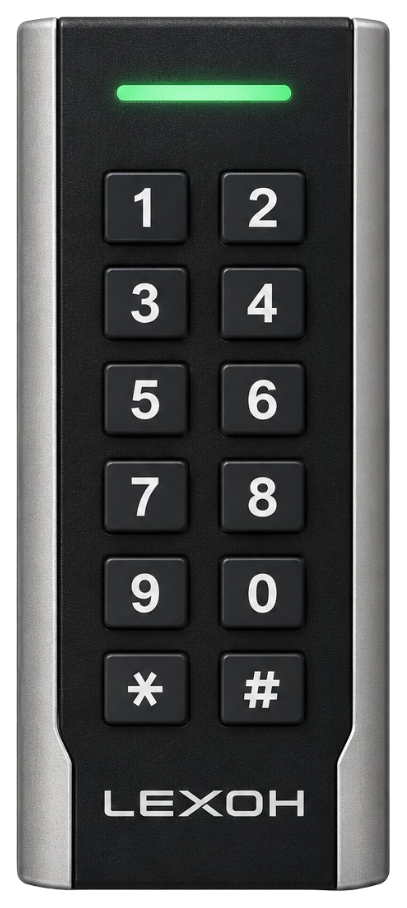
Card-based credential reader
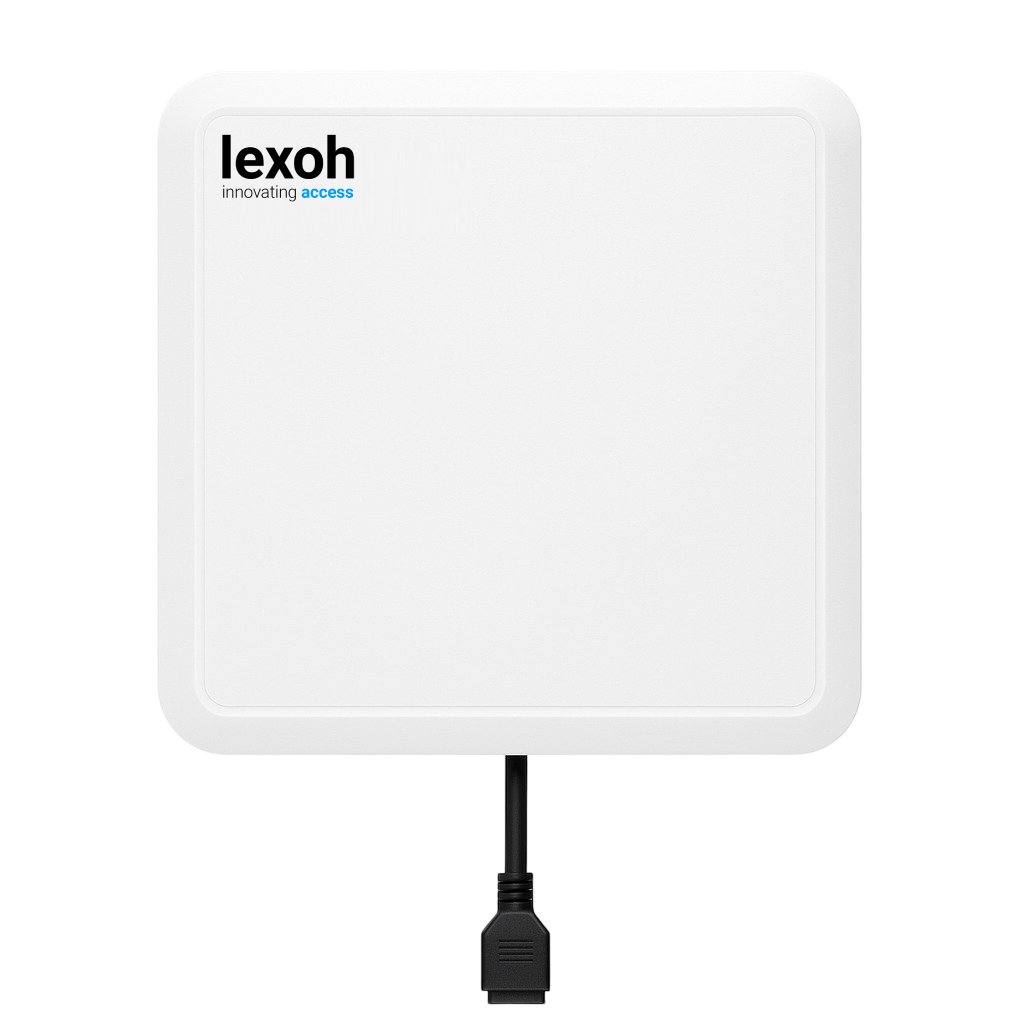
UHF credential reader
QR and barcode credential reader
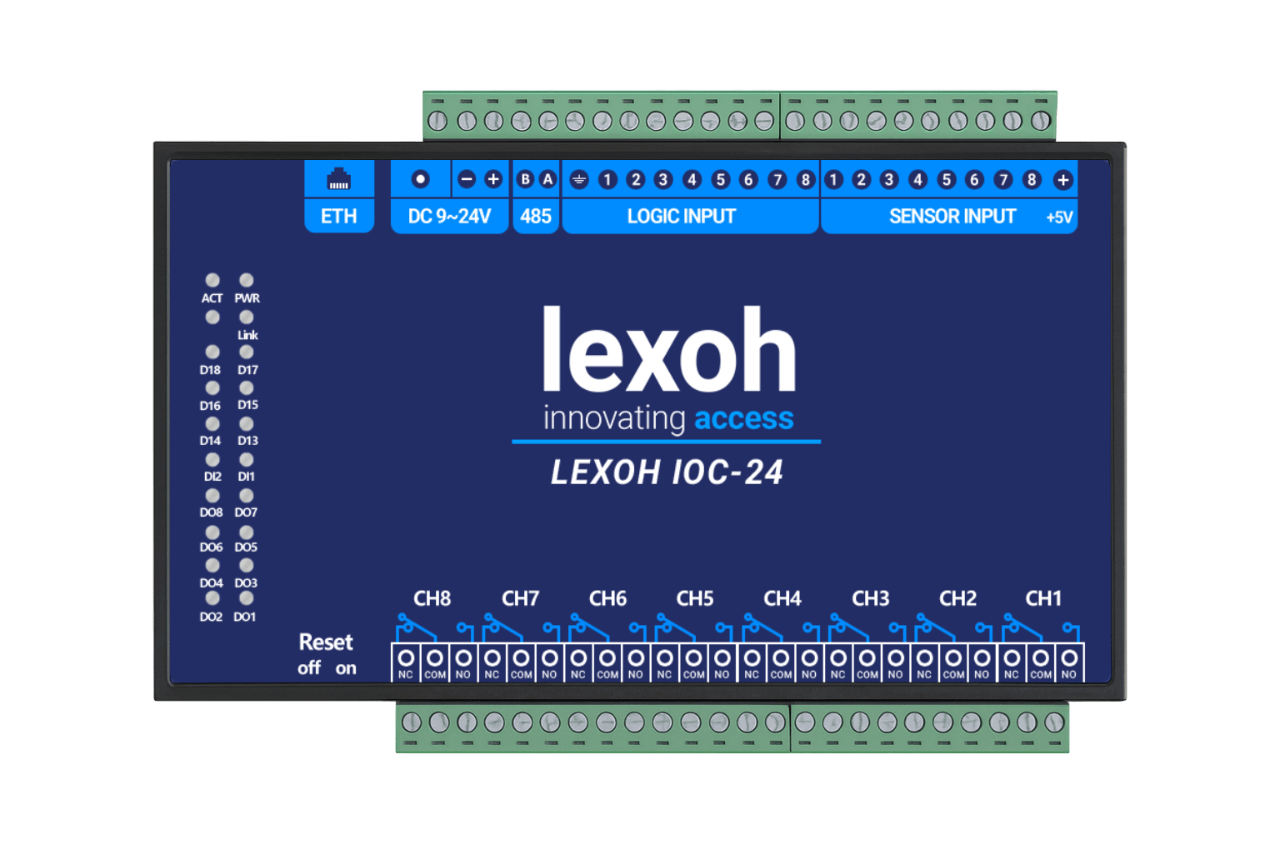
Device input and output controller

RFID access credential
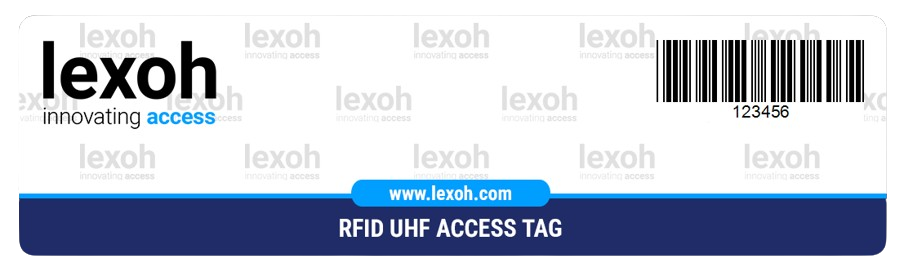
UHF access credential

Lane and access display signage

Thermal printer paper
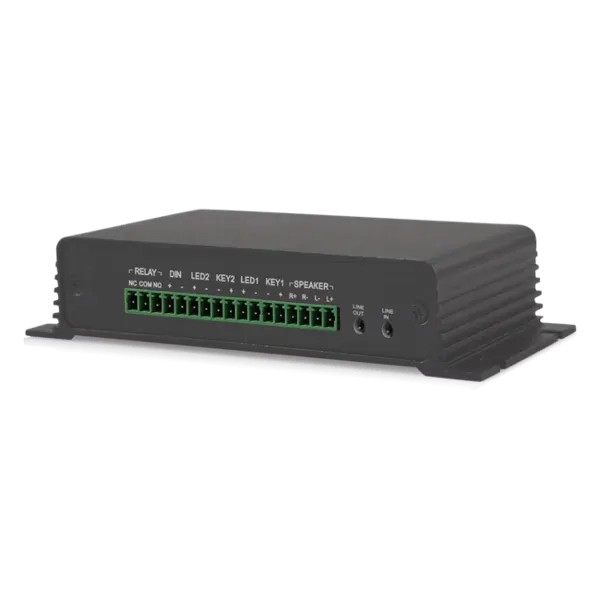
IP intercom communication
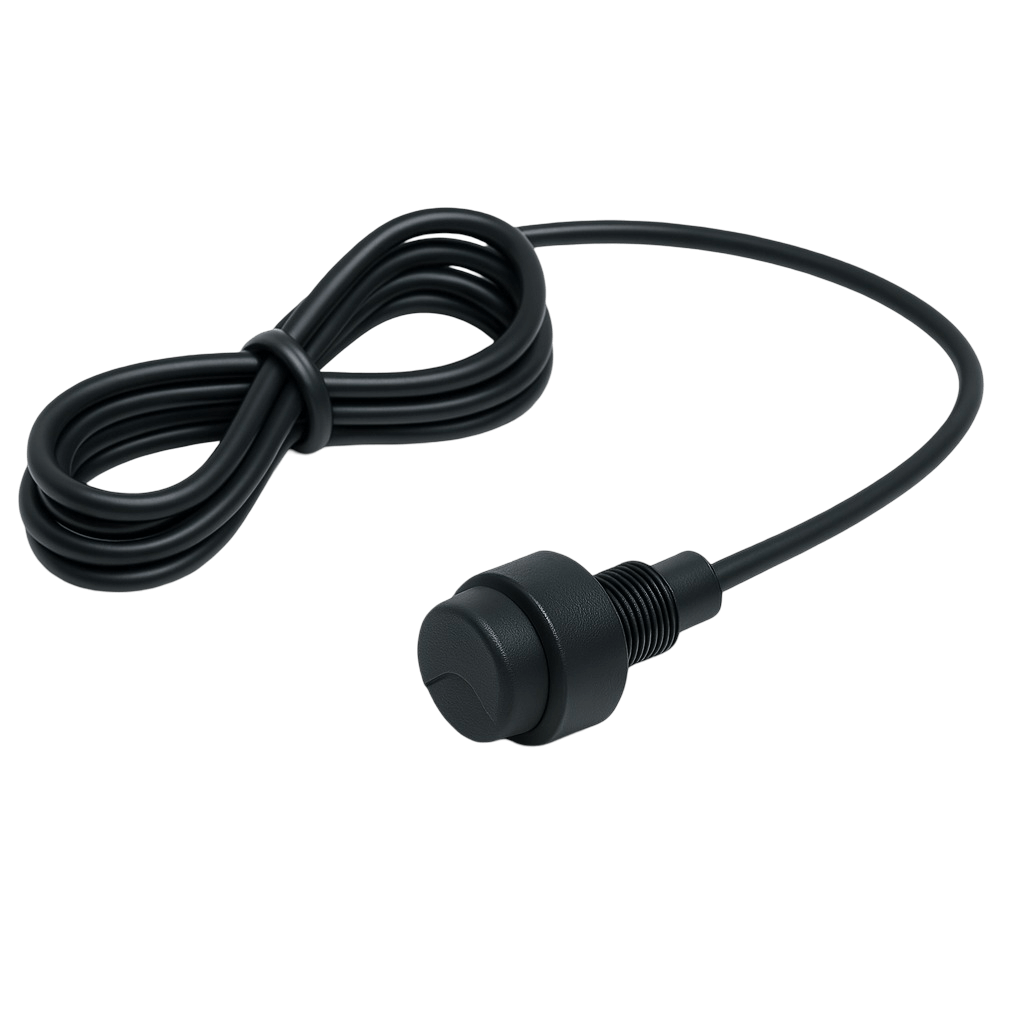
Analog omnidirectional microphone
Office parking
Office parking has to follow changing occupants and attendance patterns. A tenant’s allocation, an employee’s credential and a visitor’s arrival are separate records to coordinate. Lexoh connects the chosen access equipment and management workflows around the property’s rules.
Before choosing readers, decide who owns the parking allocation and who can issue or revoke a right. A tenant may administer its approved users while the property sets entrance rules and operating hours. Any division of software permissions must be confirmed in the project configuration.
| Arrival or user | Policy to define | Design consequence |
|---|---|---|
| Tenant allocation | How many rights or spaces belong to each occupant? | Keep the allocation policy separate from vehicle identification. |
| Hybrid attendance | Are rights permanent, scheduled or approved per visit? | Define updates and expiry without assuming a booking integration. |
| Guests | Who hosts and approves the visit? | Provide a valid arrival period and a reception contact. |
| Contractors | Which work areas and hours are approved? | Review the service entrance and a time-limited credential. |
Identify who submits and approves tenant user changes. Record the effective date and the affected parking zones. If a company leaves the building, its issued credentials should be reviewed as part of the handover.
Give visitors the correct entrance, credential instructions and expiry time. Decide who can correct a changed plate or late arrival. Parking permission should not silently grant unrelated building or office access.
Use access events to investigate the defined parking journey, while keeping employee attendance and space utilization claims separate. An entry event is not a booking record or proof of how long someone worked in the building.
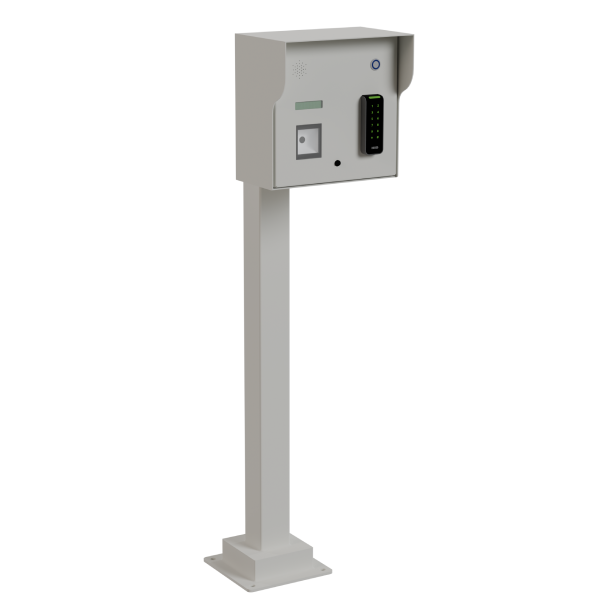
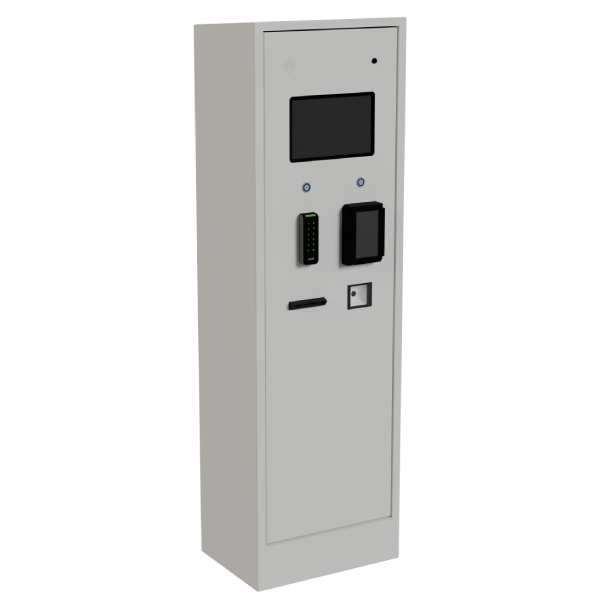
Choose how employees and visitors identify themselves at the entrance: a presented card, vehicle tag, QR code or license plate. Lexoh supplies RFID readers and the UHF9DBI vehicle-tag reader. Existing building cards require a card-format, reader and controller check before they are included in the garage system.
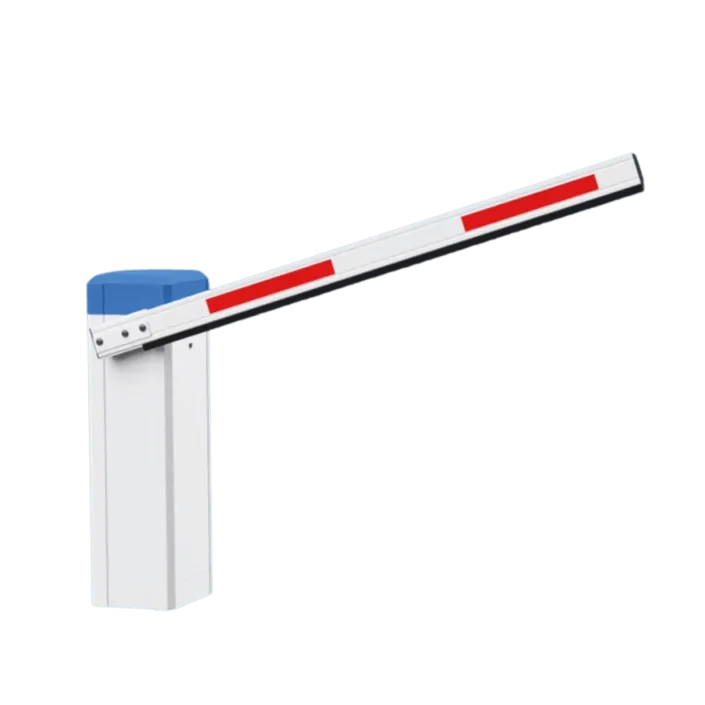
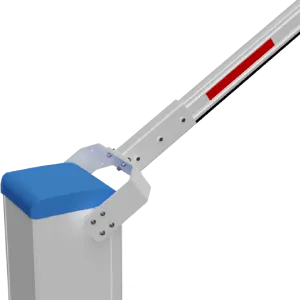
Connect the access decision to the garage-door operator or barrier through the selected controller. Review the opening interface, vehicle detection and status feedback with the installer. A valid credential identifies an authorized user; it does not establish that the vehicle path is clear.
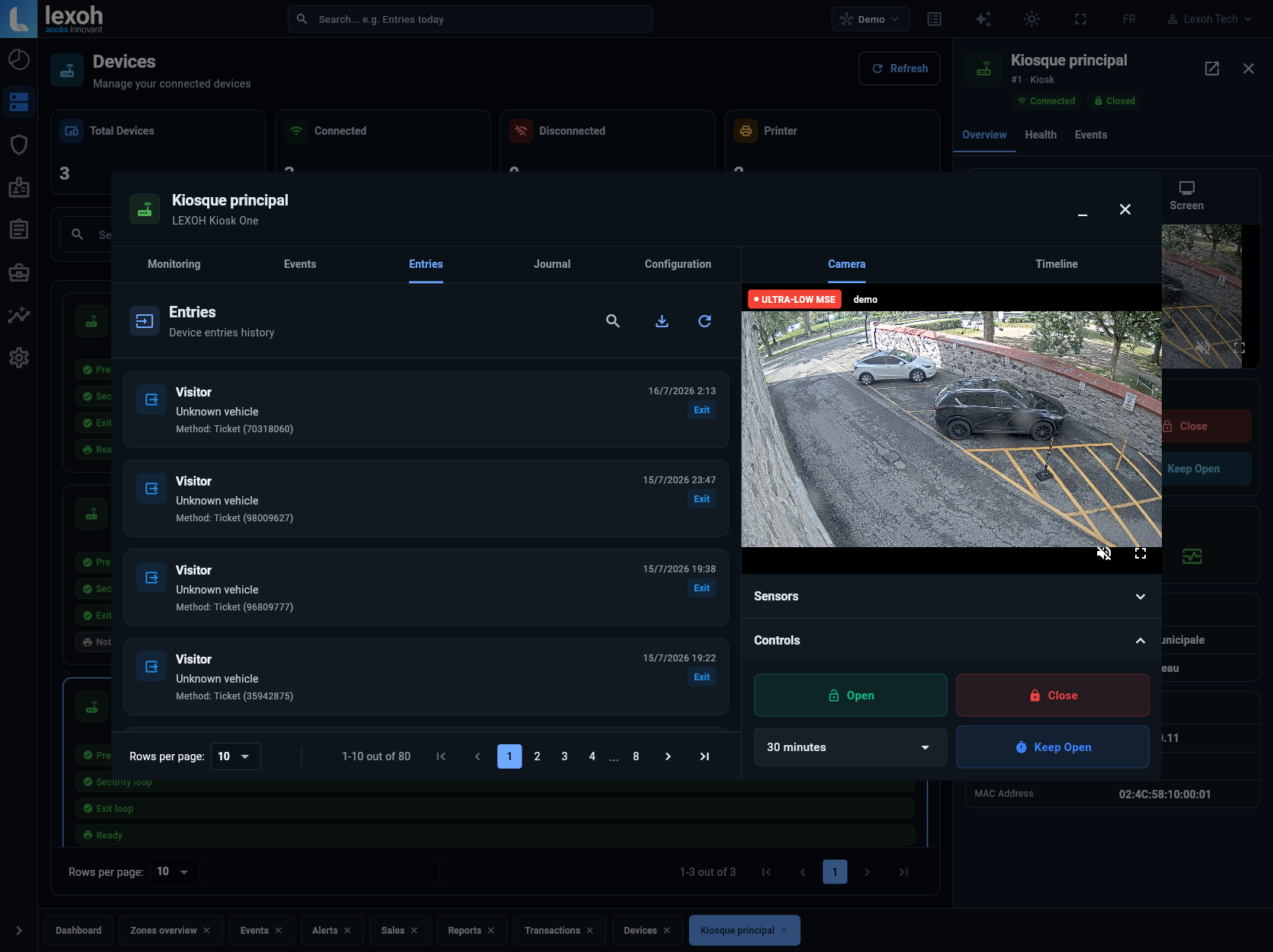
Lexoh Security Center brings device entry events, camera context and access controls into the operator view illustrated on this page. Lexoh combines cloud management with an offline mesh network that lets site devices communicate without internet. Equipment still needs power and locally available permissions; test delivery of tenant and employee access changes after reconnection.
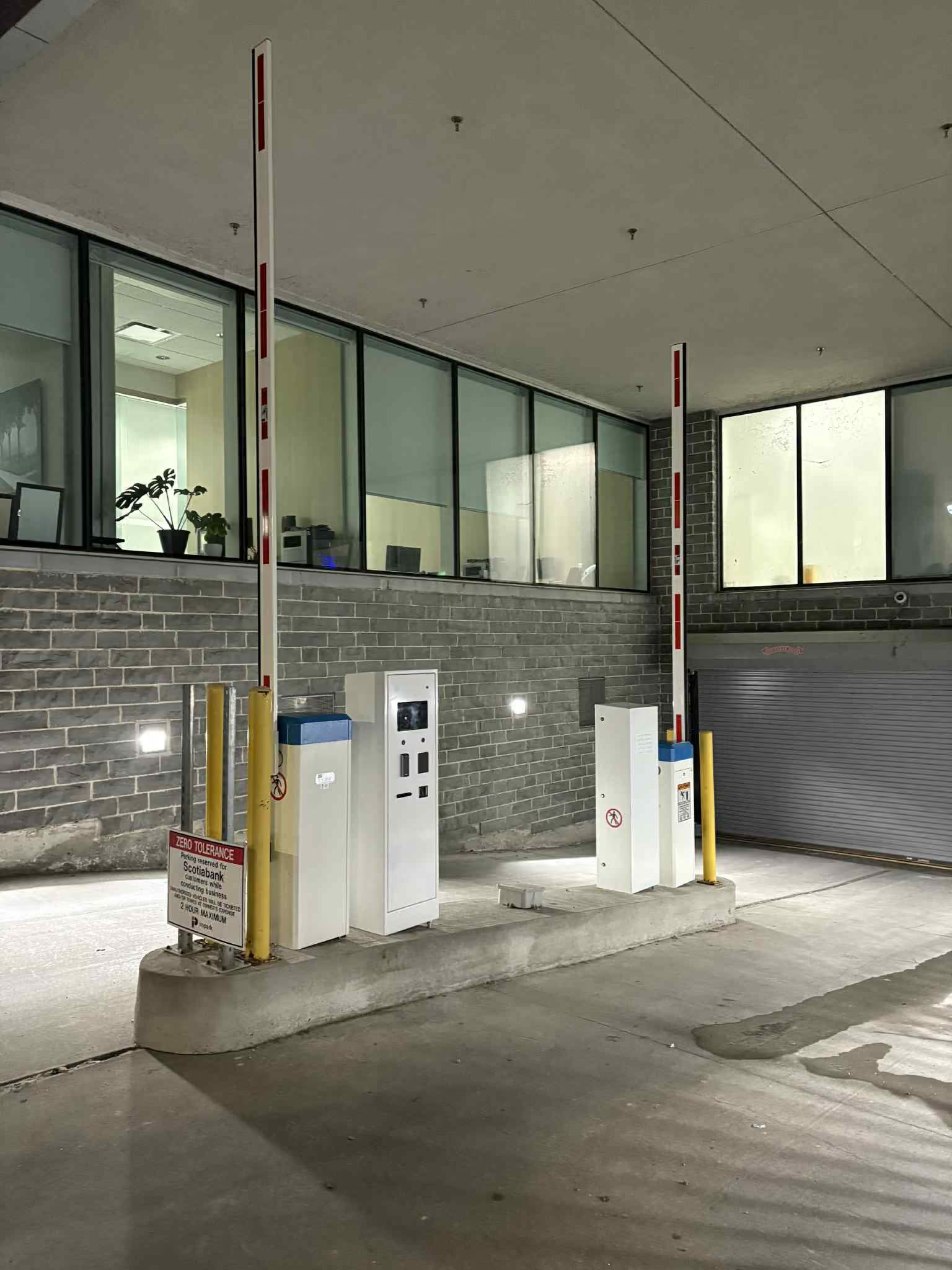
Imagine one tenant working a regular week and another hosting evening training. The garage needs clear permissions for both without giving every credential unrestricted access. Reception must recognize the host, approved period and assistance route for a guest. At tenant move-out, test withdrawal of that tenant’s rights while retaining the other occupants’ access. This scenario helps expose who owns each decision before equipment is ordered.
Parking allocations, tenant approval roles, opening hours and the current credential register.
The garage entrance, pedestrian route, service access and interfaces with existing building equipment.
Visitor procedures, changes of tenancy and the reports required by property operations.
Questions to settle before selecting the equipment and configuration.
Share tenant allocations, garage equipment and visitor procedures so the property and its occupants can review the same project scope.