Controlled vehicle lanes
Specify the barrier, detection and approved movement sequence.
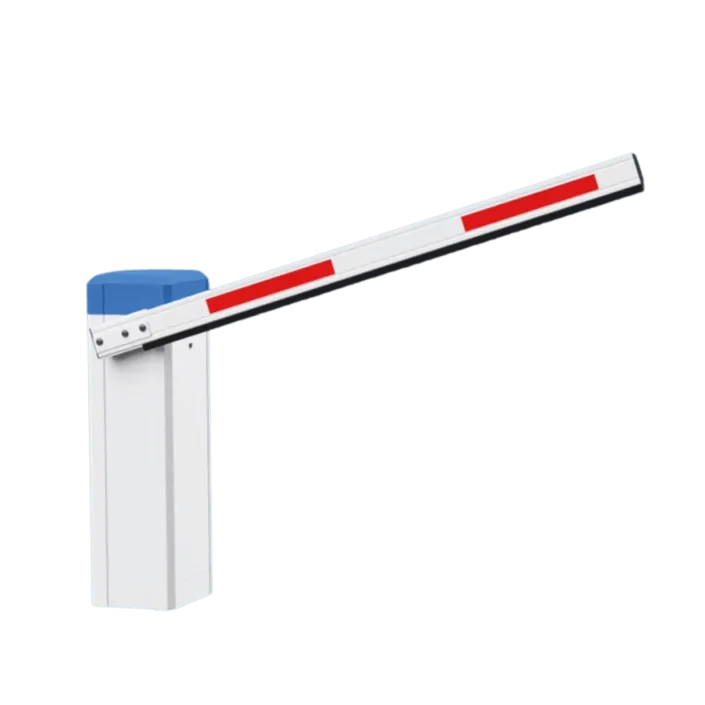
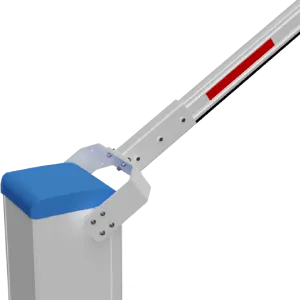
Compare automatic barriers
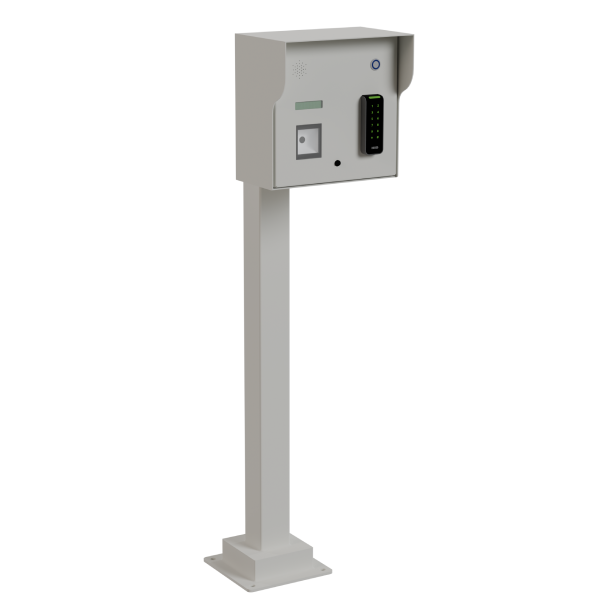
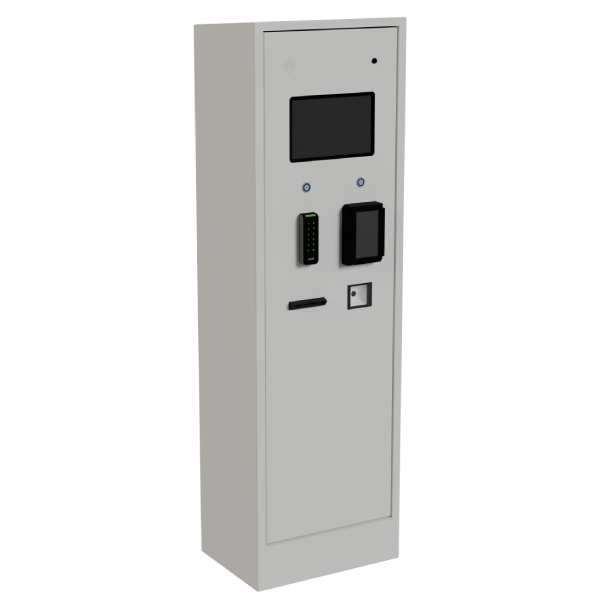
Card-based credential reader
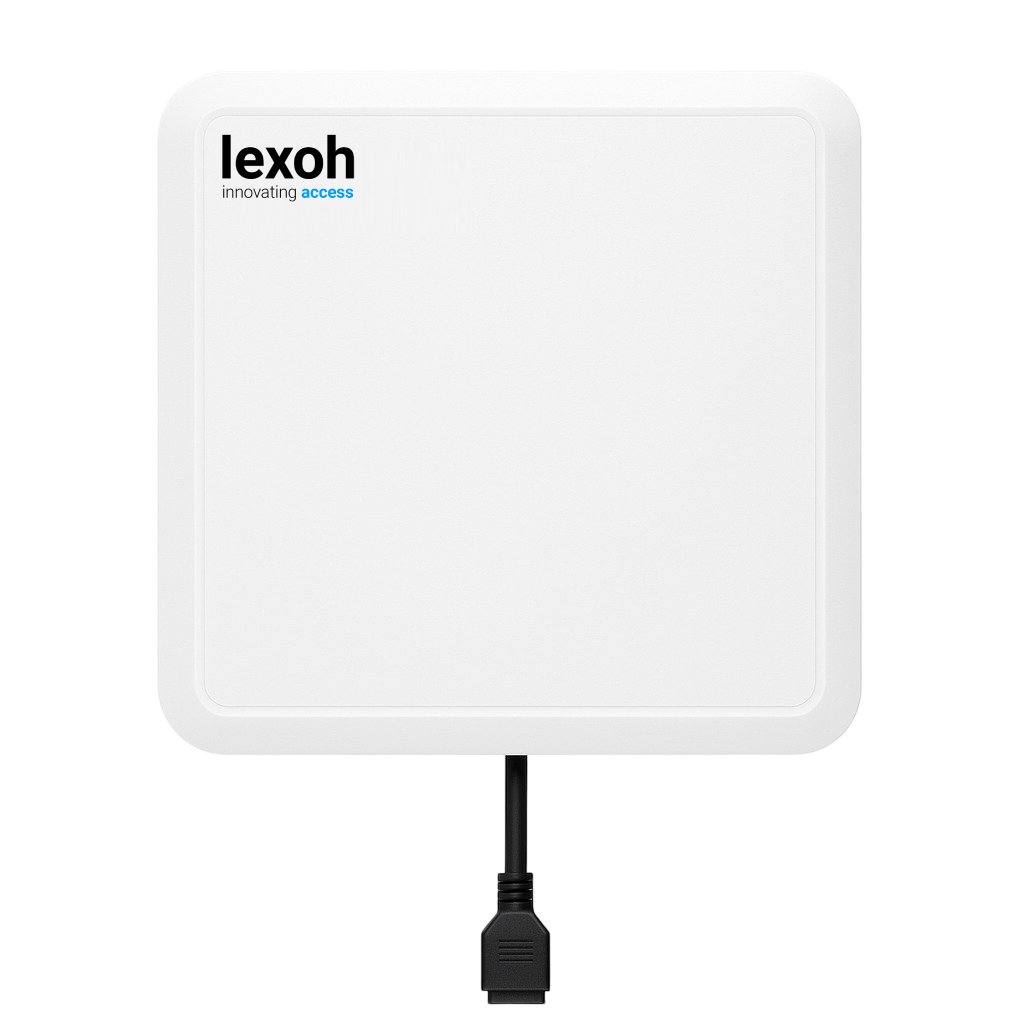
UHF credential reader
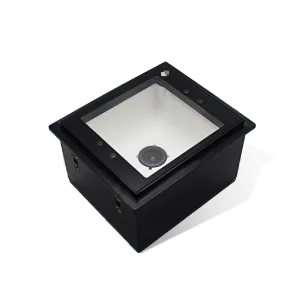
QR and barcode credential reader
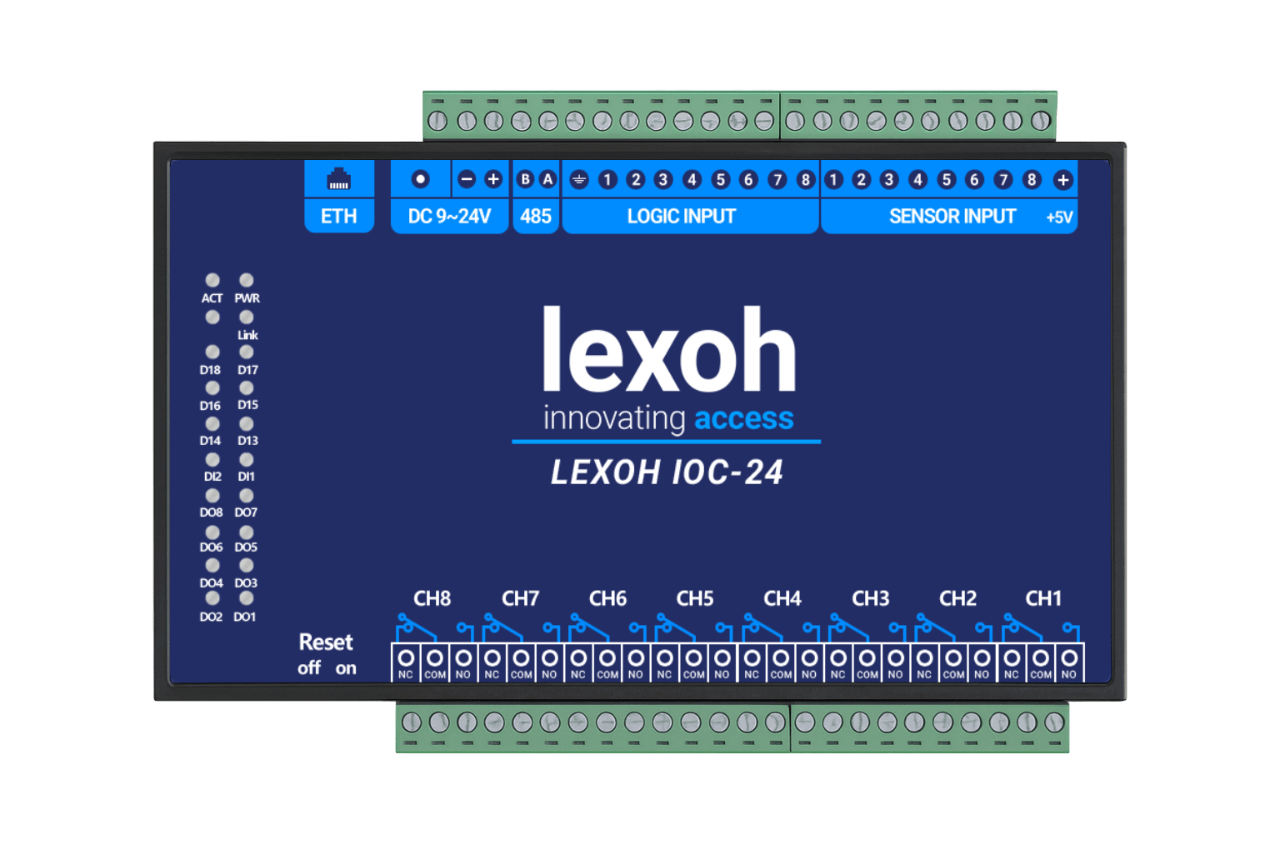
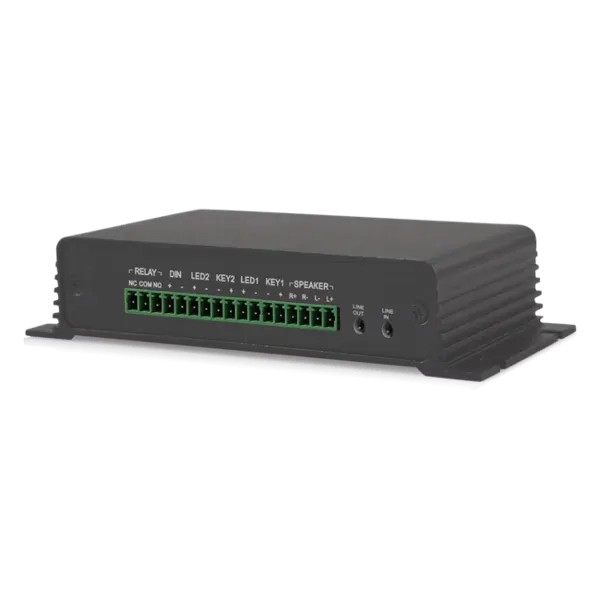
Device input and output controller
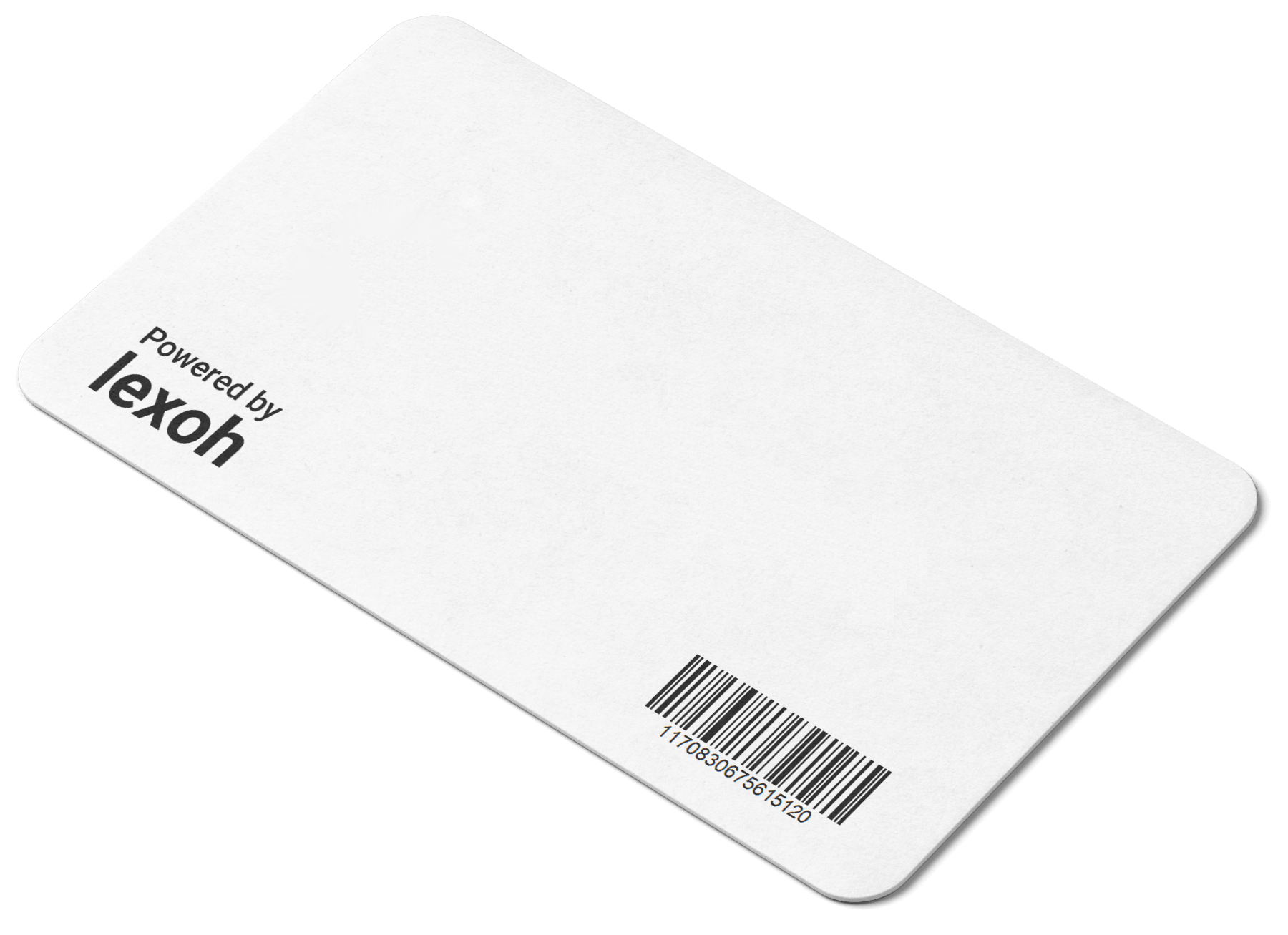
RFID access credential
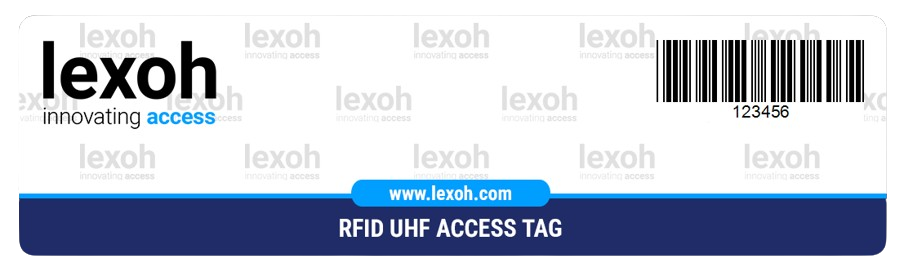
UHF access credential

Lane and access display signage

Thermal printer paper
IP intercom communication
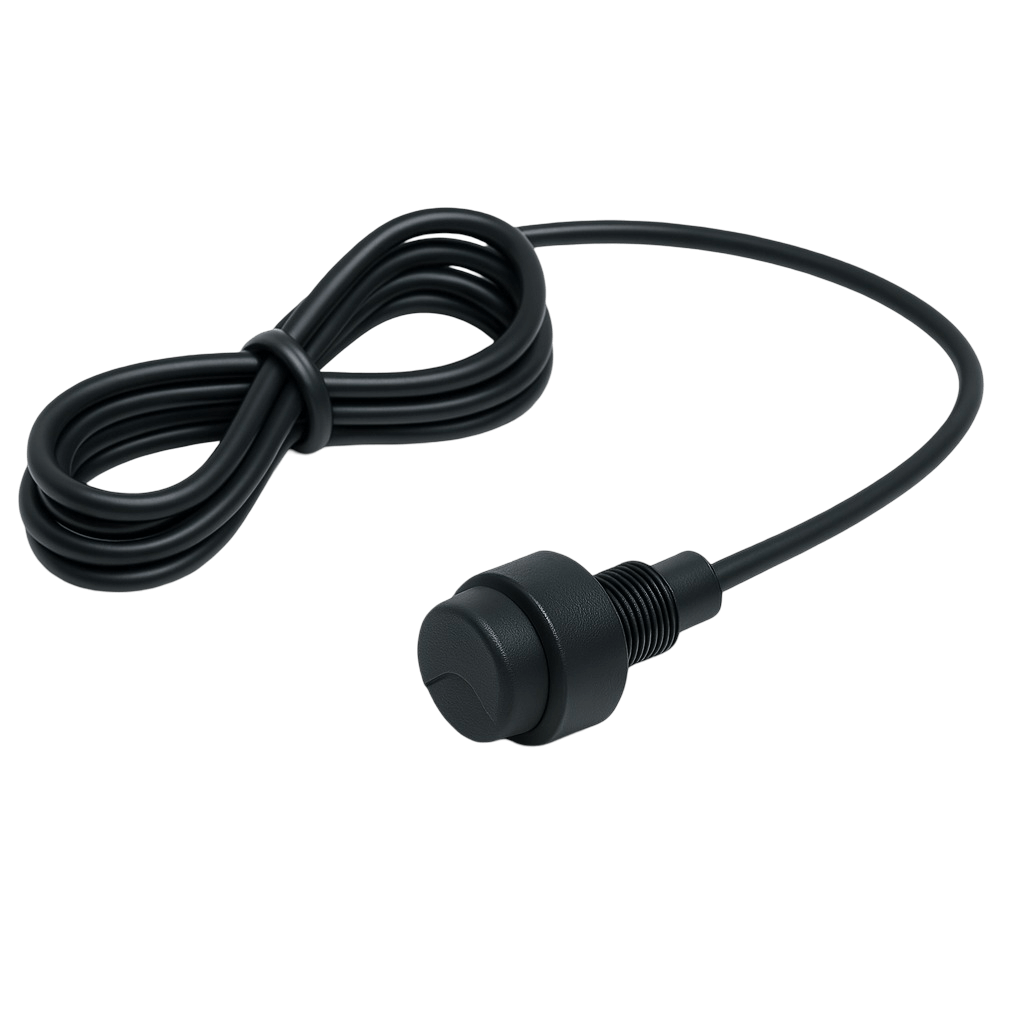
Analog omnidirectional microphone
Industrial parking and vehicle access
Industrial entrances serve employees, contractors and delivery drivers in vehicles of different sizes. Lexoh scopes readers, barrier controls and management software around the site’s traffic plan, access rules and operating requirements.
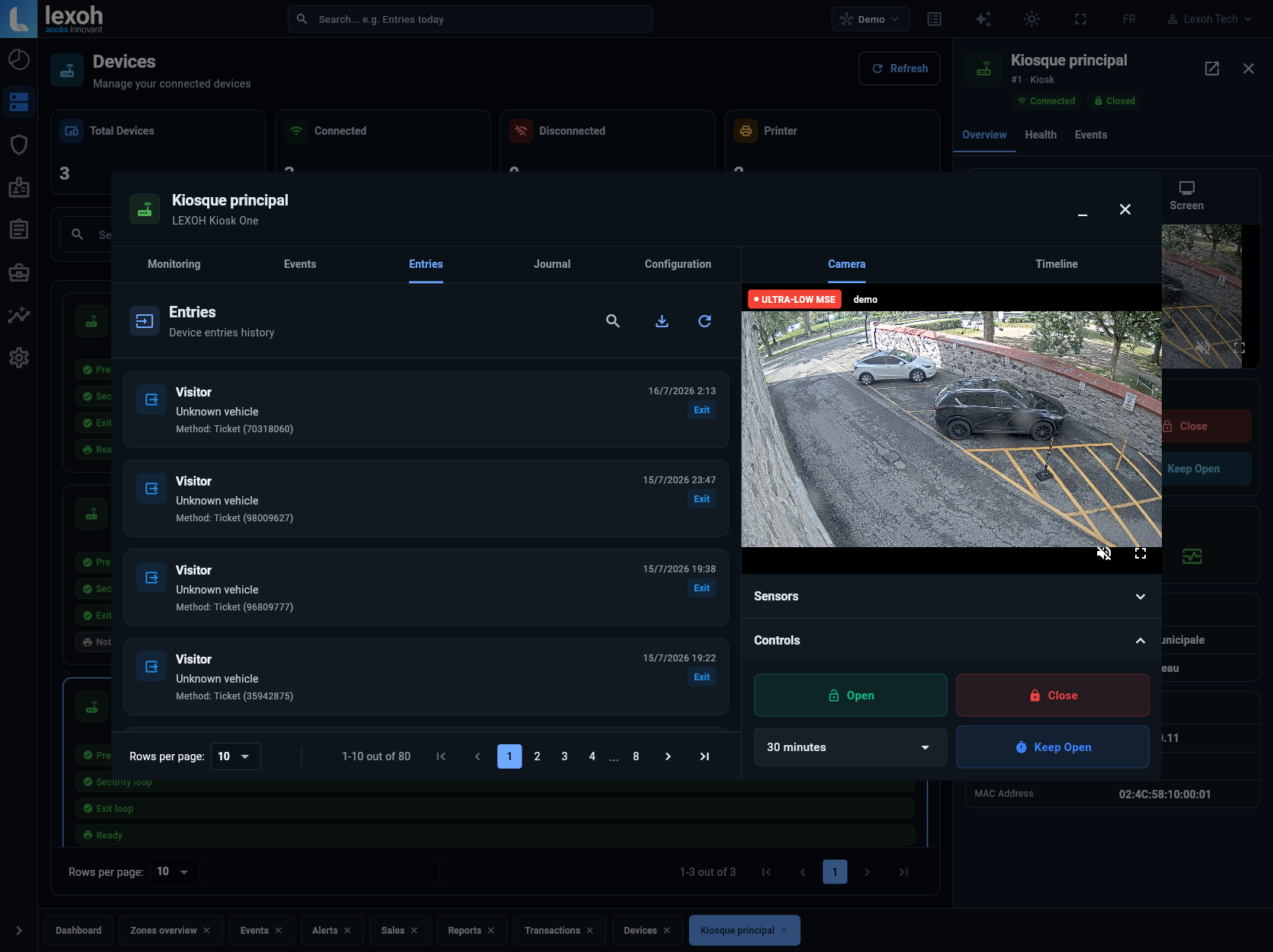
The stopping point, turning movement and driver position influence how a credential can be presented. Identify which vehicles belong in the parking lane and which need a service route. Review the arrangement with the teams responsible for the site’s circulation and safety.
| Arrival or user | Policy to define | Design consequence |
|---|---|---|
| Employees | Which parking area and work periods apply? | Provide a recurring credential suited to the lane. |
| Contractors | Who sponsors the visit and when does it expire? | Separate temporary permission from permanent staff access. |
| Deliveries | Is the vehicle expected and where should it report? | Check the arrival procedure, driver reach and maneuvering area. |
| Service access | Who can authorize an exceptional movement? | Define the responsible operator and the record of intervention. |
Review cars, vans, trucks and trailers with the site team. Record stopping locations, queues and the routes that must remain separate. Equipment placement should follow a reviewed lane design, not force drivers into an unsuitable position.
A credential identifies a user or vehicle; vehicle detection serves a different function. Specify each role and the selected equipment. An RFID or plate read should not be treated as proof that every movement around the barrier has been addressed.
Define how staff handle an unexpected delivery, a contractor whose access has expired or an unavailable reader. State who can approve entry and how the intervention is recorded. Test the agreed cases before placing the lane into normal service.
For UHF vehicle tags, review the Lexoh UHF9DBI reader and test its read zone with the cars and trucks that will use the entrance. Check tag position, adjacent lanes and stopping distance before confirming the installation.
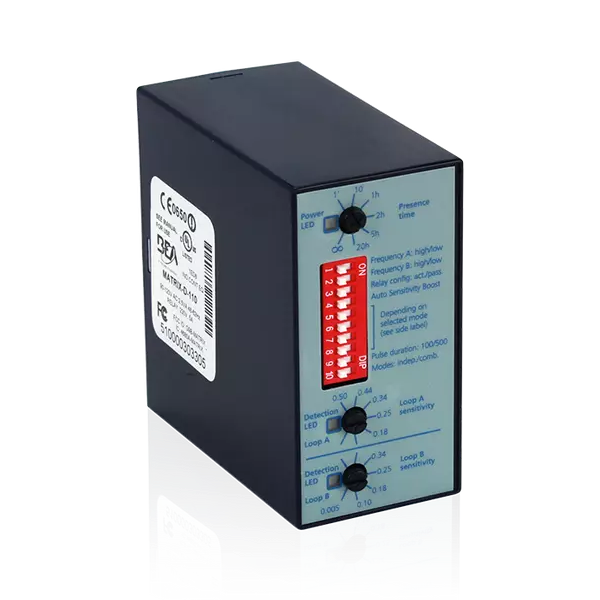
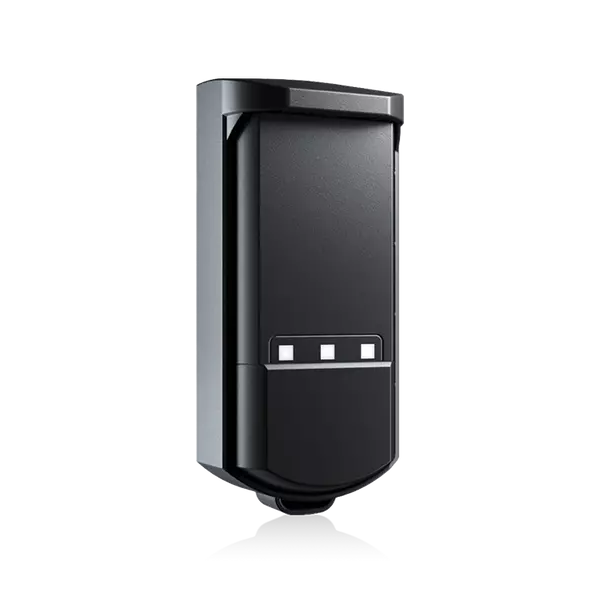
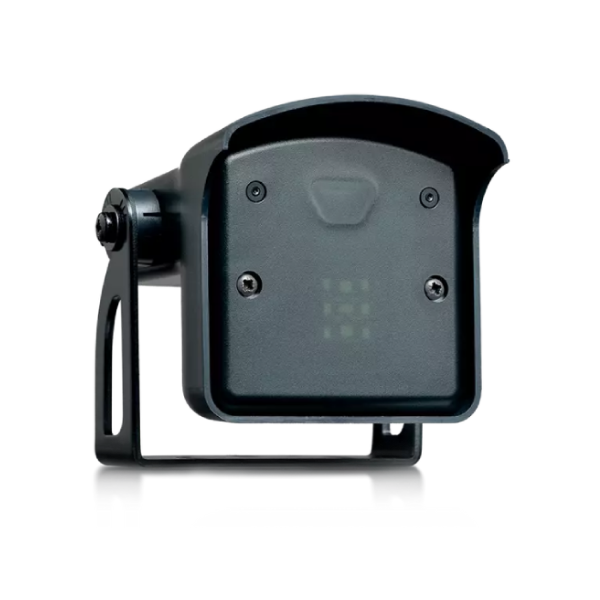
Lexoh offers ELKA, Automatic Systems and Pivin Drapeau barriers. Select the model for the lane dimensions and operating duty, then specify the detection and control sequence with the installer. Reader range alone does not determine a suitable lane layout.
Lexoh combines cloud management and offline operation, with a mesh network that lets site devices communicate without internet. Connect employee and contractor permissions to the entrance controls, then test locally available rights and the delivery of changes after reconnection. Equipment still needs power. Define who may authorize an unexpected delivery and how that intervention is recorded.
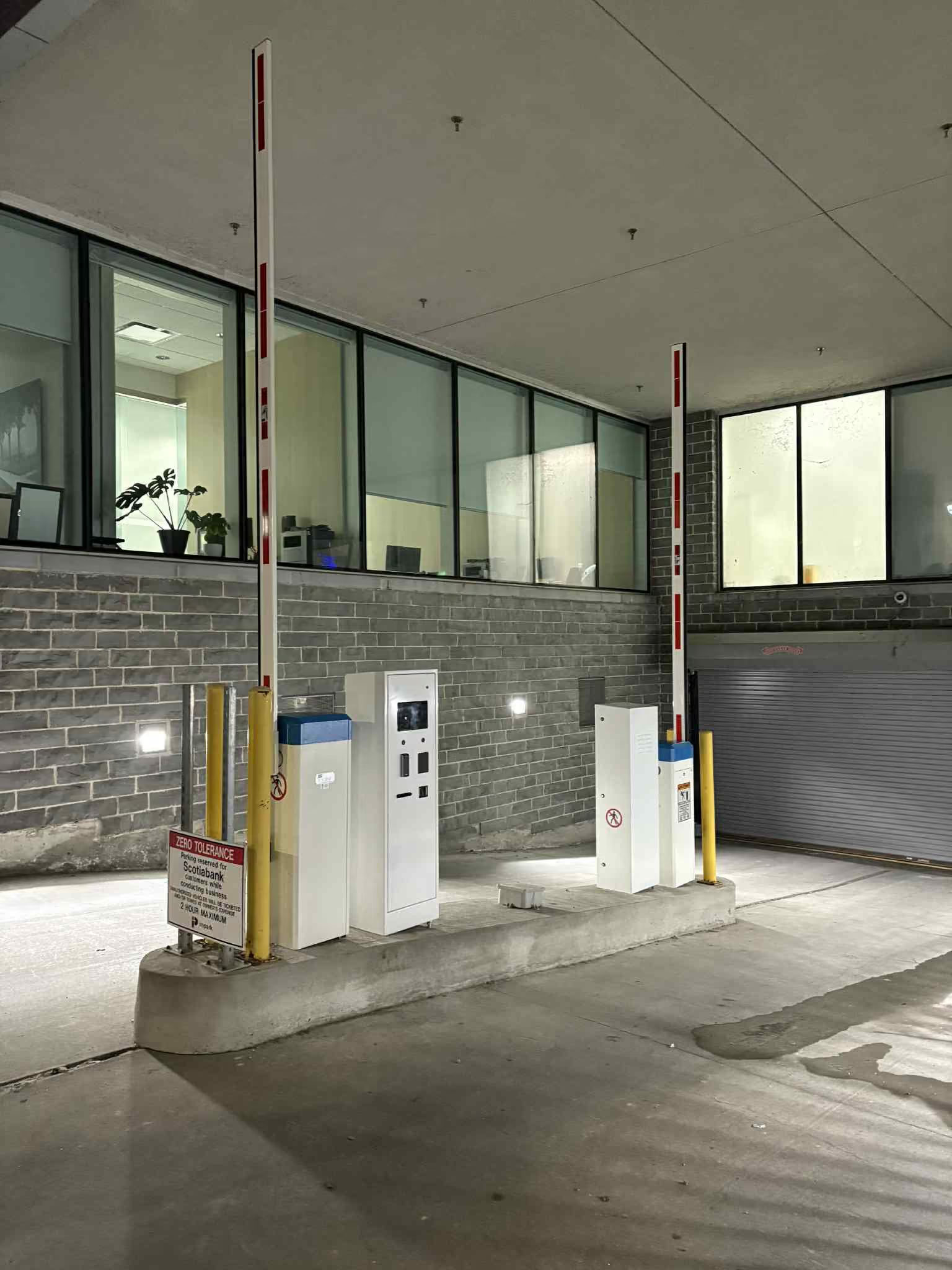
Imagine a site where staff arrive as delivery vehicles approach receiving. A long vehicle waiting for instructions could interfere with a car reader or block the parking approach. Review whether the routes can be separated and where an unapproved delivery should wait. Test the selected credentials with representative vehicles and the approved operating procedure. This is a site-planning example, not an engineered lane design.
Vehicle types, arrival peaks, stopping points, turning paths and the site’s circulation plan.
Existing operators, barrier references, detection equipment, controllers, power and communications.
Contractor sponsorship, receiving procedures, intervention roles and the acceptance cases agreed with the responsible teams.
Questions to settle before selecting the equipment and configuration.
Share the site plan, vehicle types and current equipment so the parking and receiving journeys can be assessed together.