Included guest access
Use a defined stay period and a supported credential for repeated entry.
Explore included guest access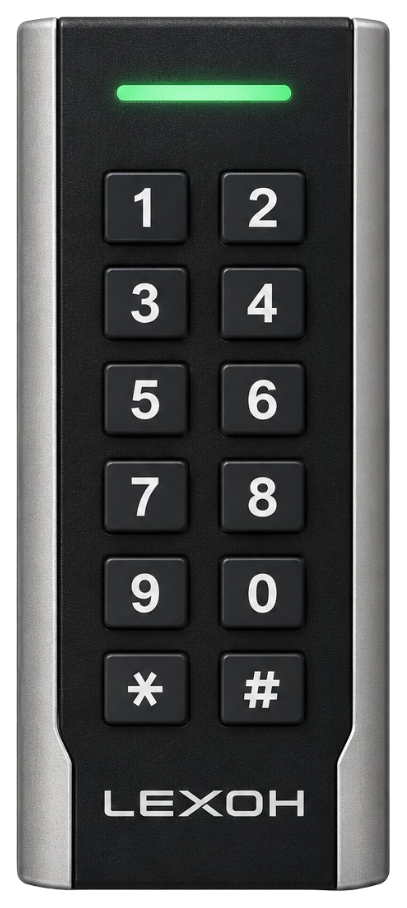
Card-based credential reader
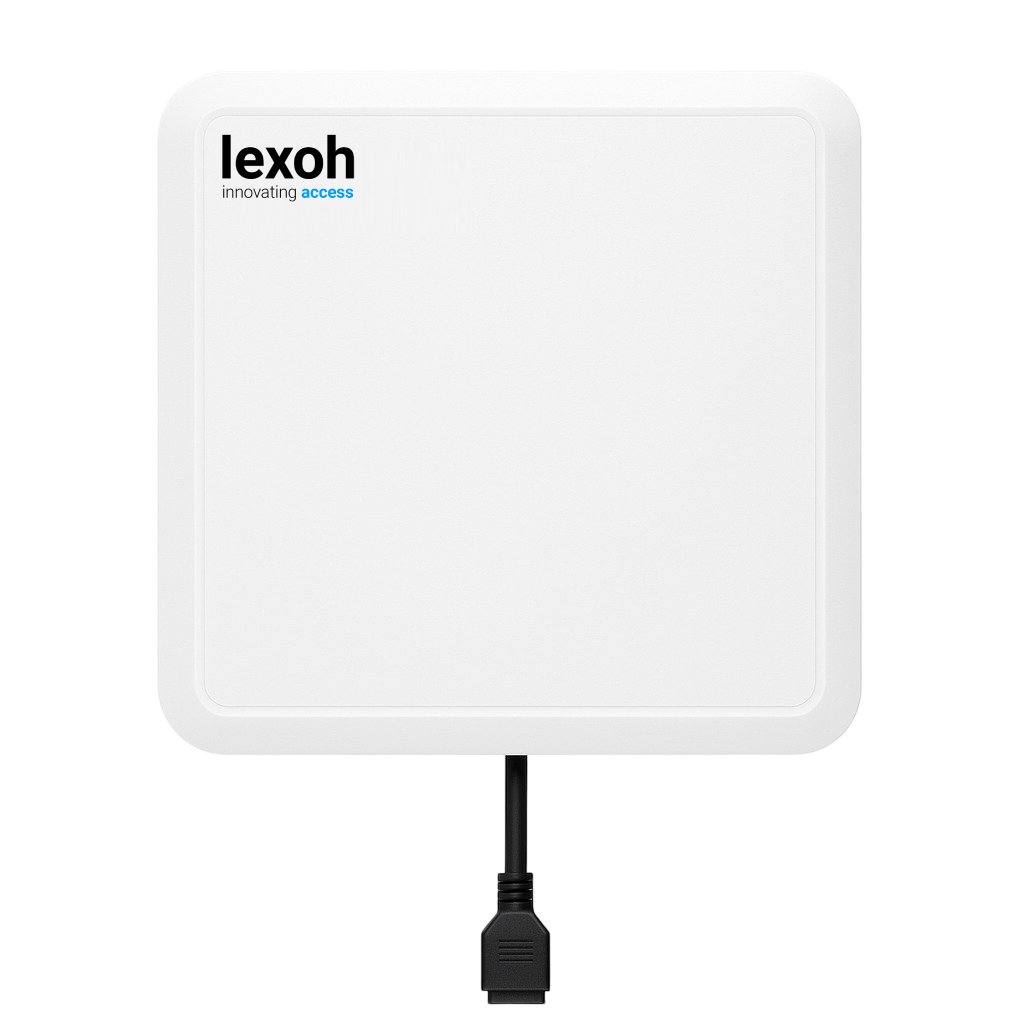
UHF credential reader
QR and barcode credential reader
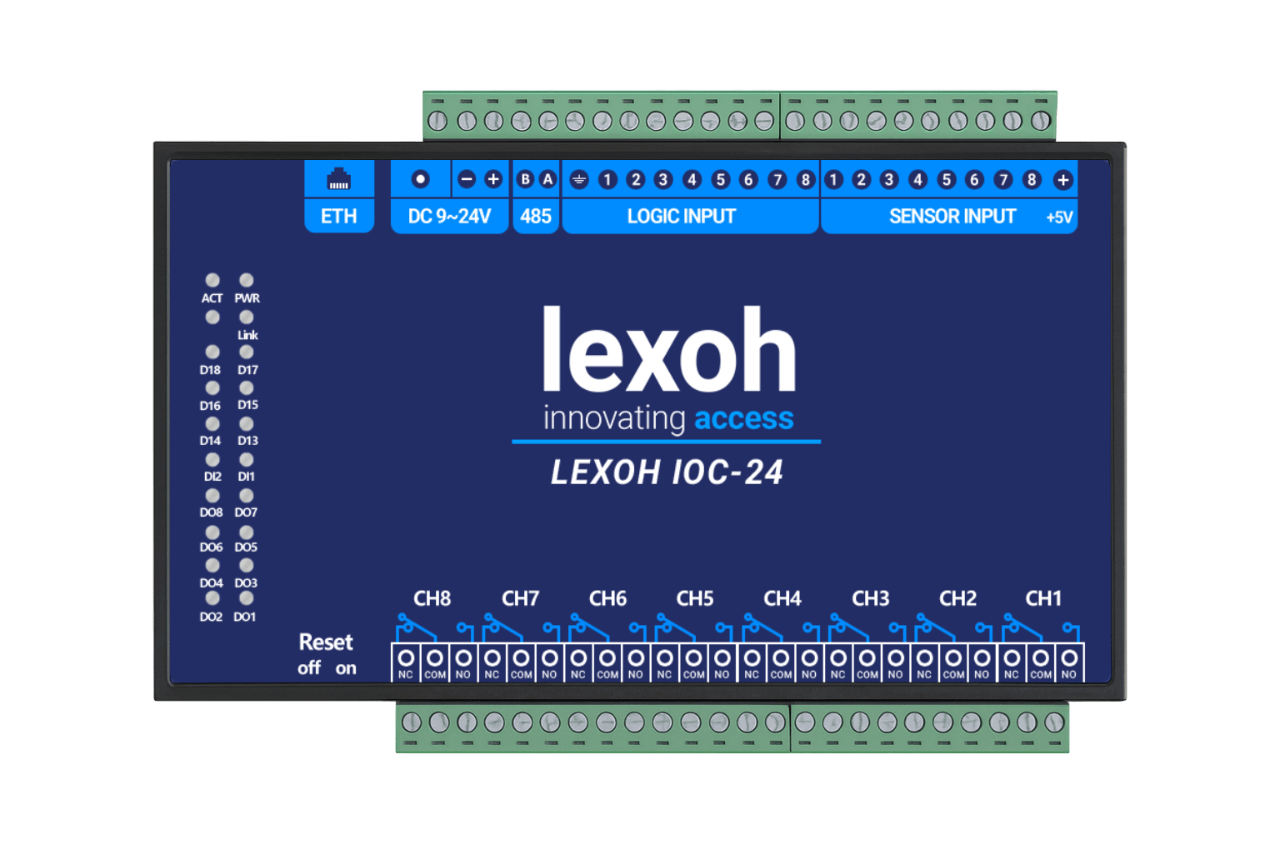
Device input and output controller
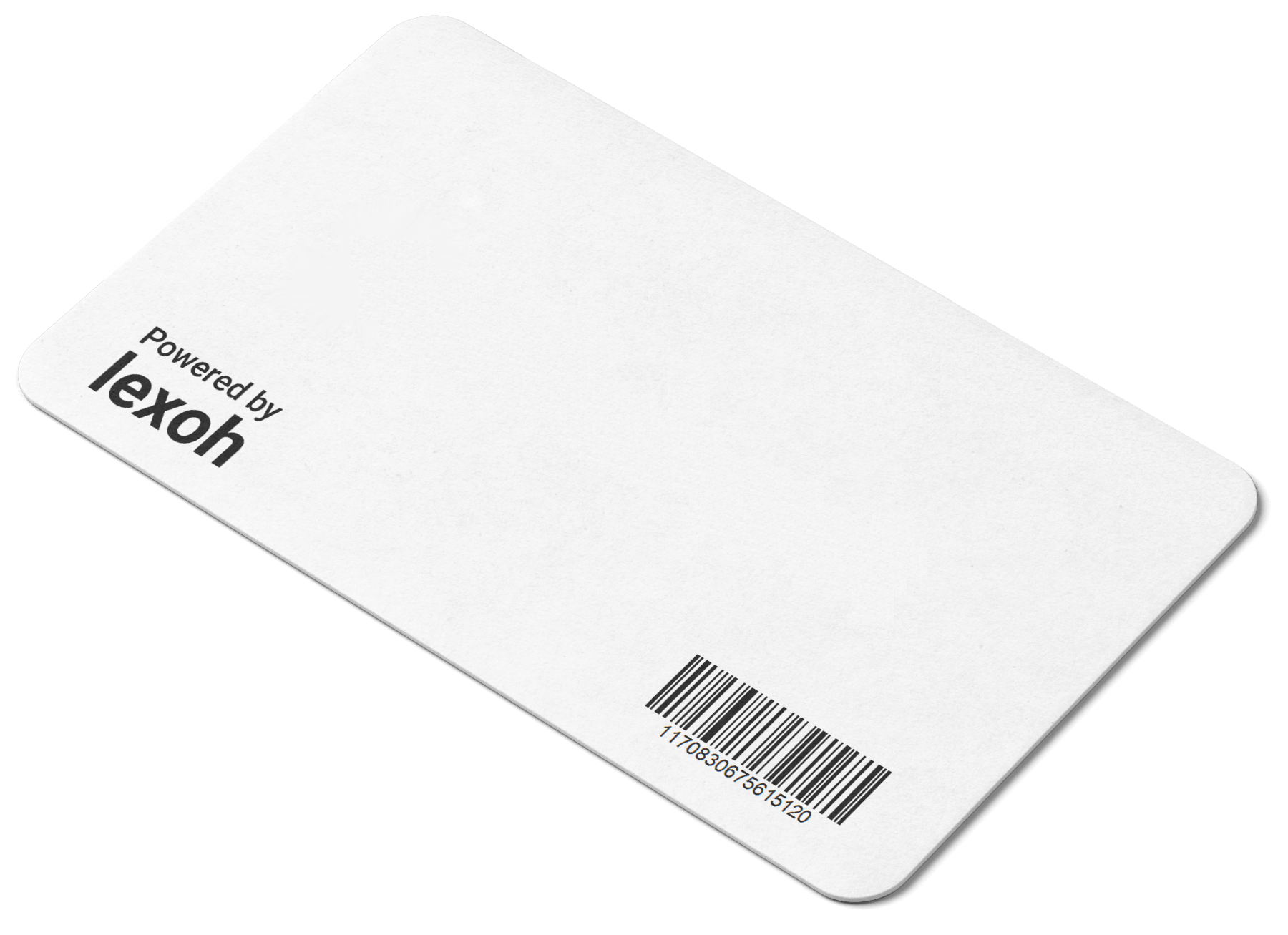
RFID access credential
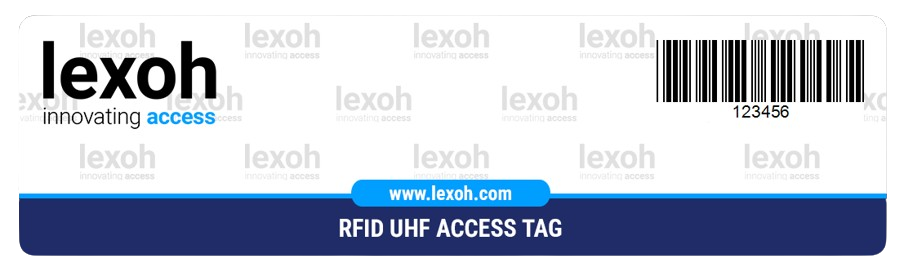
UHF access credential

Lane and access display signage

Thermal printer paper
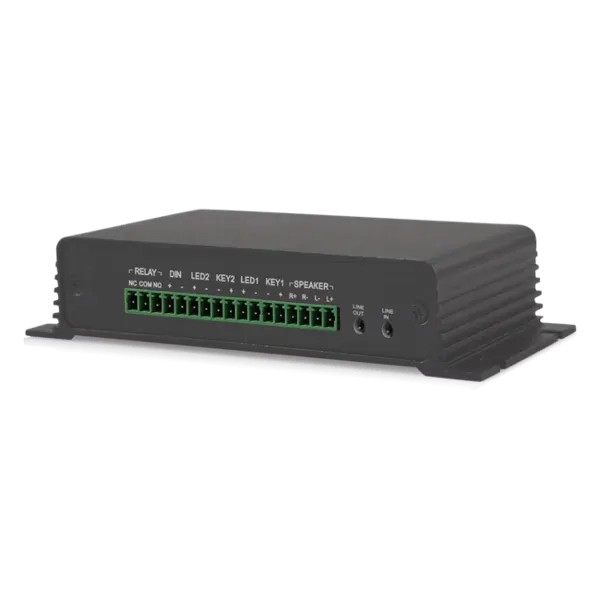
IP intercom communication
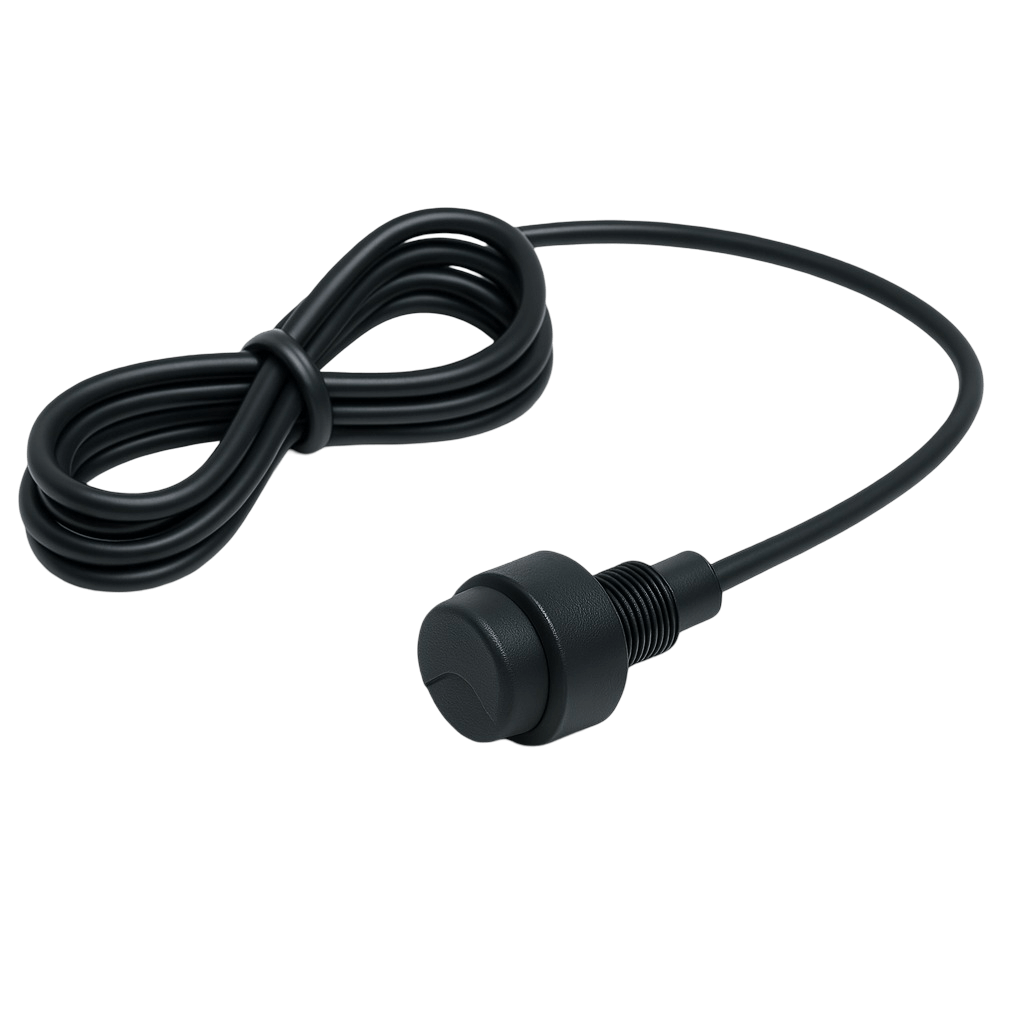
Analog omnidirectional microphone
Hotel parking
Lexoh connects parking permissions, payment equipment and barrier controls for hotels. Give overnight guests, event visitors and employees distinct access periods, then define how front-desk staff handle re-entry, changed stays and assistance. Hotel-software integration is scoped for the specific system and interface.
The booking, room account and parking right do not necessarily share the same system. Establish which record authorizes parking and who updates it. Early arrival, an extended stay and a changed vehicle should each have an explicit front-desk procedure.
| Arrival or user | Policy to define | Design consequence |
|---|---|---|
| Overnight guests | When does parking begin and end? | Specify arrival before check-in, departure and repeat entry. |
| Event visitors | Is parking paid, included or validated? | Separate event entitlement from overnight guest access. |
| Employees | Which lanes and work periods apply? | Issue staff rights independently from guest records. |
| Deliveries | Where should a supplier stop? | Keep loading and guest check-in circulation distinct. |
Choose how the guest receives the credential and the entrance instructions. If access is created from hotel software, verify the supported interface, required fields and update responsibility before promising automation.
Define whether a guest can leave and return during the approved period. Give staff a way to review a vehicle change, an extra night or a missed update without relying on an uncontrolled shared gate code.
Choose where the parking charge is collected and which record confirms it. A kiosk payment, room charge and event validation are different workflows; demonstrate the selected one from arrival through the operator’s report.
Identify whether the front desk issues access directly or a confirmed property management system (PMS) interface supplies the record. Specify arrival, departure, cancellation and vehicle-change updates. Parking access and posting a charge to the room are separate integration tasks.
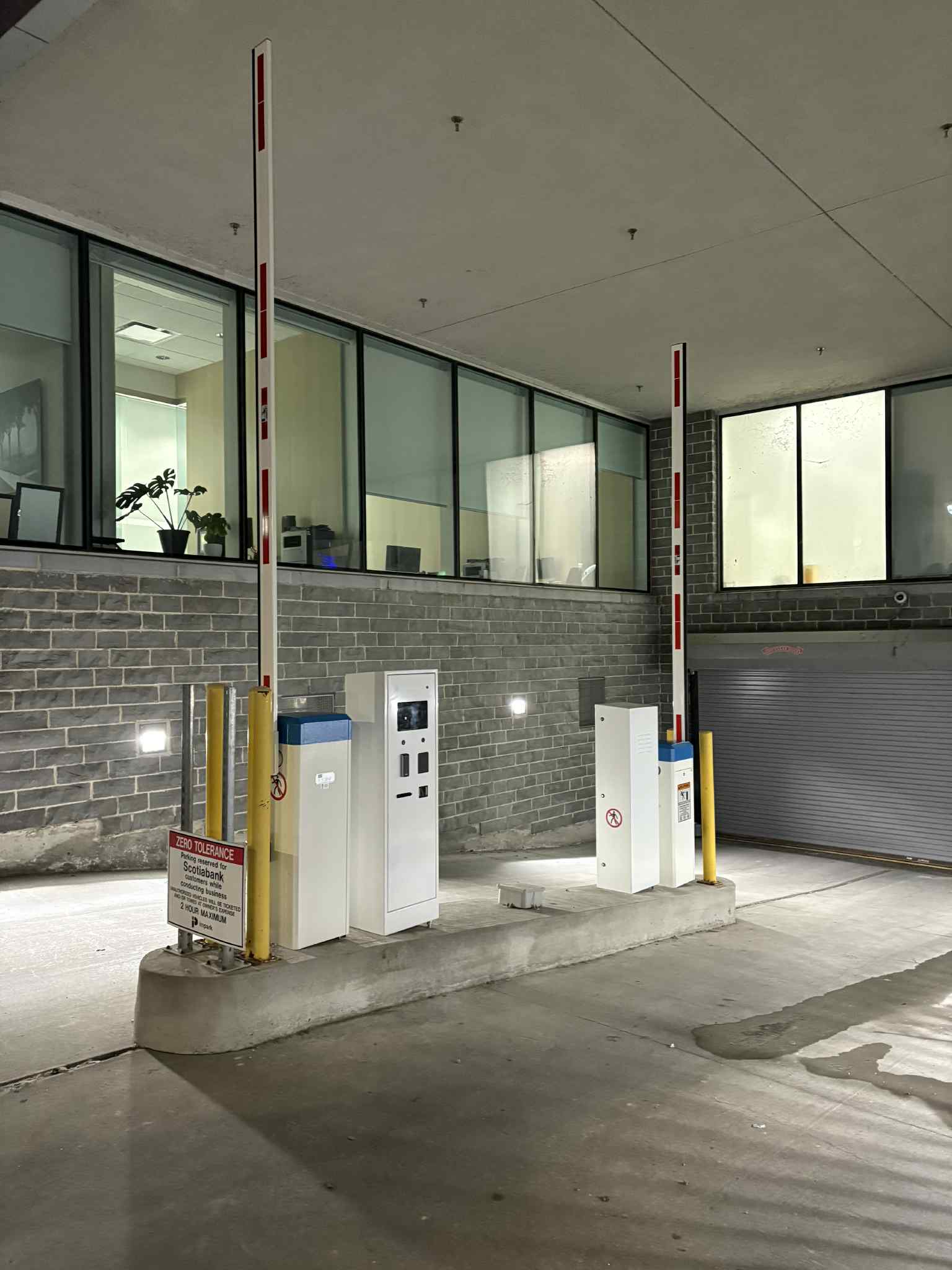
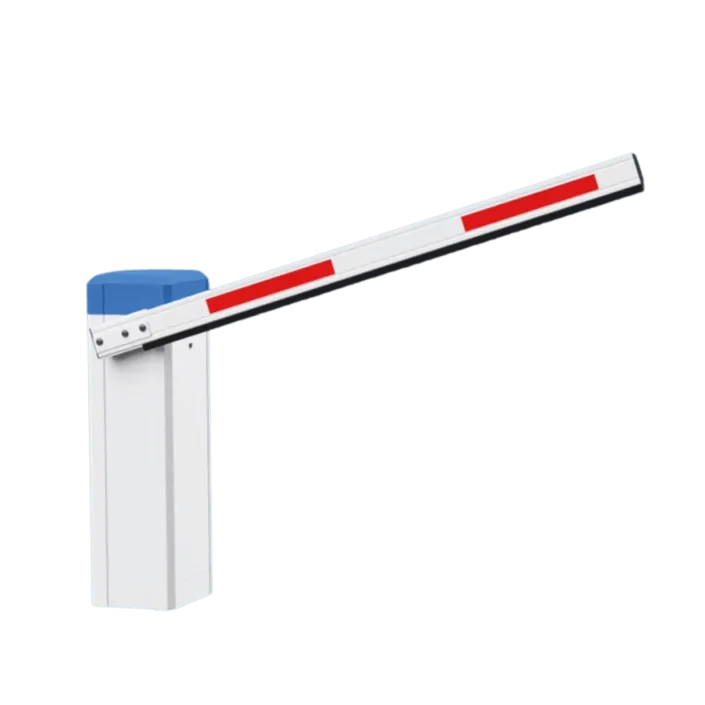
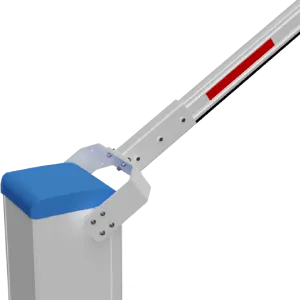
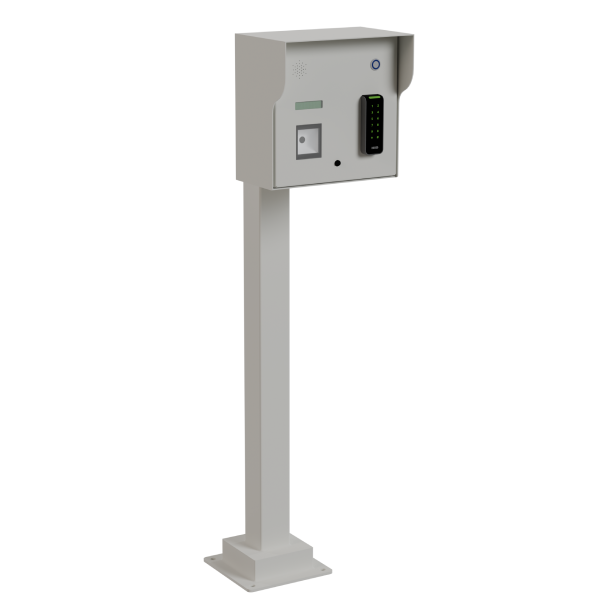
Choose how a guest presents a QR code, card, vehicle tag or license plate at the entrance. Match the reader, controller and barrier to the vehicle path. Test room cards before including them in the scope; they are not interchangeable with every access reader.
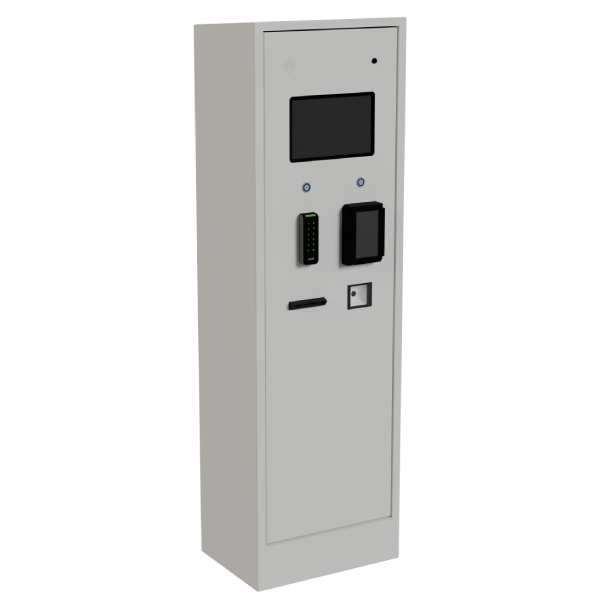
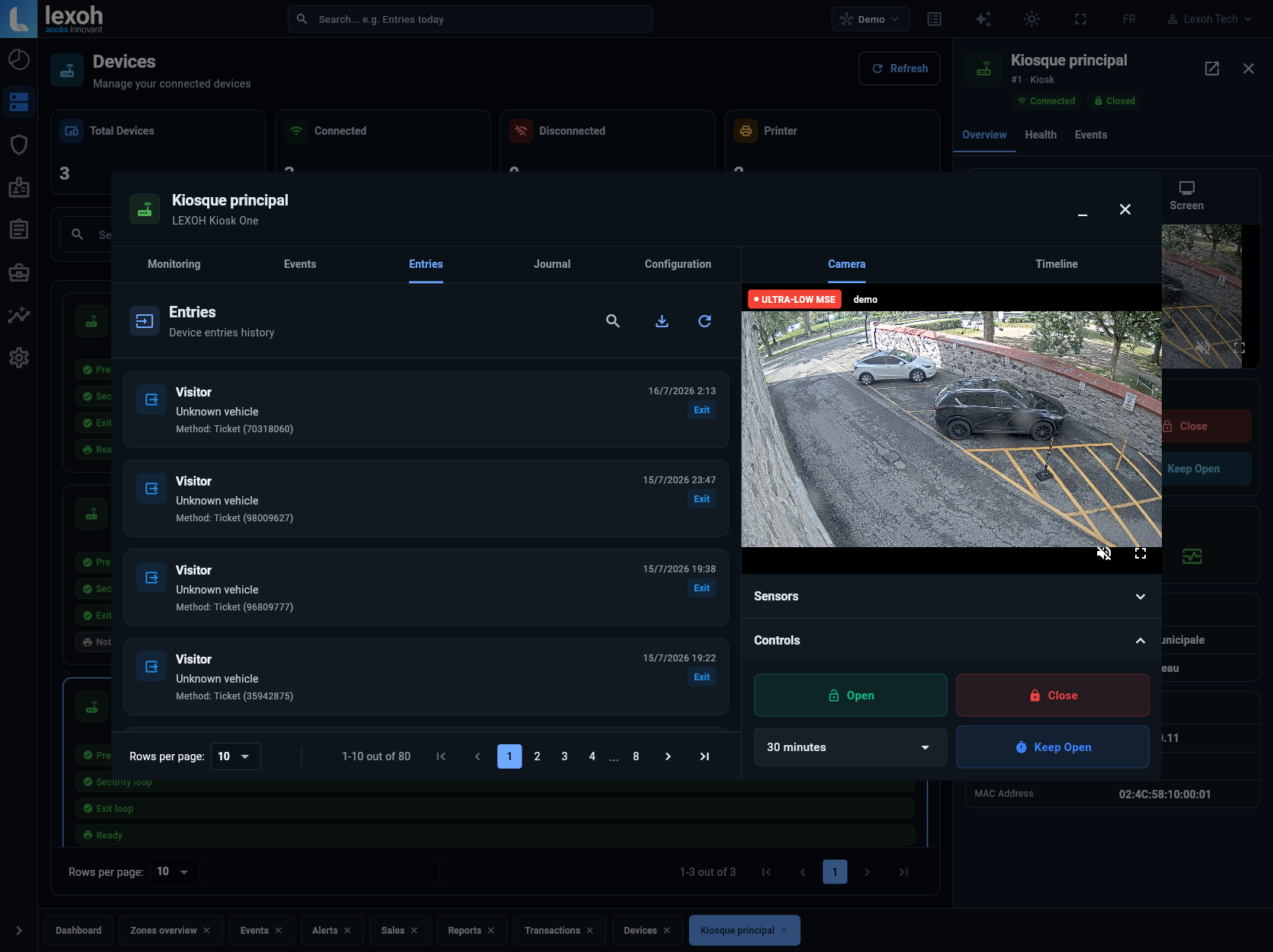
Use kiosk payment where the approved guest or public workflow calls for it. Lexoh Security Center’s illustrated device view shows entry events, camera context and barrier commands. Define who may open a lane and how the night team handles a missing entitlement.
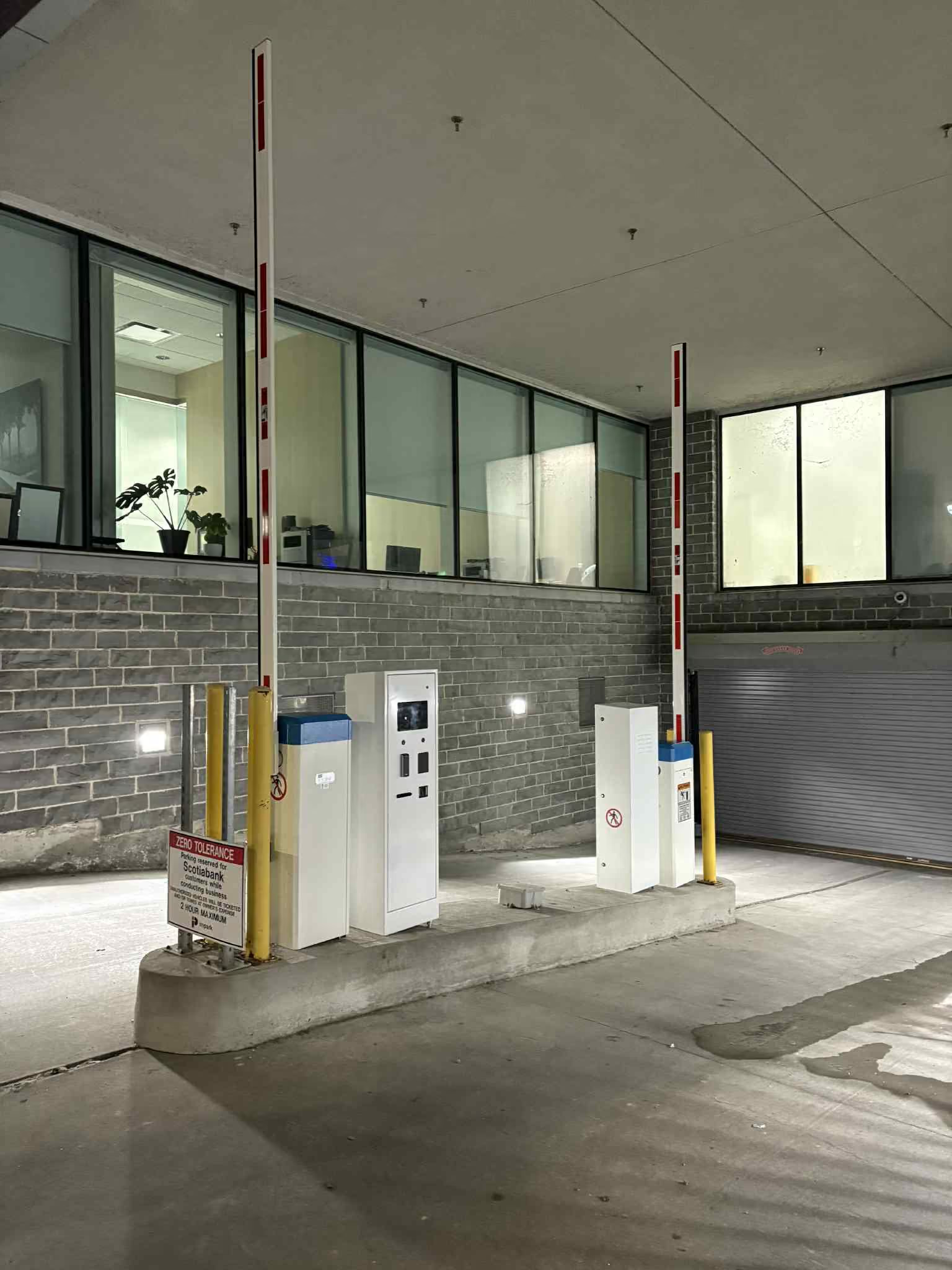
Imagine a hotel hosting a reception while overnight guests check in. Event attendees follow a time-limited parking rule, while staying guests need re-entry until their departure. The project brief should distinguish those rights, identify who validates event parking and state how a late guest gets help. Test an attendee leaving after the event window and a guest returning the next morning. Neither journey should depend on staff guessing which rule applies.
Guest, event, employee and delivery volumes by arrival period, plus the lane and loading layout.
The hotel systems involved, the owner of each data exchange and a manual procedure when an update is unavailable.
Payment collection, validation authority, refunds and the actual hours of parking assistance.
Questions to settle before selecting the equipment and configuration.
Send the entrance plan, guest and event policies, and hotel software details to scope access, payment and assistance.