








EV parking operations
Integrate EV charging with parking access.
Manage access to EV parking spaces with Lexoh. Connect parking permissions and operational records with the selected charging network through a compatible, project-specific integration.

Parking access and charging integration
How does parking access connect with EV charging?
An electric vehicle (EV) parking space has two access decisions: permission to park and authorization to charge. Residents, employees, visitors and fleet drivers may have different permissions and payment arrangements.
Lexoh manages the configured parking access and associated operational records. The integration review determines which data can be exchanged with the charging network. Charger operation, energy measurement and charging bills depend on the equipment and services selected for the project.
The project design specifies the compatible interface, billing responsibilities and procedures for handling access or charging issues.
Operational journey
From parking entry to charging and departure.
-
Identify
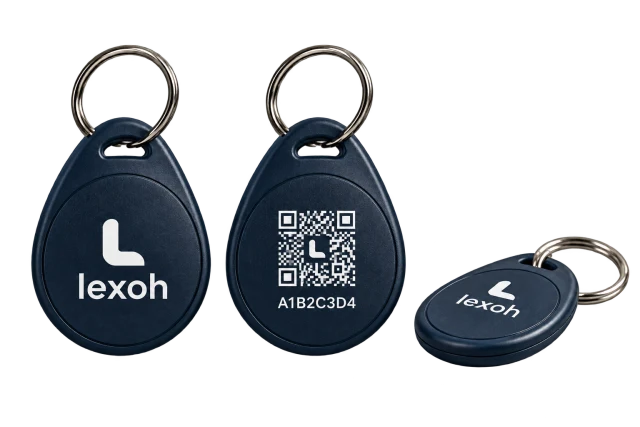
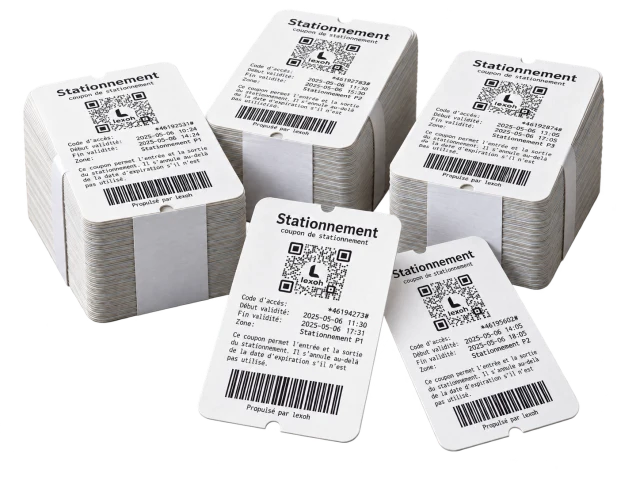
The driver or vehicle presents an accepted parking credential.
-
Evaluate
Configured eligibility and available system data are checked.
-
Coordinate
Parking access and the supported charging workflow remain aligned.
-
Review
Authorized teams consult available transactions, events or exceptions.
 View full-size software image
Transaction context
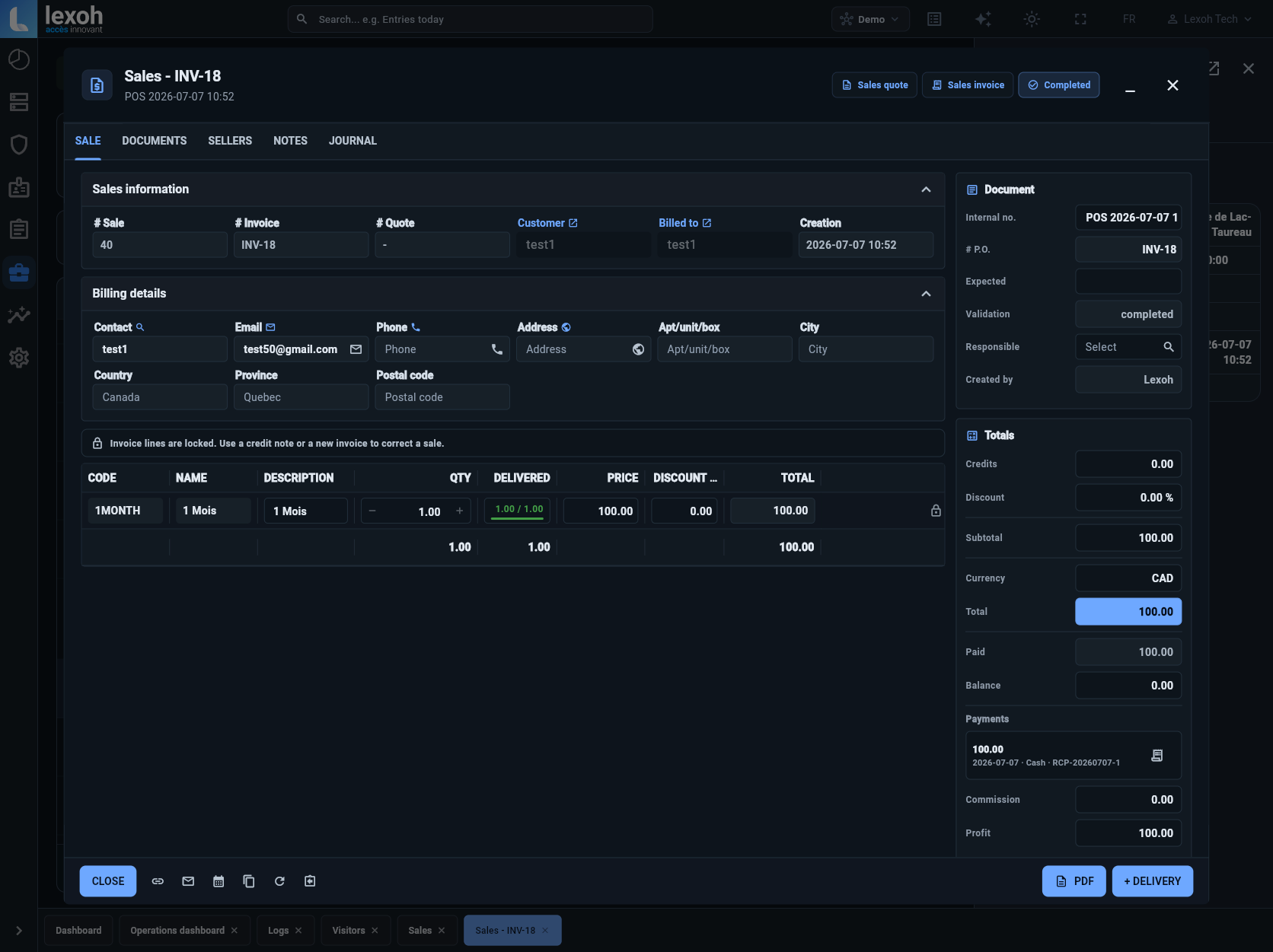
Review the transaction records available for the visit.
Security Center presents the transaction records available through the selected equipment and integration. These records help authorized staff review the parking visit and its associated payments.
- Define the data required from each system
- Keep payment responsibility explicit
- Review transactions through authorized workflows
- Preserve the distinction between parking and energy billing
 View full-size software image
Exceptions and follow-up
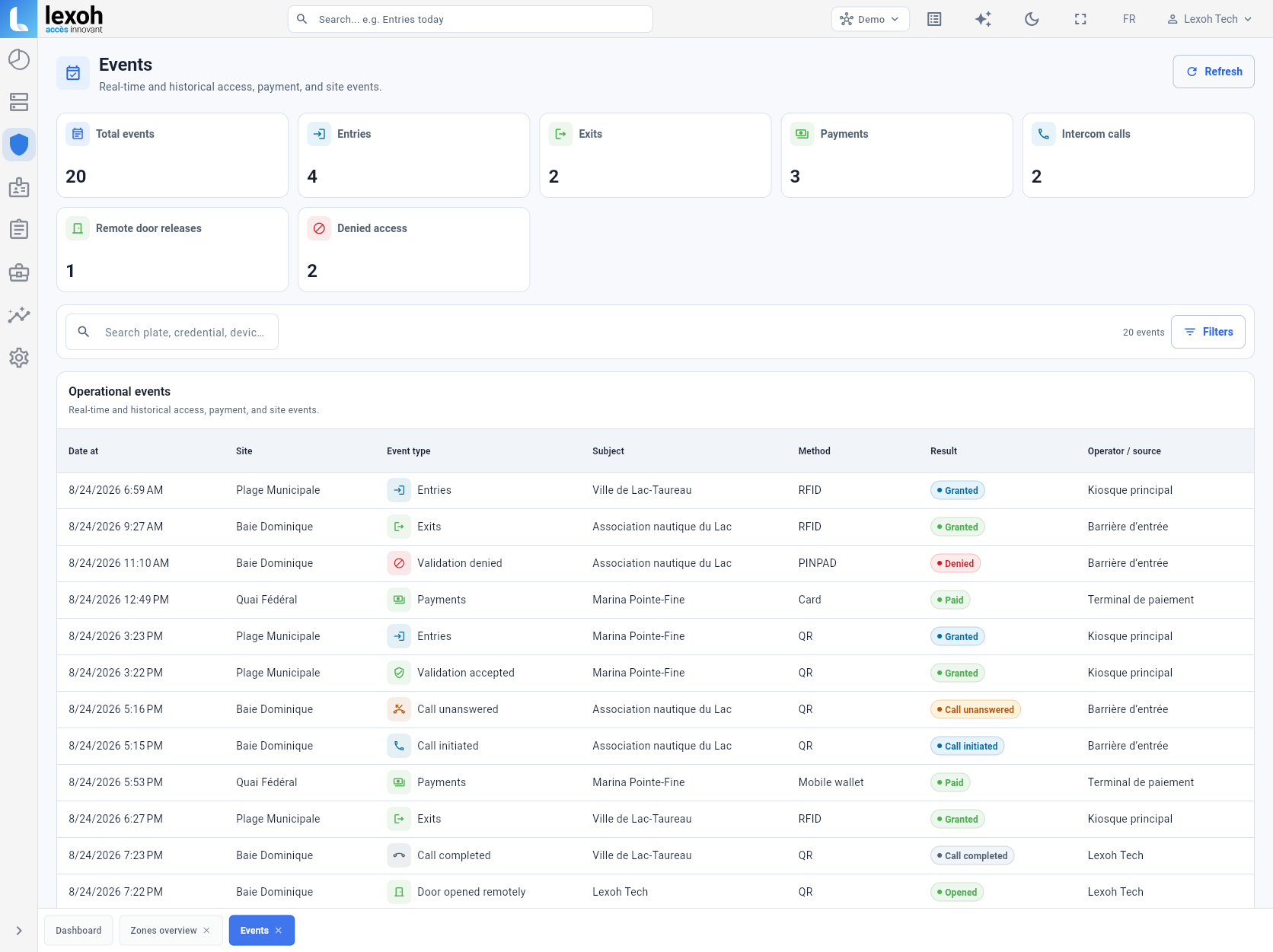
Give operators the context to respond.
Configured events can provide operators with the context to investigate an access, parking or charging exception. Enforcement and customer-service decisions remain part of the approved operating process.
- Review the affected site and access point
- Distinguish the available event types
- Keep operator actions attributable
- Escalate according to the site procedure
EV parking contexts
The operating model changes by site.
Resident, employee, public and fleet charging each place different demands on eligibility, payment, dwell time and support.
-
Residential
Assigned or shared spaces with property-defined access rules.
-
Workplace
Employee and visitor charging within the site’s parking policy.
-
Public parking
Driver access, payment responsibilities and support procedures.
-
Fleet
Vehicle eligibility and operational follow-up for managed fleets.
FAQ
Questions about parking and EV charging integration
What should we provide for a parking and EV integration review?
Send the site plan, charger manufacturer and model, charging-network operator, documented interfaces and existing parking equipment. Describe the driver groups, parking credentials, desired data exchange, payment responsibilities and assistance contacts. The proposal should identify which connection is supported and how it will be tested.
What should commissioning test?
Test the agreed driver journey from arrival to charging activation and departure. Include a valid and rejected parking credential, an unavailable charger, interrupted connectivity and the expected transaction record. Assign each issue to the responsible parking or charging supplier and record the acceptance criteria.
Does Lexoh work with every EV charger?
Compatibility depends on the charger model, its network service and documented interface. Send us these references and the data you want to exchange so the project review can establish the supported connection and each supplier’s responsibilities.
Can the platform bill by energy used?
That depends on the selected charger, metering, payment provider, commercial rules and supported integration. The billing authority and source of record are defined during project design.
Can the system prevent non-EV vehicles from occupying a space?
Available detection or permit data may help surface a candidate exception, but site design and data quality determine what can be observed. Any enforcement response remains an operator responsibility.
Can EV parking share the same credential as the main lot?
It can be considered when the credential technology, access points and permission model are compatible. The final workflow is confirmed during design.
Does permission to enter an EV parking area also start a charging session?
Parking access and charging authorization are separate steps unless the agreed integration explicitly connects them. A driver may be allowed through the barrier while still needing the charger operator’s account, payment or activation process. Define both journeys during design and test them together, including who assists the driver if one step succeeds and the other does not.
Who handles an unavailable charger when the parking entrance still works?
Identify the affected space and charger, then follow the service responsibilities agreed for the charger network and parking system. Staff need a clear contact for charger availability, alongside instructions for directing drivers under the site’s parking policy. Do not assume that an operator who can control the parking barrier also has permission or an interface to reset the charger.
Plan your EV parking project
Connect your parking access and charging project.
Share your site plan, charger models and charging-network details. We can review the parking access, data exchange and payment responsibilities with your team.
Review the project