Recurring residents
Compare cards, vehicle tags and plates against existing credentials and the garage approach.
Compare parking access control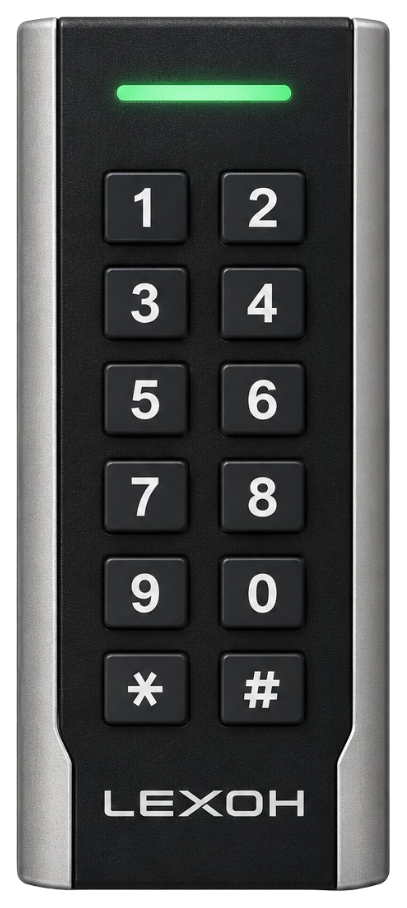
Card-based credential reader
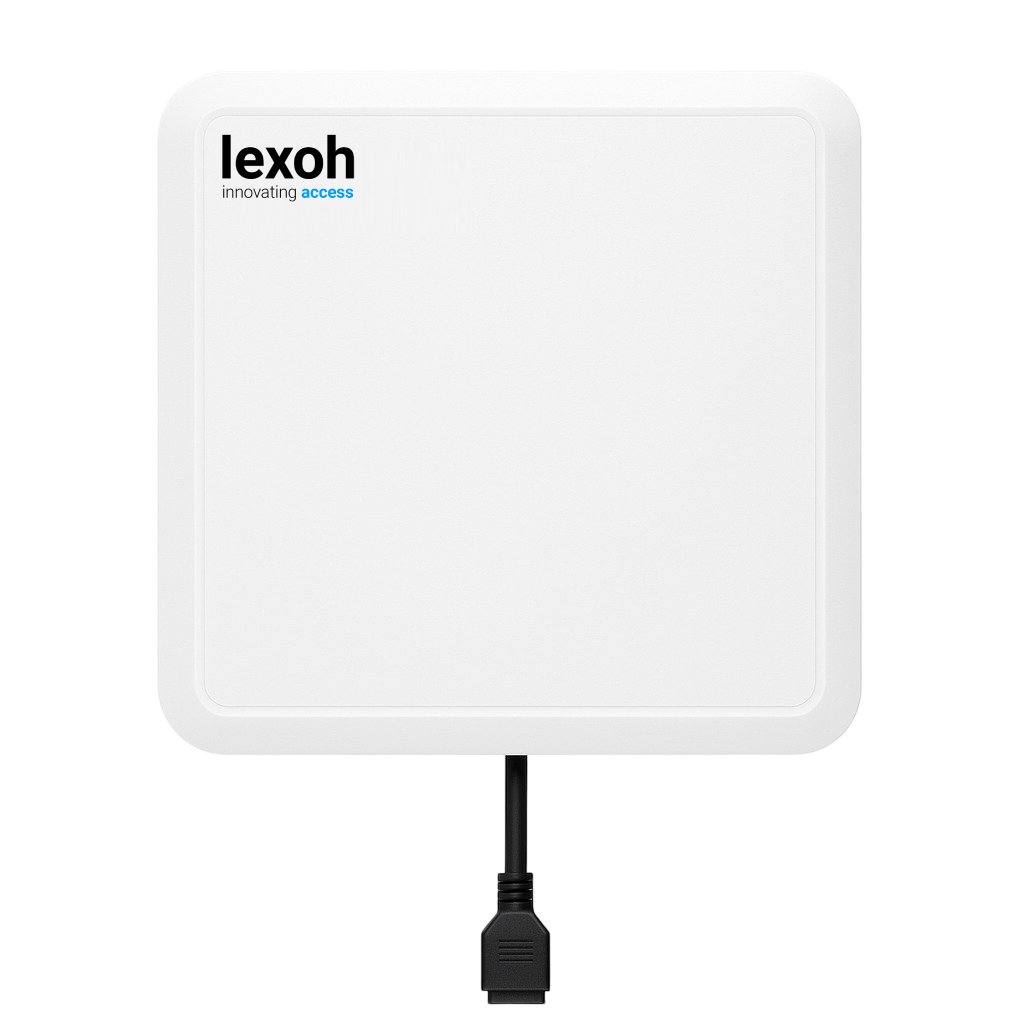
UHF credential reader
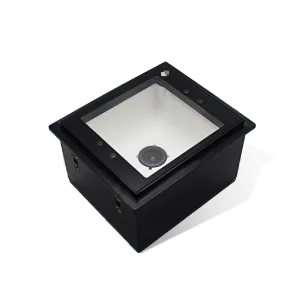
QR and barcode credential reader
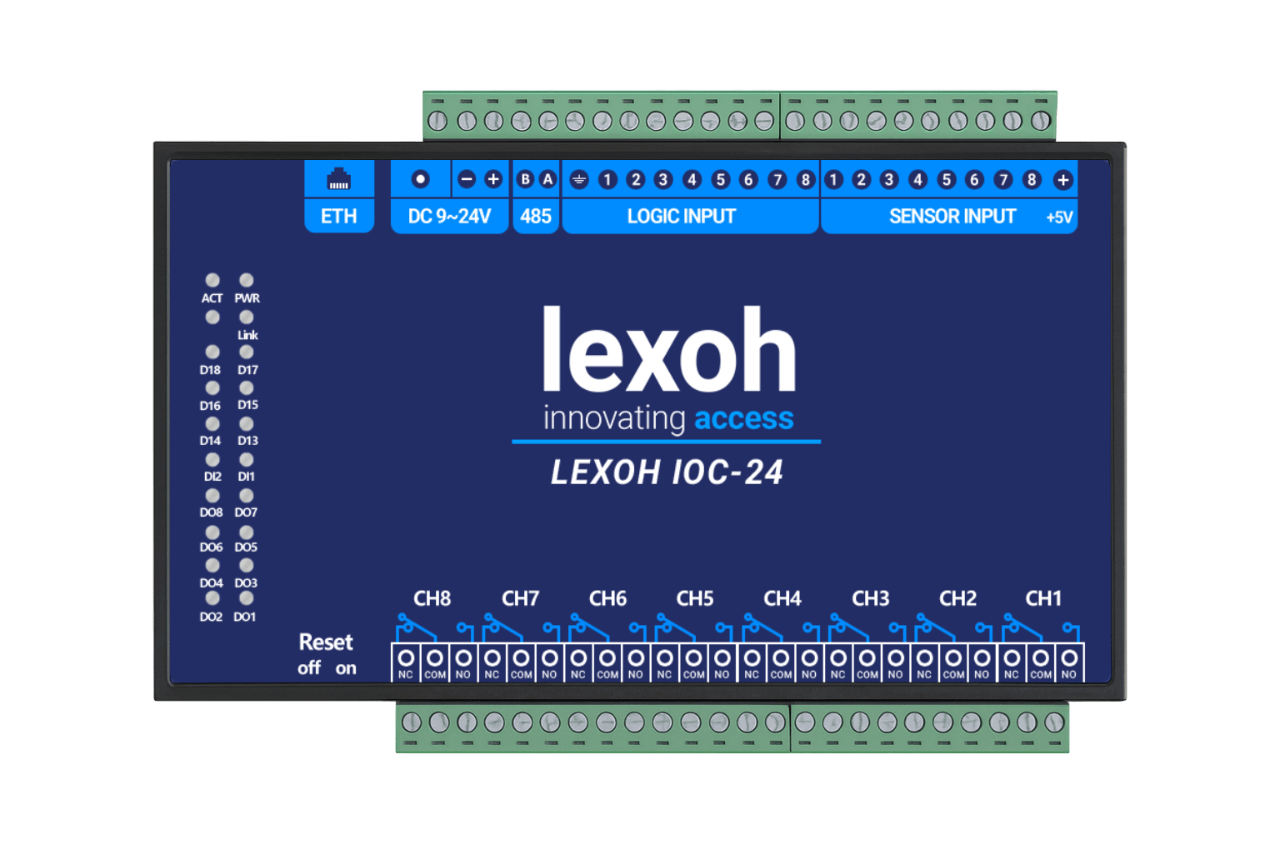
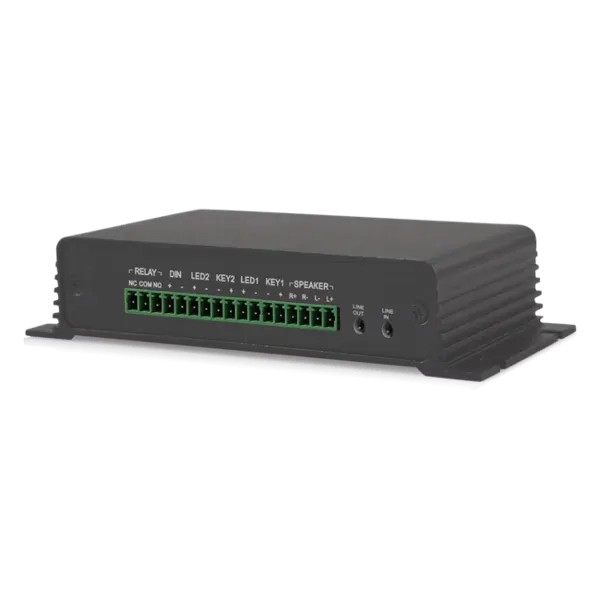
Device input and output controller
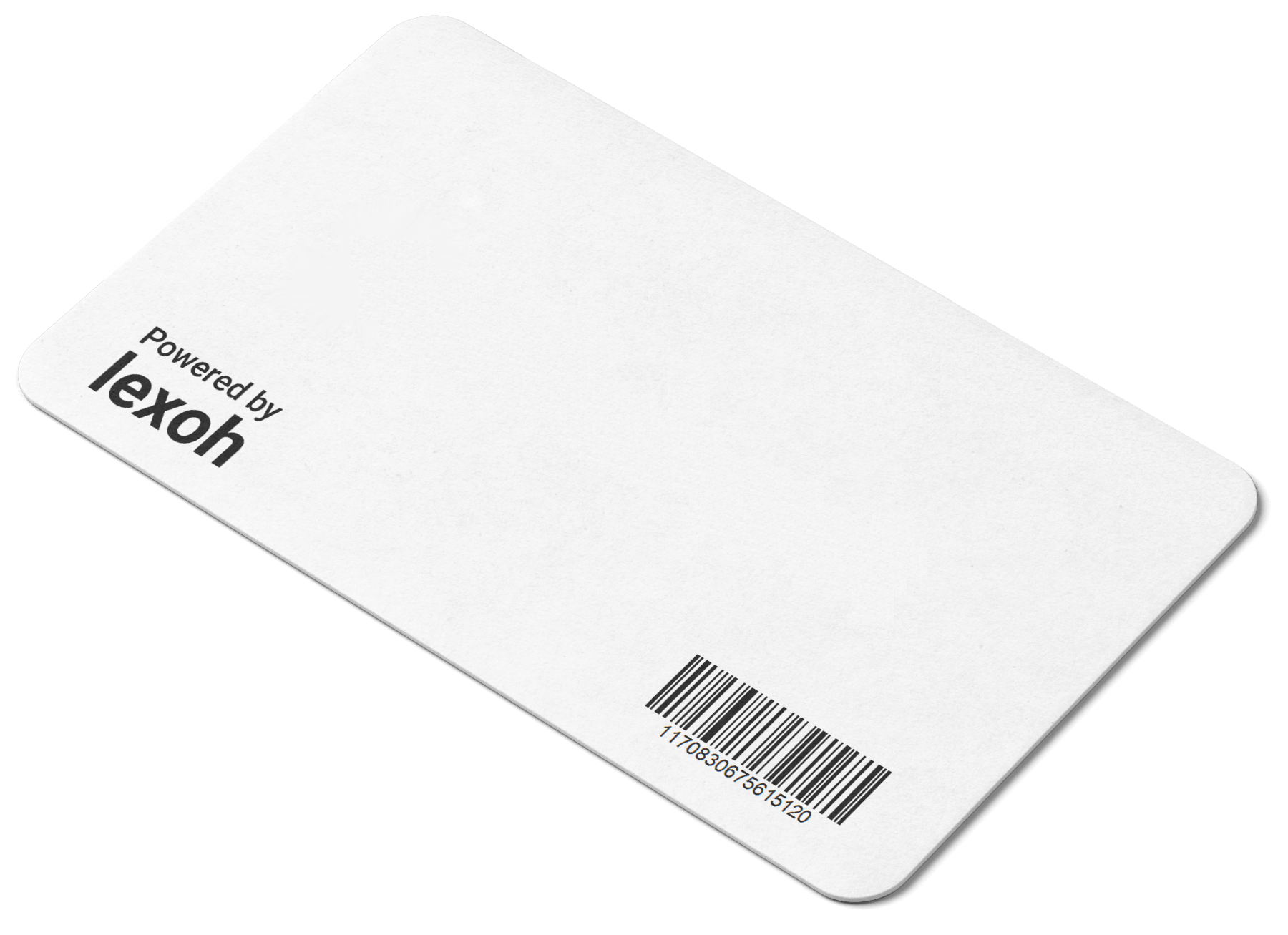
RFID access credential
UHF access credential

Lane and access display signage

Thermal printer paper
IP intercom communication
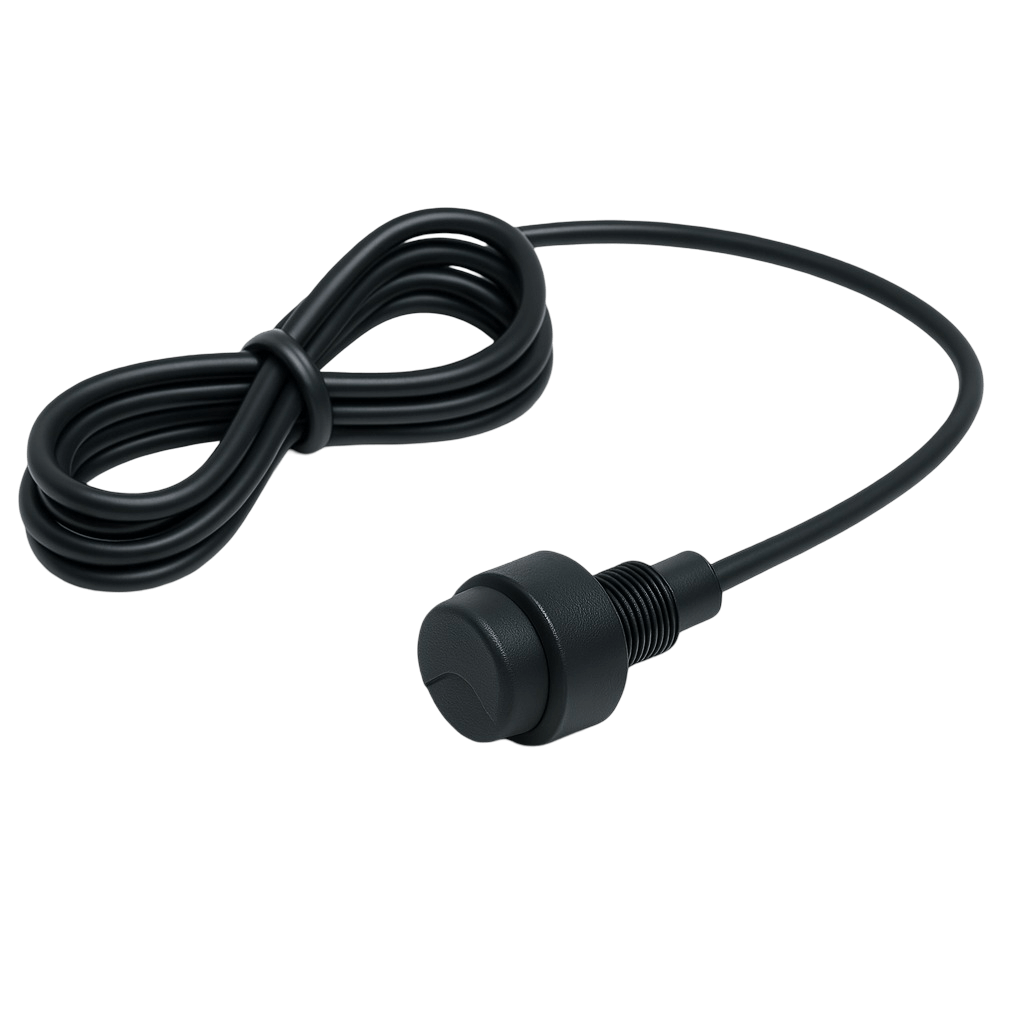
Analog omnidirectional microphone
Residential parking
A residential parking system needs to follow the household: residents move, cars change and guests arrive outside office hours. Lexoh connects lane equipment and access rights so the property can define resident, visitor and service access in one project.
A valid credential can authorize entry without reserving a particular stall. Start with the building’s assigned spaces, shared visitor area and garage layout. Decide who approves each change and what the equipment must verify; access control alone does not establish whether a vehicle is parked in its assigned space.
| Arrival or user | Policy to define | Design consequence |
|---|---|---|
| Residents | Who holds the right: resident, household or vehicle? | Record the permitted vehicles, zone and start/end dates. |
| Visitors | Who can issue a visit and for how long? | Choose temporary credentials and a clear expiry procedure. |
| Replacement vehicles | How is a borrowed or rental vehicle approved? | Retire or suspend the old credential before activating the replacement. |
| Contractors and movers | Which entrance and hours apply? | Review vehicle height, stopping position and the staff contact. |
Collect the information needed for the chosen credential and identify the person authorized to approve it. A card, UHF tag or registered plate must correspond to the actual reader and lane configuration.
Tell the visitor which entrance to use, how to present the credential and when it expires. Provide a real assistance contact for that arrival period. A garage intercom only helps if someone is assigned to answer it.
Remove the outgoing resident’s access, recover reusable credentials and check any visitor rights attached to that household. Record the effective date so the next resident does not inherit an unintended entitlement.
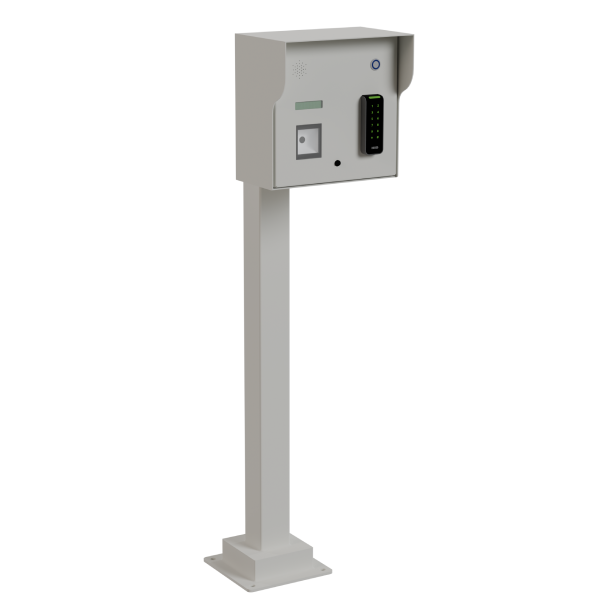
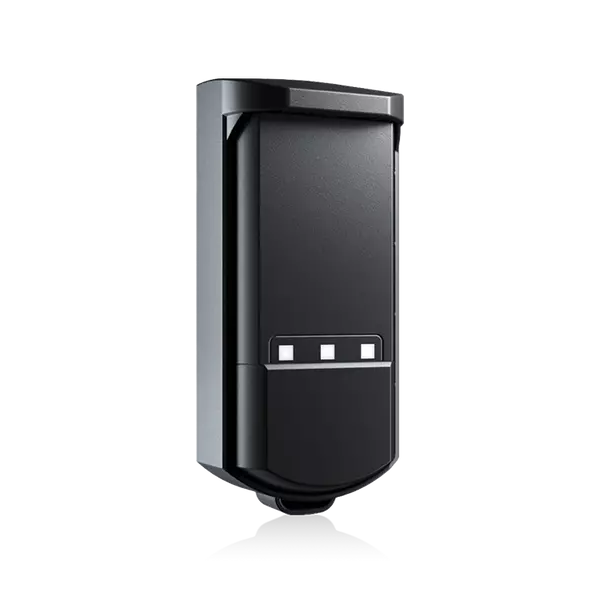
Lexoh supplies RFID readers and the UHF9DBI vehicle-tag reader. Choose the reader around the way residents approach the entrance and the credentials they carry. A visitor may need a different arrival method; review that path alongside retained cards and garage clearances.
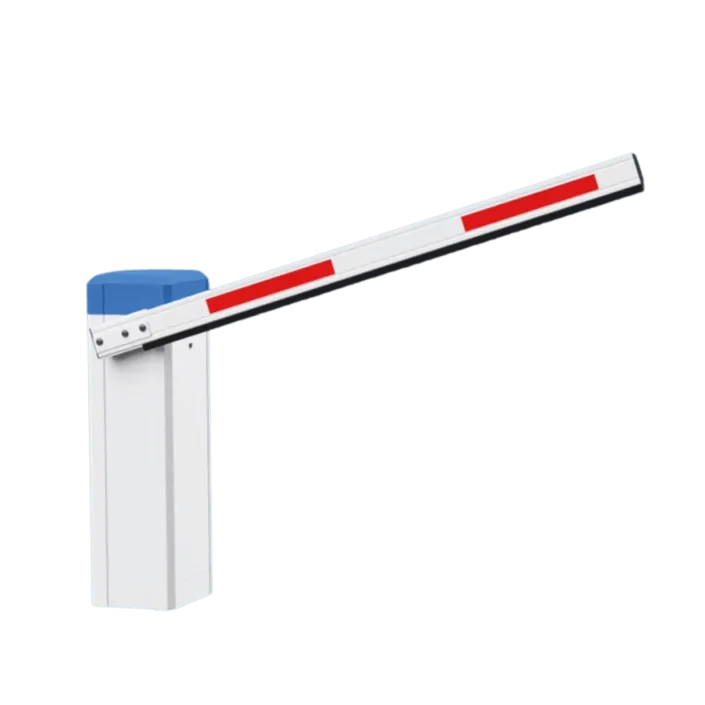
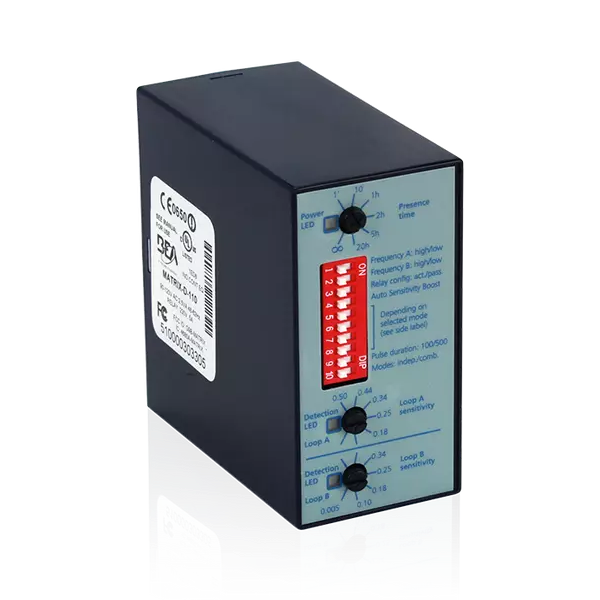
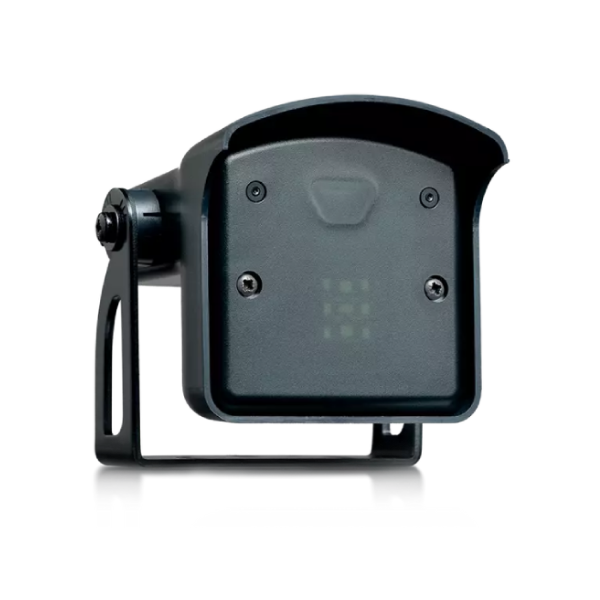
The controller connects the access decision to the selected garage-door operator or barrier. Review the existing opening interface, vehicle detection and door status with the installer. Keep pedestrian access and the vehicle path clear in the design; a valid credential alone does not show that the doorway is clear.
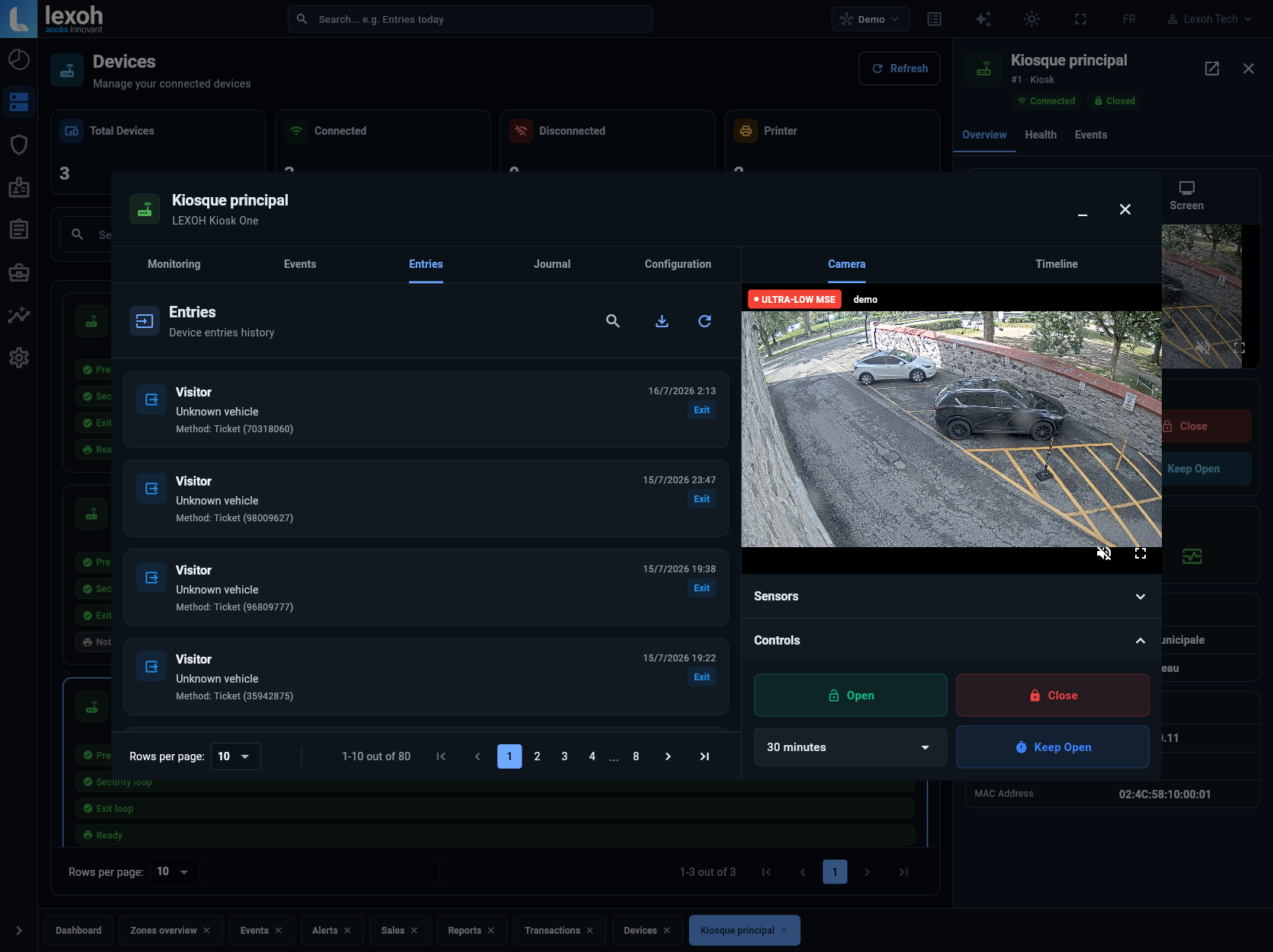
The Lexoh Security Center view shown here brings entry events, camera context and access commands together. Give the property team a clear process for a lost credential, an unexpected visitor or a door that stays open. Define who answers the intercom and who can authorize an exception.
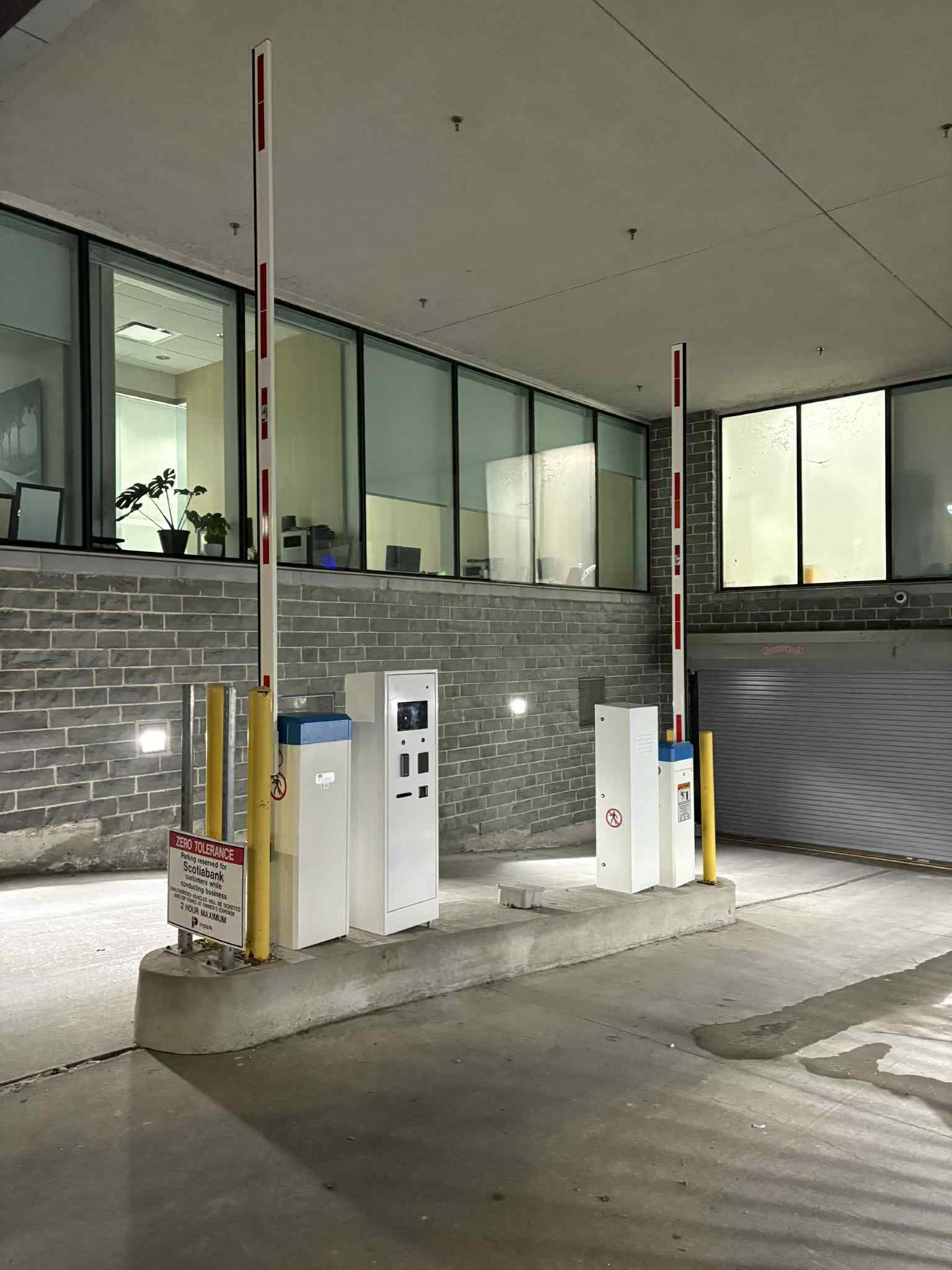
Consider a condominium with assigned indoor stalls and a shared visitor area outside. Residents use an approved recurring credential; guests receive a temporary right under building policy. When a resident changes cars, management updates the vehicle record without changing the household’s parking allocation. Before delivery, test an active resident credential, an expired visitor credential and a revoked credential at each relevant entrance. This is a planning example, not a claim about the installation shown.
A plan of entrances, garage clearances, resident spaces, visitor spaces and pedestrian paths.
The current allocation register, approval roles and procedures for move-ins, vehicle changes and lost credentials.
The existing garage-door operator model, reader models, power and network details, with an assistance and outage procedure to review.
Questions to settle before selecting the equipment and configuration.
Share the garage layout, allocation rules and existing credentials. We can review the equipment and configuration required for the property.