


Parking planning guide
Gated vs gateless parking
Compare how each design handles payment, access and driver assistance. For owners, parking operators and integrators, the choice depends on the site’s rules, collected revenue and day-to-day workload.
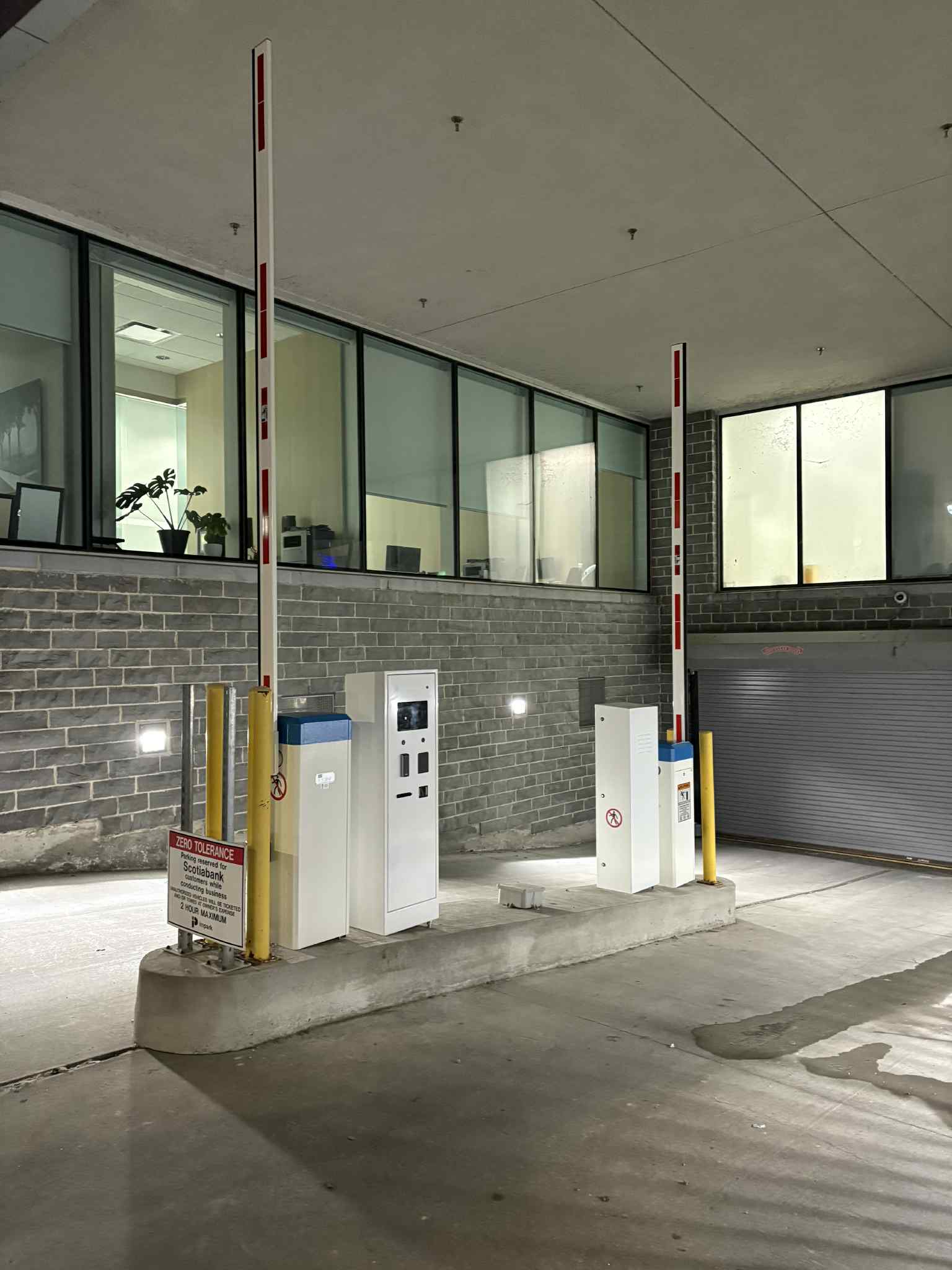
Start with the operation
The choice changes how payment is secured.
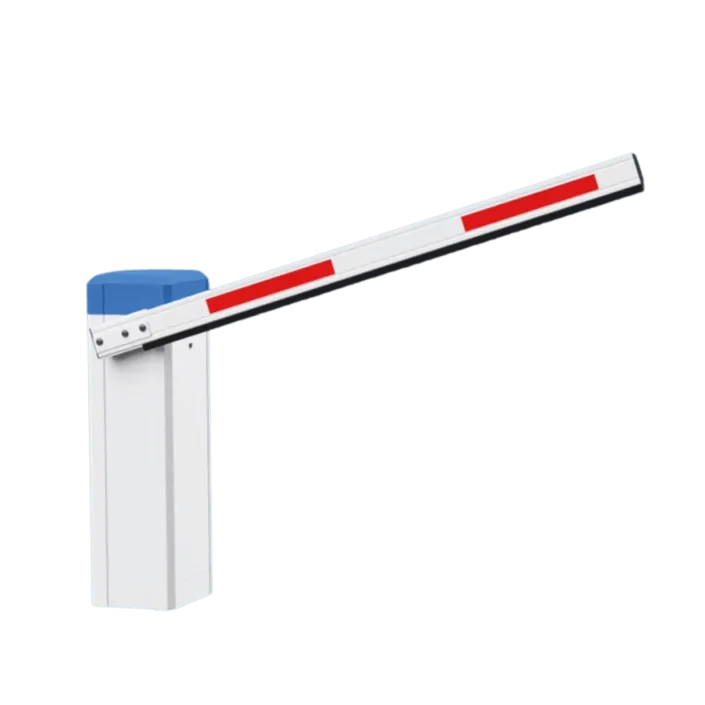
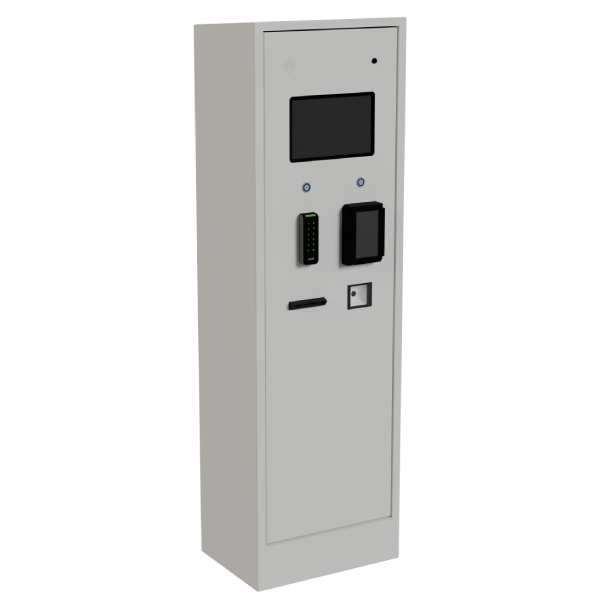
At a paid site, a gated system can check a payment or valid parking right before authorizing passage, according to the configured entry or exit sequence. A gateless system has no physical barrier at the lane: the operator associates parking use with a paid session or permit and reviews exceptions through the agreed process. Lexoh’s proposed equipment, software and operating services should describe that complete sequence.
When drivers skip payment or overstay in a gateless lot, the operator must detect the unpaid use and pursue the permitted recovery process. A notice issued later still has to be collected. These differences matter when comparing the revenue and workload of otherwise similar sites.
Revenue and operating costs
Compare the revenue actually collected.
Compare money received over a defined period, then subtract the operating costs included in each proposal. Keep ordinary parking payments, amounts recovered through notices, refunds and processing fees separate. The value of notices issued is not the same as collected revenue.
A barrier can make payment or a valid right part of the normal passage decision. At a gateless site, identify how unpaid use and overstays are detected, who reviews the records and which recovery process is available. Compare the work and costs of those processes alongside the physical equipment.
For patrol-based operation, define how often vehicles are checked against paid sessions, permits or displayed tickets. Include evidence review, notice preparation, disputes and follow-up in the staffing estimate. If a contractor provides this work, request the visit schedule, coverage records and itemized fees.
-
Parking receipts
Compare the same tariffs, spaces, user groups and reporting periods. Explain changes in demand, closures or subscriptions before attributing a revenue difference to the access design.
-
Notice recovery
Track issued, cancelled, disputed and paid notices by issue period. Allow a consistent recovery window and separate the number paid from the amount collected.
-
Payment before passage
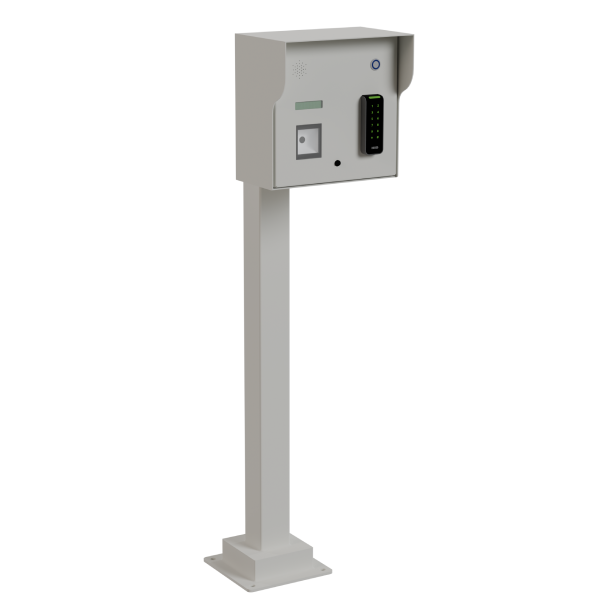
A configured Lexoh lane can check payment, a permit or an authorized exception. Document how the driver gets help and how staff record exceptions.
-
Complete operating cost
Include equipment service, software, payment processing, remote assistance, patrols and collection administration. State which costs are included, variable or charged separately.
Compare what each design asks of the operator.
Scroll horizontally to compare all columns; use the arrow keys when the table is focused.
| Decision | With a controlled barrier | Without a barrier |
|---|---|---|
| Access | Define the decision that permits physical passage. | Define how parking rules are communicated and checked. |
| Payment | Coordinate confirmation with the selected entry/exit sequence. | Specify how a paid session is associated with permitted use. |
| Exceptions | An unread credential or payment issue may require assistance at the lane. | A suspected mismatch requires review; detection is not an automatic penalty. |
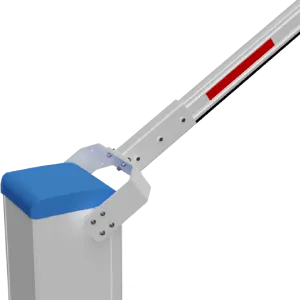
| Field work | Plan arm movement, detection, clearances, power and service access. | Plan any cameras, signs, interfaces and observation areas actually required. |
| Staffing | Configured automatic access and payment checks, remote assistance within the agreed service scope, and assigned on-site maintenance. | Monitoring, exception review, disputes and collection work according to the operating scope. |
| Capacity | A barrier does not create spaces or guarantee a space for each permit. | Removing a barrier does not resolve an oversubscribed allocation policy. |
| Revenue protection | Check the payment or valid right before normal passage. | Detect unpaid use and follow the permitted collection process. |
Gated parking with LEXOH
Separate automatic operation, remote help and site visits.
Normal access and payment decisions can follow the configured rules without an attendant approving every vehicle. Driver assistance, equipment maintenance and physical servicing still need assigned responsibilities. The service agreement should define what a Lexoh agent can resolve remotely and when someone must attend the site.
-
Routine access decisions
Define valid permits, paid sessions and authorized exceptions. Test the selected identification and payment sequence, including what happens when a credential cannot be read or a payment is not confirmed.
-
Remote assistance
Agree service hours, communication links, permitted actions and escalation contacts. Review which payment or access problems an agent can investigate through the connected system.
-
Work on site
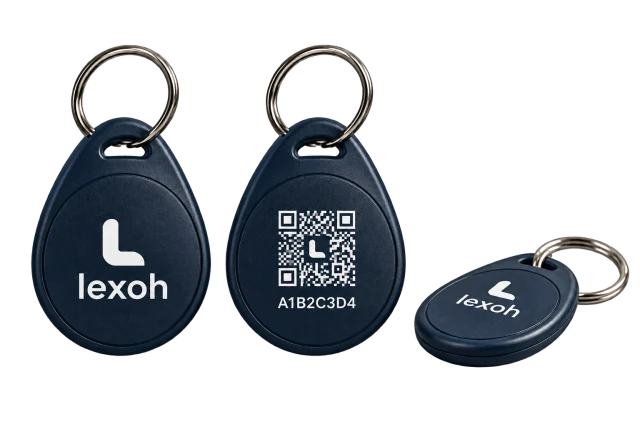
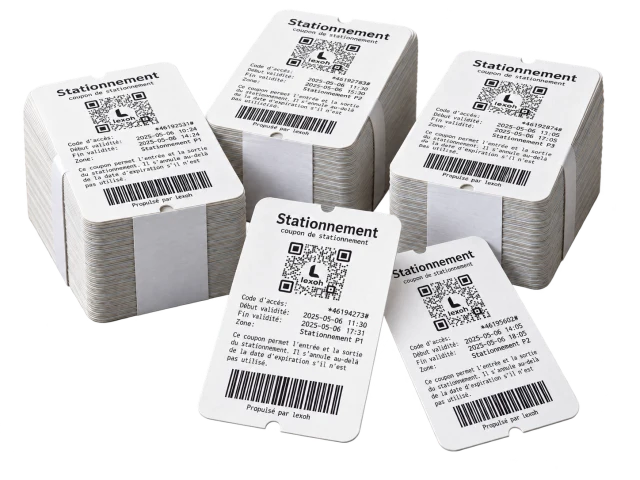
Assign paper replacement where tickets are used, cash collection where accepted, cleaning, repairs and other physical tasks. Record planned service visits separately from assistance requested by drivers.
Private parking enforcement
Private notices depend on local collection rules.
A privately issued payment notice does not automatically have the status or enforcement mechanisms of a municipal ticket. Its legal effect and available collection options depend on the issuer’s authority, applicable law and parking terms. Local exceptions matter across Canada and the United States.
For a gateless business case, confirm the charges and collection procedures permitted at the location, who handles disputes and what the operator receives after collection costs. Use actual payment and recovery records to assess the financial result.
Review your own operating records
Compare like-for-like sites and explain what changed.
Before using a revenue comparison for a project decision, identify the parking areas, available spaces, tariffs, user groups and reporting period behind each result. Note closures, special events, changes in subscriptions or other differences that affected the activity during that period. Keep ordinary parking receipts separate from payments recovered through notices, then identify the operating charges included in the comparison.
For a site changing its access model, retain the earlier operating records and agree how the new period will be reviewed. If prices, opening hours or the customer mix change at the same time, describe those changes alongside the result. That gives the owner a more useful basis for reviewing the operation than assigning the entire difference to the presence or absence of a barrier.
Match each area to its users
Consider the property by zone, not just by its main entrance.
A property can evaluate different operating approaches for areas serving different users. Begin by separating the objectives: restricting staff access, collecting visitor payments, supporting deliveries or maintaining a public route. Then examine where those journeys share a lane, a stopping point or an assistance team; a choice for one zone can affect the others.
Illustrative example: a property considers a controlled employee area beside an ungated visitor area. Review how drivers find the correct entrance, what happens when a visitor reaches the employee lane and how the operator handles an exception. Ask the supplier to define the proposed equipment and operating scope for each area, including any shared identification, payment or assistance responsibilities, before treating the mixed arrangement as an approved design.
Illustrative decisions: begin with the policy.
These examples describe questions to resolve. They are not case studies or promises of a specific Lexoh configuration.
-
A free employee lot with restricted entry
Payment is not the objective. Establish employee and visitor rights, the response to an invalid credential and a workable departure route. A barrier may support this access policy if the physical lane and operating procedure are suitable.
-
A public paid site without a physical stop
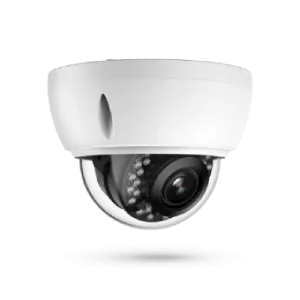
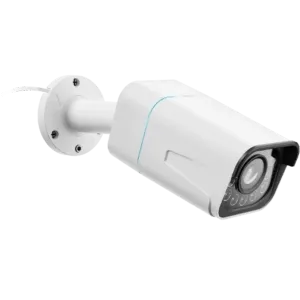
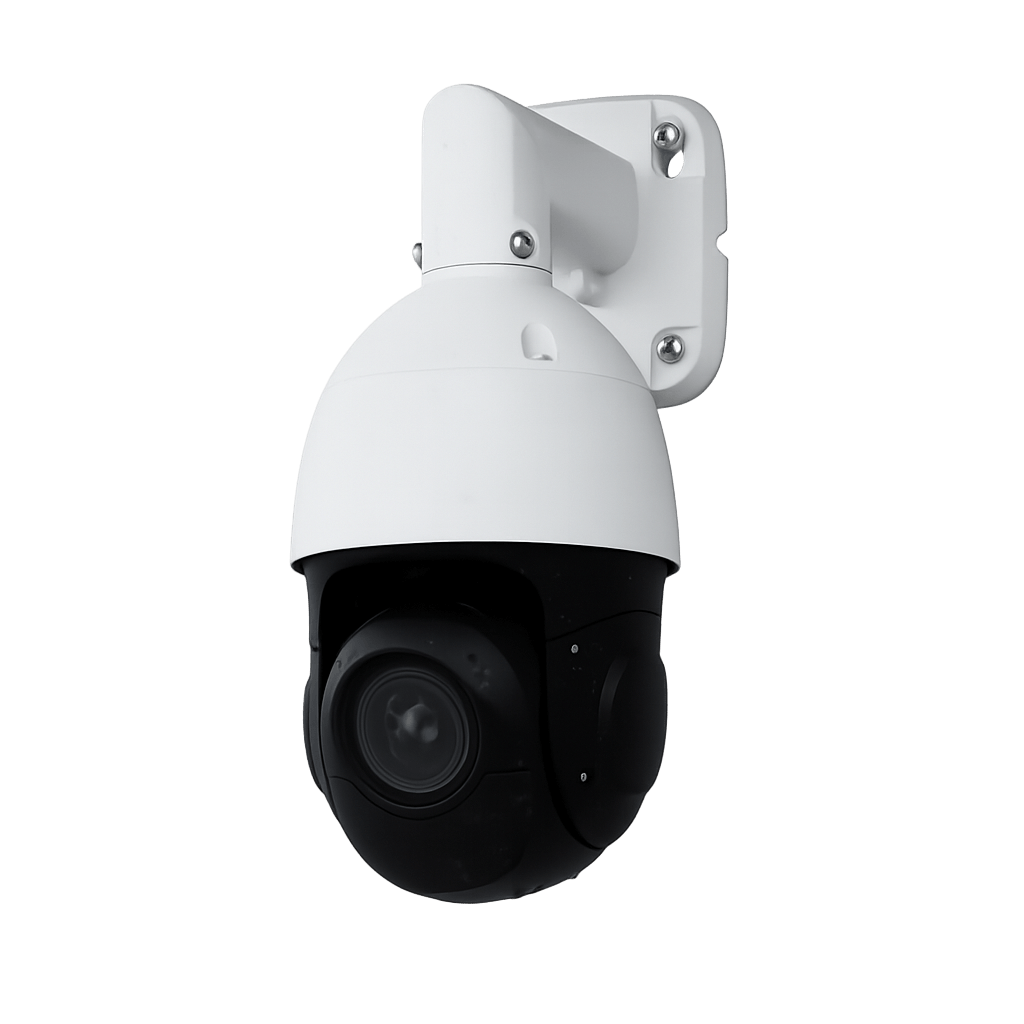
Define how a driver learns the rules and starts the configured paid session, how staff review an unmatched vehicle, and who is authorized to act. Confirm payment and verification functions before assuming a camera can replace an entire gated operation.
-
Staff and visitors sharing one property
Map each population and zone. One entrance may need a different process from another. Compare the resulting operator workload, records and assistance paths before choosing a single site-wide label.
Test the chosen process before changing the entrance.
Check ordinary arrivals and real exceptions: an expired right, a wrong plate, a visitor without preparation and a transaction that staff need to investigate. Define what is observed, what is stored and which person resolves each case.
If removing or adding a barrier, review the changed vehicle and pedestrian routes, signs, equipment positions and operating procedures. Keep enforcement, privacy and payment responsibilities explicit for the site's jurisdiction and agreements.
Project checklist
Questions to ask before choosing gated or gateless parking
Ask the supplier and operating team to explain the same ordinary arrivals and difficult cases under each proposed design.
-
How much revenue was actually collected at comparable gated and gateless sites?
Request comparable locations, tariffs, demand and reporting periods. Separate parking fees collected from notices issued, collections received, refunds and operating costs.
-
What proportion of private notices is paid, and what does collection cost?
Ask for the number of notices issued and paid during a defined period, the time allowed for payment, amounts recovered and collection fees. Confirm the legal process available at your location.
-
How much staff time is needed for patrols, plate or ticket checks and issuing notices?
Ask how often the lot is patrolled, how each plate or pay-and-display ticket is checked, and how long evidence review and notice preparation take. For a third-party operator, confirm guaranteed daily rounds, time on site, visit records, how many properties the team covers and all patrol or notice-administration fees. Identify which checks the proposed technology actually automates.
-
How is the autonomy rate measured, and what can a remote LEXOH agent resolve?
Confirm which operations are counted, how an intervention is defined and the observation period. Review remote payment assistance and service hours, then identify who replaces ticket paper and collects cash and coins on site when applicable.
-
Which users, zones and parking rules must each design support?
Separate physical access from free or paid parking policy. Ask how staff, visitors and other user groups obtain a right and how reserved or restricted zones are handled.
-
What happens from arrival to departure for a driver using the site for the first time?
Request a walkthrough of signs, stopping points, identification, payment if applicable and exit. Include a vehicle that needs to turn back and a visitor who arrives without advance preparation.
-
How is a valid parking right or payment associated with the correct vehicle?
Ask which identifier and records are used in the proposed configuration. Have the supplier explain how an expired right, wrong plate or unmatched payment is reviewed.
-
Who helps when a driver cannot complete the arrival or exit process?
Identify the assistance contact, service hours and authorized response for each design. Ask what staff can do when a credential is unreadable or a payment needs investigation.
-
Who checks suspected parking exceptions, and what action may they take?
Request the review procedure and the roles of the property owner, operator and any external party. Confirm the site’s authority and agreements before including enforcement in the operating plan.
-
Which records will the operator need, and who may access or retain them?
Ask for the information needed to explain an access, payment or exception decision. Agree on authorized roles, retention requirements and the handling of corrections for the site.
-
What daily work and maintenance does each alternative leave to our team?
Compare administration, assistance, exception review, equipment upkeep and support arrangements. Ask which tasks are included in the supplier’s scope and which require site staff or another contractor.
-
What must change on site before a barrier is added or removed?
Request the revised vehicle and pedestrian routes, signs, device locations and commissioning plan. Ask how existing users will move to the new process and how the team will verify the change before normal operation.
Practical questions
Before you finalize the project
Does gateless parking mean that parking is free?
No. A site can charge for parking without a physical gate, or control entry while keeping parking free. The payment policy and the physical access design are separate choices; the selected equipment and operating procedures must support both.
Does plate recognition automatically issue parking citations?
A plate read is an identification result. Any parking exception needs the configured rules, relevant records and an authorized review or enforcement process. Do not assume a camera reading is a final finding or an automatically issued citation.
Does gated parking always collect more revenue?
A barrier can tie normal passage to payment or a valid right, but it does not establish a universal revenue gain. Compare actual receipts for similar sites and periods, then account for tariffs, demand, available spaces, refunds and operating costs. Keep notice recovery separate from ordinary parking payments.
Does an automated Lexoh parking site still need staff?
Responsibilities remain even when normal access decisions are automated. The agreement defines remote assistance, hours and escalation. Ticket-paper replacement, cash collection where applicable, cleaning and repairs require authorized people on site. Measure assisted sessions separately from routine maintenance visits.
Are private parking notices always legally optional?
No blanket rule applies across Canada and the United States. A private payment notice is different from a municipal ticket, and its legal effect depends on the issuer’s authority, local law and parking terms. Confirm the permitted charges, dispute process and collection options for the location before relying on notice revenue.
Does gateless parking remove the need for patrol and enforcement work?
It depends on the chosen verification process. A patrol-based site needs scheduled rounds and plate, permit or displayed-ticket checks. Automated plate recognition can reduce manual checking, but exception review, notices, disputes and collection still need assigned responsibilities. Compare the contractor’s stated coverage, visit records and fees before budgeting the service.
Can a property evaluate gated and gateless areas in the same project?
Yes, as a design option to assess by user group and zone. Describe the journeys that cross between areas and any shared entrance, identification or assistance process. The supplier must confirm the equipment and operating responsibilities for the proposed arrangement; a mixed site needs a coordinated plan rather than separate decisions about each barrier.
How should a before-and-after revenue comparison handle a tariff change?
Identify the changed tariff and its effective period alongside the revenue result. Also note changes in operating hours, available spaces or user groups. Compare periods with sufficiently similar conditions where possible and explain remaining differences, so a pricing or demand change is not attributed entirely to the change in access model.
References and further reading
- Lexoh parking access
Defines access rights and the configured lane decision.
- Lexoh violation-detection scope
Detection and authorized exception handling are separate roles.
- LEXOH managed operations and remote assistance
Describes the agreed remote-assistance, operations and local-response scope.
- Toronto Municipal Code — §545-535
Local example: regulated private parking invoices and available collection or court proceedings.
- Florida Statutes 2026 — §715.075
Local example: authorized private parking charges, notice requirements and a dispute/appeal process; private invoices are distinct from criminal penalties.

Project review
Bring the site, the workflow and the open questions.
Lexoh can review the equipment and operating scope with your team before a project-specific proposal is prepared.
Discuss your site