Share the Toronto or GTA address and requirements to confirm the proposed installation and ongoing service arrangements.
Toronto
Parking access and payment systems in Toronto
Plan parking access and payment for a Toronto commercial garage, multi-tenant office, condominium or mixed-use property. Lexoh manufactures kiosks and develops Security Center software. Define monthly-user rights, hourly payment and equipment reuse, with installation and support specified for your address.
Make the buying decision
Combine monthly access and hourly parking
A Toronto property combining monthly users with short paid stays needs a clear boundary between parking rights and revenue control. Define who approves recurring access, where casual drivers pay and how operators handle exceptions. If the project is a retrofit, inventory the existing lanes before selecting a new software platform.
| Property or project | Operating requirement | What to verify |
|---|---|---|
| Commercial garage | Hourly payment and monthly rights | Test both users at entry and exit. |
| Multi-tenant office | Tenant allocation and operator permissions | Define who approves visitor access and revokes staff access. |
| Residential mixed use | Residents, customers and service vehicles | Separate access entitlements from paid stays. |
| Portfolio replacement | Existing suppliers and equipment | Compare retained assets, data exports and phased work. |
Operating example
One entrance, several parking journeys
A mixed-use parking system needs more than an opening command. A tenant may hold a recurring permit, a visitor may need a short stay, and a delivery may require access to a separate zone. Lexoh connects those rights to lane equipment and the operating record in Security Center. Start with the people who arrive, then select credentials, payment and assistance around their journeys.
- A recurring user presents an assigned RFID credential or a supported vehicle identifier; the configured right determines the permitted entrance.
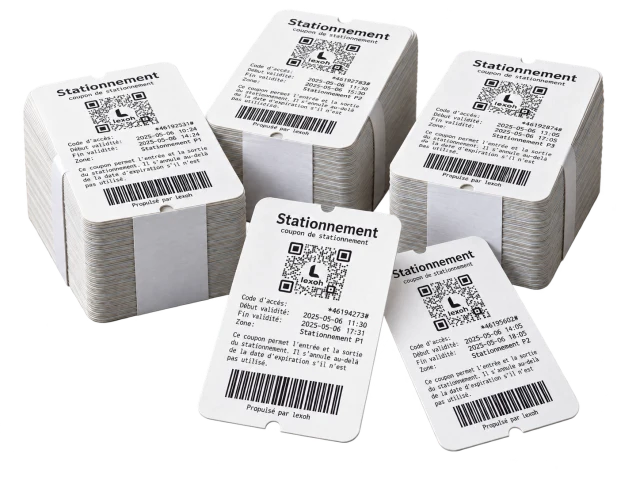
- A visitor follows the configured temporary-access or payment journey. The help point identifies the lane so the operator can respond to the correct device.
- The operator reviews the event when an entry is refused, a credential is replaced or an opening is authorized. Visitor rights expire according to the agreed policy.
01
Compare software-only and complete-lane proposals
A parking management licence may not include kiosks, readers, controllers, payment setup or field commissioning. State which entrances need equipment replacement and which need only a reviewed interface. Require one list of responsibilities covering the platform, installer and property operator.
- Separate equipment, site work and recurring software services.
- Confirm which existing credentials can remain.
- Include operational training and the first acceptance session.
02
Build the monthly and hourly journeys together
For an illustrative office garage, test an active monthly user, an expired permit and a casual driver who has paid for a stay. Then change a tenant’s vehicle or revoke a staff member’s right and repeat the entry check. Inspect the record authorizing each departure and identify who can correct a disputed transaction. Sharing a lane does not make monthly access and hourly payment the same process.
- Check the permission and transaction records as well as the barrier movement.
- Define whether an expired subscriber may start an hourly stay under the property’s rules.
- Confirm that a tenant administrator can change only the users assigned to that tenant.
03
Confirm the GTA installation and service plan
Provide the Toronto or Greater Toronto Area (GTA) address, permitted work windows and the parties responsible for site preparation. The proposal should identify delivery, travel, remote assistance and on-site service arrangements. Agree temporary access and a phased changeover if the garage must remain open during the work.
- Name the receiving and installation contacts.
- Confirm access to electrical and network infrastructure.
- Request the written service scope for the actual address.
04
Give each user the right way to enter
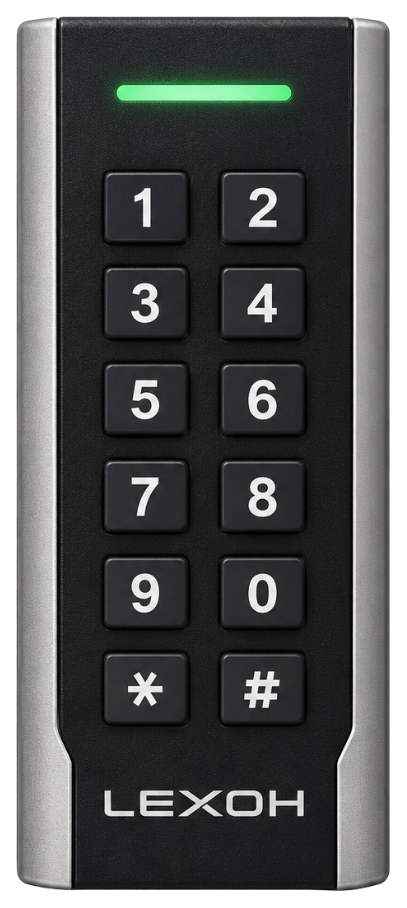
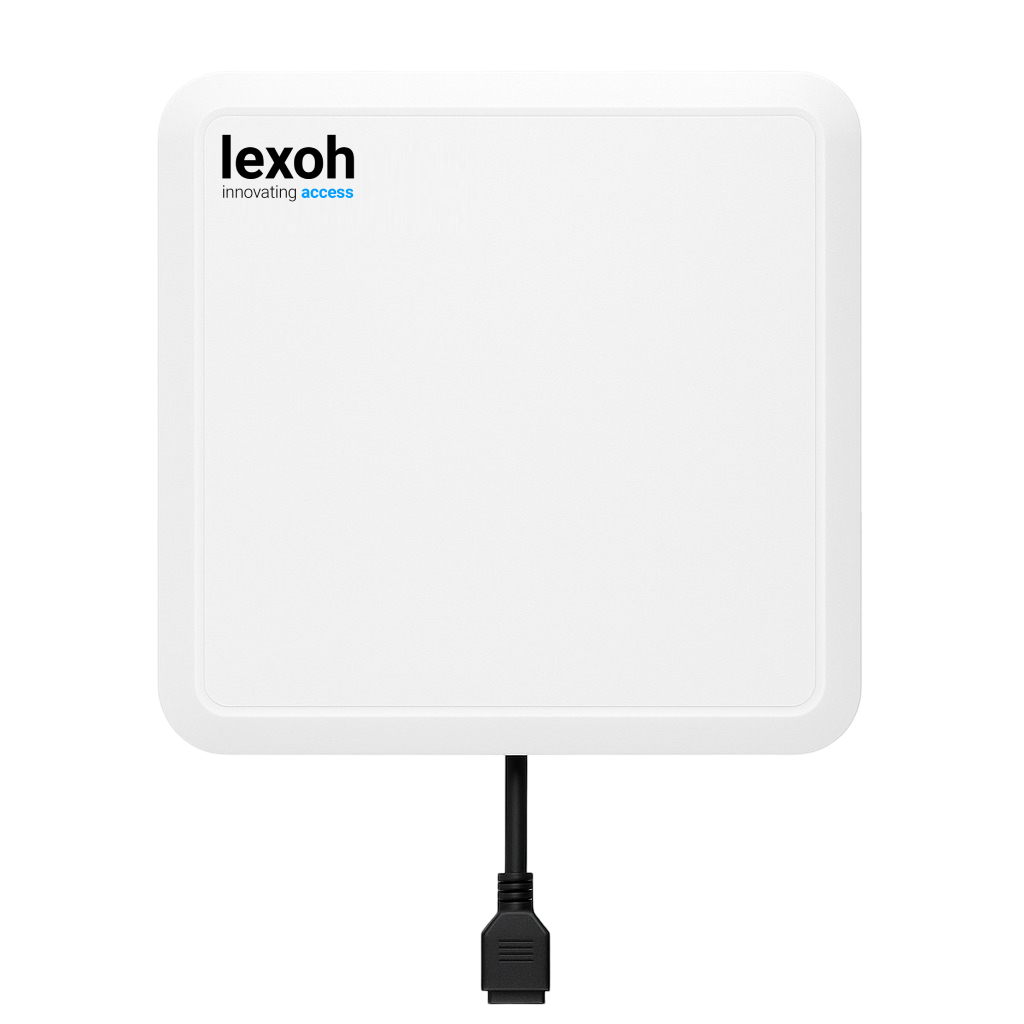
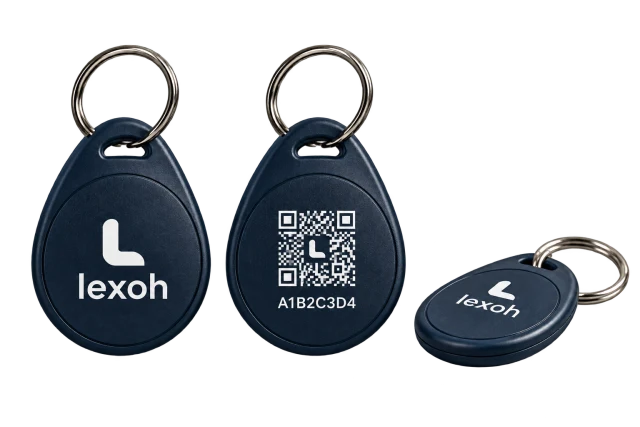
Give regular users a card or vehicle credential and temporary visitors a time-limited access method. Lexoh connects RFID, UHF, QR or plate recognition to the permissions for the correct entrance. Reader compatibility, camera position and the lane layout determine which options fit your site; Security Center keeps the access event available to the operating team.
- Match the card or vehicle credential to the supported reader, not just the term “RFID”.
- Test approach angle, stopping position and adjacent-lane reads using actual vehicles.
- Define replacement, expiry and operator-assisted access before issuing credentials.
05
Modernize access while assessing what can stay
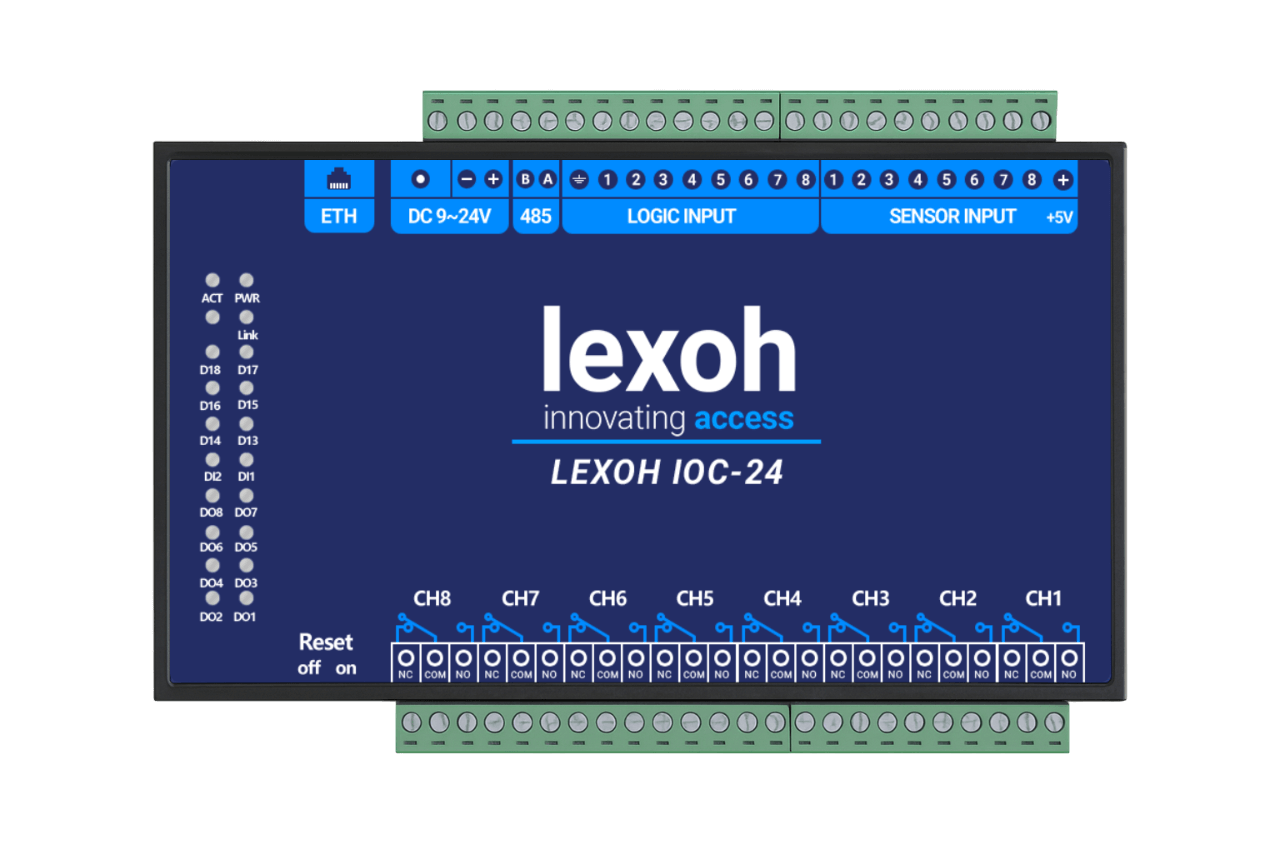
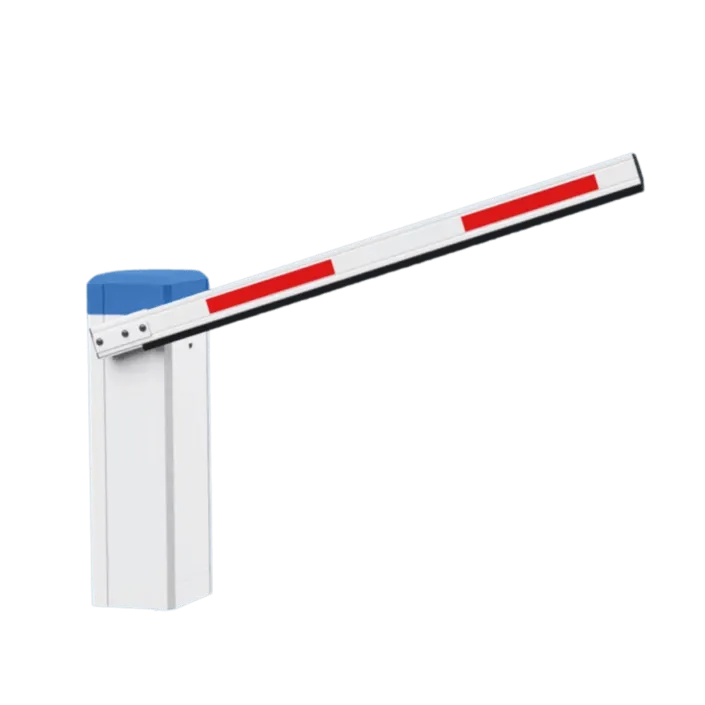
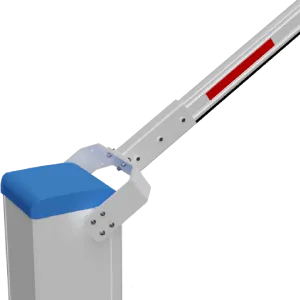
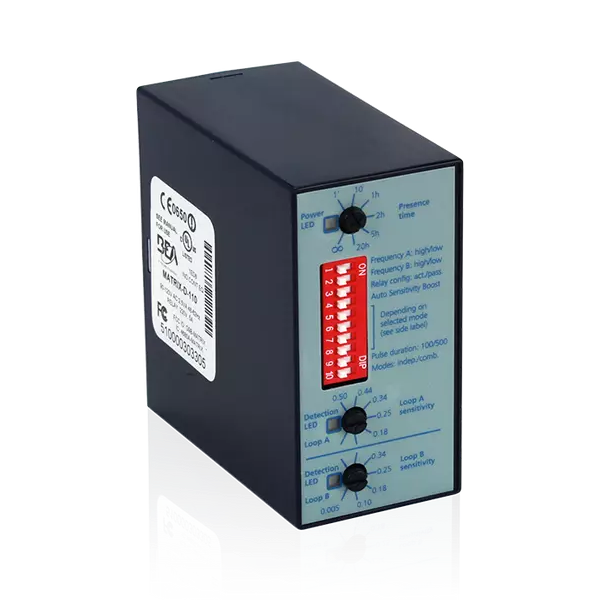
Bring existing equipment into the review before replacing the whole entrance. Lexoh assesses the barrier, controller, readers and connections for reuse with the new access workflow. Your proposal distinguishes retained equipment, new devices and installation work, helping you compare a staged upgrade with replacement. The selected equipment must still meet the lane’s operating and safety requirements.
- Photograph nameplates and controller connections before selecting replacement readers.
- Plan a temporary operating procedure for the changeover.
- Accept the complete vehicle journey, including detection and assistance, rather than testing the opening relay alone.
06
Manage in the cloud, keep local devices connected offline
Supervise sites and access records through Lexoh Security Center while a local mesh network supports communication between site devices during an internet interruption. The installed controllers and configured permissions define the offline access workflow. Commissioning tests cover interruption and recovery; electrical backup and payment-provider authorization are planned separately.
See the platform architecture →07
Installation, training and support in Toronto
Bring equipment, software and the operating team into one delivery plan. Lexoh serves projects across Canada, with installation responsibilities and support arrangements defined for your address. Training covers everyday permissions, access refusals and authorized remote commands. The proposal identifies the contractor, preparation work, service hours and on-site responsibilities so your team knows how the system will be installed and supported.
- Include photos, a lane plan, opening hours and the expected vehicle types in the project brief.
- Separate hardware, software, recurring services and installation in the proposal.
- Record acceptance results and the local assistance procedure before handover.
Connect the equipment and the operating software
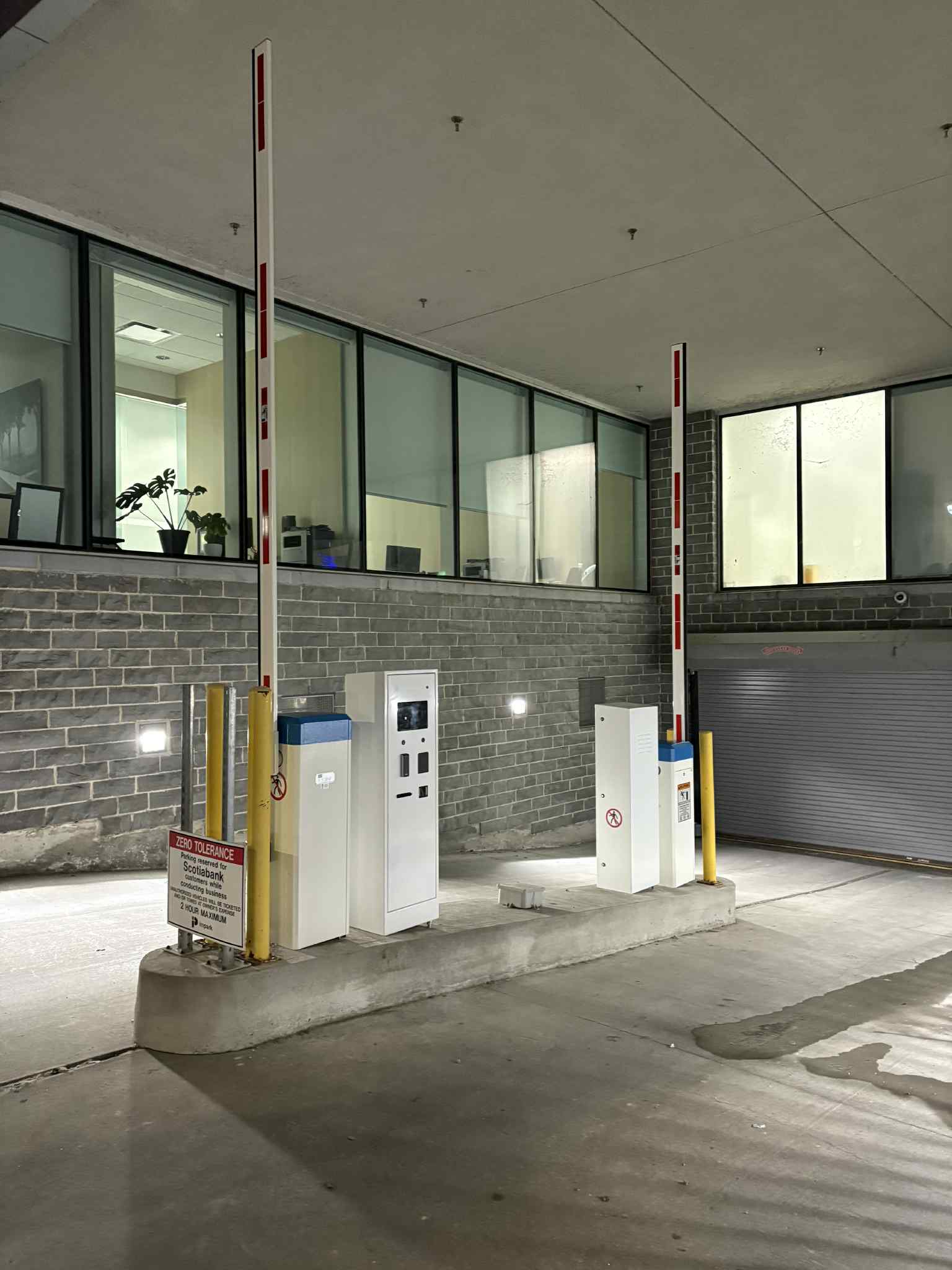
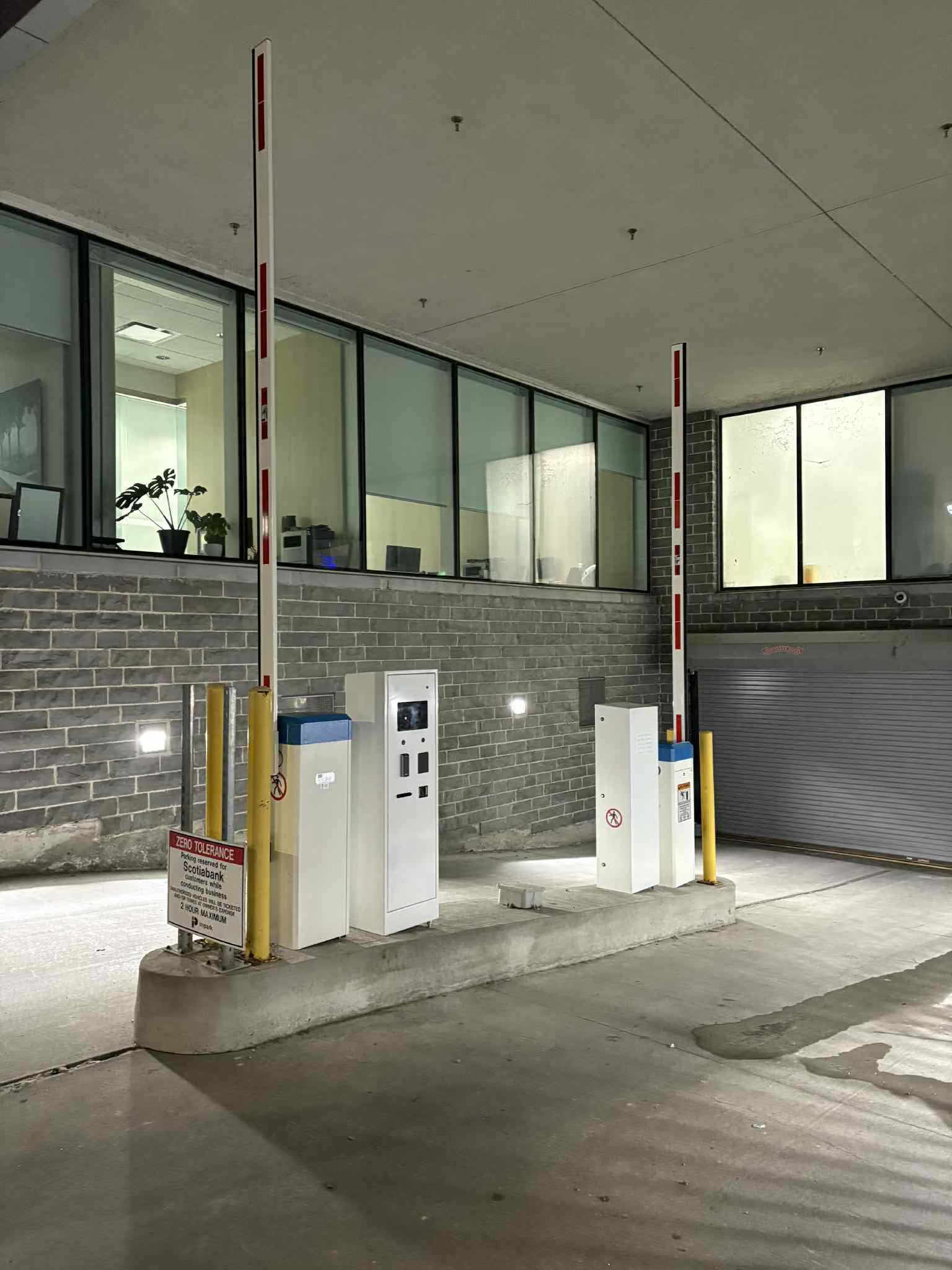
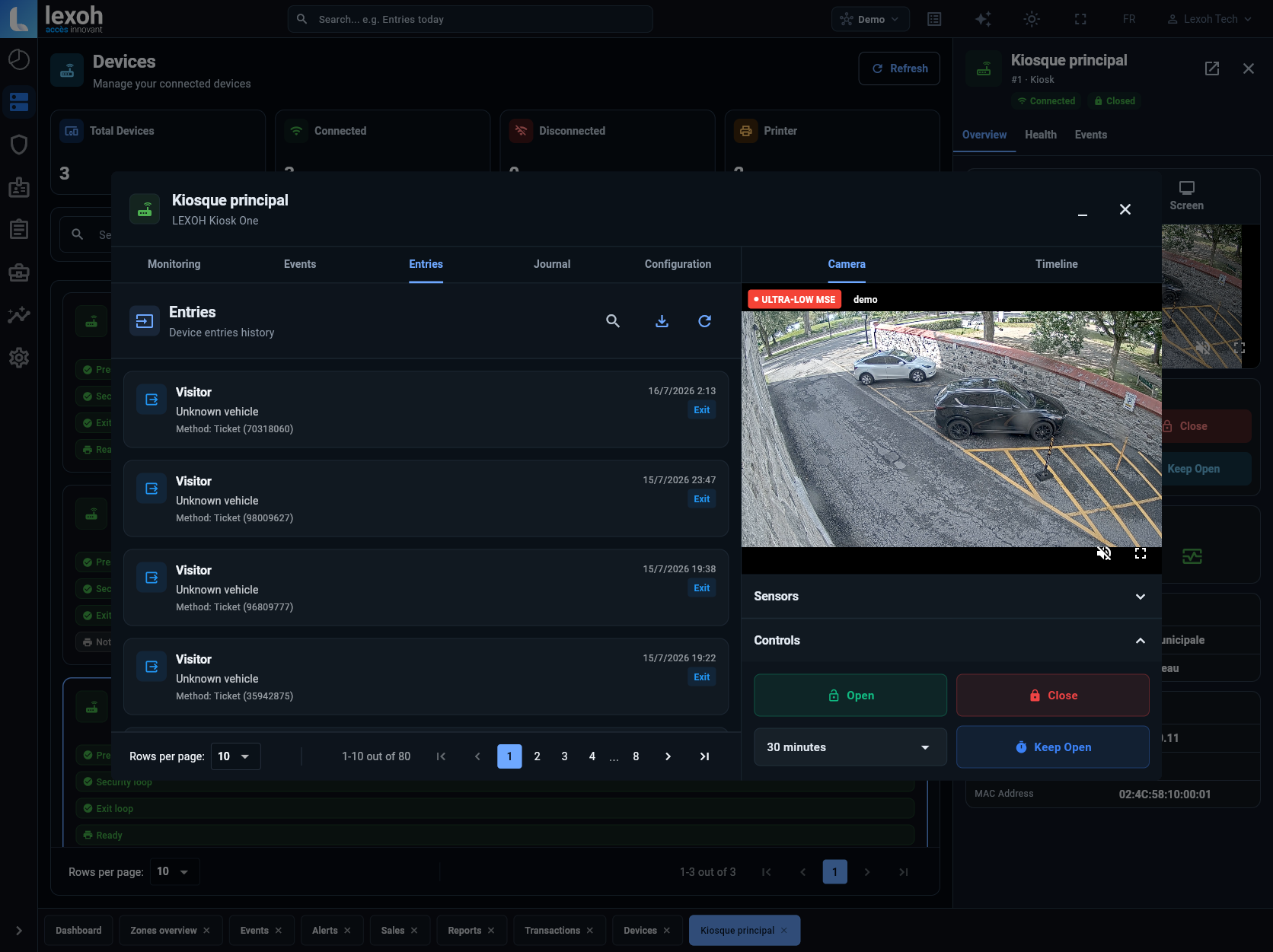
The Scotiabank Kingston project shows Lexoh kiosks and lane equipment in Ontario. For your Toronto garage, review the stopping position and barrier layout alongside the operating controls illustrated in Security Center. The proposal should identify the equipment, software configuration and service arrangements for your property.
Planning questions — Toronto
That depends on the lane layout and work required. Plan temporary access, equipment isolation, credential changes and acceptance tests with the installer and property operator. Confirm the changeover sequence before committing to an opening schedule.
Reuse requires inspection of the barrier condition, controller, supported interfaces and operating design. The written proposal should identify each retained item and its acceptance tests.
Not by itself. Specify whether the permit grants access to a shared parking area, an allocated space or a booked space. Define tenant allocations, availability rules and how staff handle a full garage, then demonstrate the selected behavior in the proposed configuration.
The hardware and software scope does not establish who staffs the garage, answers assistance calls or resolves payment disputes. Name those responsibilities in the proposal, along with training, remote support and on-site service.
Yes. Lexoh serves Canada with parking and access software and connected equipment. Send the address and scope so the proposal can define installation, shipping, local responsibilities and support for this property.
Lane count, retained equipment, identification method, payment and intercom requirements, power and network preparation, civil work and support scope determine the proposal. A reader-only price does not represent a complete operating entrance. Send site photographs and a simple lane plan for a scoped quote.
Lexoh supports local offline operation with mesh communication between devices. The installed configuration and permitted journeys are tested during commissioning. Power loss and payment authorization are separate cases and need their own operating procedures.
Yes, the project can be scoped in phases. Identify future entrances early so conduits, controller interfaces and operating groups can be planned. Accept the first lane before repeating its configuration, and check the differences at each additional site.
Prepare your Toronto project
Send the Toronto or GTA address, lane plan, monthly-user rules and hourly payment requirements. Include existing equipment and any requirement to keep the garage open during replacement.