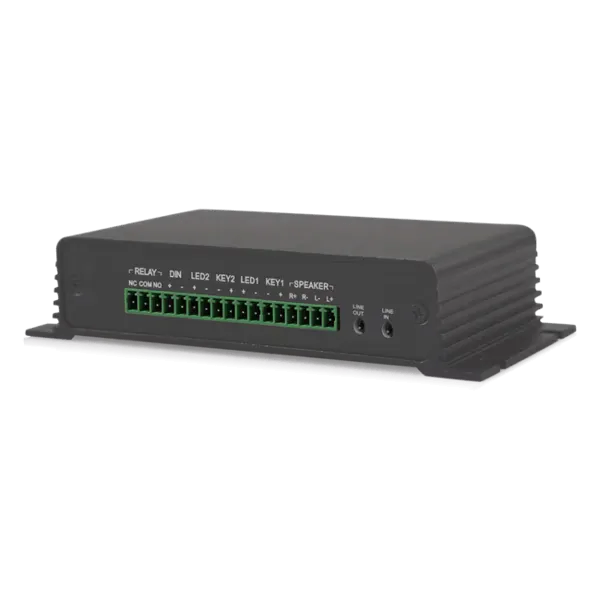
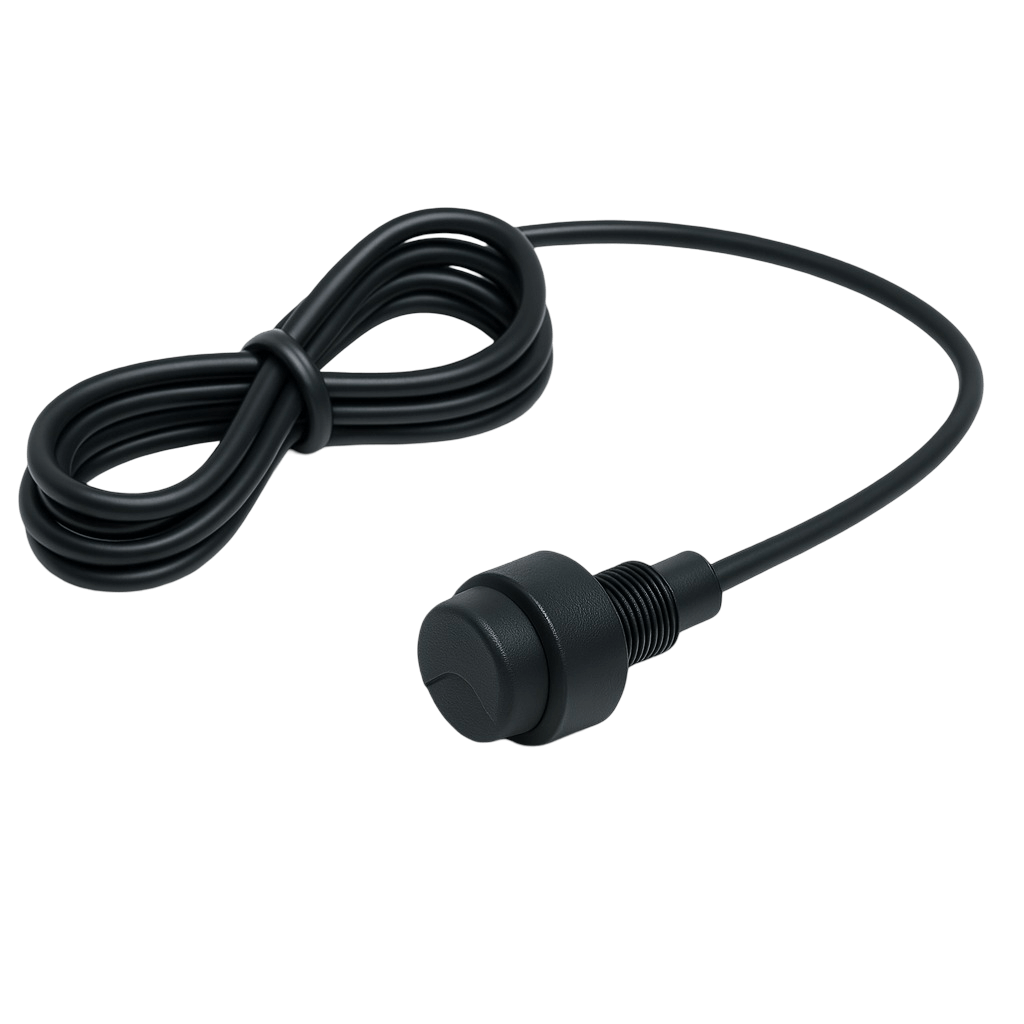
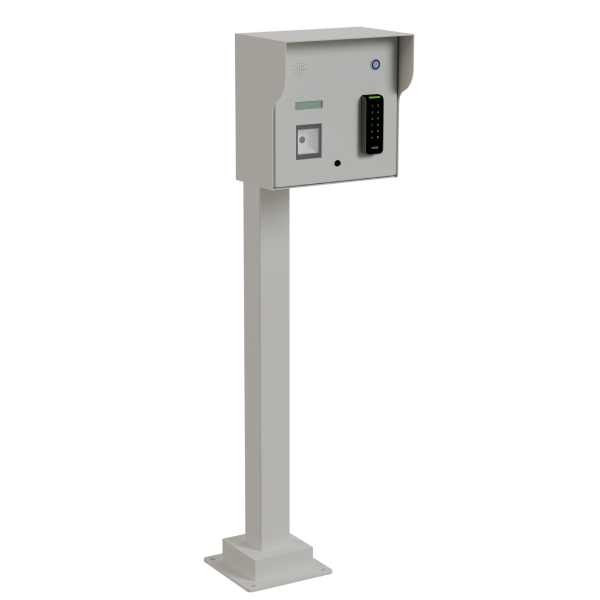
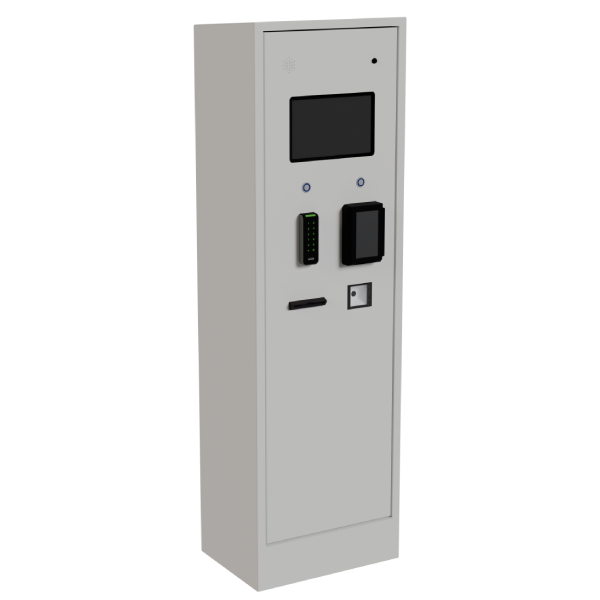
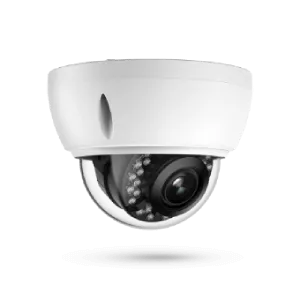
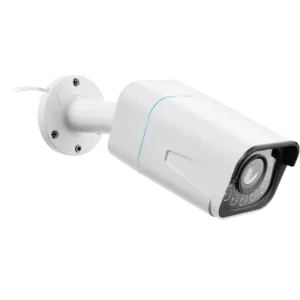
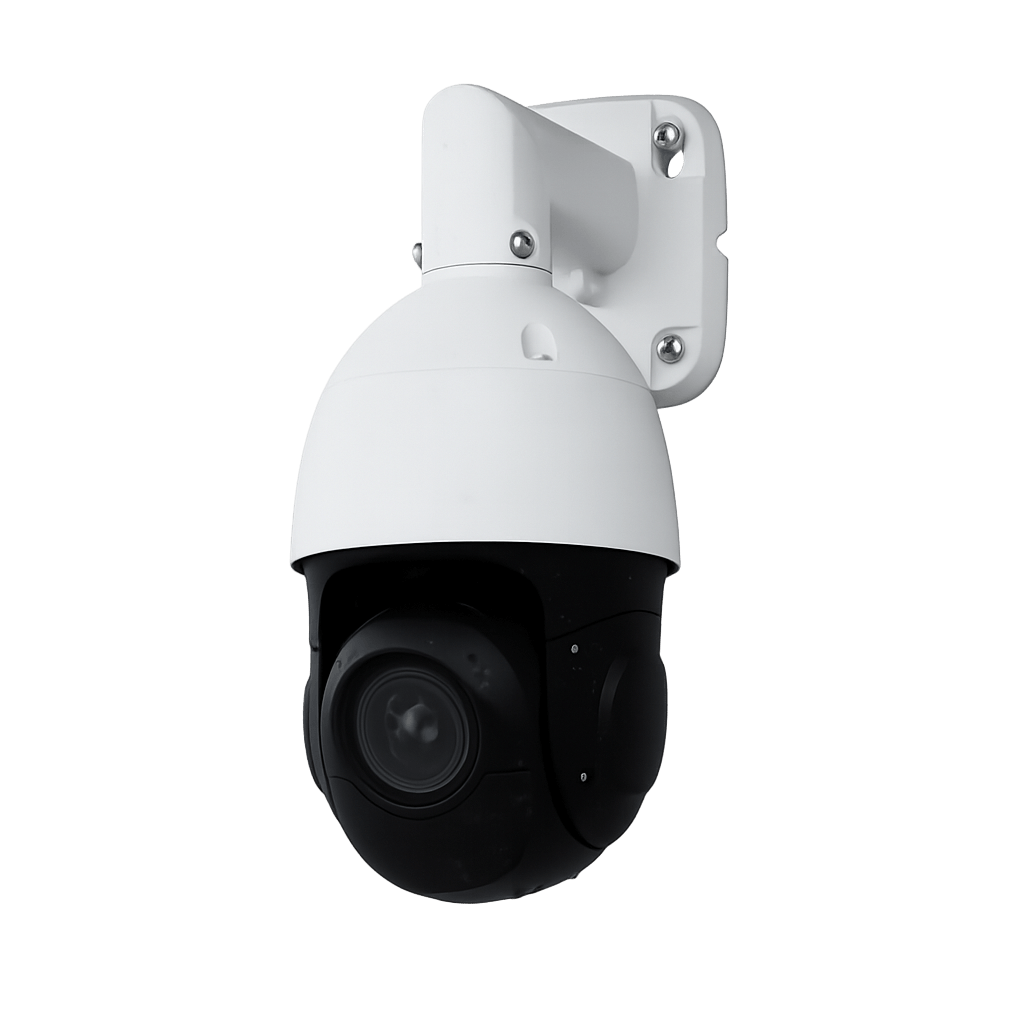
Provide the address and scope for each property so the proposal can identify installation responsibilities, remote support, travel and any on-site service arrangements.
Ottawa–Gatineau
Parking access and payment systems in Ottawa–Gatineau
Prepare a parking access or payment project in Ottawa or Gatineau with a clear scope for each property. Lexoh combines kiosks, selected lane equipment and Security Center; the project defines the installer, operating team and support arrangements on either side of the river.
Make the buying decision
Manage several properties with distinct rules
For an Ottawa–Gatineau portfolio, first distinguish a single site from several properties managed together. Confirm permissions, tariffs, visitor instructions and support contacts per address. Shared management should preserve each property’s rules instead of assuming one configuration or service agreement covers every location.
| Property or project | Operating requirement | What to verify |
|---|---|---|
| Single office or residential site | Recurring users and visitors | Choose credentials and an approval process. |
| Public paid parking | Tariff, validation and assistance | Test payment and exception handling at each lane. |
| Properties in both cities | Site permissions and operating ownership | Identify contacts, language needs and escalation per address. |
| Existing mixed equipment | A model-by-model inventory | Confirm reuse, interfaces and acceptance separately. |
Operating example
Give each user the right entrance and access window
A campus-style property can bring together employees, appointments, contractors and several building operators. The useful distinction is not simply staff versus public: it is who authorizes the visit, which entrance the person uses and when the right ends. Lexoh links user permissions and equipment events in one platform, with access boundaries set for the property rather than one credential shared by every department.
- The administrator assigns recurring users to the appropriate access group and entrance schedule. A replacement credential is linked to the intended rights rather than an unrestricted master code.
- A visitor receives the temporary access defined for the visit. The operating team agrees who can extend the right or assist with a changed vehicle or late arrival.
- The operator reviews a refused entry using the entrance, time and credential context. Department-level procedures specify who can authorize changes and who handles equipment issues.
01
Keep a regional portfolio visible without merging every rule
For an illustrative portfolio with one property in Ottawa and one in Gatineau, create a site operator who may view and operate only the Ottawa entrance. Separately define a regional supervisor’s approved rights. Demonstrate the permitted action and a refused action for each role, then check the resulting record. Keep vehicle-entry rights separate from the staff permissions used to manage the system.
- Name an operating owner and assistance contact for each address.
- Check which site records each role may view or export.
- Verify permission changes and the intended result on the proposed configuration before handover.
02
Define delivery for each address
Ottawa and Gatineau sites need their own installation scope and responsible contacts. Record the site-work parties, equipment receiving arrangements, languages for training and the team that approves commissioning. The project team confirms applicable local installation requirements through its normal design process.
- List power and network ownership for every entrance.
- Agree travel and on-site escalation in writing.
- Keep payment setup and operating records attached to the correct property.
03
Use Ontario and Québec references appropriately
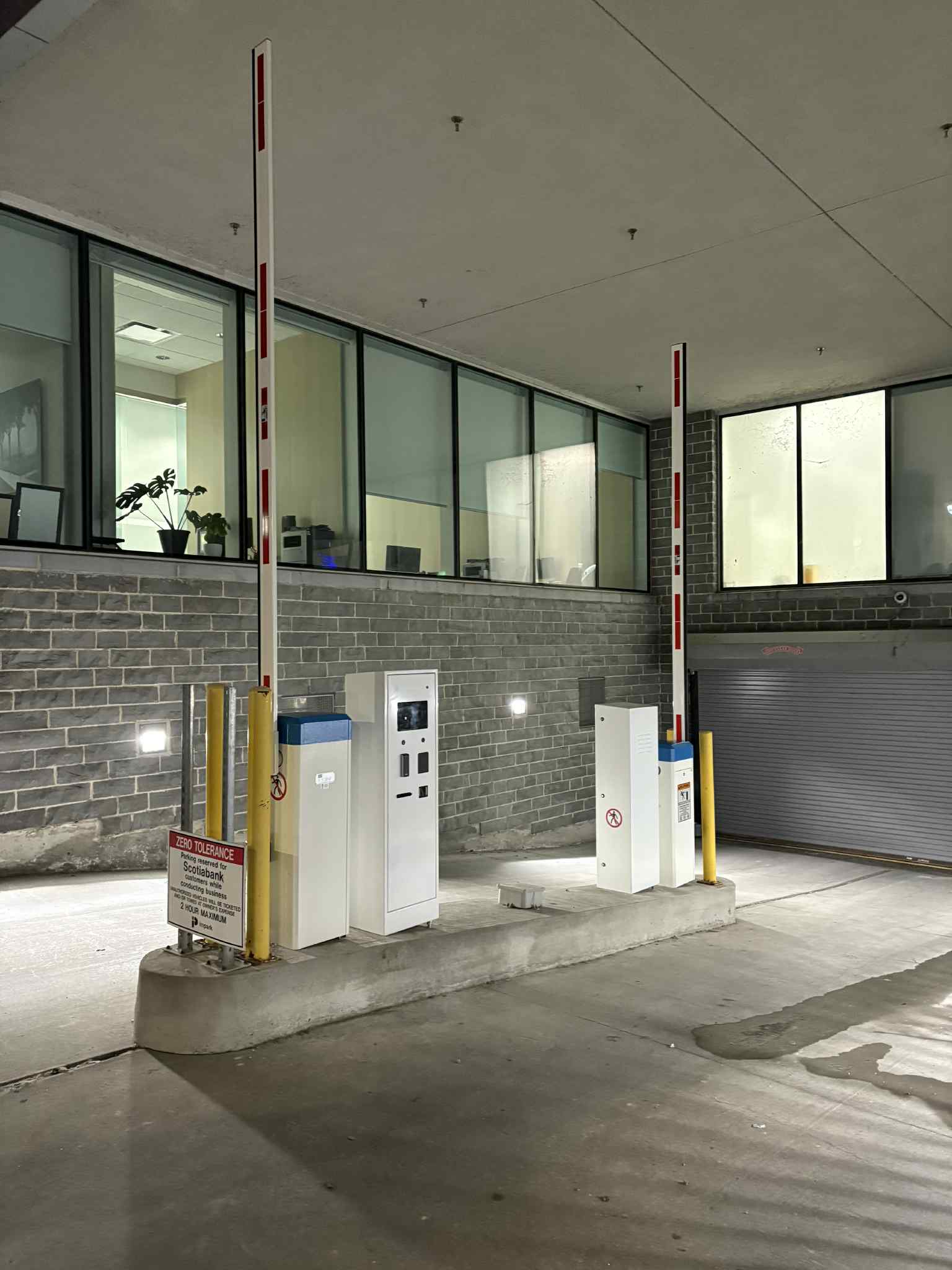
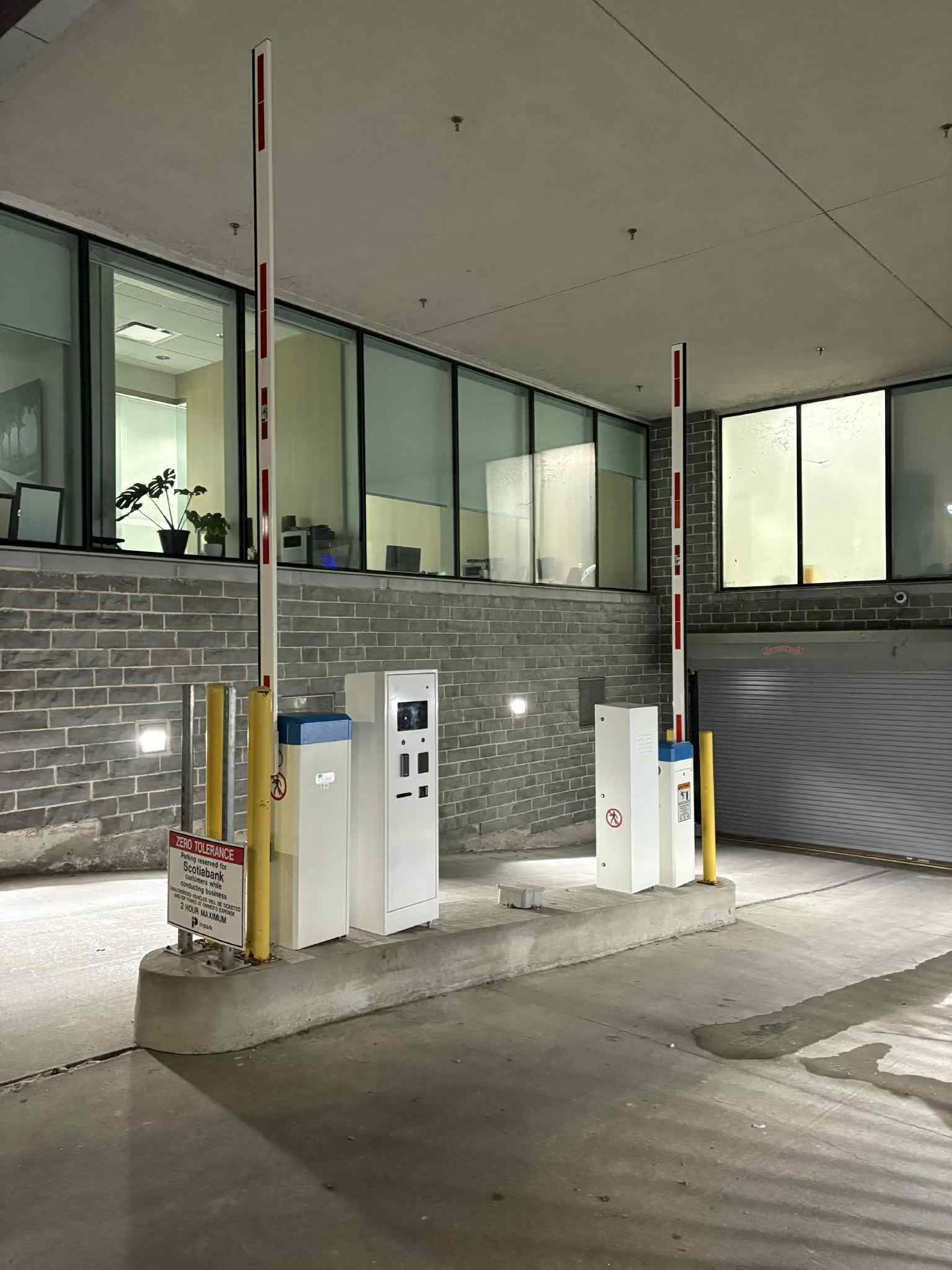
Scotiabank Kingston documents Lexoh parking equipment in Ontario. Plaza Laurier and Collège Sainte-Anne provide different access and campus examples in Montréal. Compare the users, equipment and installation scope of each reference with your property; service arrangements remain specific to your project address.
- Choose a reference by user journey and equipment role.
- Confirm differences in traffic, billing and staffing.
- Use the same acceptance checklist across the proposed sites.
04
Give each user the right way to enter
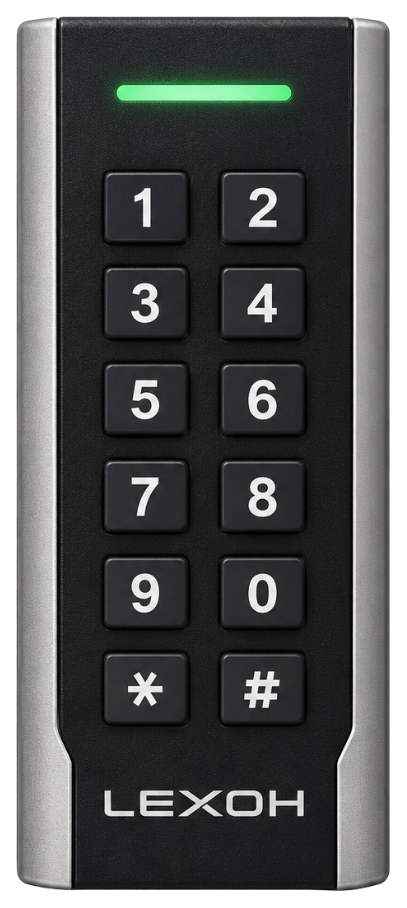
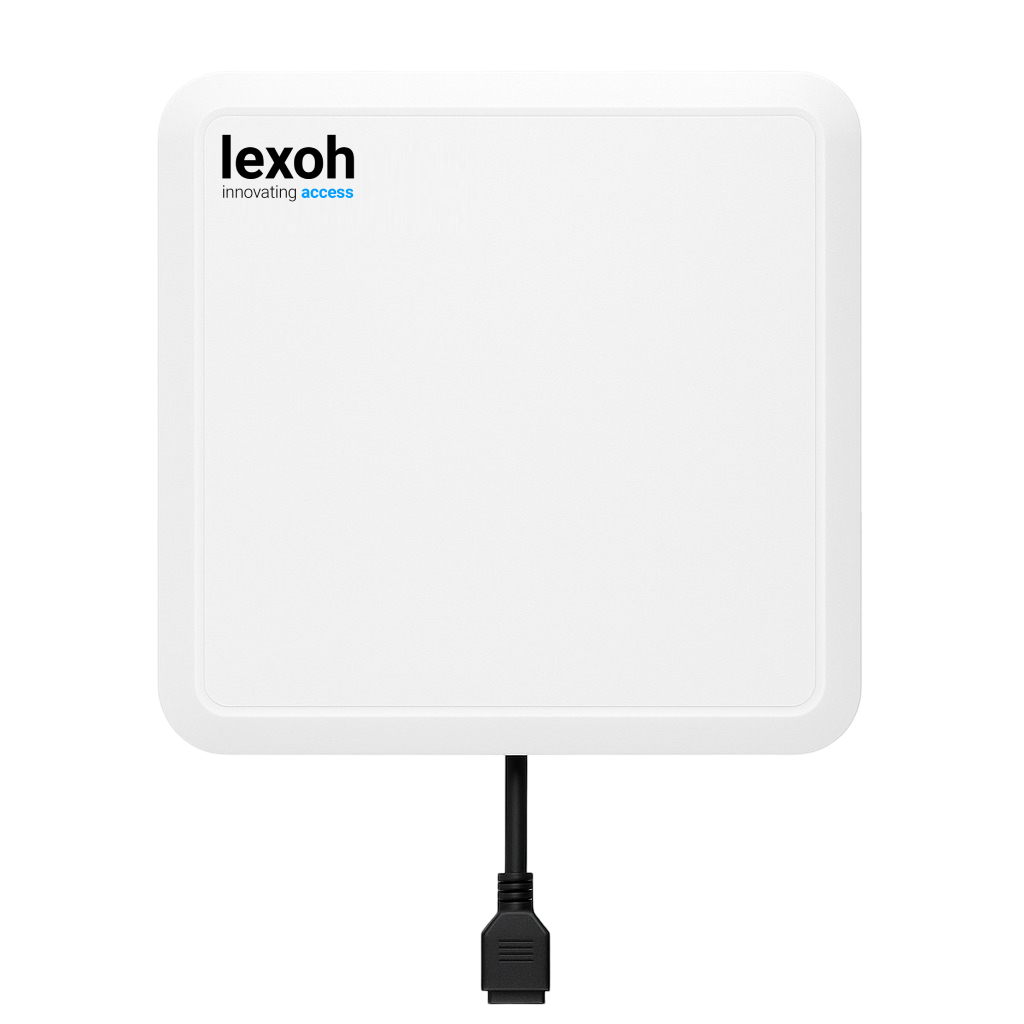
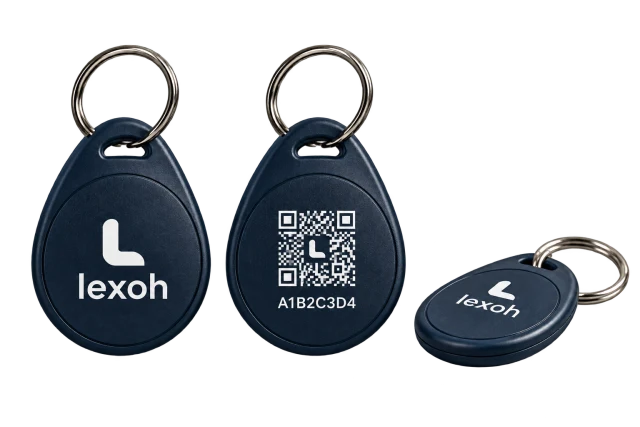
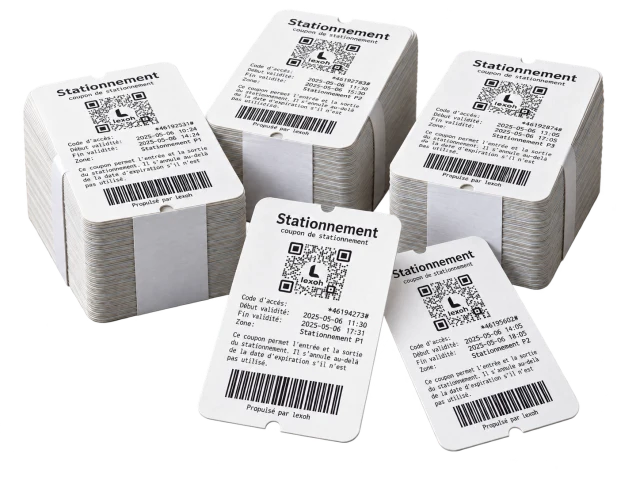
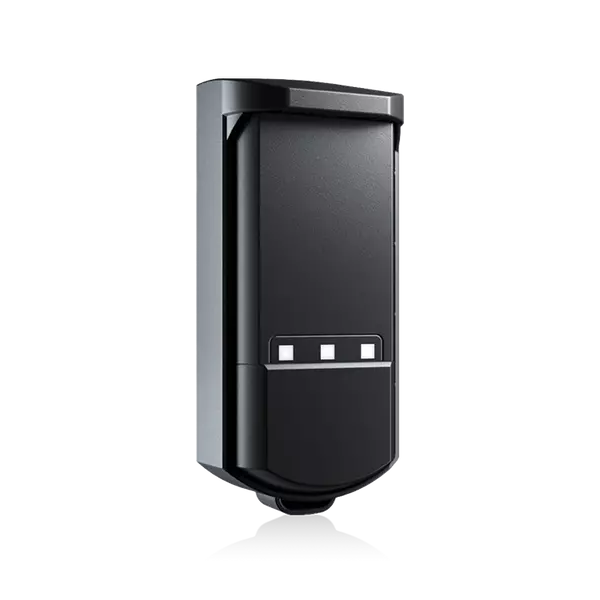
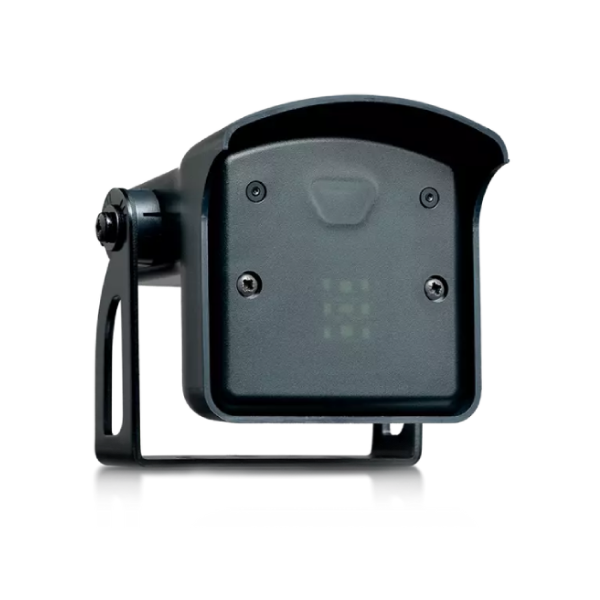
Give regular users a card or vehicle credential and temporary visitors a time-limited access method. Lexoh connects RFID, UHF, QR or plate recognition to the permissions for the correct entrance. Reader compatibility, camera position and the lane layout determine which options fit your site; Security Center keeps the access event available to the operating team.
- Match the card or vehicle credential to the supported reader, not just the term “RFID”.
- Test approach angle, stopping position and adjacent-lane reads using actual vehicles.
- Define replacement, expiry and operator-assisted access before issuing credentials.
05
Modernize access while assessing what can stay
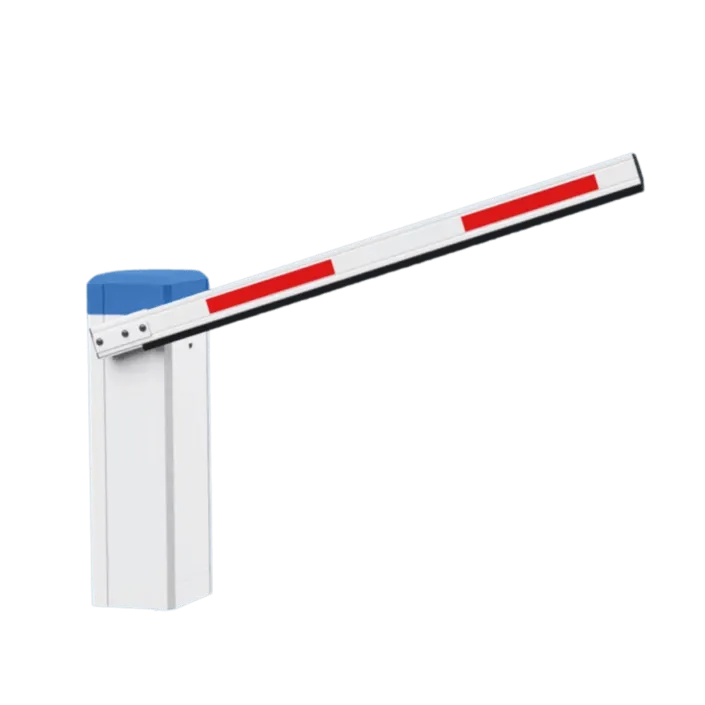
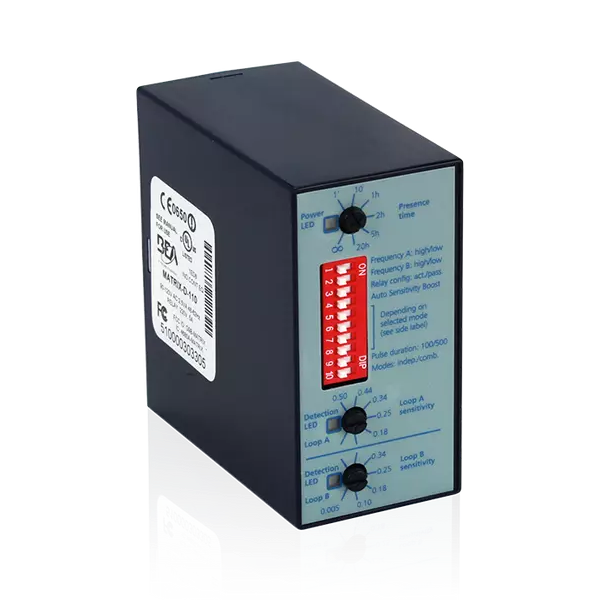
Bring existing equipment into the review before replacing the whole entrance. Lexoh assesses the barrier, controller, readers and connections for reuse with the new access workflow. Your proposal distinguishes retained equipment, new devices and installation work, helping you compare a staged upgrade with replacement. The selected equipment must still meet the lane’s operating and safety requirements.
- Photograph nameplates and controller connections before selecting replacement readers.
- Plan a temporary operating procedure for the changeover.
- Accept the complete vehicle journey, including detection and assistance, rather than testing the opening relay alone.
06
Manage in the cloud, keep local devices connected offline
Supervise sites and access records through Lexoh Security Center while a local mesh network supports communication between site devices during an internet interruption. The installed controllers and configured permissions define the offline access workflow. Commissioning tests cover interruption and recovery; electrical backup and payment-provider authorization are planned separately.
See the platform architecture →07
Installation, training and support in Ottawa–Gatineau
Bring equipment, software and the operating team into one delivery plan. Lexoh serves projects across Canada, with installation responsibilities and support arrangements defined for your address. Training covers everyday permissions, access refusals and authorized remote commands. The proposal identifies the contractor, preparation work, service hours and on-site responsibilities so your team knows how the system will be installed and supported.
- Include photos, a lane plan, opening hours and the expected vehicle types in the project brief.
- Separate hardware, software, recurring services and installation in the proposal.
- Record acceptance results and the local assistance procedure before handover.
Connect the equipment and the operating software
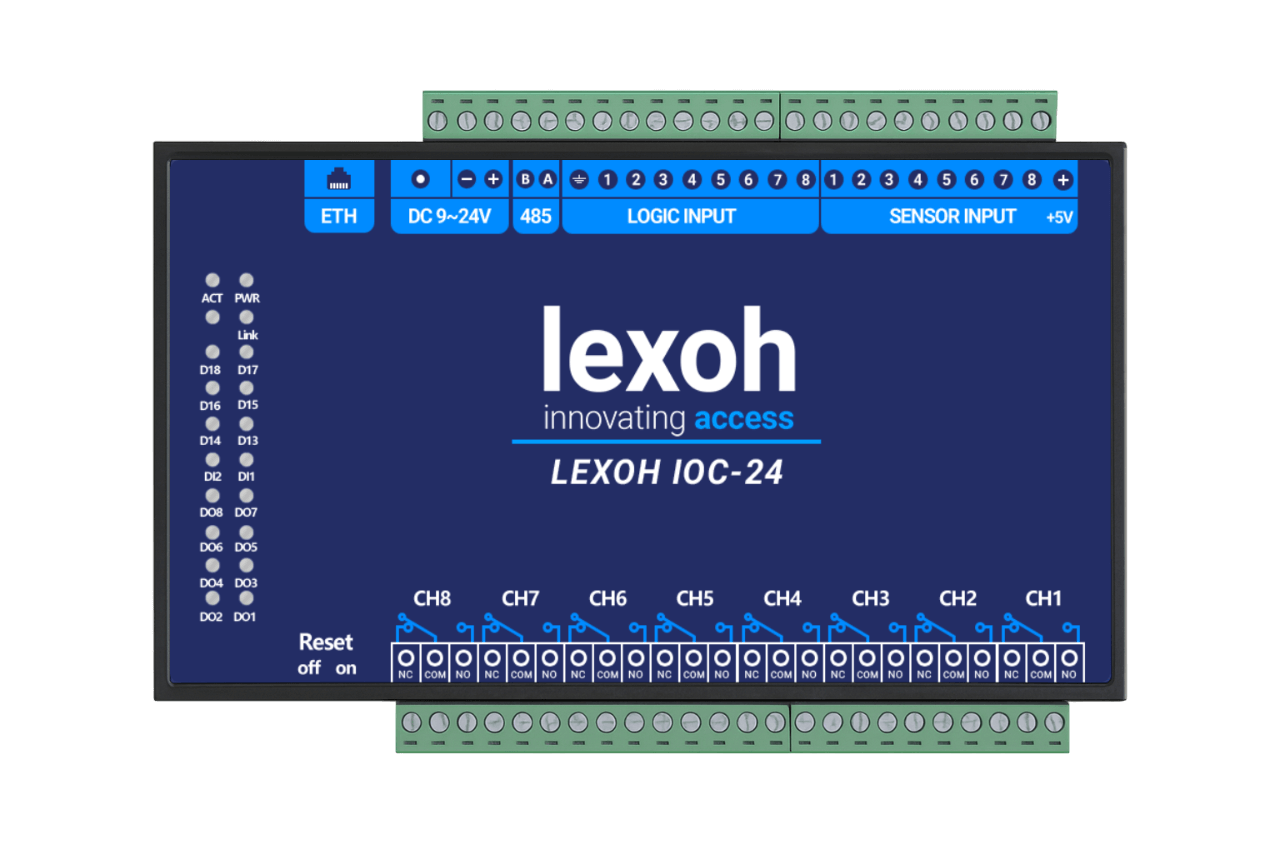
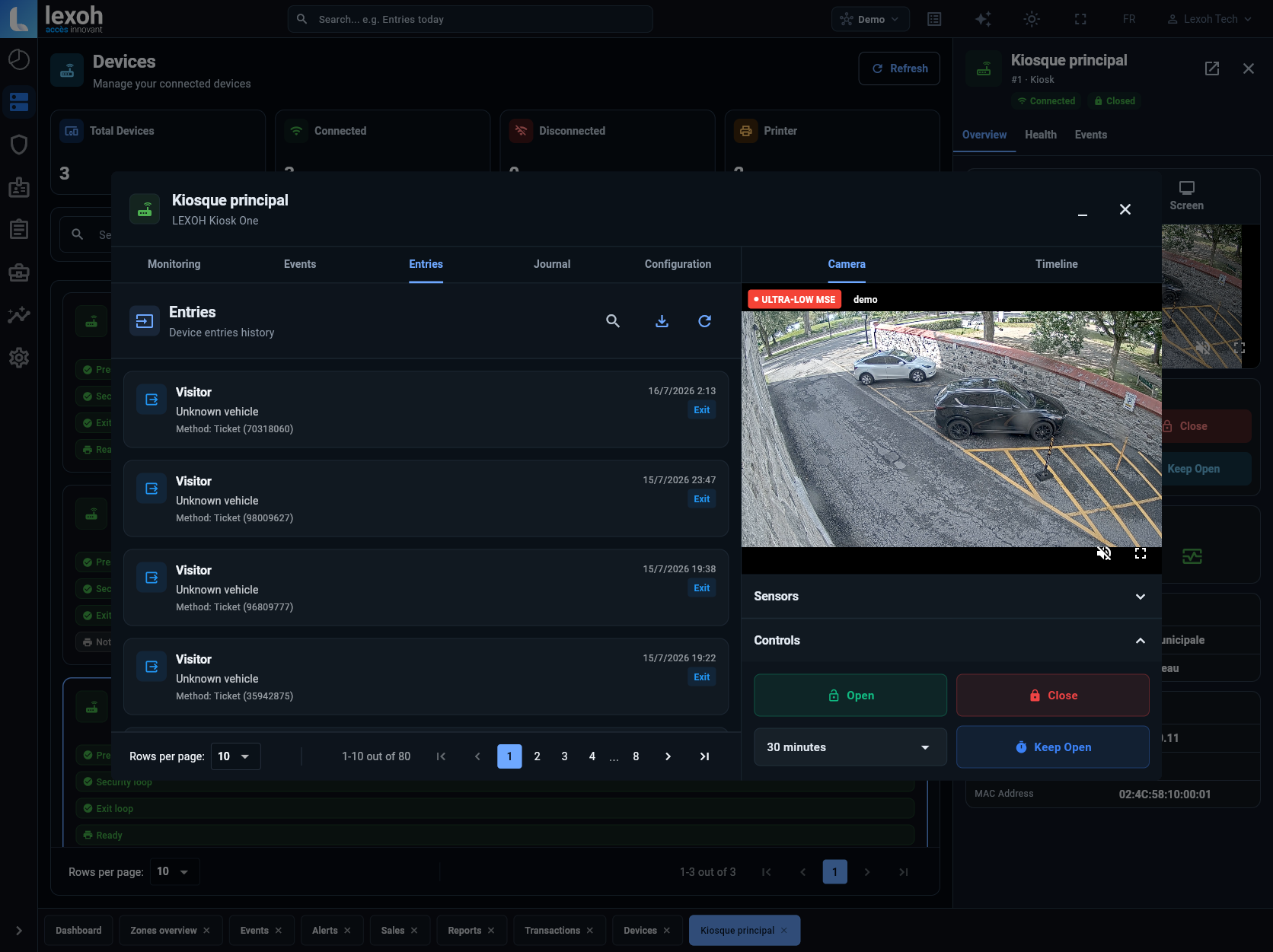
Compare the kiosks and barriers documented at Scotiabank Kingston with the entrances in your Ottawa–Gatineau portfolio. Security Center provides the illustrated device view and operating controls. Define which operators may view or control each property, and demonstrate those permissions on the proposed configuration.
Planning questions — Ottawa–Gatineau
Security Center can bring configured sites and devices into one environment. Site permissions, connectivity and operating responsibilities must be defined and demonstrated.
State the languages required for signage, kiosk instructions, communications and assistance. Confirm the coverage of the selected equipment and service configuration in the proposal.
Specify the tariff, payment collection, receipts and reporting owner for each property. Shared software management does not by itself establish a shared payment contract or account. Confirm how each proposed setup keeps the required records separate.
Inventory each device by address, model, controller and supported interface. Check its condition and the required operating sequence, then demonstrate the proposed connection. Reuse at one property does not establish compatibility at the other.
Yes. Lexoh serves Canada with parking and access software and connected equipment. Send the address and scope so the proposal can define installation, shipping, local responsibilities and support for this property.
Lane count, retained equipment, identification method, payment and intercom requirements, power and network preparation, civil work and support scope determine the proposal. A reader-only price does not represent a complete operating entrance. Send site photographs and a simple lane plan for a scoped quote.
Lexoh supports local offline operation with mesh communication between devices. The installed configuration and permitted journeys are tested during commissioning. Power loss and payment authorization are separate cases and need their own operating procedures.
Yes, the project can be scoped in phases. Identify future entrances early so conduits, controller interfaces and operating groups can be planned. Accept the first lane before repeating its configuration, and check the differences at each additional site.
Prepare your Ottawa–Gatineau project
List each property, its operating contact, user groups and language requirements. Identify which permissions should be shared and which must remain separate so Lexoh can scope the equipment, software and service for each address.