Permissions by exhibition
Separate general admission, temporary exhibitions and workshops. Associate each permission with the relevant entrance to guide visitors to the spaces included.
Explore permissions →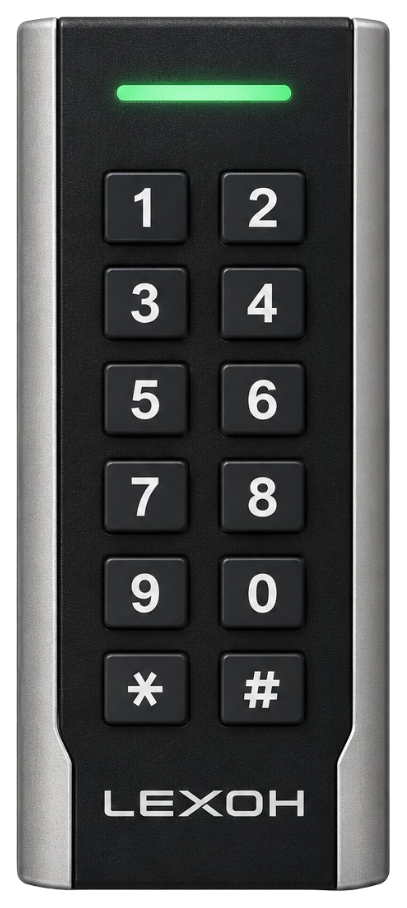
Card-based credential reader
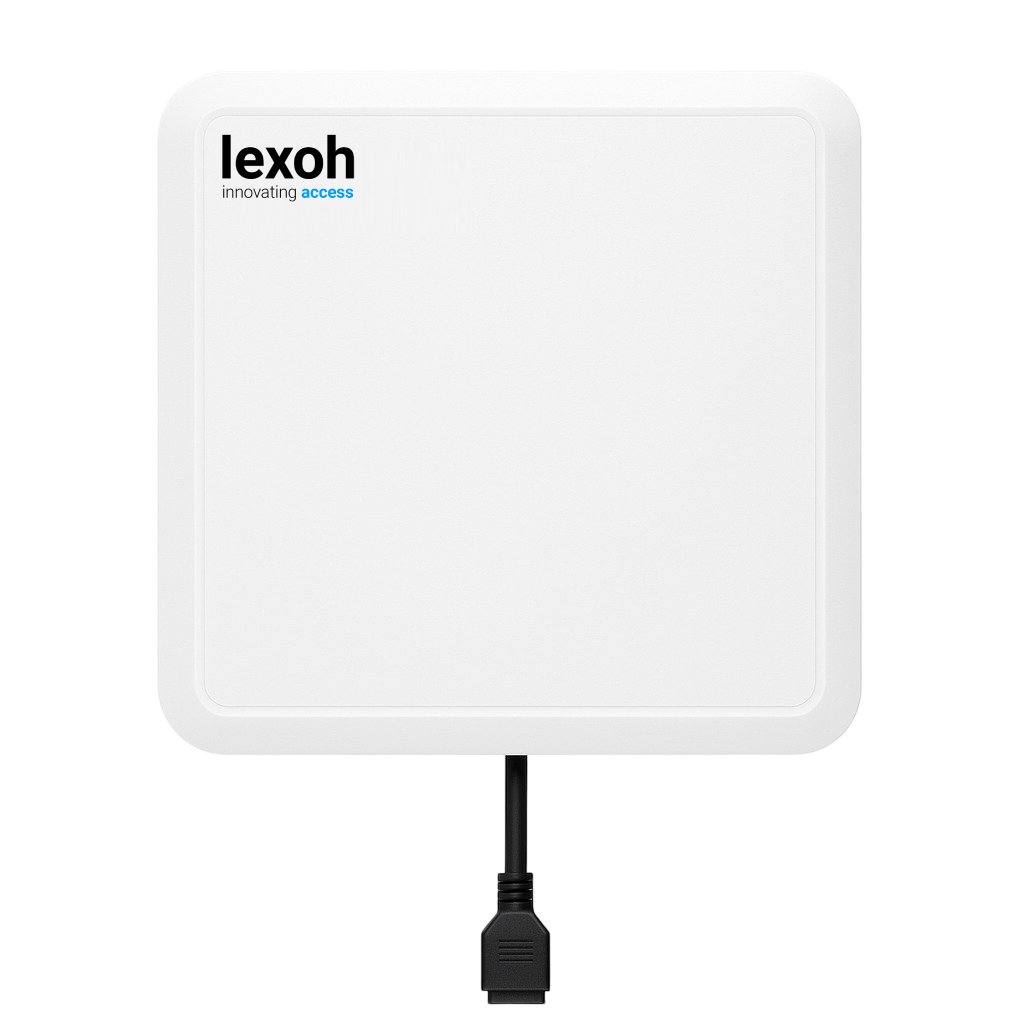
UHF credential reader
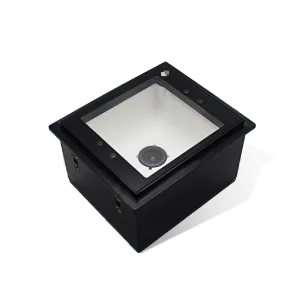
QR and barcode credential reader
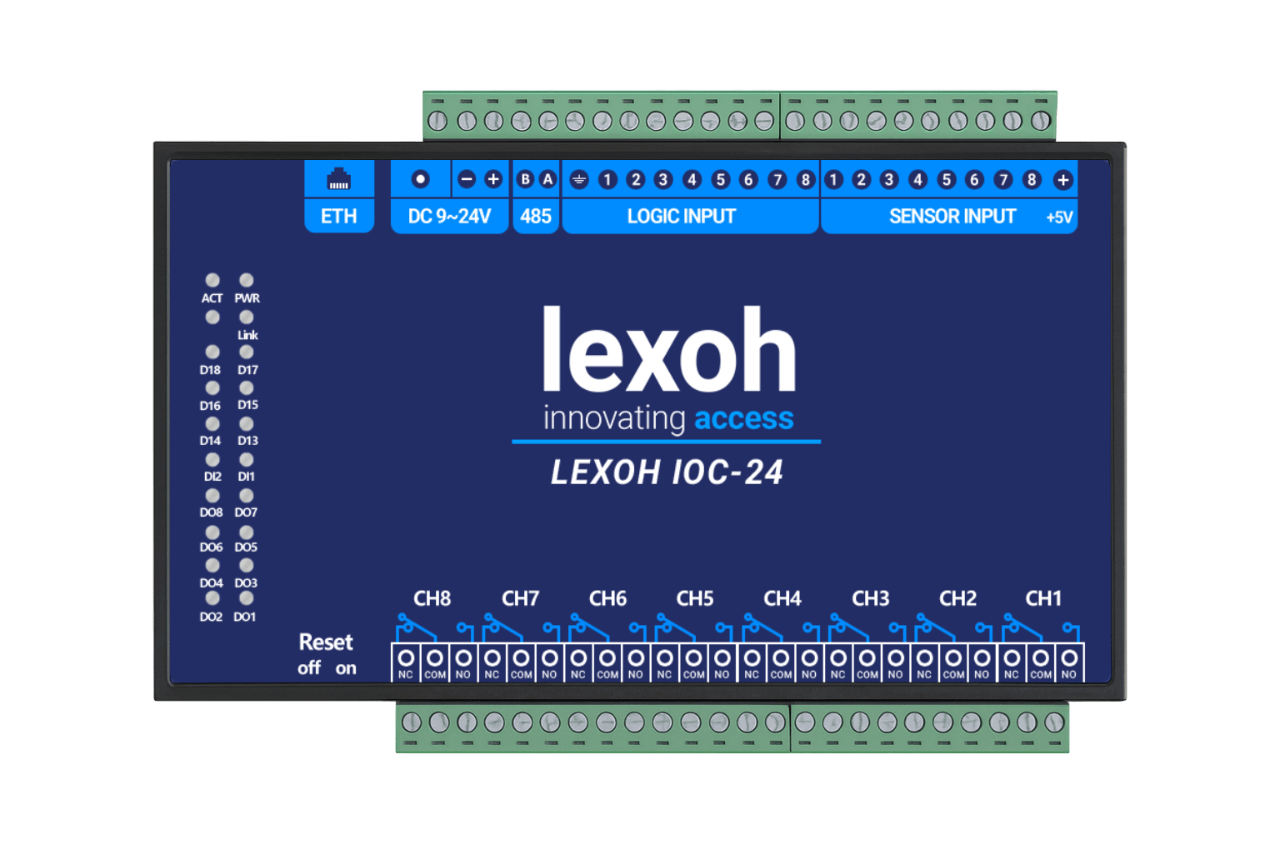
Device input and output controller
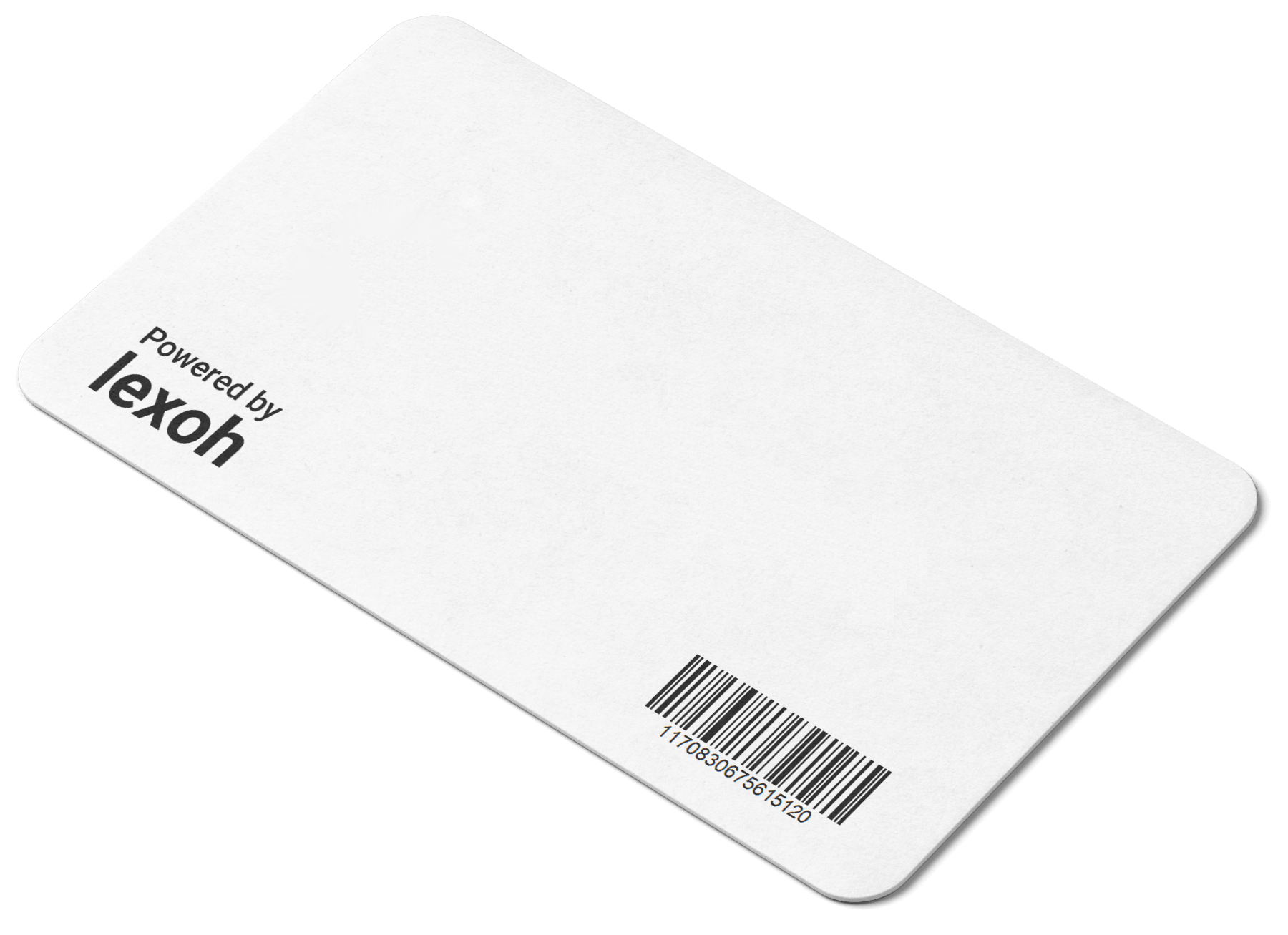
RFID access credential
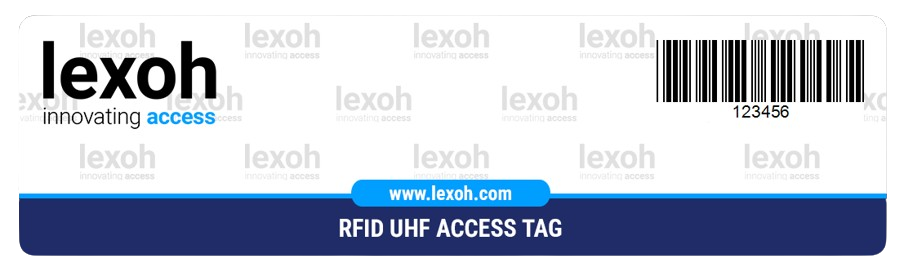
UHF access credential
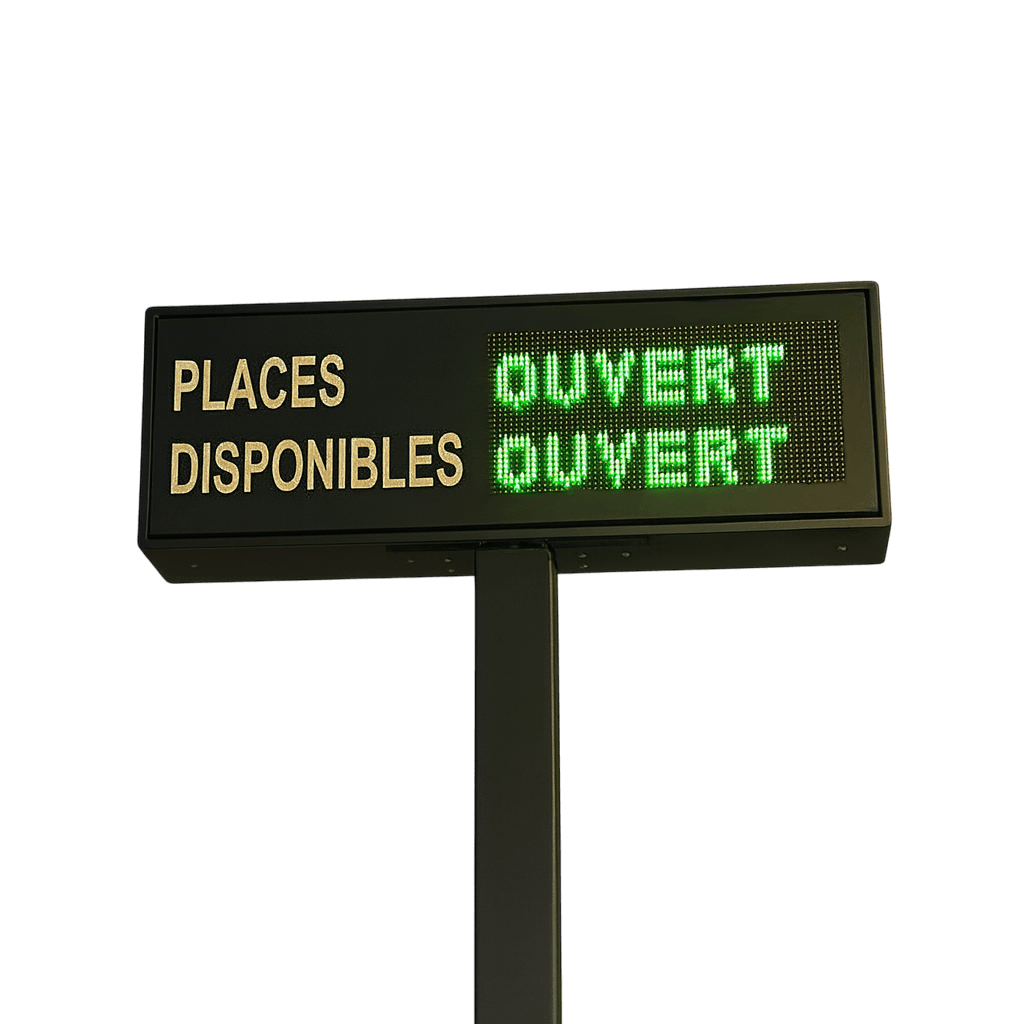
Lane and access display signage

Thermal printer paper
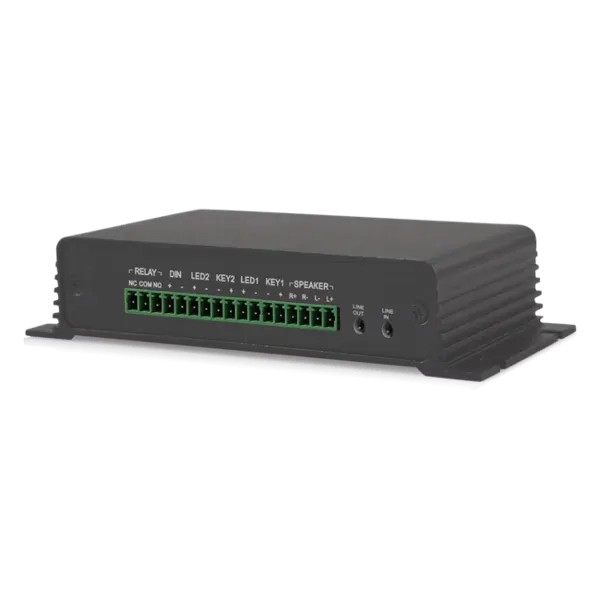
IP intercom communication
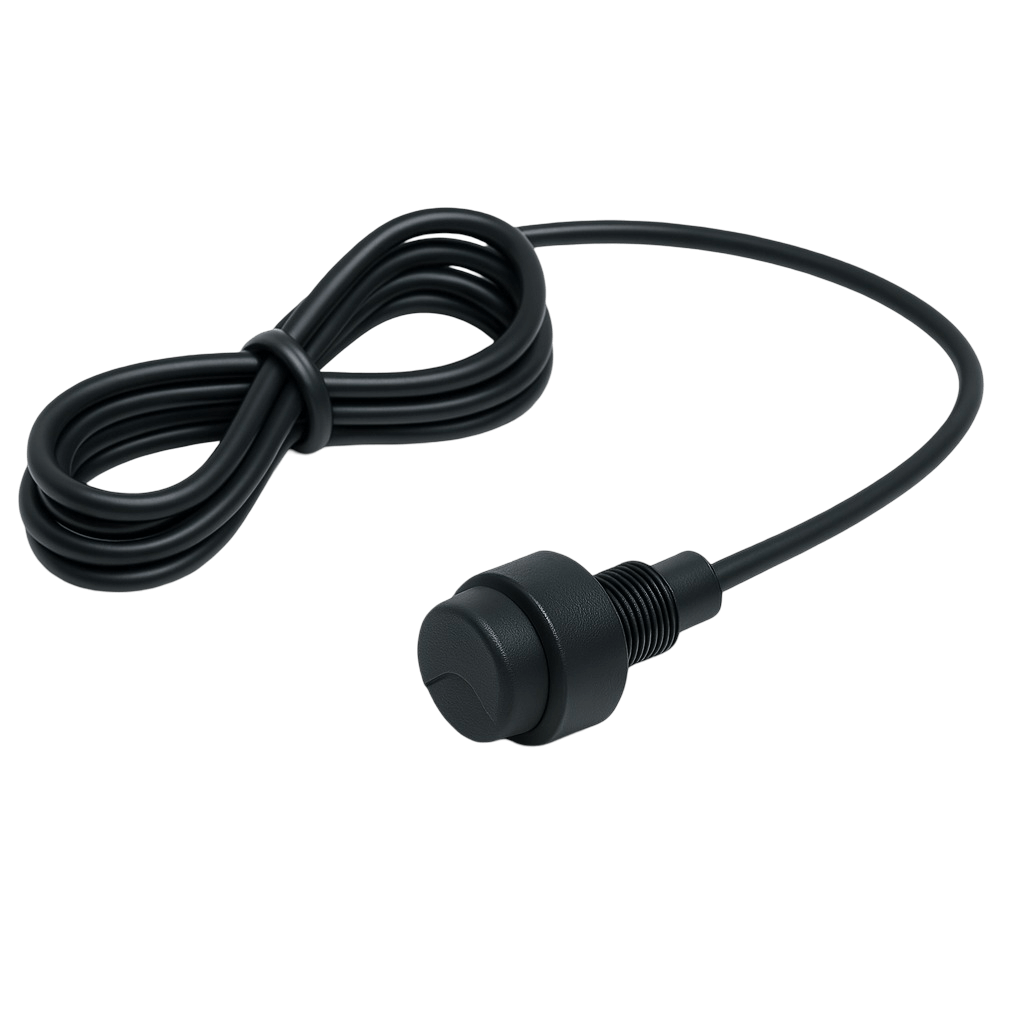
Analog omnidirectional microphone
Museums & attractions
Connect museum tickets, timed visits and physical entrance control. Bring QR readers, pedestrian gates, payments and parking into an admission journey designed around your visitors and reception team.

Visitors come for your collection. Build an arrival process that explains where to go, validates the right admission and gives staff a clear way to help when a ticket needs attention.
A museum ticketing and access project connects the admission sold to the visit allowed on site: the date, time, exhibition and entrance. Lexoh supplies access software and equipment, with the ticketing functions and connections scoped around your operation.
Support visitors from their first entry to the spaces included in their visit.
Separate general admission, temporary exhibitions and workshops. Associate each permission with the relevant entrance to guide visitors to the spaces included.
Explore permissions →Apply the access periods planned for visits and activities. Keep public opening hours distinct from the access staff need before and after opening.
Explore access schedules →Choose readers that suit the tickets and credentials used on site. Plan a straightforward scanning process for visitors, members and staff.
Explore RFID readers →Connect vehicle access to the visitor journey. Define parking validity and permitted returns according to your reception policy.
Explore vehicle access →Review connected device status and use authorized commands to help a visitor at the entrance. Keep an assistance point for situations that need attention.
Explore connected equipment →Find recorded access events to investigate a passage or an entrance issue. Give the team the available context to answer a visitor’s question.
Explore Security Center →Ticketing exchanges and available commands depend on the selected interfaces and equipment.
Select an area on the map to explore its journey and access permissions.
Validate admission and direct visitors to the included spaces. Reception handles groups, late arrivals and requests for help.
For a timed exhibition, start with the arrival window and the experience it covers. Distinguish the number of tickets sold for a slot from the number of people physically inside. Those figures answer different questions: one controls the offer, the other describes the venue. Decide whether a late arrival can enter the next slot, needs staff approval or must exchange the ticket.
A family, a school group and a returning member do not arrive in the same way. Define how accompanying adults, children and group leaders are identified and counted. For membership, agree which exhibitions are included and how expiry affects access. A group ticket may authorize several people; the gate and staff workflow must reflect that instead of assuming one scan always means one person.
Consider a package with general admission, a temporary exhibition and parking. Keep the components identifiable so staff can change one service without confusing the others. The selected ticketing software owns the agreed prices, availability and sales channels. Lexoh’s access scope connects the resulting permissions to the entrance equipment. Refunds and revoked access need an explicit relationship, especially when only part of a package is cancelled.
Admission, an additional activity and parking can form one offer. Define the components in the sales software, then the permissions expected at each entrance.


Arrival by car, the entrance lane and exhibition access each have their own rules. Define the included permissions, time window and expected validation at every point in the journey.
The ticket type should explain what the visitor can do. Entrance rules then translate that promise into the site journey.
| Visit type | Permission to define | Operating consideration |
|---|---|---|
| General visit | Date, opening hours and included spaces | Specify re-entry and the end of validity. |
| Timed exhibition | Arrival time and authorized exhibition | Plan late arrivals and distinguish sold slots from actual occupancy. |
| School group | Visitor and accompanying-adult count | Define individual validation or an assisted group passage. |
| Membership | Duration, holder and included exhibitions | Specify exclusions and any requirement to reserve a time slot. |
A visitor may arrive by car, present a ticket and enter a particular exhibition. Every step should be understandable and linked to the correct permission.
Provide a staffed route to find the reservation and resolve the issue without holding up the main entrance.
Define permitted re-entry and how staff distinguish a return visit from a duplicate admission attempt.
Lexoh supports local device communication through its offline mesh architecture. Establish which prepared permissions are available locally and how later changes are reconciled.
Keep ticket sales, access validations and people counts distinct. Choose the reports and reconciliation needed for your operation.
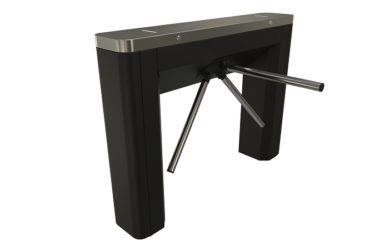
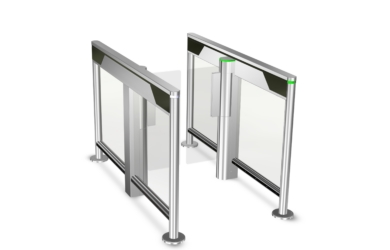
Review a SlimLane speedgate for controlled pedestrian passage or a TriLane TL2 for a tripod checkpoint. Combine the chosen equipment with suitable QR or RFID readers and an accessible route. Passage width, emergency behavior, group handling and reader position belong in the installation design.
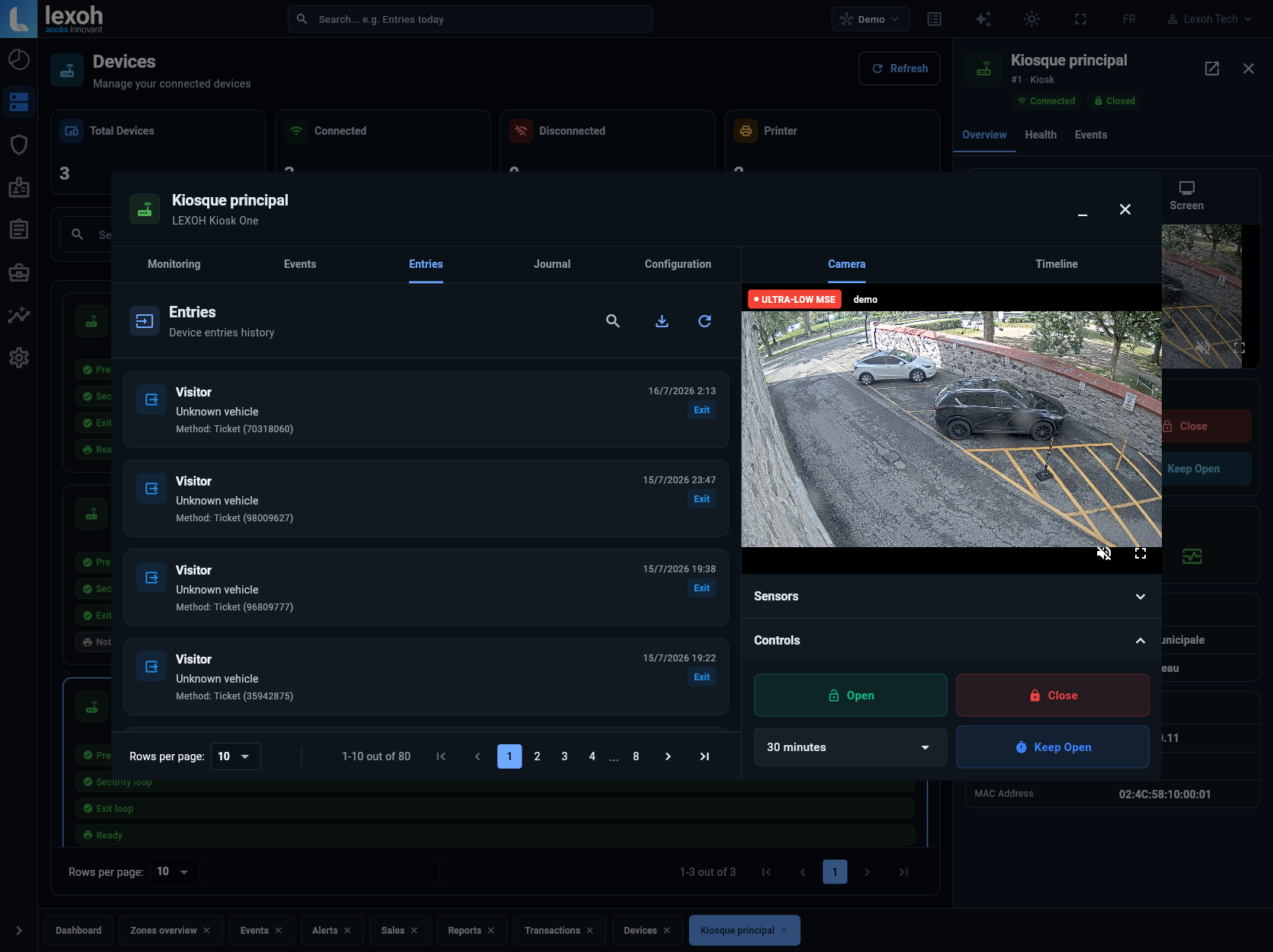
Security Center gives staff a view of configured devices, users and access events. The ticketing connection should preserve enough context to investigate a visitor’s arrival without turning every exception into a call between suppliers.
Explore access control →Test individual tickets, groups, memberships and exhibitions with their validity periods.
Check reader height, wayfinding, luggage and passage for people with reduced mobility.
Define who handles unreadable tickets, exchanges, late arrivals and re-entry, with a short operating procedure.
Show us your visitor journey, from ticket purchase to the exhibition door. We will help define the software connection, equipment and reception workflow.
Plan my museum entrance ↗