

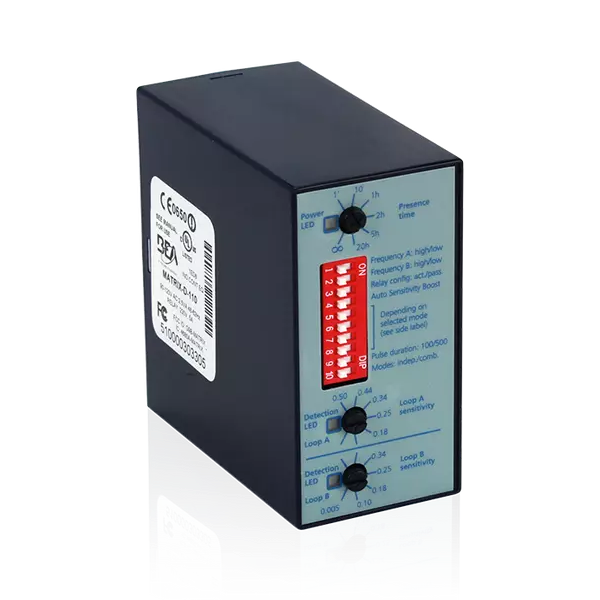
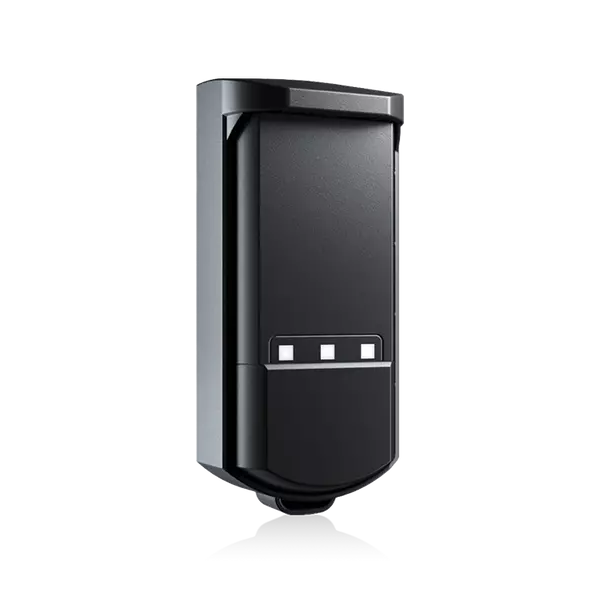
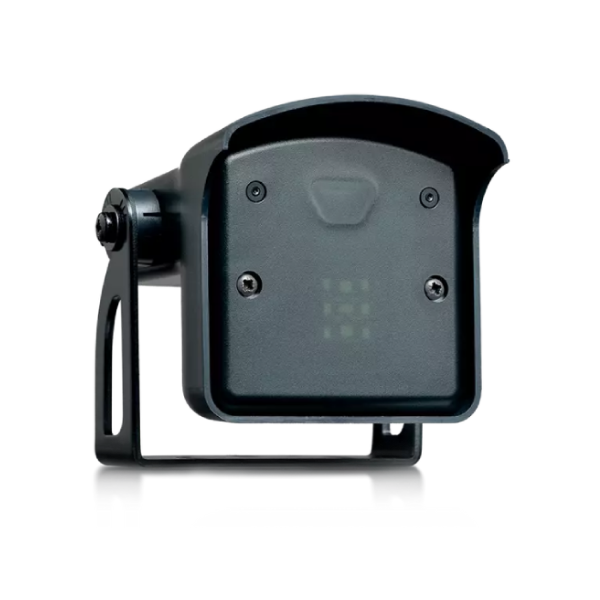
No universal interchangeability is claimed. A replacement review needs model numbers, interfaces, software versions and the required journeys. Retained equipment and data transfer must be confirmed in the proposed design.
SKIDATA alternative
SKIDATA or Lexoh for your parking project?
Considering an alternative to SKIDATA for a parking project in Canada? Compare Lexoh’s kiosks and Security Center platform with the proposed SKIDATA configuration against your access, payment, migration and service requirements.
Make the buying decision
Why choose Lexoh?
Choose Lexoh to connect parking, access equipment and video in one platform, with offline communication between devices through its mesh network.
Lexoh publishes this comparison. Supplier descriptions link to official sources; demonstration steps are proposed buying checks, not results of a comparative product test.
| Capability | SKIDATA | Lexoh |
|---|---|---|
| Architecture | Connect combines cloud services with local core functions.Source: SKIDATA — Mobility & Parking | Lexoh uses a hybrid architecture: cloud management plus an offline mode, with a mesh network that lets site devices communicate without internet. |
| Parking portfolio | Published functions include license plate recognition (LPR), payments, reservations and subscriptions.Source: SKIDATA — Mobility & Parking | Security Center brings sites, devices, users, access events, video and transactions into one operating environment. |
| Connected sites | SKIDATA describes central control across car parks.Source: SKIDATA — Mobility & Parking | Security Center brings sites, devices, users, access events, video and transactions into one operating environment. |
| Service-based operating model | SKIDATA presents Mobility Suite as a Service (MSaaS) as an operating model that can add parking services over time.Source: SKIDATA — Mobility & Parking | The project quotation sets out equipment, software and service charges, with ownership and replacement responsibilities attached to the selected offer. |
| Partner applications and infrastructure | SKIDATA describes Connect integrations spanning payments, reservations, EV charging and partner applications.Source: SKIDATA — Mobility & Parking | Lexoh connects field equipment and software integrations within the site design. The selected interfaces define the supported exchanges with payment providers and external applications. |
| Installation and service | Obtain the site-specific installer and service agreement. | Installation combines lane equipment, controller connections and software configuration. The project scope identifies site work, commissioning and support responsibilities. |
| Ownership and lifecycle | Review the actual equipment and software agreement. | The project quotation sets out equipment, software and service charges, with ownership and replacement responsibilities attached to the selected offer. |
Published positioning is not a verified feature test of every configuration. A requirement marked for confirmation is unknown until reviewed; it is not an assertion that a supplier lacks it.
Pros and cons for your project
Compare the advantages that matter to your site. Lexoh brings its kiosks, access controls, video and offline device communication together in one ecosystem.
Lexoh
Advantages
- Hardware and software together: Lexoh manufactures its kiosks and develops Security Center, connecting physical equipment with day-to-day operations.
- Hybrid architecture: cloud management and an offline mesh network keep local device communication separate from the internet connection.
- One operating view: sites, devices, users, events and transactions are managed within Security Center.
- Choice of credentials: combine RFID, UHF, QR, PIN and license plate recognition with the readers and cameras selected for the site.
- Video alongside access: operators can review a camera view and the associated device controls in the same environment.
- A broader site platform: parking, doors, gates and connected site equipment form part of the Lexoh ecosystem.
Trade-offs and project considerations
- Replacing another system requires an equipment and data migration review; existing terminals and accounts are not automatically interchangeable.
- Offline device communication does not by itself establish offline bank-card authorization or remote cloud access; those services depend on their own connections and configuration.
SKIDATA
Advantages
- Hybrid architecture combines cloud services with local core functions.
- Published parking services include reservations, subscriptions, payments and multi-site control.
Trade-offs and project considerations
- Connect’s local core uses local servers, which belong in the infrastructure and maintenance scope.
01
Retain SKIDATA, upgrade it or replace it?
Ask the existing supplier for a supported upgrade scope before comparing a replacement. Retaining equipment may be sensible when it meets the operating brief and lifecycle requirements. Consider Lexoh when you want to review a complete kiosk, access and software proposal, or when the required change extends beyond one component.
- Inventory the exact installed models and software versions.
- Compare the same access and payment cases for both proposals.
- Keep migration and recurring services visible in the total.
02
Offline communication built into the site
Lexoh uses a hybrid architecture: cloud management plus an offline mode, with a mesh network that lets site devices communicate without internet. In a parking installation, the mesh network gives local devices a communication path when internet is unavailable. Commissioning verifies the configured access and payment journeys, including the separate requirements of the payment equipment.
- Agree a controlled test with the installer, assistance staff and property operator.
- Test network loss separately from loss of power; record the local equipment and services each action requires.
- Compare new rights, revoked rights, payment status and event records after recovery.
03
Prepare a phased migration brief
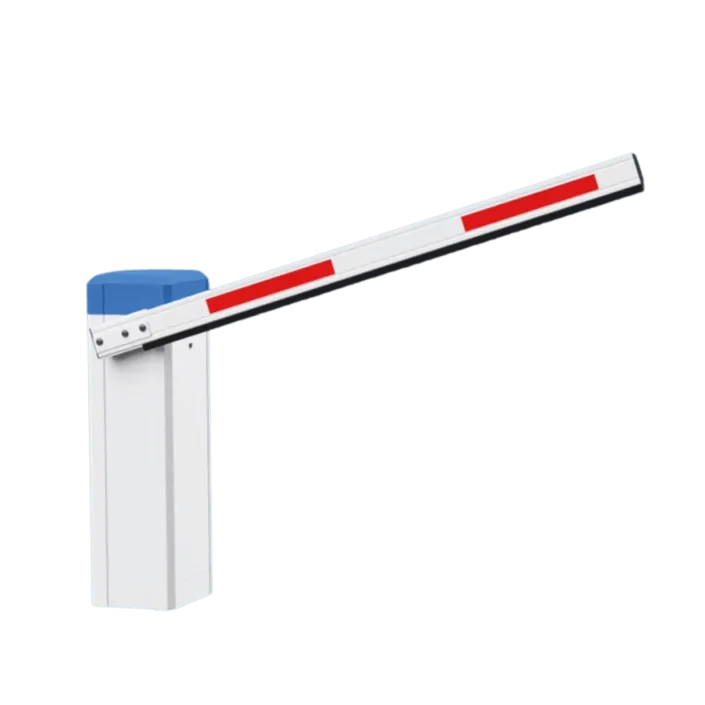
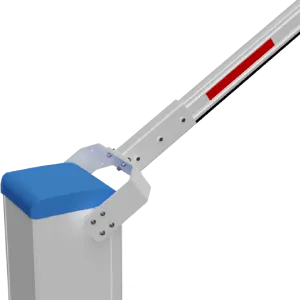
Map credentials, active permits, balances and operating records before deciding what can transfer. Ownership of an existing barrier does not prove its controller interface is compatible. Use a pilot lane and an agreed fallback procedure where the project supports phased work.
- Identify the person approving each migration dataset.
- Separate equipment reuse from software-data migration.
- Accept the new operation before withdrawing the agreed fallback.
Connect the equipment and the operating software
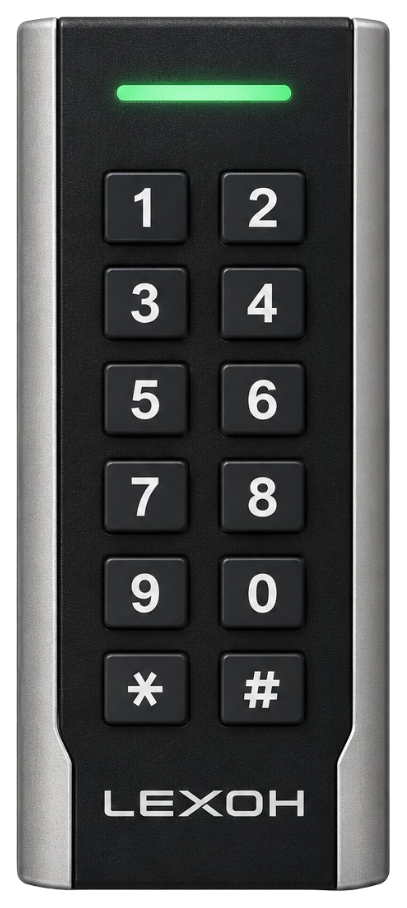
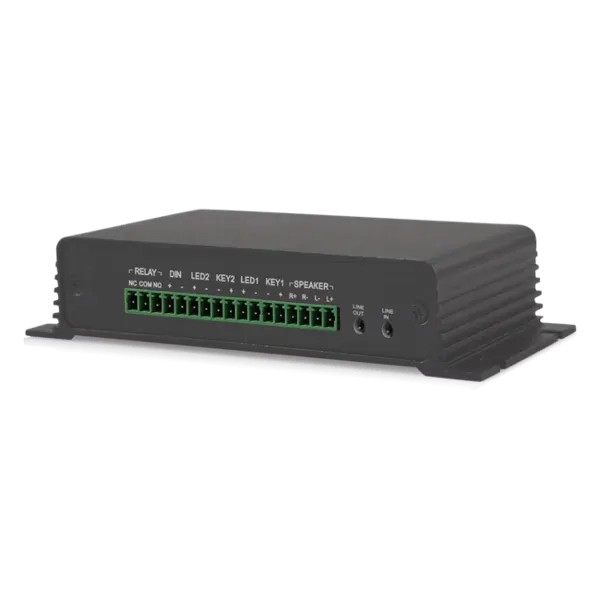
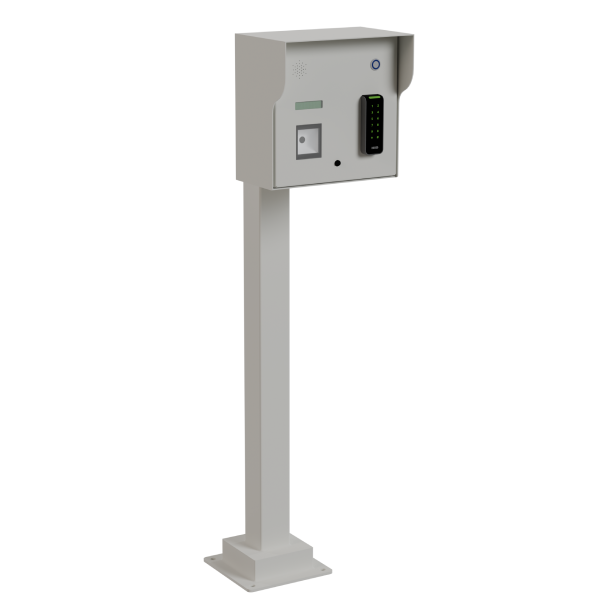
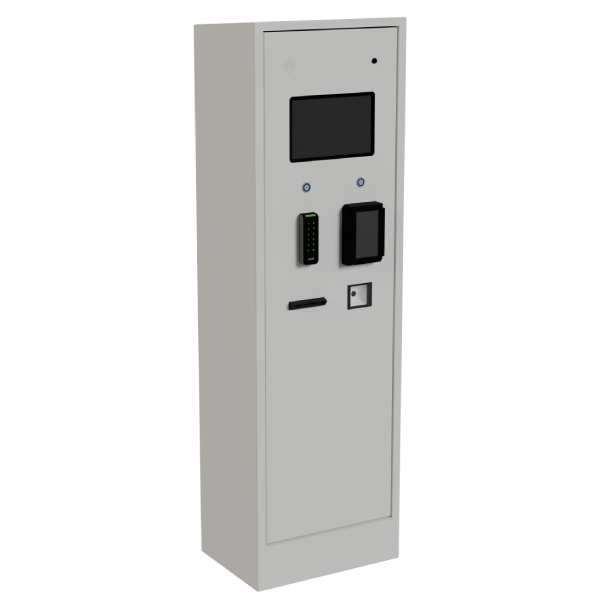
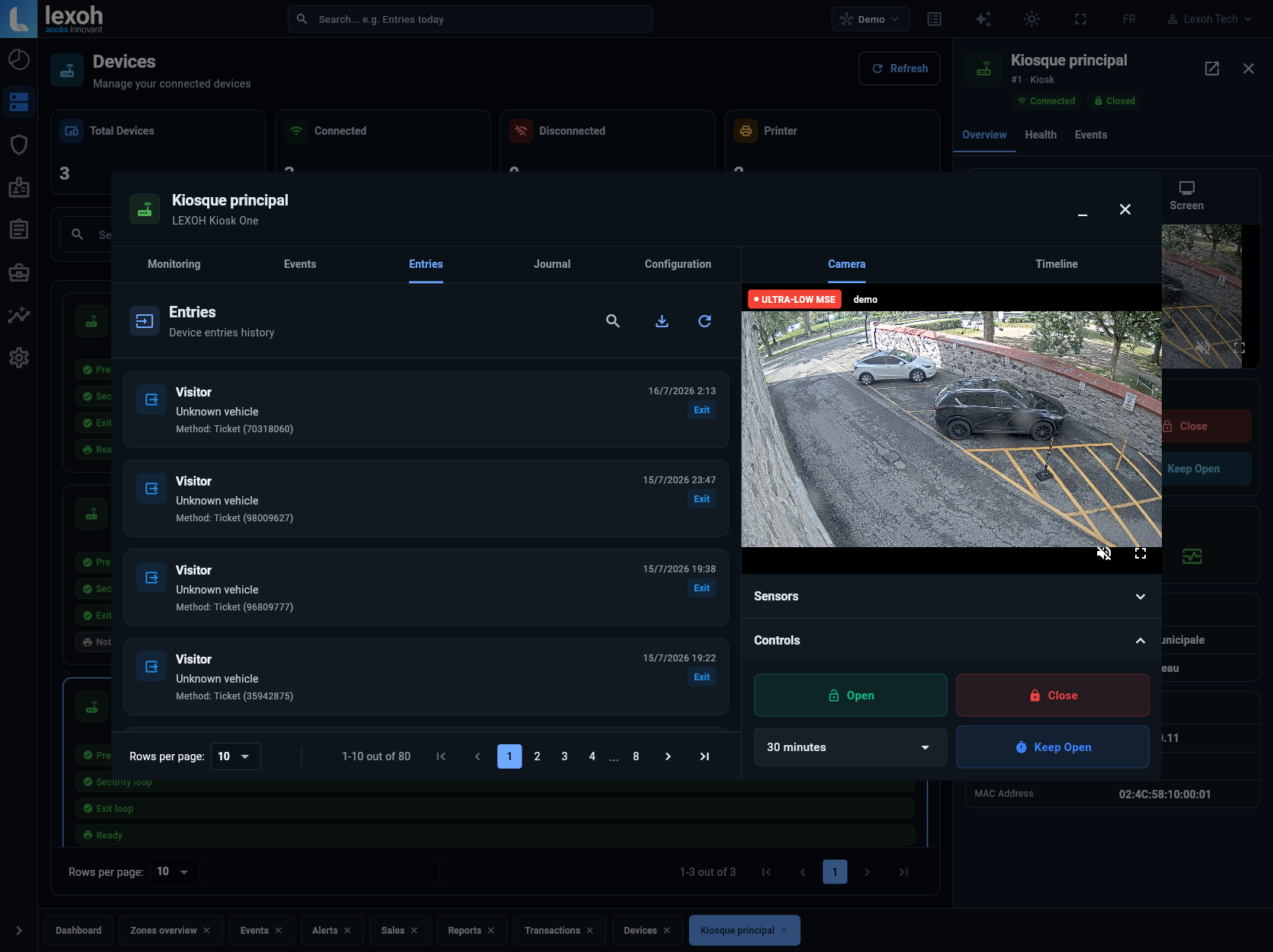
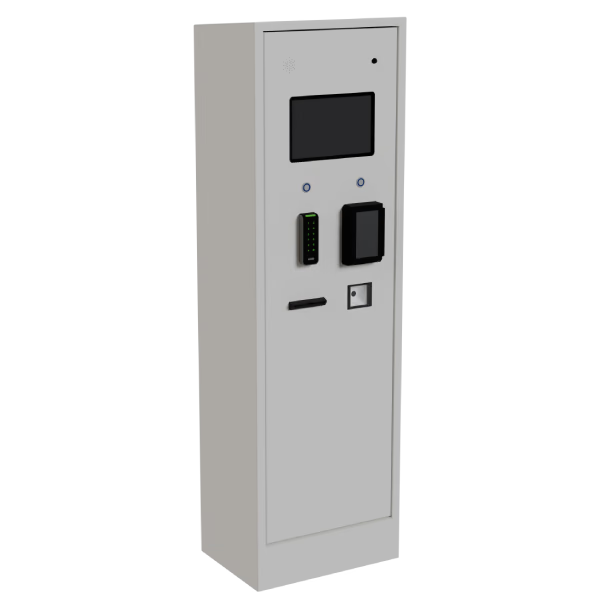
Lexoh pairs its access and payment kiosks with Security Center. The software capture shows a device, its camera view and operating controls; the LPK-128V2 illustrates the physical kiosk. For a replacement, identify which lane equipment will be retained and which readers, payment modules and connections the new design needs.
SKIDATA alternative questions
A fair price comparison needs equivalent equipment, site work, software, payment charges, migration and service terms. Published brand descriptions do not establish the cost of your installed system.
Keep or upgrade it when a supported proposal meets the requirements at an acceptable lifecycle cost and risk. A replacement should solve a documented operating or support problem.
No. SKIDATA describes cloud services with local core functions. That description does not specify the behavior of every proposed module during network loss or a power failure. Request a function-by-function continuity demonstration from each supplier, including payments, new or revoked rights and record recovery.
Lexoh uses a hybrid architecture: cloud management plus an offline mode, with a mesh network that lets site devices communicate without internet. This provides local communication between devices during an internet interruption. Payment authorization and remote services have separate connectivity requirements.
Sources and comparison method
Supplier descriptions checked against the official sources below on October 2, 2026. Lexoh publishes this comparison. Confirm current equipment, prices, compatibility and service terms in each supplier’s written proposal. Brand names identify the compared systems; no affiliation is implied.
See how Lexoh fits your site
Show us your entrances, user groups and existing equipment. We will review a Lexoh configuration combining kiosks, access, video and offline device communication for your project.