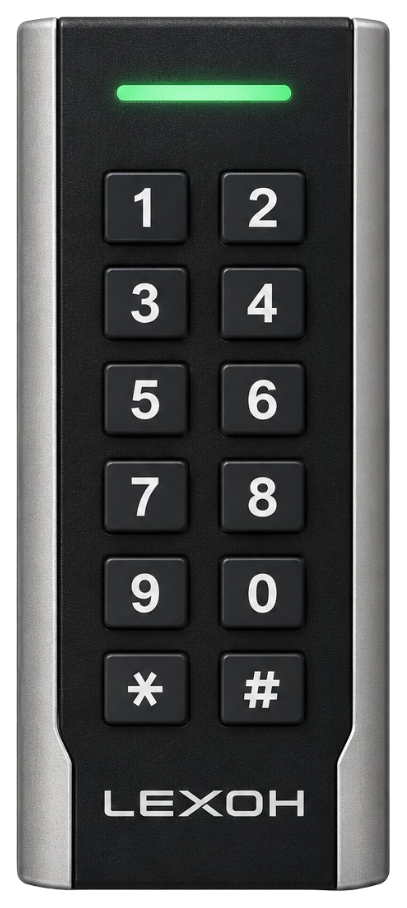
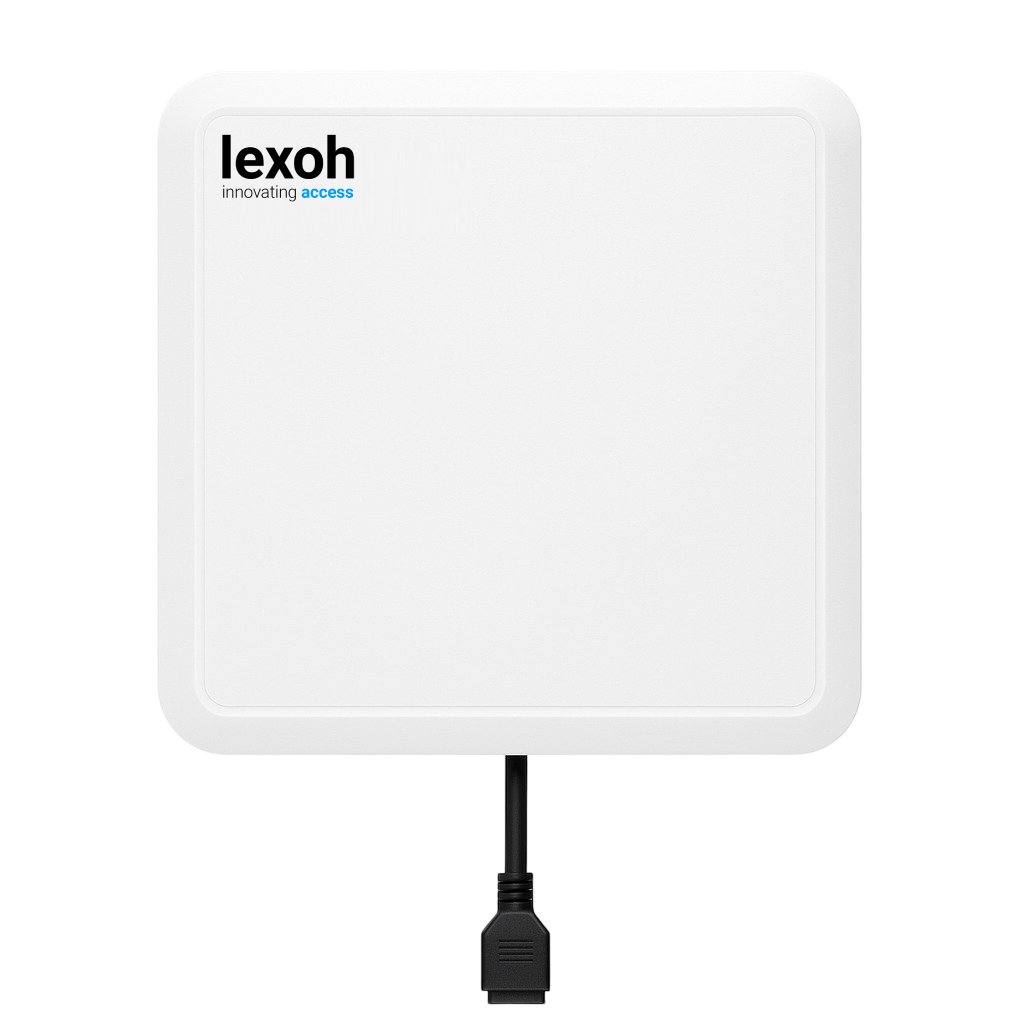
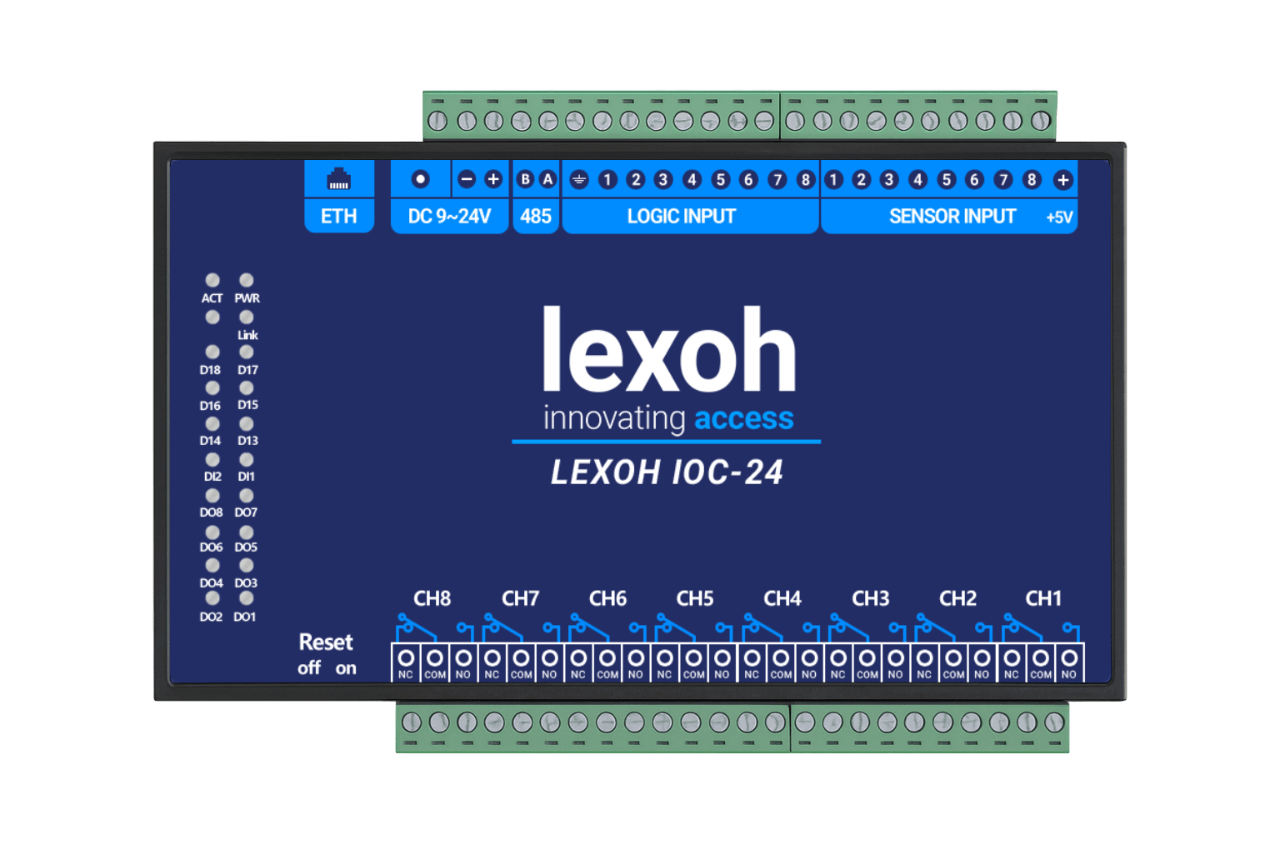


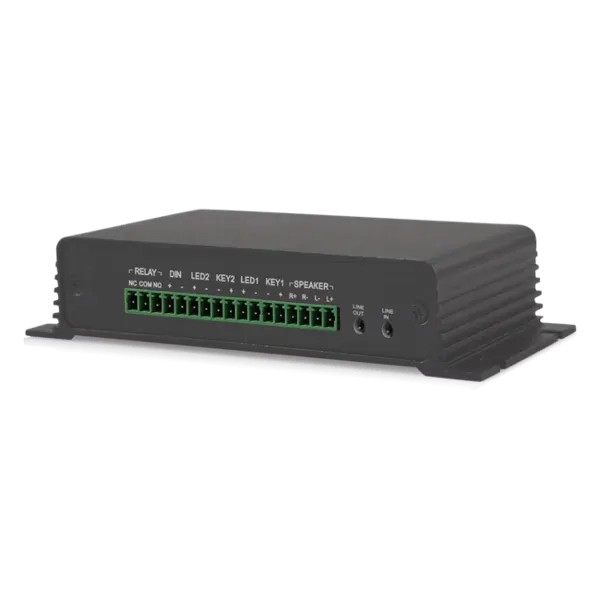
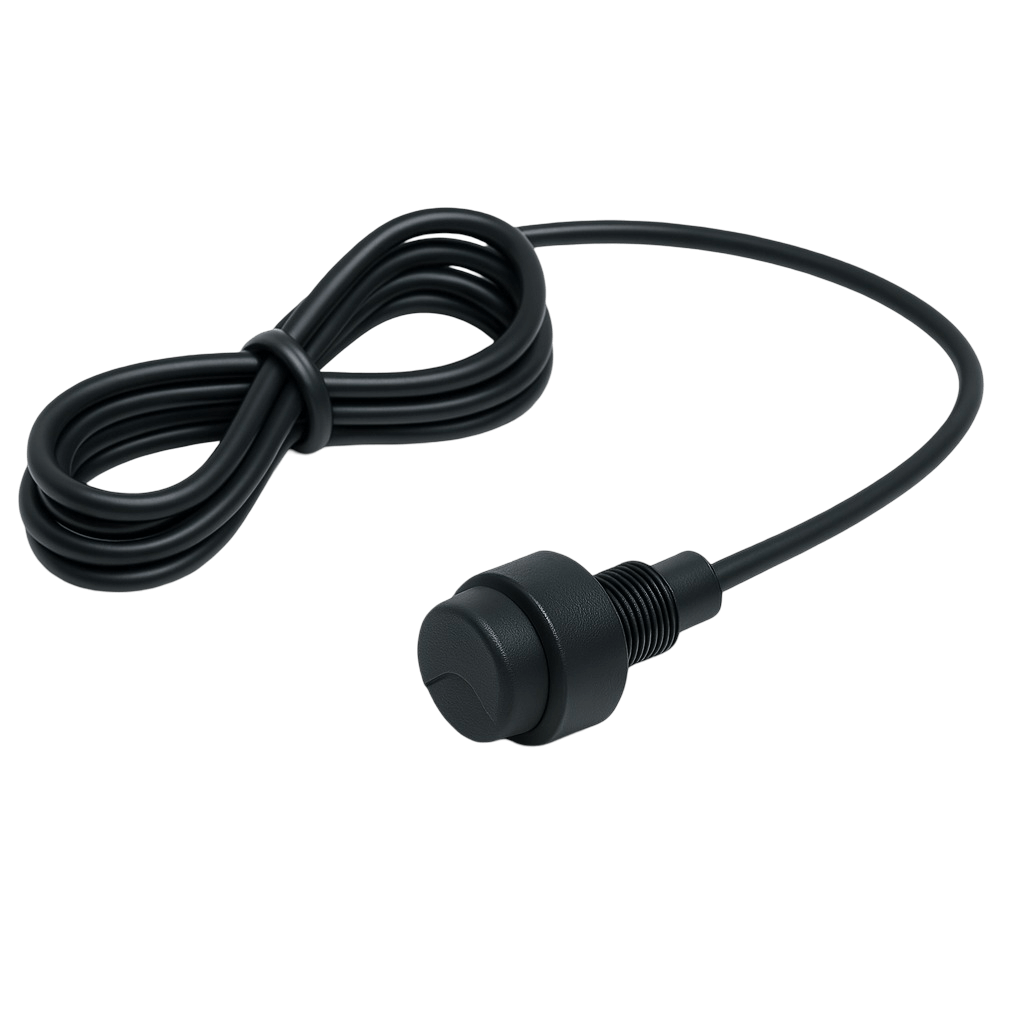
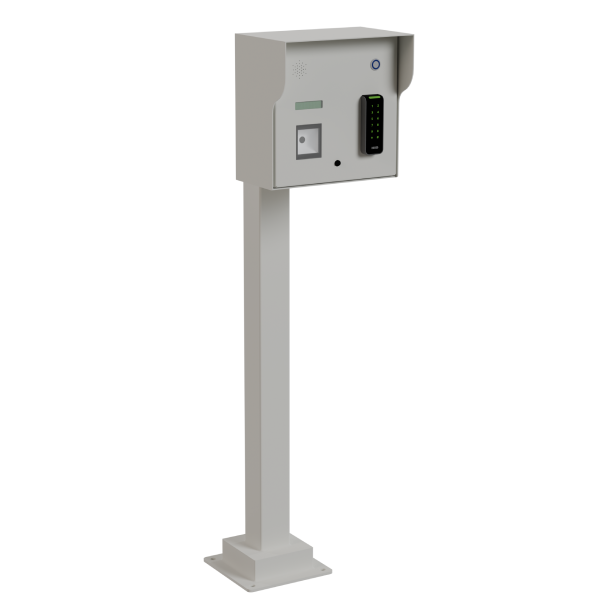
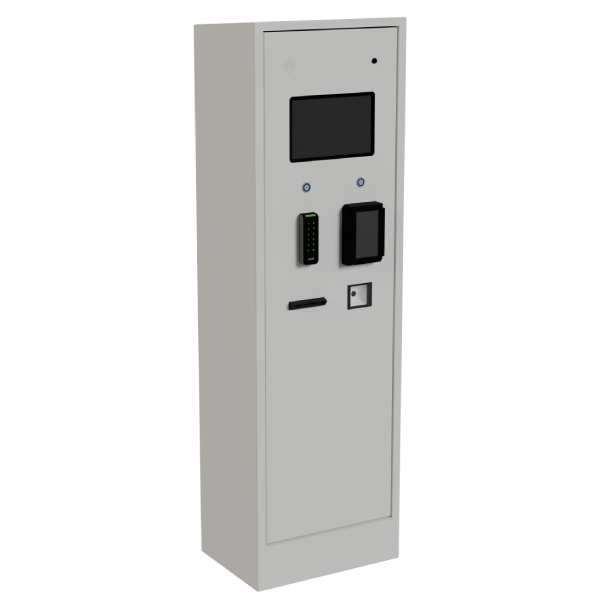
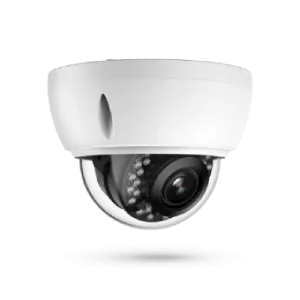
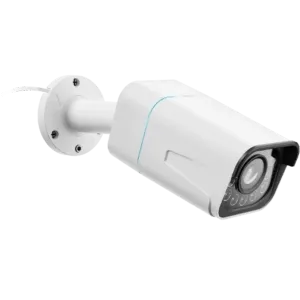
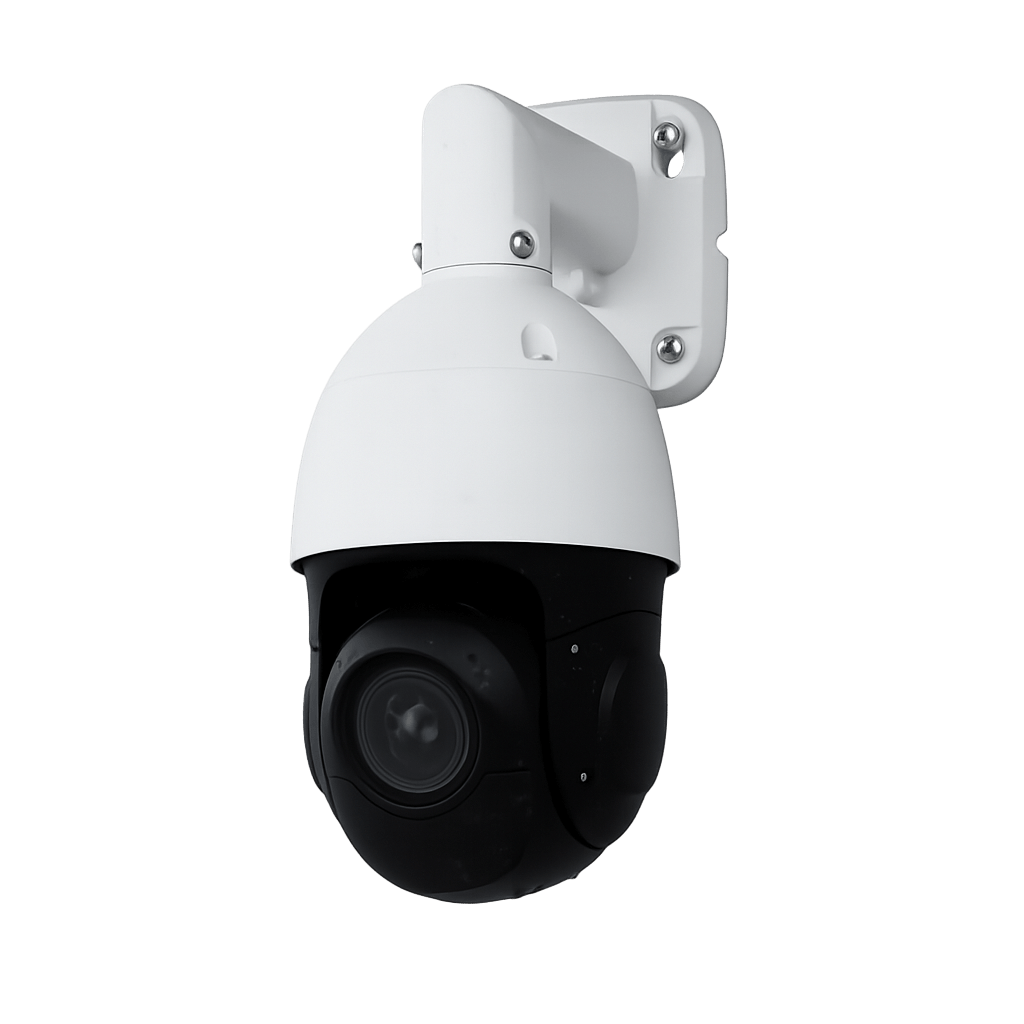
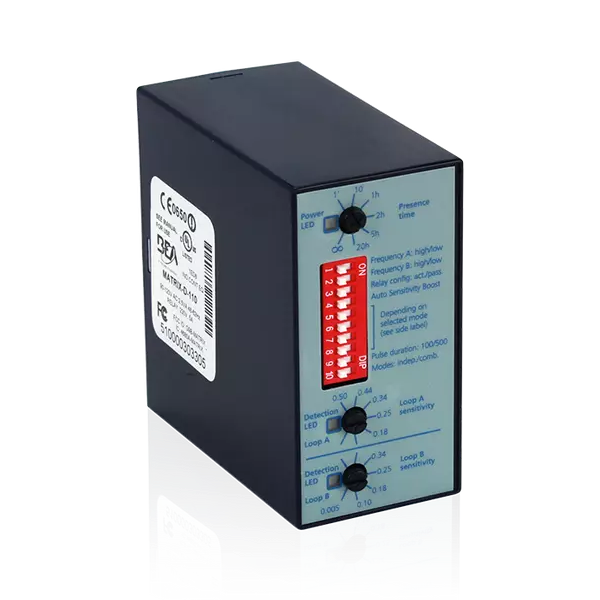
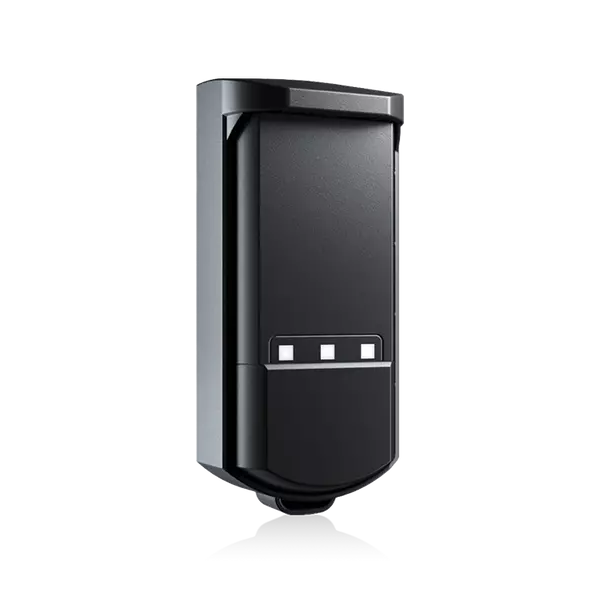
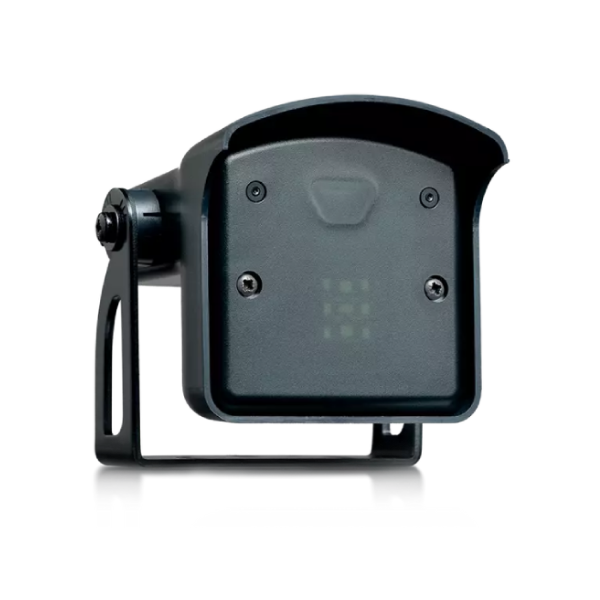
Compatibility must be reviewed by model and supported interface. This page does not claim a ready-made connector or universal reuse of Jupiter equipment.
HUB Parking alternative
HUB Parking or Lexoh for your parking project?
Compare HUB Parking with Lexoh for a new installation or replacement. Lexoh manufactures access and payment kiosks and develops Security Center software. Review the lane equipment, management tools and digital services in each proposal, then test them together for your property.
Make the buying decision
Why choose Lexoh?
Choose Lexoh for a site-wide operating view that brings parking together with access devices and video, plus offline communication over a mesh network.
Lexoh publishes this comparison. Supplier descriptions link to official sources; demonstration steps are proposed buying checks, not results of a comparative product test.
| Capability | HUB Parking | Lexoh |
|---|---|---|
| Lane equipment | Jupiter is HUB’s parking hardware family.Source: HUB — Jupiter | Lexoh manufactures access and payment kiosks and develops the software that connects them to site operations. |
| Management | JMS (Janus Management System) provides parking management across sites.Source: HUB — Janus Management System (JMS) | Security Center brings sites, devices, users, access events, video and transactions into one operating environment. |
| Digital services | HUB lists J4Pay for mobile payments, J4M for merchant validation and J4H for guest parking.Source: HUB — Digital portfolio | Lexoh connects payment kiosks and transaction records with site operations. Payment methods and receipt options depend on the selected terminal and payment provider. |
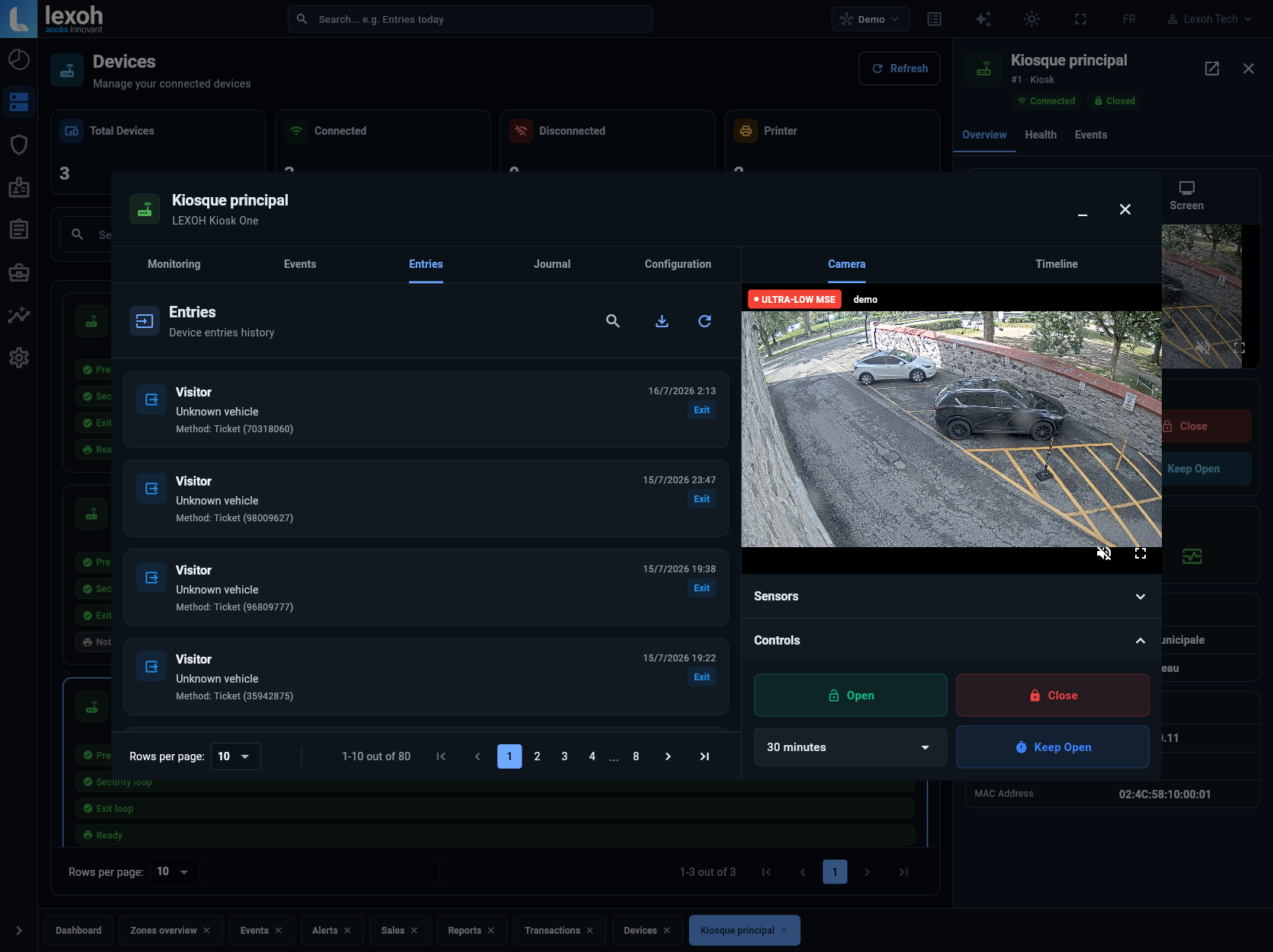
| Web and mobile operations | HUB describes JMS management through a web console and a mobile app for phones and tablets.Source: HUB — Janus Management System (JMS) | Security Center combines camera views, access events and device controls so operators can investigate an arrival and act from the same environment. |
| Web services | HUB lists JMS web-service connections for online discounts, web booking and mobile payment.Source: HUB — Janus Management System (JMS) | Lexoh connects software and field equipment through project-selected interfaces. Each connection has a defined data exchange and operating purpose. |
| Installation and service | Obtain the site-specific installer and service agreement. | Installation combines lane equipment, controller connections and software configuration. The project scope identifies site work, commissioning and support responsibilities. |
| Ownership and lifecycle | Review the actual equipment and software agreement. | The project quotation sets out equipment, software and service charges, with ownership and replacement responsibilities attached to the selected offer. |
| Offline device communication | The sources below do not establish an equivalent mesh network; this is not a claim that offline functions are absent. | Lexoh uses a hybrid architecture: cloud management plus an offline mode, with a mesh network that lets site devices communicate without internet. |
Published positioning is not a verified feature test of every configuration. A requirement marked for confirmation is unknown until reviewed; it is not an assertion that a supplier lacks it.
Pros and cons for your project
Compare the advantages that matter to your site. Lexoh brings its kiosks, access controls, video and offline device communication together in one ecosystem.
Lexoh
Advantages
- Hardware and software together: Lexoh manufactures its kiosks and develops Security Center, connecting physical equipment with day-to-day operations.
- Hybrid architecture: cloud management and an offline mesh network keep local device communication separate from the internet connection.
- One operating view: sites, devices, users, events and transactions are managed within Security Center.
- Choice of credentials: combine RFID, UHF, QR, PIN and license plate recognition with the readers and cameras selected for the site.
- Video alongside access: operators can review a camera view and the associated device controls in the same environment.
- A broader site platform: parking, doors, gates and connected site equipment form part of the Lexoh ecosystem.
Trade-offs and project considerations
- Replacing another system requires an equipment and data migration review; existing terminals and accounts are not automatically interchangeable.
- Offline device communication does not by itself establish offline bank-card authorization or remote cloud access; those services depend on their own connections and configuration.
HUB Parking
Advantages
- JMS brings parking management across sites into a web console and mobile app.
- Jupiter lane hardware and dedicated digital parking services form a connected parking portfolio.
Trade-offs and project considerations
- The proposed JMS, lane equipment and digital services need a common installation and integration scope.
01
Compare the complete equipment and software package
A hardware quote and a complete parking-system quote can cover different work. Separate lane devices, management modules, digital services and deployment responsibilities. If one proposal includes visitor validation and another leaves it to a third party, resolve that difference before comparing totals.
- Request a bill of materials and software/module schedule.
- Identify merchant and hotel interfaces by product and version.
- List recurring charges and the services they buy.
02
Demonstrate a changed hotel departure date
For an illustrative hotel, issue a test guest pass for an agreed stay and verify entry and re-entry. Extend the departure date, then check when the updated access permission takes effect at the entrance and what the guest must do. Finally cancel the test pass and verify the expected refusal and assistance path. This tests the configured journey, whether a supplier uses a guest-parking module or a separate hotel interface.
- Identify who may create, extend and cancel a guest’s access permission.
- Check the access record and any charge or validation after each change.
- For a retail site, use a separate validated and unvalidated visit to assess the merchant workflow.
03
Review retained hardware before changing management
Document existing Jupiter or other lane equipment by exact model and interface. A new management platform does not automatically control installed devices. Compare keeping the supported stack, replacing selected components and installing a new complete lane.
- Separate mechanical reuse from controller compatibility.
- Record responsibility for integration and warranty boundaries.
- Request the commissioning evidence for retained devices.
Connect the equipment and the operating software
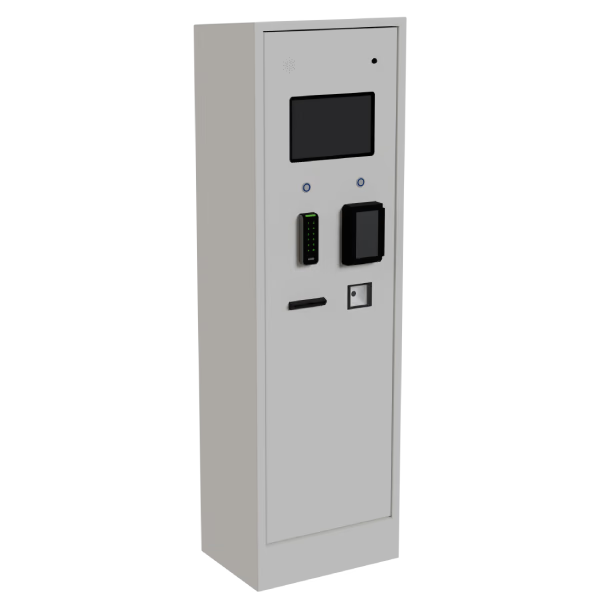
A Lexoh proposal brings together the kiosk, Security Center and the equipment selected for each lane. The LPK-128V2 provides an access and payment interface, while the software capture shows device controls and a camera view. Review those components together when testing a guest visit, a payment or an assisted exit.
HUB Parking alternative questions
Do not assume one-to-one module equivalence. Compare the required customer journey, supported interface and transaction record in each written proposal.
Name the installer, remote support contact, on-site escalation, service hours, travel terms and spare-parts arrangements for the actual address. Compare written commitments.
They serve different roles in HUB’s published portfolio: Jupiter is the hardware family, JMS is the management software, and services such as J4Pay, J4M and J4H cover specific digital journeys. Confirm which devices, modules, interfaces and licences are included in the proposal. Compare that complete scope with the Lexoh offer.
Lexoh uses a hybrid architecture: cloud management plus an offline mode, with a mesh network that lets site devices communicate without internet. This provides local communication between devices during an internet interruption. Payment authorization and remote services have separate connectivity requirements.
Sources and comparison method
Sources reviewed September 30, 2026. Supplier claims are summarized from the official pages below. This comparison is published by Lexoh. Confirm current equipment, prices, compatibility and service terms in each supplier’s written proposal. Brand names identify the compared systems; no affiliation is implied. Rows on JMS web/mobile operations and web services checked against the cited official source on October 2, 2026.
See how Lexoh fits your site
Show us your entrances, user groups and existing equipment. We will review a Lexoh configuration combining kiosks, access, video and offline device communication for your project.